Shrimp Gyoza
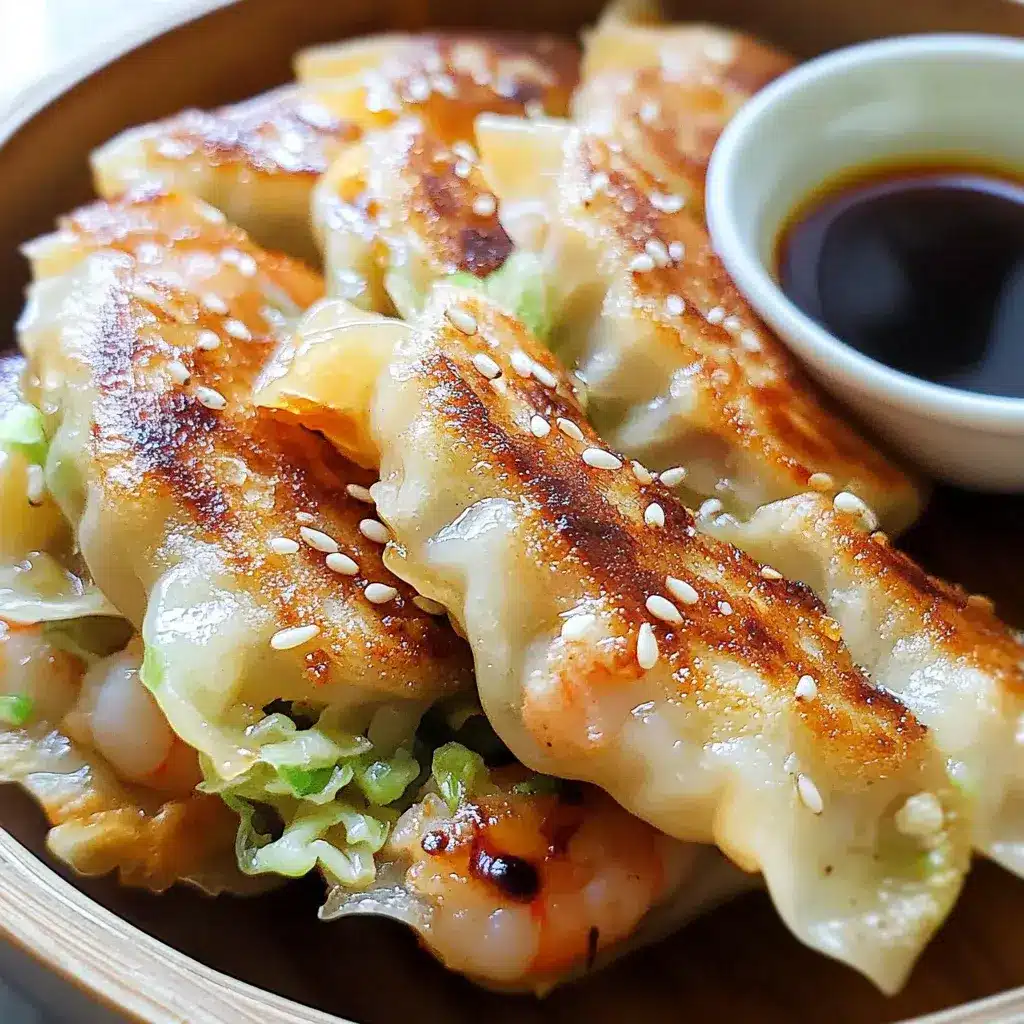
Embark on a culinary adventure with these exquisite Shrimp Gyoza, a Japanese delicacy that promises a symphony of flavors and textures in every bite. These delicate dumplings, a perfect marriage of succulent shrimp and crisp vegetables, are poised to become your new go-to for gatherings or simple weeknight delights.
Prepare to be amazed by the delightful contrast of a perfectly pan-fried exterior yielding to a tender, flavorful filling. This recipe demystifies the art of gyoza making, proving that creating these beloved Japanese dumplings from scratch is not only achievable but incredibly rewarding, bringing a touch of authentic Japanese cuisine right into your kitchen.
Why You Will Love This Recipe
- Quick Preparation: This Shrimp Gyoza recipe can be on your table in approximately 25 minutes, making it an ideal choice for busy weeknights when you crave something special without the fuss.
- Customizable Filling: The beauty of these dumplings lies in their adaptability; feel free to experiment with the filling ingredients, incorporating your favorite vegetables or pantry staples to create a personalized taste experience.
- Perfect for Dipping: Serve these gyoza with a classic Ponzu sauce for an authentic and zesty accompaniment that beautifully complements the richness of the shrimp and cabbage filling.
- Versatile Cooking Method: Whether you prefer the satisfying crunch of pan-fried gyoza or the delicate texture of steamed ones, this recipe offers flexibility, allowing you to achieve your desired result with ease.
- Family-Friendly Fun: The process of assembling gyoza can transform your kitchen into a hub of activity, making it a wonderful and engaging way to involve family and friends in the cooking process, fostering shared culinary memories.
Ingredients You Need
The foundation of truly exceptional Shrimp Gyoza lies in the quality and freshness of its ingredients. Utilizing plump, succulent shrimp and finely shredded crisp cabbage ensures a delightful texture and vibrant flavor profile that will sing in every mouthful. Even the humble scallion and a touch of aromatic ginger, if you choose to include it, play crucial roles in building layers of taste that make these dumplings so irresistible.
Shrimp Gyoza Recipe
Enjoy homemade Shrimp Gyoza that are crispy, juicy, and easy to make! Try this recipe today for delightful dumplings everyone will love!
- 12 oz (350g) shrimp (peeled and deveined, cut into small pieces)
- 1/2 teaspoon ginger (grated, optional)
- 1/2 cup cabbage (shredded)
- 1 tablespoon scallion (chopped)
- 1 teaspoon Japanese cooking sake
- 1 teaspoon mirin
- 1 teaspoon sesame oil
- 1/2 teaspoon salt
- 20 gyoza wrappers
- 1 tablespoon oil (for pan-frying)
- 1/2 cup water
- Ponzu sauce (for serving)
- White sesame (for garnishing)
- 1In a mixing bowl, combine the shrimp, ginger (if using), cabbage, scallions, sake, mirin, salt, and sesame oil. Stir well until all ingredients are mixed thoroughly to create a sticky filling.
- 2Take one gyoza wrapper and place it in your palm. Spoon about 1 heaping teaspoon of the filling onto the center of the wrapper. Moisten your index finger in water and circle it around the outer edges of the wrapper. Fold the wrapper over to form a half-moon shape. Pinch and pleat the edges to seal securely.
- 3Heat 1 tablespoon of oil in a non-stick skillet over medium-low heat. Arrange the gyoza in the skillet and pan-fry until their bottoms turn golden brown and crispy.
- 4Carefully add 1/2 cup of water to the skillet and cover it with a lid. Steam until all water has evaporated.
- 5Serve your freshly cooked Shrimp Gyoza warm alongside Ponzu sauce for dipping and garnish with white sesame seeds for an added touch!
Keywords: Shrimp Gyoza, Japanese Dumplings, Pan-Fried Dumplings, Easy Dumplings, Appetizer, Dinner
- shrimp: peeled and deveined, then chopped into small pieces for an even distribution within the filling.
- cabbage: finely shredded to provide a pleasant crunch and absorb the savory flavors of the other ingredients.
- scallion: thinly sliced to add a mild oniony bite and a hint of freshness that brightens the overall taste.
- ginger: grated, if using, to impart a subtle warmth and aromatic complexity that is characteristic of many Asian dishes.
- japanese cooking sake: a splash to tenderize the shrimp and add a subtle layer of umami to the filling.
- mirin: a touch of sweet rice wine to balance the savory elements and add a glossy finish.
- sesame oil: a few drops to lend its distinctive nutty aroma and deep, satisfying flavor.
- salt: to enhance and meld all the individual flavors, ensuring a well-seasoned and harmonious filling.
- gyoza wrappers: the delicate dough envelopes that hold the delicious filling, ready to be transformed into crispy, steamed delights.
- oil: for pan-frying, creating that coveted golden-brown, crispy exterior that is a hallmark of perfectly cooked gyoza.
- water: used in the steaming process to ensure the filling is cooked through and the wrappers become tender.
- ponzu sauce: the classic citrus-soy dipping sauce, offering a bright, tangy counterpoint to the savory dumplings.
- white sesame seeds: for a final flourish, adding a nutty crunch and visual appeal as a garnish.
The precise quantities for each ingredient are detailed within the recipe card for your convenience, ensuring you have all the necessary information to create these delightful dumplings.
Variations
Elevating your dinner experience with Shrimp Gyoza is incredibly easy, and this recipe serves as a fantastic canvas for creative modifications. Consider the vibrant world of dessert-inspired twists or hearty additions that can transform these dumplings into something entirely new.
For a delightful plant-based option, explore a vegan filling. Swap the shrimp for finely chopped firm tofu, mushrooms, or a blend of edamame and water chestnuts. Season this mixture with soy sauce, a touch of toasted sesame oil, garlic, and ginger for an equally satisfying, meat-free alternative that still provides that wonderful textural contrast.
If you’re watching your carbohydrate intake, a low-carb adaptation is surprisingly simple. While you can’t avoid the wrapper entirely, you can focus on a filling rich in flavor and low in carbs. Think finely minced cauliflower or jicama mixed with herbs and spices, offering a satisfying crunch and absorbency without the usual starches found in many dumpling fillings.
Another exciting avenue is to incorporate a fusion of global flavors. Imagine adding a hint of curry powder and a tablespoon of coconut milk to the shrimp mixture for a subtle Southeast Asian flair, or perhaps a sprinkle of chili flakes and a dash of lime juice for a zesty, Latin-inspired twist. These small adjustments can open up a universe of taste possibilities for your gyoza.
How to Prepare shrimp gyoza recipe
Step 1: Prepare the Flavorful Filling
Begin by assembling the heart of your gyoza: the filling. In a medium-sized mixing bowl, combine the meticulously prepared ingredients. This is where the magic starts to happen, as the fresh, vibrant components are brought together to create a harmonious blend of tastes and textures.
Add the peeled and deveined shrimp, which should be finely chopped. The smaller the pieces, the more evenly they will distribute and cook within the delicate wrappers. Alongside the shrimp, incorporate the finely shredded cabbage. This vital ingredient provides a delightful crunch and acts as a sponge, soaking up all the wonderful seasonings that will be added next.
If you’re opting for that extra layer of aromatic depth, now is the time to add the grated ginger. This warming spice is a classic in Japanese cuisine and offers a subtle yet significant flavor boost. Follow this with the thinly sliced scallions, which contribute a fresh, mild oniony note that cuts through the richness of the shrimp. A teaspoon of Japanese cooking sake and a teaspoon of mirin are then added; the sake helps to tenderize the shrimp and adds a subtle umami undertone, while the mirin introduces a touch of sweetness and a beautiful glossy sheen to the filling.
To bind these exquisite ingredients and enhance their natural flavors, add half a teaspoon of salt. This essential seasoning will awaken all the individual components, allowing them to meld together into a cohesive and utterly delicious mixture. Finally, a teaspoon of sesame oil is drizzled into the bowl. The nutty aroma and deep, satisfying flavor of sesame oil are indispensable in creating authentic gyoza, providing that characteristic taste that food lovers adore.
With all the ingredients in the bowl, the next crucial step is thorough mixing. Use a spoon or your clean hands to gently but firmly combine everything. You want to ensure that the shrimp, cabbage, scallions, and seasonings are evenly distributed. The mixture should become slightly sticky, indicating that the flavors are beginning to meld and the filling is ready to be encased.
Stir well until all ingredients are mixed thoroughly to create a sticky filling. This thorough mixing ensures that each bite of your gyoza will be bursting with perfectly balanced flavors. The goal is a cohesive mixture that holds together well when scooped, making the assembly process smoother and preventing the filling from becoming too loose or watery. This careful preparation is the cornerstone of successful gyoza.
Step 2: The Art of Assembling Gyoza
Now comes the most engaging part of the process: the meticulous assembly of each individual gyoza. This is where you transform the delicious filling and delicate wrappers into the iconic dumplings we all know and love. Patience and a gentle touch are your best allies here, ensuring each gyoza is perfectly formed and sealed.
Take one gyoza wrapper and place it carefully in the palm of your hand. The slight moisture from your skin will help it adhere, and holding it ensures it doesn’t tear or stick to your work surface. For the most efficient work, it’s often helpful to have your wrappers slightly softened if they feel dry, perhaps by covering them with a slightly damp cloth for a few minutes.
With the wrapper nestled in your hand, it’s time to add the filling. Spoon about one heaping teaspoon of the prepared shrimp mixture directly onto the center of the wrapper. Be mindful not to overfill, as this can make sealing difficult and may cause the gyoza to burst during cooking. A generous but not overwhelming amount is key to achieving perfect dumplings.
To ensure a secure seal that will prevent any of that delicious filling from escaping during the cooking process, you need to moisten the edges of the wrapper. Dip your index finger into a small bowl of water and gently circle it around the outer edges of the wrapper. This creates a sticky surface that will adhere firmly to the other side when folded.
Now, carefully fold the wrapper in half over the filling, creating a half-moon shape. This is where the classic gyoza appearance begins to take shape. For a traditional and secure closure, gently pinch and pleat the edges of the wrapper together. You can create small, attractive pleats along one side of the folded edge, pressing firmly to ensure a tight seal.
Pinch and pleat the edges to seal securely. This pleating technique not only ensures the gyoza won’t open during cooking but also gives them their characteristic, beautiful appearance. If pleating feels daunting, simply pressing the moistened edges together firmly with your fingers will also suffice, ensuring no leaks. The aim is a robust seal that will withstand the heat of the pan and the steaming process.
Continue this process for all your gyoza wrappers and filling. It can be helpful to place the assembled gyoza on a lightly floured surface or a baking sheet lined with parchment paper as you make them. This prevents them from sticking together and allows you to keep them organized until they are ready for cooking. This methodical approach ensures you have a beautiful batch of perfectly formed dumplings.
Step 3: Achieving the Perfect Cook
The cooking phase is where your beautifully assembled gyoza transform into golden, crispy, and tender delights. This step typically involves a two-part process: pan-frying to achieve that irresistible crispy bottom, followed by steaming to ensure the filling is cooked through and the wrappers are perfectly tender.
Heat one tablespoon of oil in a non-stick skillet over medium-low heat. Using a non-stick skillet is crucial here, as it significantly reduces the risk of your gyoza sticking to the pan, ensuring a clean release and a beautiful golden crust. The medium-low heat is important; it allows the bottoms to brown and crisp up gradually without burning, giving you more control over the cooking process.
Once the oil is shimmering slightly, carefully arrange the gyoza in a single layer in the skillet. Ensure you don’t overcrowd the pan; cook in batches if necessary. Overcrowding can lead to uneven cooking and steaming, so give each dumpling a little breathing room.
Allow the gyoza to pan-fry undisturbed for approximately 3-5 minutes, or until their bottoms turn a beautiful golden brown and develop a satisfying crispiness. You can gently lift one with a spatula to check the color. This initial crisping step is what gives gyoza their signature textural contrast.
Once the bottoms are perfectly golden, it’s time for the steaming phase. Carefully add about 1/2 cup of water to the hot skillet. Be cautious, as the water will sizzle and steam upon contact with the hot oil. Immediately cover the skillet tightly with a lid. The steam generated will cook the filling thoroughly and soften the wrappers, ensuring a tender bite.
Let the gyoza steam until all the water has evaporated from the skillet. This typically takes another 5-7 minutes, depending on the heat and the amount of water used. Peek through the lid occasionally to ensure the water is indeed evaporating and not evaporating too quickly or too slowly. The goal is for the wrappers to become translucent and tender, and the filling to be fully cooked through.
Once the water has completely evaporated and the gyoza are cooked, remove the lid. You can let them sit in the pan for an additional minute or two over low heat to ensure any residual moisture evaporates and the bottoms remain delightfully crispy. This final step helps to re-crisp the bottoms after steaming.
Step 4: The Grand Finale: Serving Your Masterpiece
The moment of truth has arrived! Your homemade Shrimp Gyoza are now perfectly cooked, boasting a tantalizingly crispy golden base and a tender, flavorful filling. This final step is all about presentation and enjoying the fruits of your labor.
Carefully remove the cooked gyoza from the skillet. You can use a spatula to gently lift them, ensuring you don’t damage their delicate structure. Arrange them artfully on a serving platter, showcasing their beautiful golden bottoms.
Serve your freshly cooked Shrimp Gyoza warm immediately. The ideal temperature for enjoying gyoza is when they are still warm, allowing the textures and flavors to be at their most vibrant. This is the perfect time to experience the delightful contrast between the crispy exterior and the succulent, savory filling.
Accompany your gyoza with a small dish of Ponzu sauce for dipping. The tangy, citrusy notes of Ponzu are the classic and most beloved accompaniment to gyoza, cutting through the richness and enhancing the overall flavor profile. Encourage your guests to dip each dumpling generously before taking a bite.
For an extra touch of visual appeal and a hint of nutty flavor, garnish the platter or individual servings with a sprinkle of white sesame seeds. These tiny seeds add a subtle crunch and a touch of elegance, elevating the presentation. You can also add a scattering of finely chopped fresh scallions for a pop of color and an additional layer of freshness.
Enjoy these delightful dumplings as part of your next meal! Whether served as a captivating appetizer to kick off a feast or as a satisfying main course, these Shrimp Gyoza are sure to impress and bring joy to your table. Their versatility makes them a perfect addition to any lunch or dinner spread.
Pro Tips for shrimp gyoza recipe
Mastering the art of making Shrimp Gyoza involves understanding a few key techniques that will elevate your dumplings from good to absolutely spectacular. These tips are born from experience and aim to help you achieve consistently delicious results every time you embark on this culinary journey.
Bold Flavor Foundation: Don’t be shy with the seasonings in your filling. Using fresh ingredients like ginger and finely chopped scallions not only adds aroma but also significantly enhances the depth of flavor in your shrimp mixture. A well-seasoned filling is the soul of a great gyoza, so taste and adjust if needed before assembling.
The Seal of Success: Ensuring a tight seal on your gyoza wrappers is paramount. Use water sparingly but effectively to moisten the edges, and then pinch them firmly. This prevents the filling from escaping during the cooking process, which can lead to a messy pan and disappointing dumplings. Pleating adds to the aesthetic, but a secure seal is the functional priority.
Mastering the Pan-Fry: Begin the cooking process on medium-low heat. This allows the bottoms of the gyoza to develop a beautiful, even golden-brown crispiness without burning. Patience during this stage is key; let them sit without moving them too much initially to form that sought-after crust.
The Steaming Synergy: When you add water to the skillet for steaming, cover it quickly and tightly. This traps the steam efficiently, ensuring that the filling cooks through evenly and the wrappers become tender without becoming soggy. A good lid is your best friend here.
Batch Cooking for Future Feasts: Gyoza freeze exceptionally well, both before and after cooking. Consider making a larger batch than you intend to eat immediately. You can freeze uncooked, assembled gyoza in a single layer on a baking sheet until solid, then transfer them to a freezer-safe bag for easy access. This means you can enjoy homemade gyoza anytime!
Serving Suggestions for shrimp gyoza recipe
Decoration
Garnishing your Shrimp Gyoza is a simple yet effective way to enhance their visual appeal and add subtle layers of flavor. A sprinkle of toasted white sesame seeds offers a delicate nutty crunch and a pleasing contrast in texture. For a vibrant pop of color and a fresh, aromatic lift, finely chopped fresh scallions or chives are an excellent choice. A delicate drizzle of chili oil can add a touch of heat and visual intrigue, signaling the delightful spice within.
Side Dishes
To create a truly memorable meal, pairing your Shrimp Gyoza with complementary side dishes is essential. Lightly salted, steamed edamame provides a healthy, satisfying snack that balances the richness of the dumplings beautifully. A crisp and refreshing Asian slaw, made with shredded cabbage, carrots, and a tangy rice vinegar dressing, adds a bright, acidic counterpoint and welcome crunch.
A warm, comforting bowl of miso soup is a classic pairing, its savory depths complementing the delicate flavors of the gyoza perfectly. For a lighter option, a cool, refreshing seaweed salad offers a unique texture and a briny flavor that awakens the palate. Thinly sliced cucumbers marinated in rice vinegar create a simple yet effective cucumber salad, providing a crisp and cooling element.
A simple yet satisfying vegetable fried rice can round out your plate, making the meal feel complete without overpowering the star of the show, the gyoza. The fluffy grains of rice absorb any extra sauce and provide a hearty base for your dining experience.
Creative Serving Ideas
Beyond the traditional dipping sauce, explore innovative ways to serve your Shrimp Gyoza. Consider adding them to a light, flavorful broth alongside crisp vegetables and a sprinkle of fresh herbs for a comforting gyoza soup, perfect for cooler evenings. They can also be tossed into a noodle bowl with a savory soy-ginger dressing and your favorite stir-fried vegetables for a hearty and complete meal.
For a more elaborate presentation, arrange the gyoza on a bamboo steamer basket lined with parchment paper. This not only looks authentic but also keeps them warm and perfectly steamed. You could also create a “gyoza flight” by serving small portions with three different dipping sauces – perhaps a classic Ponzu, a spicy mayonnaise, and a sweet chili sauce – allowing guests to explore a variety of flavor profiles.
Another playful idea is to arrange the gyoza in a decorative pattern on a platter, perhaps creating a sunburst effect or a simple circle, making them the undeniable centerpiece of your appetizer spread. For a truly unique experience, consider integrating them into a bento box alongside other Japanese-inspired delicacies like sushi rolls, tamagoyaki (rolled omelet), and pickled ginger.
Preparation & Storage
Storing Leftovers
If you find yourself with leftover cooked Shrimp Gyoza, proper storage is key to maintaining their quality. Store them in an airtight container in the refrigerator. For best results, try to place them in a single layer, or use parchment paper between layers if stacking to prevent them from sticking together into a single, unappetizing clump.
It’s generally recommended to consume leftover gyoza within 2 to 3 days for optimal freshness and taste. While they can be stored for slightly longer, their texture might begin to degrade, making them less appealing. Ensure your refrigerator is maintained at a consistent temperature of 40°F (4°C) or below to ensure food safety.
Avoid leaving cooked gyoza at room temperature for extended periods, as this can lead to bacterial growth. Promptly refrigerating any uneaten portions will help preserve their flavor and prevent spoilage. The container should be truly airtight to minimize exposure to air and prevent them from drying out.
Freezing
Shrimp Gyoza freeze remarkably well, making them a fantastic candidate for advance preparation. You can freeze them either uncooked or cooked, depending on your preference and future needs. For uncooked gyoza, arrange them in a single layer on a baking sheet lined with parchment paper and place them in the freezer until they are solid.
Once frozen, transfer the individual gyoza into a heavy-duty freezer-safe bag or an airtight container. This prevents freezer burn and ensures they maintain their quality for several months. Properly frozen uncooked gyoza can be stored for up to 3 months. If freezing cooked gyoza, ensure they are completely cooled first before packaging them similarly.
The advantage of freezing uncooked gyoza is that you can cook them directly from frozen. This saves time when you’re craving them spontaneously. For cooked gyoza, thawing is usually recommended before reheating to ensure they warm through evenly without becoming mushy.
Reheating
Reheating your Shrimp Gyoza is straightforward, and the method you choose can impact the final texture. For the crispiest results, the stovetop method is often preferred. Add a small amount of oil to a non-stick skillet over medium heat, then add the gyoza and pan-fry for about 5-7 minutes until they are heated through and their bottoms are once again delightfully crisp.
The oven is another excellent option for reheating, especially if you have a larger batch. Preheat your oven to 350°F (175°C) and arrange the gyoza on a baking sheet. Bake for 10-15 minutes, or until they are heated through and their wrappers have regained some crispness. This method is great for achieving an even heat throughout.
While the microwave can be used for reheating, it’s generally the least recommended method for preserving texture. Microwave heating can often result in a softer, less appealing texture. If you must use a microwave, place the gyoza on a microwave-safe plate, cover with a damp paper towel, and heat on high for approximately 1-2 minutes, checking for warmth.
Frequently Asked Questions
-
What exactly are Shrimp Gyoza and what makes them distinct?
Shrimp Gyoza are a beloved type of Japanese dumpling characterized by their flavorful filling, typically featuring succulent shrimp mixed with finely chopped vegetables such as cabbage and scallions. What sets them apart is their unique cooking method, which usually involves pan-frying them to achieve a wonderfully crispy golden-brown bottom, followed by steaming to ensure the filling is perfectly cooked and the wrappers are tender and translucent. This dual cooking technique results in a delightful textural contrast that is both satisfying and delicious. They are often served as an appetizer or a light main course in Japanese cuisine, embodying a balance of savory, umami, and sometimes slightly sweet flavors.
-
What are the best and most traditional ways to serve Shrimp Gyoza, and what accompaniments are recommended?
The most classic and highly recommended way to serve Shrimp Gyoza is warm, alongside a dipping sauce that beautifully complements their savory notes. Ponzu sauce, a Japanese condiment made from soy sauce, citrus juice (like lemon or yuzu), mirin, and dashi, is the quintessential pairing, offering a bright, tangy, and slightly salty flavor profile. Other popular dipping options include plain soy sauce, a mixture of soy sauce and rice vinegar, or a spicy mayonnaise made by combining mayonnaise with sriracha or chili paste. For an extra touch of flavor and visual appeal, garnishing the gyoza with toasted white sesame seeds and finely chopped fresh scallions is a common practice that adds a subtle nutty crunch and a fresh aroma.
-
Beyond the standard shrimp and cabbage, what other ingredients can I incorporate into the gyoza filling to create exciting variations or enhance the flavor profile?
The beauty of gyoza lies in their versatility, and you can certainly expand beyond the basic shrimp and cabbage filling to create exciting variations. For added texture and flavor, consider incorporating finely minced mushrooms, such as shiitake or enoki, which lend an earthy, umami depth. Finely grated carrots can add a touch of sweetness and color, while minced water chestnuts provide an extra layer of crispness. Some people enjoy adding a small amount of ground pork or chicken to the shrimp mixture for a richer, more complex flavor. For a hint of spice, a finely minced chili pepper or a pinch of red pepper flakes can be incorporated. Don’t forget aromatics; minced garlic, grated daikon radish, or even a touch of fresh cilantro can introduce entirely new dimensions to your filling. When adding new ingredients, ensure they are finely chopped or grated to maintain a smooth texture within the wrapper and balance their moisture content to avoid a watery filling.