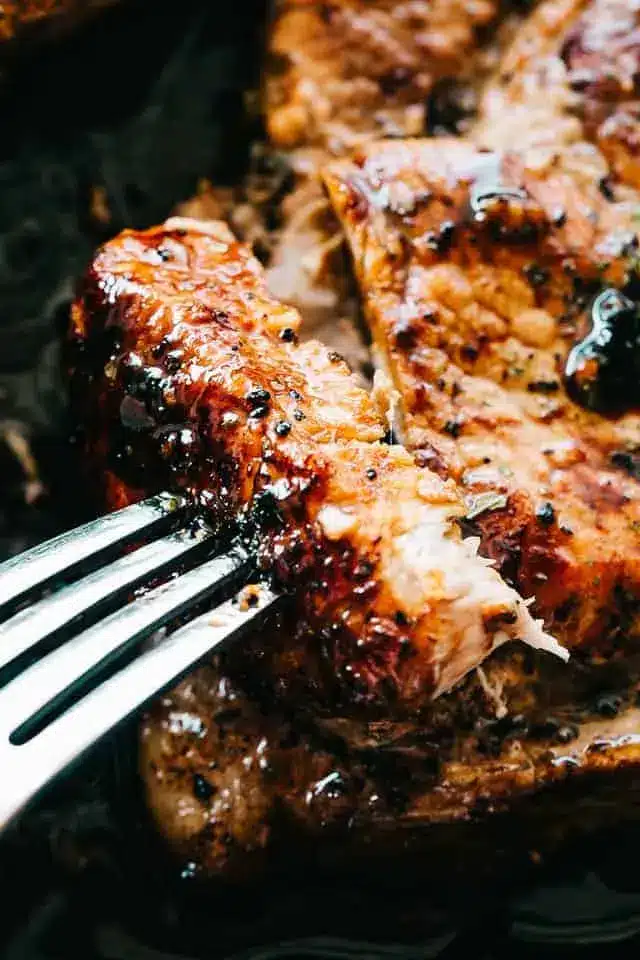
Sheet Pan Chicken Dinner – Easy Meal Prep Idea!
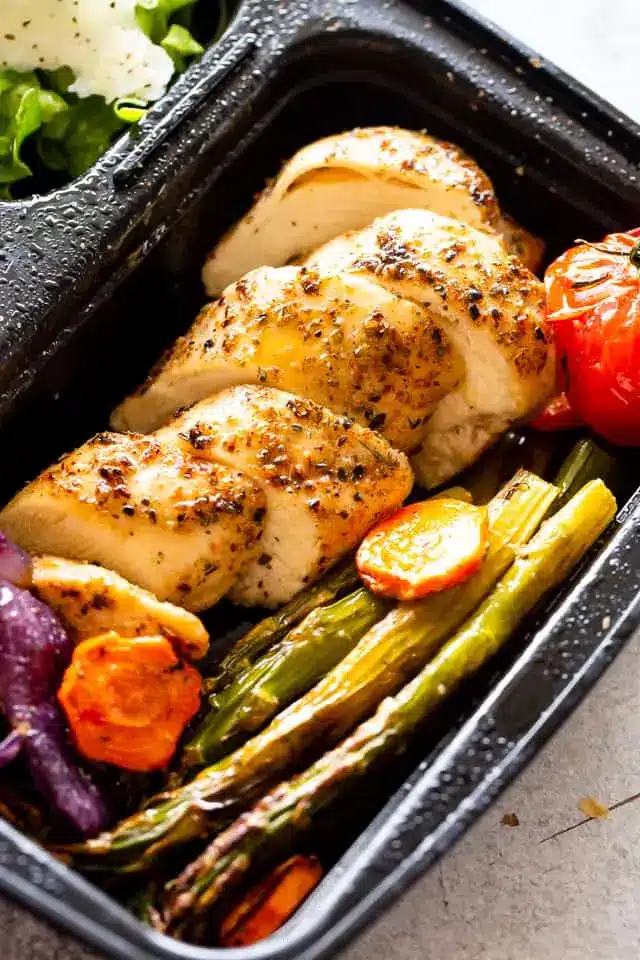
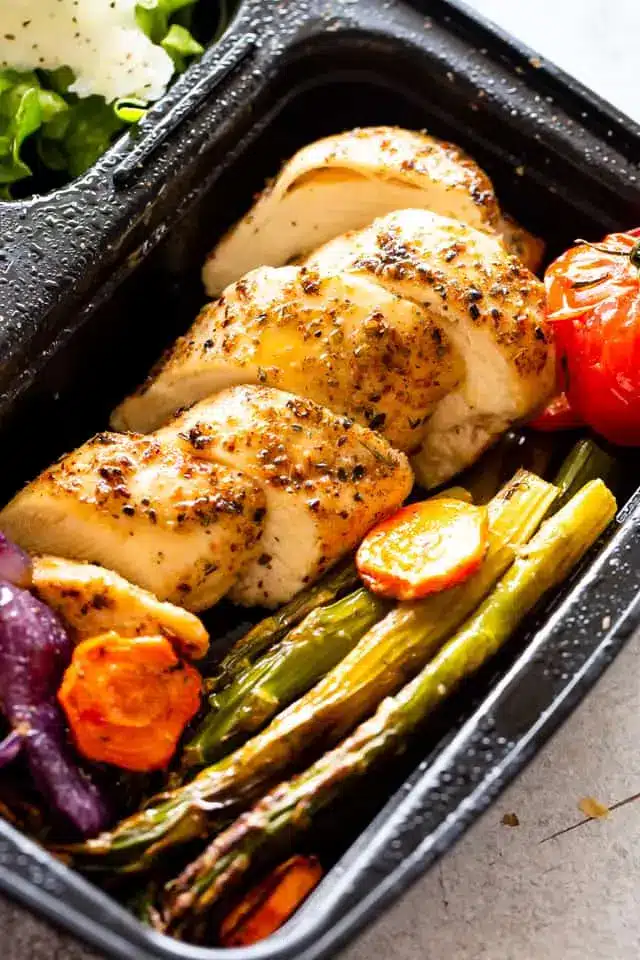
Embark on a culinary adventure that promises simplicity, flavor, and minimal cleanup. This sheet pan chicken recipe is a testament to how delicious and satisfying a meal can be when everything cooks together in a single pan.
Imagine tender, seasoned chicken breasts nestled alongside perfectly roasted vegetables and potatoes, all infused with aromatic herbs and garlic. It’s the kind of meal that transforms a busy weeknight into a delightful dining experience, offering both convenience and wholesome goodness.
Why You Will Love This Recipe
- Effortless Preparation: With just 10 minutes of active prep time, you can get this flavorful dinner into the oven and let it work its magic.
- One-Pan Wonder: The ultimate benefit is the minimal cleanup. Everything cooks on one sheet pan, meaning fewer dishes to wash and more time to enjoy your meal.
- Versatile Vegetables: This recipe embraces a variety of vegetables, allowing you to customize it based on what’s fresh, in season, or simply your personal favorites.
- Perfect for Meal Prep: Leftovers are a dream! This dish stores beautifully, making it an excellent choice for packing healthy lunches or having quick dinners ready throughout the week.
- Juicy, Flavorful Chicken: The combination of simple seasonings and the cooking method ensures that the chicken breasts remain incredibly moist and packed with taste.
Ingredients You Need
The beauty of this sheet pan chicken lies in its straightforward ingredient list, focusing on fresh produce and pantry staples. Using high-quality ingredients will elevate the flavors, ensuring a truly memorable meal. Don’t be afraid to select vibrant vegetables that look appealing and feel fresh.
Sheet Pan Chicken with Vegetables
This easy sheet pan chicken recipe features juicy, seasoned chicken breasts baked alongside tender potatoes and a medley of colorful vegetables. Everything cooks in one pan for a simple and delicious weeknight dinner that's perfect for meal prepping.
- 4 boneless, skinless chicken breasts (about 1 to 1½ pounds total)
- 3 cups diced potatoes
- ½ pound Brussels sprouts, cut in half
- 1 pound asparagus, ends trimmed
- 2 large carrots, diced or thinly sliced
- 1 large red onion, quartered
- 2 cups cherry tomatoes, optional
- 2 tablespoons olive oil, divided
- 2 cloves garlic, minced, divided
- 1 teaspoon garlic powder
- 1½ teaspoons dried rosemary, divided
- 1½ teaspoons dried thyme, divided
- Salt and freshly ground black pepper, to taste
- 1 tablespoon butter, cut into 4 pats
- 1Preheat oven to 425ºF. Line a large sheet pan with parchment paper or foil.
- 2Prepare the vegetables: Cut the potatoes, Brussels sprouts, asparagus, carrots, and red onion into bite-sized pieces. Place each vegetable in a separate section of the prepared sheet pan. (Do not add cherry tomatoes yet).
- 3Season the vegetables: Drizzle half of the olive oil over the vegetables. Season with garlic powder, ½ teaspoon dried rosemary, ½ teaspoon dried thyme, salt, and pepper. Toss to coat.
- 4Prepare the chicken: Place 2 chicken breasts on a large piece of parchment paper. Rub both sides with the remaining olive oil. Season with salt, pepper, ½ teaspoon rosemary, ½ teaspoon thyme, and half of the minced garlic.
- 5Wrap the chicken: Place a pat of butter on top of each chicken breast. Tightly seal the parchment paper around the chicken breasts to create packets. Repeat with the remaining 2 chicken breasts.
- 6Bake: Place the wrapped chicken packets in the center of the sheet pan, surrounded by the seasoned vegetables. Bake for 30 minutes, or until the chicken is cooked through (internal temperature reaches 165ºF).
- 7Add cherry tomatoes (optional): About 10 minutes before the end of the cooking time, add the cherry tomatoes to the sheet pan with the vegetables.
- 8Rest and serve: Remove the sheet pan from the oven. Let stand for 5 minutes. Unwrap the chicken and serve immediately with the roasted vegetables.
Keywords: sheet pan chicken, easy chicken recipe, weeknight dinner, meal prep, roasted vegetables, one-pan meal, German cuisine
- boneless, skinless chicken breasts: the star of the show, providing lean protein.
- potatoes: diced into bite-sized pieces for tender, roasted goodness.
- brussels sprouts: halved to achieve a delightful crispness.
- asparagus: with woody ends trimmed, it adds a vibrant green and fresh flavor.
- carrots: diced or thinly sliced for a touch of sweetness and color.
- red onion: quartered to soften and caramelize beautifully.
- cherry tomatoes: an optional addition for a burst of juicy sweetness added towards the end of cooking.
- olive oil: the essential base for coating ingredients and promoting even roasting.
- garlic: freshly minced for an aromatic punch that permeates the entire dish.
- garlic powder: enhances the garlic flavor and adds a savory depth.
- dried rosemary: contributes an earthy, pine-like aroma.
- dried thyme: offers a subtle, slightly minty, and peppery note.
- salt and freshly ground black pepper: the fundamental seasonings to enhance all the other flavors.
- butter: cut into pats to add richness and moisture to the chicken during baking.
The precise quantities for these ingredients can be found in the recipe card, ensuring you have everything you need for a perfectly balanced meal.
Variations
This sheet pan chicken recipe is wonderfully adaptable, allowing you to tailor it to different dietary needs and flavor preferences. Experimentation is key to discovering your perfect variation.
Vegan Delight: To transform this into a hearty vegan meal, simply swap the chicken breasts for firm tofu or tempeh. Press the tofu to remove excess water, then cut it into cubes or slabs. Marinate it in a similar blend of olive oil, garlic, herbs, and spices before roasting alongside the vegetables. For added heartiness, consider including chickpeas or your favorite hearty vegan protein.
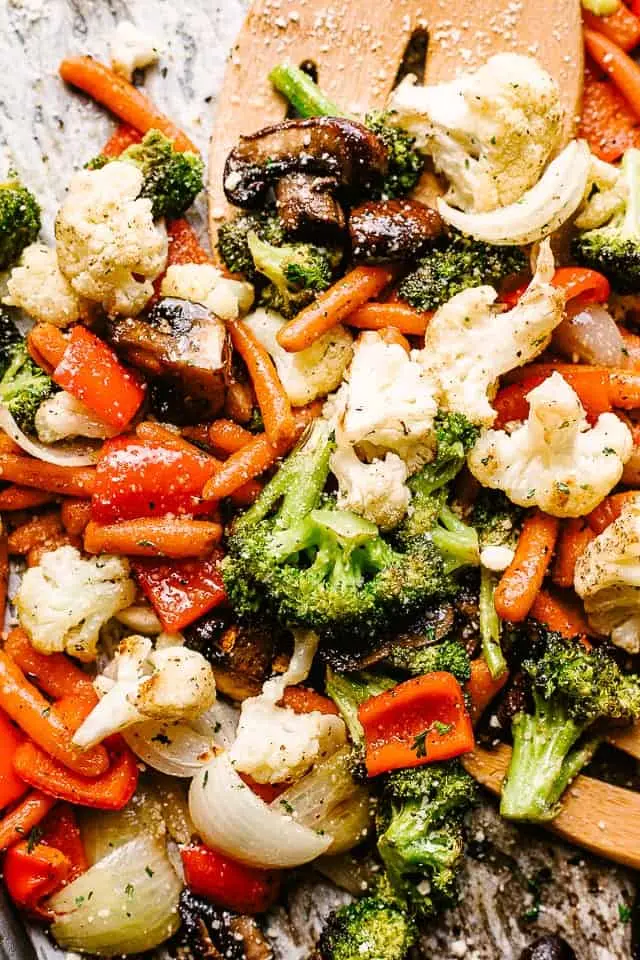
Low-Carb Lover’s Dream: For those watching their carbohydrate intake, simply omit the potatoes and carrots from the vegetable mix. Instead, load up your sheet pan with an abundance of low-carb friendly vegetables such as broccoli florets, cauliflower florets, zucchini slices, bell peppers, and green beans. These vegetables roast beautifully and absorb the delicious seasonings just as well, creating a satisfying low-carb dinner.
Spicy Kick: If you enjoy a bit of heat, introduce some chili flakes to the seasoning blend for the chicken and vegetables. You could also add a diced jalapeño or a few slices of serrano pepper to the pan for an extra layer of spicy flavor. For a smoky and spicy dimension, consider a pinch of smoked paprika or a dash of your favorite hot sauce in the marinade.
How to Prepare sheet pan chicken
Step 1: Prepare the Oven and Pan
Begin by preheating your oven to a robust 425°F (220°C). This high temperature is crucial for achieving those desirable crispy edges on the vegetables and perfectly roasted chicken. Simultaneously, prepare your chosen baking sheet by lining it with parchment paper or aluminum foil.
Using parchment paper is highly recommended as it not only prevents sticking but also makes the inevitable cleanup process remarkably easier. If you opt for foil, ensure it’s a heavy-duty variety to prevent tearing during the cooking process. Set this prepared pan aside, ready to be loaded with delicious ingredients.
This initial step is fundamental to ensuring even cooking and optimal texture for all components of your sheet pan dinner. A properly preheated oven guarantees that your ingredients will begin to roast immediately upon entering, rather than steam.
Step 2: Chop and Arrange the Vegetables
This is where you start assembling the vibrant components of your meal. Take your potatoes, Brussels sprouts, asparagus, carrots, and red onion and chop them into uniform, bite-sized pieces. Aim for approximately 1-inch cubes for most vegetables, ensuring they cook at a similar rate. For instance, dice the potatoes and carrots, halve the Brussels sprouts, trim the woody ends from the asparagus, and quarter the red onion.
Place each type of prepared vegetable into a separate section or corner of your lined baking sheet. This visual separation makes it easier to season each component individually if desired, though in this recipe, we’ll be seasoning them together. Do not add the cherry tomatoes at this stage, as they will be added later to prevent them from becoming overly mushy.
The key here is consistency in size. Unevenly cut vegetables will result in some pieces being perfectly cooked while others are undercooked or burnt. Taking a moment to ensure uniformity sets you up for success. This organized arrangement also helps in understanding how much space you have for the chicken.
Step 3: Season the Vegetables
Now, it’s time to infuse the vegetables with flavor. Drizzle about half of the total olive oil (approximately 1 tablespoon) evenly over all the chopped vegetables on the sheet pan. Ensure each piece is lightly coated to promote even roasting and prevent dryness.
Next, generously sprinkle the vegetables with garlic powder, half of the dried rosemary (about ¾ teaspoon), half of the dried thyme (about ¾ teaspoon), and a good pinch of salt and freshly ground black pepper. Use your hands or a spatula to gently toss the vegetables on the pan, ensuring they are evenly coated with the oil and seasonings.
The aromatic blend of garlic, rosemary, and thyme will start to release its fragrance as it mingles with the olive oil. This seasoning step is crucial for building the foundational flavors of the entire dish. It’s a simple step that makes a significant difference in the final taste. Ensure you distribute the seasonings well across all the vegetable pieces.
Step 4: Prepare and Season the Chicken
Take your boneless, skinless chicken breasts and place them on a large piece of parchment paper, or directly on a section of the baking sheet if you prefer not to use separate parchment for each. Rub both sides of each chicken breast with the remaining olive oil (about 1 tablespoon). This ensures a lovely sear and helps the seasonings adhere.
Season the chicken generously on all sides with salt, freshly ground black pepper, the remaining dried rosemary (about ¾ teaspoon), the remaining dried thyme (about ¾ teaspoon), and half of the minced fresh garlic (about 1 clove). Ensure the seasonings are rubbed into the chicken for maximum flavor penetration.
This careful seasoning of the chicken is what makes it so flavorful. The herbs and garlic will bake into the meat, creating a delicious, savory crust. This step is essential for ensuring the chicken doesn’t taste bland compared to the seasoned vegetables. The aroma at this stage is already very promising.
Step 5: Wrap the Chicken and Add Butter
This technique is key to ensuring incredibly moist and flavorful chicken. Place a pat of butter (about ¼ tablespoon) on top of each seasoned chicken breast. The butter will melt during cooking, basting the chicken and adding a rich, velvety texture.
Once the butter is placed, carefully fold the parchment paper up and around each chicken breast, sealing it tightly like a little packet. Ensure there are no gaps where steam can escape. If you are not using parchment paper, you can loosely tent the chicken with foil. This creates a moist environment for the chicken to cook in, preventing it from drying out.
This method, often referred to as “en papillote” when using parchment, locks in all the juices and flavors, resulting in exceptionally tender and succulent chicken. Repeat this wrapping process for all the chicken breasts. The steaming effect from the enclosed packet is what guarantees a moist outcome. It’s a simple yet highly effective technique for cooking poultry perfectly.
Step 6: Bake and Add Tomatoes
Carefully arrange the wrapped chicken packets in the center of the baking sheet, nestled amongst the seasoned vegetables. The vegetables will roast around the chicken, absorbing the delicious chicken juices that may escape the packets. Place the entire sheet pan into the preheated 425°F (220°C) oven and bake for 30 minutes.
During the last 10 minutes of the baking time, carefully remove the sheet pan from the oven. If you are using cherry tomatoes, scatter them evenly around the vegetables on the pan. They will soften and burst slightly, adding a delightful burst of sweetness and acidity to the dish. Return the sheet pan to the oven to finish cooking.
The total baking time of 30 minutes is a guideline; actual cooking time may vary slightly depending on the thickness of the chicken breasts and your oven’s calibration. You can use an instant-read thermometer to ensure the chicken has reached an internal temperature of 165°F (74°C) for safety and optimal doneness. This step ensures everything is perfectly cooked and the tomatoes are just right.
Step 7: Rest and Serve
Once the chicken has reached an internal temperature of 165°F (74°C) and the vegetables are tender and slightly caramelized, carefully remove the sheet pan from the oven. Allow the chicken to rest inside its parchment packet for at least 5 minutes before unwrapping. This resting period is crucial as it allows the juices to redistribute throughout the chicken, ensuring maximum moisture and tenderness.
When you’re ready to serve, carefully unwrap the parchment packets, being mindful of the hot steam that will escape. Present the juicy chicken breasts alongside the beautifully roasted vegetables directly from the pan, or transfer them to serving plates. The aroma filling your kitchen at this point will be incredible, signaling a meal well worth the minimal effort.
This final step of resting is as important as the cooking itself. It truly makes a difference in the texture and juiciness of the chicken. Serve immediately and enjoy the harmonious blend of flavors and textures that this simple sheet pan dinner offers.
Pro Tips for sheet pan chicken
Uniform Cutting is Key: To ensure everything cooks evenly, it’s vital to cut your vegetables into similar-sized pieces. This means potatoes and carrots should be diced similarly, and Brussels sprouts halved. This simple step prevents some vegetables from burning while others remain undercooked.
Don’t Overcrowd the Pan: Give your ingredients space on the baking sheet. Overcrowding will cause the vegetables to steam rather than roast, resulting in a less desirable texture. If necessary, use two baking sheets to ensure adequate air circulation around each piece.
Adjust Cooking Times for Veggies: While this recipe aims for uniform cooking, some vegetables naturally cook faster. Add quicker-cooking vegetables like cherry tomatoes or bell peppers during the last 10-15 minutes of baking to prevent them from becoming mushy. Conversely, heartier root vegetables might need a slightly longer initial roasting time.
Spice it Up (or Down): Feel free to adjust the herbs and spices to your preference. Add a pinch of red pepper flakes for a spicy kick, or swap the rosemary and thyme for other herbs like oregano or sage. A dash of smoked paprika can add a lovely depth of flavor.
Chicken Breast Thickness: The cooking time is based on average-sized chicken breasts. If yours are particularly thick, they may require a few extra minutes to cook through. Always check the internal temperature with a meat thermometer to ensure it reaches 165°F (74°C).
Serving Suggestions for sheet pan chicken
Decoration
Elevate the visual appeal of your sheet pan chicken by adding a final flourish of freshness. A sprinkle of freshly chopped parsley or chives over the top just before serving adds a vibrant green contrast and a hint of herbaceousness. For a touch of elegance, a few whole sprigs of fresh rosemary or thyme can be artfully placed on the serving platter. A drizzle of balsamic glaze can also add both visual appeal and a tangy-sweet counterpoint to the roasted flavors.
Side Dishes
This versatile sheet pan chicken pairs wonderfully with a variety of sides that complement its roasted flavors. A fluffy bed of jasmine rice or fragrant lemon rice can soak up any delicious pan juices beautifully. For a richer, more indulgent option, consider serving it with creamy garlic butter noodles or a simple quinoa pilaf. A light, crisp green salad with a zesty vinaigrette offers a refreshing contrast to the heartier roasted elements.
Creative Serving Ideas
Transform your sheet pan chicken into a quick and satisfying lunch by shredding or dicing the chicken and tucking it into warm tortillas or wraps with your favorite toppings. It also makes a fantastic filling for cottage cheese flatbreads or egg white wraps for a protein-packed meal. Consider serving the chicken and vegetables over a bed of mixed greens for a hearty salad, or toss them with pasta for a complete one-pot pasta dish.
Preparation & Storage
Storing Leftovers
To properly store any leftover sheet pan chicken and vegetables, allow them to cool completely before transferring them to an airtight container. This prevents condensation from forming inside the container, which can lead to sogginess. Once cooled, seal the container tightly and refrigerate. Leftovers will remain fresh and delicious for up to 4 days when stored correctly in the refrigerator. This makes it an ideal candidate for meal prepping lunches or having a quick dinner ready for a busy evening.
Freezing
Sheet pan chicken and vegetables can indeed be frozen for longer-term storage, although some textural changes might occur upon thawing. Once the meal has been fully cooked and cooled, portion it into freezer-safe containers or heavy-duty freezer bags. Ensure all air is removed from the bags to prevent freezer burn. Properly frozen, this dish can be stored for up to 2 months. It’s a great way to have a convenient meal on hand for future cravings.
Reheating
Reheating your leftover sheet pan chicken and vegetables is straightforward and can be done using several methods. For best results, reheat in a conventional oven or toaster oven at around 350°F (175°C) until heated through. Alternatively, you can reheat them in a skillet on the stovetop over medium heat, stirring occasionally, or use the microwave for a quicker option. If reheating from frozen, allow the dish to thaw in the refrigerator overnight before reheating using your preferred method.
Frequently Asked Questions
- Can I use chicken thighs instead of breasts for this sheet pan recipe?
- What are the best vegetables to use if I want to add more variety?
- How can I make the chicken more flavorful or create a different flavor profile?
Absolutely! Chicken thighs are a fantastic alternative and often result in even more moist and flavorful chicken due to their higher fat content. If using bone-in, skin-on chicken thighs, you’ll likely need to increase the cooking time by an additional 10-15 minutes, as they take longer to cook through than boneless, skinless breasts. For boneless, skinless thighs, the cooking time will be very similar to chicken breasts, perhaps just a few minutes longer. Always ensure the chicken reaches an internal temperature of 165°F (74°C) before serving, regardless of the cut you use.
This sheet pan recipe is incredibly versatile when it comes to vegetables! Beyond the suggested ingredients, consider adding broccoli florets, cauliflower florets, bell peppers (any color, sliced), zucchini or yellow squash (sliced or cubed), green beans (trimmed), or even parsnips or turnips (diced). For faster-cooking options that can be added during the last 15-20 minutes of cooking, think about asparagus spears, sugar snap peas, or even corn on the cob cut into rounds. The key is to cut them into uniform sizes so they cook evenly alongside the chicken and potatoes.
To enhance the chicken’s flavor, you can create marinades or rubs. For a Mediterranean twist, try a marinade with olive oil, lemon juice, garlic, oregano, and a pinch of red pepper flakes. For an Asian-inspired flavor, combine soy sauce, honey (or maple syrup for vegan), minced ginger, garlic, and sesame oil before roasting. You can also incorporate spices like cumin, paprika, or curry powder into the initial seasoning blend for a different flavor profile. Adding a splash of white wine or chicken broth to the parchment packets before sealing can also infuse additional moisture and flavor into the chicken during the baking process.