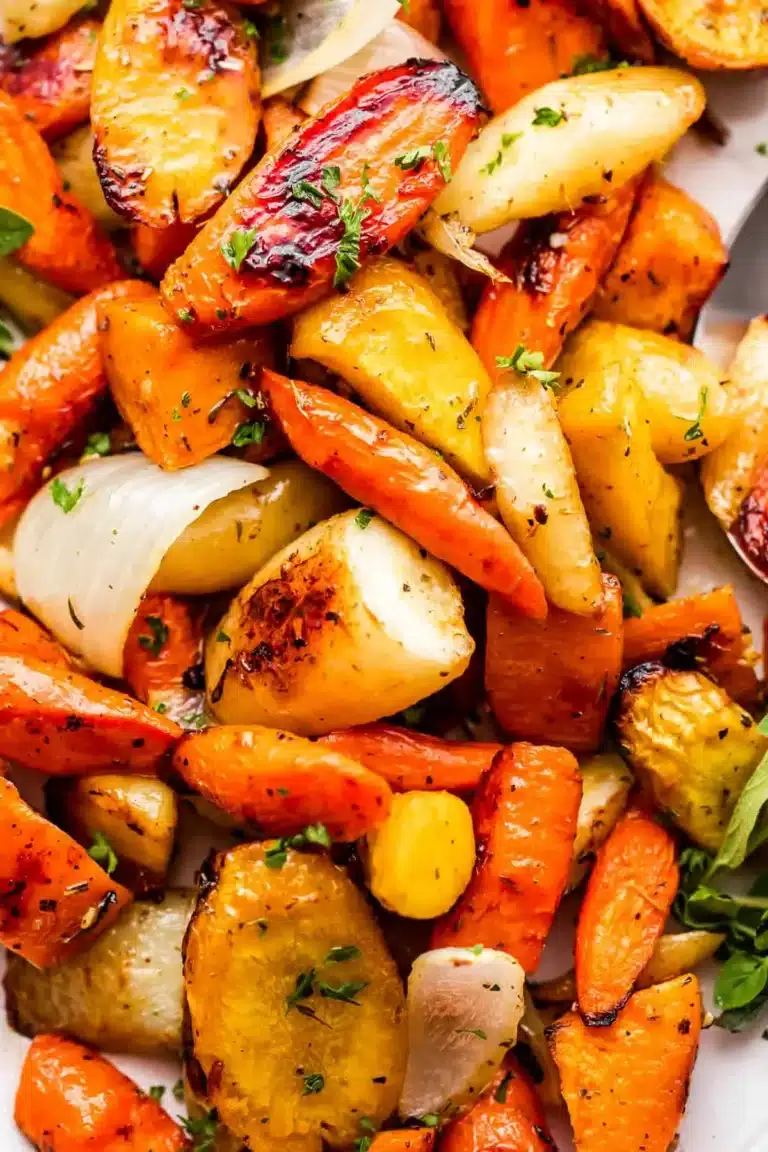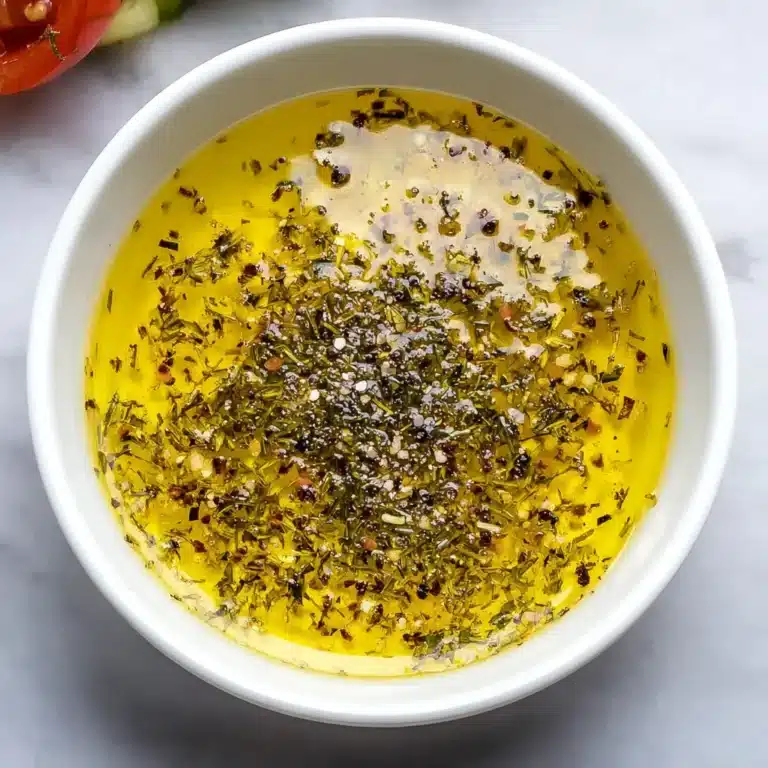
Sheet Pan Chicken Dinner – Easy Meal Prep Idea!
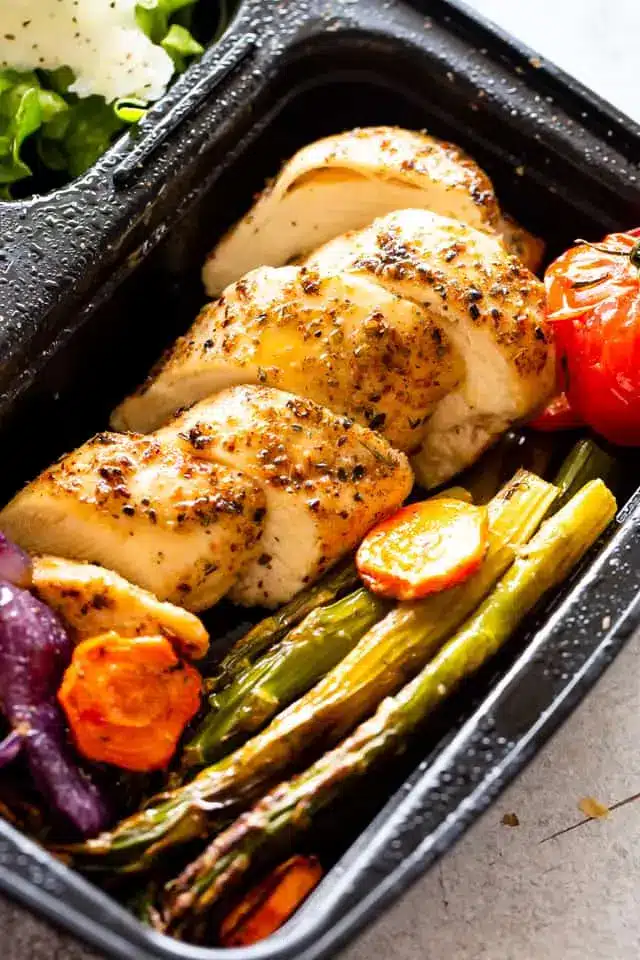
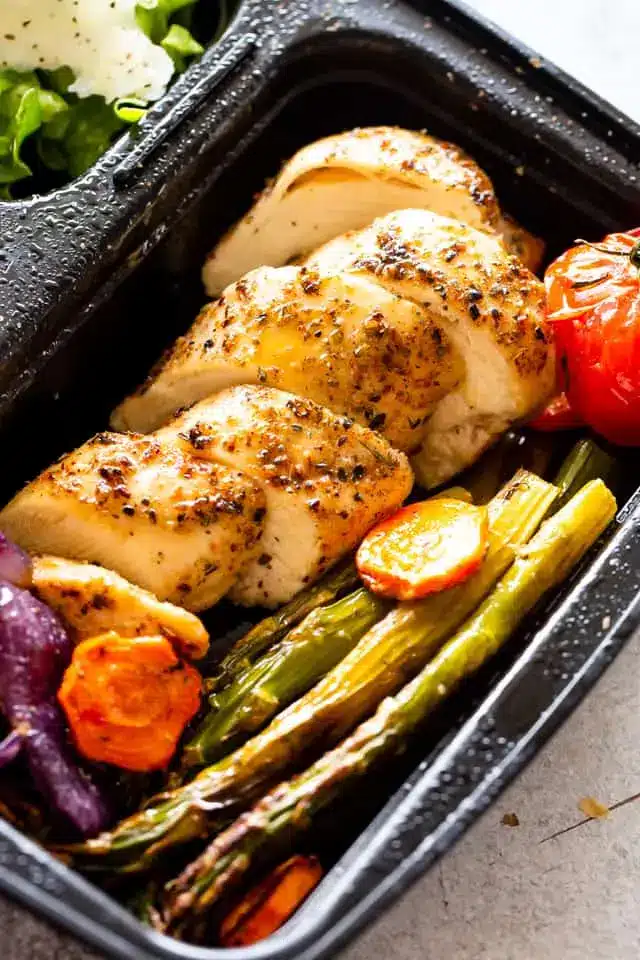
Sheet pan chicken is a culinary superhero for busy weeknights, simplifying dinner with minimal fuss and maximum flavor. This particular recipe elevates simple ingredients into a symphony of taste and texture, ensuring a satisfying meal that the whole family will adore. It’s the kind of dish that makes you feel like a gourmet chef without the extensive effort, a true win-win in any kitchen.
The magic lies in its all-in-one preparation, where chicken and a colorful medley of vegetables roast together, absorbing each other’s delicious essences. Imagine succulent, perfectly seasoned chicken breasts nestled alongside tender potatoes and vibrant roasted vegetables, all cooked to perfection on a single baking sheet. This is more than just a meal; it’s an experience of effortless culinary delight.
Why You Will Love This Recipe
- Effortless Preparation: With minimal chopping and a single pan to clean, this recipe is designed for maximum enjoyment and minimum hassle.
- Balanced Nutrition: It offers a complete meal with lean protein from chicken and essential vitamins and fiber from a variety of vegetables.
- Customizable to Your Taste: Feel free to swap out vegetables based on seasonality or your personal preferences, making it endlessly versatile.
- Perfect for Meal Prep: Cook a batch on the weekend and enjoy healthy, pre-portioned meals throughout the week for quick lunches or dinners.
- Impressive Presentation: Despite its simplicity, the vibrant colors of the roasted vegetables and golden-brown chicken make for a visually appealing dish.
Ingredients You Need
The foundation of any great dish is the quality of its ingredients, and this sheet pan chicken recipe is no exception. Opting for fresh, high-quality produce and chicken will truly make a difference in the final flavor profile. Remember, simple ingredients prepared well can achieve spectacular results, so don’t shy away from seeking out the best you can find.
Sheet Pan Chicken
This easy sheet pan chicken recipe has juicy seasoned chicken breasts baked with tender vegetables and potatoes. Everything cooks in one pan!
- 4 boneless, skinless chicken breasts (about 1 to 1½ pounds total)
- 3 cups diced potatoes
- ½ pound Brussel sprouts, cut in half
- 1 pound asparagus, ends trimmed
- 2 large carrots, diced or thinly sliced
- 1 large red onion, quartered
- 2 cups cherry tomatoes (optional)
- 2 tablespoons olive oil, divided
- 2 cloves garlic, minced, divided
- 1 teaspoon garlic powder
- 1½ teaspoons dried rosemary, divided
- 1½ teaspoons dried thyme, divided
- salt and freshly ground black pepper, to taste
- 1 tablespoon butter, cut into 4 pats
- 1Preheat oven to 425ºF. Line a large sheet pan with parchment paper or foil; set aside.
- 2Cut up the potatoes, Brussels sprouts, asparagus, carrots, and red onion. Place each in a separate corner of the prepared sheet pan. DO NOT add the cherry tomatoes yet.
- 3Drizzle olive oil over the veggies. Season with garlic powder, ½ teaspoon dried rosemary, ½ teaspoon dried thyme, salt, and pepper.
- 4Place 2 chicken breasts over a large piece of parchment paper. Rub both sides of the chicken with a bit of olive oil, and season with salt, pepper, ½ teaspoon rosemary, ½ teaspoon thyme, and half of the minced garlic.
- 5Place a pat of butter on top of each chicken breast and tightly seal the parchment paper around the chicken breasts. Repeat the same process with the remaining 2 chicken breasts.
- 6Bake for 30 minutes, or until the chicken is cooked through. Chicken is done when its internal temperature reaches 165ºF.
- 7Optionally, 10 minutes before it’s done cooking, add cherry tomatoes to the sheet pan.
- 8Remove from oven and let stand 5 minutes. Unwrap the chicken and serve.
Keywords: sheet pan chicken, chicken breast, dinner, easy, weeknight, meal prep, oven-baked, vegetables, potatoes, german
Quantities for each ingredient can be found in the printable recipe card below for your convenience.
Variations
To inject a different personality into this versatile sheet pan chicken, consider a lemon herb twist. Simply add the zest and juice of one lemon to your chicken and vegetables before roasting, along with extra sprigs of fresh rosemary and thyme. The citrus brightens the flavors beautifully, creating a lighter, summery feel perfect for warmer months.
For a spicier kick, embrace a Cajun-inspired variation. Introduce a tablespoon of Cajun seasoning to the chicken and vegetables, and perhaps add some sliced bell peppers and a sprinkle of cayenne pepper for an extra layer of heat. This approach transforms the dish into a bold and fiery delight, ideal for those who love a bit of a kick in their meals.
If you’re aiming for a Mediterranean flair, consider incorporating Kalamata olives, sundried tomatoes, and a generous sprinkle of oregano and feta cheese in the final minutes of baking. This infusion of Greek flavors adds a delightful salty and briny complexity that complements the roasted chicken and vegetables wonderfully. It’s a simple adjustment that yields a profoundly different and delicious outcome.
How to Prepare sheet pan chicken
Step 1: Prepare to Bake and Cut the Veggies
The initial step in creating this delightful sheet pan chicken involves preheating your oven to a robust 425°F (220°C). This high temperature is crucial for achieving that perfect roast, ensuring the vegetables become tender and slightly caramelized while the chicken cooks through beautifully. Simultaneously, prepare a large baking sheet by lining it with parchment paper or aluminum foil; this not only aids in easy cleanup but also helps prevent sticking, ensuring your culinary efforts are rewarded with pristine presentation.
Once the oven is heating, turn your attention to the vegetables. The recipe calls for a hearty mix of potatoes, Brussels sprouts, asparagus, carrots, and red onion. For optimal cooking, ensure all vegetables are cut into roughly uniform, bite-sized pieces. This uniformity is key to ensuring that everything cooks at a similar rate, preventing some items from becoming overcooked while others remain underdone. For instance, potatoes and carrots, being denser, should be diced into approximately 1-inch cubes, while the Brussels sprouts can be halved, and the asparagus spears can be left whole after trimming their woody ends.
The red onion should be quartered, allowing its layers to separate slightly during the roasting process, ensuring each piece gets nicely browned and tender. Remember to set aside the cherry tomatoes if you’re using them, as they are added later to prevent them from bursting too early and becoming mushy. This meticulous preparation ensures that each component on your sheet pan is primed for delicious transformation.
Step 2: Season the Veggies and Chicken
With your vegetables prepped and arranged, it’s time to imbue them with flavor. Drizzle a portion of the olive oil evenly over all the chopped vegetables on the baking sheet. This oil acts as a conductor of heat, helping them to roast and brown beautifully, and it also serves as a base for the seasonings to adhere to. Then, sprinkle the garlic powder, half of the dried rosemary, half of the dried thyme, and a generous amount of salt and freshly ground black pepper over the vegetables.
Gently toss the vegetables right on the baking sheet to ensure they are evenly coated with the oil and seasonings. This direct seasoning on the pan simplifies the process and minimizes the need for extra bowls. Now, focus shifts to the star of the show: the chicken breasts. Place two chicken breasts onto a large piece of parchment paper, ensuring they have enough space around them. Rub both sides of the chicken breasts with the remaining olive oil, ensuring a thin, even coating.
Next, season the chicken generously with salt, freshly ground black pepper, the remaining dried rosemary, the remaining dried thyme, and half of the minced fresh garlic. The garlic will infuse into the chicken as it roasts, providing a wonderful aromatic depth. Make sure to distribute the minced garlic evenly over the surface of the chicken breasts.
Step 3: Wrap the Chicken and Prepare for Baking
This step is where a touch of culinary magic happens, creating little flavor pockets for your chicken. After seasoning the chicken breasts, place a small pat of butter on top of each one. The butter will melt as the chicken cooks, basting it from within and adding a rich, succulent quality. This technique is similar to how one might baste a piece of fish en papillote, ensuring moisture and flavor are locked in.
Carefully fold the parchment paper up and around each chicken breast, sealing the edges tightly to create a neat packet. This method ensures that the chicken steams in its own juices and the melted butter, resulting in incredibly tender and moist meat. Repeat this process with the remaining two chicken breasts, creating a total of four individual parchment-wrapped chicken packets. The tightness of the seal is important; it prevents any of the precious juices from escaping during the high-heat roasting process.
Once all the chicken breasts are securely wrapped, arrange these packets in the center of your prepared baking sheet, nestled amongst the seasoned vegetables. Ensure there’s a little space between the chicken packets and the vegetables, allowing hot air to circulate effectively around everything. This careful arrangement sets the stage for even cooking and optimal flavor development.
Step 4: Bake the Sheet Pan Chicken
Now it’s time to let the oven work its magic. Place the baking sheet with the chicken packets and vegetables into the preheated oven set at 425°F (220°C). The high heat is essential for achieving perfectly roasted chicken and tender, slightly crisped vegetables in a relatively short amount of time. Allow the chicken and vegetables to bake for approximately 30 minutes. During this time, the chicken will cook through, and the vegetables will soften and begin to develop those desirable roasted notes.
It’s crucial to monitor the cooking progress. The chicken is done when it is cooked through and its internal temperature reaches 165°F (74°C) when checked with a meat thermometer inserted into the thickest part of the breast. The vegetables should be fork-tender and lightly browned around the edges. If you notice that the vegetables are browning too quickly or the chicken is cooking faster than expected, you can loosely tent the pan with foil to prevent overcooking.
If you’ve opted to include cherry tomatoes, this is the opportune moment to add them. About 10 minutes before the end of the total baking time, carefully remove the sheet pan from the oven. Scatter the cherry tomatoes around the vegetables. This ensures they soften and slightly burst, releasing their sweet juices without becoming overcooked and losing their delightful texture. Return the sheet pan to the oven to finish cooking.
Step 5: Rest and Serve
Once the chicken has reached an internal temperature of 165°F (74°C) and the vegetables are perfectly tender, it’s time to bring your creation out of the oven. Remove the baking sheet from the oven and let the chicken rest inside its parchment packet for about 5 to 10 minutes. This resting period is absolutely vital for juicy chicken. It allows the juices to redistribute throughout the meat, ensuring that every bite is moist and flavorful rather than dry and crumbly.
After the resting period, it’s time to unwrap your masterpiece. Be cautious when opening the parchment packets, as hot steam will be released. Carefully peel back the parchment paper to reveal the succulent, perfectly cooked chicken breasts alongside the beautifully roasted vegetables. The aromas that will fill your kitchen at this moment are truly irresistible.
Serve the sheet pan chicken immediately, with the roasted vegetables and any accumulated juices from the parchment. This dish is a complete meal on its own, but it also pairs wonderfully with a variety of sides. The visual appeal of the vibrant colors and the delicious aroma will surely impress your diners. Enjoy this simple yet incredibly satisfying meal that proves healthy eating can be both easy and incredibly delicious.
Pro Tips for sheet pan chicken
Uniform Vegetable Cuts: The key to evenly cooked vegetables on a sheet pan lies in uniform cutting. Ensure all your vegetables are chopped into similar-sized pieces, roughly 1-inch cubes, so they cook at the same rate. This prevents some pieces from becoming mushy while others remain undercooked.
Don’t Overcrowd the Pan: Giving your ingredients ample space on the baking sheet is crucial for proper roasting. Overcrowding will cause the vegetables to steam rather than roast, resulting in a less desirable texture and color. Use two pans if necessary to ensure everything has room to breathe.
High Heat is Your Friend: Roasting at a high temperature, like 425°F (220°C), is essential for achieving that desirable caramelization and slight crispiness on the vegetables, as well as ensuring the chicken cooks through quickly. Resist the urge to turn the heat down, as this is integral to the sheet pan method’s success.
Season Generously: Don’t be shy with your seasonings! Chicken and vegetables can handle a good amount of flavor. Ensure you season both the chicken and the vegetables separately and thoroughly to build layers of deliciousness. Consider using a homemade chicken seasoning blend for an extra punch.
Consider Added Fats for Flavor: While olive oil is excellent for roasting, a pat of butter added to the chicken packets before sealing imparts extra richness and moisture. This small addition makes a noticeable difference in the succulence of the chicken, akin to the luxurious results achieved in some seafood dishes.
Serving Suggestions for sheet pan chicken
Decoration
Elevate the presentation of your sheet pan chicken by garnishing it with fresh herbs. A sprinkle of finely chopped parsley, chives, or fresh rosemary leaves just before serving adds a burst of color and a fresh aromatic note. A wedge of lemon served alongside allows diners to add an extra zing of brightness to their meal, enhancing the overall dining experience.
Side Dishes
This flavorful sheet pan chicken is wonderfully versatile and pairs well with a variety of side dishes. For a hearty and wholesome meal, consider serving it with fluffy jasmine rice or creamy garlic butter noodles. These classic accompaniments soak up any delicious pan juices beautifully, creating a truly satisfying experience.
If you’re looking for lighter options, a simple green salad with a vinaigrette dressing or a side of steamed green beans would complement the roasted vegetables nicely. For a more substantial meal, consider pairing it with a quinoa pilaf or a baked sweet potato. The possibilities are vast, allowing you to tailor the meal to your preferences and dietary needs.
Creative Serving Ideas
Transform your sheet pan chicken into exciting new meals with a few creative touches. Shred the cooked chicken and mix it with the roasted vegetables to create a hearty filling for wraps or tacos. Add a dollop of Greek yogurt or salsa for an extra layer of flavor and texture. This makes for a quick and delicious lunch or a casual dinner.
Another creative idea is to serve the shredded chicken and vegetables over a bed of mixed greens for a vibrant and protein-packed salad. Drizzle with a lemon-tahini dressing or a balsamic glaze for an added gourmet touch. This is a fantastic option for a light yet filling meal, perfect for warmer weather or when you’re craving something refreshing and healthy.
You can also incorporate the chicken and vegetables into a frittata or a savory pie. Simply chop them into smaller pieces, mix with beaten eggs and cheese, and bake until set. This offers a delightful way to repurpose leftovers into a brand-new dish, showcasing the incredible versatility of this simple sheet pan meal and keeping with the spirit of our dessert inspiration for creative recipe adaptation.
Preparation & Storage
Storing Leftovers
Properly storing leftovers ensures that your delicious sheet pan chicken and vegetables remain safe and enjoyable to eat for days to come. Once the meal has cooled down to room temperature, transfer the remaining chicken and vegetables into an airtight container. This is crucial to prevent the food from drying out and to keep it fresh in the refrigerator. For best quality, consume leftovers within 3 to 5 days.
When refrigerating, make sure the container is well-sealed to prevent any cross-contamination with other foods in your fridge and to maintain the intended flavors. If you have multiple portions, consider dividing them into individual containers for easier reheating and packing for lunches. This thoughtful approach to storage makes weeknight meals even more convenient.
Ensure that the container you use is specifically designed for food storage and is free from any lingering odors that could transfer to your leftovers. The general rule of thumb for cooked food safety is to avoid leaving it at room temperature for more than two hours, so prompt refrigeration is key.
Freezing
If you’ve prepared a larger batch than you anticipate consuming within a few days, freezing is an excellent option for long-term storage. After the sheet pan chicken and vegetables have completely cooled, portion them into freezer-safe containers or heavy-duty freezer bags. It’s advisable to remove as much air as possible from the bags to prevent freezer burn.
The chicken and vegetables can be frozen for up to 2 months. When you’re ready to enjoy them, the best method is to thaw them overnight in the refrigerator. This gradual thawing process helps to maintain the texture and quality of the food better than rapid thawing methods. Properly frozen and thawed leftovers can still be incredibly delicious, almost as good as the freshly prepared meal.
Consider labeling your frozen containers with the date of freezing to keep track of their freshness. This simple step helps in ensuring you use the oldest items first, minimizing waste and maximizing the enjoyment of your culinary creations. Freezing is a fantastic way to have a healthy meal ready at a moment’s notice, similar to how one might stock up on cookies for impromptu sweet cravings.
Reheating
Reheating your leftover sheet pan chicken and vegetables is straightforward and can be done using several methods to ensure they are heated through thoroughly and taste their best. The microwave is often the quickest option; place the leftovers in a microwave-safe dish, cover loosely, and heat on medium power in 30-second to 1-minute intervals, stirring occasionally, until piping hot. Be mindful not to overheat, which can make the chicken tough.
For a slightly crisper texture, consider reheating in a skillet on the stovetop. Place the leftovers in a non-stick skillet over medium heat, cover, and stir occasionally until heated through. This method can help revive some of the texture lost during refrigeration. Alternatively, you can reheat the dish in the oven. Spread the leftovers on a baking sheet and warm them in a preheated oven at around 350°F (175°C) until everything is hot throughout.
No matter which reheating method you choose, the goal is to ensure the food is heated to a safe internal temperature of 165°F (74°C). Enjoying your reheated meal promptly after heating is recommended to maintain the best possible quality and flavor. This efficient reheating process makes this dish a perfect candidate for busy schedules and meal planning efforts.
Frequently Asked Questions
-
Can I use chicken thighs instead of breasts for this sheet pan chicken recipe?
Yes, chicken thighs are an excellent substitute for chicken breasts in this recipe and often yield even juicier results due to their higher fat content. However, bone-in or skin-on chicken thighs will require a slightly longer cooking time. For boneless, skinless thighs, start checking for doneness around the 25-minute mark. Bone-in thighs may need an additional 10-15 minutes compared to boneless breasts. Always use a meat thermometer to ensure the chicken reaches an internal temperature of 165°F (74°C) for safety and optimal doneness. The flavor development with thighs can be incredibly rich, especially when roasted alongside vegetables.
-
What are the best vegetables to use if I want to add more variety to my sheet pan chicken?
The beauty of sheet pan dinners lies in their adaptability! Besides the suggested potatoes, Brussels sprouts, asparagus, carrots, and red onion, you can incorporate a wide array of other vegetables. Broccoli florets, cauliflower florets, cubed butternut squash, chopped parsnips, or even sweet potatoes are fantastic choices that roast well. For quicker-cooking vegetables that can be added in the last 10-15 minutes, consider bell peppers, zucchini slices, green beans, or cherry tomatoes. When selecting vegetables, it’s helpful to group them by their cooking times to ensure everything is perfectly tender by the end of the 30-minute bake. Researching the roasting times for different vegetables, similar to how one might prepare for a holiday tart, can help you achieve the best results.
-
How can I make this sheet pan chicken recipe more flavorful or spicy?
To amplify the flavor, consider experimenting with your seasoning blend. You can use a pre-made chicken seasoning mix, or create your own by combining paprika, onion powder, garlic powder, dried herbs like oregano and thyme, and a pinch of cayenne pepper for a subtle warmth. For a spicier version, add red pepper flakes to the vegetable and chicken seasoning, or incorporate a diced jalapeño or a tablespoon of sriracha into the mix. Marinating the chicken for at least 30 minutes before cooking in a mixture of olive oil, lemon juice, garlic, and your chosen herbs and spices can also significantly boost the flavor. You might also consider adding a splash of soy sauce or Worcestershire sauce to the chicken marinade for an umami depth, reminiscent of flavors found in some dinner recipes.