Easy Scalloped Potatoes Recipe – Classic & Comforting Side Dish!
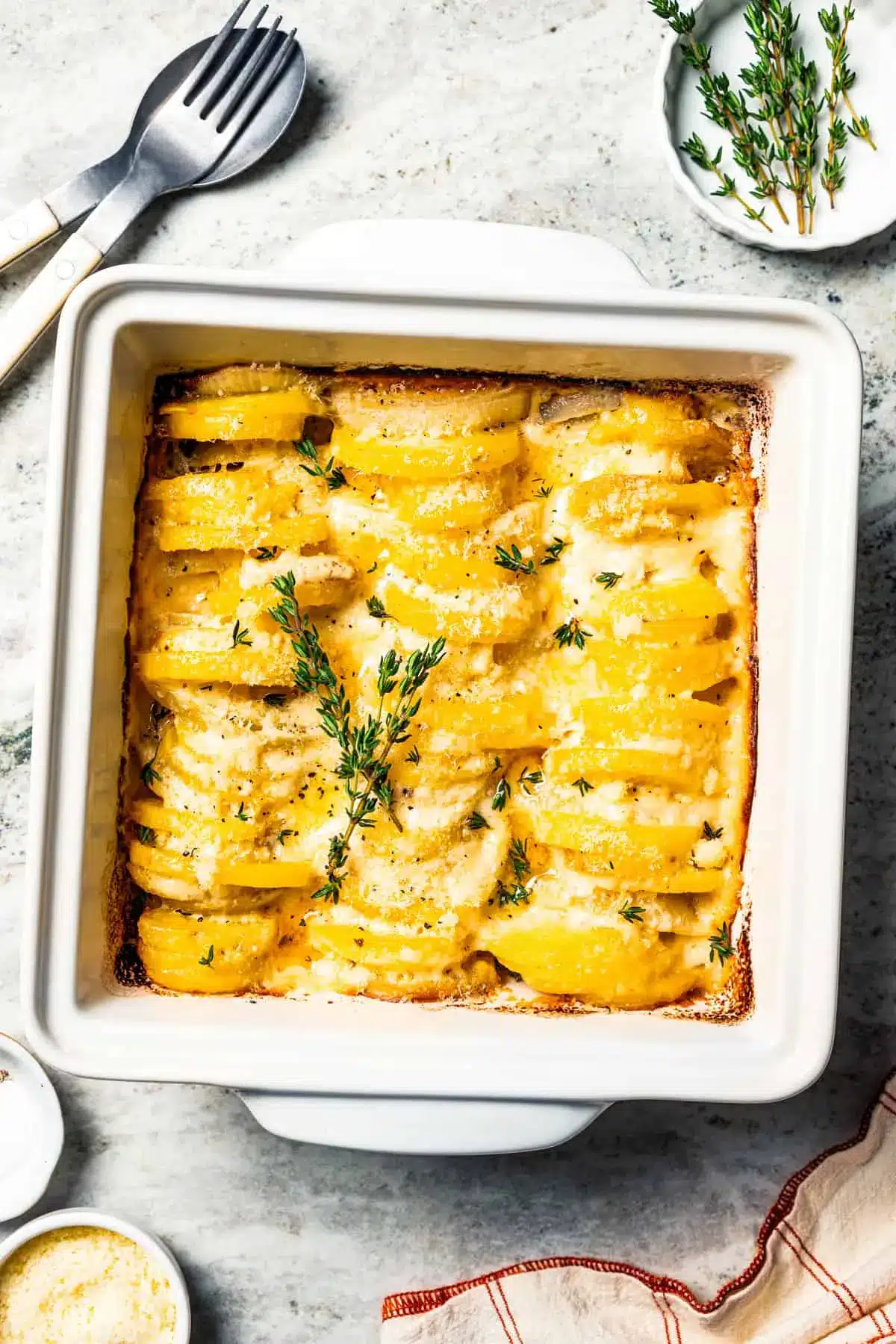
There’s a certain magic in a dish that transforms simple, humble ingredients into something truly extraordinary. Scalloped potatoes, with their creamy, comforting embrace and rich, savory depth, certainly fit that description.
This particular recipe elevates the classic, infusing it with the nutty richness of Gruyère cheese and a hint of warm nutmeg, creating a side dish that’s both sophisticated enough for a holiday feast and wonderfully comforting for any occasion. It’s a testament to how a few quality ingredients, prepared with care, can create a culinary masterpiece.
Why You Will Love This Recipe
- Decadent Creaminess: A velvety smooth sauce, enriched with Gruyère cheese, coats every tender slice of potato, offering a luxurious and satisfying bite.
- Effortless Elegance: Despite its sophisticated flavor profile, this recipe is surprisingly straightforward to prepare, making it accessible for cooks of all levels.
- Holiday Hero: It stands proudly alongside your favorite roasts and festive mains, becoming an anticipated and beloved part of any celebration.
- Versatile Companion: While perfect for special occasions, its comforting nature also makes it an ideal accompaniment to simpler weeknight dinners, adding a touch of indulgence.
- Flavorful Simplicity: Utilizing a few key ingredients, the recipe focuses on maximizing flavor without unnecessary complexity, letting the quality of the potatoes and cheese shine.
Ingredients You Need
The beauty of this scalloped potatoes recipe lies in its ability to showcase the inherent quality of its components. Opting for fresh, high-quality ingredients will undoubtedly result in a more flavorful and satisfying final dish. From the creamy dairy to the perfectly starchy potatoes, each element plays a crucial role in building the dish’s signature comforting texture and taste profile.
Scalloped Potatoes
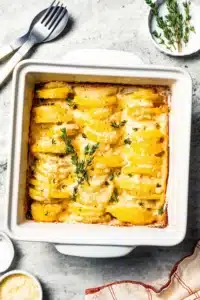
This easy scalloped potatoes recipe has tender sliced potatoes layered and baked in a comforting cream sauce with nutmeg and melty Gruyère cheese.
- 2 tablespoons unsalted butter
- 2 tablespoons all purpose flour
- 1 cup milk
- ½ cup vegetable broth
- 1 cup grated Gruyere cheese
- salt and freshly ground black pepper, to taste
- a pinch of ground nutmeg
- 1½ pounds Yukon gold potatoes
- 1 yellow onion
- fresh thyme sprigs, for garnish, optional
- 1Preheat the oven to 400°F. Lightly grease an 8-inch baking dish with cooking oil or butter, then set it aside.
- 2Melt the butter in a saucepan set over medium-high heat. Stir in the flour and cook and stir for 1-2 minutes to eliminate the raw flour taste. Gradually whisk in the milk, stirring until no lumps remain. Add the vegetable broth and simmer the sauce for 3 minutes, or until it starts to coat the back of your spoon.
- 3Stir in the Gruyere cheese and cook until the cheese is melted and the sauce is smooth. Season the sauce with salt and pepper, to taste, add the nutmeg, and remove from the heat. Set aside.
- 4Wash and peel the potatoes. Cut the potatoes and onion into 1/8-inch-thick slices.
- 5Stack the potatoes in your hand, then place them in the baking dish horizontally so the edges of the potatoes are facing up. Tuck the onion slices between the potatoes.
- 6Pour the prepared cheese sauce over the potatoes.
- 7Cover the baking dish with aluminum foil and bake for 1½ hours or until the potatoes are tender.
- 8Remove the scalloped potatoes from the oven and let them stand for a few minutes. Garnish with fresh thyme and serve.
Keywords: scalloped potatoes, potato gratin, cheese sauce, holiday side dish, creamy potatoes
The precise quantities for each ingredient are detailed within the accompanying recipe card, ensuring you have all the necessary components at your fingertips for success.
Variations
To adapt this delightful scalloped potatoes recipe for different dietary needs or preferences, several exciting variations can be explored. These modifications ensure that everyone can enjoy this comforting classic.
For a Vegan Scalloped Potatoes version, the dairy components can be skillfully replaced. Unsweetened cashew cream or a blend of plant-based milks like oat and soy can form the creamy base. Nutritional yeast will add a cheesy, umami flavor, and a touch of Dijon mustard can provide a subtle tang. Ensure your plant-based butter and flour are also dairy-free, and a blend of vegan cheeses can be used for that essential melty topping.
When aiming for a Low-Carb Scalloped Potatoes alternative, the starchy potatoes are the primary ingredient that needs substitution. Thinly sliced cauliflower florets or zucchini slices can be used instead of potatoes. These vegetables absorb the creamy sauce beautifully and offer a satisfying texture without the carbohydrate load. While the cooking time might be slightly adjusted, the rich sauce and cheesy topping will remain wonderfully decadent.
Adding a Spicy Kick can transform the classic into something more adventurous. Incorporate a pinch of cayenne pepper or a few dashes of your favorite hot sauce into the creamy béchamel sauce. Sliced jalapeños or a sprinkle of red pepper flakes can also be layered between the potato slices for pockets of heat. This variation adds an exciting dimension, perfect for those who enjoy a bit of warmth in their meals.
How to Prepare scalloped potatoes recipe
Step 1: Prepare for Baking
The initial step in creating these exquisite scalloped potatoes involves preheating your oven to the precise temperature required for optimal cooking. This ensures that once the dish is assembled, it begins to bake evenly and efficiently, developing those desirable tender textures and golden-brown finishes.
Carefully grease an 8-inch baking dish with a light coating of cooking oil or butter. This crucial step prevents the potatoes from sticking to the dish, making for a cleaner presentation and easier serving. Once prepared, set the greased dish aside while you proceed with the subsequent stages of recipe preparation.
This foundational preparation ensures that when the moment arrives to bake, your dish is ready to transform into a masterpiece without any last-minute culinary hurdles. It’s about setting the stage for a seamless cooking experience that yields delicious results.
Step 2: Make the Sauce
The heart of any scalloped potato dish lies in its luscious sauce, and this recipe’s foundation is a classic béchamel, elevated with cheese. Begin by melting two tablespoons of unsalted butter in a medium saucepan over medium-high heat. The gentle heat allows the butter to melt evenly without scorching, creating a perfect base for the roux.
Once the butter is melted and shimmering, whisk in two tablespoons of all-purpose flour. Continue to stir and cook this mixture for approximately one to two minutes. This process, known as making a roux, cooks out the raw flour taste and helps thicken the sauce beautifully, ensuring a smooth and velvety consistency that coats the potatoes exquisitely.
Gradually whisk in one cup of milk, ensuring no lumps form. Continue whisking until the sauce begins to thicken. Then, add half a cup of vegetable broth, or chicken stock for a richer flavor, and let the sauce simmer gently for about three minutes. You are looking for the sauce to reach a consistency that lightly coats the back of a spoon, indicating it’s ready to receive its cheesy goodness.
Step 3: Add Cheese and Season
With the béchamel sauce having reached its desired consistency, it’s time to introduce the star ingredient that gives scalloped potatoes their signature richness: cheese. Stir in one cup of grated Gruyère cheese, allowing it to melt slowly and evenly into the warm sauce. Gruyère offers a wonderfully nutty and slightly sweet flavor that complements the potatoes beautifully, though other excellent substitutes like Emmental or a good-quality cheddar can be used.
Continue to gently simmer and stir the sauce until the cheese is completely melted and the sauce is wonderfully smooth and homogenous. The transformation from a simple béchamel to a decadent cheese sauce is a truly satisfying culinary moment, promising delightful depth of flavor for the finished dish. This melting process ensures every bite of potato will be enveloped in creamy, cheesy bliss.
Season the sauce generously with salt and freshly ground black pepper to your personal taste. Be mindful that the cheese itself will add some saltiness, so it’s wise to taste and adjust accordingly. Finally, add a pinch of ground nutmeg, which provides a subtle warmth and aromatic complexity that enhances the overall flavor profile without overpowering the other ingredients. Once seasoned and the cheese is fully incorporated, remove the sauce from the heat and set it aside, ready to be combined with the potatoes.
Step 4: Slice the Vegetables
The success of scalloped potatoes hinges significantly on the uniform thickness of the potato slices, which ensures even cooking and a harmonious texture throughout the dish. Begin by thoroughly washing the Yukon Gold potatoes, ensuring all soil is removed. Then, carefully peel the potatoes to achieve a smooth finish, although some prefer to leave the skins on for added texture and nutrients, which is also a perfectly acceptable choice.
Slice the peeled potatoes into very thin rounds, aiming for a thickness of approximately 1/8 inch. While a mandolin slicer can achieve this precision rapidly, many chefs and home cooks find that slicing these potatoes by hand with a sharp knife provides a more forgiving and less uniform thickness, which can prevent them from becoming too delicate or disintegrating during baking. The slight variation in thickness can actually enhance the textural appeal of the finished dish.
Similarly, slice one yellow onion into thin rounds. The onion slices are not just for flavor; they also add subtle layers of sweetness and aroma as they soften and meld with the creamy sauce during the baking process. The combination of uniformly sliced potatoes and onions is key to building the beautiful layers that characterize this classic comfort food.
Step 5: Assemble and Bake
Now it’s time to bring all the prepared elements together for the final assembly before the magical transformation in the oven. Take your sliced potatoes and, by hand, stack them before carefully placing them into the prepared 8-inch baking dish. Arrange them horizontally so that the edges of the potato slices are facing upwards, creating an appealing visual effect and ensuring even exposure to the sauce.
Tuck the thinly sliced onion rounds strategically between the layers of potatoes. This ensures that the onion’s subtle sweetness and aroma are distributed throughout the dish, enhancing the overall flavor profile. The goal is to create well-distributed layers of potato and onion, setting the stage for the creamy sauce to work its magic.
Once the potatoes and onions are artfully arranged, carefully pour the prepared cheese sauce evenly over the entire assembly. Ensure that the sauce penetrates through all the layers, coating the potatoes and onions generously. This is where the magic truly begins, as the sauce will bind everything together and infuse the potatoes with its rich, creamy, and cheesy essence during the baking process.
Cover the baking dish tightly with aluminum foil. This is essential for trapping steam and heat, which allows the potatoes to cook through evenly and become fork-tender without drying out or burning on top. Place the covered dish in the preheated oven at 400°F and bake for approximately 1.5 hours. The duration may vary slightly depending on your oven and the exact thickness of your potato slices, so it’s important to check for doneness.
After the initial baking period, remove the foil. This allows the top layer of potatoes and the sauce to brown slightly and develop a more concentrated flavor. Continue baking for an additional 15-20 minutes, or until the potatoes are fork-tender and the sauce is bubbling and slightly thickened. The aroma filling your kitchen at this point will be absolutely irresistible, a sure sign of the deliciousness to come.
Step 6: Finish and Serve
Once the scalloped potatoes have achieved that perfect fork-tender consistency and the sauce has beautifully thickened and achieved a lovely golden hue on top, it’s time for the final touches. Carefully remove the baking dish from the oven, using oven mitts to handle the hot dish. The steam escaping will carry the rich, comforting aroma of baked cheese and potatoes, a truly inviting scent.
Allow the scalloped potatoes to stand for a few minutes before serving. This resting period is important as it allows the sauce to set slightly, preventing it from being too liquidy when plated. It also allows the flavors to meld further, resulting in a more cohesive and satisfying dish. This brief pause is essential for achieving the ideal texture and flavor balance.
For an optional but highly recommended final flourish, garnish the top of the scalloped potatoes with fresh thyme sprigs. The vibrant green of the thyme provides a beautiful visual contrast to the rich, creamy dish, and its subtle herbaceous notes add a touch of freshness that cuts through the richness. Serve immediately and enjoy the comforting, decadent flavors of your homemade scalloped potatoes. This step truly elevates the presentation and adds a wonderful aromatic dimension.
Pro Tips for scalloped potatoes recipe
Potato Preparation is Key: For the creamiest texture, ensure your potatoes are sliced uniformly thin, around 1/8 inch. If using a mandolin, be extremely careful and consider a guard; however, hand-slicing can offer a more forgiving and slightly varied thickness that some prefer for its rustic appeal. Uniformity, though, is generally the goal for even cooking.
The Sauce Foundation Matters: A well-made béchamel sauce is critical. Cook the flour and butter (roux) for at least one to two minutes to eliminate any raw flour taste before gradually whisking in the milk and broth. This ensures a smooth, velvety sauce without graininess, which will perfectly coat every potato slice.
Cheese Selection Enhances Flavor: While Gruyère is recommended for its nutty depth, don’t hesitate to experiment. A sharp cheddar, Swiss, or even a blend of cheeses can offer a delightful variation. Ensure the cheese is grated yourself from a block for superior melting quality compared to pre-shredded options, which often contain anti-caking agents.
Don’t Skimp on Baking Time: Patience is a virtue here. Baking for the full 1.5 hours, covered, is essential for the potatoes to become perfectly tender. Uncovering for the final 15-20 minutes allows for that desirable golden-brown, slightly caramelized crust to form, adding another layer of deliciousness.
Seasoning is Personal: Taste and adjust the seasoning of your sauce before pouring it over the potatoes. Remember that the cheese adds saltiness, so start with a moderate amount of salt and pepper and add more if needed. A tiny pinch of nutmeg is traditional and adds a subtle warmth that elevates the entire dish.
Serving Suggestions for scalloped potatoes recipe
Decoration
The visual appeal of scalloped potatoes can be significantly enhanced with thoughtful decoration. Fresh herbs are a classic and effective choice. Sprigs of fresh thyme, as suggested in the recipe, offer a beautiful contrast of green against the creamy, golden surface. Parsley, finely chopped, can also add a vibrant touch of color and a hint of fresh flavor.
For a more rustic look, a light dusting of paprika can provide a warm, reddish-orange hue, reminiscent of freshly baked bread. If you’ve used different cheeses, a few small, perfectly melted cheese curls on top can showcase the creamy texture. The goal is to add visual interest without overwhelming the comforting, home-style essence of the dish.
Side Dishes
Scalloped potatoes are an incredibly versatile side dish, pairing beautifully with a wide range of main courses. They are a quintessential accompaniment to roasted meats, such as a holiday turkey, succulent prime rib, or a tender pork loin. The richness of the potatoes complements the savory flavors of these classic roasts perfectly. For those who appreciate comforting weeknight meals, they are also a wonderful partner to slow-cooked meats like Cajun chicken pasta, where the creamy potatoes balance the spicier elements.
They also stand up well to grilled or pan-seared proteins. Consider serving them alongside grilled salmon or pan-seared chicken breasts. The potatoes offer a satisfying starch component that rounds out the meal. For a vegetarian-friendly combination, they are an excellent pairing with hearty lentil loaves or mushroom-based dishes. Their creamy texture provides a delightful contrast to more robust or earthy vegetarian mains.
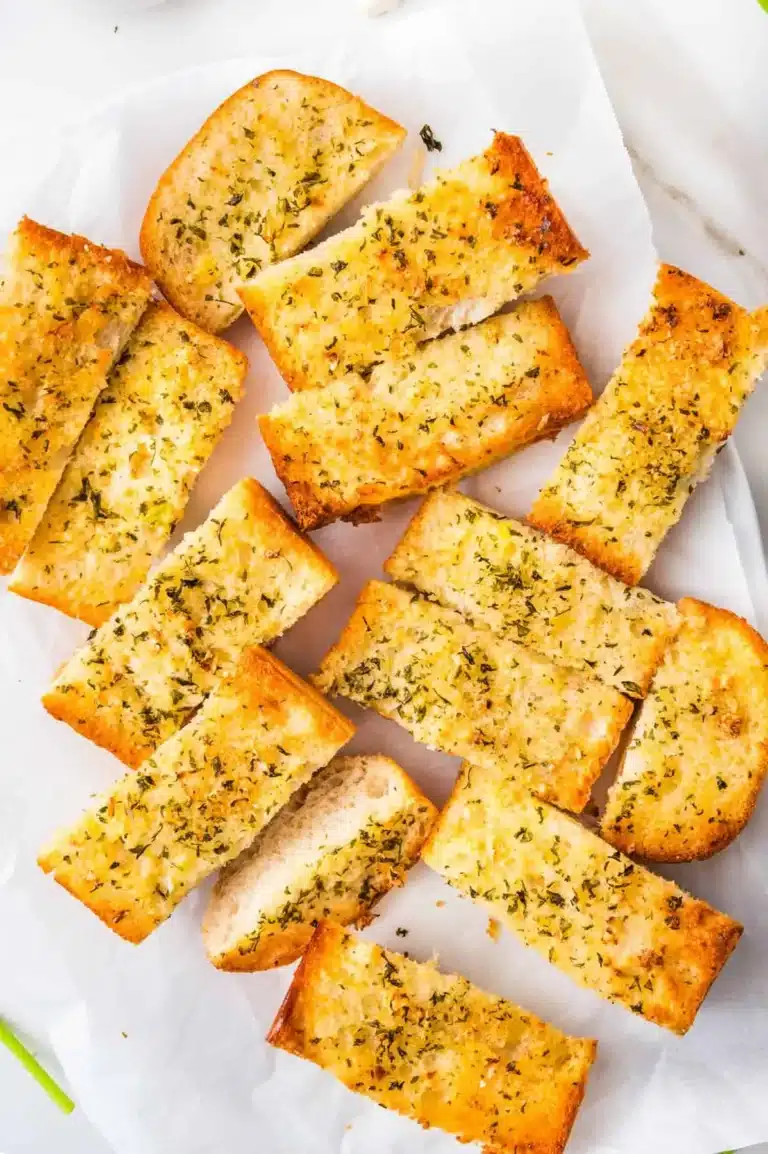
For a complete dinner experience, consider complementing your scalloped potatoes with a fresh green salad to add a bright, crisp element that balances the richness. Roasted vegetables, such as asparagus or Brussels sprouts, also provide a nice textural and flavor contrast. Consider pairing with a simple swirled garlic herb and cheese bread to soak up any extra delicious sauce.
Creative Serving Ideas
Beyond the traditional serving, scalloped potatoes can be presented in more creative ways to impress guests. Individual ramekins or small cast-iron skillets offer an elegant, restaurant-style presentation. Baking the potatoes in these smaller vessels ensures perfectly portioned servings and allows for a beautiful golden-brown top on each dish.
For a truly decadent twist, consider adding other ingredients into the layers. Thinly sliced ham or crispy bacon bits can add a smoky, savory dimension, turning your scalloped potatoes into a more substantial dish. Sautéed mushrooms or caramelized onions can also be layered in, adding further complexity and depth of flavor. These additions transform the side dish into a focal point of the meal.
Another creative approach is to incorporate a hint of spice or unique seasoning. A pinch of smoked paprika mixed into the sauce, or a layer of finely diced jalapeños tucked between the potatoes, can offer a surprising and delightful kick. These variations cater to a more adventurous palate and demonstrate the versatility of this beloved comfort food. For an extra touch of richness, a drizzle of truffle oil over the finished dish before serving can add an unexpected layer of luxury.
Preparation & Storage
Storing Leftovers
Once the scalloped potatoes have been fully enjoyed, storing any leftovers properly is essential to maintain their quality and ensure food safety. Allow the dish to cool down to room temperature completely before attempting to store it. This gradual cooling prevents condensation from forming inside the storage container, which can lead to a soggy texture and potential bacterial growth.
Transfer the cooled scalloped potatoes into an airtight container. Using a container that fits the amount of leftovers snugly will minimize air exposure, which is crucial for preventing the dish from drying out or absorbing odors from the refrigerator. Properly stored, scalloped potatoes will remain fresh and delicious in the refrigerator for approximately 3 to 4 days.
It is important to note that the creamy texture of scalloped potatoes, especially those made with dairy and cheese, can change significantly upon refrigeration and reheating. While they will still be enjoyable, they might not possess the same pristine creaminess as when freshly made. Always check for any signs of spoilage, such as an off odor or unusual appearance, before consuming leftovers.
Freezing
Freezing scalloped potatoes is generally not recommended due to the significant alteration in texture that occurs when dairy-based dishes are thawed. The high moisture content in the potatoes and the creamy sauce, combined with the fat in the cheese and dairy, can lead to a separated, watery, and grainy consistency once frozen and thawed. The delicate structure of the cooked potatoes can also break down, resulting in a mushy texture.
If you must freeze them, it is advisable to freeze the dish in individual portions. This allows you to reheat only what you plan to consume, minimizing repeated thawing and refreezing cycles, which further degrade quality. Ensure the portions are in freezer-safe airtight containers or heavy-duty freezer bags. While not ideal, freezing them in this manner might offer a usable, though compromised, option for future consumption.
For the best results, it is always preferable to consume scalloped potatoes fresh or as leftovers within their recommended refrigerated shelf life. If you find yourself with an abundance of prepared scalloped potatoes that you know you won’t be able to consume within a few days, consider sharing them with friends or neighbors rather than resorting to freezing. This ensures everyone enjoys the dish at its peak quality.
Reheating
Reheating leftover scalloped potatoes requires a gentle approach to bring them back to their former creamy glory. The most effective method for reheating is in the oven, as it allows for even warming and helps to re-establish a pleasant texture, mimicking the original baking process. Preheat your oven to a moderate temperature, around 325°F (160°C).
Place the refrigerated scalloped potatoes in an oven-safe dish and cover it tightly with aluminum foil. The foil is crucial for trapping moisture and heat, preventing the potatoes from drying out or the top from burning before the center is warmed through. Place the dish in the preheated oven and heat for approximately 20-30 minutes, or until the potatoes are heated through and the sauce is bubbling gently. You may remove the foil for the last 5-10 minutes if you desire a slightly crisped top.
Alternatively, for a quicker reheating option, you can use the microwave. Place a portion of the scalloped potatoes in a microwave-safe dish. Cover the dish loosely with a paper towel or microwave-safe lid, leaving a small vent for steam to escape. Microwave on medium power (50-70%) in short intervals of 1-2 minutes, stirring gently in between, until heated through. Be cautious not to overheat, as this can lead to a rubbery or overly mushy texture. Both methods will revive this comforting side dish for another delicious meal.
Frequently Asked Questions
-
What is the best type of potato to use for scalloped potatoes?
The best potatoes for scalloped potatoes are starchy varieties that break down slightly during baking, helping to naturally thicken the sauce and create a wonderfully creamy texture. Yukon Gold potatoes are highly recommended due to their creamy, buttery flavor and waxy-yet-starchy composition, which holds its shape well while still becoming tender. Russet potatoes are another excellent choice; their high starch content makes them perfect for thickening sauces and achieving that signature creamy consistency, though they can sometimes become a bit softer or fall apart more readily than Yukon Golds. When selecting your potatoes, aim for firm, smooth-skinned specimens without any sprouts or green spots, as these indicate age and potential bitterness. The key is to use potatoes that will soften beautifully and absorb the rich sauce without becoming completely mushy or watery.
-
Can I make scalloped potatoes ahead of time, and if so, how should I store and reheat them?
Yes, scalloped potatoes can be made ahead of time, which is incredibly convenient for busy cooks or for holiday meal preparation. To do so, assemble the dish completely but bake it only partially, about two-thirds of the way through the total baking time. Allow the partially baked dish to cool completely, then cover it tightly with plastic wrap followed by a layer of aluminum foil. Store it in the refrigerator for up to 2 days. When ready to serve, remove the plastic wrap and re-cover with foil. Bake in a preheated oven at 350°F (175°C) for an additional 30-45 minutes, or until the potatoes are tender and the sauce is bubbly. You may need to adjust the baking time based on how cold the dish is. For optimal results, consider adding a splash of milk or cream when reheating to revive the sauce’s creaminess. Remember that the texture might be slightly softer than when freshly made, but it will still be delicious and satisfying.
-
What’s the difference between scalloped potatoes and potatoes au gratin?
The primary distinction historically lies in the inclusion of cheese: traditional scalloped potatoes are typically made with a creamy sauce but no cheese, while potatoes au gratin are defined by their cheese component, often layered or mixed throughout and sometimes topped with breadcrumbs. Both dishes involve thinly sliced potatoes baked in a liquid, creating a tender and flavorful side. However, in modern culinary practice, the lines have blurred considerably, and many recipes labeled “scalloped potatoes” now include cheese, much like this one, making them functionally similar to an au gratin. The term “au gratin” itself refers to the cooking method of topping a dish with grated cheese or buttered breadcrumbs and baking until golden brown. So, while there’s a traditional difference, many contemporary recipes blend these characteristics, often using “scalloped” to describe a cream-sauce-based dish and “gratin” for one with a cheese topping or cheese incorporated throughout, though both can feature cheese.