Roasted Sweet Potatoes, Parsnips & Carrots – Rustic Easy Root Veggies!
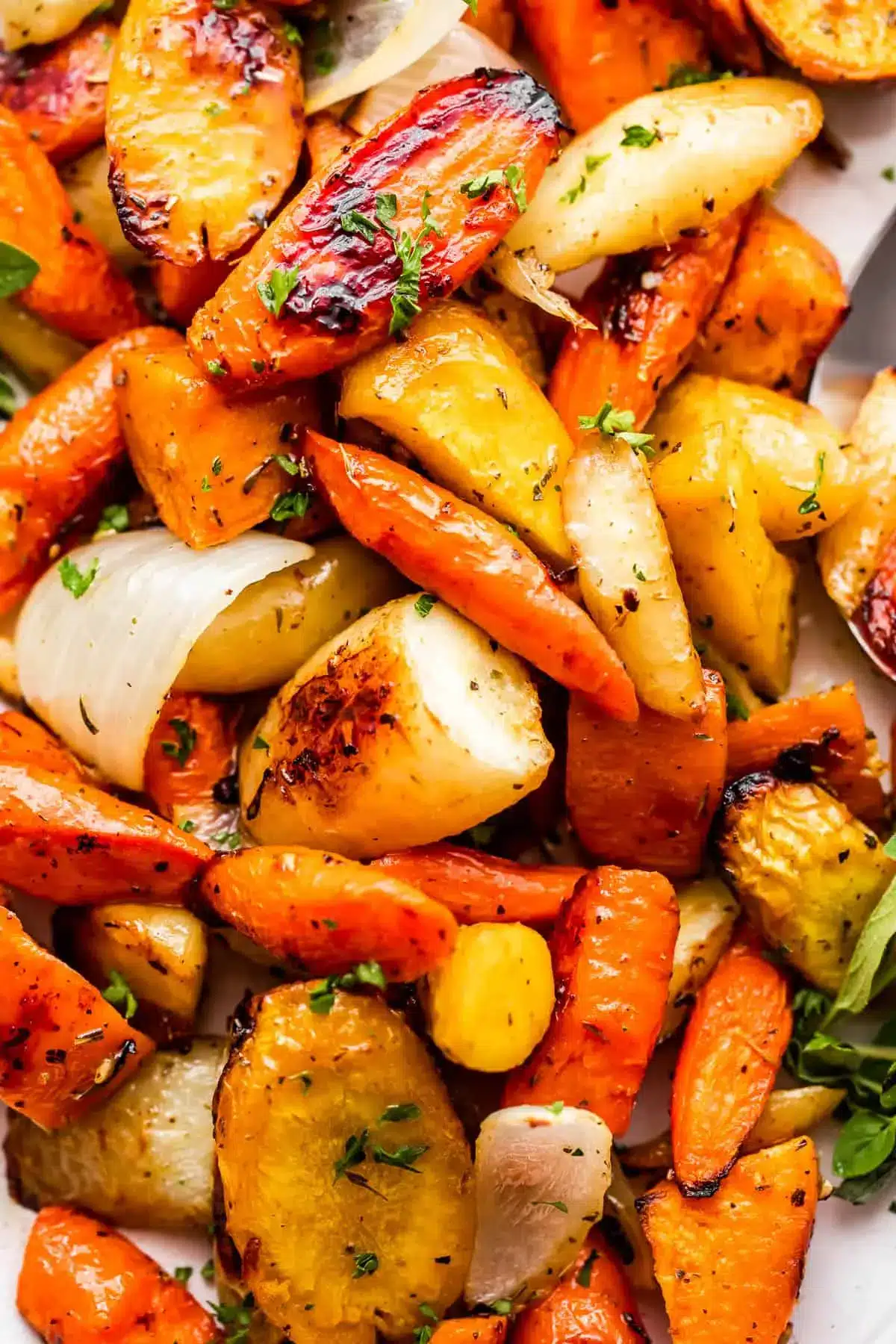
Embark on a culinary journey with this delightful recipe for roasted sweet potatoes and parsnips, a dish that promises to transform your ordinary meals into something truly special. This simple yet elegant preparation highlights the natural sweetness of root vegetables, enhanced by a symphony of aromatic herbs and spices.
Imagine a side dish that is both comforting and visually appealing, offering a beautiful golden-brown hue and a perfectly tender, caramelized texture. It’s the kind of dish that brings warmth to your table and smiles to your guests’ faces, proving that healthy eating can be incredibly delicious and satisfying.
Why You Will Love This Recipe
- Exceptional Flavor Profile: The natural sweetness of sweet potatoes and parsnips is beautifully complemented by aromatic Italian seasoning and savory seasoned salt, creating a complex taste that dances on your palate with every bite.
- Effortless Preparation: Requiring minimal hands-on time, this recipe relies on a straightforward sheet-pan method, allowing your oven to do the heavy lifting while you attend to other preparations or simply relax.
- Versatile and Adaptable: This dish is a true chameleon, easily accommodating other root vegetables or a variety of seasonings to suit your personal taste or what you have on hand.
- Visually Appealing: The vibrant orange of the sweet potatoes, the creamy white of the parsnips, and the caramelized edges of the roasted vegetables create a stunning visual presentation that enhances any meal.
- Healthy and Wholesome: Packed with essential vitamins and fiber from nutrient-rich root vegetables, this recipe offers a guilt-free way to enjoy a delicious and satisfying side.
Ingredients You Need
The secret to truly outstanding roasted vegetables lies in the quality of your ingredients. Opt for fresh, firm root vegetables for the best flavor and texture. Choosing vibrant, unblemished sweet potatoes, crisp parsnips, and sweet onions will lay the foundation for a dish that sings with natural goodness. Don’t underestimate the power of good olive oil and fragrant herbs to elevate these humble ingredients.
Roasted Sweet Potatoes with Parsnips and Carrots
These oven roasted sweet potatoes with parsnips and carrots are flavored with onions, garlic, herbs, and seasoned salt. They're an easy side dish of crispy caramelized veggies that go perfectly with any main course.
- 1.5 pounds sweet potatoes, cut into 1-inch cubes
- 2 large onions, each cut into 6 wedges
- 1 pound carrots, cut into 1-inch pieces
- 10 to 12 ounces parsnips, cut into 1-inch pieces
- 3 cloves garlic, minced
- 3 tablespoons olive oil
- 1 teaspoon Italian seasoning
- 1 teaspoon seasoned salt
- 0.5 teaspoon freshly ground black pepper
- 1Preheat the oven to 450°F. Line a 15x10 jelly roll pan with parchment paper or foil. Set aside.
- 2In a large mixing bowl, combine the cubed sweet potatoes, onion wedges, carrot pieces, parsnips, and garlic. Add olive oil and season with Italian seasoning, seasoned salt, and black pepper; toss until everything is well combined.
- 3Transfer the vegetables to the prepared pan and roast for 30 to 35 minutes, or until tender and browned, stirring halfway through.
- 4Remove the roasted veggies from the oven and let them stand for a few minutes. Taste for salt and pepper, adjust accordingly, and serve.
Keywords: Roasted, Sweet Potatoes, Parsnips, Carrots, Side Dish, Vegetarian, German, Dinner, Bake
The specific quantities for each ingredient are detailed within the provided recipe card, ensuring you have everything precisely measured for perfect results every time.
Variations
For those following a plant-based lifestyle, transforming this into a vegan delight is incredibly simple. Omit the seasoned salt if it contains animal by-products, and ensure your Italian seasoning blend is also vegan-friendly. A drizzle of maple syrup before roasting can further enhance the natural sweetness, creating a dish that’s both compassionate and bursting with flavor. This adaptation works beautifully as a hearty side for any dinner.
If you’re seeking a low-carb option, consider swapping out a portion of the sweet potatoes for other low-carbohydrate root vegetables. Rutabaga, celeriac, or even turnip can offer a similar earthy flavor profile with fewer carbohydrates. Ensure your onion portions are moderate, as they do contain natural sugars. This adjustment keeps the dish keto-friendly without sacrificing deliciousness.
Another exciting variation involves infusing unique flavor profiles. Try adding a pinch of smoked paprika for a subtle smoky depth, or a touch of chili flakes for a gentle kick of heat. A sprinkle of fresh rosemary or thyme during the roasting process can impart a wonderfully fragrant aroma and taste. These small additions can create entirely new culinary experiences from the same base recipe.
How to Prepare roasted sweet potatoes with parsnips
Step 1: Preparing the Oven and Pan
The foundation of perfectly roasted vegetables begins with a screaming hot oven. Preheat your oven to a robust 450°F (230°C). This high temperature is crucial for achieving that desirable caramelization and crispy exterior on the root vegetables. A hot oven sears the natural sugars on the surface of the vegetables, locking in moisture and developing deep, rich flavors.
Simultaneously, prepare your baking vessel. Line a large baking sheet, ideally a 15×10 jelly roll pan, with parchment paper or aluminum foil. This step not only simplifies cleanup immensely but also helps prevent the vegetables from sticking, ensuring they roast evenly without becoming charred in unwanted spots. Make sure the lining covers the entire surface of the pan to catch any drips or splatters.
Having your oven preheated and your pan ready to go ensures that once the vegetables are seasoned, they can be immediately transferred to the heat, minimizing any waiting time that could lead to a drop in oven temperature. This efficiency is key to getting the perfect roast every time, setting you up for success in creating a truly delightful side dish.
Step 2: Prepping the Root Vegetables
Begin by thoroughly washing all your root vegetables. For the sweet potatoes, ensure they are scrubbed clean of any soil. Then, trim off the ends and cut them into uniform 1-inch cubes. Uniformity in size is critical; it ensures that all the pieces cook at the same rate, preventing some from becoming mushy while others remain undercooked. This careful cubing is the first step towards achieving that perfect tender-crisp texture.
Next, address the onions. Remove the outer layers and cut each large onion into wedges, similar in size to the sweet potato cubes. The wedges will soften and caramelize beautifully in the heat of the oven. For the carrots and parsnips, wash them well. If using younger, thinner parsnips, peeling might be optional after a good scrub, but for larger or older ones, a quick peel is recommended to remove any tough outer skin. Trim the ends and cut them into 1-inch pieces, matching the size of the sweet potato cubes.
Finally, prepare the garlic. Mince the fresh garlic cloves finely. Freshly minced garlic offers the most vibrant and potent flavor, infusing the entire dish with its pungent aroma. However, if fresh garlic is unavailable, high-quality jarred minced garlic or garlic powder can be used as a substitute, though the flavor intensity may vary slightly. The goal is to distribute these prepared vegetables evenly for optimal roasting.
Step 3: Seasoning the Vegetables
In a large mixing bowl, combine all your prepared root vegetables and the minced garlic. Add the olive oil to the bowl. The olive oil acts as a lubricant, helping the seasonings adhere to the vegetables and promoting even browning and caramelization during roasting. It also adds a subtle richness and helps the vegetables achieve a desirable crispness on the edges.
Next, sprinkle in the Italian seasoning and the seasoned salt. These two ingredients are the stars of the flavor show. Italian seasoning, a blend of herbs like oregano, basil, rosemary, and thyme, brings an aromatic and savory complexity to the dish. Seasoned salt provides a savory base with a hint of saltiness, and often contains other subtle spices that enhance the overall taste profile. Follow this with a generous grinding of freshly ground black pepper, which adds a gentle warmth and complexity.
Toss everything together thoroughly, ensuring that each piece of vegetable is well-coated with the olive oil and the seasonings. Use your hands or a large spoon to ensure even distribution. This thorough coating is essential for maximizing flavor and achieving a beautiful, consistent roast across all the ingredients. The aroma at this stage is already promising, hinting at the deliciousness to come.
Step 4: Arranging for Roasting
Carefully transfer the seasoned vegetables from the mixing bowl onto the prepared baking sheet. It is absolutely critical that the vegetables are arranged in a single layer. Do not overcrowd the pan. If the vegetables are piled on top of each other, they will steam rather than roast, resulting in a softer, less appealing texture and hindering the caramelization process.
Spreading the vegetables out allows each piece to have direct contact with the hot air circulating in the oven. This ensures that they roast evenly on all sides, developing those coveted crispy edges and tender interiors. If your baking sheet is not large enough to accommodate all the vegetables in a single layer, use two pans rather than crowding one. This might seem like an extra step, but it’s fundamental for achieving optimal roasting results.
Ensure there is a small amount of space between each piece of vegetable. This air circulation is key to developing the beautiful browning and slight crispness that makes roasted vegetables so irresistible. Once arranged, they are ready to embark on their transformation in the heat of the oven.
Step 5: The Roasting Process
Place the loaded baking sheet into the preheated 450°F (230°C) oven. Allow the vegetables to roast for approximately 30 to 35 minutes. During this time, the heat of the oven will work its magic, tenderizing the root vegetables from the inside out while simultaneously caramelizing their natural sugars on the outside, creating a delightful contrast in textures and flavors.
Crucially, halfway through the cooking time, you will need to stir the vegetables. Open the oven door carefully and use a spatula or tongs to gently toss and flip the pieces. This simple step ensures that each side of the vegetables gets exposed to the direct heat, promoting even browning and preventing any single piece from burning or cooking unevenly. Stirring is key to achieving that uniformly golden and delicious result.
Continue roasting until the vegetables are tender when pierced with a fork and have developed appealing browned and caramelized edges. The exact time may vary slightly depending on your oven’s calibration and the exact size of your vegetable cuts. Keep an eye on them towards the end of the cooking time to prevent over-browning, aiming for that perfect sweet spot of tender, flavorful, and slightly crispy.
Step 6: Finishing Touches and Serving
Once the vegetables have reached your desired level of tenderness and caramelization, carefully remove the baking sheet from the oven. Allow the roasted vegetables to stand on the pan for a few minutes. This brief resting period allows the flavors to meld and settle, and the residual heat will continue to gently cook the vegetables, ensuring they are perfectly tender throughout. This small pause often makes a noticeable difference in the final taste and texture.
Before serving, it’s always a good idea to taste a few pieces for seasoning. Adjust the salt and pepper as needed. Sometimes, after roasting, the flavors can intensify, and a little extra seasoning can really bring them to life. This final taste test ensures the dish is perfectly balanced and ready to impress your diners. The aroma emanating from the pan at this stage is truly mouthwatering, a testament to the simple beauty of roasted root vegetables.
Serve the roasted sweet potatoes and parsnips warm. They are a versatile and delicious side dish that pairs wonderfully with a wide array of main courses. Their comforting sweetness and satisfying texture make them a crowd-pleaser, perfect for weeknight dinners or special occasions alike. Enjoy this simple yet profoundly flavorful creation.
Pro Tips for roasted sweet potatoes with parsnips
Don’t Skip the High Heat: Roasting root vegetables demands a high oven temperature, ideally 450°F (230°C). This intense heat is what caramelizes the natural sugars in the vegetables, creating those desirable sweet, crispy edges and tender interiors. Lower temperatures will result in steamed or boiled vegetables rather than beautifully roasted ones.
Single Layer is Key: When arranging your vegetables on the baking sheet, ensure they are in a single layer with a little space between each piece. Overcrowding the pan will cause the vegetables to steam, preventing proper browning and crisping. If necessary, use two baking sheets to give them adequate room to breathe and roast effectively.
Uniform Cuts Matter: Cut your sweet potatoes, carrots, and parsnips into similarly sized pieces, aiming for about 1-inch cubes. This ensures that all the vegetables cook evenly. If some pieces are significantly larger than others, they may not cook through by the time the smaller pieces are done, or vice-versa, leading to an inconsistent texture.
Stir for Evenness: Remember to stir the vegetables about halfway through the roasting time. This simple action promotes even cooking and browning on all sides. It helps to develop those lovely caramelized patches and ensures that no part of the vegetable is left undercooked or overly browned.
Experiment with Herbs and Spices: While Italian seasoning and seasoned salt are excellent choices, don’t hesitate to get creative. Consider adding a pinch of smoked paprika for a hint of smokiness, a dash of garlic powder alongside the fresh garlic for an extra layer of flavor, or even a sprinkle of cayenne pepper for a touch of heat. Fresh herbs like rosemary or thyme can also be added during the last 10-15 minutes of roasting for an intensified aroma.
Serving Suggestions for roasted sweet potatoes with parsnips
Decoration
Elevate the visual appeal of your roasted root vegetables with a few thoughtful decorative touches. A scattering of fresh, chopped herbs such as parsley, chives, or thyme just before serving adds a vibrant splash of green and a burst of freshness. A light drizzle of balsamic glaze can provide a beautiful sheen and a tangy counterpoint to the sweetness of the vegetables.
Consider a sprinkle of toasted sesame seeds or pumpkin seeds for added texture and visual interest. For a richer presentation, a light dusting of grated Parmesan cheese or nutritional yeast (for a vegan option) can add another layer of flavor and a slightly golden hue. These small garnishes transform the dish from simple to sophisticated.
Side Dishes
These roasted sweet potatoes and parsnips are exceptionally versatile and make a perfect accompaniment to a wide array of main courses. They pair beautifully with rich meats like roasted turkey, honey garlic glazed pork loin, or a classic roasted beef tenderloin, their sweetness cutting through the richness of the meats. For a lighter option, they are a wonderful complement to cajun chicken pasta or grilled fish, adding a grounding earthy flavor.
Consider serving them alongside hearty stews or casseroles for a balanced meal. They also make an excellent partner for comfort food classics like pork chops, especially when those chops are served with a savory gravy that complements the caramelized notes of the vegetables. The sweetness of the vegetables balances the savory elements of many dishes, making them a universally appealing side.
For a complete and satisfying meal, consider pairing them with a protein and a grain. They work well with lean proteins like chicken breasts or salmon, and can be served alongside quinoa, brown rice, or even a hearty salad for a lighter, yet still filling, meal. This flexibility allows them to fit seamlessly into various dining occasions and dietary preferences.
Creative Serving Ideas
Move beyond the traditional side dish role and incorporate these roasted beauties into more creative culinary applications. Mash the roasted vegetables with a touch of cream or coconut milk for a luxuriously smooth and flavorful purée, perfect as a base for other dishes or as a standalone side. The natural sweetness makes this purée a fantastic option for both savory and even some subtly sweet applications.
Chop the roasted vegetables finely and fold them into a grain salad, such as quinoa or farro, adding texture, color, and a delicious roasted flavor. They can also be a wonderful addition to a hearty frittata or quiche, providing a rustic sweetness and tender chunks of vegetable. This approach adds a gourmet touch to everyday egg dishes, making them more substantial and flavorful. Imagine them as a key component in a flavorful stuffing or a vibrant vegetable tart.
For a fun appetizer, skewer small pieces of the roasted vegetables with cherry tomatoes and mozzarella balls for a delightful anti-pasto style bite. Alternatively, blend them into a creamy soup base, perhaps with a hint of ginger or cinnamon, for a unique and comforting starter. This versatility ensures that these roasted root vegetables can be a star player in many different culinary creations.
Preparation & Storage
Storing Leftovers
To keep your delicious roasted sweet potatoes and parsnips fresh for later enjoyment, proper storage is key. Once the vegetables have cooled to room temperature, transfer them into an airtight container. This prevents them from drying out and absorbing any unwanted odors from other foods in your refrigerator. Store the container in the main compartment of your refrigerator, not in the door where temperatures can fluctuate.
Properly stored leftovers can typically be kept in the refrigerator for 3 to 4 days. During this time, they will retain their flavor and texture reasonably well. It’s always best to consume them within this timeframe for optimal quality. Avoid storing them at room temperature for extended periods, as this can lead to spoilage.
When you are ready to enjoy them again, simply remove them from the container and proceed with reheating. The goal is to restore their delightful texture and warmth without making them mushy or losing their appealing roasted characteristics. Careful storage ensures you can savor this wonderful side dish for several days.
Freezing
Freezing roasted sweet potatoes and parsnips is an excellent option for long-term preservation, allowing you to enjoy them for months to come. Ensure the vegetables have completely cooled down before you begin the freezing process. Placing warm food in a freezer can raise the internal temperature of the freezer, potentially affecting other items.
Once cooled, arrange the roasted vegetables in a single layer on a baking sheet and place them in the freezer for about 1-2 hours, or until they are frozen solid. This flash-freezing step prevents the vegetables from clumping together in the freezer bag. After they are frozen, transfer the individual pieces into heavy-duty freezer bags.
Press out as much air as possible from the freezer bags before sealing them tightly. This minimizes the risk of freezer burn. Properly sealed and stored in the freezer, these roasted vegetables can maintain good quality for up to 3 months. Label the bags with the date of freezing for easy tracking. Thawing should always be done in the refrigerator to maintain food safety.
Reheating
The best method for reheating roasted sweet potatoes and parsnips is back in the oven, as this helps to revive their crispy texture. Preheat your oven to 450°F (230°C), the same temperature used for initial roasting. Spread the thawed or leftover vegetables in a single layer on a baking sheet lined with parchment paper. This ensures even heating and helps to crisp them up again.
Bake for approximately 10-15 minutes, or until they are heated through and have regained some of their crispness. Stir them once or twice during the cooking time to ensure even reheating. Avoid microwaving, as this tends to make the vegetables soft and mushy, losing the desirable roasted texture. The oven method best replicates the original deliciousness of the dish.
If you’re in a hurry and need to reheat them quickly, a hot skillet on the stovetop can also work. Add a small amount of oil and heat the vegetables over medium-high heat, stirring frequently until they are warm and slightly crisped. This stovetop method is faster than the oven but may require a bit more attention to prevent burning. Regardless of the method, the goal is to return them to their former glory.
Frequently Asked Questions
- Can I use different root vegetables in this recipe?
Absolutely! This recipe is incredibly flexible and serves as a fantastic base for a variety of root vegetables. While sweet potatoes and parsnips provide a wonderful sweet and earthy combination, you can easily substitute or add other hearty vegetables. Consider adding cubes of butternut squash or acorn squash for a similar sweetness and texture. Rutabaga and turnip are excellent lower-carb alternatives that offer a pleasant, slightly peppery flavor. Even chunks of celeriac can add a unique, celery-like dimension. When making substitutions, try to cut the different vegetables into roughly the same size pieces as the sweet potatoes and parsnips to ensure even cooking. Winter squash varieties often have slightly different cooking times, so you might need to adjust the roasting time slightly to ensure everything is perfectly tender.
- Why are my roasted vegetables not crispy?
Several factors can contribute to roasted vegetables lacking crispness. The most common reason is overcrowding the baking sheet; if the vegetables are piled on top of each other, they will steam rather than roast, resulting in a softer texture. Ensure your vegetables are in a single layer with a little space between them. Another crucial element is the oven temperature; it must be hot enough (450°F is ideal) to achieve proper caramelization and crisping. If your oven doesn’t heat accurately, consider using an oven thermometer. The amount of oil used also plays a role; too little oil won’t facilitate browning, while too much can lead to greasiness. Ensure your vegetables are well-coated but not swimming in oil. Finally, remember to stir them halfway through cooking to expose all sides to the heat, promoting even browning and crisping.
- How can I enhance the flavor of these roasted vegetables beyond the basic seasonings?
There are numerous ways to elevate the flavor profile of these roasted root vegetables. Just before they finish roasting, consider drizzling them with a little balsamic glaze for a touch of tangy sweetness and a beautiful sheen. A squeeze of fresh lemon juice can brighten all the flavors and add a zesty note. Experiment with different herbs; fresh rosemary or thyme, added during the last 10-15 minutes of roasting, impart a wonderful aroma. For a hint of spice, add a pinch of red pepper flakes or a dash of smoked paprika to the seasoning mix. A sprinkle of grated Parmesan cheese or toasted nuts like pecans or walnuts after roasting can add richness and texture. For a unique twist, try adding a touch of maple syrup or honey along with the oil and seasonings before roasting to amp up the caramelization and sweetness.