Roasted Cabbage Wedges with Onion Dijon Sauce: An Incredible 7-Step Recipe for Your Easter Feast
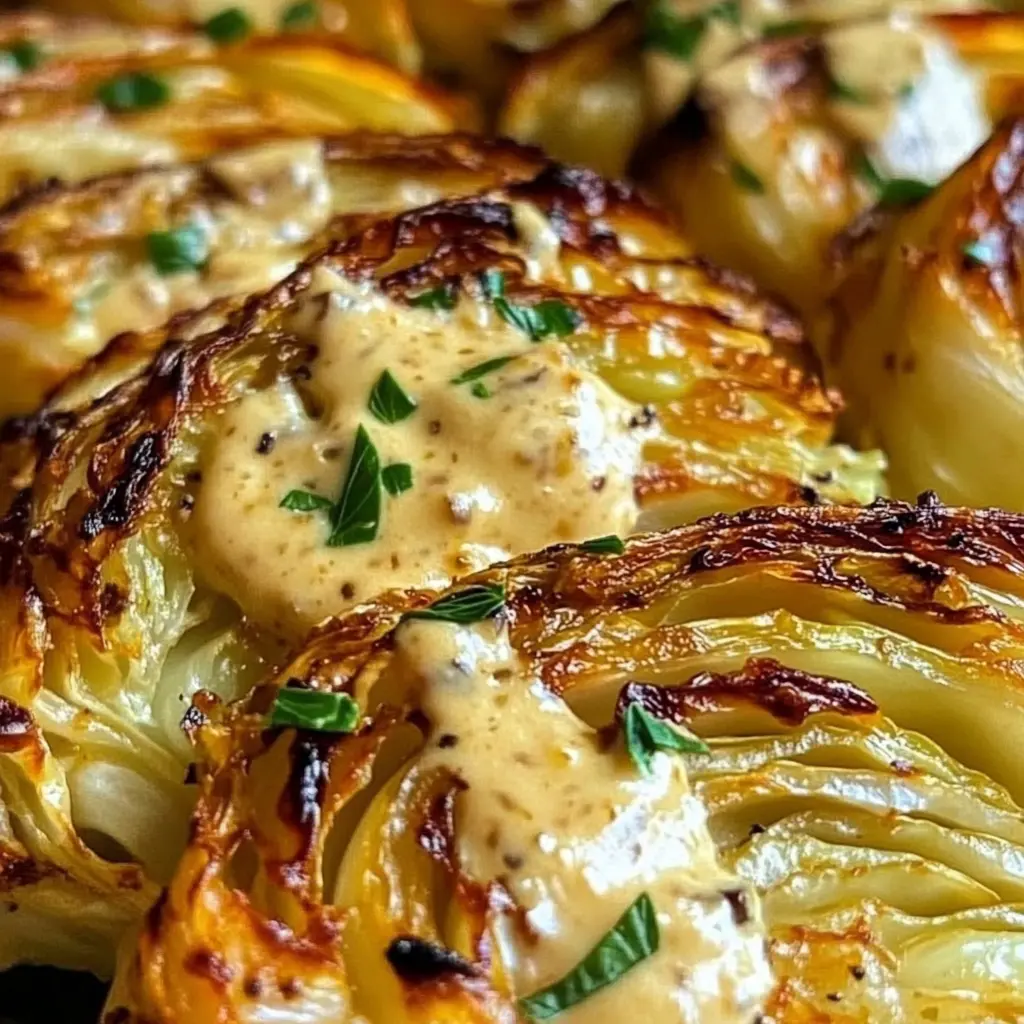
Elevate your culinary creations with these Roasted Cabbage Wedges, a side dish that’s as visually appealing as it is delicious. This recipe transforms humble cabbage into a star, offering a delightful combination of textures and flavors that will impress even the most discerning palates.
The star of this dish is the perfect roast, which caramelizes the natural sugars in the cabbage, creating a tender interior and delightfully crisp edges. This transformation, when paired with the zesty Onion Dijon Sauce, makes for a truly unforgettable gastronomic experience perfect for any occasion.
Why You Will Love This Recipe
- Quick Preparation: Dinner is on the table in less than 45 minutes, making it an ideal option for busy weeknights or last-minute entertaining.
- Rich Flavor Profile: The savory depth of roasted cabbage beautifully complements the tangy, creamy, and slightly pungent notes of the Onion Dijon Sauce.
- Healthy and Nutritious: Cabbage is a powerhouse of vitamins and fiber, making these wedges a guilt-free addition to your meals.
- Versatile Pairing: These wedges act as a perfect accompaniment to a wide array of main courses, from hearty grilled meats to delicate fish dishes.
- Stunning Presentation: The golden-brown, caramelized wedges, adorned with fresh herbs, create a visually striking dish that enhances any table setting.
Ingredients You Need
The secret to truly exceptional Roasted Cabbage Wedges lies in the quality of your ingredients, with fresh, vibrant produce forming the foundation of this flavorful dish. Opting for a firm, fresh cabbage will yield the best texture, while good quality olive oil and spices will amplify the natural deliciousness of the vegetable.
Roasted Cabbage Wedges with Onion Dijon Sauce
Indulge in the delightful flavors of Roasted Cabbage Wedges with Onion Dijon Sauce, a perfect side dish that adds a touch of elegance to any meal. This easy-to-follow recipe highlights the natural sweetness of cabbage, enhanced by a creamy, tangy sauce that’s sure to impress at family gatherings or holiday feasts. The golden-brown wedges not only taste incredible but also offer a nutritious option for health-conscious eaters. With just seven simple steps, you’ll have a stunning dish that pairs wonderfully with grilled meats or vegetarian options, making it an excellent choice for any occasion.
- 1 medium green cabbage
- 2 tablespoons olive oil
- 1 teaspoon salt
- 1 teaspoon black pepper
- 1 teaspoon garlic powder
- 1 cup sour cream
- 2 tablespoons Dijon mustard
- 1 small onion, finely chopped
- 1 tablespoon lemon juice
- Fresh herbs (parsley or chives) for garnish
- 1Preheat your oven to 400°F (200°C).
- 2Remove the outer leaves of the cabbage and cut it into wedges while keeping the core intact.
- 3Place the cabbage wedges on a baking sheet, drizzle with olive oil, and sprinkle with salt, pepper, and garlic powder. Toss gently to coat.
- 4Roast in the preheated oven for 25–35 minutes, flipping halfway through until they are crispy and tender.
- 5While roasting, combine sour cream, Dijon mustard, onion, and lemon juice in a mixing bowl until smooth.
- 6Once golden brown and fork-tender, remove the cabbage from the oven.
- 7Serve on a platter with the onion Dijon sauce drizzled over and garnish with fresh herbs.
Keywords: roasted cabbage, cabbage wedges, dijon sauce, onion sauce, side dish, vegetarian, easy recipe, holiday feast, Easter, German cuisine
The specific quantities for each ingredient are readily available in the detailed recipe card, ensuring you have all the necessary components for this culinary masterpiece.
Variations
To cater to diverse dietary needs and flavor preferences, this recipe can be wonderfully adapted. For a lighter, spicier twist, consider incorporating a pinch of smoked paprika or a dash of cayenne pepper into the olive oil before tossing the cabbage wedges. This simple addition can infuse the dish with a subtle warmth and smoky complexity that complements the roasted flavors beautifully.
If you’re aiming for a vegan rendition, the transformation is equally straightforward. Substitute the sour cream in the Onion Dijon Sauce with a creamy, unsweetened plant-based alternative, such as cashew cream or a thick coconut yogurt. Ensure the vegan yogurt is neutral in flavor to avoid overpowering the other ingredients. This simple swap ensures everyone can enjoy this delectable dish.
For those following a low-carbohydrate lifestyle, these cabbage wedges are already a fantastic choice, but further customization is possible. Instead of the traditional sour cream, a dollop of Greek yogurt or even a tahini-based dressing can provide a rich, creamy element with fewer carbohydrates. Experiment with different herbs like dill or chives for added freshness and visual appeal.
How to Prepare Roasted Cabbage Wedges with Onion Dijon Sauce
Step 1: Preheat the Oven for Optimal Roasting
Begin by preheating your oven to a robust 400°F (200°C). This high temperature is crucial for achieving that perfect caramelization and tender interior that defines exceptional roasted vegetables. Ensuring your oven is fully heated before the cabbage even enters will promote even cooking and encourage the development of delicious browned edges.
A properly preheated oven acts as the foundation for successful roasting. It allows the cabbage wedges to start cooking immediately upon entering the oven, which helps to seal in moisture and develop a pleasing exterior texture. Don’t underestimate the power of a hot oven when it comes to coaxing out the best flavors from your produce.
Consider using an oven thermometer to verify the accuracy of your oven’s temperature, as many ovens can run slightly hotter or cooler than their dial indicates. This small step can make a significant difference in the outcome of your roasted vegetables, ensuring consistency every time you prepare this dish.
Step 2: Prepare the Cabbage for Roasting
Start by carefully removing any wilted or bruised outer leaves from your medium-sized green cabbage. These outer leaves can be tough and less flavorful, so discarding them is a good first step towards a superior result. Once the outer layer is addressed, you’ll want to prepare the cabbage for wedging.
The key to successful wedging is to cut the cabbage through its core. This technique ensures that the wedges remain intact during the roasting process, preventing them from falling apart. Aim for wedges that are roughly 1-1.5 inches thick, allowing for even cooking and a satisfying bite. You’ll likely get about 6-8 wedges from a single medium cabbage.
Take your time with this step, as precise cutting is essential for uniform roasting. A sharp knife will make the process much easier and safer. If the core is particularly tough, you can make a few strategic cuts to help release it, but always strive to keep the wedges connected to their core.
Step 3: Season the Cabbage Wedges Generously
Arrange the prepared cabbage wedges in a single layer on a spacious baking sheet. Overcrowding the baking sheet can lead to steaming rather than roasting, so ensure there is ample space between each wedge. If necessary, use two baking sheets to achieve this optimal spacing. A good baking sheet with raised edges will also help contain any moisture released during cooking.
Drizzle the cabbage wedges generously with two tablespoons of good quality olive oil. The oil acts as a conductor of heat, promoting even browning and preventing the cabbage from sticking to the pan. Ensure that each wedge is lightly coated with the oil, reaching all the nooks and crannies.
Next, season the wedges liberally with one teaspoon of salt, one teaspoon of black pepper, and one teaspoon of garlic powder. These foundational seasonings enhance the natural sweetness of the cabbage and add depth to its flavor. Gently toss the wedges with your hands or tongs to ensure an even distribution of oil and seasonings across all surfaces.
Step 4: Roast the Cabbage to Perfection
Place the seasoned cabbage wedges into the preheated 400°F (200°C) oven. Allow them to roast for approximately 25 to 35 minutes. The exact roasting time will depend on the thickness of your wedges and your oven’s specific performance, so it’s important to monitor them.
Crucially, halfway through the roasting process, carefully flip each cabbage wedge. This step is vital for ensuring that both sides of the wedges achieve a beautiful golden-brown color and develop those desirable crispy edges. Using tongs or a spatula, gently turn them over to expose a fresh surface to the heat.
The goal is for the cabbage to become fork-tender, meaning a fork can be easily inserted into the thickest part of the wedge without resistance. Simultaneously, you are looking for those wonderfully caramelized, slightly browned edges that provide a delightful textural contrast to the tender interior. The aroma emanating from your oven during this stage will be incredibly enticing.
Step 5: Craft the Irresistible Onion Dijon Sauce
While the cabbage wedges are undergoing their transformation in the oven, turn your attention to preparing the accompanying Onion Dijon Sauce. In a medium-sized mixing bowl, combine one cup of sour cream with two tablespoons of Dijon mustard. These two ingredients form the creamy and tangy base of your sauce, offering a delightful counterpoint to the roasted cabbage.
Add one small onion, which should be very finely chopped, to the mixture. The fine chop ensures that the onion is distributed evenly throughout the sauce, providing bursts of subtle flavor without overwhelming the palate. Finally, incorporate one tablespoon of fresh lemon juice into the bowl; this adds a bright, zesty note that cuts through the richness of the sour cream and mustard.
Whisk all the ingredients together vigorously until the sauce is completely smooth and well blended. Continue whisking until no streaks of sour cream or Dijon mustard remain visible, and the mixture has a uniform, creamy consistency. Taste the sauce and adjust seasonings if necessary, perhaps adding a pinch more salt or a touch more lemon juice to suit your preference.
Step 6: Check for Optimal Doneness
As the roasting time nears its end, begin checking your cabbage wedges for their readiness. You’re looking for a specific visual cue: the edges should be beautifully golden brown and slightly crisped, indicating that caramelization has occurred. This browning is where much of the flavor develops.
Furthermore, test the tenderness of the cabbage by gently piercing a wedge with a fork. The fork should slide in easily without any significant resistance, signifying that the cabbage has reached a perfect, tender consistency. If the edges are browning too quickly but the interior is still firm, you can loosely tent the baking sheet with foil for the remaining cooking time.
Once your cabbage has achieved this ideal balance of tender interior and caramelized edges, carefully remove the baking sheet from the oven. This is the moment your perfectly roasted cabbage wedges are ready to be plated and enjoyed.
Step 7: Assemble and Serve with Flair
Once the roasted cabbage wedges are perfectly cooked, arrange them attractively on a serving platter. You can stack them slightly or fan them out, depending on your desired presentation. This visual appeal is part of the joy of serving this dish, making it a centerpiece rather than just a side.
Generously drizzle your prepared Onion Dijon Sauce over the warm cabbage wedges. Ensure that the sauce coats the wedges evenly, adding a creamy, tangy dimension to each bite. Don’t be shy with the sauce; it’s designed to complement and enhance the roasted cabbage.
Finally, garnish the dish with freshly chopped herbs, such as parsley or chives. The vibrant green of the herbs adds a beautiful contrast to the golden-brown cabbage and enhances the overall freshness of the dish. Serve immediately while the wedges are warm and the sauce is at its best.
Pro Tips for Roasted Cabbage Wedges with Onion Dijon Sauce
Uniform Wedges are Key: For even cooking, ensure all your cabbage wedges are cut to a similar thickness. This prevents some pieces from becoming mushy while others remain undercooked. Aim for wedges that are about one inch thick at their widest point.
Don’t Crowd the Pan: Overcrowding your baking sheet will cause the cabbage to steam instead of roast, resulting in a less desirable texture. Give each wedge ample space to allow hot air to circulate around it. If your baking sheet is too full, use two.
Embrace Caramelization: Don’t be afraid of those browned edges! They are a sign of delicious caramelization and add a wonderful depth of flavor and a pleasing textural contrast to the tender cabbage. Extend roasting time slightly if you desire more browning.
Sauce Consistency: If your Onion Dijon Sauce seems too thick, you can thin it out with a splash of water or milk until it reaches your desired drizzling consistency. Conversely, if it’s too thin, let it sit for a few minutes or stir in a little more Dijon mustard.
Herb Freshness: Always use fresh herbs for garnishing if possible. The bright, clean flavors of fresh parsley or chives truly elevate the final presentation and taste of the dish. Dried herbs can be used, but fresh offers a superior aromatic quality.
Serving Suggestions for Roasted Cabbage Wedges with Onion Dijon Sauce
Decoration
The natural beauty of the roasted cabbage wedges needs little embellishment, but a final flourish can elevate its visual appeal significantly. Sprinkle freshly chopped parsley or chives generously over the top of the assembled dish. Their vibrant green color provides a striking contrast to the golden-brown cabbage, making it look even more appetizing.
Consider adding a few very thin slivers of red onion as a garnish for an added pop of color and a slight bite. You could also incorporate a few toasted sunflower seeds or pumpkin seeds for a touch of crunch and visual texture, adding an element of surprise with every bite.
A final, delicate drizzle of the Onion Dijon Sauce over the garnishes can tie the entire presentation together, ensuring a cohesive and mouth-watering appearance that promises deliciousness.
Side Dishes
These Roasted Cabbage Wedges with Onion Dijon Sauce are exceptionally versatile and pair wonderfully with a wide array of main courses. They make an excellent accompaniment to grilled or roasted meats such as succulent pork chops, tender beef roasts, or flavorful chicken breasts. The richness of the meat is beautifully balanced by the tanginess of the sauce and the tender-crisp texture of the cabbage.
For a heartier meal, consider serving them alongside substantial vegetarian options. This could include lentil loaves, mushroom steaks, or a hearty grain pilaf. The cabbage wedges provide a much-needed vegetable component and a satisfying texture to these plant-based dishes. This makes them a fantastic addition to any dinner menu.
They also work splendidly as part of a larger mezze or appetizer platter, alongside dips, roasted vegetables, and artisanal breads. Their unique flavor profile and pleasing texture make them a welcome addition to a diverse spread of small bites, ideal for sharing during lunch gatherings or casual get-togethers.
Creative Serving Ideas
Beyond the traditional plating, get creative with how you serve these delectable cabbage wedges. Consider individual servings by placing a couple of wedges on each plate and topping them with a dollop of the Onion Dijon Sauce. This offers a more refined and elegant presentation for a formal dinner party.
Another fun idea is to use them as a base for a light lunch or starter. Top a warm wedge with a poached egg and a sprinkle of bacon bits for a brunch-inspired dish, or serve them alongside a crisp German pancake for a delightful textural and flavor contrast.
You can also deconstruct the dish slightly by serving the roasted wedges alongside a small bowl of the Onion Dijon Sauce for dipping. This allows your guests to control the amount of sauce they use and offers a more interactive dining experience, perfect for those who enjoy customizing their meals.
Preparation & Storage
Storing Leftovers
If you happen to have any leftover Roasted Cabbage Wedges, storing them properly will ensure they remain delicious for your next meal. Allow the cooked cabbage to cool down to room temperature completely before transferring it to an airtight container. This step is crucial to prevent condensation from forming inside the container, which can make the cabbage soggy.
Once cooled and properly sealed, store the container in the refrigerator. Leftovers will typically keep well for up to 3 to 4 days. The Onion Dijon Sauce can be stored separately in a small, sealed container to maintain its best texture and flavor. This makes it easy to reassemble and enjoy without the sauce becoming watery.
When you’re ready to enjoy your leftovers, be prepared for a slight change in texture compared to freshly roasted cabbage. While they won’t be as crispy, they will still retain a pleasant tenderness and great flavor. Proper storage is key to maximizing their longevity and enjoyment.
Freezing
While freezing roasted cabbage is possible, it is generally not the preferred method due to the significant textural changes that can occur upon thawing. The high water content of cabbage means that it can become quite mushy and lose its appealing crispness after being frozen and reheated. However, if you must freeze them, taking certain precautions can help mitigate these issues.
Ensure the cabbage wedges are thoroughly cooled and patted dry to remove as much surface moisture as possible. Place the cooled wedges in a single layer on a baking sheet lined with parchment paper and freeze them until solid. Once frozen, transfer the individual wedges to a freezer-safe bag or airtight container, separating them with parchment paper to prevent them from sticking together.
They can be stored in the freezer for up to 1 to 2 months. However, it’s important to manage expectations regarding the final texture. Reheating is best done in an oven or skillet to try and regain some crispness, rather than microwaving, which will exacerbate the softness.
Reheating
When it comes time to reheat your delicious Roasted Cabbage Wedges, the goal is to revive their tenderness and, if possible, some of their delightful crispness. The best method for reheating is typically in the oven, as it provides dry heat that helps to dry out excess moisture and re-crisp the edges. Preheat your oven to around 350°F (175°C).
Spread the leftover cabbage wedges in a single layer on a baking sheet. If you have leftover sauce, you can drizzle a little over the wedges before reheating, or warm the sauce separately and add it after reheating. Heat for about 10-15 minutes, or until the wedges are warmed through and the edges have regained some of their crispness. Keep a close eye on them to prevent overcooking.
Alternatively, you can reheat them in a skillet over medium heat. Add a small amount of oil or butter to the skillet and cook the wedges, turning occasionally, until heated through and slightly crisped. Microwaving is the least ideal method, as it tends to make the cabbage soft and watery, but it can be used for a quick reheat if necessary by using short intervals at medium power.
Frequently Asked Questions
-
Can I customize Roasted Cabbage Wedges with Onion Dijon Sauce?
Absolutely! This recipe is wonderfully adaptable to your personal taste preferences. For instance, you can introduce different spices to the seasoning mix; smoked paprika can add a lovely smoky undertone, while a pinch of red pepper flakes can introduce a gentle heat. Experiment with herbs beyond parsley and chives, perhaps fresh dill for a brighter flavor or a hint of thyme for earthiness. The Onion Dijon Sauce itself can also be tweaked; adding a touch of honey or maple syrup can introduce a subtle sweetness that balances the tanginess, or a splash of Worcestershire sauce can deepen the umami notes.
-
What should I serve with my Roasted Cabbage Wedges with Onion Dijon Sauce?
These savory cabbage wedges are incredibly versatile and serve as an excellent complement to a wide range of main dishes. They pair beautifully with classic protein-centric meals such as grilled chicken breasts, pan-seared salmon, or a hearty steak. For those seeking a plant-based pairing, consider serving them alongside dishes like baked tofu, hearty lentil shepherd’s pie, or a flavorful quinoa salad. They are also a fantastic component of a larger easy lobster bisque recipe meal, adding a welcome vegetable element and a satisfying textural contrast. Their ability to absorb and complement various flavors makes them suitable for almost any culinary theme.
-
How do I know when my cabbage is done roasting?
Determining the perfect doneness for your roasted cabbage wedges involves observing a few key indicators. Visually, you should see that the edges of the wedges have developed a beautiful golden-brown color and a slight crispiness; this caramelization is a hallmark of well-roasted vegetables. To test for tenderness, gently insert a fork into the thickest part of a wedge. The fork should slide in with very little resistance, indicating that the cabbage is tender throughout. If the edges are browning too quickly but the interior is still firm, you can loosely cover the baking sheet with aluminum foil for the remainder of the cooking time to allow the inside to cook through without burning the exterior.