The BEST Roasted Pork Loin Recipe | How to Cook Pork Loin
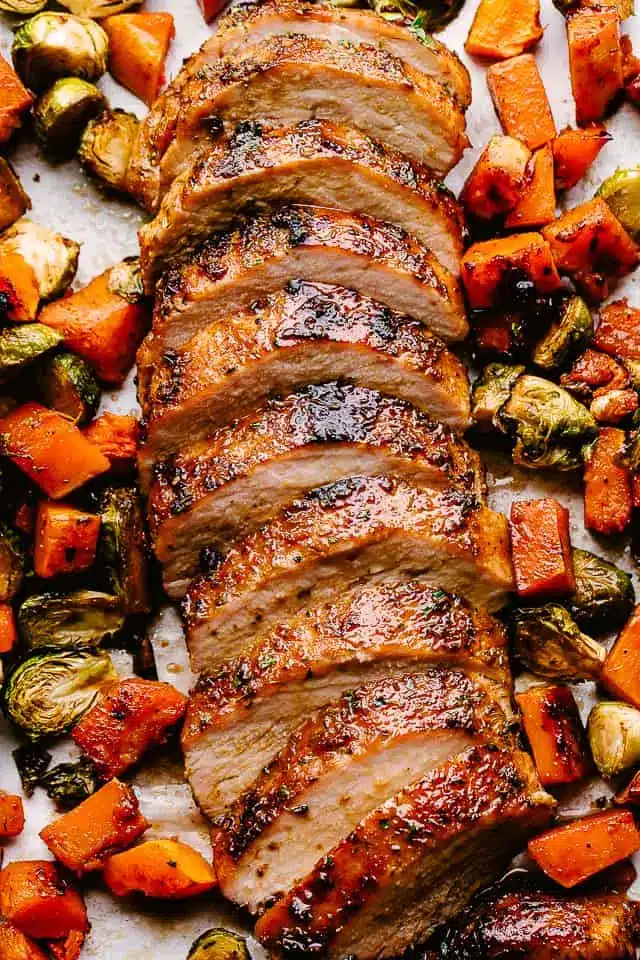
Embark on a culinary journey with this exquisite Honey Garlic Glazed Pork Loin Roast, a dish designed to be the centerpiece of any dinner table. This recipe promises a symphony of tender, juicy pork infused with the irresistible sweetness of honey and the savory depth of garlic. It’s a straightforward yet impressive meal that proves gourmet dining can be achieved with minimal fuss in your own kitchen.
Prepare to be amazed by how easily you can transform a humble cut of pork into something truly spectacular. This pork loin roast is not just a meal; it’s an experience, crafted to delight your taste buds and impress your guests with its melt-in-your-mouth texture and harmonious blend of flavors. Let the aroma fill your home as this magnificent roast bakes to perfection.
Why You Will Love This Recipe
- Effortless Preparation: Despite its impressive results, this recipe requires minimal hands-on time, allowing you to enjoy more moments with your loved ones.
- Incredibly Flavorful: The combination of a savory spice rub and a sweet, tangy honey-garlic glaze creates layers of deliciousness that permeate every bite.
- Perfectly Tender & Juicy: Through careful searing and roasting, this method ensures your pork loin remains moist and fork-tender, avoiding any dryness.
- One-Pan Wonder Potential: With the inclusion of roasted vegetables alongside the pork, you achieve a complete, balanced meal with fewer dishes to wash.
- Versatile & Adaptable: This recipe serves as a fantastic base, readily accepting personal touches and variations to suit any palate or dietary need.
Ingredients You Need
The key to an exceptional pork loin roast lies in the quality of your ingredients and the thoughtful balance of flavors. Selecting a good cut of pork loin is paramount, as is using fresh aromatics and well-seasoned spices to build a robust flavor profile. This recipe harmoniously blends pantry staples with a few star players to create a memorable dish that sings with taste.
Tender and Juicy Pork Loin Roast Recipe
This Honey Garlic Glazed Pork Roast recipe is hands down the BEST. If you're wondering how to cook pork loin, this easy recipe makes juicy, fork tender pork loin. Prep Time: 15 minutes minutes Cook Time: 1 hour hour Resting Time: 10 minutes minutes Total Time: 1 hour hour 25 minutes minutes Servings: 8
- 1x 2x 3x FOR THE PORK LOIN ▢ 3 pound pork loin ▢ 1 tablespoon olive oil
- FOR THE SPICE RUB ▢ 1 teaspoon sweet paprika ▢ 1 teaspoon garlic powder ▢ ½ teaspoon onion powder ▢ ½ teaspoon dried thyme ▢ ½ teaspoon dried rosemary ▢ salt and freshly ground black pepper , to taste
- FOR THE HONEY GARLIC GLAZE ▢ 4 cloves garlic , minced ▢ ¼ cup honey ▢ 3 tablespoons low-sodium gluten free soy sauce ▢ 1 tablespoon dijon mustard ▢ 1 tablespoon olive oil
- FOR THE VEGETABLES ▢ 1 tablespoon olive oil ▢ 1 pound brussels sprouts , cut in half ▢ 1 pound butternut squash , peeled, seeds cleaned out, and cut into 1-inch cubes (you can also buy pre-cut butternut squash)
- 1Preheat the oven to 375˚F. Line a rimmed baking sheet with aluminum foil or parchment paper, then set it aside.
- 2In a small mixing bowl, combine the paprika, garlic powder, onion powder, thyme, rosemary, salt, and pepper.
- 3Pat the pork loin dry with paper towels. Then, lightly spray the pork with cooking spray. This will make it easier for the seasonings to stick. Take the spice mix and rub it all over the pork loin.
- 4Heat the olive oil over medium heat and sear the pork loin until browned on all sides, about 3 minutes per side. Transfer the pork loin to the baking sheet, fat-layer side up. Set aside.
- 5In a bowl, combine the garlic, honey, soy sauce, mustard, and oil and whisk until well combined. If it's too thick, add a bit more oil or soy sauce.
- 6Reserve 2 tablespoons of the sauce to use for the vegetables.
- 7Brush the remaining honey mixture over the pork loin, transfer it to the oven, and roast for 25 minutes.
- 8In the meantime, toss the vegetables with a tablespoon of olive oil and the reserved honey mixture.
- 9Pull the pork roast out of the oven and arrange the vegetables around it in a single layer.
- 10Tent a piece of foil over the pork so the top doesn't burn, but the inside continues to cook. Put it back in the oven and continue to cook for 25 to 30 more minutes, or until the internal temperature of the pork roast reaches 145˚F.
- 11Use an Instant Read Thermometer to check for doneness.
- 12Stir the vegetables halfway through cooking.
- 13Remove the baking sheet from the oven and loosely cover the meat and veggies with foil; let rest for 10 minutes. Cut the pork into slices and serve it with the vegetables.
Keywords: pork loin roast, honey garlic glaze, roasted pork, easy dinner, sheet pan dinner, german
- pork loin: a substantial, boneless cut perfect for roasting and absorbing marinades.
- olive oil: essential for searing the pork and creating a base for the glaze and vegetables.
- sweet paprika: imparts a mild, sweet pepper flavor and a beautiful reddish hue.
- garlic powder: provides an all-around garlic essence without the need for fresh minced garlic in the rub.
- onion powder: adds a savory, foundational depth to the spice mixture.
- dried thyme: offers an earthy, slightly minty note that complements pork wonderfully.
- dried rosemary: contributes a fragrant, pine-like aroma and a robust herbal taste.
- salt and freshly ground black pepper: indispensable for seasoning and enhancing all the other flavors.
- garlic cloves: fresh garlic, minced, provides a pungent and aromatic punch to the glaze.
- honey: the star sweetener, lending its characteristic golden sweetness and sticky glaze.
- low-sodium gluten-free soy sauce: adds umami depth and saltiness while keeping gluten-free.
- dijon mustard: brings a sharp, tangy contrast to the sweetness of the honey.
- brussels sprouts: hearty greens that roast beautifully, becoming tender and slightly caramelized.
- butternut squash: a sweet, nutty winter squash that softens perfectly when roasted alongside the pork.
Detailed quantities for these ingredients can be found in the recipe card, ensuring you have everything you need for a perfect preparation.
Variations
Elevate your pork loin roast with these exciting variations that cater to diverse tastes and dietary preferences. Each modification offers a unique twist while maintaining the core deliciousness of the original recipe, ensuring there’s a perfect version for everyone.
Vegan Delight: For a plant-based feast, substitute the pork loin with a thick slab of firm tofu or a large cauliflower head. Marinate your chosen vegan centerpiece in a mixture of soy sauce, maple syrup, garlic, and ginger. Roast alongside your vegetables, ensuring they absorb the delightful glaze flavors. This adaptation makes the dish accessible and appealing to a wider range of diners.
Low-Carb Elegance: Embrace a low-carbohydrate lifestyle by omitting the honey from the glaze and replacing it with a sugar-free alternative or a touch more Dijon mustard and a splash of apple cider vinegar for tang. Serve the pork loin with a medley of low-carb vegetables such as broccoli, asparagus, or green beans, roasted with herbs and olive oil. This version keeps the rich flavors intact while adhering to a stricter carbohydrate count.
Spicy Kick: For those who enjoy a bit of heat, introduce a spicy element to the glaze. A pinch of red pepper flakes, a dash of sriracha, or a swirl of your favorite hot sauce can be added to the honey-garlic mixture. This adds a delightful warmth that beautifully contrasts the sweetness, making the pork loin even more complex and exciting to eat. Adjust the heat level to your personal preference.
Herbaceous Infusion: Amp up the herbal notes by incorporating fresh herbs directly into the glaze or rub. Consider adding finely chopped fresh rosemary, thyme, or sage to the honey-garlic sauce for an even more aromatic and sophisticated profile. You could also tuck sprigs of these herbs under the pork loin as it roasts, allowing their essence to infuse into the meat and surrounding vegetables, creating a truly farm-fresh taste experience.
Citrus Zest: A bright citrus note can cut through the richness of the pork and add a refreshing dimension. Stir in the zest and a squeeze of fresh lemon or orange juice into the honey-garlic glaze. This will provide a subtle tang and a fragrant aroma that complements the savory and sweet elements beautifully. It’s a simple addition that makes a significant difference in the overall flavor profile, offering a lighter, more nuanced dish.
How to Prepare pork loin roast recipe
Step 1: Preparing the Pork Loin and Spice Rub
Begin by preheating your oven to a consistent 375°F (190°C). This moderate temperature is crucial for allowing the pork loin to cook through evenly without drying out the exterior too quickly. Simultaneously, line a sturdy, rimmed baking sheet with aluminum foil or parchment paper. This simple step is vital for easy cleanup, as the pork and vegetables will release juices and glazes during the cooking process.
In a small, dry mixing bowl, combine all the ingredients for your spice rub. This typically includes sweet paprika for color and mild flavor, garlic powder and onion powder for a foundational savory taste, and dried thyme and rosemary for their aromatic contributions. Season generously with salt and freshly ground black pepper to taste, ensuring each component is well-distributed throughout the blend. This spice mix is the first layer of flavor for your pork loin.
Next, take your pork loin and pat it thoroughly dry with paper towels. This step is incredibly important as moisture on the surface of the meat will prevent it from searing properly, hindering the development of a flavorful crust. Lightly spray the entire surface of the dried pork loin with cooking spray or brush it very lightly with olive oil. This light coating acts as an adhesive, helping the spice rub to adhere uniformly to the meat, creating a more consistent flavor application.
Take the prepared spice mixture and generously rub it all over the pork loin, ensuring every surface is coated. Use your hands to gently press the spices into the meat, making sure they stick well. This thorough coating ensures that the savory, aromatic notes of the rub will deeply infuse the pork as it roasts, forming the initial flavor profile of your delicious meal. This careful application sets the stage for a truly delectable roast.
Step 2: Searing the Pork Loin
Heat one tablespoon of olive oil in a large, oven-safe skillet over medium-high heat. The oil should shimmer but not smoke, indicating it’s at the optimal temperature for searing. A good sear is crucial for developing a beautiful, golden-brown crust on the exterior of the pork loin. This crust not only adds a wonderful texture but also locks in the natural juices of the meat, contributing to its overall tenderness and succulence.
Carefully place the seasoned pork loin into the hot skillet. Sear the meat on all sides, turning it approximately every 3 minutes. This methodical searing process ensures that each surface of the pork loin gets evenly browned. You are looking for a rich, caramelized color that signifies the Maillard reaction has taken place, creating complex, savory flavors that will permeate the entire roast. Avoid overcrowding the pan; if necessary, sear the pork in batches.
Once the pork loin has achieved a beautiful golden-brown crust on all sides, remove it from the skillet. Place the seared pork loin onto the prepared, foil-lined baking sheet, ensuring that the fat cap, if present, is facing upwards. This orientation allows the rendered fat to baste the meat as it cooks, further enhancing its moisture and flavor. The fat cap will slowly melt and drip down over the roast, contributing to its incredible tenderness.
Set the seared pork loin aside on the baking sheet while you proceed with preparing the glaze. The residual heat in the skillet will be used for the glaze, and the pork is now ready for its initial roasting phase. This resting period between searing and roasting helps to equalize the internal temperature slightly, setting it up for even cooking.
Step 3: Making the Honey Garlic Glaze
In a medium-sized bowl, combine the ingredients for the honey garlic glaze. This typically involves minced fresh garlic for a potent aroma and flavor, a generous amount of honey for sweetness and glaze consistency, low-sodium gluten-free soy sauce for umami depth and saltiness, and Dijon mustard for a sharp, tangy counterpoint. Whisk these ingredients together vigorously until they are thoroughly combined and the mixture is smooth and emulsified.
If the glaze appears too thick to easily brush or pour, you can adjust its consistency. Add a tiny bit more olive oil or a splash of soy sauce, whisking continuously until you achieve a pourable, yet still rich, consistency. The glaze should be thick enough to coat the pork but not so thick that it becomes difficult to spread evenly. This balance is key to achieving that perfect sticky, caramelized finish.
Once the glaze is perfectly blended, it’s time to portion it. Carefully reserve about 2 tablespoons of this delectable honey garlic mixture. This reserved portion will be used later to coat and flavor the vegetables, ensuring they are as delicious as the pork itself. Set this reserved glaze aside in a small dish.
Using a pastry brush or a spoon, generously brush the remaining honey garlic glaze all over the seared pork loin that is resting on the baking sheet. Ensure that the glaze coats the top and sides evenly, creating a glistening layer that will caramelize beautifully during the roasting process. This glaze is where much of the signature flavor of this dish comes from, so don’t be shy!
Step 4: Roasting the Pork and Preparing the Vegetables
Place the glazed pork loin into the preheated oven at 375°F (190°C). Allow it to roast for approximately 25 minutes. During this initial roasting period, the pork will begin to cook through, and the honey garlic glaze will start to bubble and caramelize, creating a wonderfully sticky and flavorful exterior. The aroma that fills your kitchen at this stage is truly intoxicating.
While the pork is in its first phase of roasting, prepare your vegetables. In a separate bowl, toss the prepared Brussels sprouts (halved) and cubed butternut squash with one tablespoon of olive oil. Add the reserved 2 tablespoons of honey garlic glaze to the vegetables and toss them thoroughly until they are evenly coated. This ensures that the vegetables will absorb the delicious flavors of the glaze as they roast alongside the pork, becoming a integral part of the meal.
After the initial 25 minutes of roasting, carefully remove the baking sheet from the oven. The pork loin should be starting to develop a beautiful color. At this point, arrange the glazed vegetables around the pork loin on the baking sheet in a single layer. Spreading them out ensures they roast evenly and get nicely caramelized, rather than steaming.
Tent the pork loin loosely with a piece of aluminum foil. This is a crucial step to prevent the glaze on top of the pork from burning before the interior is fully cooked. The foil acts as a shield, reflecting heat and allowing the internal temperature of the pork to rise safely without scorching the exterior glaze. This step is key to achieving a perfectly cooked roast with a beautiful finish.
Step 5: Continuing the Roast and Checking for Doneness
Return the baking sheet, now with the pork and vegetables, to the oven. Continue cooking for an additional 25 to 30 minutes. During this extended cooking time, the pork loin will finish cooking through to its desired internal temperature, and the vegetables will soften and become tender with slightly crisp edges. Keep an eye on the vegetables and stir them halfway through this second roasting period for even cooking and caramelization.
The most reliable way to determine if the pork loin is perfectly cooked is by using an instant-read meat thermometer. Insert the thermometer into the thickest part of the pork loin, avoiding any bone if using a bone-in cut (though this recipe specifies boneless). The National Pork Board recommends a safe internal temperature of 145°F (62°C) for pork loin. Once the thermometer registers this temperature, your pork is ready to come out of the oven.
If the pork loin reaches 145°F (62°C) before the vegetables are tender and slightly browned, you can carefully remove the pork to a cutting board, tent it with foil, and let it rest while the vegetables continue to roast for a few more minutes. Conversely, if the vegetables are perfectly roasted but the pork hasn’t reached temperature, you may need to add a few more minutes to the pork’s cooking time, ensuring the glaze doesn’t burn by keeping it tented with foil.
Once the pork reaches the target internal temperature and the vegetables are tender and beautifully roasted, carefully remove the entire baking sheet from the oven. The sight and aroma of this perfectly cooked meal are incredibly rewarding, signifying a successful culinary endeavor. The combination of tender pork and caramelized vegetables creates a visually stunning and delicious dish.
Step 6: Resting and Serving
After removing the baking sheet from the oven, it is critical to let the pork loin rest. Loosely cover both the meat and the vegetables with a piece of aluminum foil. This resting period should last for at least 10 minutes. During this time, the juices within the pork, which have been pushed to the center during cooking, will redistribute themselves throughout the meat.
This redistribution of juices is essential for ensuring that every slice of pork loin is moist and succulent. If you cut into the pork immediately after removing it from the oven, all those precious juices would run out onto the cutting board, leaving you with dry, less flavorful meat. The 10-minute rest allows the meat fibers to relax, reabsorbing the moisture and resulting in a tender, juicy bite every time. This is a non-negotiable step for perfect pork.
Once the resting period is complete, you can begin to carve the pork loin. Using a sharp knife, slice the pork into desired thickness. The meat should be tender and easy to cut through. Arrange the slices of pork on a serving platter, accompanied by the beautifully roasted Brussels sprouts and butternut squash. The vibrant colors of the vegetables alongside the glistening, caramelized pork create an appealing presentation.
Serve the pork loin roast immediately with the roasted vegetables. The honey garlic glaze will have created a beautiful, slightly sticky coating on the pork, which complements the savory tenderness of the meat. This one-pan meal is a complete and satisfying dish on its own, offering a delightful balance of protein, vegetables, and exquisite flavor. Enjoy the fruits of your labor!
Pro Tips for pork loin roast recipe
Achieve the Perfect Sear: For an impeccably browned exterior that locks in juices, ensure your skillet is sufficiently hot before adding the pork. A good sear builds flavor through the Maillard reaction, creating those desirable crispy edges and deep, savory notes that are the foundation of a great roast.
Don’t Skip the Rest: Allowing the pork loin to rest for at least 10 minutes after cooking is crucial. This resting period permits the juices to redistribute throughout the meat, ensuring every slice is moist and tender. Cutting too soon will result in juices running out, leaving the pork dry and less appealing.
Use a Meat Thermometer: Visual cues can be deceiving; an instant-read meat thermometer is your best friend for perfectly cooked pork. Aim for an internal temperature of 145°F (62°C) for a safe and succulent roast. This takes the guesswork out of cooking and guarantees consistent results.
Even Vegetable Slicing: When preparing vegetables like butternut squash and Brussels sprouts, ensure they are cut into uniform sizes. This promotes even cooking, so your vegetables are tender and slightly caramelized at the same time as the pork, making for a perfectly balanced dish.
Glaze Management: Keep an eye on the glaze during the final stages of roasting. If it starts to brown too quickly, tent the pork loosely with foil to prevent burning. This ensures the sweet glaze caramelizes beautifully without becoming bitter.
Serving Suggestions for pork loin roast recipe
Decoration
Enhance the visual appeal of your pork loin roast with simple yet elegant garnishes. A sprinkle of fresh, finely chopped parsley or chives adds a vibrant pop of green and a hint of fresh flavor. Consider a few sprigs of fresh rosemary or thyme placed artfully around the roast for a rustic, aromatic touch. For a bit of color contrast, a scattering of pomegranate seeds can add a festive and jewel-like quality.
Side Dishes
While the roasted vegetables included in the recipe make a complete meal, consider complementing your pork loin with classic pairings. Creamy mashed potatoes or cauliflower mash provide a comforting base to soak up any extra glaze. A fresh, crisp green salad with a light vinaigrette offers a refreshing contrast to the richness of the pork. For a more substantial meal, consider serving with swirled garlic herb and cheese bread to sop up all those delicious pan juices.
Creative Serving Ideas
Transform leftovers into exciting new dishes by slicing the cold pork thin for gourmet sandwiches, perhaps with a spicy aioli or cranberry sauce. Another option is to dice the roast and incorporate it into flavorful pork tacos or hearty breakfast hashes. For a touch of elegance, serve thinly sliced pork loin alongside a dollop of apple sauce or a rich mushroom gravy. These creative uses ensure that no part of this delicious roast goes to waste and offer versatile meal options throughout the week.
Preparation & Storage
Storing Leftovers
Leftover pork loin roast can be stored in an airtight container in the refrigerator for up to 3 days. Ensure the pork has cooled completely before sealing and refrigerating to prevent condensation, which can affect texture. Properly stored, the meat will retain its moisture and flavor, making it ideal for repurposing.
Freezing
For longer storage, cooked pork loin freezes exceptionally well. Wrap individual portions tightly in plastic wrap, then place them in a freezer-safe bag or container. Frozen pork loin will maintain its quality for up to 3 months. It’s best to freeze it in serving-sized portions for convenient thawing and reheating.
Reheating
To reheat refrigerated pork, the best method is to warm it gently in a skillet with a little broth or water over low heat, or in a covered oven-safe dish at 300°F (150°C) until heated through. For frozen pork, thaw it in the refrigerator overnight before reheating using the same methods. Avoid reheating in the microwave on high power, as this can dry out the meat.
Frequently Asked Questions
-
What is the best internal temperature for cooked pork loin?
The USDA recommends cooking pork loin to an internal temperature of 145°F (62°C). Once this temperature is reached, it’s crucial to allow the pork to rest for at least 10 minutes before slicing. This resting period allows the juices to redistribute throughout the meat, ensuring it remains tender and moist. Using an instant-read meat thermometer is the most accurate way to confirm doneness and avoid overcooking, which can lead to dry pork.
-
Why is my pork loin dry and tough even after cooking?
Several factors can contribute to dry and tough pork loin. Overcooking is the most common culprit; pork loin is a lean cut and can quickly become dry if cooked beyond its optimal temperature. Not allowing the meat to rest after cooking is another major reason, as this causes essential juices to escape. Additionally, improper searing can prevent the formation of a flavorful crust that helps retain moisture. Ensure you’re using a meat thermometer and resting the meat properly for best results.
-
Can I prepare the pork loin ahead of time and cook it later?
Yes, you can absolutely prepare the pork loin ahead of time. You can season the pork, sear it, and place it in the baking pan, even pouring the glaze over it, up to 24 hours in advance. Cover it tightly and refrigerate. When you’re ready to cook, proceed with the recipe as directed, roasting it in the oven. It’s also a great candidate for slow cooker preparation, offering flexibility for busy schedules, typically cooking on LOW for 4-6 hours until it reaches 145°F.