Pineapple Rum Bundt Cake
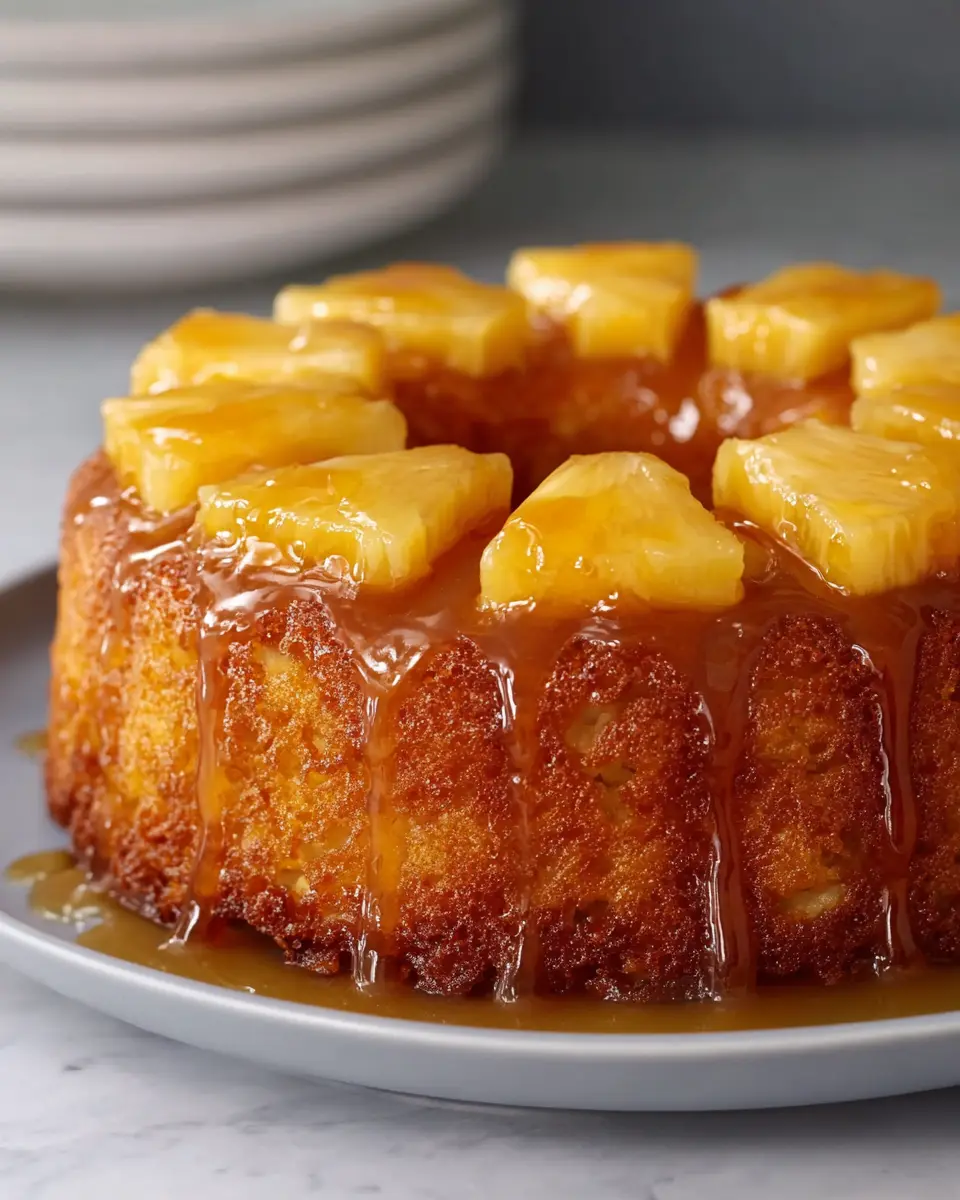
This Pineapple Rum Cake is a delightful tropical escape in dessert form. Its moist, tender crumb is infused with the warm, comforting notes of dark rum, perfectly complemented by a luscious, syrupy pineapple topping. It’s the kind of cake that makes any occasion feel a little more special.
Imagine the aroma of caramelized pineapple and rich rum filling your kitchen as this cake bakes to golden perfection. It’s a visually stunning dessert, especially when inverted, revealing a glistening layer of fruit that promises a burst of sunshine with every bite.
Why You Will Love This Recipe
- Irresistible Tropical Flavors: A harmonious blend of sweet pineapple and warming dark rum creates a truly unique and delightful taste experience that transports you to a sunny destination.
- Moist and Tender Crumb: Thanks to the use of buttermilk and a careful balance of fats, the cake boasts an incredibly tender texture that melts in your mouth.
- Stunning Presentation: The signature inverted topping of caramelized pineapple and rum creates a beautiful, glossy finish that is sure to impress your guests.
- Adaptable for Any Occasion: Whether for a casual weekend treat or a festive holiday gathering, this cake is a versatile showstopper.
- Easy to Make Ahead: This cake is a fantastic make-ahead dessert, allowing flavors to meld and making entertaining stress-free.
Ingredients You Need
Crafting this Pineapple Rum Cake hinges on the quality and freshness of its components. Using ripe, juicy pineapple and a good quality dark rum will significantly elevate the final flavor profile. Ensure your butter is at room temperature for creaming, and your eggs and buttermilk are also brought up to this temperature for optimal batter consistency, leading to a beautifully even bake and a superior crumb structure.
Pineapple Rum Cake
A rich, crowd-pleasing dessert with a buttery crumb, glossy fruit topping, and deep caramel-rum flavor. This Pineapple Rum Cake feels special enough for celebrations, yet simple enough to make when you want a tropical cake that looks impressive on the table.
- 1 teaspoon vanilla extract
- 1 cup buttermilk, at room temperature
- 1/2 teaspoon baking soda
- 4 large eggs, brought to room temperature
- 2 cups granulated sugar
- 3 cups all-purpose flour
- 1/2 cup unsalted butter, softened to room temperature (about 70°F)
- 1/3 teaspoon salt
- 1/4 cup rum
- 1/2 cup shortening
- 1/2 teaspoon baking powder
- 1/4 cup butter
- 1/2 fresh pineapple, cored and cut into slices
- 1 cup dark rum
- 1/2 cup brown sugar, either light or dark
- Shredded coconut, sweetened or unsweetened, for topping if desired
- 1Preheat the oven to 350°F. Grease and flour a Bundt pan thoroughly, then set it aside.
- 2To prepare the pineapple rum layer, place the brown sugar and dark rum in a saucepan over medium heat. Bring the mixture to a boil, then lower the heat and simmer until it has reduced by half.
- 3Whisk the butter into the reduced rum mixture until melted and fully blended. Add the pineapple slices and turn them gently so they are evenly coated. Transfer the mixture to the bottom of the prepared Bundt pan and spread it into an even layer.
- 4In the bowl of a stand mixer, beat the unsalted butter and shortening together until smooth and creamy. Add the granulated sugar gradually and continue mixing until the texture becomes light and fluffy.
- 5Add the eggs one at a time, mixing well after each addition. Blend in the vanilla extract and rum until fully incorporated.
- 6In a separate bowl, whisk together the flour, salt, baking powder, and baking soda.
- 7Add the dry mixture to the creamed mixture in portions, alternating with the buttermilk. Mix only until the batter is combined, taking care not to overwork it.
- 8Spoon the batter evenly over the pineapple mixture in the Bundt pan, smoothing the top as needed.
- 9Bake for 1 hour, or until a toothpick inserted into the center comes out clean. Remove the pan from the oven and place it on a rack to rest for 10 minutes.
- 10After the resting period, set a serving plate over the pan and carefully invert the warm cake so the pineapple layer is on top. Leave the cake to cool completely before serving.
Keywords: Pineapple Rum Cake, tropical cake, Bundt cake, rum cake, fruit cake, dessert
The exact quantities for each ingredient are detailed within the recipe card, ensuring you have precisely what you need for a flawless bake.
Variations
For a delightful dessert that caters to plant-based diets, transform this cake into a vegan marvel. Simply swap the eggs for an equivalent amount of flax eggs (1 tablespoon flaxseed meal mixed with 3 tablespoons water, left to sit for 5 minutes) and substitute the buttermilk with unsweetened plant-based milk like almond or oat milk, perhaps with a teaspoon of apple cider vinegar added to mimic its tang. The butter and shortening can be replaced with high-quality vegan butter or coconut oil for a rich, dairy-free alternative that maintains the cake’s tender crumb and moistness. The result is a decadent treat that is entirely guilt-free and bursting with tropical flavor, proving that vegan baking can be just as indulgent and satisfying.
To create a lower-carbohydrate version of this luscious cake, modifications can be made to suit a keto-friendly lifestyle. Replace the granulated sugar in the cake batter with a granular sugar substitute like erythritol or xylitol, and opt for a brown sugar substitute in the pineapple topping. For the pineapple component, finely diced zucchini or chayote squash can be used as a clever substitute, offering a similar texture and moisture without the high sugar content; they absorb flavors beautifully. Ensure you drain any excess liquid from these substitutes thoroughly before incorporating them into the rum mixture for the topping. This adaptation allows for a delicious, guilt-free indulgence that aligns with a low-carb eating plan.
Elevating the tropical theme further can be achieved by incorporating shredded coconut into both the batter and the topping. For the batter, add about half a cup of unsweetened shredded coconut when you add the dry ingredients; this will impart a subtle coconut flavor and add a delightful chewiness to the crumb. In the pineapple topping, you can stir in a quarter cup of shredded coconut after the pineapple has been coated and arranged in the pan. This addition not only enhances the tropical essence but also provides a lovely texture contrast. Consider dusting the finished cake with toasted coconut flakes for an extra layer of flavor and visual appeal, making it a truly exotic creation.
How to Prepare Pineapple Rum Cake
Step 1: Prepare the Bundt Pan and Oven
Begin by preheating your oven to a steady 350°F (175°C). This consistent temperature is crucial for ensuring the cake bakes evenly and achieves that beautiful golden-brown crust. The choice of Bundt pan is significant; its intricate design requires meticulous preparation to prevent any sticking, which would mar the cake’s impressive presentation.
Thoroughly grease and flour your Bundt pan. This is not a step to be rushed; use a pastry brush to get into every nook and cranny, ensuring a complete coating of softened butter or baking spray. Follow this with a generous dusting of flour, tapping out any excess. Some bakers prefer to use a cake release spray that contains both flour and fat for an even more foolproof application, especially for detailed pans. The goal is to create an impenetrable barrier between the cake and the metal, guaranteeing a clean release of the finished product.
For an extra layer of insurance, especially if your Bundt pan is older or has a particularly elaborate design, consider sprinkling a fine coating of granulated sugar or finely ground nuts over the greased and floured surface. This adds a delicate texture to the exterior of the cake and further helps to prevent adherence. Taking these precautions from the outset sets the stage for a visually perfect Pineapple Rum Cake, where the caramelized pineapple topping will shine.
Step 2: Craft the Luscious Pineapple Rum Layer
In a medium saucepan, combine the brown sugar and dark rum over medium heat. Stir them together until the sugar begins to dissolve and the mixture starts to gently bubble. The key here is to let this mixture simmer and reduce, concentrating its flavors and thickening it slightly into a luscious syrup. This reduction process intensifies the caramel notes from the brown sugar and melds beautifully with the rich depth of the dark rum, creating the base for your glorious topping.
Once the rum and brown sugar mixture has reduced by about half and achieved a syrupy consistency, remove it from the heat. Whisk in the quarter cup of butter until it is completely melted and smoothly incorporated into the syrupy mixture. This addition of butter contributes to the glossy finish and a rich mouthfeel of the topping. Ensure the butter is fully emulsified, creating a smooth, homogenous sauce that will coat the pineapple slices beautifully.
Carefully add the prepared fresh pineapple slices to this warm, syrupy mixture. Gently toss the pineapple rings or pieces to ensure they are evenly coated with the rich caramel-rum glaze. Arrange these coated pineapple slices in a single, neat layer at the bottom of your prepared Bundt pan. Ensure they cover the entire base, as this will become the top of your cake once inverted. This step is where the magic starts to happen, laying the foundation for the show-stopping presentation of your Pineapple Rum Cake. For an even more decadent topping, you can add a sprinkle of shredded coconut at this stage, letting it toast slightly in the pan.
Step 3: Cream the Fats and Sugars
In a large mixing bowl, preferably the bowl of a stand mixer fitted with the paddle attachment, cream together the softened unsalted butter and shortening until they are smooth and well combined. Ensure the butter and shortening are at room temperature, which is typically around 70°F (21°C). This stage is critical for incorporating air into the batter, which will contribute significantly to the cake’s light and tender texture.
Gradually add the granulated sugar to the creamed butter and shortening. Continue to beat the mixture on medium-high speed for several minutes, until it becomes pale in color and attains a light, fluffy, almost cloud-like consistency. This process, known as creaming, is one of the most important steps in cake making for achieving a superior crumb structure and preventing a dense cake. Scrape down the sides of the bowl periodically to ensure all ingredients are incorporated evenly and that no pockets of unmixed sugar or fat remain.
The airy texture created during this creaming stage is essential. It introduces tiny air bubbles that will expand in the oven, helping the cake to rise and creating a delicate, tender crumb. Don’t be tempted to rush this step; the visual cue of a pale, fluffy mixture is your indicator that you’ve successfully aerated the fat and sugar base, setting the stage for a wonderfully textured cake.
Step 4: Incorporate Eggs and Flavorings
Once the butter, shortening, and sugar mixture is light and fluffy, begin adding the eggs, one at a time. Ensure each egg is fully incorporated into the batter before adding the next. This gradual addition prevents the batter from separating and ensures a smooth, homogenous emulsion. It is also beneficial if your eggs are at room temperature, similar to your butter and shortening, as they will blend more seamlessly into the mixture.
After all the eggs have been thoroughly mixed in, it’s time to introduce the flavorings. Stir in the vanilla extract and the specified amount of rum. The rum not only adds its characteristic warmth and depth of flavor to the cake batter itself but also contributes to its moistness. Ensure these liquid flavorings are well distributed throughout the batter, so every bite of the cake carries that lovely aroma and taste.
The goal here is to achieve a smooth, glossy batter at this stage. Avoid overmixing once the eggs are added, as this can toughen the cake. Gently folding or mixing just until combined is key. The aroma developing at this point is often a preview of the deliciousness to come, with the sweet vanilla and robust rum creating an intoxicating scent.
Step 5: Combine Dry and Wet Ingredients
In a separate medium bowl, whisk together the all-purpose flour, salt, baking powder, and baking soda. Whisking these dry ingredients ensures they are evenly distributed, which is vital for proper leavening and a uniform texture throughout the cake. The salt helps to balance the sweetness and enhance the overall flavor profile.
Now, you will combine the dry ingredients with the wet ingredients in stages. Add about one-third of the dry flour mixture to the creamed butter-egg mixture and mix on low speed just until barely combined. Then, add half of the buttermilk and mix again on low speed until just incorporated. Continue this process, alternating between the dry ingredients and the buttermilk, ending with the dry ingredients. This alternating method helps to develop the gluten in the flour gradually, leading to a tender crumb rather than a tough one.
It is crucial not to overmix the batter once the flour has been added. Overmixing develops the gluten in the flour too much, resulting in a tough, dense cake. Mix only until no streaks of flour remain. The batter should be thick but pourable. This careful combination of dry and wet ingredients ensures the cake has both structure and tenderness, making it the perfect canvas for the pineapple topping. You can incorporate shredded coconut at this stage if using it within the batter.
Step 6: Assemble and Bake
Gently spoon the prepared cake batter over the pineapple and rum layer that you arranged in the bottom of the Bundt pan. Be careful not to disturb the pineapple layer as you add the batter. Use a spatula to spread the batter evenly, ensuring it fills any gaps and creates a smooth surface at the top. This even distribution of batter is important for the cake to bake uniformly.
Place the Bundt pan in the center of your preheated oven. Bake for approximately 1 hour, or until a wooden skewer or toothpick inserted into the thickest part of the cake comes out clean, with no wet batter attached. The baking time can vary depending on your oven and the specifics of your Bundt pan, so start checking for doneness around the 50-minute mark. Avoid opening the oven door too frequently, as this can cause the cake to fall.
Once baked, carefully remove the Bundt pan from the oven and place it on a wire cooling rack. Allow the cake to rest in the pan for precisely 10 minutes. This short resting period is essential; it allows the cake to firm up slightly, making it easier to handle and invert without it breaking apart. Resist the urge to leave it in the pan for too long, as the sugars in the topping can start to stick if it cools completely.
Step 7: Invert and Cool
After the 10-minute resting period in the pan, it’s time for the dramatic reveal. Place a serving plate or cake stand that is slightly larger than the Bundt pan upside down over the top of the pan. With one hand firmly on the plate and the other on the pan, swiftly and confidently invert the entire assembly. You want to do this in one fluid motion.
Gently lift the Bundt pan away from the cake. If you’ve prepared the pan correctly and followed the resting time, the cake should release smoothly, revealing the beautiful, glossy pineapple and rum topping. If a few pineapple slices stick, you can carefully coax them back into place with a spatula or even a toothpick. Sometimes, a little caramel might remain in the pan; you can scrape this out and spoon it over any gaps on the cake for an extra touch of glossy goodness.
Once the cake has been successfully inverted onto the serving plate, allow it to cool completely before slicing and serving. As the cake cools, the flavors will continue to meld, and the texture will set, resulting in cleaner, more attractive slices. This patience is rewarded with a cake that is not only delicious but also a feast for the eyes, showcasing the stunning fruit topping.
Pro Tips for Pineapple Rum Cake
The Rum Choice Matters: For the most authentic and rich flavor, opt for a good quality dark rum. Its deeper molasses notes and slightly richer profile complement the caramelized pineapple and brown sugar beautifully, providing a complex warmth that lighter rums might lack. Avoid spiced rums, as their distinct spice profiles can sometimes compete with the fruit and caramel. If you prefer a milder rum flavor, you can reduce the amount of rum slightly in both the topping and the batter, or even substitute some of the rum in the batter with rum extract, though this won’t offer the same depth as the real spirit.
Pineapple Perfection: While canned pineapple rings can be used in a pinch, fresh pineapple yields a superior texture and flavor. When using fresh pineapple, make sure it’s ripe for maximum sweetness and juiciness. Cut it into even slices or rings so they bake and caramelize uniformly. Ensure any excess juice from fresh or canned pineapple is drained thoroughly before coating it with the rum mixture, as too much liquid can make the topping watery and prevent proper caramelization. The goal is a syrupy, glaze-like consistency that adheres to the fruit.
The Art of Creaming: Don’t underestimate the importance of creaming the butter and shortening with the sugar until light and fluffy. This step incorporates air into the batter, which is essential for a tender, well-risen cake. Spend at least 3-5 minutes on this process with your electric mixer, scraping down the sides of the bowl periodically to ensure everything is evenly aerated. A pale, fluffy mixture is the visual cue that you have successfully incorporated enough air, leading to a superior cake texture.
Gentle Mixing is Key: Once you start adding the flour to the batter, mix only until just combined. Overmixing develops the gluten in the flour too much, which can result in a tough, dense cake instead of the desired tender, moist crumb. This rule is particularly important when alternating the dry ingredients with buttermilk. Mix the flour and buttermilk in stages, and stop mixing as soon as you no longer see streaks of flour. The batter should be thick but still pourable.
Bundt Pan Preparation is Non-Negotiable: A well-greased and floured Bundt pan is the secret to a perfect release. Use softened butter or baking spray to coat every nook and cranny of the pan, then dust generously with flour, tapping out the excess. For pans with intricate designs, a pastry brush can help ensure complete coverage. This meticulous preparation prevents the sticky caramel topping and the cake from adhering to the pan, ensuring your beautifully inverted cake is presented without any sticking or tearing, a hallmark of a truly professional-looking dessert.
Serving Suggestions for Pineapple Rum Cake
Decoration
The natural beauty of the caramelized pineapple topping is often enough, but a sprinkle of shredded coconut, either sweetened or unsweetened, adds a delightful tropical flair and a touch of texture. For an extra decadent finish, consider a very light dusting of powdered sugar just before serving, or a drizzle of additional rum glaze if you have any leftover from coating the pineapple. A few maraschino cherries, halved, can also provide a pop of color and a burst of complementary sweetness. Ensure any decorative elements are added just before serving to maintain their freshness and visual appeal.
Side Dishes
A dollop of freshly whipped cream, lightly sweetened, is a classic and perfect accompaniment. Its cool, creamy texture and mild sweetness provide a lovely contrast to the rich, warm flavors of the cake. Vanilla ice cream is another outstanding choice, especially if the cake is served slightly warm; the combination of warm cake and cold ice cream is irresistible. For a more sophisticated pairing, a spoonful of crème fraîche offers a delightful tangy counterpoint to the cake’s sweetness. Consider a small scoop of coconut sorbet for an even more intense tropical experience that echoes the cake’s flavors.
Creative Serving Ideas
Transform individual slices into elegant plated desserts by artfully arranging them with a drizzle of caramel sauce and a garnish of mint leaves or edible flowers. For a truly festive presentation, serve individual portions alongside a small glass of chilled rum or a warm mug of spiced cider, depending on the season. You can also create mini versions of the cake by baking the batter and topping in muffin tins or mini Bundt pans, offering perfect single-serving delights for parties or potlucks. Another idea is to serve warm slices with a side of warm pineapple compote, enhancing the fruit flavor profile.
Preparation & Storage
Storing Leftovers
To keep your Pineapple Rum Cake fresh and delicious, cover it tightly with plastic wrap or aluminum foil, or store it in an airtight container. Due to the fruit topping and rum content, it’s best to refrigerate any leftovers. The cake will keep well in the refrigerator for up to 4 days. Allowing the cake to come to room temperature for about 20-30 minutes before serving will enhance its flavor and texture, bringing out the best in the moist crumb and caramelized topping.
Freezing
For longer storage, this Pineapple Rum Cake freezes beautifully. Once the cake has cooled completely, wrap it tightly in a double layer of plastic wrap, followed by a layer of aluminum foil, or place it in a freezer-safe airtight container. It can be frozen whole or in individual slices for up to 2 months. Freezing helps to preserve the moisture and flavor, making it a convenient dessert option for future enjoyment or unexpected guests. Ensure it is well-sealed to prevent freezer burn.
Reheating
If you wish to reheat the cake, especially if serving it slightly warm, opt for gentle methods. For individual slices, a few short bursts in the microwave at medium power (about 10-15 seconds at a time) can warm it through without drying it out. Alternatively, you can gently warm slices in a low oven (around 300°F or 150°C) for a few minutes until just heated. If you have frozen the cake, thaw it completely in the refrigerator overnight before reheating. Adding any fresh garnishes like shredded coconut or whipped cream should be done after reheating.
Frequently Asked Questions
-
Will the rum flavor be overwhelmingly strong in this cake?
The rum flavor in this Pineapple Rum Cake is designed to be warm and integral to the overall profile, rather than harsh or overpowering. Dark rum, when baked with sugar, butter, vanilla, and fruit, mellows significantly, contributing depth and a subtle caramel-like richness rather than a potent alcoholic kick. The baking process evaporates much of the alcohol while leaving behind the desirable aromatic compounds that enhance the cake’s complexity. The result is a sophisticated flavor that complements the sweet pineapple and buttery cake base, making it enjoyable for most palates.
-
Why is it important to use both buttermilk and shortening in the cake batter?
The combination of buttermilk and shortening is a strategic choice for achieving an exceptional cake texture. Buttermilk, with its slight acidity, reacts with baking soda to create a tender crumb and adds a subtle tang that balances the cake’s sweetness. Shortening, being a solid fat at room temperature, contributes to a consistently moist and stable cake structure, especially important in a Bundt cake that needs to hold its shape after inversion. Together, they ensure the cake is both incredibly tender and reliably moist, preventing it from becoming dry or crumbly, which is crucial given the added moisture from the pineapple topping.
-
Does the cake need to cool completely before serving, and why is this step so critical?
Yes, allowing the Pineapple Rum Cake to cool completely before slicing and serving is a critical step for both presentation and texture. As the cake cools, its internal structure settles and firms up, making it much easier to achieve clean, distinct slices. The caramelized pineapple topping also needs time to set properly; if you try to slice the cake while it’s still very warm, the topping can become messy and may not adhere well to the cake, potentially sliding off. A fully cooled cake offers a more polished appearance and a superior eating experience, allowing the flavors to fully meld and the crumb to achieve its optimal tenderness.