Pico de Gallo – Easy and Classic Pico de Gallo Recipe!
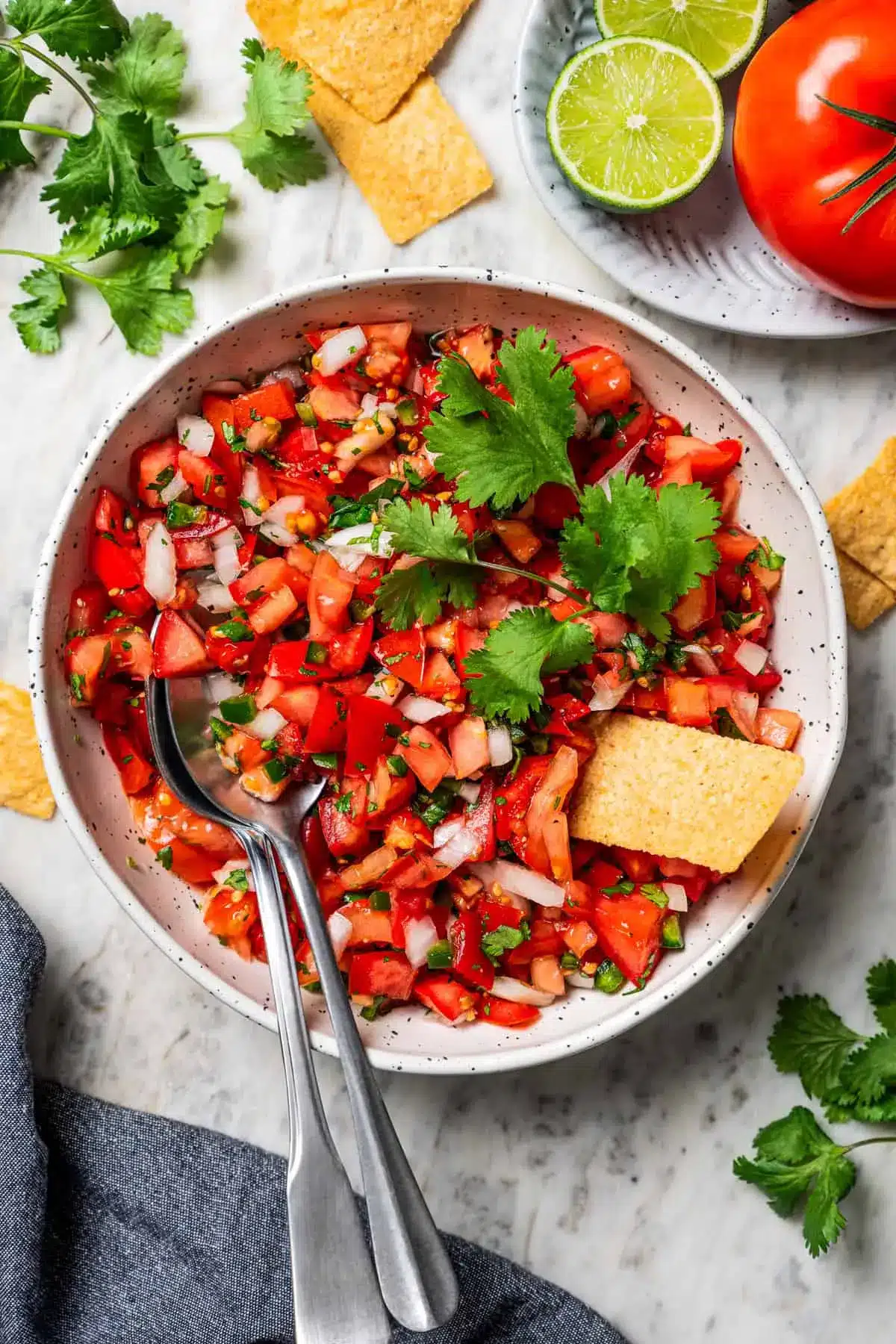
There’s a vibrant, fresh taste that transcends simple snacks and elevates meals to new heights. It’s the bright, zesty punch of pico de gallo, a cornerstone of Mexican cuisine that brings an unparalleled burst of flavor to any table. This isn’t just another salsa; it’s a celebration of fresh ingredients, coming together in a symphony of texture and taste that is both invigorating and incredibly satisfying. Imagine the crisp bite of perfectly ripe tomatoes, the sharp sweetness of finely diced onion, the gentle warmth of jalapeño, all harmonized by the invigorating zest of lime and the fragrant whisper of fresh cilantro. It’s a culinary masterpiece that requires minimal effort for maximum impact, a true testament to the beauty of simplicity.
From its humble beginnings, pico de gallo has become a beloved condiment worldwide, a testament to its incredible versatility and addictive flavor profile. Whether you’re a seasoned chef or a novice in the kitchen, this recipe offers an accessible gateway into creating authentic Mexican flavors right in your own home. Its inherent freshness makes it a perfect counterpoint to richer, more savory dishes, offering a refreshing palate cleanser with every bite. Prepare to fall in love with this quintessential Mexican salsa, a recipe that will undoubtedly become a staple in your culinary repertoire, bringing a touch of sunshine and zest to every occasion.
Why You Will Love This Recipe
- Effortless Preparation: With just a few simple steps, you can create a restaurant-quality pico de gallo in under 30 minutes, making it ideal for spontaneous gatherings or quick meal enhancements.
- Incredibly Fresh Flavors: This recipe highlights the natural taste of its core ingredients – ripe tomatoes, crisp onions, zesty lime, and fragrant cilantro – without any heavy processing.
- Remarkable Versatility: Beyond just a dip for tortilla chips, pico de gallo can elevate tacos, grilled meats, salads, eggs, and countless other dishes with its vibrant, chunky texture and bright taste.
- Customizable Heat: You have complete control over the spice level, allowing you to adjust the amount of jalapeño to perfectly suit your preference, from a mild touch to a fiery kick.
- Visually Appealing: The vibrant colors of the ingredients make pico de gallo a beautiful addition to any appetizer spread or meal presentation, adding a pop of natural color.
Ingredients You Need
The magic of authentic pico de gallo lies in the quality and freshness of its components. By selecting the best ingredients available, you ensure that each bite delivers an explosion of vibrant, clean flavors that define this beloved Mexican salsa. While the ingredient list is wonderfully short, the impact of each element is profound, creating a harmonious balance that is both refreshing and deeply satisfying. The simple act of combining these fresh elements transforms them into something truly extraordinary, a testament to the power of quality produce.
Pico de Gallo
A fresh and authentic Mexican pico de gallo, also known as salsa fresca, made with simple ingredients: tomatoes, onion, jalapeño, cilantro, and lime. It's quick, easy, and incredibly versatile, perfect as a dip or a topping for various dishes.
- 1 to 1.5 pounds ripe tomatoes, diced
- 1 jalapeño, finely diced (ribs and seeds removed)
- 3 tablespoons fresh lime juice
- 1In a bowl, combine the diced tomatoes, onions, jalapeño, salt, and pepper. Let it sit for about 5 minutes.
- 2Stir in the lime juice and cilantro and toss to combine. Taste and adjust accordingly.
- 3Let it rest for about 15 to 20 minutes before serving. You can also refrigerate it, covered, for up to 4 days.
Keywords: Pico de Gallo, Salsa Fresca, Mexican Salsa, Tomato Salsa, Fresh Salsa, Dip, Topping, Vegetarian, Easy Recipe, Quick Recipe
- tomatoes: choose ripe, firm Roma tomatoes for their meaty texture and fewer seeds; if unavailable, cherry tomatoes can offer a juicy alternative.
- onion: finely diced white onion provides a sweet, sharp base, though yellow or red onion can also be used for a different flavor profile.
- jalapeño: a medium jalapeño, with seeds and membranes removed for tempered heat, offers a gentle warmth and distinctive pepper flavor.
- salt: a touch of sea salt or kosher salt enhances the natural flavors of the vegetables and helps to draw out moisture.
- black pepper: freshly ground black pepper adds a subtle, peppery nuance that complements the other ingredients beautifully.
- lime juice: freshly squeezed lime juice is non-negotiable, providing the essential bright, acidic zest that cuts through the richness and ties everything together.
- cilantro: fresh cilantro leaves, finely chopped, impart a fragrant, herbaceous aroma and flavor that is characteristic of true pico de gallo.
The exact quantities for these vibrant ingredients are detailed in the accompanying recipe card, ensuring you have all the precise measurements for success.
Variations
While the classic pico de gallo is a masterpiece of simplicity, its foundational elements invite a world of creative exploration. The beauty of this dish lies in its adaptability, allowing you to tailor it to specific dietary needs or flavor preferences. Think of it as a canvas ready to be painted with new, exciting tastes and textures, all while retaining its essential freshness and charm.
For those seeking a plant-based delight, consider a vegan twist. This can involve incorporating finely diced bell peppers of various colors – red, yellow, and orange – for added sweetness and visual appeal. Adding a small amount of finely diced cucumber can introduce a delightful crunch and refreshing coolness, enhancing the overall palate experience. Another fantastic vegan addition is sweet corn, either fresh or grilled, which brings a delightful sweetness and a unique texture that complements the tomatoes beautifully.
A low-carb adaptation focuses on maximizing flavor while minimizing carbohydrates. In this variation, you might significantly reduce or omit the onion, as onions are naturally higher in carbohydrates. Instead, amplify the heat with an extra jalapeño or even a touch of serrano pepper for a bolder kick. Another strategy for a low-carb version is to increase the ratio of tomatoes to other ingredients, ensuring you still get that satisfying pico de gallo essence without the starchy elements.
Expanding beyond the traditional, consider a tropical infusion by adding diced mango or pineapple. These fruits lend a delightful sweetness and a slightly chewy texture that beautifully contrasts with the crisp vegetables. A touch of finely minced red onion can add a subtle bite that balances the fruit’s sweetness. This fruity iteration is particularly stunning served alongside grilled fish or chicken, offering a delightful interplay of savory and sweet notes that dances on the palate.
How to Prepare pico de gallo recipe
Step 1: Prepare Your Vegetables
The foundation of exceptional pico de gallo is the meticulous preparation of its core ingredients. Begin by selecting the ripest, most vibrant tomatoes you can find; Roma tomatoes are a perennial favorite due to their firm texture and lower water content, which prevents a watery salsa. Wash them thoroughly under cool running water and then pat them completely dry with a clean kitchen towel or paper towels. A dry tomato is key to achieving the perfect consistency, ensuring your pico de gallo remains chunky and flavorful rather than soupy.
Next, finely dice the tomatoes into small, uniform pieces. The goal is to have bite-sized morsels that contribute to the salsa’s pleasing texture without overwhelming each spoonful. You can choose to remove the watery seeds and pulp before dicing for an even thicker result, though this step is optional and depends on your personal preference for texture. The finer you dice, the more the flavors will meld together harmoniously, creating a more cohesive taste experience in every bite.
Wash and finely dice your chosen onion; white or yellow onions are traditional choices, offering a sharp yet slightly sweet flavor profile that complements the tomato beautifully. For a milder flavor, you can soak the diced onion in cold water for about 10-15 minutes, then drain thoroughly. This process helps to mellow its pungency, making it more palatable for those who prefer a less assertive onion taste.
Step 2: Mince the Aromatics
Now it’s time to introduce the kick and the aroma that truly define pico de gallo: the jalapeño and cilantro. For the jalapeño, begin by washing it and then carefully slicing it lengthwise. Using a small spoon or a paring knife, gently scrape out the ribs and seeds. These are the primary sources of capsaicin, the compound responsible for the pepper’s heat, so removing them will significantly temper the spiciness. If you desire a truly mild salsa, you can omit the jalapeño entirely, or if you crave a bolder heat, leave some seeds and ribs intact, or even opt for a hotter pepper like a serrano.
Mince the de-seeded jalapeño very finely. The smaller the pieces, the more evenly distributed the heat will be throughout the salsa, preventing any single bite from being overwhelmingly spicy. Aim for pieces that are roughly the same size as your diced onion. This ensures a consistent texture and flavor experience with every scoop of your pico de gallo.
Wash your fresh cilantro thoroughly, paying attention to the base of the stems. Finely chop the leaves and tender stems. Cilantro is a crucial element, providing a distinctive herbaceous fragrance and a fresh, slightly citrusy note that brightens the entire dish. If you find cilantro to be too strong or have a genetic aversion that makes it taste soapy, you can substitute it with fresh parsley, though the flavor profile will be different.
Step 3: Combine and Season
In a medium-sized mixing bowl, combine the finely diced tomatoes, the finely diced onion, and the minced jalapeño. Add the salt and freshly ground black pepper to this mixture. The salt is not just for flavor; it also plays a crucial role in drawing out excess moisture from the tomatoes, which helps to achieve the perfect chunky texture for your pico de gallo. Seasoning at this stage allows the salt to begin its work while you prepare the final components.
Stir these ingredients gently to ensure they are evenly distributed. Give everything a light toss to coat the vegetables with the salt and pepper. This initial mix allows the raw flavors to start mingling, laying the groundwork for the complex taste that pico de gallo is known for. This simple combination is already beginning to smell wonderfully fresh and inviting, hinting at the deliciousness to come.
Now, it’s time to add the vibrant liquid element that ties everything together: the freshly squeezed lime juice. Squeeze the juice from one to two limes directly into the bowl. The acidity of the lime juice is essential, as it not only adds a bright, zesty flavor but also helps to preserve the freshness of the ingredients and balances the sweetness of the tomatoes and onions. Stir in the chopped fresh cilantro, distributing it evenly throughout the mixture. This addition brings the essential herbaceous aroma and flavor that is characteristic of authentic pico de gallo.
Step 4: Allow Flavors to Marinate
Once all the ingredients are combined and the lime juice and cilantro have been stirred in, the next crucial step is to let the flavors meld and develop. Cover the bowl tightly with plastic wrap or a lid. It’s important to allow the pico de gallo to rest at room temperature for at least 15 to 20 minutes before serving. This marinating period is not just about letting the tastes combine; it’s also when the salt begins to work its magic.
As the salt draws moisture from the tomatoes and onions, it creates a natural, light dressing for the salsa. This process softens the raw edge of the vegetables slightly and allows the juices to mingle, creating a more cohesive and complex flavor profile. Think of it as a brief, but essential, pause that allows the individual components to harmonize into a unified, delicious whole. This resting time is what elevates a simple mix of chopped vegetables into a truly exceptional pico de gallo.
If you are preparing the pico de gallo further in advance, you can cover it and refrigerate it for up to 4 days. While the flavors will continue to develop and deepen in the refrigerator, it’s generally best enjoyed within the first 1-2 days for optimal freshness and texture. However, even after several days, it remains a flavorful condiment, albeit with a slightly softer consistency. This make-ahead capability makes it an ideal choice for meal prepping or for entertaining guests without last-minute stress.
Step 5: Taste and Adjust
Before you serve your vibrant pico de gallo, the most important step is to taste and adjust the seasonings. Use a clean spoon to carefully sample the salsa. Consider the balance of flavors: is it bright enough from the lime? Does it have enough salt to enhance all the individual tastes? Is the heat level from the jalapeño just right for you and your guests?
This is your opportunity to fine-tune the salsa to perfection. If it needs more zest, add another squeeze of fresh lime juice. If the flavors seem a little muted, add a pinch more salt. If you’ve found it’s not spicy enough, you can carefully stir in a tiny bit more minced jalapeño or a pinch of cayenne pepper. Conversely, if it’s too spicy, you can try to balance it with a bit more tomato or onion, though this is a less effective way to reduce heat.
Pay attention to the overall harmony of the dish. The goal is a bright, fresh, and balanced salsa that excites the palate. Don’t be afraid to add a small amount of something, taste, and then add more if necessary. This iterative process of tasting and adjusting ensures that your pico de gallo is not just good, but truly spectacular and perfectly suited to your taste preferences. This attention to detail makes all the difference in achieving a superior result.
Step 6: Serving and Enjoyment
Once you’ve achieved the perfect balance of flavors, your homemade pico de gallo is ready to be served and savored. Transfer the salsa to a visually appealing serving bowl. The vibrant colors of the tomatoes, onions, and cilantro make it a beautiful centerpiece for any appetizer spread. For the best experience, consider serving it slightly chilled or at room temperature, as extreme temperatures can mute the nuanced flavors of the fresh ingredients. Ensure you have plenty of your favorite tortilla chips on hand, as this pico de gallo is incredibly addictive when used as a dip.
Beyond dipping, the applications for pico de gallo are virtually limitless, making it a truly versatile culinary asset. Pile it generously onto tacos, burritos, or quesadillas to add a burst of freshness and texture. It’s a perfect topping for grilled meats, fish, or chicken, cutting through richness and adding a vibrant counterpoint. Spoon it over scrambled eggs or huevos rancheros for a flavorful breakfast, or use it to top nachos for an extra layer of deliciousness. Its bright, zesty character can liven up almost any savory dish, transforming ordinary meals into extraordinary culinary experiences.
Remember to scoop the pico de gallo with a slotted spoon if you’ve noticed a significant amount of liquid pooling at the bottom of the bowl. This liquid is mostly tomato juice, and while flavorful, it can make dishes like tacos or nachos soggy if not drained. By using a slotted spoon, you ensure that you’re adding the chunky salsa itself, preserving the crispness of your accompanying foods. The leftover juice can be saved and incorporated into salad dressings or marinades for an extra flavor boost.
Pro Tips for pico de gallo recipe
- Quality is Key: Always opt for the freshest, ripest tomatoes and vibrant herbs you can find. Seasonal produce will always yield the best flavor, making your pico de gallo truly shine.
- Uniform Dicing: For the most pleasing texture and even distribution of flavors, aim to dice your tomatoes, onions, and jalapeños into very small, uniform pieces.
- Don’t Skip the Rest: Allowing the pico de gallo to marinate for at least 15-20 minutes is crucial for the flavors to meld and the salt to draw out excess moisture, resulting in a better taste and texture.
- Control the Heat: Adjust the spiciness by carefully removing or leaving in the seeds and ribs of the jalapeño pepper. For a milder salsa, omit the pepper entirely.
- Fresh Lime is Essential: Bottled lime juice simply won’t provide the bright, zesty flavor that fresh lime juice imparts. Squeeze your own for the best results.
Serving Suggestions for pico de gallo recipe
Decoration
Garnishing your pico de gallo presentation can elevate its visual appeal significantly. Consider adding a few whole cilantro sprigs artfully placed on top of the salsa. A thin, strategically placed slice of jalapeño, perhaps with a small slit to reveal its seeds, can also add a touch of visual heat and anticipation. For a pop of contrasting color, a sprinkle of finely diced red bell pepper can be very effective, adding a vibrant crimson hue that draws the eye and hints at its sweet crunch.
A dollop of cooling sour cream or a swirl of creamy avocado crema can provide a beautiful visual contrast to the bright reds and greens of the pico de gallo. These creamy additions also offer a delightful textural and flavor counterpoint. If serving as part of a larger spread, such as a taco bar or nacho platter, small, individual servings of pico de gallo in ramekins can add a touch of elegance and make it easier for guests to serve themselves without cross-contamination.
Don’t underestimate the power of the serving vessel itself. Presenting your pico de gallo in a rustic earthenware bowl, a colorful ceramic dish, or even a carved-out avocado half (if serving small portions) can enhance its charm. The presentation should hint at the fresh, vibrant flavors within, inviting guests to dig in and enjoy the delightful combination of tastes and textures. A well-garnished and thoughtfully presented pico de gallo is always more enticing.
Side Dishes
Pico de gallo truly shines as a vibrant accompaniment to a wide array of dishes, particularly within the realm of Mexican and Tex-Mex cuisine. It acts as a perfect counterpoint to rich and savory main courses, offering a refreshing burst of flavor that cleanses the palate. Consider serving it alongside perfectly grilled chicken, sizzling steak fajitas, or tender carnitas. Its acidity cuts through the richness of the meats, creating a balanced and satisfying dining experience.
For taco lovers, pico de gallo is an indispensable topping. It adds a crucial layer of freshness and texture to everything from traditional al pastor to simple ground beef tacos. Similarly, it is a vital component for burrito bowls and nachos, providing the bright, acidic notes that complement the creamy beans, savory meats, and crispy chips. Spooning a generous amount over a hearty portion of enchiladas can also provide a welcome contrast to the rich sauces.
Beyond traditional Mexican fare, pico de gallo can enhance a variety of other dishes. It’s a fantastic addition to scrambled eggs or omelets, lending a savory and slightly spicy kick to breakfast. Serve it alongside fish tacos or grilled fish fillets for a light and zesty topping. Even a simple bowl of rice and beans is transformed with a dollop of fresh pico de gallo, adding a much-needed element of brightness and complexity. Its versatility makes it a go-to condiment for countless meals.
Creative Serving Ideas
Move beyond the standard bowl and chips for a more exciting presentation of your pico de gallo. Consider creating mini taco cups using wonton wrappers or small tortillas baked in muffin tins. Fill these crisp cups with seasoned ground meat or shredded chicken and top generously with your vibrant pico de gallo for a sophisticated appetizer. This method offers a delightful crunch and a contained serving of your favorite salsa.
Another inventive approach is to use pico de gallo as a topping for bruschetta. Toast slices of baguette until golden brown, rub them with a clove of garlic, and then top with your pico de gallo. A drizzle of balsamic glaze can add an extra layer of flavor complexity. This fusion dish brings a Tex-Mex twist to a classic Italian appetizer, creating something uniquely delicious and visually appealing.
For a healthier and lighter option, try serving pico de gallo in hollowed-out bell peppers or even halved avocados. This not only looks impressive but also adds another layer of fresh flavor to the presentation. You can also incorporate pico de gallo into a layered dip, alternating it with refried beans, guacamole, and cheese for a spectacular party appetizer. The possibilities are truly endless when you start thinking outside the traditional serving bowl, transforming this simple salsa into a star attraction for any occasion.
Preparation & Storage
Storing Leftovers
Properly storing leftover pico de gallo is key to maintaining its freshness and delicious flavor for subsequent enjoyment. Once the salsa has been served, it’s best to transfer any remaining portion back into an airtight container. Glass containers with tight-fitting lids are ideal, as they do not absorb odors and are easy to clean. Alternatively, a good quality plastic container with a snug lid will also work effectively.
It is important to ensure that the container is completely sealed before placing it in the refrigerator. This prevents the salsa from drying out and protects it from absorbing any unwanted odors from other foods stored in the fridge. The natural acidity from the lime juice helps to preserve the pico de gallo, but it is still a fresh product and should be consumed within a reasonable timeframe. Aim to use your stored pico de gallo within 3 to 4 days for the best quality.
As the pico de gallo sits in the refrigerator, you may notice that the tomatoes continue to release their juices, forming a bit of liquid at the bottom of the container. This is perfectly normal and a sign of the natural moisture content of the ingredients. When you are ready to serve the leftovers, you can either drain off some of this excess liquid if you prefer a chunkier salsa, or gently stir it back in to reincorporate all the flavorful juices. This liquid can also be a delightful addition to salad dressings or marinades.
Freezing
Unfortunately, freezing fresh pico de gallo is generally not recommended if you wish to maintain its characteristic texture and vibrant flavor. The high water content in the tomatoes and other fresh vegetables causes them to break down significantly when frozen and then thawed. This process results in a mushy, watery consistency that loses the delightful crunch and freshness that defines pico de gallo.
When thawed, the ingredients will become very soft and watery, losing their appealing bite. The distinct separation of finely diced components that makes pico de gallo so enjoyable is largely lost after freezing. While the flavors might still be present to some degree, the textural transformation is usually so drastic that it is no longer recognizable as fresh pico de gallo. Therefore, it is best to enjoy this salsa fresh and refrigerate any leftovers rather than attempting to freeze them.
If you find yourself with an abundance of pico de gallo and want to preserve its flavors for a longer period, consider making a cooked salsa instead. Cooking down the ingredients can alter their structure in a way that is more amenable to freezing. However, for the authentic, vibrant experience of pico de gallo, fresh preparation and refrigeration are the only viable options. Embrace its fresh nature and enjoy it at its peak within a few days of making it.
Reheating
Reheating pico de gallo is generally not a necessary or recommended step, as its appeal lies in its fresh, uncooked state. The beauty of pico de gallo is its vibrant, crisp texture and the bright, unadulterated flavors of its raw ingredients. Heating it would fundamentally change its character, turning it into something more akin to a cooked salsa or sauce, and diminishing the very qualities that make it so desirable.
If your pico de gallo has been refrigerated and has become very cold, simply allowing it to sit at room temperature for about 15-20 minutes before serving will bring it back to an ideal temperature where its flavors are most pronounced. This gentle warming process ensures that the lime zest, cilantro, and fresh vegetables are tasted at their best, without any detrimental impact on their texture. The goal is to enjoy its inherent freshness, not to cook it further.
Attempting to heat pico de gallo on a stovetop or in a microwave would likely result in a softened, mushy texture and a loss of its bright, zesty notes. The delicate balance of flavors would be compromised, and the crispness of the onions and peppers would be lost. Therefore, the best approach for enjoying pico de gallo, whether freshly made or from leftovers, is to serve it chilled or at room temperature. Its charm lies in its raw vitality, a characteristic that is best preserved by avoiding heat altogether.
Frequently Asked Questions
-
What is the literal translation of “Pico de Gallo” and why is it called that?
The literal translation of “Pico de Gallo” from Spanish to English is “rooster’s beak.” The exact origin of this name is a subject of some debate and folklore, but several theories exist. One popular explanation suggests that people used to eat pico de gallo with their fingers, picking at it much like a rooster pecks at its food. Another theory posits that the vibrant, multi-colored appearance of the salsa, with its reds, greens, and whites, might have reminded people of the colorful plumage of a rooster’s comb.
Regardless of the precise etymology, the name has become intrinsically linked to this fresh, chunky salsa. It’s important to note that the name doesn’t imply any literal connection to poultry or cooking with roosters. Instead, it’s a charming, perhaps slightly whimsical, descriptor for a beloved Mexican condiment. The cultural significance of the name adds an interesting layer to its history and popularity, making it more than just a simple dish.
-
Can I substitute other types of tomatoes or peppers for the traditional ingredients in pico de gallo, and how will it affect the flavor?
Absolutely! While Roma tomatoes and jalapeños are traditional, experimentation can lead to delightful variations. Using cherry tomatoes will yield a juicier salsa with a slightly different texture, as they tend to have thinner skins and more pulp. If you prefer a milder salsa, you can omit the jalapeño entirely or substitute it with a milder pepper like poblano, or even a finely diced green bell pepper for a hint of sweetness and color without the heat. For those who enjoy a spicier kick, serrano peppers or even habaneros can be used, but exercise caution as they significantly increase the heat level.
The choice of onion also offers flexibility; while white onions provide a sharp, clean taste, red onions add a slightly sweeter flavor and a beautiful purplish hue to the salsa. Similarly, different herbs can be explored, though cilantro is classic. If cilantro is not to your liking, fresh parsley can be used as a substitute, offering a different but still fresh herbal note. Each substitution will subtly alter the final flavor profile, allowing you to customize your pico de gallo to your exact preferences.
-
Is pico de gallo considered a healthy condiment, and what are its primary nutritional benefits?
Yes, pico de gallo is generally considered a very healthy condiment due to its composition of fresh, whole ingredients. It is naturally low in calories, fat, and sugar, while being rich in vitamins and minerals. Tomatoes are an excellent source of Vitamin C and antioxidants like lycopene, which is beneficial for heart health and has been linked to a reduced risk of certain cancers. Onions contribute to its flavor and provide antioxidants and beneficial compounds that may support overall health.
The jalapeño pepper adds a touch of capsaicin, which not only provides heat but may also offer metabolic benefits and anti-inflammatory properties. Lime juice is packed with Vitamin C, an essential nutrient for immune function and skin health, and its acidity helps in the absorption of iron from plant-based foods. Fresh cilantro provides various vitamins, including Vitamin K, and its antioxidants are also beneficial. When prepared without added sugars or excessive salt, pico de gallo is a nutrient-dense addition to meals, enhancing flavor without significantly impacting your daily caloric intake.