The Ultimate Philly Cheesesteak Pasta: A Creamy, One-Pan Wonder
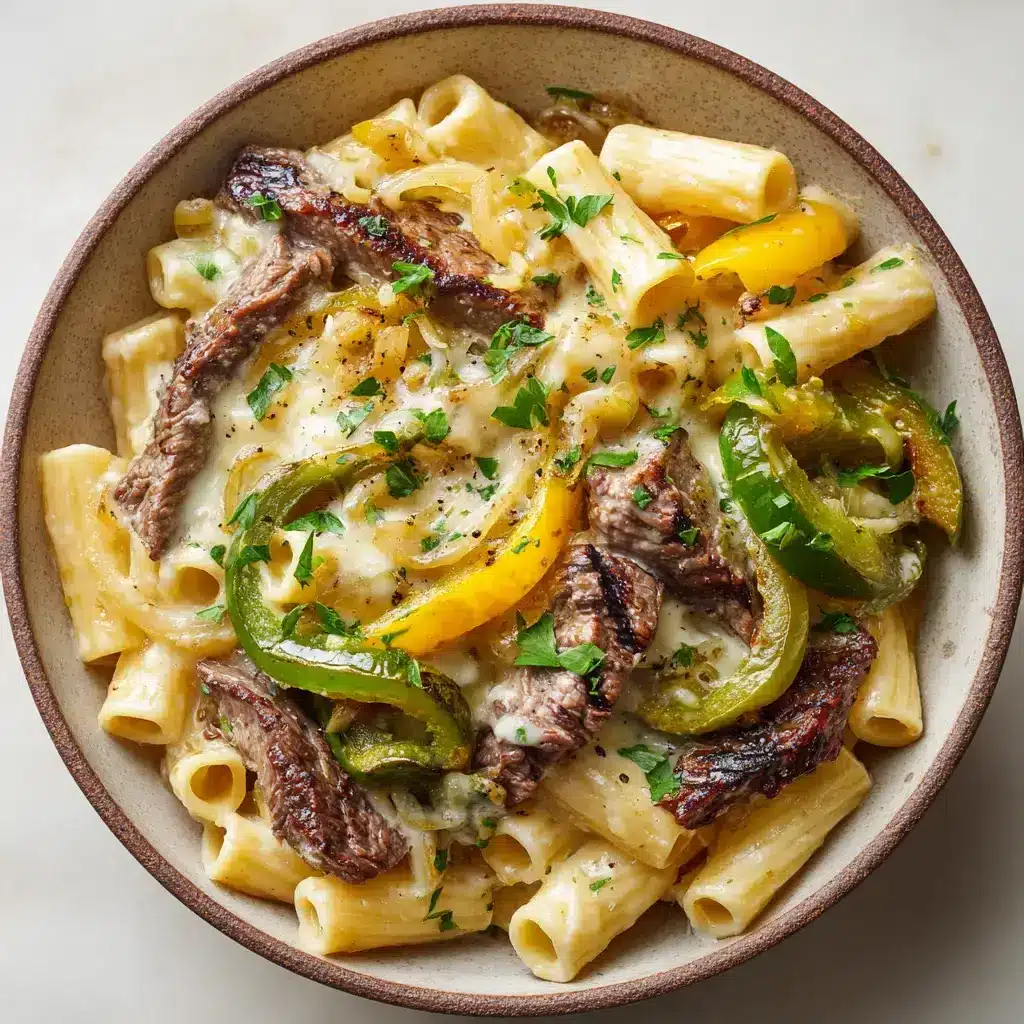
Prepare to meet your new weeknight obsession. This Philly Cheesesteak Pasta takes all the iconic, savory flavors of a classic Philadelphia cheesesteak and transforms them into an unbelievably creamy and satisfying pasta dish. Imagine tender, seared strips of steak, sweet caramelized onions, and vibrant green peppers all swimming with hearty rigatoni in a glossy, rich provolone cheese sauce. It’s the comfort food mashup you never knew you needed.
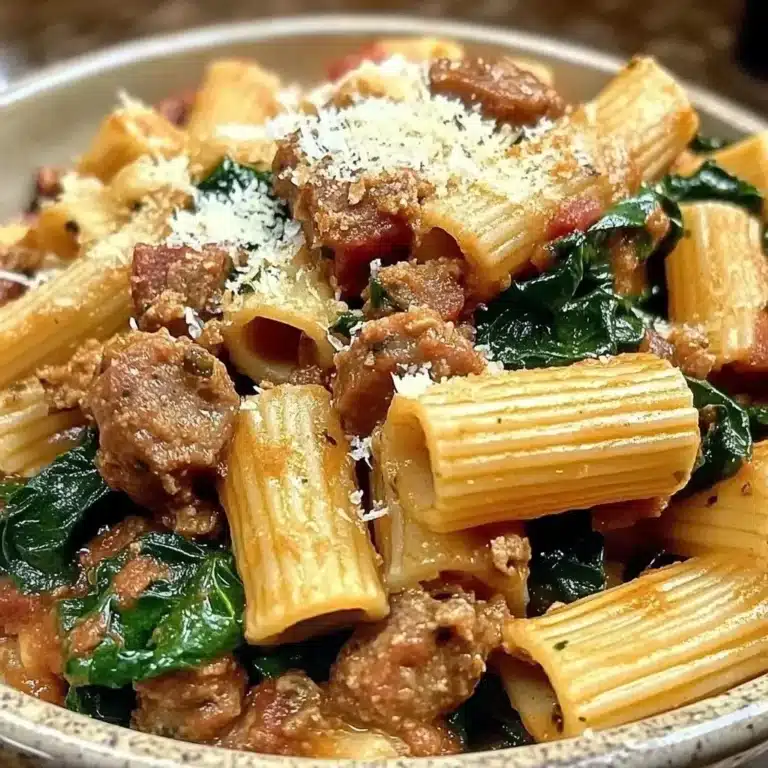
We’re ditching the hoagie roll but keeping all the soul of the city’s most famous sandwich. The magic happens in a single skillet, creating a meal that looks like it came from a rustic bistro but is surprisingly simple to pull off in your own kitchen. The final dish, captured perfectly in a handheld smartphone photo style, is a testament to its unpretentious, homestyle appeal—a bowl of pure, unadulterated comfort.
Why You Will Love This Recipe
- Incredible Flavor Fusion: We’ve perfectly balanced the savory, charred flavor of seared flank steak with the subtle sweetness of sautéed onions and peppers, delivering an authentic cheesesteak experience in every bite.
- Luxuriously Glossy Provolone Sauce: This recipe guides you to create a thick, velvety, and stable provolone cheese sauce that beautifully coats every single piece of rigatoni, ensuring no pasta is left unadorned by cheesy goodness.
- Visually Stunning Textures: From the beautifully charred edges on the steak strips to the blistered skin on the bell peppers, this dish is a feast for the eyes, with finely chopped parsley adding a final pop of fresh, vibrant color.
- Weeknight Friendly, Gourmet Feel: While the results are impressive enough for guests, the process is straightforward and mostly contained to one pan, making cleanup a breeze and the meal perfect for any night of the week.
Ingredients You Need
To achieve that signature cheesesteak taste, the quality and type of each ingredient are key. We’ve selected components that work harmoniously to create a rich, satisfying, and truly authentic flavor profile that will have you coming back for more. Ensuring you have fresh, high-quality items will elevate this dish from simply good to absolutely outstanding.
The Ultimate Philly Cheesesteak Pasta: A Creamy, One-Pan Wonder
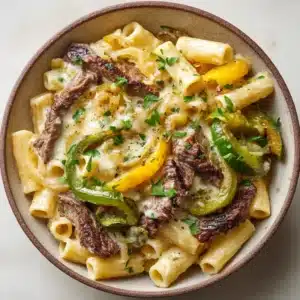
Prepare to meet your new weeknight obsession. This Philly Cheesesteak Pasta takes all the iconic, savory flavors of a classic Philadelphia cheesesteak and transforms them into an unbelievably creamy and satisfying pasta dish. Imagine tender, seared strips of steak, sweet caramelized onions, and vibrant green peppers all swimming with hearty rigatoni in a glossy, rich provolone cheese sauce. It's the comfort food mashup you never knew you needed.
- 1 lb Flank Steak, thinly sliced against the grain
- 1 large Yellow Onion, thinly sliced
- 1 large Green Bell Pepper, thinly sliced
- 2 tbsp Olive Oil, divided
- 1 lb Rigatoni Pasta
- 4 tbsp Unsalted Butter
- 1/4 cup All-Purpose Flour
- 2 cups Whole Milk
- 1 cup Heavy Cream
- 8 oz Provolone Cheese, freshly shredded
- 1 tsp Garlic Powder
- Salt & Black Pepper, to taste
- 1/4 cup Fresh Parsley, finely chopped
- 1Pat steak dry and season with salt, pepper, and garlic powder. Heat 1 tbsp olive oil in a large skillet over high heat. Sear steak for 1-2 minutes per side until a brown crust forms. Remove and set aside.
- 2Reduce heat to medium-high, add remaining 1 tbsp olive oil. Add onions and bell peppers, cooking for 8-10 minutes until soft and blistered. Remove and set aside with the steak.
- 3While veggies cook, bring a large pot of salted water to a boil. Cook rigatoni according to package directions until al dente. Drain.
- 4In the same skillet, melt butter over medium heat. Whisk in flour and cook for 1 minute. Slowly whisk in milk and heavy cream. Simmer for 3-4 minutes until thickened. Remove from heat and stir in shredded provolone until smooth. Season with salt and pepper.
- 5Add the drained pasta, cooked steak, and vegetables back to the skillet with the cheese sauce. Stir to combine everything thoroughly. Garnish with fresh parsley and serve immediately.
Keywords: Philly Cheesesteak Pasta, creamy pasta, one-pan meal, comfort food, steak pasta, weeknight dinner
- flank steak: 1 lb (450g), thinly sliced against the grain for tenderness.
- yellow onion: 1 large, thinly sliced to caramelize beautifully.
- green bell pepper: 1 large, thinly sliced for a classic touch.
- olive oil: 2 tbsp (30ml), essential for searing and sautéing.
- rigatoni pasta: 1 lb (450g), perfect for holding the creamy sauce.
- unsalted butter: 4 tbsp (57g), the base for our rich sauce.
- all-purpose flour: 1/4 cup (30g), to thicken the sauce to perfection.
- whole milk: 2 cups (480ml), for a creamy, luscious sauce base.
- heavy cream: 1 cup (240ml), adding extra richness and gloss.
- provolone cheese: 8 oz (225g), freshly shredded for ultimate meltability.
- garlic powder: 1 tsp (5g), for a subtle savory depth.
- salt & black pepper: to taste, to season every layer perfectly.
- fresh parsley: 1/4 cup (15g), finely chopped for a fresh finish.
Quantities for all these wonderful ingredients can be found within the detailed recipe card.
Variations
For those seeking to adapt this delightful dish, numerous exciting variations await. These tweaks can cater to different dietary preferences and flavor profiles while maintaining the essence of the original.
Vegan Adaptation: To create a completely vegan version, begin by omitting the steak and cheese. Instead, use firm or extra-firm tofu, pressed and cubed, and sear it until golden brown. For the creamy sauce, substitute the butter with vegan butter, the milk with unsweetened plant-based milk (like oat or soy), and the heavy cream with full-fat coconut milk or a cashew cream base. Nutritional yeast can be added for a cheesy undertone, and vegan provolone shreds can be used for that signature melt if available.
Low-Carb Approach: To make this dish low in carbohydrates, forgo the pasta entirely. Instead, prepare the steak, onions, and peppers as directed. Then, create the creamy provolone sauce and toss the cooked steak and vegetables into it, serving it as a rich, saucy main course. You could also serve this over a bed of cauliflower rice or with some spiralized zucchini noodles for a pasta-like experience without the carbs.
Spicy Kick: For those who love a bit of heat, introducing some chili flakes to the sautéing vegetables or stirring a tablespoon or two of your favorite hot sauce into the finished cheese sauce will add a welcome spicy dimension. A few thinly sliced jalapeños or poblano peppers could also be added alongside the green bell peppers for a fresh, fiery crunch.
How to Prepare Philly Cheesesteak Pasta
Step 1: Searing the Steak to Charred Perfection
First, pat your thinly sliced flank steak completely dry with paper towels. This crucial step ensures a better sear and prevents the steak from steaming instead of browning. Season the dried steak generously with salt, freshly ground black pepper, and garlic powder on all sides. Ensure an even coating for maximum flavor penetration.
Heat 1 tbsp (15ml) of olive oil in your large, heavy-bottomed skillet or Dutch oven over high heat. You want the oil to be shimmering and just beginning to smoke before you add the steak; this indicates the pan is hot enough for a proper sear. Add the seasoned steak in a single layer, taking care not to crowd the pan, as this will lower the temperature and lead to steaming. Work in batches if necessary to achieve optimal browning.
Sear the steak for approximately 1-2 minutes per side, depending on the thickness of your slices and your desired level of doneness. The goal is to achieve a deep brown crust and beautifully charred edges, which contribute significantly to the authentic cheesesteak flavor. Remove the seared steak from the skillet promptly and set it aside on a clean plate or cutting board to rest, allowing its juices to redistribute.
Step 2: Sautéing the Classic Pepper & Onion Duo
Reduce the heat of your skillet to medium-high after removing the steak. Add the remaining 1 tbsp (15ml) of olive oil to the pan, allowing it to heat for a moment. Add the thinly sliced yellow onions and green bell peppers to the skillet. The residual heat from the pan will assist in the initial cooking process.
Cook the vegetables, stirring occasionally, for about 8-10 minutes. During this time, you will notice the onions begin to soften and turn translucent, releasing their natural sweetness. The bell peppers should become tender and develop appealing, blistered spots, characteristic of authentic Philly cheesesteaks. This process concentrates their flavors and melds them together beautifully.
Once the onions are sweet and the peppers are tender with visible blistering, remove them from the skillet. Set them aside on the same plate or cutting board with the seared steak. This allows you to move directly to the next stage of sauce preparation without losing any of the flavorful fond left in the pan.
Step 3: Building the Luscious Provolone Cheese Sauce
While the vegetables are cooking and being set aside, bring a large pot of generously salted water to a rolling boil. Add the rigatoni pasta and cook according to the package directions until it reaches an al dente consistency, meaning it is cooked through but still has a slight bite. Do not overcook the pasta at this stage, as it will continue to cook slightly when combined with the hot sauce.
Now, reduce the skillet heat to medium. Add the 4 tbsp (57g) of unsalted butter to the pan and allow it to melt completely. Once the butter is melted, whisk in the 1/4 cup (30g) of all-purpose flour. Cook this mixture, which is your roux, for about one minute, whisking constantly. The roux should smell slightly nutty and appear as a smooth paste; this cooks out the raw flour taste and begins the thickening process for your sauce.
Slowly and gradually pour in the 2 cups (480ml) of whole milk and 1 cup (240ml) of heavy cream while whisking continuously. This constant whisking is crucial to prevent any lumps from forming and to ensure a smooth, homogenous sauce. Let the sauce simmer gently and thicken for about 3-4 minutes, stirring frequently, until it reaches a consistency that beautifully coats the back of a spoon. Remove the skillet from the heat before adding the cheese; this prevents the cheese from overheating and becoming grainy or separated.
Gradually stir in the 8 oz (225g) of freshly shredded provolone cheese. Continue stirring gently until the cheese is completely melted and the sauce is smooth, creamy, and gloriously glossy. Taste the sauce and season with salt and black pepper as needed to enhance all the flavors. Remember that the cheese itself is salty, so adjust accordingly.
Step 4: Bringing It All Together in Creamy Harmony
Once the rigatoni pasta is drained, add it directly to the skillet containing the warm, luscious cheese sauce. Ensure all the pasta is submerged in the sauce.
Add the seared steak strips and the sautéed onions and bell peppers back into the skillet with the pasta and sauce. Gently stir everything together, ensuring that every piece of pasta, every strip of steak, and every sliver of vegetable is thoroughly coated in that beautiful, glossy provolone sauce. The warmth from the sauce will help the steak and vegetables meld with the pasta.
Allow the mixture to sit for a minute or two, allowing the flavors to meld together beautifully. Garnish generously with the finely chopped fresh parsley just before serving. The vibrant green of the parsley provides a striking visual contrast and a burst of fresh flavor that cuts through the richness of the dish, completing this truly satisfying meal.
Pro Tips for Philly Cheesesteak Pasta
Slice Steak When Partially Frozen: For achieving perfectly paper-thin slices of flank steak, a technique that makes a significant difference in tenderness and ease of preparation, place the steak in the freezer for about 20-30 minutes before you intend to slice it. This slight firming of the meat allows for much cleaner and more uniform cuts, preventing tearing and ensuring even cooking.
Shred Your Own Cheese: This tip is absolutely non-negotiable for achieving a silky smooth, luxurious cheese sauce. Pre-shredded cheeses, while convenient, contain anti-caking agents like cellulose or cornstarch. These agents prevent the cheese from clumping in the bag but can also hinder its ability to melt smoothly, leading to a grainy or separated sauce in your finished dish.
Don’t Overcook the Pasta: To ensure your pasta has the perfect texture when tossed with the hot cheese sauce, cook the rigatoni about 1 minute less than the package directions specify, aiming for a firm al dente. The residual heat from the sauce and the brief time it sits in the pan will finish the cooking process, preventing it from becoming mushy.
Manage Your Pan Heat Wisely: High heat is your best friend for developing a fantastic char on the steak and achieving those desirable blistered spots on the peppers and onions, which contributes to the authentic flavor. However, you must significantly lower the heat before you begin the process of making the cheese sauce to prevent it from scorching, breaking, or becoming oily.
The Importance of Dried Steak: Before searing, it is imperative to thoroughly pat your steak slices dry with paper towels. Moisture on the surface of the meat will create steam in the pan, which prevents the Maillard reaction – the chemical process responsible for that desirable browning and deep, savory flavor. A dry surface is key to a perfect sear.
Serving Suggestions for Philly Cheesesteak Pasta
Decoration
A generous scattering of freshly chopped parsley is the classic and most effective way to finish this dish, providing a vibrant contrast to the rich, creamy sauce and savory steak. It adds a touch of freshness that brightens the entire plate and signals the completion of this comforting meal.
Side Dishes
While this Philly Cheesesteak Pasta is wonderfully hearty and can certainly stand alone as a complete meal, a simple side can elevate the dining experience. A crisp, lightly dressed green salad, perhaps with a tangy vinaigrette, offers a refreshing counterpoint to the richness of the pasta and cheese sauce. Alternatively, some crusty garlic bread would be a delightful addition, perfect for soaking up any extra sauce.
Creative Serving Ideas
For a fun twist on presentation, consider serving individual portions in small, oven-safe skillets or ramekins, garnished with extra cheese that gets a quick broil for a bubbly topping. You could also serve this alongside a classic tomato soup for a comforting, diner-style pairing that evokes nostalgia and pure satisfaction.
Preparation & Storage
Storing Leftovers
This Philly Cheesesteak Pasta is undeniably best enjoyed fresh when the sauce is at its peak glossiness and the pasta has perfect texture. However, if you find yourself with delicious leftovers, they can be stored and enjoyed later with a little care.
To store, allow the pasta to cool completely before transferring it to an airtight container. Store the container in the refrigerator for up to 3 days. Ensure the container is sealed tightly to prevent the pasta from drying out or absorbing other odors from the refrigerator.
Freezing
While freezing is possible, the creamy cheese sauce can sometimes change in texture upon thawing and reheating. If you must freeze it, cool the pasta completely, then portion it into freezer-safe containers or heavy-duty freezer bags. It’s advisable to freeze individual portions for easier thawing and reheating.
When freezing, try to minimize air exposure as much as possible to prevent freezer burn. Label your containers with the date to keep track of how long they’ve been stored. Frozen Philly Cheesesteak Pasta should ideally be consumed within 1 to 2 months for the best quality.
Reheating
To reheat your delicious leftovers, the stovetop method is highly recommended for the creamiest results. Add a splash of milk or a small amount of cream to a saucepan over low heat. Then, add the cooled pasta and gently stir until it is warmed through. The extra liquid will help loosen the sauce and restore its smooth, creamy consistency.
Alternatively, you can reheat individual portions in the microwave. Place the pasta in a microwave-safe dish and heat in 30-second intervals, stirring between each, until evenly heated. You may want to add a tablespoon of milk or water to the microwave dish to help rehydrate the sauce as it warms.
Frequently Asked Questions
-
Can I make Philly Cheesesteak Pasta ahead of time?
This dish is at its absolute best when served immediately after preparation, allowing the cheese sauce to maintain its perfect creamy texture and gloss. However, if you need to prepare it in advance, you can store the cooked pasta, steak, and vegetables in an airtight container in the refrigerator for up to 2 days. Reheat gently on the stovetop over low heat, adding a splash of milk or cream to help loosen and revitalize the sauce. Avoid microwaving large batches as it can sometimes lead to uneven heating and a less desirable sauce consistency.
-
How do I prevent my cheese sauce from becoming grainy?
The primary key to a beautifully smooth, non-grainy cheese sauce is to use freshly shredded provolone cheese rather than the pre-shredded varieties found in bags. Pre-shredded cheeses are coated with anti-caking agents, which can interfere with their melting properties and result in a gritty texture. Additionally, ensure you remove the sauce from the heat before gradually stirring in the cheese, allowing it to melt gently without becoming overheated, which can also cause separation or graininess.
-
Is there a good substitute for provolone cheese?
Absolutely! While provolone is traditional and provides a wonderful balance of mildness and meltability, other cheeses can be used. A combination of white American cheese and mozzarella cheese offers a similar creamy, gooey melt that is highly desirable in this dish. For a slightly sharper flavor profile, sharp white cheddar cheese is also an excellent alternative that melts beautifully and complements the other ingredients.