Easy Patty Melt Recipe – Classic Comfort Food at Home!
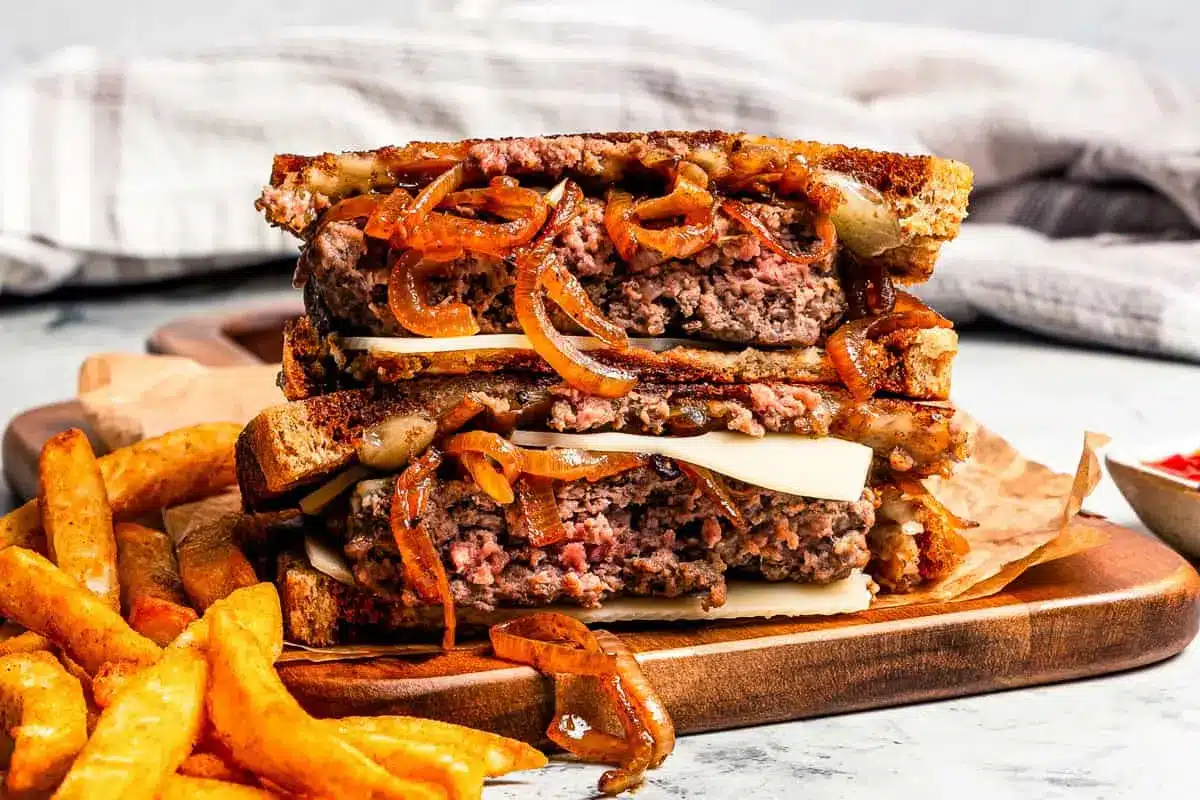
The aroma of sizzling ground beef, the sweet allure of slowly caramelized onions, and the irresistible stretch of melted cheese – these are the hallmarks of a truly satisfying meal. Imagine a diner classic, elevated to perfection in your own kitchen. This patty melt recipe delivers precisely that experience, offering a comforting and flavorful journey that rivals any cherished childhood memory or a quick lunch stop.
It’s more than just a sandwich; it’s a symphony of textures and tastes that come together harmoniously. We’re talking about a juicy, perfectly seasoned beef patty nestled between slices of toasted rye bread, generously layered with sweet, deeply flavored caramelized onions and blanketed in gooey, melted cheese. This isn’t just dinner; it’s an event, a delicious escape that’s surprisingly simple to create.
Why You Will Love This Recipe
- Quick & Easy Preparation: With most of the magic happening in a single skillet, you can have this delightful meal on the table in under 30 minutes, making it perfect for busy weeknights.
- Classic Diner Comfort: It captures the nostalgic essence of a beloved diner staple, offering that familiar, hearty taste that everyone in the family will adore.
- Flavorful Layers: The combination of savory beef, sweet caramelized onions, and rich, melted cheese creates an incredibly complex and satisfying flavor profile in every bite.
- Customizable Appeal: While rye bread and specific cheeses are traditional, this recipe is wonderfully adaptable, allowing you to easily tailor it to your personal preferences.
- One-Skillet Simplicity: Minimize cleanup and maximize flavor as you cook the patties, caramelize the onions, and grill the sandwich all in the same pan.
Ingredients You Need
The success of any great dish often hinges on the quality of its ingredients, and this patty melt is no exception. Opting for fresh, high-quality components will elevate the final product, ensuring a depth of flavor that is truly remarkable. Remember, simple ingredients can yield extraordinary results when treated with care and attention.
Patty Melt Recipe
This is the best homemade patty melt recipe with caramelized onions, melty cheese, and toasted rye bread. It's easy, diner-style comfort food that you can make at home!
- For the patties: ½ pound ground chuck
- salt and freshly ground black pepper , to taste
- 1½ tablespoons cooking oil
- For the onions: 1 large onion
- 1 tablespoon butter
- salt and freshly ground black pepper , to taste
- 2-3 tablespoons water , or as needed
- Additional: 4 slices rye bread , or the desired type of bread
- 2 tablespoons mayonnaise
- 4 slices Provolone cheese
- 2 slices Emmental cheese
- 1Season the ground beef with salt and pepper. Shape the meat into two patties, trying to mimic the shape of your bread slices.
- 2Heat oil in a skillet over medium-high heat. Add the patties and cook for 3-4 minutes per side or until cooked through. Remove the patties from the skillet and set aside, covered on a plate to collect the meat juices.
- 3Peel and thinly slice the onions into half-moons. Melt the butter in a large skillet over medium-high heat.
- 4Season the onions with salt and pepper, and cook for 5 minutes. Then reduce the heat to medium and cook the onions, stirring, until they start to change color. At this point, add some water to prevent burning. Scrape down any browned bits. Continue to cook the onions for 20 minutes, adding water as needed. Finally, stir any meat juices into the onions. Remove the onions from the skillet and set aside.
- 5Spread mayonnaise over one side of the bread slices. Add the bread slices to the skillet, mayonnaise side down. Place the skillet on the stove over medium-high heat.
- 6Add 2 slices of Provolone cheese on top of a slice of bread, followed by half of the onions and a cooked patty. Add the Emmental cheese on top of the meat patty, and close the sandwich with another piece of bread, mayonnaise side up. Cook for 2-3 minutes per side or until the bread is browned and the cheese is melted. Repeat the same with the second sandwich.
- 7Slice the patty melt in half and serve.
Keywords: patty melt, cheeseburger, grilled cheese, diner, comfort food, beef, onions, cheese, rye bread
The specific quantities for each ingredient are detailed in the accompanying recipe card, ensuring you have everything you need for a perfect patty melt experience.
Variations
While the classic patty melt is a masterpiece in itself, don’t hesitate to explore its potential for creative reinvention. Consider a vegan twist by substituting the beef patty with a hearty mushroom or black bean burger and using a plant-based cheese alternative. The caramelized onions remain a vegan-friendly delight, adding immense flavor.
For those following a low-carb lifestyle, swap the rye bread for thick slices of grilled portobello mushrooms or even large, sturdy lettuce wraps. You can also experiment with different cheese varieties; a sharp cheddar or a creamy Monterey Jack can offer a delightful departure from the traditional.
Another exciting avenue is the “Texas-style” patty melt, reminiscent of a popular fast-food rendition. This involves adding a kick with sliced jalapeños and perhaps a swipe of a tangy burger sauce or Thousand Island dressing on the bread, all nestled between slices of sturdy Texas toast for an extra indulgent experience. This variation transforms the familiar into something excitingly new.
How to Prepare patty melt recipe
Step 1: Crafting the Perfect Patties
Begin by taking your ground chuck, ideally an 80/20 blend for optimal moisture and flavor, and gently season it with salt and freshly ground black pepper. Avoid overworking the meat; you want a tender patty, not a tough one. The goal here is to enhance the beef’s natural richness, not to mask it.
Carefully shape the seasoned ground beef into two equally sized patties. Aim for a shape that closely mirrors the dimensions of your chosen bread slices. A slightly wider and thinner patty will cook more evenly and fit better within the sandwich structure. Press down gently in the center of each patty to prevent them from puffing up too much during cooking, creating a more uniform surface for grilling.
Preheat your large skillet, preferably cast iron for superior heat retention and an even sear, over medium-high heat. Add your cooking oil, ensuring it shimmers slightly to indicate it’s ready. This initial searing is crucial for developing a beautiful crust and locking in those delicious juices. Be mindful of the heat; you want a good sear without burning the exterior before the interior is cooked.
Step 2: Searing the Beef Patties to Perfection
Once the skillet and oil are sufficiently hot, carefully place the shaped beef patties into the pan. You should hear a satisfying sizzle as they make contact, a sound that promises deliciousness to come. Allow the patties to cook undisturbed for approximately 3 to 4 minutes per side. This timeframe is usually sufficient to achieve a beautiful brown crust and ensure the internal temperature reaches a safe and enjoyable level of doneness.
Resist the urge to press down on the patties while they cook, as this will squeeze out those precious juices that contribute so much to the final flavor and tenderness. The key is to let the heat do its work, creating a delectable Maillard reaction on the surface. Flipping them only once at the halfway point helps maintain their integrity and develop that sought-after sear.
Once cooked through, remove the patties from the skillet and transfer them to a clean plate. Tent them loosely with foil or cover them with another plate to keep them warm while you proceed with the rest of the recipe. Crucially, do not clean the skillet; the flavorful bits and juices left behind are essential for the next stage of our culinary adventure. These remnants will form the foundation of your caramelized onions.
Step 3: The Art of Caramelizing Onions
Now, it’s time to turn your attention to the sweet, savory component that truly elevates the patty melt: the caramelized onions. Take one large yellow onion, which is ideal for caramelization due to its natural sweetness and texture. Peel the onion and slice it thinly into half-moon shapes. Uniformity in slicing will ensure they cook evenly.
Return the same skillet you used for the patties to the stovetop over medium heat. Add a tablespoon of butter to the pan; this will provide a rich base and aid in the browning process. Once the butter has melted and begins to foam slightly, add your thinly sliced onions. Season them generously with salt and freshly ground black pepper. The salt will help draw out moisture, initiating the softening process.
Cook the onions for about 5 minutes, stirring occasionally, until they begin to soften and turn translucent. At this point, reduce the heat to medium-low. This slower cooking process is crucial for achieving true caramelization, which involves breaking down the natural sugars in the onions without burning them. Stir the onions frequently to prevent any sticking or scorching on the bottom of the pan.
As the onions cook, they will gradually deepen in color, transforming from pale white to a rich golden brown. This can take anywhere from 20 to 30 minutes, sometimes even longer. If you notice the onions starting to brown too quickly or sticking, add 2 to 3 tablespoons of water, or as needed, to the skillet. This deglazes the pan, lifting those flavorful browned bits from the bottom and incorporating them back into the onions, adding immense depth of flavor. Continue to cook and stir until the onions are deeply golden, sweet, and wonderfully tender. Before removing them, stir in any residual meat juices from the plate where you rested the patties. This infusion of beef essence will make your caramelized onions truly unforgettable.
Step 4: Preparing the Bread for Grilling
While the onions are reaching their peak sweetness, prepare your bread for grilling. This step is simple but crucial for achieving that perfect golden-brown exterior and ensuring the sandwich doesn’t stick. You’ll need four slices of rye bread; its slightly tangy, earthy flavor is traditional and complements the richness of the patty melt beautifully. Sourdough is also an excellent alternative if rye isn’t your preference, offering a pleasing tanginess.
Spread approximately 2 tablespoons of mayonnaise evenly over one side of each of the four bread slices. Mayonnaise might seem unconventional, but it’s a secret weapon for achieving a gorgeously crisp and evenly browned grilled sandwich. The oil and egg content in mayonnaise create a beautiful, golden crust when heated, often superior to butter in its ability to prevent sticking and promote even browning. You can certainly use butter if you prefer, but give mayonnaise a try; you might be surprised by the results.
Once the bread is prepped and the onions are caramelized, set them aside. Your skillet should still be warm from cooking the onions. You’ll be using this same skillet to grill the assembled sandwiches, which means even more flavor infusion without extra cleanup.
Step 5: Assembling the Masterpiece
Now comes the exciting part: assembling your patty melt. Place the skillet back on the stove over medium-high heat. Carefully place two of the prepared bread slices into the skillet, mayonnaise-side down. Allow them to heat for about 30 seconds to a minute, just to get them warm and ready to receive their toppings.
On top of each slice of bread currently in the skillet, lay two slices of Provolone cheese. This provides a fantastic melt and a slightly sharp, savory base. Next, distribute half of your wonderfully sweet, caramelized onions evenly over the Provolone cheese on each sandwich. The warm onions will begin to soften the cheese further.
Carefully place one of your cooked beef patties on top of the caramelized onions on each sandwich. The warmth from the onions and the residual heat from the skillet will help warm the patty through. Now, add the final layer of cheese: place two slices of Emmental cheese on top of each beef patty. Emmental offers a lovely nutty flavor and a smooth melt that pairs wonderfully with the Provolone.
Finally, top each assembled creation with another slice of bread, this time with the mayonnaise-side facing upwards. These top slices will become the beautifully golden, toasted exterior of your patty melts. Gently press down on the sandwiches to help them hold together and ensure even contact with the skillet.
Step 6: Grilling to Golden Perfection
Allow the assembled patty melts to grill for approximately 2 to 3 minutes per side, or until the bread is a beautiful, deep golden brown and the cheese is thoroughly melted and gooey. Keep a close eye on them to prevent burning; the mayonnaise can brown quite quickly. The goal is a perfectly toasted exterior that contrasts with the tender interior and molten cheese.
Once both sides of the sandwiches have achieved this perfect golden hue and the cheese is oozing enticingly, carefully remove them from the skillet. Place them on a cutting board. For the classic diner presentation, slice each patty melt in half diagonally. This reveals the glorious layers of beef, onions, and melted cheese within, making them even more appealing. Serve immediately while they are hot and the cheese is at its most melty, perhaps with a side of fries for the ultimate comfort food experience.
Pro Tips for patty melt recipe
Don’t rush the onion caramelization: This is arguably the most crucial step for flavor. True caramelization takes time and patience, transforming humble onions into sweet, deeply savory jewels. Low and slow heat is your friend here; high heat will scorch them before they sweeten.
Use a blend of cheeses: While tradition calls for specific cheeses, experimenting with a blend offers more complexity. A sharp cheddar for tang, Gruyère for nuttiness, or even a touch of American cheese for ultimate creaminess can elevate your patty melt.
Master the patty shape: Make your patties slightly wider than your bread and press a shallow dimple in the center. This prevents them from shrinking too much and puffing up into an unmanageable dome shape during cooking, ensuring a better fit within the sandwich.
Consider the bread choice: While rye is classic, sourdough offers a delightful tang, and even a good quality challah or brioche can add a touch of sweetness and richness, though they may brown faster. Ensure your bread has some structure to hold up to the fillings.
Rest those patties: Letting the cooked patties rest for a few minutes before assembling the sandwich allows the juices to redistribute throughout the meat, ensuring a more tender and flavorful bite. Don’t skip this small but significant step for maximum juiciness.
Serving Suggestions for patty melt recipe
Decoration
While a patty melt is hearty and satisfying on its own, a few thoughtful touches can elevate its presentation. A sprinkle of fresh chives or finely chopped parsley over the melted cheese can add a vibrant pop of color and a hint of freshness. If serving with a side of dipping sauce, like a robust burger sauce, a small dollop in a ramekin alongside the sandwich is both practical and visually appealing.
Side Dishes
No patty melt is complete without the perfect companions. Crispy, golden french fries are the undisputed champion, their salty crunch providing an ideal counterpoint to the sandwich’s richness. Consider elevating your fries with a Cajun seasoning for a spicy kick, or opt for sweet potato wedges, which offer a delightful sweetness and slightly softer texture.
A simple, crisp green salad dressed with a light vinaigrette can offer a refreshing contrast to the decadent sandwich. Alternatively, coleslaw, either creamy or vinegar-based, provides a pleasant tang and crunch. For a heartier meal, a small bowl of creamy tomato soup or even a classic lobster bisque can transform your patty melt into a truly comforting feast.
Creative Serving Ideas
For a playful twist, consider serving your patty melt “au jus,” much like a French dip. Prepare a small bowl of rich beef broth for dipping, infusing each bite with an extra layer of savory depth. This takes the classic diner experience to a gourmet level. Another idea is to deconstruct the patty melt, serving the perfectly cooked patty, caramelized onions, and melted cheese alongside toasted bread slices, allowing diners to assemble their own perfect bite.
Preparation & Storage
Storing Leftovers
If you happen to have any leftover patty melt components, storage is straightforward. It’s best to store the cooked beef patties and the caramelized onions separately in airtight containers in the refrigerator. This prevents the onions from making the patties soggy and maintains the best texture for reheating. Properly stored, these elements can remain fresh for 3 to 4 days.
While storing an assembled sandwich is generally not recommended due to the bread becoming soggy, if you must, wrap it tightly in plastic wrap or place it in an airtight container. However, for the best quality, it’s always preferable to assemble fresh when you’re ready to eat.
Freezing
The individual components of the patty melt freeze beautifully, making it an excellent candidate for meal prepping. Once cooled, wrap the cooked beef patties and the caramelized onions tightly in plastic wrap, then transfer them to a freezer-safe bag or container. They can be stored in the freezer for up to 2 months, retaining their flavor and quality.
When you’re ready to use them, simply thaw the patties and onions in the refrigerator overnight. This gradual thawing ensures that they retain their moisture and texture as much as possible. Avoid refreezing once thawed.
Reheating
Reheating is simple and effective. For the best results, reheat the stored beef patties and caramelized onions on the stovetop over medium-low heat, stirring occasionally until warmed through. Alternatively, you can use the microwave, but be mindful of cooking times to avoid drying out the ingredients. Once the components are warm, assemble your sandwich with fresh bread and grill it as per the original instructions.
If reheating an already assembled, refrigerated sandwich, it’s best to gently reheat it in a skillet over low heat until the cheese is melted and the bread is warmed through and slightly crisped. Avoid high heat, which can burn the bread before the inside is properly heated.
Frequently Asked Questions
-
What kind of bread is best for a patty melt, and why is rye so traditional?
Rye bread is a classic choice for patty melts due to its distinctive, slightly tangy, and earthy flavor profile. This robust taste stands up wonderfully to the rich beef, sweet onions, and savory cheese, creating a balanced flavor combination. The texture of rye bread also tends to hold its shape well during grilling, preventing it from becoming too soggy. Other excellent bread options include sourdough, which offers a similar tanginess, or a good quality whole wheat bread for a nuttier note. The key is a bread that has some structure and a flavor that complements the hearty fillings without being overpowering.
-
Can I make the beef patties ahead of time, and if so, how should I store them?
Absolutely! Preparing the beef patties ahead of time is a fantastic way to save time on busy weeknights. Once you’ve seasoned and shaped the patties, you can refrigerate them for up to 24 hours. Place them on a parchment-lined plate or baking sheet, ensuring they don’t touch each other, then cover loosely with plastic wrap or foil. For longer storage, you can freeze the uncooked patties. Wrap each patty tightly in plastic wrap, then place them in a freezer-safe bag or container. They can be stored in the freezer for up to 2 months. When ready to cook from frozen, you may need to add a few extra minutes to the cooking time.
-
What are the best cheese pairings for a patty melt, and can I use American cheese?
The classic pairing often involves Swiss or Emmental cheese for their nutty, slightly sweet flavor and excellent melting properties. Provolone offers a sharper, more savory taste that complements the beef beautifully. You can certainly use American cheese; it’s renowned for its supreme meltability and creamy texture, which contributes to that quintessential gooeyness. Many people enjoy a blend of cheeses, such as a combination of Swiss and cheddar, or Provolone and Monterey Jack, to achieve a complex flavor and perfect melt. Don’t be afraid to experiment with your favorite cheese combinations to find your ideal patty melt.