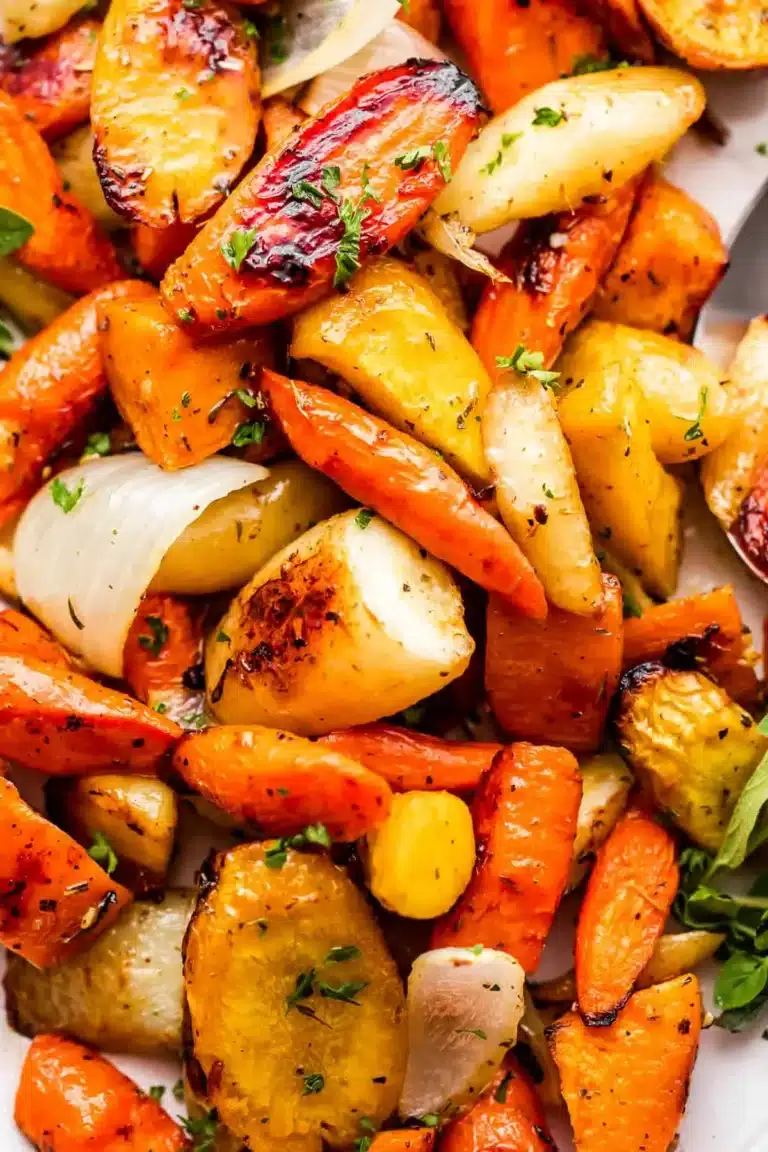
This is the BEST oven roasted vegetables recipe!
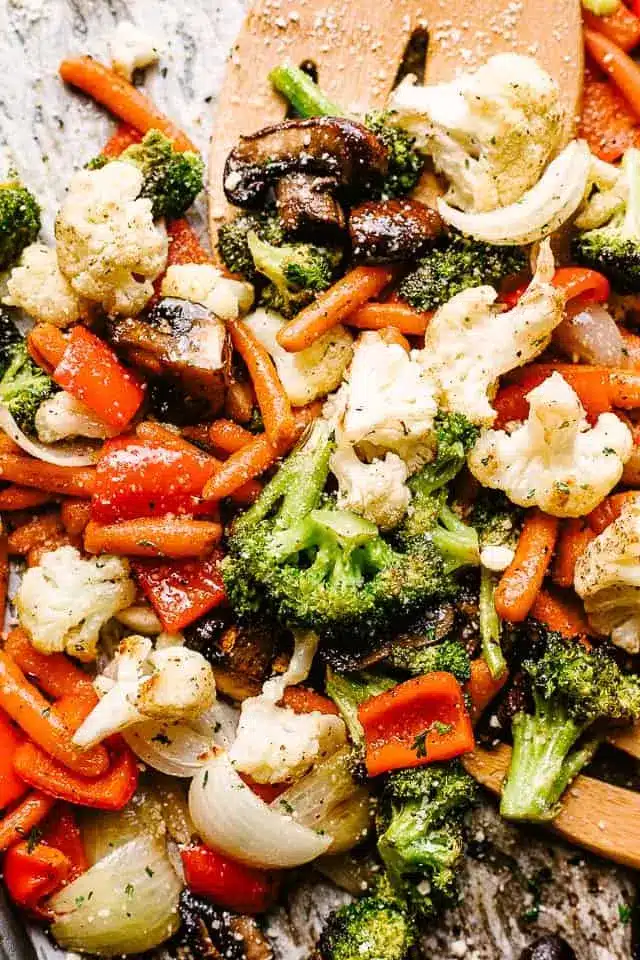
Welcome to a culinary journey that transforms simple produce into a dazzling array of flavors and textures. Oven-roasted vegetables are a testament to the magic of high heat, coaxing out sweetness and creating delightful char. This method is incredibly versatile, making it a cornerstone for any home cook seeking delicious, wholesome side dishes.
Imagine a medley of vibrant colors and enticing aromas filling your kitchen, all stemming from ingredients you likely already have. This recipe is designed to be approachable, yet impressive, perfect for weeknight dinners or special gatherings. Get ready to discover your new favorite way to enjoy the bounty of the garden.
Why You Will Love This Recipe
- Effortless Preparation: Minimal hands-on time allows for busy schedules, with most of the work done by your oven.
- Flavorful & Versatile: A simple seasoning blend enhances natural vegetable sweetness, making them a perfect complement to any main dish.
- Adaptable to Your Pantry: Easily swap in your favorite vegetables or use what’s in season for endless delicious combinations.
- Visually Appealing: The roasting process creates beautiful caramelization and appealing textures, making vegetables a star on any plate.
- Healthy & Wholesome: Packed with vitamins and fiber, this dish offers a nutritious and satisfying way to increase your vegetable intake.
Ingredients You Need
The beauty of this recipe lies in its simplicity, relying on fresh, readily available ingredients to create a symphony of flavors. Quality produce is key to achieving the best results, so opt for vegetables that are firm and vibrant in color. This foundation of freshness, combined with a few pantry staples, ensures a truly delightful culinary experience.
Easy Oven Roasted Vegetables
These easy Oven Roasted Vegetables are perfectly tender and packed with flavor! This method for roasting vegetables can be adapted to fit any veggies you've got on hand! This perfect side dish pairs wonderfully with meat, fish, or rice.
- 2 cups broccoli florets
- 2 cups cauliflower florets
- 2 cups sliced baby portobello mushrooms
- 1 cup thin baby carrots
- 1 red bell pepper, chopped
- 1 small yellow onion, cut into 6 wedges
- 2 tablespoons olive oil
- salt and fresh ground pepper, to taste
- 1½ teaspoons Italian Seasoning
- ½ teaspoon garlic powder
- grated parmesan cheese, for garnish (optional)
- chopped fresh parsley, for garnish (optional)
- 1Preheat oven to 425°F. Line a large baking sheet with foil or parchment paper.
- 2Add all the vegetables to the baking sheet. Drizzle olive oil over the veggies and mix with either a wooden spoon or just use your hands.
- 3Season the vegetables with salt, black pepper, Italian Seasoning, and garlic powder; gently toss until thoroughly combined.
- 4Arrange all the veggies in a single layer and bake for 15 to 20 minutes, stirring halfway through cooking. You want to roast the vegetables until they are fork-tender and lightly browned.
- 5Remove the roasted vegetables from the oven. Garnish with parmesan cheese and parsley, and serve.
Keywords: Roasted Vegetables, Side Dish, Easy, Healthy, Vegetable, Oven Roasted
- broccoli florets: Fresh broccoli cut into bite-sized florets, offering a delightful slightly crisp texture.
- cauliflower florets: Similar to broccoli, cauliflower roasts beautifully, becoming tender with a hint of nutty sweetness.
- baby portobello mushrooms: These add a robust, earthy, and savory depth, contributing a wonderful umami character.
- baby carrots: Their natural sweetness intensifies when roasted, providing vibrant color and a pleasing chewiness.
- red bell pepper: Roasting brings out the pepper’s inherent sweetness, softening its texture while maintaining a slight bite.
- yellow onion: Caramelizes beautifully in the oven, offering a sweet and savory aromatic foundation for the dish.
- olive oil: A good quality extra virgin olive oil is essential for coating the vegetables and promoting even browning and flavor infusion.
- salt and fresh ground pepper: The essential foundational seasonings that enhance all the natural flavors of the vegetables.
- Italian Seasoning: A classic blend of herbs that imparts a wonderfully aromatic and savory Mediterranean flair.
- garlic powder: A convenient way to introduce a mellow garlic flavor that distributes evenly throughout the vegetables.
- grated parmesan cheese: (Optional) Adds a salty, nutty finish and a delightful savory richness to the roasted medley.
- chopped fresh parsley: (Optional) Provides a burst of fresh, herbaceous brightness and a pop of vibrant green color as a garnish.
The precise quantities for these ingredients are detailed within the accompanying recipe card, ensuring you have all the necessary measurements for success.
Variations
To elevate your roasted vegetable game even further, consider these exciting variations that cater to different dietary preferences and flavor profiles. Each tweak offers a unique twist on the classic, ensuring there’s always something new and delicious to explore.
Vegan Delight: For a completely plant-based option, simply omit the optional Parmesan cheese. You can enhance the umami factor by adding a tablespoon of nutritional yeast along with the other seasonings, or even a splash of soy sauce or tamari before roasting. A sprinkle of toasted pine nuts or slivered almonds after roasting also adds a satisfying crunch and richness.
Low-Carb Powerhouse: Focus on non-starchy vegetables for a satisfying low-carbohydrate meal. Think about incorporating asparagus spears, green beans, Brussels sprouts (halved or quartered), zucchini or yellow squash slices, and bell peppers. Avoid root vegetables like carrots and potatoes, or cut them very thinly if you must include them to minimize carb content.
Spicy Kick: Craving a bit of heat? Introduce a pinch of red pepper flakes along with the other seasonings. For a more intense heat, finely dice a jalapeño or serrano pepper and toss it with the vegetables before roasting. A drizzle of sriracha or your favorite hot sauce after they come out of the oven also works wonders.
How to Prepare Oven Roasted Vegetables
Step 1: Preheat the Oven and Prepare the Baking Sheet
The initial step in achieving perfectly roasted vegetables is to set the right stage with your oven temperature. A high heat is crucial for caramelization and developing those coveted crispy edges. Aim for a temperature of 425 degrees Fahrenheit (about 220 degrees Celsius).
Simultaneously, prepare your baking sheet. Lining it with parchment paper or aluminum foil is highly recommended. This not only prevents the vegetables from sticking but also makes the cleanup process significantly easier, which is always a welcome bonus after cooking.
Step 2: Prepare the Vegetables
Begin by washing all your chosen vegetables thoroughly under cool running water. Pat them completely dry with a clean kitchen towel or paper towels. Moisture is the enemy of crispiness in roasting; it will steam the vegetables instead of browning them, so dryness is paramount here.
Next, cut the vegetables into uniform, bite-sized pieces. This ensures that they cook evenly and at roughly the same rate. For example, broccoli and cauliflower should be cut into florets of similar size. Bell peppers can be chopped into roughly 1-inch pieces, and onions can be cut into wedges or thick slices. Baby carrots can usually be left whole, but if they are particularly large, consider halving them lengthwise.
Step 3: Season the Vegetables
Place all the prepared vegetables into a large mixing bowl. Drizzle the olive oil generously over the vegetables. The oil is essential for coating them, which helps to distribute the seasonings and promotes that beautiful browning and crisping effect during roasting.
Now, it’s time for the flavor infusion. Sprinkle the salt, freshly ground black pepper, Italian seasoning, and garlic powder over the oiled vegetables. You can also add any other desired herbs or spices at this stage, such as dried thyme, rosemary, or a pinch of paprika for color and mild smokiness. Ensure all the vegetables are well-coated by tossing them gently but thoroughly with your hands or a large spoon.
Step 4: Arrange Vegetables on the Baking Sheet
Carefully transfer the seasoned vegetables from the bowl onto the prepared baking sheet. It is absolutely critical to arrange the vegetables in a single layer. Overcrowding the baking sheet will cause the vegetables to steam rather than roast, defeating the purpose of this cooking method.
If your baking sheet is not large enough to accommodate all the vegetables in a single layer, it is far better to use two baking sheets. This single-layer rule is one of the most important tips for achieving perfectly roasted, caramelized vegetables. Ensure there is a little space between each piece to allow hot air to circulate freely around them, promoting even cooking and browning on all sides.
Step 5: Roast the Vegetables
Place the baking sheet into the preheated 425°F (220°C) oven. Allow the vegetables to roast for approximately 15 to 20 minutes. During this initial roasting period, the vegetables will begin to soften and develop some color.
After about 10-12 minutes of roasting, it’s time to stir the vegetables. Remove the baking sheet from the oven and use a spatula to gently toss the vegetables around. This step ensures that all sides of the vegetables get exposed to the hot oven air, promoting even cooking and browning. Return the baking sheet to the oven to continue roasting for the remaining time.
Step 6: Check for Doneness and Finish
After the total roasting time of 15-20 minutes, check the vegetables for doneness. They should be tender enough to be easily pierced with a fork or the tip of a knife. Look for delightful caramelization and slightly crispy, browned edges on many of the pieces.
If the vegetables are not yet tender or browned to your liking, you can continue roasting them for another 5-10 minutes, keeping a close eye to prevent burning. Once they reach your desired level of tenderness and color, remove the baking sheet from the oven. For an extra touch of flavor and visual appeal, you can now sprinkle them with optional grated Parmesan cheese and chopped fresh parsley. A light drizzle of balsamic glaze or a squeeze of fresh lemon juice can also add a wonderful finishing note.
Pro Tips for Oven Roasted Vegetables
Achieving restaurant-quality roasted vegetables at home is all about understanding a few key techniques. Following these expert tips will help ensure your vegetables are consistently delicious, perfectly tender, and wonderfully caramelized every single time you make them.
The Importance of High Heat: Always use a hot oven, typically 400-425°F (200-220°C). This high temperature is what causes the natural sugars in the vegetables to caramelize, creating those irresistible sweet and savory notes. Lower temperatures will result in steamed or boiled vegetables, not roasted ones.
Dry is Key: Ensure your vegetables are thoroughly dried after washing and before tossing them with oil and seasonings. Excess moisture will prevent proper browning and crisping, leading to a soggy outcome. A salad spinner is excellent for drying leafy greens, while a clean kitchen towel works wonders for firmer vegetables.
Don’t Crowd the Pan: This is perhaps the most crucial tip. Vegetables need space to roast. If they are piled on top of each other, they will steam instead of caramelize. Use a large enough baking sheet, or even two, to ensure a single layer of vegetables with a little breathing room between each piece.
Uniform Cuts for Even Cooking: Cut your vegetables into pieces that are as close to uniform in size as possible. This ensures that they all cook at the same rate. Smaller, denser vegetables like carrots may need to be cut smaller or added to the pan a few minutes later than quicker-cooking vegetables like bell peppers or zucchini.
Consider Roasting Times: While this recipe provides a general guideline, different vegetables have different cooking times. Root vegetables like potatoes and sweet potatoes take longer than softer vegetables like zucchini or asparagus. You can roast heartier vegetables first for a few minutes before adding quicker-cooking ones to the pan, or cut denser vegetables into smaller pieces for faster roasting.
Serving Suggestions for Oven Roasted Vegetables
Decoration
The visual appeal of roasted vegetables is already quite high, with their vibrant colors and appealing char marks. However, a few thoughtful additions can elevate their presentation even further. A generous sprinkle of freshly chopped parsley or chives adds a bright green contrast and a burst of freshness. For a more sophisticated touch, consider a light dusting of smoked paprika or a sprinkle of toasted sesame seeds.
If you’ve opted for the optional Parmesan cheese, ensure it’s evenly distributed over the hot vegetables so it melts slightly. A drizzle of balsamic glaze, with its deep, rich color and tangy-sweet flavor, can also create an attractive finish. For a touch of elegance, a few edible flowers can be artfully placed among the roasted vegetables.
Side Dishes
Oven-roasted vegetables are incredibly versatile and serve as an ideal accompaniment to a wide array of main courses. They pair beautifully with grilled or roasted meats like chicken, steak, pork, or lamb, offering a fresh and healthy counterpoint to richer flavors. Consider serving them alongside a succulent baked lemon chicken or a hearty easy lobster bisque recipe for a more refined meal.
They also make a fantastic side for fish dishes, such as pan-seared salmon or baked cod. For vegetarian or vegan main courses, roasted vegetables can be a substantial component, complementing dishes like lentil loaf, vegetable stir-fries, or hearty grain bowls. They can also be a star attraction when served with a flavorful sauce or dip.
Creative Serving Ideas
Move beyond the standard side dish and explore innovative ways to present your oven-roasted vegetables. They can be incorporated into vibrant grain bowls, layered with quinoa or farro, a protein source, and a zesty dressing. For a delightful breakfast or brunch option, toss them with scrambled eggs or fold them into omelets and frittatas.
Consider using them as a topping for pizzas or flatbreads, adding a rustic and flavorful dimension. They also make an excellent filling for quesadillas or wraps, paired with cheese and your favorite protein. A simple yet elegant presentation involves serving them atop a bed of creamy polenta or mashed sweet potatoes, adding a comforting and satisfying element to the meal. Don’t forget to share your beautiful creations on platforms like Pinterest to inspire others; you can find more ideas at pinterest.com/easycookfeed/.
Preparation & Storage
Storing Leftovers
Leftover oven-roasted vegetables can be stored in an airtight container in the refrigerator for up to 3 to 4 days. Ensure the vegetables have cooled completely before transferring them to the container to prevent condensation buildup, which can make them soggy. Proper storage is key to maintaining their texture and flavor for future enjoyment.
When storing, avoid packing them too tightly, as this can also lead to moisture retention. If you notice any signs of spoilage, such as an off odor or sliminess, it’s best to discard them. Always keep the container clearly labeled with the date to help track freshness.
Freezing
While oven-roasted vegetables can be frozen, it is important to manage expectations regarding texture. Freezing and thawing can make them softer and slightly more mushy than their freshly roasted counterparts. However, they are still perfectly suitable for use in cooked dishes where texture is less critical.
To freeze, allow the roasted vegetables to cool completely. Spread them in a single layer on a baking sheet and freeze until solid, about 1-2 hours. This flash-freezing step prevents them from clumping together. Once frozen, transfer them to a freezer-safe bag or airtight container, removing as much air as possible. They can be stored in the freezer for up to 2-3 months.
Reheating
To reheat oven-roasted vegetables while preserving as much of their original texture as possible, the best method is often in the oven. Preheat your oven to around 400-425°F (200-220°C). Spread the cooled leftovers in a single layer on a baking sheet, similar to how you would roast them fresh.
Roast for about 5-10 minutes, or until heated through and slightly crisped again. Microwaving is also an option for speed, but it tends to result in a softer, less appealing texture. If using the microwave, reheat in short intervals, stirring occasionally, until warmed through. For frozen roasted vegetables, it’s best to reheat them directly from frozen in the oven, adding a few extra minutes to the cooking time.
Frequently Asked Questions
-
What is the best temperature for roasting vegetables?
The optimal temperature for roasting vegetables is generally between 400°F and 425°F (200°C to 220°C). This high heat is crucial for achieving proper caramelization of the natural sugars in the vegetables, which leads to a deeper, sweeter flavor and the desirable slightly charred, crispy edges. Using a hotter oven allows the exterior to brown and develop those wonderful roasted notes before the interior vegetables become overly soft or mushy. It’s a balance that encourages both texture and flavor development, transforming humble produce into a delightful culinary creation.
-
Why are my roasted vegetables not crispy?
Several factors can contribute to roasted vegetables lacking crispiness, with the most common culprits being overcrowding the pan and excess moisture. If the vegetables are packed too tightly on the baking sheet, they will steam instead of roast, leading to a soft, limp texture. Ensure they are in a single layer with space between each piece for air circulation. Additionally, make sure your vegetables are thoroughly dried after washing; any residual water will hinder browning and crisping.
Another reason might be the oven temperature. If the oven is not hot enough, the vegetables won’t caramelize effectively. Ensure your oven is preheated to the correct temperature, usually around 400-425°F. Finally, consider the type of vegetables you are roasting; some, like zucchini or mushrooms, release more moisture naturally and may require slightly longer roasting times or a higher temperature to achieve crispiness.
-
Can I roast any vegetable? Which ones are best?
While most vegetables can be roasted, some are naturally better suited to this cooking method than others. Heartier, denser vegetables like broccoli, cauliflower, Brussels sprouts, carrots, potatoes, sweet potatoes, bell peppers, and onions caramelize beautifully and hold their shape well. These are generally considered excellent choices for roasting. The key is to cut them into appropriate sizes to ensure even cooking.
Softer vegetables like asparagus, green beans, and zucchini can also be roasted, but they cook much faster and can become mushy if overcooked. It’s often best to roast these alongside more robust vegetables for a shorter duration or add them to the pan partway through the cooking process. Vegetables with very high water content, like tomatoes, can be roasted but will transform into a more saucy consistency rather than staying firm.