This is the BEST oven roasted vegetables recipe!
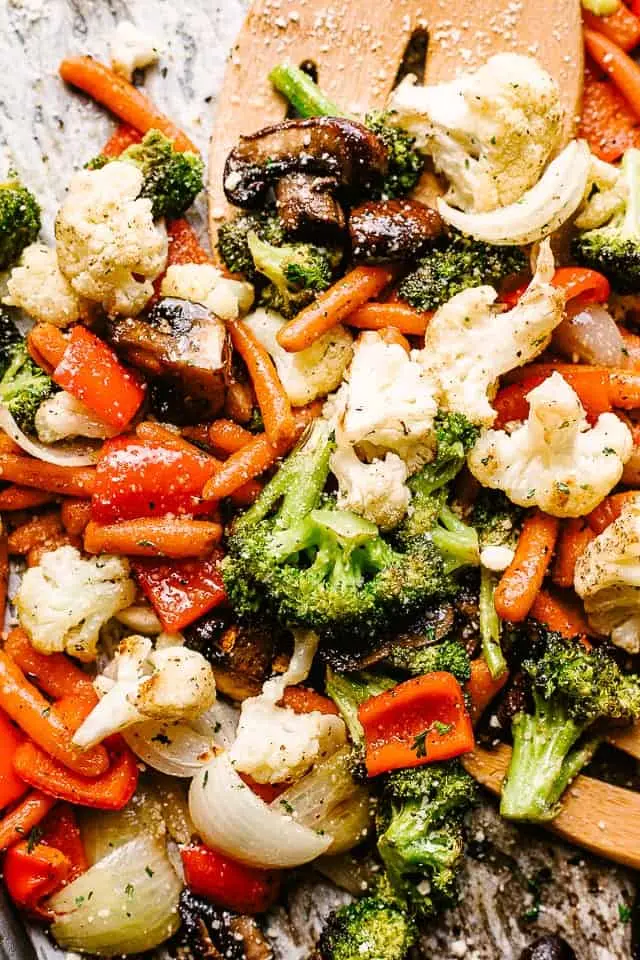
These easy Oven Roasted Vegetables are perfectly tender and packed with flavor! Plus, this method for roasting vegetables can be adapted to fit any veggies you’ve got on hand!
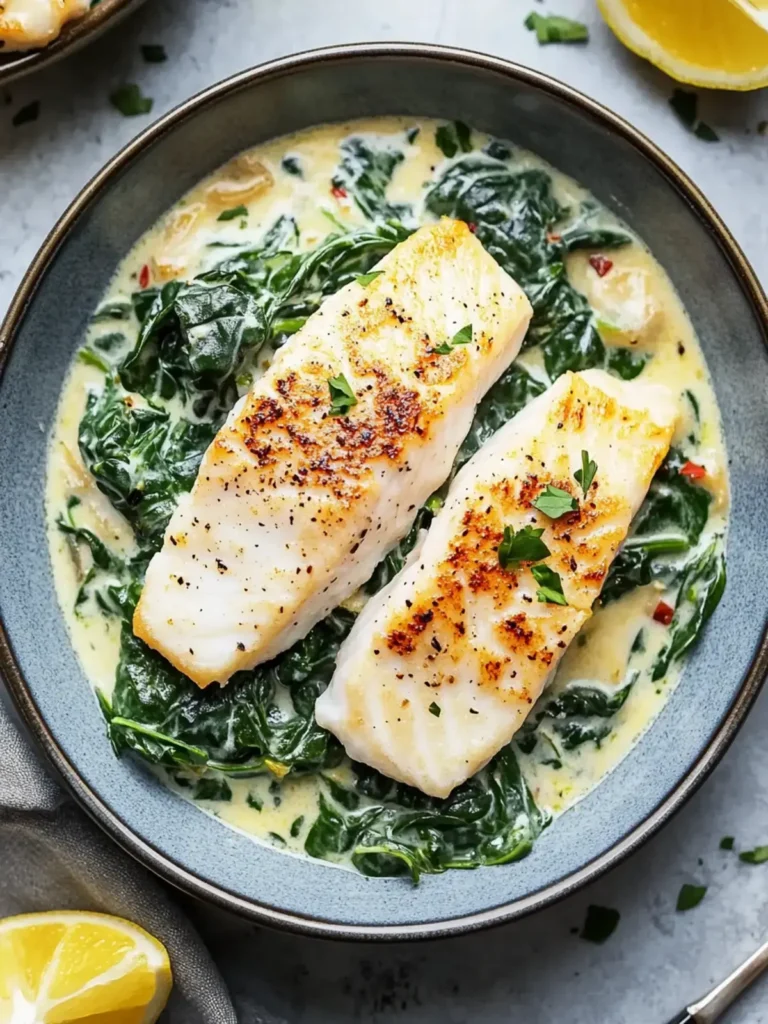
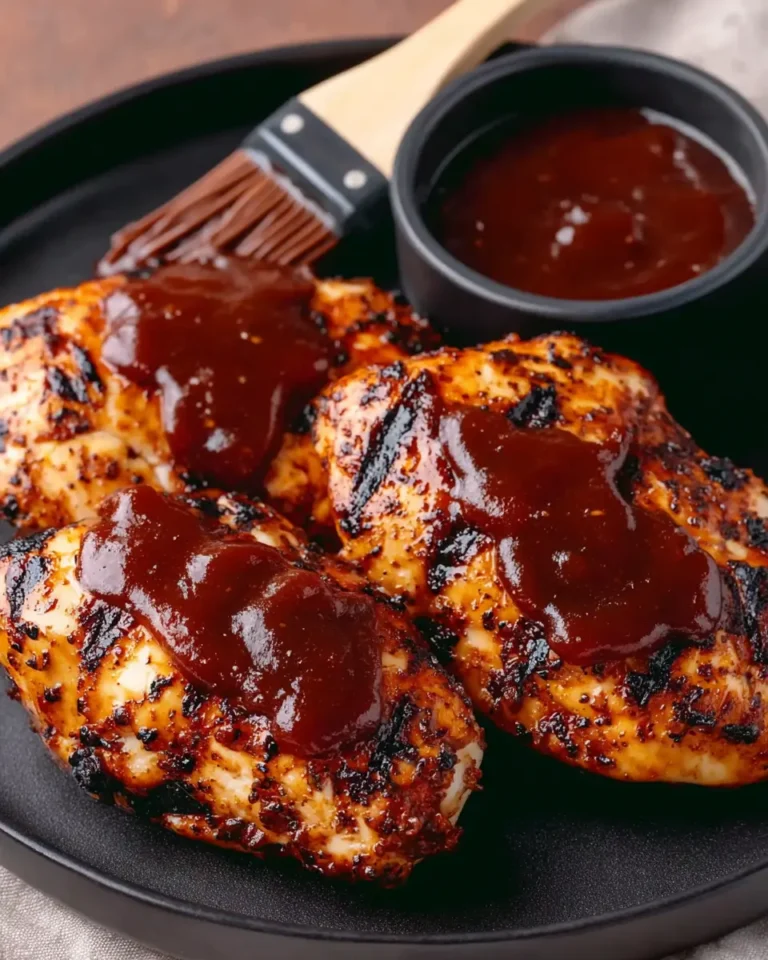
To make a complete meal, pair these perfect roasted vegetables with an easy roast chicken recipe or our stuffed flank steak recipe! The Best Oven Roasted Vegetables are ready in just 20 minutes and pair wonderfully with meat, fish, or rice, offering a tasty addition to any meal. It’s also an ideal option for meal prep, allowing you to roast a large batch on Sunday and conveniently reheat them for quick lunches or dinners throughout the week.
Why You Will Love This Recipe
- Quick Preparation: Dinner is on the table in less than 30 minutes from start to finish, making it perfect for busy weeknights.
- Versatile: This recipe is incredibly adaptable, allowing you to use a wide variety of vegetables based on seasonality or what you have available in your refrigerator.
- Flavorful: Roasting caramelizes the natural sugars in vegetables, creating a deep, savory-sweet taste that is far more exciting than steaming or boiling.
- Healthy & Nutritious: Packed with vitamins, minerals, and fiber, these roasted vegetables make a wholesome and delicious side dish.
- Easy Cleanup: Using parchment paper or foil on the baking sheet significantly simplifies the cleanup process.
Ingredients You Need
For these delicious oven-roasted veggies, we’re using basic ingredients that pack a punch of flavor. This Italian-seasoned recipe combines the perfect blend of fresh vegetables and simple seasonings, creating a harmonious and satisfying side dish that complements a wide range of main courses. The key to their exceptional taste lies in the simple yet effective combination of quality produce and well-chosen aromatics that enhance the natural sweetness and textures of each vegetable.
Easy Oven Roasted Vegetables
These easy Oven Roasted Vegetables are perfectly tender and packed with flavor! Plus, this method for roasting vegetables can be adapted to fit any veggies you’ve got on hand!
- 2 cups broccoli florets
- 2 cups cauliflower florets
- 2 cups sliced baby portobello mushrooms
- 1 cup thin baby carrots
- 1 red bell pepper, chopped
- 1 small yellow onion, cut into 6 wedges
- 2 tablespoons olive oil
- salt and fresh ground pepper, to taste
- 1½ teaspoons Italian Seasoning
- ½ teaspoon garlic powder
- grated parmesan cheese, for garnish (optional)
- chopped fresh parsley, for garnish (optional)
- 1Preheat oven to 425°F. Line a large baking sheet with foil or parchment paper.
- 2Add all the vegetables to the baking sheet. Drizzle olive oil over the veggies and mix with either a wooden spoon or just use your hands.
- 3Season the vegetables with salt, black pepper, Italian Seasoning, and garlic powder; gently toss until thoroughly combined.
- 4Arrange all the veggies in a single layer and bake for 15 to 20 minutes, stirring halfway through cooking. You want to roast the vegetables until they are fork-tender and lightly browned.
- 5Remove the roasted vegetables from the oven. Garnish with parmesan cheese and parsley, and serve.
Keywords: roasted vegetables, side dish, easy recipe, vegetarian, healthy
- broccoli florets: Two cups of fresh broccoli florets form the base, providing a slightly crisp texture and vibrant green color.
- cauliflower florets: Two cups of cauliflower florets offer a tender bite and a mild, slightly nutty flavor that pairs beautifully with broccoli.
- baby portobello mushrooms: Two cups of sliced baby portobello mushrooms add a meaty, umami depth that enriches the overall flavor profile.
- baby carrots: One cup of thin baby carrots brings a natural sweetness and a pop of bright orange color to the mix.
- red bell pepper: One chopped red bell pepper contributes a delightful sweetness and a tender-crisp texture, balancing the other vegetables.
- yellow onion: One small yellow onion, cut into wedges, infuses a subtle sweetness and aroma as it roasts.
- olive oil: Two tablespoons of olive oil are essential for coating the vegetables, ensuring even roasting and preventing them from drying out.
- salt and fresh ground pepper: To taste, these fundamental seasonings enhance all the inherent flavors of the vegetables.
- Italian seasoning: One and a half teaspoons of Italian seasoning provide a fragrant blend of classic herbs like oregano, basil, and thyme.
- garlic powder: Half a teaspoon of garlic powder adds a foundational savory note without the risk of burning fresh garlic.
- grated parmesan cheese: For garnish (optional), a sprinkle of grated parmesan cheese adds a salty, nutty finish.
- chopped fresh parsley: For garnish (optional), fresh chopped parsley offers a burst of freshness and a vibrant green accent.
The specific quantities for each ingredient are detailed within the comprehensive recipe card provided, ensuring you have all the necessary information for success.
Variations
This versatile roasted vegetable recipe is a fantastic canvas for culinary creativity, allowing for delightful variations to suit different dietary needs and flavor preferences. Experimenting with these suggestions can transform a simple side dish into a star attraction.
For a delightful Vegan option, simply omit the optional grated parmesan cheese garnish. You can enhance the umami factor by adding a teaspoon of nutritional yeast along with the other seasonings, or by incorporating a splash of soy sauce or tamari before roasting for an extra layer of savory depth. A drizzle of balsamic glaze after roasting also adds a wonderfully complex sweetness that vegans will adore.
If you’re following a Low Carb lifestyle, this recipe is already quite accommodating, but you can further enhance its suitability. Focus on non-starchy vegetables like broccoli, cauliflower, bell peppers, zucchini, asparagus, and green beans. Consider adding some heart-healthy fats by tossing in some chopped walnuts or slivered almonds during the last 5-10 minutes of roasting for added crunch and flavor.
Embrace international flavors with an Asian-inspired twist. Instead of Italian seasoning, opt for a blend of sesame oil, soy sauce or tamari, grated fresh ginger, and a pinch of red pepper flakes. You could also add some vibrant bok choy or snow peas to the mix during the last few minutes of cooking. A sprinkle of toasted sesame seeds and sliced green onions as a garnish would complete this exciting variation.
How to Prepare Oven Roasted Vegetables
Step 1: Preheat Oven and Prepare Baking Sheet
The initial step in achieving perfectly roasted vegetables involves setting your oven to the ideal temperature and preparing your baking surface. A consistently hot oven is crucial for caramelization and achieving that desirable tender-crisp texture without steaming the vegetables. This foundational step ensures that the heat is distributed evenly from the moment the vegetables hit the pan.
Preheat your oven to a robust 425 degrees Fahrenheit (220 degrees Celsius). This high temperature is key for achieving beautifully roasted vegetables with crispy edges and tender interiors. A baking sheet, preferably a large rimmed one, should be lined with either parchment paper or aluminum foil. Using parchment paper makes cleanup incredibly easy and prevents the vegetables from sticking, while foil offers a similar benefit and can be used to create a packet if desired, though uncovered roasting is generally preferred for browning.
Step 2: Prepare and Season the Vegetables
This is where the magic begins as you transform fresh produce into a flavorful ensemble. Ensure all your chosen vegetables are washed thoroughly and cut into uniform, bite-sized pieces. Uniformity in size is critical to guarantee that all the vegetables cook at the same rate, preventing some from becoming mushy while others remain undercooked.
In a large bowl, combine your prepared vegetables: broccoli and cauliflower florets, sliced mushrooms, baby carrots, chopped red bell pepper, and onion wedges. Drizzle them generously with olive oil, ensuring each piece is lightly coated. This oil acts as a conductor for heat, promoting even browning and preventing sticking. Next, sprinkle the vegetables with salt, freshly ground black pepper, Italian seasoning, and garlic powder. Gently toss everything together with your hands or a large spoon until all the vegetables are thoroughly coated with the oil and seasonings, ensuring every morsel is infused with flavor.
Step 3: Arrange Vegetables on the Baking Sheet
The arrangement of vegetables on the baking sheet is paramount for successful roasting. Overcrowding the pan is a common pitfall that leads to steaming rather than roasting, resulting in soggy, unappealing vegetables. Proper spacing allows hot air to circulate freely around each piece, enabling it to caramelize and develop those delightful crispy edges.
Spread the seasoned vegetables in a single, even layer across the prepared baking sheet. Avoid overlapping the pieces as much as possible; if your baking sheet is too small, it is better to use two separate sheets to ensure adequate space. This single layer allows each vegetable piece direct contact with the hot air, promoting even cooking and that sought-after roasted texture. For optimal results, utilize a large baking sheet, ideally around 12×16 inches, to accommodate the quantity of vegetables without compromise.
Step 4: Roast the Vegetables
Now it’s time to let the oven work its magic, transforming your raw ingredients into a beautifully roasted delight. Place the prepared baking sheet into the preheated oven, ensuring it is positioned in the center rack for balanced heat distribution. This central placement is key to avoiding hot spots and ensuring consistent cooking throughout the entire batch.
Roast for approximately 15 to 20 minutes. Midway through the cooking time, typically around the 8-10 minute mark, carefully remove the baking sheet from the oven. Using a spatula or tongs, gently stir or toss the vegetables to ensure they are browning evenly on all sides. This stirring action promotes uniform caramelization and prevents any single side from becoming overly browned or burnt. Return the baking sheet to the oven to continue roasting until the vegetables are fork-tender and exhibit desirable lightly browned, crispy edges.
Step 5: Check for Doneness and Final Touches
The final stage involves assessing the vegetables’ readiness and adding those finishing touches that elevate the dish from good to exceptional. The goal is to achieve a perfect balance of tenderness and slight crispness, with a hint of charring for added depth of flavor. Your fork should glide easily through the densest vegetable pieces.
To check for doneness, gently pierce a few of the larger vegetable pieces, such as carrots or broccoli stems, with a fork or the tip of a sharp knife. They should be easily pierced and feel tender but not mushy. Look for delightful golden-brown edges on the vegetables, indicating successful caramelization. Once they reach your desired level of tenderness and color, carefully remove the baking sheet from the oven. For an optional flourish, immediately sprinkle the hot roasted vegetables with grated parmesan cheese and freshly chopped parsley. The residual heat will help the cheese melt slightly and the parsley will release its fresh aroma.
Step 6: Serve and Enjoy
The culmination of your efforts is now ready to be savored. The aroma wafting from the freshly roasted vegetables is a testament to their delicious transformation, promising a delightful culinary experience. These vibrant, flavorful vegetables are a testament to the power of simple ingredients and proper cooking techniques.
Serve the oven-roasted vegetables immediately as a delicious and healthy side dish. They pair beautifully with a wide array of main courses, including grilled meats, poultry, fish, or even hearty vegetarian dishes. The warm, slightly caramelized flavors and appealing textures make them a crowd-pleasing addition to any meal, embodying comfort and wholesome goodness in every bite. Enjoy the fruits of your labor with this wonderfully satisfying dish.
Pro Tips for Oven Roasted Vegetables
Achieving perfectly roasted vegetables is a rewarding culinary endeavor, and a few expert tips can elevate your results from good to truly spectacular. These nuggets of wisdom are designed to ensure consistent success and maximize the inherent deliciousness of your chosen produce.
- Don’t Crowd the Pan: This is perhaps the most critical rule for successful roasting. Overcrowding leads to steaming, as the vegetables release moisture that has nowhere to go, hindering browning and resulting in a limp texture. Use a large enough baking sheet or two smaller ones to ensure a single layer of vegetables with ample space between each piece.
- Uniform Cutting is Key: Cut all your vegetables into similarly sized pieces. This ensures that they all cook at the same rate, preventing some from becoming overcooked and mushy while others remain undercooked. For denser vegetables like carrots, consider cutting them smaller or thinner than softer ones like bell peppers.
- High Heat is Your Friend: Roasting at a high temperature, such as 425°F (220°C), is essential for caramelization. This high heat quickly sears the outside of the vegetables, creating those desirable crispy edges and locking in moisture, while simultaneously tenderizing the interior. Don’t be tempted to lower the temperature to speed up cooking time; it will compromise the texture and flavor.
- Embrace the Stir: While it may seem like a small step, stirring the vegetables about halfway through the roasting process makes a significant difference. This simple action exposes different sides of the vegetables to the direct heat of the oven, promoting even browning and preventing any one side from burning. It’s a crucial step for achieving that beautiful, uniform char.
- Season Generously but Thoughtfully: Don’t be shy with your seasonings, but also consider the natural flavors of the vegetables themselves. Salt and pepper are essential, but don’t hesitate to experiment with herbs like rosemary, thyme, or a blend like Herbes de Provence. Garlic powder is a reliable choice for its even distribution and flavor without the risk of burning, unlike fresh garlic in high-heat roasting.
Serving Suggestions for Oven Roasted Vegetables
Decoration
The visual appeal of roasted vegetables can be significantly enhanced with thoughtful garnishes that not only add beauty but also contribute subtle layers of flavor and freshness. A vibrant sprinkle of finely chopped fresh herbs, such as parsley, chives, or cilantro, provides a pop of color and a burst of invigorating aroma that complements the deep, savory notes of the roasted vegetables. A light dusting of smoked paprika or a few red pepper flakes can add a touch of color and a hint of gentle warmth, visually enticing your diners.
For an elegant touch, consider a delicate drizzle of balsamic glaze just before serving. This thick, syrupy reduction adds a beautiful sheen and a complex sweet-and-tangy counterpoint to the roasted flavors. A scattering of toasted nuts or seeds, like slivered almonds, pine nuts, or sunflower seeds, can also provide an attractive textural contrast and a sophisticated finish. Even a sprinkle of a good quality flaky sea salt can add a final touch of sparkle and enhance the overall taste experience.
Side Dishes
Oven roasted vegetables are incredibly versatile, serving as an ideal accompaniment to a vast array of main courses, significantly enhancing the nutritional profile and flavor of any meal. Their hearty, caramelized nature makes them a perfect foil for leaner proteins, providing a satisfying depth that balances lighter fare.
They are a classic pairing with grilled or roasted meats, such as succulent chicken, tender steak, or flavorful pork chops. For seafood lovers, these vegetables complement pan-seared salmon, baked cod, or shrimp scampi beautifully, offering a grounding earthiness to delicate fish flavors. Vegetarians and vegans will find these roasted vegetables to be a substantial and delicious partner to dishes like lentil shepherd’s pie, quinoa bowls, or hearty grain salads. They also pair wonderfully with pasta dishes, such as a creamy Tuscan chicken pasta or a vibrant pesto linguine, adding texture and essential nutrients.
Creative Serving Ideas
Beyond their role as a straightforward side dish, oven-roasted vegetables can be transformed into exciting components of more elaborate culinary creations. Consider repurposing them as a flavorful filling for savory tarts, quesadillas, or even as a topping for homemade pizzas, adding depth and texture to your baked goods.
They can also be blended into creamy soups or purees, offering a rich, earthy base for dishes like butternut squash soup or a hearty root vegetable bisque. For a lighter yet satisfying meal, toss the roasted vegetables with cooked grains like farro or quinoa, add some crumbled feta or goat cheese, and a zesty vinaigrette to create a robust and flavorful grain bowl. You can even chop them finely and incorporate them into frittatas or omelets for a delightful breakfast or brunch option that’s packed with wholesome goodness and vibrant flavor.
Preparation & Storage
Storing Leftovers
Properly storing leftover oven-roasted vegetables ensures they retain their quality and flavor for future enjoyment. Once the vegetables have cooled completely to room temperature, transfer them into an airtight container. This prevents them from drying out and absorbing odors from other foods in the refrigerator.
Store the container in the refrigerator for up to 3 to 4 days. It is important to avoid storing them while still warm, as this can create condensation and lead to a soggy texture. When properly stored, they remain a delicious and convenient option for adding vegetables to meals throughout the week.
Freezing
Freezing oven-roasted vegetables is a viable option for longer-term storage, although it can slightly alter their texture upon thawing. To freeze, ensure the vegetables are completely cooled. Spread them in a single layer on a baking sheet lined with parchment paper and freeze until solid, a process known as flash-freezing.
Once frozen, transfer the solid vegetables into a freezer-safe airtight container or heavy-duty freezer bag. Remove as much air as possible before sealing to prevent freezer burn. Properly frozen roasted vegetables can be stored for up to 2 to 3 months. They are best used in cooked dishes like soups, stews, or casseroles where a slight change in texture is less noticeable.
Reheating
Reheating oven-roasted vegetables effectively can revive their deliciousness and bring back some of their original crispness. The best method for reheating is typically in the oven, as it mimics the original cooking process and helps to re-crisp the vegetables.
Preheat your oven to 400-450°F (200-230°C). Spread the leftover roasted vegetables in a single layer on a baking sheet. Reheat for about 5-10 minutes, or until warmed through and slightly crisped. If you are short on time, you can reheat them in a skillet over medium-high heat, stirring occasionally, until heated through. Avoid microwaving if you desire a crisp texture, as it tends to make vegetables soft and mushy.
Frequently Asked Questions
-
What is the ideal oven temperature for roasting vegetables to achieve optimal caramelization and texture?
The ideal oven temperature for roasting vegetables to achieve optimal caramelization and texture is 425°F (220°C). This high heat is crucial because it allows the natural sugars in the vegetables to caramelize quickly, resulting in sweet, deeply flavored, and slightly browned edges. A hot oven also promotes the evaporation of surface moisture, which is essential for developing a desirable tender-crisp exterior rather than a steamed or soggy consistency. Lower temperatures might cook the vegetables through but will not achieve the same level of flavor development or appealing texture that high-heat roasting provides, making 425°F the sweet spot for this culinary technique.
-
Can I use any vegetables for roasting, and are there any that should be avoided or prepared differently?
You can roast a wide variety of vegetables, and the beauty of this method is its adaptability. Generally, vegetables that benefit from high heat and have a good moisture content for caramelization are excellent choices, including broccoli, cauliflower, bell peppers, onions, zucchini, asparagus, and Brussels sprouts. Harder root vegetables like potatoes, sweet potatoes, and carrots can also be roasted, but they typically require cutting into smaller pieces or a longer cooking time to ensure they become tender. Vegetables with very high water content, such as tomatoes or leafy greens like spinach, might become too mushy if roasted for the entire duration alongside denser vegetables; consider adding them towards the end of the cooking time or roasting them separately. Always aim for uniform cutting to ensure even cooking.
-
What are the best methods for ensuring the vegetables don’t stick to the baking sheet during the roasting process, and how does this impact cleanup?
Preventing vegetables from sticking to the baking sheet is essential for both presentation and ease of cleanup, and there are several effective methods. The most common and highly recommended approach is to line your baking sheet with parchment paper. Parchment paper creates a non-stick barrier that allows vegetables to roast beautifully without adhering to the pan, and it makes cleanup incredibly simple, often requiring just a quick wipe-down of the sheet. Alternatively, aluminum foil can be used, offering similar non-stick properties and making cleanup straightforward. Ensure that the vegetables are adequately coated with oil before roasting, as this also helps to reduce sticking. If you opt not to use parchment paper or foil, a well-oiled baking sheet, perhaps coated with a non-stick cooking spray before adding the vegetables, can also work, but it may require more diligent scrubbing afterwards.