Whole Orange Cake Recipe – Rind and All!

The scent of fresh citrus is truly invigorating, and when combined with the comforting aroma of a freshly baked cake, it creates an unparalleled sensory experience. This particular orange cake recipe has a unique charm, utilizing the entire orange, peel and all, to impart a vibrant, zesty flavor that is both bright and deeply satisfying.
It’s the kind of dessert that feels special enough for an occasion but is delightfully simple to prepare, making it a perfect treat for any day of the week. The process itself is a joy, culminating in a cake that is incredibly moist and bursting with sunshine.
Why You Will Love This Recipe
- Intense Citrus Flavor: Utilizing the whole orange, including the peel, infuses the cake with a rich, authentic orange essence that is far superior to recipes relying solely on juice or zest. This method ensures every bite is a burst of bright, sunny citrus.
- Incredibly Moist Texture: The combination of the whole orange and the specific sugar blend creates a remarkably tender and moist crumb that stays delightful even after a few days. It avoids the dryness that can sometimes plague citrus cakes.
- Effortless Preparation: With the majority of the batter coming together in a blender or food processor, the preparation is astonishingly quick and requires minimal effort. This makes it an ideal choice for busy bakers seeking delicious results without a fuss.
- Beautiful Glazed Finish: The simple yet effective orange glaze not only adds an extra layer of sweetness and citrus punch but also gives the cake a beautiful, professional-looking sheen. It truly elevates the presentation.
- Versatile and Crowd-Pleasing: This cake is universally loved by citrus enthusiasts and is perfect for sharing. Its sunny disposition makes it a fantastic addition to brunches, afternoon tea, or any gathering where a cheerful dessert is welcome.
Ingredients You Need
The success of any baked good hinges on the quality of its ingredients, and this orange cake is no exception. Opting for fresh, high-quality components will ensure the most vibrant flavor and perfect texture. Using organic oranges is recommended when you plan to consume the peel, ensuring a cleaner taste. Ensure your butter is softened to room temperature to facilitate smooth blending, and measure your flour correctly to avoid a dense cake.
Easy Whole Orange Cake

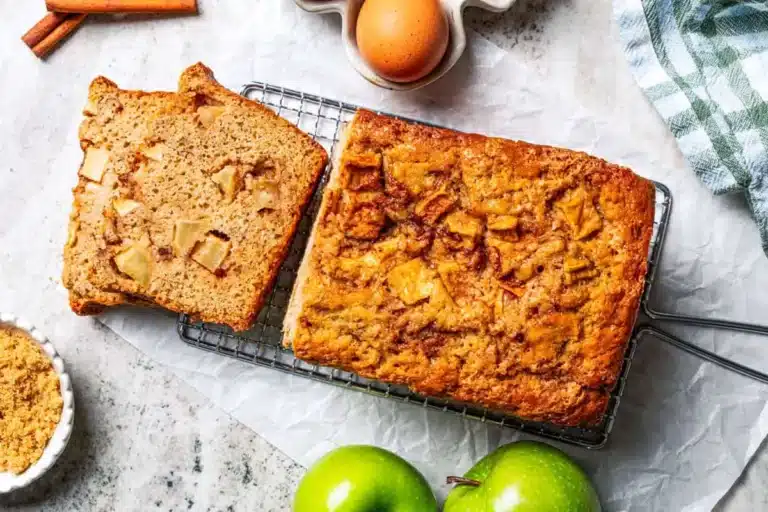
This sunny orange cake recipe uses the whole orange, peel and all! The batter comes together in the blender, and the cake comes out super moist, especially once it’s drenched in glaze. It’s practically bursting with sweet citrus flavor.
- 2 large seedless oranges, preferably organic
- 1 cup granulated sugar
- 3 large eggs, room temperature
- 2 cups all purpose flour
- 2 teaspoons baking powder
- For the orange glaze:
- 2 tablespoons granulated sugar
- For dusting:
- powdered sugar
- 1Preheat oven to 350°F (175°C). Line an 8-inch cake pan with parchment paper.
- 2Cut the oranges into smaller pieces, remove seeds. Add to a food processor with peel, and blend until smooth. If pith is very thick or bitter, peel oranges first, trim pith, then add peel back in before blending.
- 3Add butter, granulated sugar, brown sugar, and eggs to the food processor. Process until smooth.
- 4Stir in flour, baking powder, and salt. It is okay if you see some specks of butter.
- 5Pour batter into the prepared cake pan and bake for 50 minutes.
- 6While cake bakes, make the glaze: Add orange juice and sugar to a small saucepan. Simmer for 4 to 5 minutes, or until syrupy.
- 7Remove cake from oven. While still warm, brush glaze evenly over the top.
- 8Cool cake completely before dusting with powdered sugar and slicing.
Keywords: orange cake, citrus cake, whole orange, blender cake, moist cake, glaze, dessert, baking
The exact quantities for all these wonderful ingredients can be found in the recipe card below.
Variations
While this orange cake recipe is already a triumph in its classic form, it also lends itself beautifully to a variety of creative modifications. These variations allow you to tailor the cake to different dietary needs or flavor preferences, ensuring everyone can enjoy this delightful treat.
For a completely vegan interpretation, you can easily adapt this recipe. Substitute the eggs with a flax egg (1 tablespoon ground flaxseed mixed with 3 tablespoons water, allowed to sit for 5 minutes) or a commercial egg replacer. For the butter, use a high-quality vegan butter substitute or coconut oil. Ensure your sugar is vegan-certified if strict adherence is required, as some white sugars are processed with bone char. The result will still be a wonderfully moist and flavorful orange cake, perfect for those following a plant-based lifestyle.
If you’re following a low-carb or ketogenic diet, you can transform this recipe by swapping out the traditional sugars and flour. Use a blend of erythritol and stevia or monk fruit sweetener for sweetness, adjusting to your taste. For the flour component, almond flour and coconut flour are excellent substitutes. You might need to adjust the liquid content slightly, as these flours absorb moisture differently. This allows for a delicious, citrus-infused cake that fits within your dietary goals.
Elevate the citrus experience by incorporating other complementary flavors. Consider adding a teaspoon of ground cardamom or a pinch of ginger to the batter for a warm, spicy undertone that pairs wonderfully with orange. For an extra layer of complexity, a tablespoon of finely chopped candied ginger can be folded into the batter before baking, offering delightful little bursts of heat and sweetness. These subtle additions can transform the cake into something truly unique and memorable.
How to Prepare orange cake recipe
Step 1: Preparing the Oranges and Oven
The journey to this delightful orange cake begins with a crucial step: preparing your whole oranges. It’s essential to select seedless oranges if possible, to avoid any unexpected bitterness or texture issues. If your chosen oranges do contain seeds, taking a moment to remove them will greatly enhance the final product. After selecting your oranges, give them a thorough rinse and scrub under cool running water.
This cleaning process is vital, especially since you’ll be using the entire fruit, including the peel. Removing any dirt or residual pesticides ensures that the flavor profile remains pure and unadulterated. Once cleaned, proceed to cut the oranges into smaller, manageable pieces. These smaller chunks will blend much more effectively in the next stage, ensuring a smooth and homogeneous batter.
Simultaneously, it’s time to preheat your oven to the specified temperature of 350°F (175°C). This ensures that your oven is at the optimal temperature when the batter is ready, promoting even baking. As the oven heats, line an 8-inch cake pan with parchment paper, making sure to cover both the bottom and the sides. This preparation prevents the cake from sticking and makes for a much easier removal after baking.
Step 2: Blending the Citrus Base
With your oven preheating and your oranges prepped, the next pivotal step involves transforming those orange pieces into a smooth puree. Take the cut orange pieces, including their peels, and place them into a food processor or a high-powered blender. The goal here is to break down the entire orange into a fine, consistent pulp. This intensive blending ensures that the fibrous peel is broken down sufficiently, so it integrates seamlessly into the batter without creating an unpleasant texture.
It is important to blend until the mixture is as smooth as possible. You should be able to achieve a texture that resembles a thick sauce or a very fine marmalade. If you notice that the white pith underneath the peel is particularly thick or has a pronounced bitter quality, you may choose to lightly peel the oranges before blending, trimming away some of the pith. However, the intention of this recipe is to embrace the whole fruit, so try to retain as much of the peel as you comfortably can for maximum flavor.
This stage is where the characteristic flavor of the cake truly begins to develop. The essential oils in the orange peel are released during the blending process, contributing significantly to the cake’s bright and complex citrus notes. Ensure that no large chunks of peel remain, as these could result in a gummy or tough texture in the final baked product. A well-blended citrus base is key to achieving that signature orange cake essence.
Step 3: Incorporating Wet and Dry Ingredients
Once your oranges have been transformed into a smooth puree, it’s time to introduce the remaining wet ingredients to create the cake’s rich batter. To the orange mixture in the food processor or blender, add the softened unsalted butter. The butter should be at room temperature, which allows it to blend smoothly into the other ingredients without leaving any large, unmelted lumps. Following the butter, add the granulated sugar and the brown sugar.
The combination of both types of sugar contributes to both moisture and a subtle depth of flavor. Next, incorporate the three large eggs. Ensure these eggs are also at room temperature; this helps them emulsify better with the other ingredients, leading to a more cohesive and stable batter. Process all these ingredients together until the mixture is thoroughly combined and appears smooth and well-emulsified. It’s at this point that you might observe some small specks of butter, which is perfectly normal and acceptable; these will melt and integrate during the baking process.
After achieving a smooth wet mixture, it’s time to introduce the dry ingredients. In a separate bowl, gently combine the all-purpose flour, baking powder, and salt. Whisk these together lightly to ensure the baking powder and salt are evenly distributed throughout the flour. This even distribution is crucial for proper leavening and seasoning. Carefully add this dry mixture to the food processor or blender containing the wet ingredients. Pulse or blend on a low speed until just combined; be careful not to overmix at this stage, as overmixing can develop the gluten in the flour, potentially leading to a tougher cake.
Step 4: Baking the Cake
With your beautifully blended batter ready, the next step is to transfer it into the prepared cake pan. Pour the orange cake batter evenly into the parchment-lined 8-inch cake pan. Use a spatula to scrape every last bit of batter from the processor or blender, ensuring you don’t waste any of this precious mixture. Gently smooth the top of the batter with your spatula to create an even surface, which will promote uniform baking.
Carefully place the filled cake pan into the preheated oven. Bake the cake at 350°F (175°C) for approximately 50 minutes. The baking time can vary slightly depending on your oven, so it’s a good idea to start checking for doneness around the 45-minute mark. The cake is ready when a wooden skewer or toothpick inserted into the center comes out clean, indicating that the internal structure has set properly.
The aroma that fills your kitchen during this baking time is simply divine, a testament to the potent orange essence. Resist the urge to open the oven door too frequently, as this can cause the oven temperature to fluctuate, potentially affecting how the cake rises and bakes. Patience is key here, allowing the heat to work its magic and transform the liquid batter into a perfectly golden, tender cake. Once baked, remove the cake from the oven and place it on a wire rack to begin the cooling process, but do not let it cool completely in the pan before glazing.
Step 5: Crafting the Orange Glaze
While your orange cake is baking or just as it comes out of the oven, it’s the perfect time to prepare the simple yet impactful orange glaze. This glaze is what truly elevates the cake, adding an extra layer of bright citrus flavor and a beautiful glossy finish. In a small saucepan, combine the freshly squeezed orange juice and the granulated sugar. Using freshly squeezed juice will provide the most vibrant and authentic orange flavor, free from any artificial notes.
Place the saucepan over medium heat and stir the mixture continuously. The goal is to dissolve the sugar completely into the orange juice. Once the sugar has dissolved, continue to simmer the mixture gently for about 4 to 5 minutes. During this simmering period, the liquid will reduce slightly and thicken to a syrupy consistency. You’re looking for a glaze that is thick enough to coat the back of a spoon but still pourable and easily brushable.
The consistency is important; too thin and it will run off the cake, too thick and it will be difficult to spread evenly. Keep a close eye on it during these few minutes of simmering to achieve the perfect texture. Once it reaches the desired syrupy consistency, remove the saucepan from the heat. The glaze should be warm and ready to be applied to the cake as soon as it emerges from the oven, allowing it to soak into the warm cake for maximum flavor absorption.
Step 6: Glazing and Cooling the Cake
As soon as the warm orange cake emerges from the oven, it’s time for the magical transformation that the glaze provides. While the cake is still hot and resting in its pan on the wire rack, take your warm orange glaze and begin brushing it evenly over the entire top surface. Use a pastry brush or a silicone brush for this task, ensuring you cover every inch of the cake. The warmth of the cake will help the glaze to absorb beautifully into the crumb, infusing it with even more citrus goodness.
Don’t be afraid to apply a generous amount of glaze; this is where a lot of that intense orange flavor comes from. You should see the glaze slowly soak into the cake, creating a slightly sticky, glistening finish. Once you’ve applied the glaze generously and evenly across the top, allow the cake to cool in the pan for about 10-15 minutes before attempting to remove it. This initial cooling period helps the cake to firm up slightly, making it easier to handle.
After this initial cooling, carefully invert the cake onto the wire rack, remove the parchment paper, and let it cool completely. This step is critical. Slicing into a warm cake can lead to it crumbling apart, as the structure hasn’t fully set. Allowing it to cool completely ensures that the cake is stable and ready to be sliced and served. Once fully cooled, you can dust it with a light layer of powdered sugar for an extra touch of elegance and sweetness before slicing and enjoying this delightful creation.
Pro Tips for orange cake recipe
Use Oranges with Thin Peels: For the absolute best flavor and texture, opt for oranges with thinner peels. These tend to have less of the bitter white pith, which is the primary source of bitterness in the cake. Valencia oranges or Cara Cara oranges are often good choices due to their thinner skins. This simple selection makes a noticeable difference.
Remove Excess White Pith: If you notice that your oranges have a particularly thick white rind, don’t hesitate to carefully trim away some of this pith with a sharp knife before blending. While the recipe utilizes the whole orange, excessive pith can impart an undesirable bitterness. A little careful trimming can go a long way in ensuring a perfectly balanced citrus flavor profile in your finished cake. Be precise and only remove what is necessary.
Don’t Fear Butter Specks: It’s perfectly normal if you notice small specks of butter remaining in the batter after processing the wet ingredients. These are unlikely to fully emulsify at this stage, but they will melt and integrate seamlessly into the cake as it bakes in the oven. Embrace these little flecks; they are a sign that you’re on the right track to a moist and delicious cake.
Cool Completely Before Slicing: Patience is a virtue, especially when it comes to slicing your freshly baked orange cake. It’s imperative to allow the cake to cool down completely on a wire rack before you even think about cutting into it. This allows the cake’s structure to fully set, preventing it from falling apart or crumbling when sliced. A fully cooled cake will slice cleanly, showcasing its beautiful texture.
Boost Orange Flavor with Zest: For an even more intense and nuanced orange flavor, consider adding fresh orange zest to the batter. A tablespoon or two of finely grated zest, rubbed into the sugar before adding to the blender, can release aromatic oils that significantly enhance the citrus aroma and taste. This is an optional step, but highly recommended for true orange aficionados.
Serving Suggestions for orange cake recipe
Decoration
The simplest and most classic decoration for this orange cake is a light dusting of powdered sugar. Use a fine-mesh sieve to create an even, snowy layer over the top of the cooled cake. For a touch more elegance, you could pipe a simple glaze border around the edges or place a few thin slices of candied orange peel on top. A few fresh mint leaves can also add a pop of color and freshness, providing a lovely visual contrast to the golden cake.
Side Dishes
This vibrant orange cake pairs beautifully with a variety of complementary flavors and textures. A dollop of freshly whipped cream or a spoonful of thick Greek yogurt provides a creamy, cooling contrast to the cake’s zesty sweetness. For a more decadent experience, consider serving it with a scoop of vanilla bean ice cream or a rich crème anglaise. A small bowl of fresh berries, like raspberries or strawberries, also offers a refreshing counterpoint.
Creative Serving Ideas
Transform this delightful orange cake into an impressive dessert by serving it as part of a tiered dessert stand during afternoon tea. Another creative idea is to cut it into small squares and serve them as elegant petit fours at a party, perhaps with a tiny sprig of rosemary for an unexpected herbal note. For a brunch setting, consider making mini orange cakes in muffin tins, perfect for individual servings and easier to handle. You could even serve a slice alongside a warm cup of [https://easycookfeed.com/drinks/](https://easycookfeed.com/drinks/) for a perfect pairing.
Preparation & Storage
Storing Leftovers
To keep your delicious orange cake fresh for as long as possible, proper storage is key. Once completely cooled, store the cake in an airtight container. You can place the container on your kitchen counter if you plan to consume the cake within 2-3 days. The moisture from the whole orange helps to keep it from drying out quickly at room temperature. Ensure the container is truly airtight to prevent it from drying out or absorbing other odors from your kitchen.
If you find you have more cake than you can enjoy within a few days, or if your kitchen tends to be quite warm, refrigerating the cake can extend its freshness. Place the airtight container in the refrigerator for an additional day or two. While refrigeration can sometimes slightly alter the texture, making it a bit firmer, it’s a reliable method for longer preservation. Remember to bring the cake back to room temperature before serving for the best flavor and texture.
For even longer storage, consider freezing portions of the cake. This is an excellent option if you want to have this delightful treat on hand for future cravings or unexpected guests. Properly frozen cake can maintain its quality for a significant period, allowing you to enjoy it weeks or even months after baking. The key to successful freezing lies in thorough preparation and secure packaging.
Freezing
Freezing this orange cake is a straightforward process that ensures you can enjoy its citrusy goodness long after it’s baked. You have the option to freeze the entire cake or individual slices, depending on what is most convenient for you. For whole cakes, wrap them tightly first in a layer of plastic wrap, ensuring no air pockets are present. Then, add a second protective layer of aluminum foil or place the wrapped cake inside a freezer-safe bag or airtight container.
If freezing individual slices, wrap each slice securely in plastic wrap, followed by a layer of foil or placing them in a freezer-safe container. This double-layer protection is crucial for preventing freezer burn, which can affect the cake’s texture and flavor. Label the frozen cake or slices with the date they were frozen to keep track of freshness. Properly frozen, this orange cake can last for up to 2 months.
When you are ready to enjoy your frozen cake, the thawing process is just as important as the freezing. It’s best to thaw the cake slowly at room temperature. Avoid thawing it in the microwave, as this can lead to uneven heating and affect the texture. Allow ample time for the cake to come back to its intended softness and moisture level before slicing and serving. This gradual thawing process helps to maintain the cake’s integrity.
Reheating
Reheating this orange cake is typically only necessary if it has been refrigerated and you prefer it at a slightly warmer temperature, or if you’re reheating slices from frozen. For slices that have been refrigerated, a brief stint at room temperature is usually sufficient. If you desire a slightly warm slice, you can gently warm it in a low oven for a few minutes or even briefly in a microwave on a very low power setting, being extremely careful not to overheat it. A few seconds at a time is best.
If you’re reheating slices that were previously frozen and thawed, the process is similar. You’re aiming for a gentle warming to restore some of the cake’s original softness. A toaster oven set to a low temperature (around 300°F or 150°C) can work well for a few minutes. Alternatively, a microwave on its lowest defrost setting for short intervals will also do the trick, but monitor it closely. The goal is to warm, not cook, the cake further.
The glaze on the cake might soften or become slightly more liquid when gently reheated, which is perfectly fine and can even enhance the moistness. If you’re concerned about texture changes, it’s often best to enjoy this cake at room temperature, as it’s specifically designed to be moist and flavorful without the need for reheating. For most occasions, the cake is at its absolute best when served at room temperature after proper thawing or cooling.
Frequently Asked Questions
-
Can I use pre-packaged orange juice instead of freshly squeezed for the glaze?
Yes, you can use pre-packaged orange juice for the glaze, but it’s highly recommended to opt for 100% pure orange juice that is not from concentrate and is found in the refrigerated section. This will provide a fresher, more vibrant flavor compared to shelf-stable juices, which can sometimes have a slightly artificial or overly sweet taste. If using concentrate, ensure it is fully reconstituted according to package directions before using it in the glaze. The goal is to replicate the bright, natural flavor of fresh oranges as closely as possible for the best glaze outcome.
-
What is the best way to ensure the cake doesn’t taste bitter from the orange peel?
The bitterness from the orange peel primarily comes from the white pith. To minimize this, it’s crucial to select oranges with thin skins, as they typically have less pith. If your oranges have a noticeably thick white rind, you can carefully trim away as much of this pith as possible with a sharp knife before blending the oranges. Additionally, ensuring the oranges are thoroughly blended until smooth helps to break down the peel’s structure, making any residual pith less noticeable. Finally, using organic oranges can also help ensure a cleaner flavor profile as they are less likely to have residual pesticides.
-
Can this orange cake recipe be made gluten-free?
Yes, this orange cake recipe can be adapted to be gluten-free, although it may require some adjustments to achieve the perfect texture. You would typically substitute the all-purpose flour with a gluten-free flour blend that contains xanthan gum, which helps to bind the ingredients and mimic the structure that gluten provides. Almond flour and a small amount of coconut flour can also be used, but be aware that this might alter the moisture content and density of the cake. It’s advisable to use a reputable gluten-free all-purpose flour blend designed for baking cakes to achieve the best results, and you might need to slightly adjust the baking time.