One-Pot Creamy Garlic Butter Pasta with Shrimp Easy Weeknight Recipe
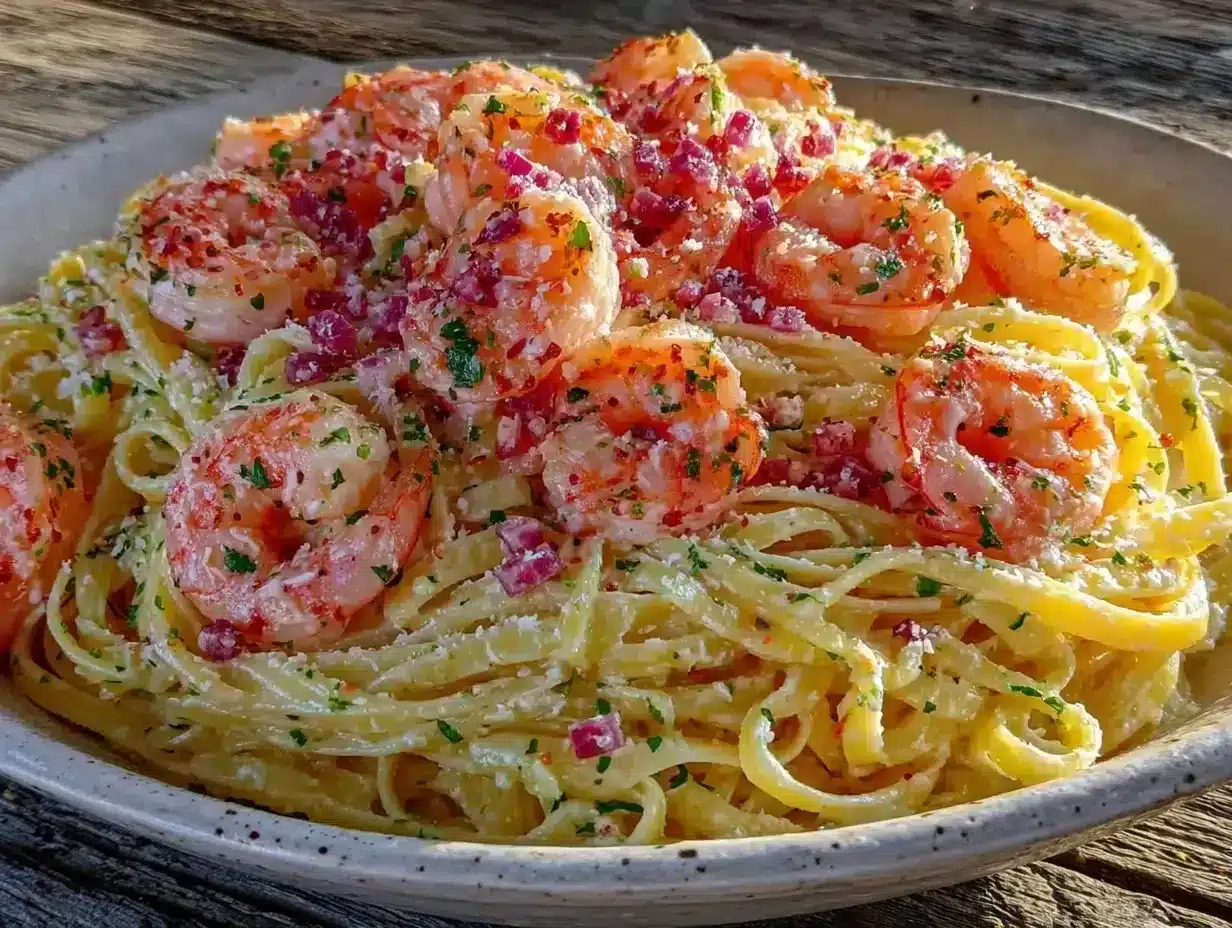
One Tuesday night, I found myself staring at a fridge full of random ingredients, the clock ticking closer to dinnertime. Between work emails and a ringing phone, the last thing I wanted was a complicated meal. That’s when I threw together what I now call my One-Pot Creamy Garlic Butter Pasta with Shrimp.
I was skeptical at first—shrimp and pasta in one pot? Would it be mushy? Bland? Nope. It turned out rich, creamy, and packed with garlicky goodness, and best of all, cleanup was a breeze. Since then, this has been my go-to for busy weeknights when I want something comforting but don’t have time (or energy) to babysit the stove.
Why You Will Love This Recipe
- Minimal Cleanup: Only one pot to wash! That means less time scrubbing and more time relaxing after dinner. I’ve done this after long days when the last thing I wanted was a mountain of dishes.
- Speedy Prep and Cook Time: From start to finish, it takes about 25 minutes. I can literally throw this together after work and have dinner on the table before my favorite show starts.
- Balanced Flavors: The garlic butter sauce is rich but not heavy, with just enough creaminess to coat the pasta. The shrimp add a fresh, briny pop that makes the dish feel special without extra fuss.
- One-Pot Cooking Magic: Cooking the pasta right in the sauce-infused liquid means the noodles soak up tons of flavor. No bland pasta here.
- Flexible and Customizable: Don’t have shrimp? Swap for chicken or mushrooms. Want more veggies? Toss in spinach or cherry tomatoes toward the end.
Ingredients You Need
Each ingredient in this one-pot pasta dish plays a vital role in creating its signature rich and creamy texture. I always opt for fresh, high-quality components to ensure the best flavor development. The combination of butter, garlic, cream, and Parmesan cheese forms the luscious sauce that coats every strand of pasta.
One-Pot Creamy Garlic Butter Pasta with Shrimp
A quick and easy one-pot pasta recipe featuring tender shrimp in a rich, creamy garlic butter sauce. Perfect for busy weeknights with minimal cleanup.
- 1 pound large shrimp, peeled and deveined
- 4 tablespoons unsalted butter
- 4 cloves garlic, minced
- 3 cups chicken broth
- 1 cup heavy cream
- 1 cup freshly grated Parmesan cheese
- 8 ounces uncooked pasta (fettuccine or linguine)
- Salt and black pepper, to taste
- 2 tablespoons fresh parsley, chopped (optional)
- Red pepper flakes (optional)
- Lemon zest or juice (optional)
- Sautéed spinach or cherry tomatoes (optional)
- 1Prep your ingredients: peel and devein shrimp if needed. Mince garlic, grate Parmesan, and chop parsley. Measure out liquids and pasta.
- 2Melt butter in a large skillet over medium heat. Add minced garlic and sauté until fragrant and lightly golden, about 1-2 minutes. Avoid burning the garlic.
- 3Pour in chicken broth and heavy cream, stir to combine. Add a pinch of salt and black pepper. Bring mixture to a gentle boil.
- 4Add uncooked pasta, pressing it down gently to submerge most of it in the liquid.
- 5Reduce heat to medium-low and cover with a lid. Let pasta cook, stirring occasionally, for 10-12 minutes until noodles are tender but al dente.
- 6Nestle shrimp into the sauce and cook uncovered for 3-5 minutes, flipping once, until shrimp are pink and opaque.
- 7Remove pan from heat. Stir in grated Parmesan cheese until melted and sauce thickens. Adjust seasoning with salt, pepper, or red pepper flakes if using.
- 8Garnish with chopped parsley and lemon zest or juice if desired. Serve immediately.
Keywords: one-pot pasta, creamy garlic butter pasta, shrimp pasta, easy weeknight dinner, quick pasta recipe, garlic butter sauce, creamy pasta
- large shrimp: 1 pound / 450g, peeled and deveined, fresh or thawed frozen
- unsalted butter: 4 tablespoons / 56g
- garlic: 4 cloves, minced
- chicken broth: 3 cups / 720ml
- heavy cream: 1 cup / 240ml
- Parmesan cheese: 1 cup / 100g, freshly grated
- uncooked pasta: 8 ounces / 225g, fettuccine or linguine
- salt: to taste
- black pepper: to taste
- fresh parsley: 2 tablespoons, chopped (optional garnish)
- red pepper flakes: a pinch (optional, for heat)
- lemon zest or juice: for brightness (optional)
The exact quantities for all these wonderful components are readily available in the detailed recipe card above. Ensure you have everything measured out before you begin for a seamless cooking experience.
Variations
This versatile one-pot pasta is a fantastic base for countless culinary explorations. For instance, you can easily transform it into a delightful vegan creation by substituting the butter with olive oil or vegan butter, the heavy cream with full-fat coconut milk or a cashew cream, and the Parmesan with nutritional yeast for that cheesy depth. The shrimp can be replaced with heartier vegetables like broccoli florets or asparagus spears, sautéed until tender-crisp before adding to the sauce.
If you are following a low-carb lifestyle, this dish can also be adapted. Consider using zucchini noodles (zoodles) or shirataki noodles instead of traditional pasta. Ensure you cook the vegetables and shrimp separately or add them in the final stages to prevent them from becoming overcooked and mushy. A sprinkle of toasted slivered almonds or pine nuts can add a satisfying crunch and healthy fats.
Another exciting avenue is to amp up the spice factor. Introduce some red pepper flakes with the garlic at the beginning of the cooking process for a gentle warmth, or swirl in a tablespoon of your favorite hot sauce or a dash of sriracha just before serving. For an extra layer of flavor, consider adding a tablespoon of Dijon mustard to the sauce base for a subtle tang that cuts through the richness.
How to Prepare One-Pot Creamy Garlic Butter Pasta with Shrimp
Step 1: Gather and Prepare Your Ingredients
The initial phase of crafting this delightful one-pot pasta involves meticulously gathering and preparing all the necessary components. Begin by ensuring your shrimp are properly peeled and deveined; if using frozen, allow them ample time to thaw completely, and pat them dry thoroughly to prevent excess moisture from diluting the sauce. Mince your garlic finely, aiming for uniform pieces so they infuse the butter evenly. Grate your Parmesan cheese fresh for the silkiest melt, and chop your parsley for a vibrant garnish. Having everything measured and within easy reach streamlines the entire cooking process, transforming a potentially chaotic kitchen into an organized culinary workspace.
Tip: Pre-measuring your liquids, such as the chicken broth and heavy cream, is crucial for accurate sauce consistency. This careful preparation ensures that the pasta will cook perfectly in the broth without becoming gummy or too stiff. It’s the small details that make a significant difference in the final outcome of this elegant yet simple dish.
Having all your ingredients prepped and ready to go before you even turn on the stove is a hallmark of efficient cooking. This mise en place approach minimizes stress and allows you to focus on the subtle nuances of flavor development as you cook. For those moments when even this feels like too much, you might find solace in the simplicity of recipes like the classic breakfast sausage and egg casserole, which requires minimal active preparation.
Step 2: Build the Flavor Base with Garlic Butter
Melt the unsalted butter in a large, deep skillet or a wide sauté pan over medium heat. As the butter liquefies and begins to shimmer, add the minced garlic to the pan. Sauté the garlic gently, stirring constantly with a wooden spoon or silicone spatula, for approximately 1 to 2 minutes, or until it becomes wonderfully fragrant and develops a pale golden hue. It is absolutely critical to watch the garlic very closely during this stage, as it can burn quickly, which will impart a bitter and unpleasant taste to your entire dish. The goal is to release its aromatic oils, not to char the cloves.
The Best Part: The intoxicating aroma that fills your kitchen as the garlic infuses the melting butter is simply divine. This foundational step is where the magic truly begins, setting the stage for the creamy, savory sauce that will envelop the pasta and shrimp. This aromatic foundation is key to the dish’s overall success and satisfying flavor profile.
Once the garlic has reached its fragrant peak, you are ready to introduce the liquids that will not only form the sauce but also cook your pasta. This careful layering of flavors ensures a depth that you wouldn’t expect from such a straightforward preparation method. It’s this attention to detail that elevates a simple weeknight meal into something truly special.
Step 3: Introduce Liquids and Pasta to the Pan
With the garlic butter base perfectly fragrant and just beginning to turn golden, it’s time to introduce the liquid elements that will create your luscious sauce and cook the pasta. Pour in the measured chicken broth, followed by the heavy cream. Stir these liquids together thoroughly with your spoon or spatula, ensuring they are well combined with the garlic butter. This amalgamation of ingredients begins the transformation into a rich, creamy sauce that will cling beautifully to the pasta.
Season this mixture with a good pinch of salt and a generous grind of black pepper. The salt will help to enhance all the other flavors in the dish, while the pepper adds a subtle warmth. Bring this liquid concoction to a gentle boil over medium heat. It’s important to achieve a rolling simmer so that the pasta can cook efficiently and evenly when it’s added.
As soon as the liquid reaches a rolling boil, carefully add your uncooked pasta directly into the skillet. If you are using long pasta like fettuccine or linguine, it might not immediately submerge. Gently press down on the noodles with your spoon or spatula, encouraging them to soften and sink into the boiling liquid. This ensures that the majority of the pasta is in contact with the flavorful broth, which is essential for proper cooking and sauce absorption.
Step 4: Simmer the Pasta to Al Dente Perfection
Once the pasta has been added and mostly submerged in the boiling liquid, immediately reduce the heat to medium-low. Cover the skillet tightly with a lid to trap the steam, which is crucial for cooking the pasta evenly and efficiently within the sauce. Allow the pasta to simmer gently for approximately 10 to 12 minutes, or until it reaches that perfect al dente texture – tender but with a slight, pleasant bite. During this simmering period, it is important to stir the pasta occasionally to prevent the noodles from sticking to the bottom of the pan or clumping together.
Crucial Step: The combination of the cream and broth working together as the pasta cooks creates a thick, flavorful sauce. As the pasta absorbs the liquid, it releases starches, which further contribute to the sauce’s body and silkiness. This is the core of the one-pot magic, where the starch from the pasta naturally thickens the sauce without the need for separate thickening agents.
Keep a close eye on the liquid level during this process. If it seems to be reducing too quickly, you can add a tablespoon or two of extra broth or water to maintain sufficient moisture. Conversely, if after the pasta is cooked it seems a bit too watery, you can remove the lid and let it simmer for another minute or two to allow some of the excess liquid to evaporate. The goal is a sauce that beautifully coats the pasta without being soupy.
Step 5: Cook the Shrimp and Finish the Sauce
When the pasta has just reached its desired al dente stage, it’s time to introduce the star protein: the shrimp. Carefully nestle the prepared shrimp into the sauce, distributing them evenly amongst the pasta. Ensure they are submerged as much as possible in the hot liquid. Cook the shrimp uncovered for a brief period of 3 to 5 minutes, flipping them halfway through. They cook very rapidly; you will know they are done when they turn pink and opaque and curl slightly into a C-shape.
Warning: Overcooked shrimp can quickly become rubbery and tough, so vigilance is key during this final cooking stage. The residual heat from the sauce and pasta will continue to cook them slightly even after you remove the pan from the heat, so err on the side of slightly undercooked when you first add them. This ensures they remain tender and succulent.
Once the shrimp are perfectly cooked, remove the skillet from the heat. This is important because high heat can cause the cheese to become oily. Add the freshly grated Parmesan cheese to the pan. Stir gently and continuously until the cheese has completely melted into the sauce, creating a wonderfully rich and creamy texture. Taste the sauce now and adjust the seasoning with additional salt, black pepper, or red pepper flakes if you desire more heat. This final seasoning adjustment ensures the dish is perfectly balanced to your preference.
Step 6: Garnish and Serve Immediately
The final step involves adding a touch of freshness and visual appeal to your masterpiece. Sprinkle the chopped fresh parsley over the top of the pasta and shrimp. If you opted for lemon zest or a squeeze of fresh lemon juice, now is the time to add it. The bright citrus notes cut through the richness of the sauce and add a delightful lift to the entire dish, making it taste even more vibrant and complex. A final light dusting of black pepper can also be a nice finishing touch.
The Ultimate Experience: Serve this glorious One-Pot Creamy Garlic Butter Pasta with Shrimp immediately while it is piping hot and the sauce is at its creamiest. The textures and flavors are at their peak when fresh from the pan. This dish is incredibly satisfying on its own but also pairs beautifully with a crisp green salad or some crusty bread for soaking up any extra sauce.
Enjoy every last creamy, garlicky bite! This recipe truly embodies the spirit of effortless yet elegant home cooking, proving that delicious meals don’t require complicated steps or endless cleanup. It’s a testament to the power of simple ingredients prepared with care.
Pro Tips for One-Pot Creamy Garlic Butter Pasta with Shrimp
To ensure this recipe consistently turns out perfectly, especially on busy weeknights, a few key tips can make all the difference. First, the quality of your shrimp is paramount; opt for fresh or good-quality frozen shrimp that have been properly thawed and patted dry to avoid waterlogging your sauce. When cooking the shrimp, add them only during the final few minutes of the pasta’s cooking time, as they cook extremely quickly and can easily become tough if overdone. This precise timing is crucial for that melt-in-your-mouth tenderness.
Secondly, managing the heat and stirring is essential for one-pot pasta dishes. Keep the heat at a consistent medium-low to allow the pasta to cook through without the liquid evaporating too quickly. Stirring every few minutes, particularly in the initial stages of pasta cooking, prevents sticking and ensures even cooking. Don’t be tempted to walk away for too long during this phase; a little attention goes a long way in preventing a burnt bottom or gummy noodles. This also applies if you are experimenting with different pasta shapes; always stir to ensure even distribution.
Finally, don’t be afraid to taste and adjust seasonings throughout the process, especially at the end. The saltiness of the broth and Parmesan can vary, so tasting allows you to fine-tune the balance of flavors. If the sauce is too thick for your liking, a splash of extra chicken broth or even a bit of milk can thin it out beautifully. Conversely, if it’s too thin, allowing it to simmer uncovered for an extra minute or two will help it reduce and thicken.
Expert Advice: For an extra layer of depth, consider deglazing the pan with a splash of dry white wine after sautéing the garlic but before adding the broth and cream. Let the wine bubble and reduce for a minute to cook off the alcohol and leave behind its nuanced flavor. This simple step can elevate the sauce from delicious to truly sophisticated, without adding much extra time or complexity.
If you find yourself consistently short on time and craving creamy pasta, the creamy Cajun chicken pasta is another excellent option that offers bold flavors with a similar ease of preparation. It leverages a rich sauce and satisfying protein for a complete meal.
Serving Suggestions for One-Pot Creamy Garlic Butter Pasta with Shrimp
Decoration
The finishing touches are what elevate this dish from simply cooked to beautifully presented. A generous sprinkle of freshly chopped parsley is the classic and most effective garnish, adding a pop of vibrant green color that contrasts beautifully with the creamy sauce and pink shrimp. For an added zing and a touch of elegance, consider zesting a bit of fresh lemon peel directly over the finished dish just before serving. A light drizzle of high-quality extra virgin olive oil can also add a subtle sheen and a delicate fruity note.
If you enjoy a bit of heat, a sprinkle of red pepper flakes not only adds a visual hint of spice but also tantalizes the palate. For a more decadent presentation, consider a final flourish of freshly grated Parmesan cheese, allowing it to melt slightly into the warm pasta. These decorative elements are simple yet impactful, transforming a weeknight meal into something that looks worthy of a restaurant menu.
The aroma alone is captivating, but the visual appeal should match. Think of the colors: the creamy white sauce, the pink of the shrimp, the green of the parsley. It’s a feast for the eyes before it even reaches your lips, and these simple garnishes are key to achieving that inviting look.
Side Dishes
This rich and satisfying pasta dish pairs exceptionally well with light and fresh accompaniments that balance its creaminess. A simple green salad with a bright vinaigrette is always an excellent choice. Think mixed greens, cherry tomatoes, cucumber slices, and perhaps some thinly sliced red onion. The crispness of the greens and the tang of the dressing cut through the richness of the pasta, providing a refreshing counterpoint.
Crusty bread, such as a baguette or ciabatta, is also a fantastic accompaniment. It’s perfect for soaking up every last drop of the delectable garlic butter sauce, ensuring no flavor is left behind. You could even opt for homemade garlic bread for an extra layer of garlicky goodness, though be mindful of not overpowering the main dish. Roasted vegetables, like asparagus, broccoli, or Brussels sprouts, can add another layer of flavor and texture, making the meal more substantial and adding valuable nutrients.
A small bowl of olives or marinated artichoke hearts can also serve as delightful small bites that complement the Mediterranean-inspired flavors of the pasta. These small additions can enhance the overall dining experience and provide a variety of textures and tastes throughout the meal. Consider a simple dish of steamed or sautéed seasonal vegetables, like green beans or peas, for a straightforward and healthy addition.
Creative Serving Ideas
Beyond the traditional bowl, there are several creative ways to serve this One-Pot Creamy Garlic Butter Pasta with Shrimp. For a more elegant presentation, portion the pasta into shallow bowls and top with a few perfectly cooked shrimp fanned out on top. A small dollop of ricotta cheese or a swirl of pesto can add another dimension of flavor and visual interest. For a fun, family-style approach, serve directly from the skillet, placed in the center of the table, allowing everyone to help themselves.
Consider individual ramekins or small casserole dishes for a more formal dinner party. You can top each serving with a sprinkle of toasted breadcrumbs or panko for added texture before briefly broiling them to golden perfection. This adds a delightful crunch and a beautiful golden-brown finish. If you’re serving this for brunch or a light lunch, you could even top individual portions with a perfectly poached or fried egg, its runny yolk creating an even richer sauce.
For a themed meal, think about pairing it with other Italian-inspired dishes. Perhaps some antipasto skewers as an appetizer or a light panna cotta for dessert. The versatility of this pasta dish means it can be the star of a casual weeknight dinner or an elegant gathering with a few thoughtful touches.
Preparation & Storage
Storing Leftovers
Properly storing any delicious leftovers of this creamy pasta is key to maintaining its quality. Once the dish has cooled down to room temperature, transfer any remaining portions into an airtight container. It’s best to ensure the container is well-sealed to prevent the pasta from drying out or absorbing odors from other foods in the refrigerator. Leftovers will typically keep well in the refrigerator for up to three days.
When refrigerating, the sauce may thicken considerably as it cools. This is a natural reaction for creamy sauces and is easily remedied when reheating. Avoid leaving the pasta at room temperature for extended periods, as this can lead to bacterial growth and compromise food safety. Always opt for prompt refrigeration after the meal has concluded.
The rich, creamy nature of the sauce means it holds up reasonably well to refrigeration, but it’s always advisable to consume it within a few days for optimal taste and texture. Consider labeling the container with the date you stored it, so you know exactly how long it’s been in the fridge.
Freezing
Unfortunately, this One-Pot Creamy Garlic Butter Pasta with Shrimp is not ideal for freezing, primarily due to the dairy content in the sauce and the delicate nature of shrimp. When cream-based sauces are frozen and then thawed, they tend to separate, resulting in a grainy or watery texture that is unappealing. Similarly, shrimp can become tough and rubbery after the freezing and thawing process, significantly diminishing their pleasant bite.
If you absolutely must freeze components of this meal for future use, it is best to do so separately. You could cook the pasta al dente and freeze it in a portioned container, then cook the shrimp fresh when you are ready to serve. Alternatively, you could freeze the sauce base (without the shrimp or cooked pasta) and then prepare fresh pasta and shrimp to combine with the thawed sauce. However, for the best possible outcome, it is highly recommended to enjoy this dish fresh.
The texture changes that occur during the freezing and thawing cycle are irreversible for this specific dish. It’s a recipe best enjoyed shortly after preparation to fully appreciate its intended creamy consistency and tender shrimp. For a freezing-friendly pasta option, consider pasta dishes with tomato-based sauces or ragu, which tend to hold up better to the freezing process.
Reheating
Reheating this creamy pasta requires a gentle touch to restore its original deliciousness. The best method is to use a saucepan or skillet over low to medium-low heat. Add the leftover pasta to the pan, along with a splash of chicken broth, milk, or even a little water. Stir gently and continuously as it heats up, allowing the liquid to loosen the thickened sauce and bring it back to a creamy consistency. This method helps to prevent the sauce from breaking or the pasta from becoming dry.
If you are reheating a single serving, the microwave can be a convenient option. Place the leftovers in a microwave-safe dish and add a tablespoon or two of liquid (broth, milk, or water). Cover loosely with a paper towel or microwave-safe lid to prevent splattering. Heat in 30-second intervals, stirring in between, until the pasta is heated through and the sauce is creamy again. Be cautious not to overheat, as this can make the pasta mushy or the shrimp tough.
Avoid reheating in the microwave without adding liquid, as this will almost certainly result in a dry, clumpy dish. The goal is to gently coax the sauce back to its smooth, emulsified state. If you find the sauce is still a bit too thick after reheating, stir in another small splash of liquid until you achieve your desired consistency. For a quicker, single-serving reheat, the stovetop method in a small pan is often preferable for better texture control.
Frequently Asked Questions
-
Can I use frozen shrimp for this recipe?
Absolutely! Frozen shrimp are a convenient option and work just as well in this recipe, provided they are thawed properly. To thaw, place the frozen shrimp in a colander and rinse them under cold running water, or leave them in the refrigerator overnight. Once thawed, it’s crucial to pat them completely dry with paper towels. Excess moisture can dilute the sauce and prevent the shrimp from searing properly, impacting the final texture and flavor of your dish. Properly dried shrimp will cook more evenly and absorb the sauce better, ensuring they remain tender and delicious.
-
What if I don’t have heavy cream? Can I substitute it?
Yes, you can absolutely substitute heavy cream, though it will slightly alter the richness and thickness of the sauce. For a lighter option, you can use half-and-half or even whole milk. However, if you opt for milk or half-and-half, the sauce may not thicken quite as much on its own. To compensate for this, you can create a slurry by mixing one teaspoon of cornstarch with two tablespoons of cold water until smooth, and then stirring this slurry into the sauce during the last few minutes of cooking. This will help achieve a desirable thickness without the heavy cream. Another excellent alternative for a creamier, dairy-free sauce is full-fat coconut milk.
-
How do I prevent the pasta from sticking in a one-pot recipe?
Preventing pasta from sticking in a one-pot meal is all about proper technique and sufficient liquid. Ensure you stir the pasta frequently, especially during the first few minutes after adding it to the simmering liquid. This initial stirring helps to separate the noodles before they have a chance to stick together. It’s also vital to make sure there is enough liquid in the pot to fully submerge the pasta; if the liquid level drops too low before the pasta is cooked, it can lead to sticking and uneven cooking. If you notice the liquid reducing too much, don’t hesitate to add a little extra broth or water to maintain adequate moisture. The starch released by the pasta actually helps to thicken the sauce, so having enough liquid is key to both cooking the pasta and creating a creamy sauce.