P.F. Chang's Mongolian Beef Recipe
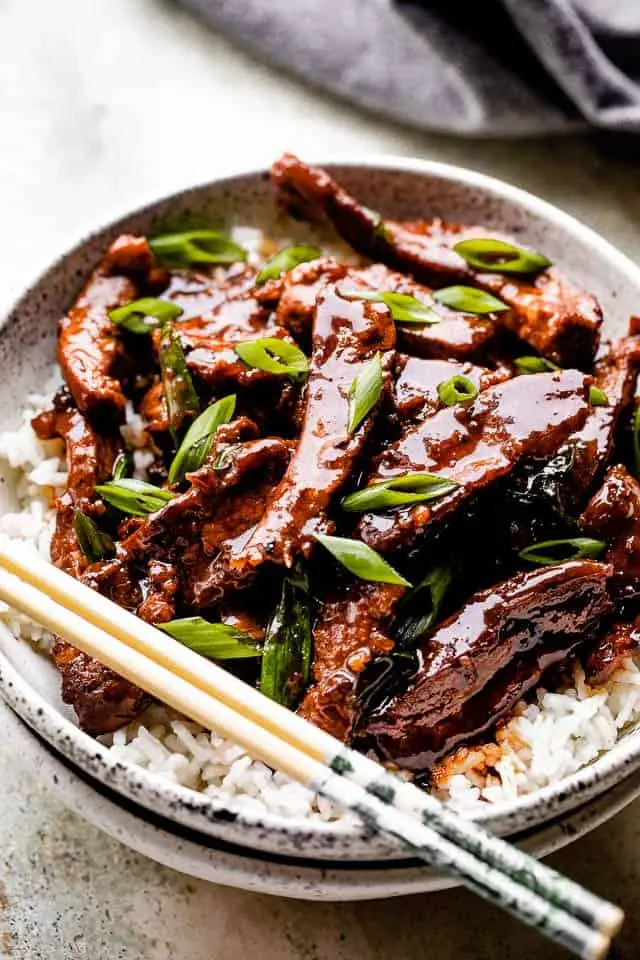
Craving that irresistible sweet and savory flavor of your favorite Chinese takeout? Look no further than this authentic Mongolian beef recipe, designed to bring the popular restaurant dish right into your own kitchen. Forget those lengthy drives and high prices; this version is surprisingly simple to recreate with common ingredients, delivering a taste that rivals any dine-in experience.
Imagine tender slices of beef coated in a glossy, deeply flavorful sauce, perfectly balanced with hints of ginger and garlic, all served atop fluffy steamed rice. This dish isn’t just a meal; it’s an experience, a delicious adventure for your taste buds that’s perfect for a weeknight treat or an impressive dinner party main course. Get ready to impress yourself and your loved ones with this culinary masterpiece.
Why You Will Love This Recipe
- Quick Preparation: This entire dish comes together in about 30 minutes, making it an ideal option for busy weeknights when you need a satisfying meal without the fuss.
- Restaurant-Quality Taste: Experience the authentic flavors you love from your favorite Chinese-American restaurants, all recreated easily at home with this foolproof recipe.
- Simple Ingredients: You won’t need to search for obscure items; this recipe relies on common pantry staples, ensuring you can whip it up whenever the craving strikes.
- Tender Beef: The key to this dish is perfectly tender beef, achieved through the right cut and preparation techniques that ensure a melt-in-your-mouth texture in every bite.
- Versatile Pairing: While classic with rice, this Mongolian beef is incredibly adaptable, opening up a world of possibilities for side dishes and creative serving suggestions that cater to any preference.
Ingredients You Need
The beauty of this Mongolian beef recipe lies in its accessibility; it utilizes ingredients that are likely already in your pantry or easily found at your local grocery store. We are focusing on simplicity and flavor, ensuring that the star of the dish – the tender beef and its delectable sauce – truly shines. Using fresh ginger and garlic will elevate the aroma and taste significantly, but dried alternatives can work in a pinch for those moments of urgent craving.
Mongolian Beef Copycat Recipe
This copycat of P.F. Chang’s Mongolian Beef recipe features flank steak simmered in a delectable sweet sauce made with ginger, garlic, soy sauce, and brown sugar. It’s simple to prepare and perfectly captures the flavors of the renowned restaurant’s dish! Ready in just 30 minutes, it’s the perfect solution for a tasty, weeknight meal.
- 1 pound flank steak, thinly sliced across the grain on a diagonal
- 1/4 cup cornstarch
- 2 teaspoons vegetable oil
- 1 teaspoon minced fresh ginger
- 1 tablespoon minced garlic
- 1/2 cup soy sauce
- 1/2 cup water
- 1/2 cup dark brown sugar
- 1 cup vegetable oil, for frying
- 2 green onions, green parts only, sliced on the diagonal into 2 inches
- 4 cups cooked white rice
- 1Place cornstarch on a shallow plate. Dip steak slices into the cornstarch, applying it on both sides of each slice of beef. Put the steak pieces aside for 10 minutes while you work on the sauce.
- 2In a saucepan, heat 2 teaspoons of vegetable oil over medium-low heat. Add ginger and garlic to the pan; cook for 10 seconds or until fragrant.
- 3Stir in the soy sauce and water. Whisk in brown sugar and cook while stirring until the sugar dissolves. Set to medium heat and cook the sauce until it thickens, about 10 minutes. Remove from heat and set aside.
- 4Place vegetable oil in a separate large skillet and heat over medium heat until hot. Add the steak slices to the oil and cook for 2 to 3 minutes or until cooked through, flipping the pieces over to cook on the opposite side.
- 5Using a pair of tongs, remove the steak pieces from the oil and let them drain on paper towels.
- 6Discard the oil. Return the saucepan to the stove and heat over medium heat. Add steak slices and cook for 1 minute. Gently stir in previously prepared sauce; continue to cook and stir for a minute. Stir in green onions and cook for 1 to 2 minutes, or until heated through. Remove from heat and serve over rice.
Keywords: Mongolian Beef, Copycat, P.F. Chang's, Beef, Chinese-American, Dinner, Quick Meal
For the complete ingredient list and precise quantities, please refer to the comprehensive recipe card provided. This ensures accuracy and helps you achieve the perfect balance of flavors in your Mongolian beef.
Variations
While the classic Mongolian beef is undeniably delicious, this recipe is a fantastic canvas for culinary creativity. Don’t hesitate to experiment with different flavor profiles and dietary needs to make it your own. This adaptability is one of the many reasons it’s a family favorite.
For those seeking a dinner that’s entirely plant-based, a vegan rendition is wonderfully achievable. Substitute the flank steak with firm or extra-firm tofu, pressed thoroughly to remove excess moisture, or use substantial king oyster mushrooms, sliced and seared to mimic the texture of meat. The sauce can remain largely the same, though a touch more brown sugar or a splash of mirin might be needed to compensate for any loss of richness from the meat. Ensure your cornstarch coating is thoroughly applied to the vegan protein for that signature crispiness.
If you’re following a low-carb lifestyle, adapting this Mongolian beef is straightforward. The primary concern is the brown sugar in the sauce and the serving of rice. For the sauce, opt for a sugar-free alternative like erythritol or a monk fruit blend, adjusting the sweetness to your preference; you might also want to slightly increase the soy sauce for more umami depth. Instead of white rice, serve this rich beef over a bed of cauliflower rice, which soaks up the savory sauce beautifully and adds a healthy, fiber-rich component to your meal. You could also pair it with steamed or stir-fried broccoli or green beans for added nutrients and texture.
Another exciting variation involves adding a spicy kick to the traditional recipe, transforming it into a hybrid of Mongolian and Szechuan flavors. Finely mince a Thai chili pepper or add a teaspoon of chili flakes to the garlic and ginger sauté step for a pleasant heat. You could also incorporate a tablespoon of your favorite chili garlic sauce or a drizzle of sriracha into the finished sauce for an extra layer of complexity and spice. This spicy Mongolian beef pairs exceptionally well with lighter, fresh side dishes that can help balance the heat, such as a crisp Asian pear salad or a simple cucumber and sesame salad.
How to Prepare Mongolian beef recipe
Step 1: Preparing the Beef for Perfection
The foundation of exceptional Mongolian beef lies in how you prepare the meat. Selecting the right cut is paramount; flank steak is often the go-to choice for its excellent texture and ability to absorb marinades and sauces, making it ideal for quick cooking methods. When slicing, the key to tenderness is to work against the grain of the meat. This breaks down the muscle fibers, ensuring a melt-in-your-mouth experience rather than a chewy one.
To make slicing easier and more precise, place the flank steak in the freezer for about 20 to 30 minutes before you intend to slice it. This partial freezing firms up the meat, allowing for thinner, more uniform cuts, typically around 1/4 inch thick. Achieving these thin slices is crucial because Mongolian beef is designed for rapid cooking, preventing the beef from becoming tough or overcooked. Think of each slice as a small, flavorful bite ready to be coated and fried to crispy perfection.
Once sliced, the beef needs to be coated in cornstarch. This step is vital for achieving that signature slightly crispy exterior that contrasts beautifully with the tender interior and the luscious sauce. Spread the cornstarch on a shallow plate or a baking sheet. Gently toss each slice of beef in the cornstarch, ensuring an even, light coating on all sides. Shake off any excess cornstarch. Allow the coated beef to rest for at least 10 minutes; this allows the cornstarch to adhere better to the meat, preparing it for its quick fry.
Step 2: Crafting the Irresistible Sauce Base
While the beef is resting, it’s time to bring together the heart of the Mongolian beef experience: the sauce. This is where the magic happens, transforming simple pantry staples into a complex, savory, and slightly sweet glaze that coats every piece of beef. Start by heating a small amount of vegetable oil in a saucepan or wok over medium-low heat. This initial sautéing of aromatics is where the foundational flavors are built.
Add freshly minced ginger and garlic to the heated oil. Sauté them gently for about 10 to 15 seconds, just until they become fragrant. Be careful not to burn them, as this can impart a bitter taste to the sauce. The aroma released at this stage is truly intoxicating, a prelude to the deliciousness to come. This brief toasting awakens their pungent and zesty notes, infusing the oil with their essence.
Next, introduce the liquids to the pan: soy sauce and water. Stir these together, then whisk in the dark brown sugar until it is completely dissolved. The brown sugar not only adds sweetness but also a wonderful depth of flavor and a rich color to the sauce. Bring the mixture to a simmer, then let it cook for about 10 minutes, stirring occasionally, until the sauce begins to thicken into a glossy, syrupy consistency. This reduction process concentrates the flavors beautifully, creating a sauce that’s perfectly balanced and ready to coat the beef.
Step 3: Frying the Beef to Golden Perfection
Now comes the crucial step that gives the Mongolian beef its delightful texture: frying. This isn’t deep-frying in the traditional sense, but rather a quick pan-fry that creates a delicious exterior crust. Heat a generous amount of vegetable oil, about 1 cup, in a large skillet or wok over medium-high heat. The oil needs to be hot enough to quickly sear the beef without making it greasy or soggy.
Carefully add the cornstarch-coated beef slices to the hot oil. It’s imperative not to overcrowd the pan; this is a critical tip for achieving that signature crispiness. Overcrowding will lower the oil temperature and steam the beef, resulting in a less desirable texture. You may need to fry the beef in two or even three batches, depending on the size of your pan. Ensure the beef is in a single layer so each piece can make direct contact with the hot oil.
Fry the beef for about 2 to 3 minutes per side, or until it’s golden brown and slightly crispy. The exact time will depend on the thickness of your slices and the heat of your oil. Once cooked, use a slotted spoon or tongs to remove the beef from the skillet and place it on a plate lined with paper towels. This allows excess oil to drain away, maintaining the crispiness and preventing the beef from becoming heavy. This process ensures every bite has that satisfying contrast between a crisp exterior and a tender, juicy interior.
Step 4: Combining Beef with the Flavorful Sauce
With the beef perfectly fried and the sauce beautifully thickened, it’s time to bring them together to create the ultimate Mongolian beef. Take the saucepan containing the thickened sauce and return it to medium heat. Ensure the sauce is gently simmering before adding the fried beef back into the pan. This gentle reheating ensures the sauce doesn’t break or become oily.
Carefully add the drained, crispy beef slices into the saucepan with the sauce. Stir gently to coat each piece of beef evenly with the glossy sauce. Allow the beef and sauce to cook together for about 1 to 2 minutes, just enough time for the flavors to meld and for the beef to absorb some of that delicious sauce without losing its crispiness. The goal here is for the sauce to cling to the beef, creating a cohesive and incredibly flavorful dish. This brief cooking period ensures the beef is heated through and perfectly integrated with the sauce.
This step is where the dish truly transforms into the iconic Mongolian beef. The slight caramelization from the sugar in the sauce, combined with the savory soy sauce and aromatic ginger and garlic, creates an unparalleled depth of flavor. The texture of the beef, tender on the inside with a hint of crispness on the outside, coated in this rich glaze, is what makes this recipe so addictive. It’s a symphony of tastes and textures that delights the palate with every mouthful.
Step 5: The Finishing Touches and Green Onions
The final flourish that elevates this Mongolian beef from merely delicious to absolutely spectacular is the addition of fresh green onions. Green onions, also known as scallions, provide a burst of fresh, slightly sharp flavor and a vibrant pop of color that cuts through the richness of the sauce. They are added at the very end of the cooking process to preserve their crispness and bright green hue.
Wash and trim your green onions, then slice them on the diagonal into roughly 2-inch pieces, focusing on the green parts primarily, though some white can be included if you prefer a slightly more pronounced onion flavor. Add these prepared green onions to the saucepan with the beef and sauce. Stir everything together gently for another 1 to 2 minutes, just until the green onions are heated through and slightly softened but still retain a pleasant bite. This brief cooking time ensures they are warm and integrated into the dish without becoming wilted or mushy.
The contrast between the savory, rich sauce, the tender beef, and the fresh, slightly pungent green onions is what makes this dish so perfectly balanced. It’s a classic combination that Chinese restaurants have perfected for a reason. The visual appeal is also enhanced; the bright green of the scallions against the deep brown of the sauce and beef makes the dish look as good as it tastes. This final step is quick, simple, and immensely rewarding, completing your culinary journey to authentic Mongolian beef.
Step 6: Serving Your Masterpiece
The moment of truth has arrived – it’s time to serve your glorious homemade Mongolian beef. This dish is traditionally served hot, piled generously over a bed of fluffy white rice. The rice acts as the perfect vehicle to soak up every last drop of the incredible savory sauce, ensuring no flavor is wasted. Steamed jasmine rice or basmati rice are excellent choices, offering a neutral yet aromatic base.
For those looking to make it a complete meal, consider serving this Mongolian beef alongside other complementary dishes. A side of steamed or stir-fried vegetables, such as broccoli, bok choy, or snow peas, adds color, texture, and extra nutrients. You might also enjoy it with a crisp, refreshing lunch option like an Asian cucumber salad or some pickled ginger to cleanse the palate between bites. The possibilities for creating a well-rounded meal are endless and can be tailored to your specific preferences.
Presentation is key to enjoying your meal. Ladle a generous portion of the rich Mongolian beef over a mound of steamed rice. Garnish with extra sliced green onions or a sprinkle of sesame seeds for an added touch of elegance and flavor. This dish is best enjoyed immediately after preparation, when the beef is at its crispiest and the sauce is at its most luscious. Prepare for rave reviews – this homemade Mongolian beef is sure to become a new favorite in your recipe repertoire!
Pro Tips for Mongolian beef recipe
Slice Against the Grain: For the most tender beef, always slice against the grain. Place the flank steak in the freezer for about 20 minutes to firm it up, making it much easier to achieve thin, consistent slices across the muscle fibers.
Hot Pan is Key: Ensure your skillet or wok is adequately hot before adding the beef. This is essential for achieving a quick sear and a slightly crispy exterior without overcooking the meat and making it tough.
Don’t Overcrowd the Pan: Cook the beef in batches if necessary. Overcrowding lowers the oil temperature, leading to steamed, soggy beef instead of beautifully seared pieces. A single layer allows for even cooking and optimal crispiness.
Adjust Sweetness to Taste: The amount of brown sugar can be adjusted based on your preference. Taste the sauce as it simmers and add a little more sugar or soy sauce as needed to achieve your desired balance of sweet and savory.
Fresh Aromatics Matter: While powdered ginger and garlic can be used in a pinch, fresh minced ginger and garlic offer a far superior flavor and aroma. They are worth the small extra effort for the best possible outcome.
Serving Suggestions for Mongolian beef recipe
Decoration
To truly make your Mongolian beef presentation pop, consider a few simple garnishes. Freshly sliced green onions, with their bright green tops, add a vibrant contrast to the rich brown sauce and tender beef. A sprinkle of toasted sesame seeds offers a nutty undertone and an attractive visual texture. For an extra touch of elegance, a few slivers of fresh red chili pepper can add a hint of color and a promise of subtle heat.
Side Dishes
The classic accompaniment to Mongolian beef is, of course, steamed white rice. However, for a more complete and nutritious meal, consider pairing it with steamed or stir-fried vegetables. Crisp bok choy, tender broccoli florets, or vibrant snow peas all complement the rich flavors beautifully. For a lighter, low-carb option, serve over cauliflower rice or alongside a refreshing side salad like an Asian-inspired cucumber and sesame salad.
Creative Serving Ideas
Beyond the traditional rice bowl, get creative with how you serve your Mongolian beef. Consider using it as a filling for lettuce wraps, offering a fresh and crunchy contrast. You could also serve it alongside noodles, such as lo mein or chow mein, for a delightful noodle stir-fry experience. Another idea is to create mini Mongolian beef sliders on toasted bao buns for a fun appetizer or a unique take on a casual meal.
Preparation & Storage
Storing Leftovers
Leftover Mongolian beef can be stored in an airtight container in the refrigerator for up to 3 to 4 days. It’s best to store the beef and sauce separately from any rice or other sides to maintain optimal texture. Ensure the container is well-sealed to prevent the dish from drying out or absorbing other odors from the refrigerator.
Freezing
Yes, Mongolian beef can be frozen, though some texture changes might occur upon thawing. Store the cooled beef and sauce in a freezer-safe airtight container or a heavy-duty zip-top bag for up to 2 to 3 months. For best results, remove as much air as possible from the bag before sealing. It’s advisable to freeze the beef mixture without rice to prevent the rice from becoming mushy.
Reheating
To reheat refrigerated leftovers, gently warm the beef and sauce in a skillet over medium-low heat until heated through, stirring occasionally. You can also microwave it, covering the dish to retain moisture. For frozen Mongolian beef, it’s best to thaw it overnight in the refrigerator before reheating. If reheating directly from frozen, use the microwave on a defrost setting or very low power, stirring frequently to ensure even heating and prevent scorching.
Frequently Asked Questions
-
What kind of beef is best for Mongolian beef?
The best cuts of beef for Mongolian beef are those that are tender and suitable for quick cooking, such as flank steak, skirt steak, or sirloin. These cuts can be thinly sliced against the grain to ensure maximum tenderness. Freezing the steak for about 20-30 minutes before slicing makes it significantly easier to achieve thin, uniform pieces, which are crucial for the signature texture of this dish.
-
Why is my Mongolian beef not crispy?
Several factors can contribute to Mongolian beef not being crispy. Firstly, ensure your cooking oil is sufficiently hot before adding the beef; it should be shimmering but not smoking. Secondly, avoid overcrowding the pan, as this lowers the oil temperature and steams the beef instead of frying it. Cooking in batches allows each piece to get direct contact with the hot oil, promoting crispiness. Finally, make sure you’re coating the beef thoroughly with cornstarch and allowing it to rest for a few minutes before frying.
-
Can I make the sauce for Mongolian beef ahead of time?
Yes, you can absolutely make the sauce for Mongolian beef ahead of time. The sauce can be prepared and stored in an airtight container in the refrigerator for up to 3-4 days. When you’re ready to cook, simply reheat the sauce gently on the stovetop until it’s warm and slightly thickened again before adding your prepared beef. This is a great way to save time when you want a quick weeknight meal, as the sauce is a significant flavor component and often takes the longest to develop.