P.F. Chang's Mongolian Beef Recipe
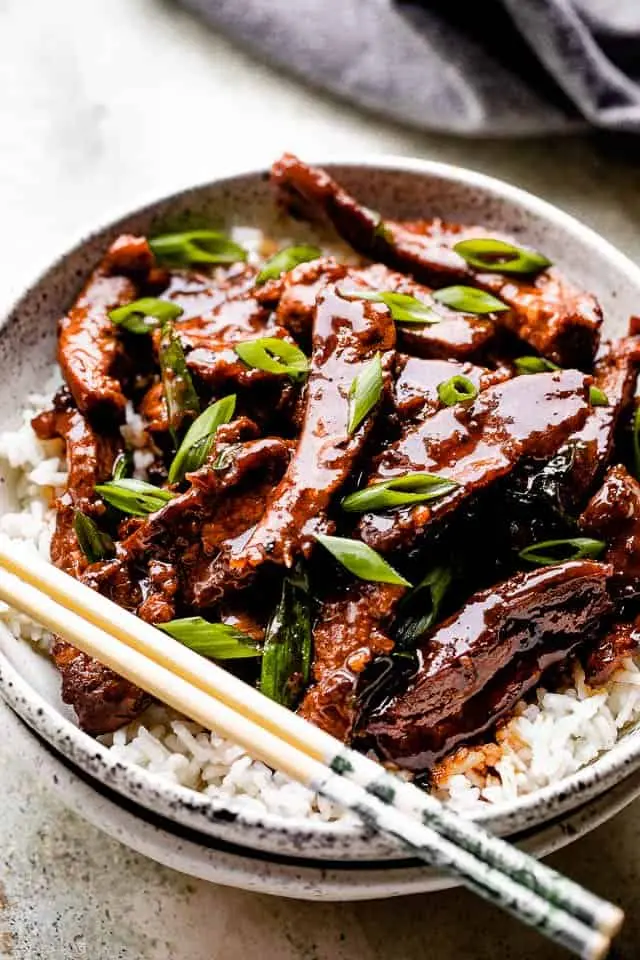
Craving that irresistible sweet and savory flavor that transports you straight to your favorite Chinese restaurant? This Mongolian Beef recipe is your passport to that culinary delight, right in the comfort of your own kitchen. We’re talking tender, thinly sliced beef coated in a delectable sauce that strikes the perfect balance between savory soy and rich brown sugar, with just a hint of ginger and garlic for an aromatic punch.
Forget expensive takeout menus; this dish is surprisingly simple to recreate, using readily available ingredients and straightforward steps. Get ready to impress yourself and your loved ones with a restaurant-quality meal that’s both satisfying and incredibly delicious, perfect for any weeknight or special occasion.
Why You Will Love This Recipe
- Quick Preparation: Dinner is on the table in approximately 30 minutes, making it an ideal choice for busy evenings when you crave something flavorful without the fuss.
- Simple Ingredients: You’ll find most of the components, like flank steak, soy sauce, and brown sugar, are pantry staples or easily found at your local grocery store, eliminating the need for a special shopping trip.
- Authentic Flavor: This recipe perfectly captures the beloved sweet and savory profile of classic Mongolian Beef, offering a true copycat experience that rivals any restaurant.
- Versatile Pairings: While excellent with steamed rice, this dish is a fantastic base for numerous side dishes, allowing you to customize your meal to your exact preferences.
- Effortless Execution: With clear, step-by-step guidance, even novice cooks can achieve impressive results, ensuring a successful and enjoyable cooking experience from start to finish.
Ingredients You Need
The beauty of this Mongolian Beef recipe lies in its use of common, high-quality ingredients that come together harmoniously to create that signature flavor. We are focusing on accessible items that you likely already have or can easily find, ensuring a seamless cooking experience. The key is the careful balance of flavors, with fresh aromatics and pantry staples forming the foundation of this dish.
Mongolian Beef
This copycat P.F. Chang's Mongolian Beef recipe features flank steak simmered in a delectable sweet sauce made with ginger, garlic, soy sauce, and brown sugar. It's simple to prepare and perfectly captures the flavors of the renowned restaurant's dish!
- 1 pound flank steak, thinly sliced across the grain on a diagonal
- ¼ cup cornstarch
- 2 teaspoons vegetable oil
- 1 teaspoon minced fresh ginger
- 1 tablespoon minced garlic
- ½ cup soy sauce
- ½ cup water
- ½ cup dark brown sugar
- 1 cup vegetable oil, for frying
- 2 green onions, green parts only, sliced on the diagonal into 2 inches
- 4 cups cooked white rice
- 1Place cornstarch on a shallow plate. Dip steak slices into the cornstarch, applying it on both sides of each slice of beef. Put the steak pieces aside for 10 minutes while you work on the sauce.
- 2In a saucepan, heat 2 teaspoons of vegetable oil over medium-low heat. Add ginger and garlic to the pan; cook for 10 seconds or until fragrant.
- 3Stir in the soy sauce and water. Whisk in brown sugar and cook while stirring until the sugar dissolves. Set to medium heat and cook the sauce until it thickens, about 10 minutes. Remove from heat and set aside.
- 4Place vegetable oil in a separate large skillet and heat over medium heat until hot. Add the steak slices to the oil and cook for 2 to 3 minutes or until cooked through, flipping the pieces over to cook on the opposite side.
- 5Using a pair of tongs, remove the steak pieces from the oil and let them drain on paper towels.
- 6Discard the oil. Return the saucepan to the stove and heat over medium heat. Add steak slices and cook for 1 minute. Gently stir in previously prepared sauce; continue to cook and stir for a minute. Stir in green onions and cook for 1 to 2 minutes, or until heated through. Remove from heat and serve over rice.
Keywords: Mongolian Beef, P.F. Chang's, copycat, flank steak, stir fry, Chinese-American, weeknight meal
The exact quantities for these essential components are detailed within the recipe card, ensuring you have all the precise measurements needed for success.
Variations
While the classic Mongolian Beef is undeniably delicious, its adaptable nature opens doors to exciting variations that cater to different dietary preferences and flavor profiles. Embracing these creative twists can introduce new dimensions to this beloved dish, making it even more versatile and appealing to a wider range of palates.
For those seeking a plant-based option, a Vegan Mongolian “Beef” can be achieved by substituting the flank steak with king oyster mushrooms or firm tofu. The mushrooms, when sliced and prepared similarly, offer a wonderfully meaty texture, while tofu provides a blank canvas for the flavorful sauce. Ensure the sauce remains vegan by using tamari or a gluten-free soy sauce alternative and a plant-based sweetener if needed. This variation maintains the sweet and savory essence of the original while being entirely cruelty-free.
A Low-Carb Mongolian Beef can be a delightful and guilt-free indulgence. This adaptation focuses on reducing the carbohydrate count without sacrificing flavor. Serve the saucy beef over cauliflower rice instead of traditional white rice, significantly cutting down on carbs. You can also experiment with sugar substitutes, like erythritol or stevia, to sweeten the sauce, ensuring it remains low in sugar. The focus remains on the tender beef and the rich, savory sauce, making it a satisfying option for those managing their carbohydrate intake.
Introducing a touch of spice can elevate the Mongolian Beef experience for those who enjoy a bit of heat. A Spicy Mongolian Beef variation can be achieved by adding a pinch of red pepper flakes to the sauce while it simmers, or by incorporating a swirl of Sriracha or chili garlic sauce just before serving. This adds a pleasant warmth that complements the sweetness of the brown sugar and the umami of the soy sauce. Adjust the amount of heat to your personal preference, creating a dynamic flavor profile that is both comforting and exciting.
How to Prepare Mongolian Beef Recipe
Step 1: Prepare the Beef for Searing
The foundation of an exceptional Mongolian Beef dish begins with properly preparing the flank steak. Thinly slicing the beef against the grain is paramount for achieving that signature tender texture. If you find slicing raw beef challenging, a clever trick is to partially freeze it for about 20 to 30 minutes beforehand; this firms it up, making clean, precise cuts much easier.
Once sliced, it’s time to give the beef its crucial coating. Spread a generous amount of cornstarch onto a shallow plate or a clean baking sheet. Carefully place each thin slice of beef into the cornstarch, ensuring that both sides are evenly and lightly coated. This cornstarch coating is the secret to creating those wonderfully crispy edges when the beef is seared, providing a delightful textural contrast to the tender interior.
Allow the cornstarch-coated beef slices to rest for at least 10 minutes. This resting period allows the cornstarch to adhere to the meat, creating a uniform layer that will crisp up beautifully. While the beef rests, you can turn your attention to preparing the flavorful sauce, setting the stage for the next crucial steps in creating this delectable meal.
Step 2: Crafting the Flavorful Sauce
Simultaneously, as the beef is resting, you will begin constructing the luscious sauce that defines this dish. In a medium saucepan, warm two teaspoons of vegetable oil over medium-low heat. This initial gentle heating of the oil is perfect for infusing its flavor without scorching the aromatics that are about to be added.
Introduce the minced fresh ginger and minced garlic to the warm oil. Sauté them for approximately 10 seconds, just until they become fragrant. Be careful not to overcook them at this stage, as you want to preserve their vibrant, fresh flavors and aromas, which are essential to the sauce’s complexity. A brief sauté is all that’s needed to release their aromatic oils into the pan.
Next, pour in the soy sauce and water, creating the liquid base for your sauce. Whisk in the dark brown sugar until it is completely dissolved. Bring the mixture to a simmer, then reduce the heat to medium and allow the sauce to cook and thicken for about 10 minutes, stirring occasionally. The sugar will caramelize slightly, deepening the flavor and giving the sauce its signature rich, glossy consistency. Once thickened to your liking, remove the sauce from the heat and set it aside, ready to be combined with the seared beef.
Step 3: Searing the Beef to Perfection
Now it’s time to give the cornstarch-coated beef its moment to shine. In a separate large skillet, heat one cup of vegetable oil over medium-high heat until it is hot and shimmering. Achieving the correct oil temperature is critical; it needs to be hot enough to sear the thin slices of beef quickly, creating a crispy exterior without overcooking the interior.
Carefully add the coated beef slices to the hot oil. It is crucial to avoid overcrowding the pan. For the best results, cook the beef in batches, ensuring each piece has enough space to come into direct contact with the hot oil. This allows for even cooking and crisping, preventing the beef from steaming rather than searing.
Fry the beef for approximately 2 to 3 minutes per side, or until it turns a beautiful golden brown and develops crispy edges. Use tongs to flip the slices, ensuring they are cooked through and achieve that desirable texture. Once cooked, promptly remove the seared beef from the oil and place it on a plate lined with paper towels. The paper towels will absorb any excess oil, maintaining the delightful crispness of the beef.
Step 4: Combining Beef and Sauce
With the beef perfectly seared and the sauce ready, the next step is to bring these elements together to create the final, cohesive dish. Once you have drained the excess oil from the fried beef, discard the oil from the skillet. You can then return the saucepan with the prepared sauce to the stove over medium heat.
Add the drained, seared beef slices back into the saucepan with the warm sauce. Gently stir to ensure each piece of beef is thoroughly coated with the glossy, flavorful sauce. Allow the beef and sauce to cook together for about one minute, giving the flavors a chance to meld and the beef to absorb some of the sauce’s richness.
This brief period of simmering allows the cornstarch on the beef to thicken the sauce slightly further, creating a beautiful, cohesive coating. The goal here is to warm everything through and ensure the beef is beautifully glazed, not to overcook it, which would diminish its tender texture.
Step 5: The Finishing Touch with Green Onions
The final step in assembling your exquisite Mongolian Beef involves the addition of fresh green onions, which provide a vibrant burst of color and a mild, fresh onion flavor. Once the beef and sauce have briefly simmered together, it’s time to incorporate this essential aromatic. Add the sliced green onions to the saucepan with the beef and sauce mixture.
Continue to cook and stir for an additional 1 to 2 minutes, or until the green onions have just begun to soften and their vibrant green color intensifies, indicating they are heated through. It’s important not to overcook the green onions, as you want them to retain a slight crispness and their fresh, pungent flavor to complement the rich sauce.
This final stirring ensures the green onions are evenly distributed throughout the dish, adding a beautiful visual appeal and a fresh counterpoint to the savory sweetness of the beef and sauce. Your restaurant-quality Mongolian Beef is now ready to be served and savored.
Step 6: Serving Your Masterpiece
The moment of truth has arrived – serving your perfectly prepared Mongolian Beef. The traditional and most satisfying way to enjoy this dish is by serving it hot over a generous bed of fluffy, steamed white rice. The rice acts as the perfect vehicle to soak up every last drop of that irresistible savory-sweet sauce, making each bite a delightful experience.
Ensure that the rice is cooked to perfection before you plate the Mongolian Beef. Fluffy jasmine or basmati rice are excellent choices, offering a subtle fragrance that complements the Asian-inspired flavors of the beef. Spoon a hearty portion of rice onto each serving plate, creating a welcoming foundation for the star of the meal.
Carefully spoon the glazed Mongolian Beef, ensuring a good balance of tender beef and rich sauce, over the steamed rice. The vibrant green of the onions, combined with the glossy sheen of the sauce on the golden-brown beef, creates a visually appealing dish that is as delightful to look at as it is to eat. Prepare for compliments as you present this culinary creation.
Pro Tips for Mongolian Beef Recipe
Slicing Beef Technique: For remarkably easier slicing, place your flank steak in the freezer for about 20 minutes before you begin cutting. This firming process allows for much cleaner, thinner slices. Always slice the beef against the grain; you’ll notice long fibers, and cutting across them is key to achieving tender meat. If you cut with the grain, the beef will inevitably be tough and chewy, detracting from the overall dining experience.
Hot Pan is Essential: When it comes to searing the thinly sliced beef, a screaming hot pan is your best friend. This high heat is critical for achieving that desirable slightly crispy exterior and maintaining a tender, juicy interior. If the pan isn’t hot enough, the beef will release its juices and steam, resulting in a less-than-ideal texture. Ensure the oil is shimmering before adding the beef.
Avoid Overcrowding the Pan: To ensure each piece of beef cooks evenly and quickly, it’s imperative to cook it in a single layer. Do not pile the beef slices on top of each other. If you have a large quantity of beef, it is far better to work in two or even three batches. This allows the hot oil to surround each piece, promoting proper searing and crisping, rather than stewing.
Choose the Right Cut of Beef: The success of this recipe hinges on selecting the correct cut of beef that is well-suited for quick cooking. Flank steak is an excellent choice due to its tenderness and flavor, but sirloin steak also works wonderfully. These cuts cook rapidly, making them ideal for stir-fry style dishes where they are cooked for only a few minutes.
Taste and Adjust the Sauce: Before adding the beef, always taste the sauce. This is your opportunity to fine-tune the flavor profile to your exact liking. If it’s too salty, a splash more water can help; if it needs more sweetness, a touch more brown sugar; and if you desire a deeper umami, a little more soy sauce can be added. Perfecting the sauce ensures the final dish is exactly to your taste.
Serving Suggestions for Mongolian Beef Recipe
Decoration
Elevate the visual appeal of your Mongolian Beef by garnishing it with freshly sliced green onions. Ensure you use both the white and green parts for a beautiful contrast in color and a subtle difference in flavor. A sprinkle of toasted sesame seeds can also add a lovely nutty aroma and a visually appealing speckled finish to the dish, enhancing its presentation and inviting diners to dig in.
Side Dishes
The classic pairing for Mongolian Beef is undoubtedly steamed white rice, which perfectly soaks up the rich, savory sauce. For a more flavorful rice option, consider kimchi fried rice or fragrant jasmine rice prepared in an Instant Pot for perfect texture every time. If you’re looking for a lighter, low-carb alternative, fluffy cauliflower rice is an excellent choice that absorbs the sauce beautifully without the added carbs.
Beyond rice, a variety of vegetable side dishes complement the richness of Mongolian Beef wonderfully. Consider serving it with stir-fried bok choy, steamed broccoli with a drizzle of soy sauce, or a vibrant Asian cucumber salad with a tangy vinegar dressing. These sides provide a refreshing counterpoint to the savory-sweetness of the beef, creating a balanced and satisfying meal. Another delightful option is to incorporate some crunchy vegetables directly into the stir-fry, such as bell peppers or snap peas, adding texture and color.
Creative Serving Ideas
For a more interactive dining experience, consider serving Mongolian Beef as part of a build-your-own bowl station. Offer the beef alongside various bases like rice, noodles, or even quinoa, and a selection of toppings such as shredded carrots, edamame, pickled ginger, and a drizzle of sriracha or a spicy mayo. This allows each guest to customize their meal to their exact preferences, making it a fun and engaging option for gatherings.
Another creative idea is to use the Mongolian Beef as a filling for wraps or lettuce cups. The savory filling, when wrapped in a soft tortilla or crisp lettuce leaves, offers a different textural and flavor experience. Add some shredded cabbage, julienned carrots, and a sprinkle of peanuts for an added crunch and depth of flavor. This approach is perfect for a lighter meal or a casual lunch option.
For a more sophisticated presentation, you can serve smaller portions of Mongolian Beef as an appetizer. Present it in individual ramekins or small bowls, perhaps topped with a delicate garnish like a sliver of fresh chili or a sprig of cilantro. This elegant approach allows guests to savor the complex flavors of the dish in a more refined setting, making it ideal for parties or special occasions. Don’t forget to explore more delightful Asian-inspired recipes on platforms like Pinterest for endless inspiration.
Preparation & Storage
Storing Leftovers
Should you be fortunate enough to have any leftover Mongolian Beef, storing it properly ensures its deliciousness can be enjoyed later. Transfer the cooled Mongolian Beef into an airtight container. It can then be safely stored in the refrigerator for up to 3 to 4 days. Ensure the container is well-sealed to prevent the flavors from dissipating and to keep the beef from drying out.
The cornstarch coating on the beef might soften slightly upon refrigeration, but the fundamental flavors will remain intact. This makes it a perfect candidate for a quick and satisfying lunch or dinner the next day. Always check for any signs of spoilage before reheating, such as an off smell or unusual texture, although with proper storage, this is rarely an issue.
Freezing
Mongolian Beef also freezes remarkably well, making it an excellent candidate for meal prepping or for stocking up on delicious dinners for future consumption. Allow the cooked Mongolian Beef to cool completely before portioning it. Place the cooled beef and sauce into a freezer-safe zip-top bag or an airtight freezer container. Squeeze out as much air as possible to prevent freezer burn before sealing.
When stored properly, Mongolian Beef can be kept in the freezer for up to 3 to 4 months. Freezing is a fantastic way to ensure you always have a delicious, home-cooked meal readily available. This makes it an ideal option for busy individuals or families who appreciate the convenience of having pre-portioned meals on hand.
Reheating
Reheating leftover Mongolian Beef is a straightforward process that revitalizes its flavors and textures. For refrigerated leftovers, the best method is to gently reheat them in a skillet over medium-low heat. Stir the beef and sauce occasionally until it is heated through. This method helps to bring back some of the original texture and ensures even heating.
If reheating from frozen, you can place the frozen Mongolian Beef directly into a saucepan over medium-low heat. Allow it to thaw and heat through gradually, stirring occasionally. Alternatively, you can microwave the frozen portion on a microwave-safe plate, using short intervals and stirring between each to ensure it heats evenly. Avoid overheating, which can make the beef tough.
Frequently Asked Questions
-
Can I use a different cut of beef for this Mongolian Beef recipe?
Yes, while flank steak is highly recommended for its tenderness and ability to slice thinly, other cuts can be used with success. Sirloin steak is a good alternative, as it also cooks quickly and has a pleasant texture. For these alternatives, ensure they are sliced thinly against the grain, just as you would with flank steak. Cuts like chuck roast are generally not suitable as they require longer, slower cooking methods to become tender and would not yield the desired result in this quick stir-fry preparation. The key is selecting a beef cut that benefits from rapid cooking to maintain its delicate texture and absorb the sauce effectively.
-
How can I make the sauce thicker or thinner if needed?
Adjusting the consistency of the Mongolian Beef sauce is quite simple. If your sauce is too thin and you desire it thicker, you can create a cornstarch slurry by mixing 1 teaspoon of cornstarch with 2 teaspoons of cold water until smooth. Whisk this slurry into the simmering sauce and cook for another minute or two until it reaches your desired thickness. For a thinner sauce, simply add a tablespoon or two of water or low-sodium chicken broth while the sauce is simmering and stir until well combined. Always taste and adjust seasonings after making these consistency changes to ensure the flavor balance remains perfect.
-
What are some other vegetables that pair well with Mongolian Beef?
Beyond the traditional green onions, many other vegetables can be incorporated into your Mongolian Beef for added flavor, texture, and nutritional value. Consider adding thinly sliced bell peppers (any color), snap peas, broccoli florets, sliced carrots, or mushrooms. These vegetables can be added to the stir-fry during the last few minutes of cooking, or sautéed separately and then combined with the beef and sauce. For a more vibrant dish, think about including julienned zucchini or snow peas, which cook quickly and add a fresh crunch. Exploring other quick dinner recipes can often provide inspiration for complementary vegetable choices.