P.F. Chang's Mongolian Beef Recipe
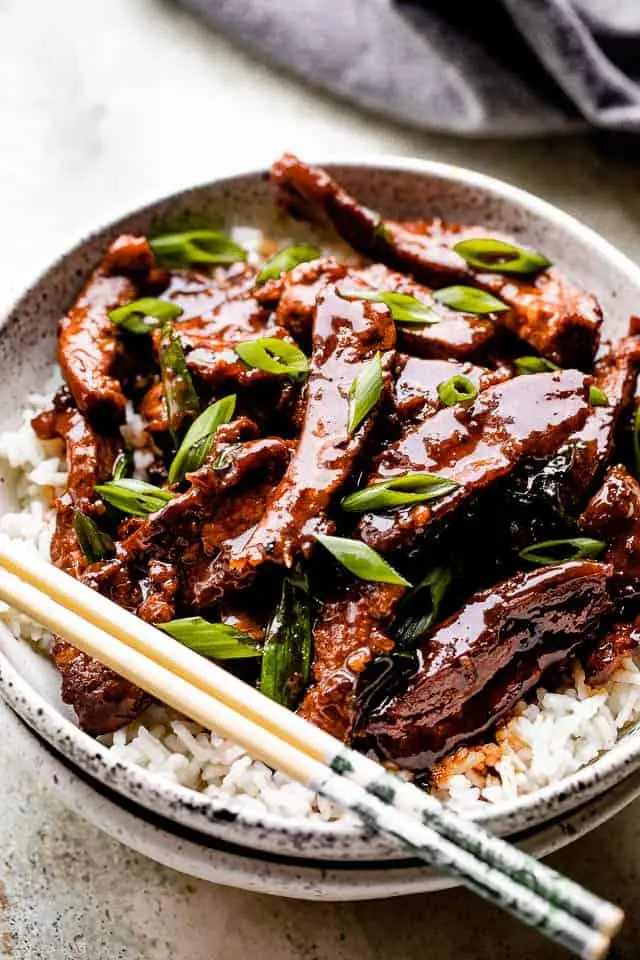
Prepare to embark on a culinary adventure that brings the beloved flavors of your favorite Chinese restaurant right into your own kitchen. This Mongolian Beef recipe is a meticulously crafted tribute to a classic, offering tender, savory beef coated in a luscious, slightly sweet, and deeply flavorful sauce that is simply irresistible.
Forget the long waits and the hefty bills associated with dining out; this recipe empowers you to recreate that authentic takeout magic with ease and confidence. It’s a dish designed to impress, perfect for weeknight dinners when you crave something special, or for entertaining guests with a taste of the exotic.
Why You Will Love This Recipe
- Restaurant-Quality Flavor: Experience the authentic taste of P.F. Chang’s style Mongolian Beef, meticulously recreated with simple ingredients and accessible techniques for an unparalleled home-cooked meal.
- Quick Preparation: Despite its complex flavor profile, this dish comes together in about 30 minutes, making it an ideal choice for busy evenings when time is of the essence and deliciousness is paramount.
- Tender, Succulent Beef: The key to this recipe lies in thinly slicing flank steak against the grain and coating it in cornstarch, ensuring each bite is incredibly tender with a delightfully crisp exterior.
- Perfectly Balanced Sauce: A harmonious blend of soy sauce, brown sugar, ginger, and garlic creates a rich, glossy sauce that clings beautifully to the beef, offering a delightful balance of sweet, savory, and umami notes.
- Versatile Serving Options: While traditionally served over fluffy white rice, this Mongolian Beef is wonderfully adaptable, pairing exceptionally well with a variety of side dishes for a complete and satisfying dining experience.
Ingredients You Need
Crafting this sensational Mongolian Beef recipe relies on a selection of pantry staples and a few fresh ingredients that combine to create an explosion of flavor. The beauty of this dish lies in its simplicity; you likely have most of what you need already stocked in your kitchen, making a spontaneous craving easy to satisfy. Prioritizing fresh ginger and garlic will truly elevate the sauce’s aromatic qualities, offering a vibrant depth that dried spices can’t quite replicate.
P.F. Chang’s Mongolian Beef Copycat
This copycat of P.F. Chang’s Mongolian Beef recipe features flank steak simmered in a delectable sweet sauce made with ginger, garlic, soy sauce, and brown sugar. It’s simple to prepare and perfectly captures the flavors of the renowned restaurant’s dish!
- 1 pound flank steak, thinly sliced across the grain on a diagonal
- ¼ cup cornstarch
- 2 teaspoons vegetable oil
- 1 teaspoon minced fresh ginger
- 1 tablespoon minced garlic
- ½ cup soy sauce
- ½ cup water
- ½ cup dark brown sugar
- 1 cup vegetable oil, for frying
- 2 green onions, green parts only, sliced on the diagonal into 2 inches
- 4 cups cooked white rice
- 1Place cornstarch on a shallow plate. Dip steak slices into the cornstarch, applying it on both sides of each slice of beef. Put the steak pieces aside for 10 minutes while you work on the sauce.
- 2In a saucepan, heat 2 teaspoons of vegetable oil over medium-low heat. Add ginger and garlic to the pan; cook for 10 seconds or until fragrant.
- 3Stir in the soy sauce and water. Whisk in brown sugar and cook while stirring until the sugar dissolves. Set to medium heat and cook the sauce until it thickens, about 10 minutes. Remove from heat and set aside.
- 4Place vegetable oil in a separate large skillet and heat over medium heat until hot. Add the steak slices to the oil and cook for 2 to 3 minutes or until cooked through, flipping the pieces over to cook on the opposite side.
- 5Using a pair of tongs, remove the steak pieces from the oil and let them drain on paper towels.
- 6Discard the oil. Return the saucepan to the stove and heat over medium heat. Add steak slices and cook for 1 minute. Gently stir in previously prepared sauce; continue to cook and stir for a minute. Stir in green onions and cook for 1 to 2 minutes, or until heated through. Remove from heat and serve over rice.
Keywords: Mongolian Beef, P.F. Chang's, Copycat, Beef, Chinese-American, Asian, Stir-fry
- flank steak: thinly sliced across the grain on a diagonal for ultimate tenderness, about 1 pound
- cornstarch: used to coat the beef, creating a delightful crispiness, ¼ cup
- vegetable oil: for sautéing aromatics and frying the beef, 1 teaspoon for aromatics and 1 cup for frying
- fresh ginger: finely minced, bringing a warm, zesty kick to the sauce, 1 teaspoon
- garlic: minced, providing a pungent depth to the savory sauce, 1 tablespoon
- soy sauce: the savory backbone of the sauce, ½ cup
- water: to dilute the soy sauce and create the perfect sauce consistency, ½ cup
- dark brown sugar: for sweetness and a rich molasses undertone, ½ cup
- green onions: sliced diagonally into 2-inch pieces, for a fresh, mild onion flavor and a pop of color, 2
- cooked white rice: for serving, approximately 4 cups
The precise quantities for each ingredient are conveniently listed in the detailed recipe card, ensuring you have all the necessary measurements for success.
Variations
While the classic Mongolian Beef is a masterpiece on its own, feel free to explore creative variations to suit your dietary preferences or to add an exciting new twist to this beloved dish. Think about incorporating a variety of textures and flavors that can complement the rich, savory notes of the beef and sauce.
For a delightful vegan rendition, consider swapping the flank steak for thick slices of king oyster mushrooms or firm tofu. Marinate these substitutes in a similar soy-based sauce with a touch of hoisin and a pinch of five-spice powder before coating them in cornstarch and frying to a golden crisp. The earthy mushrooms or the protein-rich tofu will absorb the flavors wonderfully, offering a satisfying plant-based alternative.
If you’re adhering to a low-carb lifestyle, transforming this recipe is surprisingly straightforward. Instead of serving over traditional rice, opt for a generous bed of cauliflower rice, which provides a fantastic neutral canvas for the flavorful beef. You can also reduce the amount of brown sugar slightly or experiment with a sugar substitute to further minimize carbohydrate content while maintaining that desirable sweetness.
For those who enjoy a bit of heat, consider infusing a spicy element into your Mongolian Beef. Add a tablespoon or two of chili garlic sauce or a pinch of red pepper flakes to the simmering sauce mixture. This subtle addition can introduce a pleasant warmth that perfectly complements the sweetness and savory depth, creating a more complex flavor profile that dances on the palate.
How to Prepare Mongolian Beef Recipe
Step 1: Preparing the Beef
The foundation of an exceptional Mongolian Beef dish lies in properly preparing the flank steak. For the easiest slicing, begin by placing your pound of flank steak into the freezer for approximately 20 minutes. This chilling process firms up the meat, making it significantly easier to achieve thin, uniform slices without tearing or mushing.
Once the steak is slightly firm, remove it from the freezer. You’ll want to slice it against the grain into thin strips, about 1/4 inch thick. Observing the direction of the long muscle fibers will guide you; cutting perpendicularly across these fibers is crucial for ensuring the final dish is incredibly tender and melts in your mouth, rather than being chewy and tough. A sharp knife is your best friend here; it will make the process much smoother and more precise, ensuring each piece is perfect for the next stage.
After slicing, place the beef strips on a shallow plate or a clean work surface. Generously coat each piece with about 1/4 cup of cornstarch. Ensure both sides of every strip are well-covered, creating a light dusting. This cornstarch coating is instrumental in achieving that signature slightly crispy exterior when the beef is fried, and it also helps the delicious sauce adhere beautifully. Let the coated beef rest for at least 10 minutes while you begin preparing the sauce.
Step 2: Crafting the Savory Sauce
While the beef rests, it’s time to create the heart of this recipe: the rich and flavorful sauce. Grab a medium saucepan and add 2 teaspoons of vegetable oil, heating it over medium-low heat. This initial sauté is where the aromatics will bloom, infusing the oil with their delightful essence. Be patient and let the heat work its magic gently.
Once the oil is warm, carefully add your 1 teaspoon of minced fresh ginger and 1 tablespoon of minced garlic. Stir them constantly for about 10 seconds, just until they become fragrant. It’s important not to overcook these aromatics, as they can quickly turn bitter. The goal is to release their vibrant oils and aromas into the oil, forming a flavorful base for the sauce. You should be able to smell their potent, inviting scent filling your kitchen.
Next, pour in your 1/2 cup of soy sauce and 1/2 cup of water. Whisk these liquids together with the fragrant aromatics. Then, gradually whisk in your 1/2 cup of dark brown sugar until it is completely dissolved into the mixture. Continue to stir the sauce over medium heat, allowing it to gently simmer and thicken. This process should take approximately 10 minutes, resulting in a glossy, slightly viscous sauce that will beautifully coat the beef.
Once the sauce has reached your desired consistency, remove the saucepan from the heat. Set it aside for now; it will be reunited with the beef in the final stages of cooking. The rich aroma emanating from the pan is a testament to the deliciousness that is about to unfold. Taste a tiny bit (carefully, it’s hot!) to gauge its sweetness and saltiness, making mental notes for future adjustments if needed.
Step 3: Frying the Beef to Perfection
Now for the part that brings that coveted texture to your Mongolian Beef. In a separate, large skillet, add 1 cup of vegetable oil and heat it over medium heat until it’s hot. You’ll know it’s ready when a tiny drop of water sizzles immediately upon contact, or when the oil shimmers. A properly hot pan is crucial for achieving that perfect sear without the beef becoming greasy.
Carefully add the cornstarch-coated beef slices to the hot oil, ensuring you don’t overcrowd the pan. It’s essential to cook the beef in a single layer to allow each piece to fry evenly and develop a beautiful golden-brown crust. If your skillet isn’t large enough to accommodate all the beef in one batch, it’s far better to cook it in two separate batches to maintain the oil’s temperature and achieve the best results. Overcrowding will steam the beef instead of frying it.
Cook the beef for about 2 to 3 minutes on each side, or until it’s cooked through and has achieved a delightful golden-brown hue. Keep an eye on it, as the thin slices cook very quickly. The cornstarch will puff up slightly, creating a wonderfully crisp coating that contrasts beautifully with the tender meat inside. Once cooked, use a pair of tongs to carefully remove the fried beef strips from the oil, allowing any excess oil to drip back into the pan.
Place the fried beef pieces on a plate lined with paper towels. This step is important for absorbing any remaining excess oil, ensuring your Mongolian Beef isn’t greasy and that the sauce adheres well without sliding off. While the beef drains, carefully discard the frying oil from the skillet, or set it aside if you plan to reuse it for another dish after straining.
Step 4: Bringing it All Together
With your perfectly fried beef ready and your luscious sauce waiting, it’s time to unite these elements. Return the saucepan containing the sauce to the stove over medium heat. You want to bring the sauce back to a gentle simmer, just enough to warm it through and ensure it’s ready to embrace the beef.
Add the drained, fried steak slices back into the saucepan with the warmed sauce. Gently stir to ensure that every piece of beef is thoroughly coated in the glossy, flavorful sauce. Let it cook together for about 1 minute, allowing the beef to absorb some of the sauce’s rich flavor and the coating to soften just slightly, integrating perfectly with the sauce. Avoid overcooking at this stage; you want to maintain the tenderness of the beef.
Now, it’s time to add the fresh green onions. Stir in the sliced green parts of the onions into the beef and sauce mixture. Continue to cook and stir for another 1 to 2 minutes, just until the green onions are heated through and slightly tender-crisp. This adds a final touch of freshness, a mild oniony bite, and a vibrant splash of color that enhances the dish’s visual appeal.
Once everything is heated through and beautifully combined, remove the saucepan from the heat. Your incredible Mongolian Beef is now ready to be served. The aroma filling your kitchen is a clear indication of the delicious meal you are about to enjoy, a true testament to the power of simple ingredients and thoughtful preparation.
Step 5: Serving Your Masterpiece
The final, and perhaps most satisfying, step is serving your magnificent Mongolian Beef. For the most classic and comforting experience, ladle the hot, saucy beef generously over a bed of perfectly cooked white rice. The fluffy rice acts as an ideal absorbent for the rich, savory sauce, ensuring every single bite is a flavorful delight.
Ensure you get a good portion of both the tender beef and the luscious sauce onto each serving of rice. The visual appeal of the glossy beef, flecked with vibrant green onions, atop the pristine white rice is truly appetizing. This dish is designed to be enjoyed piping hot, straight from the pan, to savor the textures and aromas at their peak.
This dish is also a fantastic centerpiece for a larger meal. Consider pairing it with a side of steamed or stir-fried vegetables, such as broccoli or bok choy, for added nutrients and a refreshing crunch. The contrasting textures and flavors create a more complete and balanced dining experience that is sure to satisfy everyone at the table. Enjoy the fruits of your labor!
Step 6: Optional Garnishes and Additions
While the Mongolian Beef is exceptionally delicious on its own, a few thoughtful garnishes can elevate its presentation and flavor profile even further. These small touches can transform a great dish into a truly memorable culinary creation. Consider what might best complement the sweet and savory notes of the beef and sauce.
A sprinkle of toasted sesame seeds over the finished dish adds a lovely nutty crunch and an extra layer of visual appeal. The golden-brown seeds contrast beautifully with the dark sauce and green onions, making the dish look even more professional. You could also add a few extra slivers of fresh green onion or even some finely julienned red bell pepper for an additional pop of color and a hint of freshness.
For those who enjoy a bit of tang, a small drizzle of sriracha or a side of pickled ginger can offer a delightful counterpoint to the richness of the beef. These additions allow individuals to customize their own plates to their personal taste preferences, adding another dimension of enjoyment. Don’t be afraid to experiment and discover your favorite finishing touches.
Pro Tips for Mongolian Beef Recipe
- Choose the Right Cut: For the most tender results, always opt for cuts of beef that are naturally tender and suited for quick cooking methods, such as flank steak or sirloin. These cuts have the right balance of flavor and texture to absorb the sauce beautifully without becoming tough.
- Slicing Technique is Key: Freezing the beef for about 20 minutes before slicing makes it much easier to achieve thin, consistent strips. Remember to always slice against the grain to break down the muscle fibers, ensuring maximum tenderness in every bite.
- Hot Pan, Crispy Beef: A screaming hot pan is absolutely essential for achieving that perfect crispy exterior on the cornstarch-coated beef. Don’t be tempted to lower the heat too soon; the high temperature sears the outside quickly, locking in moisture and tenderness.
- Don’t Overcrowd the Pan: To ensure even cooking and a superior crispiness, fry the beef in batches if necessary. Giving the beef ample space in the hot oil allows each piece to fry rather than steam, leading to a much better texture.
- Taste and Adjust the Sauce: While the recipe provides a balanced sauce, personal preferences vary. Feel free to taste the sauce before combining it with the beef and adjust the sweetness or saltiness to your liking. A little more brown sugar or a splash more soy sauce can make a world of difference.
- Fresh Aromatics Matter: Using fresh ginger and garlic, as opposed to powdered versions, will impart a much more vibrant and authentic flavor to the sauce. The essential oils released from fresh ingredients are key to the dish’s signature aroma and taste.
Serving Suggestions for Mongolian Beef Recipe
Decoration
Elevate the visual appeal of your Mongolian Beef with simple yet effective garnishes. A scattering of toasted sesame seeds adds a delightful nutty crunch and a professional finish. Freshly sliced green onions, particularly the vibrant green tops, provide a beautiful contrast and a pop of color against the rich, glossy sauce. For an extra touch of elegance, consider a few slivers of thinly sliced red or yellow bell pepper, adding both color and a mild sweetness.
Side Dishes
While fluffy white rice is the classic accompaniment, this Mongolian Beef is incredibly versatile. Consider serving it alongside Cajun Chicken Pasta for a fusion of flavors, or explore other rice varieties like fragrant jasmine rice, savory fried rice, or even a spicy kimchi fried rice for an extra kick. For a lighter, low-carb option, cauliflower rice is an excellent choice, soaking up the delicious sauce beautifully. Steamed or stir-fried vegetables such as broccoli, snow peas, or bok choy also make wonderful additions, providing a refreshing crunch and balancing the richness of the beef.
Creative Serving Ideas
Move beyond the traditional bowl and explore creative ways to serve your Mongolian Beef. Consider using it as a filling for savory wraps or lettuce cups for a fun, interactive meal. You could also spoon it over crispy rice cakes or even use it as a topping for baked potatoes for an unexpected twist. For a delightful appetizer, serve smaller portions on individual spoons with a single piece of crispy fried beef and a drizzle of sauce, perfect for entertaining.
Preparation & Storage
Storing Leftovers
Should you be fortunate enough to have any Mongolian Beef leftovers, they can be stored securely in an airtight container in the refrigerator for up to 3 to 4 days. Ensure the container is properly sealed to maintain freshness and prevent any flavors from escaping or other food odors from being absorbed. This allows you to enjoy the delicious flavors again at a later time.
Freezing
This delicious dish also freezes remarkably well, making it a convenient option for future meals. Transfer the cooled Mongolian Beef into a freezer-safe zip-top bag or an airtight container, removing as much air as possible before sealing. It can be stored in the freezer for up to 3 to 4 months, preserving its quality and taste.
Reheating
To reheat your stored Mongolian Beef, you have a couple of excellent options. For stovetop reheating, place the leftovers in a skillet over medium-low heat, stirring occasionally until the beef and sauce are thoroughly heated through. If you’re short on time, you can also reheat it directly from frozen in the microwave, ensuring it’s heated evenly on a lower power setting to avoid overcooking the beef.
Frequently Asked Questions
- What is the best cut of beef for Mongolian Beef?
The most recommended cut of beef for achieving tender and flavorful Mongolian Beef is flank steak. Its naturally tender texture and ability to slice thinly against the grain make it ideal for quick cooking methods. Sirloin steak is also a good alternative if flank steak is unavailable, offering a similar balance of tenderness and flavor that will absorb the sauce beautifully. The key is to select a cut that is meant for quick cooking and can be sliced very thinly to ensure it cooks through rapidly without becoming tough.
- How can I make my Mongolian Beef sauce thicker?
To achieve a thicker sauce, you can employ a few simple techniques. Ensure the sauce is simmering uncovered for a bit longer during the thickening stage described in the recipe, allowing some of the liquid to evaporate. Alternatively, you can create a cornstarch slurry by mixing 1 tablespoon of cornstarch with 2 tablespoons of cold water until smooth; then, gradually whisk this slurry into the simmering sauce until it reaches your desired thickness. Be sure to cook the slurry for at least one minute to eliminate any raw cornstarch taste.
- Can I make Mongolian Beef ahead of time?
While it’s best enjoyed fresh, you can prepare some components of Mongolian Beef in advance. The beef can be sliced and coated in cornstarch up to a day ahead and stored in the refrigerator. The sauce can also be made separately and stored in an airtight container in the fridge for up to 3 days. However, the final step of frying the beef and combining it with the sauce is best done just before serving to maintain the optimal texture of the beef and prevent it from becoming soggy. Reheating the combined dish should be done gently to preserve tenderness.