Mediterranean Lemon Herb Pasta Salad Recipe Easy Healthy Summer Side Dish
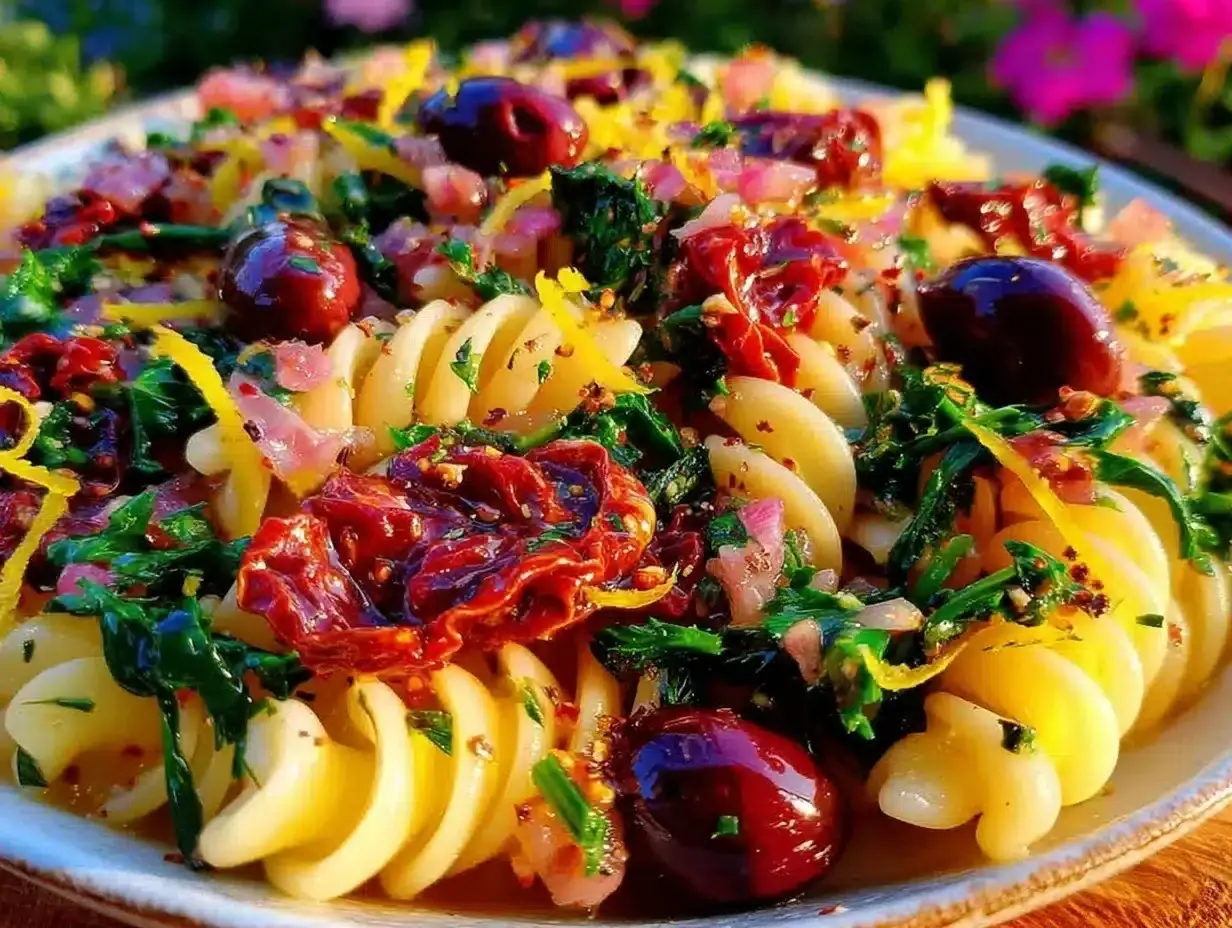
One scorching July afternoon, I found myself staring at a nearly empty fridge and a stubborn craving for something fresh, zesty, and easy to throw together. No fancy trips to the store, no hours spent chopping or simmering; just simple ingredients that somehow come together to taste like a Mediterranean vacation on a plate.
That’s exactly how this Mediterranean lemon herb pasta salad was born—right from that moment of “what do I have and can I make it delicious?” After testing it about a dozen times, I finally nailed the balance of bright lemon, fragrant herbs, and tender pasta tossed with just enough olive oil and a hint of garlic.
Why You Will Love This Recipe
- Bright, Fresh Flavors: The combination of fresh lemon juice, olive oil, and fragrant herbs makes every bite taste vibrant and light, never heavy or greasy.
- Simple Ingredients, Big Impact: No need for fancy cheeses or imported olives here; I use regular pantry staples that come together seamlessly for maximum taste.
- Meal Prep Friendly: I make a big batch on Sunday, and it keeps perfectly in the fridge for up to 4 days, with the flavors even deepening overnight.
- Customizable: Whether you want to toss in cherry tomatoes, cucumbers, or even some toasted pine nuts, this recipe bends to your preferences with ease.
- Healthy & Satisfying: Whole wheat or regular pasta paired with fresh herbs and lemon means you’re getting fiber, vitamins, and a boost of antioxidants without the extra calories.
Ingredients You Need
Here’s what I love about this Mediterranean lemon herb pasta salad: it’s mostly simple pantry staples with a few fresh ingredients that pack a punch. I’m picky about the quality of olive oil and fresh herbs, though—they really make a significant difference in the final outcome.
Mediterranean Lemon Herb Pasta Salad
A bright, fresh, and easy Mediterranean lemon herb pasta salad perfect for healthy summer side dishes. Made with simple pantry staples and fresh herbs, this salad is light, refreshing, and customizable.
- 8 ounces (225g) short pasta (rotini, fusilli, or penne; whole wheat or regular)
- 1/4 cup (60ml) extra virgin olive oil
- 1/4 cup (60ml) fresh lemon juice
- 1 teaspoon lemon zest
- 2 cloves garlic, minced
- 1/3 cup fresh herbs (parsley, basil, and mint), finely chopped
- 1 cup (150g) cherry tomatoes, halved
- 1/2 cup (75g) Kalamata olives, pitted and halved
- 1/4 small red onion, finely diced
- 1/2 cup (75g) crumbled feta cheese (optional)
- Salt and black pepper to taste
- 1Bring a large pot of salted water to a boil. Add the pasta and cook according to package instructions until al dente (usually 8-10 minutes). Stir occasionally to prevent sticking.
- 2Drain the pasta in a colander and rinse briefly under cold water to stop cooking and cool it down. Shake gently to remove excess water.
- 3While pasta cooks, halve cherry tomatoes, slice olives, finely dice red onion, and chop herbs. Zest and juice the lemon. Soak diced onion in cold water for 10 minutes if milder flavor is desired, then drain.
- 4In a small bowl, whisk together olive oil, fresh lemon juice, lemon zest, minced garlic, salt, and black pepper. Taste and adjust seasoning if needed.
- 5In a large bowl, combine cooled pasta, tomatoes, olives, red onion, herbs, and feta cheese (if using). Pour dressing over and toss gently but thoroughly to coat evenly.
- 6Let the salad sit at room temperature for at least 15 minutes before serving to allow flavors to meld and pasta to absorb dressing.
Keywords: Mediterranean pasta salad, lemon herb pasta salad, healthy pasta salad, summer side dish, easy pasta salad, fresh herbs pasta salad
- pasta: short shapes like rotini, fusilli, or penne because they hold the dressing well; whole wheat pasta adds a nutty flavor and more fiber, but regular semolina works great too.
- extra virgin olive oil: the foundation for the dressing; use good quality here as it makes a huge difference.
- fresh lemon juice: brightens everything up; always squeeze fresh lemons because bottled juice tastes flat.
- lemon zest: adds a subtle zing and aroma that intensifies the lemon flavor without extra acidity.
- garlic: adds a nice savory kick; roasted garlic works if you want a milder, sweeter flavor.
- fresh herbs: a mix of parsley, basil, and mint is ideal; these herbs bring freshness and the Mediterranean vibe.
- cherry tomatoes: sweet bursts of flavor and color; if tomatoes aren’t in season, diced cucumber makes a great substitute.
- kalamata olives: salty and briny, these olives add that authentic Mediterranean punch; if you’re not a fan, sliced green olives or capers work too.
- red onion: adds a little bite; soak in cold water for 10 minutes beforehand to tame the sharpness if you prefer.
- feta cheese: creamy and tangy, but optional if you want to keep it vegan or dairy-free.
- salt & black pepper: to taste; start with about 1/2 teaspoon salt and adjust after tossing everything together.
The exact quantities for each ingredient are readily available in the accompanying recipe card for your convenience.
Variations
Once you’re comfortable with the base recipe, here are some fun twists and swaps I’ve tested that work great to elevate your pasta salad experience.
Vegan Delight: To make this recipe entirely vegan, simply omit the feta cheese. For added texture and a creamy element that doesn’t rely on dairy, consider incorporating toasted pine nuts or a dollop of tahini-based dressing. You could also add some marinated artichoke hearts for an extra layer of Mediterranean flavor.
Low-Carb Option: For a lower carbohydrate version, consider swapping the traditional pasta for spiralized zucchini noodles or shirataki noodles. These alternatives absorb the bright lemon-herb dressing beautifully and offer a lighter, crispier texture. Ensure your chosen noodles are well-drained and patted dry before adding them to the salad.
Protein Powerhouse: Transform this vibrant salad into a complete meal by adding a protein source. Grilled chicken breast, flaked canned tuna, or a generous handful of seasoned chickpeas are fantastic additions. For a vegetarian boost, baked tofu or white beans also work wonderfully. This makes it perfect for a satisfying lunch or a hearty dinner side.
Spicy Kick: If you enjoy a little heat, add a pinch of red pepper flakes to the dressing mixture. You could also finely mince a small fresh chili, like a jalapeño or serrano pepper, and toss it in with the other vegetables for a more noticeable spice. Be mindful of the heat level you desire when adding fresh chilies.
Mediterranean Flavors Plus: Amp up the classic Mediterranean profile by incorporating other complementary ingredients. Sun-dried tomatoes (oil-packed and chopped), pitted Castelvetrano olives for a milder brine, or even some roasted red peppers would add depth and complexity. A sprinkle of fresh oregano alongside the other herbs also provides a delightful aromatic boost.
How to Prepare Mediterranean lemon herb pasta salad
Step 1: Cook the Pasta
Bring a large pot of generously salted water to a rolling boil. Add your chosen pasta shape, ensuring there’s enough water for it to move freely and cook evenly without sticking together.
Cook the pasta according to the package instructions until it reaches the perfect al dente texture, which typically takes between 8 to 10 minutes. Stir the pasta occasionally throughout the cooking process to prevent any clumps from forming and ensure consistent results.
Once cooked to your liking, drain the pasta thoroughly in a colander. Immediately rinse it under cold running water for about 30 seconds to stop the cooking process and cool it down rapidly. This step is crucial for preventing the pasta from becoming mushy once it’s dressed and chilled.
Give the colander a good shake to remove as much excess water as possible. The goal is to have cooled, separated pasta strands ready to absorb the vibrant flavors of the dressing and other ingredients. This also prevents the salad from becoming watery.
Step 2: Prepare the Fresh Components
While the pasta is cooking, it’s the perfect time to prepare all of your fresh ingredients. Start by halving the cherry tomatoes; this allows them to release their sweet juices and distribute evenly throughout the salad.
Next, halve the pitted Kalamata olives, ensuring they are bite-sized and easy to eat. Finely dice the quarter of a small red onion; if you find raw onion too pungent, you can soak these small pieces in a bowl of ice-cold water for about 10 minutes before draining them, which significantly mellows their sharpness without sacrificing crunch.
Finely chop your assortment of fresh herbs, aiming for about 1/3 cup total. A vibrant mix of parsley, basil, and mint provides a classic Mediterranean flavor profile, but feel free to experiment with other fresh herbs you enjoy.
Finally, zest and juice your fresh lemon. Zesting first is a handy trick as it’s much easier to zest a whole lemon than a half-lemon. This combined effort of preparing all the fresh elements ensures your salad will be bursting with flavor and color.
Step 3: Craft the Lemon Herb Dressing
In a small bowl, combine the extra virgin olive oil and the freshly squeezed lemon juice. This forms the bright, zesty base of your salad’s flavor.
Add the finely minced garlic cloves, the fragrant lemon zest, and a generous pinch of salt and freshly ground black pepper to the bowl. The zest is essential for amplifying the lemon’s aromatic qualities without adding extra tartness.
Whisk all the dressing ingredients together vigorously until they are well combined and slightly emulsified. Take a moment to taste the dressing and adjust the seasoning as needed; you might want a little more salt, pepper, or even a touch more lemon juice depending on your preference.
This simple dressing is the heart of the salad, infusing every component with its refreshing citrusy and herbaceous notes. It’s a testament to how few high-quality ingredients can create incredible flavor.
Step 4: Combine and Toss
In a large mixing bowl, combine the cooled, drained pasta with all the prepared fresh components: the halved cherry tomatoes, the sliced Kalamata olives, the finely diced red onion, and the chopped fresh herbs.
If you’re including feta cheese, crumble it in at this stage. The salty tang of the feta adds a wonderful creamy counterpoint to the bright dressing and fresh vegetables.
Pour the prepared lemon herb dressing evenly over the ingredients in the bowl. Ensure the dressing coats every piece of pasta and vegetable for maximum flavor distribution.
Using a large spoon or spatula, gently but thoroughly toss all the ingredients together. The key is to ensure everything is well-mixed without crushing the delicate tomatoes or breaking apart the pasta. This thorough mixing ensures each bite is a delightful combination of flavors and textures.
Step 5: Allow Flavors to Meld
Once everything is tossed together, cover the bowl or transfer the salad to an airtight container. Let the Mediterranean lemon herb pasta salad sit at room temperature for at least 15 to 30 minutes before serving.
This resting period is essential for allowing the pasta to absorb the zesty lemon dressing and for all the individual flavors to meld together into a harmonious symphony. The herbs will become more fragrant, and the garlic will soften its bite.
While it’s enjoyable immediately, the salad truly shines when it has had a chance to rest. This allows the ingredients to get acquainted and creates a more cohesive and deeply satisfying flavor profile.
If you’re preparing this salad ahead of time for a meal later in the day or the next day, chilling it in the refrigerator is perfectly fine. However, it’s always best to let it sit at room temperature for about 15-20 minutes before serving to allow the flavors to reawaken.
Step 6: Serve and Enjoy
Serve the Mediterranean lemon herb pasta salad chilled or at room temperature, depending on your preference and the occasion. It’s wonderfully versatile and tastes great either way.
Garnish with a few extra sprigs of fresh herbs or a couple of thin lemon wedges for an appealing presentation. This simple touch adds visual freshness and reinforces the salad’s bright flavors.
This salad is an ideal accompaniment to grilled meats, fish, or poultry, making it a perfect addition to any summer barbecue, picnic, or potluck. It also stands beautifully on its own as a light and refreshing lunch.
It’s a crowd-pleaser that’s simple enough for a weeknight meal but elegant enough for entertaining guests. The vibrant colors and refreshing taste are sure to be a hit.
Pro Tips for Mediterranean lemon herb pasta salad
Don’t Skimp on Rinsing: Rinsing the pasta under cold water after cooking is a critical step that I learned the hard way. It quickly cools the pasta, halting the cooking process and preventing it from becoming a gummy, starchy mess. This step is non-negotiable for a perfectly textured pasta salad.
Fresh Herbs Are Paramount: While dried herbs can sometimes be a substitute, they simply do not provide the same vibrant, fresh taste that fresh parsley, basil, and mint bring to this salad. The difference is night and day, and they are essential for achieving that authentic Mediterranean essence.
Lemon Zest for Extra Zing: Don’t just rely on the lemon juice for flavor; the lemon zest contains the essential oils that provide a more intense, aromatic citrus punch. It adds a layer of complexity and brightness that truly elevates the entire dish without making it overly tart.
Tame the Onion’s Bite: If raw red onion tends to be too sharp for your palate, a quick soak in ice-cold water for about 10 minutes before adding it to the salad will significantly mellow its intensity. This technique softens the pungency while retaining its satisfying crunch and flavor.
Salt Adjustments are Key: Since Kalamata olives and feta cheese are naturally quite salty, it’s wise to add your salt in stages. Start with a small amount, toss the salad, and then taste before adding more. This prevents the salad from becoming overpoweringly salty.
Make-Ahead Magic: This pasta salad is a prime example of a dish that improves with age. Prepare it a few hours or even a day in advance, and the flavors will have ample time to meld and deepen, creating a more complex and delicious final product. Just remember to bring it to room temperature before serving.
Serving Suggestions for Mediterranean lemon herb pasta salad
Decoration
Elevate the visual appeal of your Mediterranean lemon herb pasta salad with simple yet effective garnishes. A sprinkle of freshly chopped parsley, basil, or mint directly on top adds a burst of color and freshness.
Consider adding a few thin lemon slices or wedges around the serving bowl or directly onto the salad. This not only looks attractive but also hints at the bright, citrusy flavors within. A small drizzle of extra virgin olive oil over the top just before serving can also enhance its sheen and aroma.
For a touch of elegance, consider adding a few edible flowers if you have them readily available. These small touches transform a simple salad into a visually stunning dish that’s perfect for any occasion.
Side Dishes
This versatile pasta salad pairs exceptionally well with a variety of main courses. Grilled chicken breasts marinated in lemon and herbs, or simple pan-seared fish fillets, make for a complete and healthy meal.
For a more substantial vegetarian option, consider serving it alongside a hearty lentil soup or a flavorful Cajun chicken pasta-inspired dish if you’re looking to branch out. It also complements skewers of grilled vegetables or halloumi cheese beautifully.
For a lighter meal, it can be a star player on a buffet alongside other Mediterranean-inspired dishes like falafel, hummus, or a fresh Greek salad. It’s the perfect companion for outdoor gatherings and summer barbecues, offering a bright contrast to richer flavors.
Creative Serving Ideas
Pack individual portions into small mason jars or airtight containers for healthy and convenient lunches on the go. Layering the ingredients can make for a visually appealing and satisfying portable meal.
Stuff large hollowed-out bell peppers or large tomatoes with the pasta salad for a fun and edible serving vessel. This creates a unique presentation that is sure to impress your guests at a picnic or garden party.
Consider serving it warm as a side dish for a cozy dinner, perhaps alongside a savory swirled garlic herb and cheese bread. While it’s typically served cold or at room temperature, a gentle rewarming can bring out slightly different flavor nuances.
Preparation & Storage
Storing Leftovers
Leftovers of this Mediterranean lemon herb pasta salad can be stored in an airtight container in the refrigerator for up to 3-4 days. The flavors tend to deepen and meld further over time, making it even more delicious on subsequent days.
If the pasta salad appears a bit dry after refrigeration, which can happen as the pasta absorbs more dressing, simply toss it with a small splash of extra virgin olive oil or a squeeze of fresh lemon juice before serving. This revitalizes the dressing and brings back its bright, fresh taste.
Ensure the container is properly sealed to maintain freshness and prevent any odors from the refrigerator from contaminating the salad. This storage method keeps the ingredients from drying out or becoming freezer-burned.
Freezing
Unfortunately, this Mediterranean lemon herb pasta salad is not well-suited for freezing. The fresh herbs, tomatoes, and the texture of the cooked pasta can become unpleasantly mushy and watery upon thawing, significantly compromising the salad’s quality and appeal.
Freezing can alter the texture of the vegetables and herbs in ways that are difficult to reverse, leading to a less enjoyable eating experience. It’s best to consume this salad within its refrigerated shelf life.
For best results, plan to make only the amount you anticipate consuming within a few days. This ensures you can enjoy the salad at its optimal freshness and texture without resorting to freezing.
Reheating
This particular pasta salad is designed to be served cold or at room temperature and does not require reheating. In fact, reheating can negatively impact the texture of the fresh ingredients, particularly the herbs and vegetables.
If you prefer a slightly warmer dish, you can gently warm it in a pan over very low heat or briefly in the microwave, but be cautious not to overcook it. The goal is to just take the chill off, not to cook it further.
Most people find that allowing the refrigerated salad to sit out at room temperature for about 15-20 minutes before serving is sufficient to bring out its full flavor profile. This also helps the dressing to loosen up and coat the pasta beautifully.
Frequently Asked Questions
-
Can I make this pasta salad ahead of time?
Absolutely! In fact, it tastes even better after a few hours or overnight because the flavors meld beautifully. Just store it in an airtight container in the fridge and let it come to room temperature before serving for the best taste. This resting period allows the pasta to fully absorb the dressing and the herbs to infuse their aroma throughout the salad.
-
What type of pasta works best?
I recommend short shapes like rotini, fusilli, or penne because they trap the dressing and ingredients well, ensuring you get a bit of everything in each bite. Whole wheat pasta adds a nice nutty flavor and boosts fiber content, but any pasta shape you have on hand will work effectively for this recipe.
-
Can I use dried herbs instead of fresh?
You can substitute dried herbs in a pinch, but you’ll need to adjust the quantity as dried herbs are more concentrated. Generally, use about one-third the amount of dried herbs compared to fresh. However, fresh herbs truly bring the brightness and freshness that make this salad really pop and are highly recommended for the best flavor outcome.
-
How do I prevent the salad from getting soggy?
Rinsing the pasta under cold water after cooking is key; it stops the cooking process and washes away excess starch that can make the salad gummy. Also, make sure to store the salad in an airtight container and consume it within 3-4 days for optimal freshness and texture. Overcooking the pasta initially can also contribute to sogginess.
-
Can I add other vegetables or proteins?
Definitely! I love tossing in grilled zucchini, bell peppers, or chickpeas for more texture and nutrition. Grilled chicken or canned tuna work great if you want to make it a fuller meal and turn it into a satisfying main course. You could also add cucumber, bell peppers, or even some artichoke hearts.
-
Is this recipe vegan?
The base salad is vegan if you omit the feta cheese or use a plant-based alternative. The olive oil and lemon dressing is naturally vegan and packed with flavor, making it a fantastic plant-based option. You can also add vegan feta if you prefer that salty tang.
-
Can I freeze Mediterranean pasta salad?
I don’t recommend freezing this salad because the fresh herbs and vegetables can become unpleasantly mushy and watery upon thawing. It’s best enjoyed fresh or refrigerated for up to a few days to maintain its ideal texture and flavor.