Maroulosalata: Irresistible Greek Lettuce Salad You’ll Crave Instantly!
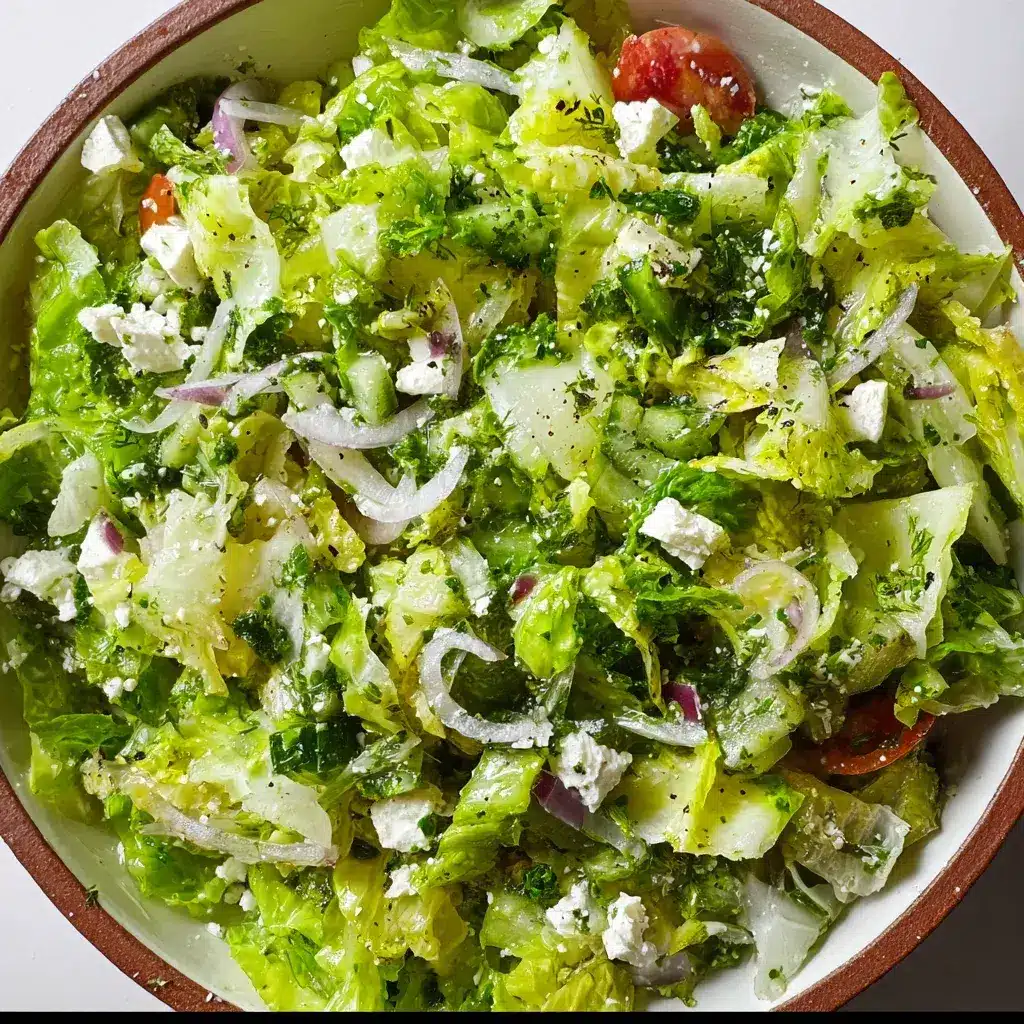
The first time I made this crisp, vibrant salad was during a sweltering summer evening when turning on the oven felt like torture. The refreshing crunch of romaine lettuce tossed with juicy tomatoes, crisp cucumbers, and tangy feta transported me straight to a seaside taverna in Santorini.
What makes this salad truly special is its simple yet bold dressing – just good olive oil, lemon juice, and oregano. Perfect for busy weeknights or as a crowd-pleasing side at your next gathering, this Greek classic deserves a permanent spot in your recipe collection.
Why You Will Love This Recipe
- Fresh, Vibrant Flavors: There’s something magical about how a few humble ingredients transform into something extraordinary in this Maroulosalata. The crisp lettuce provides the perfect canvas for the bright lemon dressing to shine, creating a taste that is both refreshing and invigorating.
- Quick Preparation: What surprised me most was how quickly it comes together – literally five minutes of chopping and you’re done! This makes it an ideal option for those busy weeknights when time is of the essence but you still crave a healthy, delicious meal.
- Nutritional Powerhouse: Beyond its incredible taste, this Greek lettuce salad packs a serious nutritional punch. The combination of fresh vegetables delivers a wealth of vitamins, minerals, and antioxidants that nourish your body from the inside out, making it a guilt-free indulgence.
- Versatile Side Dish: This salad is incredibly versatile and pairs beautifully with a wide array of main courses, from grilled meats and fish to vegetarian options. Its bright, clean flavors cut through richer dishes, offering a perfect balance to any meal.
- Authentic Greek Taste: I adore how the oregano adds that distinctive Greek flavor profile without overwhelming the delicate vegetables. It truly captures the essence of Mediterranean cuisine in every single bite.
Ingredients You Need
The beauty of Maroulosalata lies in its simplicity, which means ingredient quality makes all the difference in achieving that authentic, fresh taste. Choosing the right produce will elevate this salad from good to absolutely unforgettable, truly embodying the spirit of Greek home cooking.
Maroulosalata (Greek Lettuce Salad)
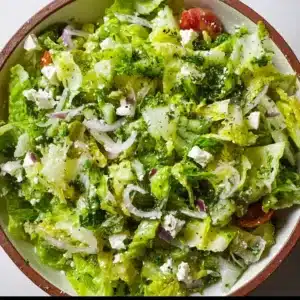
Maroulosalata, the quintessential Greek Lettuce Salad, brings a burst of Mediterranean sunshine to your table with just a handful of fresh ingredients. The refreshing crunch of romaine lettuce tossed with juicy tomatoes, crisp cucumbers, and tangy feta, with a simple yet bold dressing of olive oil, lemon juice, and oregano. Perfect for busy weeknights or as a crowd-pleasing side at your next gathering.
- 1 large head romaine lettuce, washed and chopped
- 1 cup cherry tomatoes, halved
- 1/2 cucumber, thinly sliced
- 1/4 red onion, thinly sliced (optional)
- 1/2 cup crumbled feta cheese
- For the Dressing:
- 1/4 cup extra virgin olive oil
- 2 tablespoons fresh lemon juice
- 1 teaspoon dried oregano
- Salt and freshly ground black pepper to taste
- 1Prepare the dressing: In a small bowl, whisk together the olive oil, lemon juice, and oregano. Season with salt and pepper to taste.
- 2In a large salad bowl, combine the chopped romaine lettuce, halved cherry tomatoes, sliced cucumber, and sliced red onion (if using).
- 3Pour the dressing over the salad and toss gently to coat all the ingredients.
- 4Add the crumbled feta cheese and toss once more.
- 5Serve immediately.
Keywords: Greek salad, lettuce salad, Maroulosalata, Mediterranean, healthy, easy, vegetarian, side dish, lunch
- romaine lettuce: the crisp foundation of this classic salad, providing structure and a satisfying crunch with every bite.
- ripe tomatoes: juicy and sweet, they add bursts of color and a delightful tangy element that complements the other ingredients beautifully.
- cucumber: fresh and hydrating, offering a cool crispness that balances the richness of the dressing and feta.
- red onion: thinly sliced, it provides a subtle sharpness and a hint of pungent flavor that awakens the palate.
- feta cheese: authentic Greek feta made from sheep’s milk, crumbled, it brings a salty, tangy complexity that is essential to the salad’s character.
- extra virgin olive oil: the cornerstone of the dressing, a high-quality olive oil imparts a rich, fruity flavor that ties all the components together.
- fresh lemon juice: providing the essential bright acidity, it cuts through the oil and enhances the freshness of the vegetables.
- dried oregano: preferably Greek oregano, its aromatic notes are crucial to achieving the signature Mediterranean taste profile.
- salt: to enhance all the flavors and balance the dressing.
- freshly ground black pepper: for a touch of gentle spice and aroma.
Quantities for each ingredient can be found in the recipe card above, ensuring you have the perfect balance for this delightful salad.
Variations
While the classic Maroulosalata is undeniably delicious, exploring variations can introduce exciting new dimensions to this beloved Greek salad. These twists allow you to tailor it to different dietary needs or simply to enjoy its refreshing essence in new and creative ways.
Vegan Delight: To create a fully vegan Maroulosalata, simply omit the feta cheese or substitute it with a high-quality plant-based feta alternative that mimics the salty tang. You can also enhance the protein and texture by adding cooked chickpeas or cannellini beans, ensuring a hearty and satisfying salad that everyone can enjoy. This version still retains the core freshness and zesty dressing.
Low-Carb Crunch: For those following a low-carbohydrate lifestyle, Maroulosalata is already a fantastic base. To amp up the satisfaction, consider adding sliced avocado for healthy fats and a creamy texture, or incorporate a generous amount of toasted sunflower or pumpkin seeds for an extra nutty crunch. These additions boost satiety without significantly increasing the carbohydrate count.
Mediterranean Medley: Elevate your Maroulosalata by embracing a wider array of Mediterranean ingredients. Think about adding Kalamata olives for their briny depth, capers for a piquant bite, or even some sun-dried tomatoes for a concentrated burst of sweetness. A sprinkle of fresh mint or dill can also add an unexpected layer of herbaceous brightness to the salad.
Hearty Meal Salad: Transform Maroulosalata into a complete and fulfilling meal by adding a substantial protein source. Grilled chicken breast, succulent shrimp, or flaky baked fish are excellent choices that pair beautifully with the salad’s fresh flavors. For a vegetarian option, consider adding grilled halloumi cheese or a generous portion of quinoa for a filling and nutritious meal.
How to Prepare Maroulosalata
Step 1: Prepare the Romaine Lettuce
Begin by washing your romaine lettuce thoroughly under cold running water. It’s crucial to ensure every leaf is free from any grit or soil, as this can detract from the salad’s overall appeal. Gently pat the leaves dry with clean kitchen towels or use a salad spinner to remove as much moisture as possible.
The drier the lettuce, the better the dressing will adhere to the leaves, ensuring each bite is perfectly coated. Improperly dried lettuce can lead to a watery salad, which is the opposite of what we aim for in a crisp, refreshing Maroulosalata. Once dried, tear the lettuce into bite-sized pieces and place them in a large salad bowl.
The Best Part: The satisfying crunch of perfectly dry romaine is the foundation of a great Maroulosalata. It’s the first step that sets the stage for the entire culinary experience, ensuring a delightful texture from start to finish.
Step 2: Chop the Vegetables
Next, prepare your fresh vegetables, ensuring they are also washed and dried before chopping. Dice the ripe tomatoes into bite-sized pieces, aiming for consistency in size so they distribute evenly throughout the salad. Remove the seeds from the cucumber if they are particularly large, and then chop it into similar bite-sized pieces.
Thinly slice the red onion; you can soak the sliced onion in cold water for about 10 minutes and then drain it if you prefer a milder onion flavor. This step can significantly reduce its sharpness, making it more palatable for those sensitive to raw onion. Add these prepared vegetables to the large bowl with the romaine lettuce.
Tip: For an extra burst of flavor, consider using vine-ripened tomatoes that are at their peak freshness. Their natural sweetness and acidity will significantly enhance the overall taste profile of your Maroulosalata.
Step 3: Make the Dressing
In a separate small bowl or a jar with a tight-fitting lid, combine the extra virgin olive oil and fresh lemon juice. This is the heart of the Maroulosalata’s flavor, so using high-quality ingredients is paramount. Start with a ratio of approximately 3 parts olive oil to 1 part lemon juice, but feel free to adjust this to your personal preference.
Add the dried oregano to the dressing mixture. To release its aromatic oils, gently crush the dried oregano between your fingertips before adding it to the bowl. Season generously with salt and freshly ground black pepper, remembering that the feta cheese will also add saltiness, so taste and adjust as needed.
The Secret Ingredient: Whisk the dressing ingredients vigorously until they emulsify, creating a slightly creamy, cohesive mixture. This emulsification ensures the dressing coats the lettuce beautifully rather than pooling at the bottom of the bowl, making every single bite a flavor explosion.
Step 4: Combine and Toss
Pour the prepared dressing over the romaine lettuce and chopped vegetables in the large salad bowl. Gently toss everything together, ensuring that each piece of lettuce and every vegetable chunk is lightly coated with the zesty dressing. Take your time with this step to achieve an even distribution of flavor.
The goal is to have a glistening salad, not one that is drowning in dressing. If you find that some areas are not getting enough dressing, you can add a tiny bit more oil or lemon juice, or simply continue tossing gently until everything looks perfectly coated. The aroma at this stage should be incredibly inviting, a promise of the deliciousness to come.
Important Note: Avoid over-tossing, which can bruise the delicate lettuce leaves and make them wilt prematurely. A gentle, folding motion is usually sufficient to combine all the ingredients harmoniously.
Step 5: Add Feta and Serve
Once the salad is dressed to perfection, crumble the authentic Greek feta cheese generously over the top. Distribute the crumbled feta evenly across the salad, ensuring a good balance of salty tang in every serving. The white crumbles of feta add a beautiful visual contrast to the vibrant greens and reds of the salad.
Give the salad one final, very gentle toss to lightly incorporate the feta without breaking it down too much. The creamy, salty feta pieces are meant to be distinct and provide delightful pockets of flavor. Serve the Maroulosalata immediately to ensure the lettuce remains crisp and the flavors are at their freshest.
Serving Suggestion: This salad is best enjoyed fresh. If you have any leftovers (which are rare!), store the undressed components separately and add the feta just before serving again to maintain optimal texture.
Step 6: Final Touches and Presentation
Before serving, you can add a final sprinkle of dried oregano over the top for an extra aromatic boost and visual appeal. A drizzle of your best quality extra virgin olive oil can also enhance the richness and finish the salad beautifully. Some people also like to add a few extra small cherry tomatoes or a thin slice of cucumber on top for garnish.
Ensure that the salad is presented attractively in the serving bowl. The vibrant colors of the romaine, tomatoes, and feta should be showcased, inviting your guests to dig in. This final presentation step elevates the simple salad into something truly special, reflecting the care and attention put into its preparation.
Presentation Tip: Consider garnishing with a few fresh sprigs of dill or parsley for an added touch of color and freshness, especially if you have them on hand. This simple addition can make a significant difference in the salad’s overall visual appeal.
Pro Tips for Maroulosalata
Use the Freshest Ingredients Possible: The success of Maroulosalata hinges on the quality of its few, simple ingredients. Opt for the crispest romaine lettuce, the juiciest ripe tomatoes, and the freshest cucumber you can find. This makes a noticeable difference in the final flavor and texture of the salad.
Don’t Skimp on the Olive Oil: This is where the soul of the dressing lies. Invest in a good quality extra virgin olive oil; its fruity notes and richness will shine through and elevate the entire dish. It’s not just a binder; it’s a primary flavor component.
Balance the Dressing: The ratio of olive oil to lemon juice is crucial for a harmonious dressing. Start with a 3:1 ratio of oil to lemon and taste as you go, adjusting based on your preference for tanginess. A touch of honey or a pinch of sugar can balance excessive acidity if needed.
Dry Your Greens Thoroughly: Waterlogged lettuce is the enemy of a crisp salad. After washing your romaine, ensure it’s completely dry. A salad spinner is your best friend here, or gently pat each leaf dry with paper towels to prevent a watery outcome and ensure the dressing adheres properly.
Crumble Feta by Hand: For the best texture and flavor distribution, crumble your authentic Greek feta cheese by hand just before adding it to the salad. Pre-crumbled feta can sometimes be dry and less flavorful; the hand-crumbled variety integrates more naturally and offers pockets of creamy, salty goodness.
Prepare Components Ahead, Dress Last: If you need to prepare Maroulosalata in advance, chop your vegetables and make the dressing separately. Store the washed and dried lettuce in a container with paper towels. Assemble and dress the salad only moments before serving to maintain its crispness and vibrant appeal.
Serving Suggestions for Maroulosalata
Decoration
To elevate the visual appeal of your Maroulosalata, consider adding a few decorative touches that enhance its Mediterranean charm. A final drizzle of the finest extra virgin olive oil over the dressed salad creates a glistening sheen that is both appetizing and luxurious. Sprinkle a little extra dried oregano over the top for a concentrated burst of aroma and color, reinforcing the salad’s signature flavor.
For an extra touch of freshness and visual vibrancy, consider garnishing with a few fresh dill sprigs or finely chopped parsley. These herbs add a bright green contrast that pops against the romaine and feta. Some chefs also like to add a few whole cherry tomatoes or a thin slice of cucumber strategically placed on top, adding a touch of artistry to the presentation.
The Artistic Touch: Even simple garnishes can transform a humble salad into a centerpiece. The key is to be thoughtful and avoid overcrowding; the decoration should complement, not overwhelm, the natural beauty of the ingredients.
Side Dishes
Maroulosalata is a remarkably versatile side dish that complements a wide range of main courses, particularly those with Mediterranean or Greek influences. It serves as an ideal counterpoint to rich and savory dishes like grilled lamb souvlaki, baked lemon chicken, or tender slow-cooked moussaka. The salad’s crispness and bright acidity cut through the richness, providing a refreshing balance that cleanses the palate with every bite.
For a lighter meal, serve it alongside grilled fish such as sea bass or bream, allowing the fresh flavors of the salad to enhance the delicate taste of the seafood. It also pairs wonderfully with vegetarian main courses, such as falafel or spanakopita (spinach pie), contributing a vital element of freshness. When serving as part of a larger mezze spread, it fits perfectly alongside dips like hummus and tzatziki, or alongside other small plates.
A Perfect Pairing: Think of it as the refreshing punctuation mark to any Greek-inspired meal, balancing heavier flavors and adding a delightful textural contrast. Its adaptability makes it a perennial favorite for casual dinners and elaborate feasts alike.
Creative Serving Ideas
Beyond its role as a traditional side, Maroulosalata can be creatively reimagined for different dining occasions. For a delightful lunch option, toss in some cooked orzo pasta or quinoa to create a more substantial and filling salad that can stand on its own. This transforms it into a complete meal that’s perfect for a healthy and satisfying midday repast.
Consider serving individual portions in small, elegant bowls or even martini glasses for a more sophisticated presentation at a dinner party. Layering the ingredients thoughtfully can create a visually stunning effect. Another fun idea is to serve it in hollowed-out bell peppers or large tomato halves for an edible and impressive serving vessel, especially during warmer months when these vegetables are in season.
A Meal in Itself: By adding protein like grilled shrimp or chickpeas, or even incorporating some hearty grains, you can effortlessly transform this simple lettuce salad into a satisfying main course. This adaptability ensures it can cater to various appetites and meal types with ease and flair.
Preparation & Storage
Storing Leftovers
If you find yourself with leftover Maroulosalata, proper storage is key to maintaining its freshness and preventing sogginess. The best practice is to store any undressed components separately from the dressed lettuce and vegetables. Keep the washed and thoroughly dried romaine lettuce in an airtight container, perhaps lined with a paper towel to absorb any residual moisture.
The chopped vegetables (tomatoes, cucumber, onion) can also be stored in a separate airtight container in the refrigerator. The dressing should be kept in a small jar with a lid. It’s crucial to hold off on adding the feta cheese to leftovers until just before you plan to serve them again. Feta can release moisture and salt, which can further wilt the greens and alter the salad’s texture over time.
The Golden Rule: The closer you can keep the salad components to their original state before combining, the better the leftovers will be. Aim to reassemble and dress right before enjoying any remaining portions.
Freezing
Freezing Maroulosalata is generally not recommended, as the high water content of the fresh vegetables and lettuce makes them prone to textural degradation upon thawing. Romaine lettuce, in particular, will become limp and unappealing once frozen and then thawed. Similarly, tomatoes and cucumbers can become mushy and lose their crispness.
The dressing, if made with oil and lemon juice without any dairy or creamy emulsifiers, might be partially freezeable, but the overall salad is best enjoyed fresh. For optimal results and to preserve the intended crisp texture and vibrant flavors, it’s best to prepare Maroulosalata in quantities that will be consumed shortly after preparation. If you have excess ingredients, consider using them in other dishes rather than attempting to freeze the assembled salad.
A Note on Texture: Freezing fundamentally alters the cellular structure of fresh produce, making it unsuitable for salads where crispness is a primary characteristic. This salad is designed to be a fresh, light, and vibrant dish.
Reheating
Maroulosalata is a cold salad and, therefore, does not require reheating. The intention is to serve it chilled, highlighting the refreshing qualities of the crisp lettuce and vegetables. Reheating would completely destroy the salad’s intended texture and appeal, turning crisp leaves into a wilted, unappetizing mess.
If you have leftovers that have become slightly less crisp, the best approach is not to reheat them but to try and revive them if possible. Sometimes, a brief immersion in ice water can help revive wilted lettuce leaves, but this is not always successful. The focus should remain on enjoying the salad at its freshest, making it ideal for immediate consumption after preparation.
Enjoy it Cold: This salad thrives on its cool temperature, which enhances the refreshing flavors and satisfying crunch. Embrace its chilled nature; it’s part of what makes Maroulosalata so delightful, especially on warm days.
Frequently Asked Questions
-
What makes Maroulosalata different from a traditional Greek salad (Horiatiki)?
The primary distinction between Maroulosalata and Horiatiki lies in the inclusion of lettuce. Horiatiki, the classic “village” Greek salad, traditionally contains no lettuce, focusing instead on tomatoes, cucumbers, bell peppers, onions, olives, and feta cheese, often with a large slab of feta on top. Maroulosalata, on the other hand, features crisp romaine lettuce as its base ingredient, tossed with similar complementary vegetables and a bright, zesty dressing. This makes Maroulosalata generally lighter and texturally different, offering a satisfying crunch that Horiatiki doesn’t provide.
-
Can I prepare Maroulosalata ahead of time, and if so, what are the best practices?
Yes, you can prepare certain components of Maroulosalata ahead of time to save time when you’re ready to serve. The key is to keep the dressing separate from the salad ingredients until just before serving. Wash and thoroughly dry the romaine lettuce and store it in an airtight container, ideally lined with paper towels to absorb excess moisture. Chop the tomatoes, cucumbers, and onions separately and store them in their own containers. The dressing can be made and stored in a jar. Assemble and dress the salad, and then add the feta, immediately before you plan to eat it to maintain optimal crispness and prevent wilting.
-
Is Maroulosalata suitable for specific dietary needs such as vegan, low-carb, or gluten-free diets?
Maroulosalata is remarkably adaptable to various dietary needs. It is naturally gluten-free, making it suitable for individuals with celiac disease or gluten sensitivities. For those following a low-carb or ketogenic diet, it is an excellent choice due to its low carbohydrate content from the fresh vegetables. To make it vegan, simply omit the feta cheese or substitute it with a plant-based feta alternative, and ensure your dressing ingredients are vegan-friendly. It’s a versatile salad that can easily be modified to suit different nutritional requirements while retaining its delicious, fresh character.