Irresistible Mango Coconut Panna Cotta with Fresh Mango Sauce
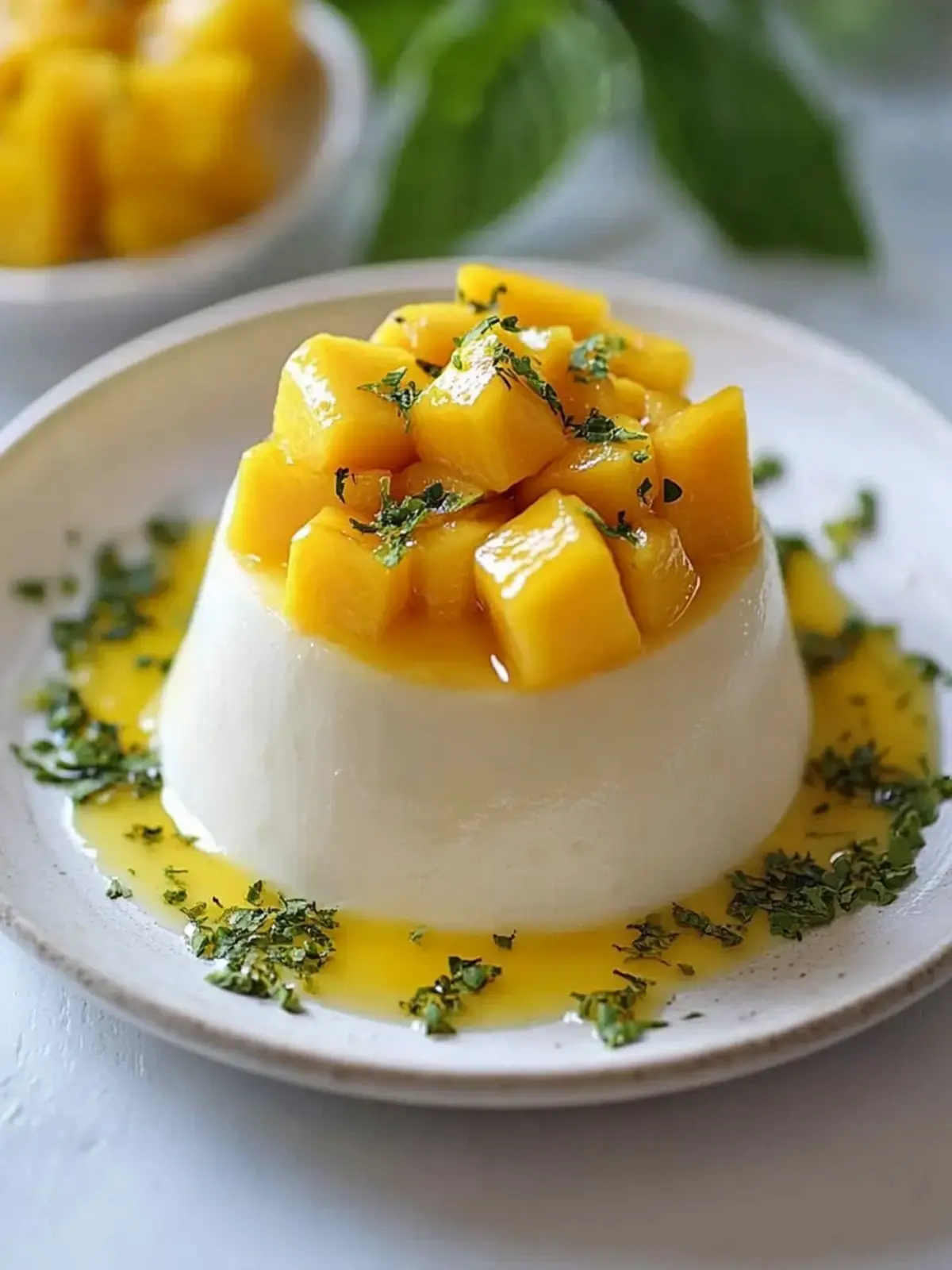
As the sun begins to set and warm rays start to linger in the air, I find myself daydreaming about tropical getaways—and nothing embodies that bliss quite like a Mango Coconut Panna Cotta with Fresh Mango Sauce. The creamy, velvety texture of coconut milk perfectly complements the bright, refreshing notes of ripe mangoes, transforming an ordinary evening into a mini vacation. This dessert strikes that ideal balance between indulgent and light, making it the perfect ending to any meal, especially on those warm summer nights.
I was inspired to create this dish after a visit to my local farmers’ market, where the scent of fresh mangoes filled the air. The vivid colors and sweet aroma are simply irresistible. With just a handful of simple ingredients, you can whip up this stunning panna cotta that’s not only gluten-free but also impressively easy to make. Trust me; your friends and family will be asking for seconds! So, let’s dive into this tropical adventure that brings the essence of paradise right to your kitchen.
Why You Will Love This Recipe
- Creamy Delight: This Mango Coconut Panna Cotta delivers a sumptuous texture that melts in your mouth, making it a true tropical treat that is incredibly satisfying.
- Quick to Make: With just a few simple ingredients, you can whip this dessert up in no time, perfect for spontaneous cravings or busy weeknights. It’s a wonderfully efficient way to create an impressive dessert.
- Refreshing Flavor: The bright mango sauce adds a burst of natural sweetness and a touch of tartness that perfectly balances the rich coconut base, creating a dish that feels both indulgent and wonderfully light.
- Gluten-Free Goodness: Not only is this dessert a crowd-pleaser for its taste and texture, but it’s also naturally gluten-free, ensuring everyone at your table can enjoy a delicious finale without worry.
- Endless Variations: Feel free to get creative with this base recipe! Experiment with different fruits, spices, or toppings for a personalized twist that keeps things exciting and tailored to your preferences.
Ingredients You Need
Choosing the freshest, highest-quality ingredients is paramount to achieving the vibrant flavors and perfect texture for this exquisite Mango Coconut Panna Cotta. Opting for ripe mangoes will ensure natural sweetness and a beautiful color for your sauce, while full-fat coconut milk is essential for that signature luxurious creaminess. These foundational elements set the stage for a truly delightful dessert experience, making the effort of sourcing premium produce incredibly rewarding for the final taste.
Mango Coconut Panna Cotta with Fresh Mango Sauce
Indulge in a luscious Mango Coconut Panna Cotta with Fresh Mango Sauce, a gluten-free dessert that brings tropical flavors to your table. This creamy, velvety panna cotta perfectly complements the bright, refreshing notes of ripe mangoes, transforming an ordinary evening into a mini vacation. It strikes an ideal balance between indulgent and light, making it the perfect ending to any meal, especially on warm summer nights. Quick to make and gluten-free, it's a crowd-pleaser for any occasion.
- For the Panna Cotta
- 1 cup Coconut Milk (Essential for rich creaminess)
- 1 cup Heavy Cream (Adds depth and richness)
- 1/2 cup Sugar (Can substitute with honey or agave syrup)
- 2 teaspoons Gelatin (Dissolve in water as per package instructions)
- 1 teaspoon Vanilla Extract (Use quality vanilla bean for enhanced flavor)
- For the Mango Sauce
- 2 medium Mangoes (Fresh and ripe for natural sweetness)
- 1 tablespoon Lime Juice (Adds brightness and balances sweetness)
- 1Prepare Panna Cotta Mixture: Dissolve gelatin in water according to package directions. In a saucepan, gently heat the coconut milk, heavy cream, sugar, and vanilla extract until warm but not boiling. Once warm, stir in the dissolved gelatin and mix until fully blended.
- 2Set Panna Cotta: Carefully pour the rich panna cotta mixture into serving molds or glasses. Place them in the refrigerator and let them chill for 4 to 6 hours, or until set and wobbly.
- 3Make Mango Sauce: While the panna cotta is chilling, blend the fresh mangoes until smooth. Add a splash of lime juice to brighten the flavors. If needed, adjust the sweetness of the sauce to your liking.
- 4Serve: Once the panna cotta has set, gently unmold it onto serving plates. Pour the vibrant mango sauce on top or serve it alongside, then enjoy this refreshing and indulgent treat chilled.
Keywords: Mango, Coconut, Panna Cotta, Dessert, Tropical, Gluten-Free, Creamy, Refreshing
- coconut milk: the essential base for its rich creaminess and distinct tropical flavor, can be substituted with almond milk for a lighter profile.
- heavy cream: contributes to the dessert’s luxurious depth and smooth texture, though more coconut milk can be used for a fully dairy-free version.
- sugar: provides the necessary sweetness, with options to use honey or agave syrup for a nuanced flavor variation.
- gelatin: acts as the crucial setting agent for that signature wobble, with agar-agar powder being a suitable vegan alternative.
- vanilla extract: enhances and rounds out the other flavors, though a scrape of vanilla bean seeds offers an even more intense aroma and taste.
- mangoes: ripe, sweet mangoes are key for the vibrant sauce, delivering natural sweetness and a gorgeous hue, adding a fresh fruit element that is utterly irresistible.
- lime juice: offers a bright, zesty counterpoint to the sweetness of the mango and the richness of the panna cotta, making each spoonful more dynamic and refreshing.
The exact quantities for these delightful ingredients are readily available in the recipe card above, ensuring you have all the precise measurements needed for success.
Variations
For a delightful dairy-free rendition, simply replace the heavy cream with an equal amount of full-fat coconut milk. This substitution maintains the luscious texture while amplifying the tropical essence. You’ll achieve a decadent dessert that caters beautifully to vegan preferences or those avoiding dairy, proving that rich indulgence knows no bounds.
Consider infusing the coconut milk with fragrant spices before heating. A gentle simmer with a cinnamon stick, a few cardamom pods, or even a sliver of fresh ginger can impart a complex warmth that beautifully complements the mango and coconut. Strain these aromatics out before proceeding with the gelatin to ensure a smooth final product.
To introduce an exciting textural contrast, try layering the panna cotta with a lightly sweetened fruit puree or a dollop of whipped coconut cream. A sprinkle of toasted coconut flakes or chopped pistachios on top also adds a delightful crunch that elevates the sensory experience of this already exquisite dessert.
Another creative twist involves incorporating a hint of spice into the mango sauce. A tiny pinch of cayenne pepper or a whisper of finely grated fresh ginger can create a subtle warmth that plays wonderfully against the cool, creamy panna cotta. This unexpected element adds a sophisticated layer of flavor that will intrigue your guests.
For those who adore a brighter, more citrus-forward profile, consider adding a touch more lime juice or even a splash of passion fruit juice to the mango sauce. This intensifies the tropical tang and provides a more complex fruity note that cuts through the richness of the panna cotta, making it even more refreshing.
How to Prepare Mango Coconut Panna Cotta
Step 1: Prepare the Panna Cotta Mixture
Begin by preparing your gelatin, which is crucial for achieving that signature silky-smooth texture. Sprinkle the gelatin powder evenly over a small amount of cold water in a heatproof bowl. Let it sit undisturbed for about 5 to 10 minutes, allowing it to bloom and absorb the liquid; this process prevents clumps and ensures it dissolves seamlessly into the warm liquids later on. This initial step is foundational to the entire dessert’s success.
In a medium saucepan, combine the coconut milk, heavy cream, and sugar. Place the saucepan over medium-low heat. Stir the mixture gently and continuously until the sugar is completely dissolved and the liquid is warmed through. It’s essential not to let the mixture boil; a gentle warmth is all that is required to melt the sugar and prepare it for the gelatin infusion. Maintaining a low temperature prevents any scorching or altering the delicate flavors of the dairy and coconut.
Once the gelatin has bloomed and the milk mixture is warm, carefully add the bloomed gelatin to the saucepan. Whisk the mixture continuously until the gelatin is entirely dissolved and no trace of it remains. This might take a minute or two of gentle whisking. Finally, stir in the vanilla extract for that aromatic touch that enhances all the other flavors. This blend forms the luxurious base of your panna cotta.
Step 2: Set the Panna Cotta
Now, it’s time to pour the prepared, warm panna cotta mixture into your chosen serving vessels. Whether you opt for elegant individual ramekins, clear glasses for a layered effect, or even small molds, ensure they are clean and dry. Carefully ladle or pour the liquid mixture into each one, dividing it as evenly as possible to ensure consistent setting and presentation for all your guests. This is where the magic begins to happen as the dessert awaits its transformation.
Once filled, gently place the serving vessels onto a sturdy tray. This tray will make it much easier to transfer them into the refrigerator without sloshing the liquid. Cover each vessel loosely with plastic wrap to prevent any condensation from dripping into the mixture and to keep it protected from absorbing any odors in the refrigerator. Proper covering is key to maintaining the pristine surface of your panna cotta.
Transfer the tray with the panna cotta to the refrigerator. Allow the desserts to chill undisturbed for a minimum of 4 to 6 hours. For optimal firmness and that perfect, delicate wobble, it’s often best to let them set overnight. The cold temperature is essential for the gelatin to work its magic, solidifying the liquid into a smooth, creamy set that will hold its shape beautifully. Patience here is richly rewarded.
Step 3: Make the Mango Sauce
While your panna cotta is diligently setting in the refrigerator, turn your attention to creating the vibrant mango sauce. Take your fresh, ripe mangoes and peel them, then roughly chop the flesh, discarding the pit. The riper the mangoes, the sweeter and more intensely flavored your sauce will be, contributing a beautiful natural sweetness that requires minimal added sugar.
Place the chopped mango flesh into a blender or food processor. Add the tablespoon of fresh lime juice to the blender. The lime juice is not just for flavor; it helps to brighten the mango’s natural sweetness and adds a pleasant tartness that cuts through the richness of the panna cotta, creating a beautifully balanced contrast that is incredibly refreshing.
Blend the mango and lime juice until the mixture is completely smooth and has a luscious, velvety consistency. If you prefer a thinner sauce, you can add a tablespoon or two of water or even a little more lime juice, blending until you achieve your desired texture. Taste the sauce and, if necessary, adjust the sweetness by adding a touch more sugar or honey, blending again to incorporate thoroughly.
Step 4: Serve the Panna Cotta
Once your panna cotta has achieved its perfect, firm set after chilling for several hours, it’s time for the grand unveiling. If you are serving the panna cotta unmolded, gently run a thin, flexible knife around the edge of each serving vessel to loosen it. Then, carefully invert the mold onto a chilled serving plate, giving it a gentle shake to release the delicate dessert. If serving directly in glasses or ramekins, skip this unmolding step.
Now, take your beautifully prepared, smooth mango sauce and spoon it generously over the top of the unmolded panna cotta or directly into the glasses if serving in-situ. You can create a beautiful swirl effect or simply pour it as a vibrant cascade. Ensure there’s a good amount of sauce to complement the creamy base with every spoonful. The contrast in color and flavor is truly stunning.
For an added touch of freshness and visual appeal, consider garnishing your Mango Coconut Panna Cotta with a few fresh mint leaves. The vibrant green of the mint provides a beautiful contrast to the golden mango and creamy white of the dessert. You could also add a few small pieces of fresh mango or toasted coconut flakes for extra texture and flavor. This final flourish elevates the presentation and makes the dessert even more inviting.
Step 5: Enjoy Your Tropical Masterpiece
Present your finished Mango Coconut Panna Cotta with Fresh Mango Sauce immediately after garnishing. The contrast of the chilled, wobbly panna cotta with the vibrant, slightly cool mango sauce is incredibly refreshing. This dessert is best enjoyed shortly after assembly to appreciate its optimal texture and temperature. It’s the perfect finale to a meal, offering a taste of paradise.
Encourage your diners to savor each spoonful, experiencing the interplay of the smooth, creamy coconut and the bright, sweet mango. The subtle vanilla notes in the panna cotta and the tartness of the lime in the sauce work in harmony to create a complex yet approachable flavor profile. This is a dessert designed to be savored and remembered, bringing a sense of tropical delight to any occasion.
This Mango Coconut Panna Cotta is a testament to how simple, high-quality ingredients can create something truly extraordinary. It’s a dessert that transports you to sun-drenched beaches with every bite, proving that gourmet indulgence can be achieved with relative ease in your own dessert kitchen.
Step 6: Variations and Enhancements
Should you wish to explore further creative avenues, consider infusing the coconut milk with aromatic elements during the heating stage. For instance, a piece of lemongrass stalk or a few kaffir lime leaves gently simmered in the mixture can impart a subtle yet intriguing citrusy or herbal note, adding another layer of complexity to the panna cotta base.
Another exciting variation involves introducing a textural element directly into the panna cotta mixture itself. Finely diced fresh mango or even small pieces of toasted macadamia nuts could be gently folded in just before pouring into the molds, providing delightful little surprises with every bite and enhancing the overall sensory experience.
For those who appreciate a bolder flavor profile, consider creating a spiced mango sauce. A very small pinch of cardamom or a whisper of grated fresh ginger blended into the mango puree can add a warming undertone that beautifully contrasts with the cool, creamy panna cotta, making for a more adventurous and memorable dessert.
To achieve an even more visually stunning presentation, consider using a set of decorative molds, perhaps in tropical shapes like shells or pineapples. Alternatively, layering the panna cotta mixture with a thin layer of the mango sauce in clear glasses can create an attractive marbled or layered effect, showcasing the dessert’s beautiful colors and inviting anticipation.
Finally, a light dusting of matcha powder or a drizzle of passion fruit coulis can add an artistic flair and an alternative flavor dimension. These additions not only enhance the visual appeal but also offer a subtle complexity that can be tailored to specific palate preferences, ensuring your Mango Coconut Panna Cotta is always a conversation starter.
Pro Tips for Mango Coconut Panna Cotta
Gelatin Precision: Always ensure your gelatin is fully dissolved before incorporating it into the warm liquid base. Undissolved gelatin can lead to a grainy texture or, worse, a panna cotta that refuses to set properly. Bloom it in cold water as directed, then gently whisk it into the warm, sweetened milk mixture until completely clear.
Chill Time Matters: Resist the temptation to rush the chilling process. The panna cotta needs adequate time in the refrigerator, typically 4-6 hours but ideally overnight, to set firmly. Premature serving will result in a runny, disappointing dessert, no matter how delicious the flavor is.
Fresh Mango Sauce: For the brightest, most vibrant flavor and color in your mango sauce, always use fresh, ripe mangoes. Avoid canned mango pulp, which often lacks the intense natural sweetness and fresh tang. Blend the sauce just before serving for the best possible taste and texture.
Balanced Sweetness: The sweetness of mangoes can vary greatly. Taste your mango sauce before serving and adjust the sweetness as needed with a little more sugar or sweetener. Conversely, if it’s too sweet, a touch more lime juice will balance it beautifully, ensuring a harmonious flavor profile.
Agar-Agar Substitution: If you are aiming for a vegan version, agar-agar powder is an excellent substitute for gelatin. Ensure you follow the package instructions precisely for measurement and preparation, as agar-agar behaves slightly differently than gelatin and requires boiling for a short period to activate its gelling properties.
Creaminess Control: The ratio of coconut milk to heavy cream can be adjusted to your preference. For an ultra-rich dessert, use more cream. For a lighter, more tropical feel, increase the coconut milk. Both options yield a delicious result, so experiment to find your perfect balance.
Serving Suggestions for Mango Coconut Panna Cotta
Decoration
Garnishing your Mango Coconut Panna Cotta with fresh mint leaves adds a pop of vibrant green and a refreshing aroma that complements the tropical flavors beautifully. A few small, finely diced pieces of fresh mango sprinkled on top provide a delightful textural contrast and reinforce the main flavor profile, making the dessert visually appealing and texturally interesting.
Consider a scattering of toasted coconut flakes for added crunch and an intensified coconut flavor. These delicate, golden flakes offer a satisfying contrast to the smooth panna cotta and add a beautiful visual element that enhances the dessert’s tropical theme. For a touch of elegance, a tiny sprig of edible flower, such as a pansy or a nasturtium, can provide a sophisticated and colorful flourish.
A light dusting of finely grated lime zest over the top of the mango sauce can add an extra layer of bright citrus aroma and flavor. This subtle addition enhances the overall freshness of the dessert and provides a lovely visual contrast against the vibrant orange of the mango. It’s a simple touch that makes a significant impact on both scent and taste.
Side Dishes
A delicate, slightly tangy lime sorbet served alongside the panna cotta offers a refreshing palate cleanser. The sharp citrus notes cut through the richness of the coconut cream, creating a delightful interplay of flavors and temperatures that enhances the tropical experience. This pairing is particularly effective for a warm-weather gathering.
Crispy, thin coconut cookies or delicate almond biscotti make for an excellent textural accompaniment. Their subtle crunch provides a satisfying contrast to the creamy panna cotta, and their flavors often echo or complement the dessert’s tropical notes without overpowering them. These are perfect for dipping.
A small side of mixed fresh berries, such as raspberries, blueberries, and sliced strawberries, can add a burst of tartness and color. The natural acidity of the berries balances the sweetness of the panna cotta and mango sauce, while their varied textures and vibrant hues create a visually appealing and refreshing contrast.
Creative Serving Ideas
For a more interactive and engaging presentation, serve the panna cotta in individual shot glasses or small mason jars. This approach makes for perfect single-serving portions that are easy to handle and enjoy, especially at parties or buffets. You can even create colorful layers within the glasses, alternating the panna cotta mixture with the mango sauce or a fruit puree.
Consider deconstructing the dessert slightly by serving the unmolded panna cotta alongside a dollop of mango sauce and a small pile of toasted coconut flakes or candied lime zest on the plate. This allows guests to assemble their perfect bite, combining the elements in their preferred ratios, adding a touch of culinary artistry to the presentation.
For a truly spectacular effect, serve the panna cotta in hollowed-out mini pineapples or coconuts. This method not only looks incredibly impressive and on-theme but also provides a natural, edible vessel that enhances the overall tropical dining experience. Ensure the fruit is thoroughly cleaned and dried before filling with the chilled panna cotta mixture.
Preparation & Storage
Storing Leftovers
Any leftover Mango Coconut Panna Cotta should be stored in airtight containers in the refrigerator. Cover the containers tightly with plastic wrap or a lid to prevent the surface from drying out or absorbing unwanted odors from other foods. Properly sealed, the panna cotta should maintain its creamy texture and delightful flavor for up to 3 days, making it perfect for enjoying over a couple of days.
The mango sauce should also be stored separately in an airtight container in the refrigerator. It’s best to consume the mango sauce within 2 days of preparation to ensure its vibrant flavor and fresh taste are at their peak. If it starts to separate slightly, a quick whisk before serving can often revive its smooth consistency.
If you plan on unmolding the panna cotta for serving, it’s generally best to do so just before you intend to serve it. Left unmolded, it can be stored in its original serving dish, covered, for the duration. Unmolding too far in advance might affect the delicate surface texture, especially if exposed to air for too long.
Freezing
While Mango Coconut Panna Cotta is best enjoyed fresh, it can be frozen for longer storage, though there might be a slight alteration in texture upon thawing. To freeze, ensure the panna cotta is completely set and chilled. Place each individual serving in a freezer-safe container or wrap them tightly in several layers of plastic wrap followed by a layer of aluminum foil to prevent freezer burn.
Freeze the panna cotta for up to one month for optimal quality. Freezing can sometimes cause the creaminess to become slightly more icy or watery once thawed, as the fat and water components may separate. However, with careful thawing, it remains a delicious treat, especially if re-garnished or served with a fresh sauce.
It is not recommended to freeze the mango sauce, as its fresh fruit composition can degrade significantly in texture and flavor when frozen and thawed. It is best to prepare the mango sauce fresh each time or store only the amount you expect to consume within 2 days in the refrigerator.
Reheating
To enjoy frozen Mango Coconut Panna Cotta, the best method is slow thawing in the refrigerator. Remove the frozen panna cotta from the freezer and place it in the refrigerator overnight. This gentle thawing process helps to minimize texture changes and allows the dessert to reach its ideal chilled temperature gradually. Avoid thawing at room temperature, which can lead to faster melting and a less desirable texture.
If you have frozen the mango sauce separately, or if you wish to serve the sauce slightly warmed, gently reheat it on the stovetop over very low heat, stirring constantly. Alternatively, you can place the container of sauce in a bowl of warm water to thaw and warm it through. Be careful not to overheat the sauce, as it can become too thin or alter its fresh flavor profile.
Once thawed, you can serve the panna cotta as is, perhaps with a fresh garnish. If the texture seems a little softer than desired after thawing, a light topping of fresh whipped cream or a crumble of toasted nuts can help mask any slight textural changes. The crucial part is to ensure it’s thoroughly chilled before serving, regardless of whether it was previously frozen.
Frequently Asked Questions
-
What type of mangoes should I use for the mango sauce, and how do I know if they are ripe enough?
For the most flavorful and naturally sweet mango sauce, opt for ripe, sweet mango varieties such as Ataulfo (also known as Honey mango), Haden, or Keitt. These varieties typically have a vibrant yellow or reddish-orange skin when ripe and exude a fragrant, tropical aroma. Gently press the mango; it should yield slightly to pressure, indicating ripeness. Avoid mangoes that are overly soft, have a mushy texture, or show signs of bruising or dark spots, as these might be overripe and could result in a fibrous or unpleasant taste in your sauce.
-
How long can I store the Mango Coconut Panna Cotta in the refrigerator, and what is the best way to cover it to maintain freshness?
Your delicious Mango Coconut Panna Cotta can be stored in the refrigerator for up to 3 days, provided it is kept in an airtight container. For optimal freshness, it’s crucial to cover it properly. If serving in individual glasses or ramekins, a layer of cling film pressed directly onto the surface of the panna cotta, followed by covering the top of the glass, works wonderfully to prevent a skin from forming. If you’ve unmolded it, place it in a clean, lidded container, ensuring minimal air exposure. This prevents it from drying out and absorbing any lingering odors from other foods in your refrigerator.
-
Can I prepare the panna cotta mixture ahead of time and freeze it before it sets, or is it better to freeze the set panna cotta?
It is highly recommended to freeze the panna cotta only after it has fully set. Freezing the liquid mixture before it has set can disrupt the gelatin’s structure and may result in an undesirable texture upon thawing, potentially leading to a grainy or separated dessert. Once the panna cotta has achieved its firm, wobbly set in the refrigerator (after at least 4-6 hours or overnight), you can then proceed to freeze it. For best results, wrap each individual serving securely in plastic wrap and then in aluminum foil, or place it in an airtight freezer-safe container. This method will help protect it from freezer burn and preserve its texture as much as possible for up to a month.