Irresistible Low Calorie Mac and Cheese
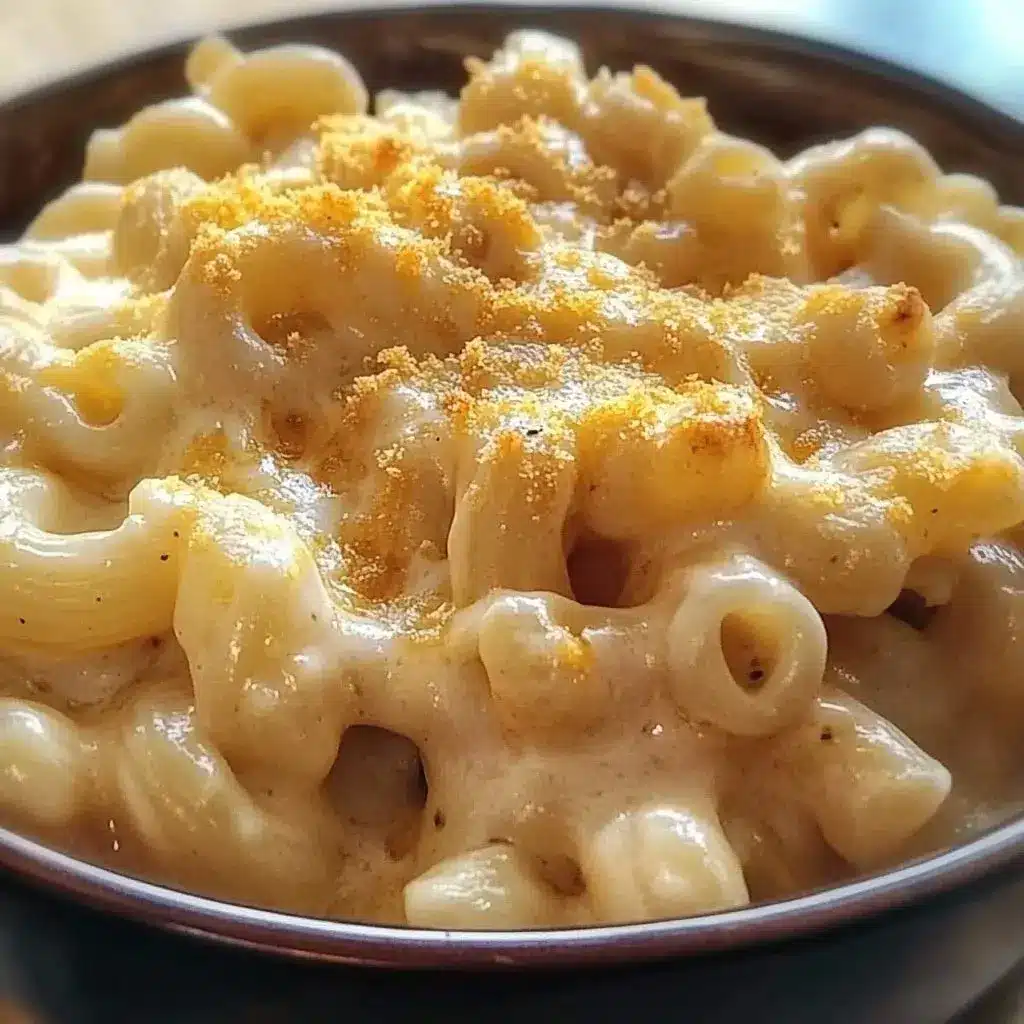
Who doesn’t adore a steaming, cheesy bowl of macaroni and cheese? It’s the quintessential comfort food that brings joy to any meal. But what if you could indulge in that creamy, satisfying texture without the usual heavy calorie load? This Low Calorie Mac and Cheese recipe is your answer, offering a delightful way to enjoy this classic dish while staying true to your wellness goals.
Imagine digging into a rich, velvety portion of macaroni, each forkful delivering an explosion of delightful cheesy flavor. The magic behind this version lies in a smart selection of ingredients that provide that comforting cheesiness without the excess. But the real question lingers: can a low-calorie mac and cheese truly deliver the rich, satisfying experience we crave? Absolutely, and this recipe proves it with every delicious bite.
Why You Will Love This Recipe
- Light and Creamy Texture: Experience the luscious mouthfeel you expect from mac and cheese, thanks to a clever sauce base.
- Guilt-Free Indulgence: Savor this beloved comfort food knowing you’re making a healthier choice without sacrificing flavor.
- Nutrient Boost: Packed with wholesome ingredients, this recipe offers more than just empty calories, incorporating beneficial elements.
- Quick and Easy Preparation: Spend less time in the kitchen with a straightforward process that’s perfect for busy weeknights.
- Family-Approved Flavor: This dish is a hit with all ages, offering a universally loved taste with a healthier twist.
Ingredients You Need
The foundation of any great dish is the quality of its ingredients, and this low-calorie mac and cheese is no exception. By selecting wholesome components, we build a flavorful and satisfying meal. The careful selection ensures that every mouthful is a testament to how delicious healthy eating can be.
Low Calorie Mac and Cheese

A healthier, guilt-free version of the classic comfort food, mac and cheese. This recipe uses whole wheat macaroni and a creamy cauliflower-based cheese sauce to reduce calories without sacrificing flavor.
- 8 ounces whole wheat macaroni (can substitute with gluten-free pasta)
- 2 cups cauliflower florets (steam until tender)
- 1 cup low-fat cheddar cheese, grated (option to substitute with plant-based cheese)
- 1 cup skim milk (can be replaced with almond milk or oat milk)
- 1 tablespoon olive oil
- 1 teaspoon garlic powder
- Salt and pepper to taste
- Fresh parsley for garnish (optional)
- 1Gather all ingredients to streamline the cooking process.
- 2Bring salted water to a boil and cook whole wheat macaroni according to package instructions until al dente, approximately 7-9 minutes. Drain and set aside.
- 3Steam cauliflower florets until tender, about 5-7 minutes to ensure smooth blending.
- 4In a blender, combine steamed cauliflower, grated cheddar cheese, skim milk, olive oil, garlic powder, salt, and pepper. Blend until smooth and creamy.
- 5In a large bowl, mix the cooked macaroni with the cauliflower cheese sauce until fully coated.
- 6Taste and adjust seasoning. Add additional cheese if a cheesier flavor is desired.
- 7Serve hot and garnish with fresh parsley if desired.
- 8Enjoy the comforting taste of mac and cheese without guilt!
Keywords: Comfort Food, Family-Friendly, Healthy Recipe, Low Calorie, Mac and Cheese
While the exact quantities are detailed within the recipe card, know that you’ll be working with staple pantry items and fresh produce. These ingredients are readily available and come together harmoniously to create something truly special. The goal is to maximize flavor while minimizing the caloric impact, and these ingredients achieve just that.
Variations
To truly make this dish your own, consider these exciting variations that cater to different tastes and dietary needs. These simple tweaks can transform your low-calorie mac and cheese into a whole new culinary adventure, proving its versatility.
For a Vegan Delight, swap the cheddar cheese for a high-quality, dairy-free shredded cheese alternative, or opt for nutritional yeast mixed with a little unsweetened plant-based milk for that unmistakable cheesy tang. You might also use a cashew-based cream sauce for an extra luxurious texture. This approach ensures a creamy, satisfying experience without any animal products.
If you’re looking for a Low-Carb Alternative, bypass the whole wheat macaroni entirely. Instead, use spiralized zucchini noodles (zoodles) or steamed, bite-sized cauliflower florets as your pasta base. The cauliflower will already be a component of the sauce, so using extra florets as the pasta itself offers a delightful textural contrast. This is a fantastic way to increase your vegetable intake while keeping carbs to a minimum.
To add a touch of elegance and a hint of the Mediterranean, try an Italian-Inspired Version. Incorporate sun-dried tomatoes, a sprinkle of Italian seasoning, and a dash of garlic powder into the cheese sauce. You could even add a small amount of finely chopped Kalamata olives for a briny kick. Serve it with a side of grilled chicken or shrimp for a complete and sophisticated meal.
Another fun variation is a Spicy Kick. For those who enjoy a little heat, stir in a tablespoon or two of your favorite hot sauce into the finished mac and cheese. A pinch of cayenne pepper or a sprinkle of red pepper flakes can also provide a pleasant warmth. This is perfect for livening up a weeknight meal and adding an unexpected flavor dimension.
Finally, consider a Protein-Packed Powerhouse. Stir in cooked shredded chicken, lean ground turkey, or even small pieces of cooked salmon into the finished dish. This not only adds substantial protein to make the meal more filling but also introduces new flavor profiles. It transforms the dish into a complete and hearty main course that’s perfect for active individuals or anyone looking for sustained energy.
How to Prepare Low Calorie Mac and Cheese
Step 1: Gather and Prepare Your Ingredients
Before you begin any culinary creation, the first crucial step is to assemble all the necessary ingredients. This not only ensures you have everything you need on hand but also significantly streamlines the cooking process. Measure out your whole wheat macaroni, prepare your cauliflower florets, grate your low-fat cheddar cheese, and have your skim milk, olive oil, and seasonings ready. This meticulous preparation is the hallmark of a confident cook and prevents any last-minute scrambling.
Having your ingredients measured and ready to go means you can seamlessly move from one step to the next. It’s like setting the stage for a culinary performance, where each component plays its part at precisely the right moment. This mindful approach to preparation is particularly beneficial for recipes like this one, where multiple elements need to come together harmoniously.
For the cauliflower, ensure the florets are of a relatively uniform size. This will help them steam evenly and ensure they are tender enough for blending into a smooth sauce. Small florets are generally preferred as they cook faster and blend more easily. Taking a moment to ensure uniformity here will pay dividends in the final texture of your cheese sauce, leading to a more professional and appealing result.
Step 2: Cook the Whole Wheat Macaroni to Perfection
Bring a generous pot of salted water to a rolling boil, as this is essential for properly cooking pasta. Once the water is at a vigorous boil, add your whole wheat macaroni. It’s important to use enough water so the pasta has room to move freely and doesn’t clump together. Stir the pasta immediately after adding it to prevent sticking.
Cook the macaroni according to the package directions, aiming for an al dente texture. This means the pasta should be cooked through but still retain a slight firmness when bitten. Overcooked pasta can become mushy, which would detract from the overall appeal of your low-calorie mac and cheese. Once cooked to your liking, drain the macaroni thoroughly in a colander. Do not rinse the pasta, as the starch clinging to it can help the sauce adhere better.
Set the drained macaroni aside in a warm place while you prepare the sauce. Keeping it warm will ensure it’s ready to be combined with the sauce without losing its ideal temperature. This simple step ensures that the final dish is served at its best, maintaining the integrity of both the pasta and the sauce.
Step 3: Steam the Cauliflower Until Tender
While the macaroni is cooking, or immediately after draining, turn your attention to the cauliflower. Place the prepared cauliflower florets into a steamer basket set over a pot of boiling water, or use a dedicated steaming pot. Cover the pot tightly to trap the steam.
Steam the cauliflower for approximately 5-7 minutes, or until the florets are fork-tender. They should yield easily when poked but not be so soft that they have completely disintegrated. The goal is to make them pliable enough to blend into a silky smooth sauce. Over-steaming can result in a watery sauce, so keep a close eye on them during this stage.
Once tender, carefully remove the cauliflower from the steamer. If you didn’t steam it, you can also boil the florets until tender. The key is to ensure they are cooked through and soft. Drain any excess water thoroughly before proceeding to the next step, as excess moisture can dilute the flavor of your cheese sauce.
Step 4: Create the Creamy Cauliflower Cheese Sauce
Transfer the steamed (and thoroughly drained) cauliflower florets into a high-powered blender or a food processor. Add the grated low-fat cheddar cheese, skim milk, olive oil, garlic powder, salt, and pepper to the blender. The olive oil helps create a smoother, richer sauce. Ensure your cheese is finely grated for optimal melting and blending.
Blend the ingredients on high speed until the mixture is completely smooth and creamy. This process might take a minute or two, and you may need to pause and scrape down the sides of the blender with a spatula to ensure all the cauliflower and cheese are incorporated. The consistency should be similar to a thick béchamel sauce or a rich, pourable cheese sauce. If the sauce seems too thick, you can add another tablespoon or two of skim milk until the desired consistency is achieved.
Taste the sauce at this stage and adjust the seasonings as needed. Add more salt or pepper to suit your preference. The garlic powder provides a foundational savory note, but feel free to experiment with a pinch of onion powder or a dash of Dijon mustard for added complexity. This is where you truly personalize the flavor of your sauce before combining it with the pasta.
Step 5: Combine the Macaroni and the Luscious Sauce
In a large serving bowl or back in the pot you used to cook the pasta, combine the drained whole wheat macaroni with the freshly blended cauliflower cheese sauce. Gently toss the macaroni with the sauce using a large spoon or spatula, ensuring that every piece of pasta is thoroughly coated in the creamy, cheesy mixture. The warmth of the pasta will help the sauce meld beautifully, creating a cohesive and delicious dish.
Take your time with this step to ensure an even distribution of the sauce. You want each bite to be a perfect balance of pasta and creamy cheese sauce. If the mixture seems a little too thick, you can add another splash of skim milk or a tablespoon of warm water to loosen it up. Conversely, if it’s a bit too thin, you can gently heat the mixture over low heat for a minute or two, stirring constantly, to allow some of the moisture to evaporate.
This is the moment where the dish truly comes together, transforming simple ingredients into a comforting and visually appealing meal. The vibrant color of the whole wheat macaroni against the creamy sauce is an inviting sight. It’s a testament to how wholesome ingredients can create something utterly decadent.
Step 6: Final Taste and Seasoning Adjustments
Before you declare your low-calorie mac and cheese complete, it’s imperative to taste it. Use a clean spoon to sample a portion and assess the flavor profile. This is your opportunity to fine-tune the seasoning and ensure it meets your exact preferences. Does it need a little more salt to bring out the cheesy notes? Perhaps a grind of black pepper to add a subtle bite?
If you desire an even more intense cheesy flavor, you can stir in an additional small handful of grated low-fat cheddar cheese at this point. Allow the residual heat of the dish to melt the cheese, stirring until it’s fully incorporated. This simple addition can elevate the cheesiness without significantly increasing the calorie count, especially if you use a sharp cheddar for more flavor impact. You could also add a tiny pinch of nutmeg, which is a classic pairing with cheese sauces and can add a subtle warmth and depth.
This final adjustment phase is where you truly make the recipe your own. It’s about achieving that perfect balance of savory, creamy, and cheesy flavors that will have everyone reaching for seconds. Don’t be afraid to experiment slightly, but always taste as you go to avoid over-seasoning.
Step 7: Serve and Garnish for Presentation
Once you’ve perfected the taste and consistency, it’s time to serve your delicious Low Calorie Mac and Cheese. Ladle generous portions into warm bowls. For an extra touch of freshness and visual appeal, garnish the dish with freshly chopped parsley. The bright green flecks of parsley provide a beautiful contrast to the creamy yellow sauce, making the dish look as good as it tastes.
Other garnish options could include a sprinkle of smoked paprika for color and a hint of smoky flavor, or a light dusting of extra black pepper. Some people enjoy a very fine breadcrumb topping for a bit of crunch, though this adds a few extra calories. The presentation is the final flourish that completes the culinary experience. A beautifully presented dish is always more appetizing.
Serve immediately while the mac and cheese is hot and creamy. The warmth is essential for enjoying the full texture and flavor of the dish. This is the culmination of your efforts, and the moment to enjoy the fruits of your healthy cooking labor. Your guests, or your family, will be delighted with this lighter, yet equally satisfying, take on a beloved classic.
Pro Tips for Low Calorie Mac and Cheese
Use High-Quality Low-Fat Cheese: The flavor of your cheese is paramount. Opt for a sharp, good-quality low-fat cheddar for the most impact. A little bit of flavorful cheese goes a long way, ensuring a robust cheesy taste without excessive fat and calories. Don’t be afraid to grate your own cheese from a block; pre-shredded cheeses often contain anti-caking agents that can affect meltability and flavor.
Don’t Overcook the Pasta: Al dente is key. Mushy pasta will absorb too much sauce and create a less appealing texture. The pasta will continue to cook slightly when mixed with the hot sauce, so it’s better to err on the side of slightly undercooked when draining.
Blend Until Velvety Smooth: Take your time with the blender. The success of the sauce hinges on achieving a completely smooth and creamy consistency. If your blender isn’t powerful, you might need to blend in batches or process for a bit longer, scraping down the sides as needed. A truly smooth sauce is indistinguishable from traditional ones made with butter and cream.
Adjust Liquid Gradually: When making the sauce, add the milk a little at a time. You can always add more liquid to thin the sauce, but it’s harder to thicken it once it’s too thin without altering the flavor balance. The goal is a thick, coating consistency that clings beautifully to the pasta.
Consider Flavor Boosters: While the basic recipe is delicious, consider adding a pinch of nutmeg, a dash of Dijon mustard, or a tiny amount of smoked paprika to the sauce for added depth and complexity. These subtle additions can elevate the flavor profile without adding significant calories and make your mac and cheese stand out.
Serving Suggestions for Low Calorie Mac and Cheese
Decoration
Elevate your Low Calorie Mac and Cheese with thoughtful garnishes. A sprinkle of fresh, finely chopped parsley or chives adds a vibrant pop of green and a burst of freshness that cuts through the richness. For a hint of warmth and color, a light dusting of smoked paprika or a few red pepper flakes can be visually appealing and add a subtle spicy kick. A few toasted whole wheat breadcrumbs or even a sprinkle of toasted nutritional yeast can offer a delightful textural contrast and an extra layer of savory flavor.
Side Dishes
Complement the creamy comfort of your mac and cheese with refreshing and healthy side dishes. A simple mixed green salad with a light vinaigrette provides a crisp counterpoint. Steamed or roasted vegetables like broccoli, asparagus, or green beans add extra nutrients and color to the plate. For a heartier meal, consider serving alongside grilled chicken breast, baked salmon, or lean turkey meatballs. A side of fresh fruit can also offer a sweet and palate-cleansing finish.
Creative Serving Ideas
Think beyond the bowl! Portion your Low Calorie Mac and Cheese into individual ramekins and bake for a few minutes until the top is lightly golden for a baked mac and cheese experience. You can also use it as a filling for mini bell peppers or large mushroom caps for an appetizer or light lunch. Layer it in a casserole dish with other healthy ingredients, like spinach or lean protein, to create a complete baked meal. Another idea is to serve it in small shot glasses as a sophisticated starter at a dinner party.
Preparation & Storage
Storing Leftovers
Should you be fortunate enough to have any Low Calorie Mac and Cheese remaining, proper storage is key to maintaining its quality. Allow the dish to cool completely to room temperature before transferring it to an airtight container. This prevents condensation from forming, which can make the leftovers watery or lead to spoilage. Store the container in the refrigerator, where it should remain fresh and delicious for up to 3 to 4 days.
Ensure the container is well-sealed to prevent the mac and cheese from absorbing odors from other foods in the refrigerator. When reheating, you might notice the sauce has thickened slightly due to the cooling process. This is perfectly normal and can be easily remedied.
Avoid leaving the mac and cheese at room temperature for extended periods, as this can promote bacterial growth. It’s always best practice to refrigerate leftovers within two hours of cooking.
Freezing
For longer storage, freezing your Low Calorie Mac and Cheese is an excellent option. Once the dish has completely cooled, portion it into freezer-safe containers or heavy-duty freezer bags. It’s a good idea to freeze individual portions so you can thaw and reheat only what you need. Leave a little headspace in the containers, as food tends to expand slightly when frozen.
Label each container with the date to keep track of its freshness. Properly stored, your frozen mac and cheese can retain its quality for up to two months. This makes it a convenient option for a quick and healthy meal on a busy day, saving you time and effort.
When you’re ready to enjoy your frozen mac and cheese, remember to plan ahead for thawing. This will ensure the best texture and flavor when reheating. Freezing is a great way to reduce food waste and have a healthy meal ready at a moment’s notice.
Reheating
Reheating your Low Calorie Mac and Cheese is straightforward. The best method is to gently warm it on the stovetop. Place the leftovers in a non-stick saucepan over low to medium-low heat. Add a splash of skim milk, unsweetened almond milk, or even a tablespoon of water to help loosen the sauce and restore its creamy texture. Stir frequently to prevent sticking and ensure even heating.
Alternatively, you can reheat it in the microwave. Transfer the desired portion to a microwave-safe dish. Heat on 50% power in 30-second intervals, stirring between each interval, until heated through. Microwaving on full power can sometimes lead to uneven heating or rubbery cheese, so lower power and stirring are recommended. Avoid overheating, as this can degrade the texture of the pasta and sauce.
The goal is to heat it thoroughly without drying it out or making the pasta mushy. With a little care, your refrigerated or thawed frozen mac and cheese can be just as delicious as when it was freshly made. Enjoy your healthy comfort food!
Frequently Asked Questions
- How can I make the cheese sauce even creamier without adding more fat?
To enhance creaminess without extra fat, ensure your cauliflower is steamed to a very tender consistency, making it easier to blend into a silky smooth base. You can also try adding a tablespoon of plain, non-fat Greek yogurt or a small amount of blended silken tofu to the sauce mixture before blending. These ingredients add body and a luxurious mouthfeel. Additionally, using a high-powered blender will result in a smoother, more emulsified sauce that appears richer.
- What are some low-calorie cheese options that still provide great flavor?
When selecting cheese for this recipe, focus on strong, flavorful varieties that allow you to use less. Sharp or extra-sharp low-fat cheddars are excellent choices because their intense flavor means you don’t need as much to achieve a cheesy taste. Other options include reduced-fat Monterey Jack, Swiss, or Gruyere for their distinct profiles. For an even lighter option, consider using a combination of a smaller amount of flavorful cheese with nutritional yeast, which imparts a cheesy, umami flavor without the calories. Always check the nutrition labels to compare fat and calorie content.
- Can I add vegetables other than cauliflower and keep the calorie count low?
Absolutely! This recipe is incredibly versatile. You can incorporate other steamed or lightly sautéed vegetables that are also low in calories and blend well into a sauce. Finely chopped steamed broccoli florets, spinach (wilted and squeezed dry), or even pureed peas can be added to the sauce mixture before blending. When adding them, start with small amounts to avoid altering the cheese flavor too much. Ensure any added vegetables are cooked until tender for a smooth sauce consistency. This is a fantastic way to boost fiber and nutrient content.