Lemon Dill Cabbage Soup
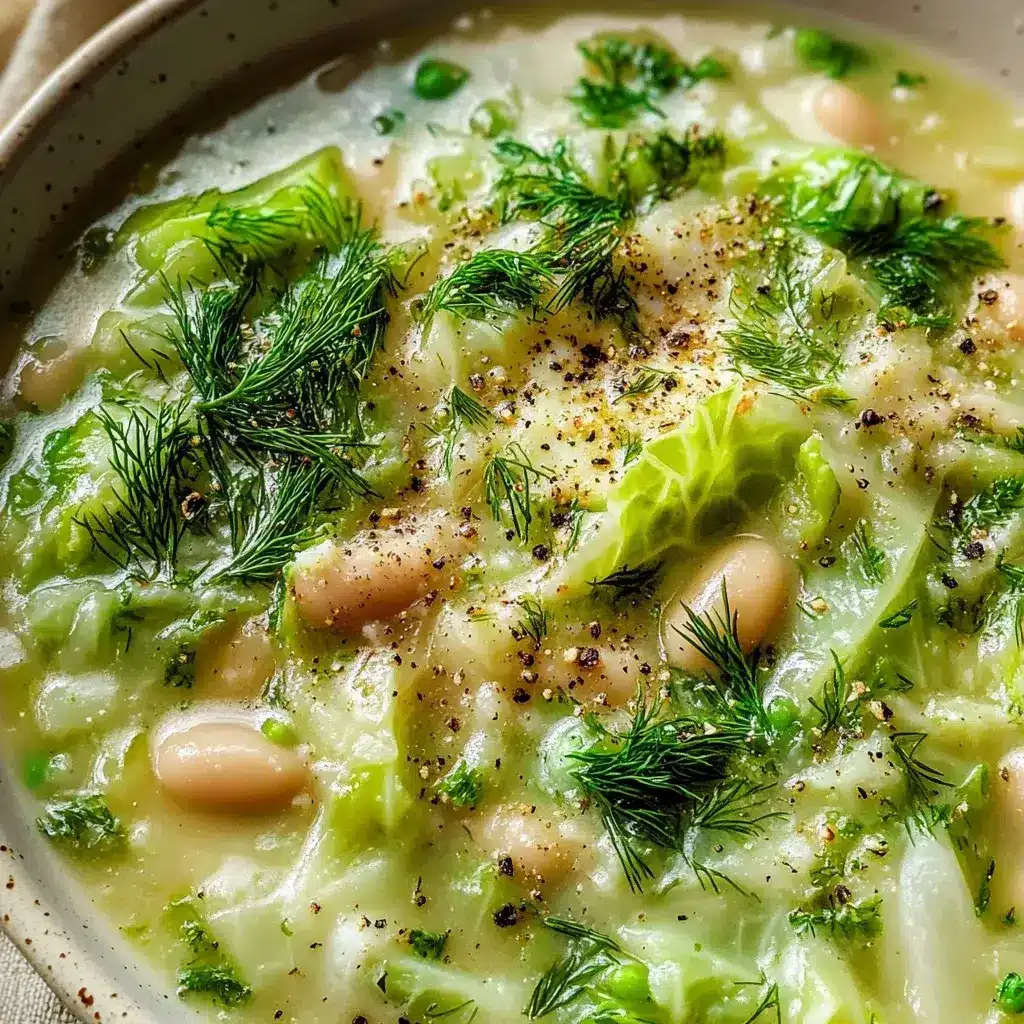
Bright, comforting, and bursting with vibrant Mediterranean flavors, this Lemon Dill Cabbage Soup offers a uniquely light yet incredibly satisfying meal experience. It’s a dish designed to be perfect for any occasion, truly showcasing the wonderful synergy of fresh ingredients and a zesty citrus kick.
This wholesome option is an ideal choice for a refreshing lunch or a deeply comforting dinner, ensuring you finish feeling thoroughly nourished and completely content with its simple elegance and delicious taste.
Why You Will Love This Recipe
- Quick Preparation: Dinner is on the table in under 30 minutes, making it ideal for busy weeknights.
- Flavorful and Fresh: The bright, tangy notes of fresh lemon combined with fragrant dill beautifully elevate the subtle sweetness of tender cabbage and creamy cannellini beans.
- Healthy Ingredients: Packed with nutrient-dense vegetables and satisfying plant-based proteins, this soup is a fantastic choice for supporting a balanced and healthy diet.
- Versatile Serving Options: Enjoy it as a light and invigorating lunch on its own or pair it with warm, crusty bread for a more substantial and hearty dinner.
- Great for Meal Prep: This soup is remarkably well-suited for making ahead, as it stores beautifully in the refrigerator, making it a perfect candidate for your weekly meal prepping routine.
Ingredients You Need
Crafting this delightful Lemon Dill Cabbage Soup begins with selecting high-quality, fresh ingredients that will form the foundation of its exquisite taste. The simplicity of the components belies the depth of flavor achieved, making every spoonful a true pleasure. Always opt for the freshest produce available to ensure the most vibrant and authentic taste experience possible.
Lemon Dill Cabbage Soup
Bright and hearty, our Lemon Dill Cabbage Soup is a delightful blend of fresh ingredients that brings Mediterranean flavors to your table. This light yet satisfying dish features tender cabbage, creamy cannellini beans, and a zesty kick from lemon juice and dill. It's perfect for a cozy lunch or dinner, offering nourishment and comfort with each bowl. Easy to prepare and packed with nutritious vegetables, this soup is an excellent choice for meal prep or a quick weeknight dinner. Enjoy it paired with crusty bread or topped with fresh herbs for an extra burst of flavor.
- 2 tbsp extra-virgin olive oil
- 1 small yellow onion, chopped (about 1 cup)
- 5 cloves garlic, thinly sliced (3 tbsp)
- 4 cups chopped green cabbage
- 1 tsp dried oregano
- 4 cups reduced-sodium vegetable or no-chicken broth
- 1 15-oz can no-salt-added cannellini beans, rinsed
- 2½ tbsp lemon juice
- 2 tbsp chopped fresh dill, plus more for garnish
- 1Heat olive oil in a large pot over medium heat. Add chopped onion and sliced garlic; sauté until fragrant (about 4 minutes).
- 2Stir in chopped cabbage, oregano, and pepper; cook for an additional 3 minutes until the cabbage begins to wilt.
- 3Pour in vegetable broth and add rinsed cannellini beans. Bring to a boil, then reduce heat and simmer for about 8 minutes until the cabbage is tender.
- 4In a mixing bowl, whisk together lemon juice and chopped dill. Gradually mix in ½ cup of hot soup twice to temper the mixture.
- 5Remove the pot from heat and stir in the tempered mixture along with salt.
- 6Serve warm, garnished with additional dill and ground pepper.
Keywords: cabbage, lemon, dill, soup, vegetarian, mediterranean, healthy, easy, weeknight, meal prep
- extra-virgin olive oil: a good quality oil forms the base for sautéing aromatics and adding richness.
- yellow onion: provides a sweet and pungent foundation when sautéed.
- garlic: minced or thinly sliced, it infuses the soup with its characteristic warmth and aroma.
- green cabbage: chopped into bite-sized pieces, it offers a tender texture and mild flavor.
- dried oregano: adds an herbaceous, slightly peppery note that complements the other ingredients.
- ground pepper: a pinch of freshly ground pepper enhances the overall flavor profile.
- reduced-sodium vegetable or no-chicken broth: the liquid base of the soup, contributing savory depth without being overpowering.
- cannellini beans: rinsed and added for a creamy texture and plant-based protein boost.
- Parmesan cheese: grated, it lends a salty, umami richness to the creamy mixture.
- large egg: used to create a velvety smooth texture when tempered and stirred into the soup.
- lemon juice: fresh lemon juice is crucial for its bright, zesty flavor that cuts through the richness.
- fresh dill: chopped dill adds a distinctive herbaceous freshness that is a hallmark of this soup.
- salt: to taste, it balances and enhances all the other flavors in the dish.
The specific quantities for these ingredients can be found within the detailed recipe card, ensuring you have precisely what you need for a perfect batch.
Variations
While this Lemon Dill Cabbage Soup is wonderfully satisfying as is, its versatile nature invites a host of creative modifications to suit different dietary needs and flavor preferences. Experimenting with these variations can open up new dimensions of enjoyment from this already beloved recipe.
Vegan Adaptation: To transform this soup into a delightful vegan meal, simply omit the Parmesan cheese and the egg. Instead, you can achieve a creamy texture by blending a portion of the cannellini beans with a little vegetable broth and stirring that back into the pot. A swirl of unsweetened cashew cream or coconut milk just before serving can also add a lovely richness.
Low-Carb Delight: For those following a lower-carbohydrate eating plan, this soup is naturally quite accommodating. The primary carbohydrate source comes from the cannellini beans. You can further reduce the carb count by omitting the beans entirely. To maintain a satisfying heartiness, consider adding extra cabbage or incorporating low-carb vegetables like finely chopped celery or zucchini into the sautéing stage.
Herbaceous Extravaganza: Don’t limit yourself to just dill and oregano! This soup is an excellent canvas for a variety of fresh herbs. Consider adding finely chopped parsley for an extra layer of freshness, chives for a mild oniony bite, or even a hint of tarragon for a delicate anise note. Gently stir these in during the final stages of cooking to preserve their vibrant aromas and flavors.
How to Prepare Lemon Dill Cabbage Soup
Step 1: Building the Flavorful Base
Begin by preparing your aromatic foundation for this comforting soup. Heat the extra-virgin olive oil in a large, heavy-bottomed pot or Dutch oven over medium heat until it shimmers. This initial step is crucial for allowing the oil to properly heat up, ensuring that the aromatics will sauté evenly and release their full flavor potential.
Once the oil is hot, add the finely chopped yellow onion and thinly sliced garlic to the pot. Sauté these ingredients for approximately four minutes, stirring frequently. The goal here is to gently soften the onions and release the fragrant essence of the garlic, creating a delicious savory base without allowing either ingredient to brown or burn. This careful sautéing ensures a subtle sweetness from the onion and a pleasant aroma from the garlic.
This initial sautéing phase is key to developing the depth of flavor that will permeate the entire soup. The gentle heat breaks down the onion’s cellular structure, releasing its natural sugars, while the garlic’s pungent compounds begin to mellow and become more aromatic. A well-executed base sets the stage for the vibrant ingredients to come.
Step 2: Introducing the Hearty Vegetables
With your aromatic base beautifully developed, it’s time to incorporate the star vegetables. Add the chopped green cabbage, dried oregano, and a generous pinch of ground pepper to the pot with the softened onions and garlic. Stir everything together thoroughly, ensuring the cabbage is lightly coated with the oil and aromatics.
Continue to cook this mixture for an additional three minutes, stirring occasionally. During this short cooking period, the cabbage will begin to soften slightly and wilt. This pre-cooking step helps to break down the cabbage’s structure, making it more tender in the finished soup and allowing it to absorb some of the initial flavors. It’s a subtle yet important step for achieving the perfect texture.
The aroma at this stage will begin to intensify as the cabbage mingles with the garlic, onion, and oregano. This brief sauté allows the edges of the cabbage leaves to soften just enough to release some of their moisture, which will contribute to the soup’s liquid later. It also begins to mellow the raw edge of the cabbage, making it more palatable.
Step 3: Simmering to Perfection
Now that your vegetables have had a chance to begin softening, it’s time to add the liquid that will transform everything into a comforting soup. Pour in the 4 cups of reduced-sodium vegetable or no-chicken broth. Ensure the broth covers the vegetables sufficiently to allow for proper simmering and flavor infusion.
Next, add the rinsed 15-ounce can of no-salt-added cannellini beans to the pot. Bring the entire mixture to a rolling boil over medium-high heat. Once boiling, immediately reduce the heat to low, cover the pot, and let it simmer gently for approximately eight minutes. This simmering period is essential for the cabbage to become tender and for the flavors to meld beautifully.
The gentle simmer allows the cabbage to cook through to a delightful tenderness without becoming mushy, while the beans begin to release their creamy starchiness into the broth. This stage is where the soup truly starts to come together, developing its comforting character. Ensure the heat is kept low enough to maintain a gentle simmer, not a vigorous boil, which can break down the ingredients too quickly.
Step 4: Crafting the Velvety Creamy Mixture
While the soup simmers, prepare the luxurious creamy element that will give this soup its signature richness. In a separate medium-sized mixing bowl, combine the grated Parmesan cheese, the large egg, and the fresh lemon juice. Whisk these ingredients together vigorously until they are well combined and form a smooth, homogenous mixture.
To prevent the egg from scrambling when introduced to the hot soup, it’s crucial to temper it. This is achieved by gradually incorporating hot liquid from the soup into the egg mixture. Carefully ladle about half a cup of the hot soup from the pot into the bowl with the egg mixture, whisking continuously as you add it. Repeat this process with another half cup of hot soup, ensuring the egg mixture is gently warmed before it meets the main pot.
This tempering process is a critical technique in many delicate sauces and soups, effectively raising the temperature of the egg mixture slowly and evenly. By gradually whisking in the hot soup, you gently cook the egg proteins, preventing them from coagulating too rapidly and forming undesirable curds. The result is a beautifully smooth, emulsified creaminess.
Step 5: Uniting All the Elements
Once the cabbage is perfectly tender after its simmering period, it’s time to bring all the prepared components together. Carefully remove the pot of soup from the heat. This is an important step to ensure the tempered egg mixture doesn’t overcook or scramble upon addition.
Gently pour the tempered egg and Parmesan mixture into the pot of hot soup. Immediately stir in the chopped fresh dill and the ¼ teaspoon of salt. Continue to stir the soup gently but thoroughly for a minute or two until the creamy mixture is fully incorporated, creating a luscious, smooth consistency throughout the soup. The residual heat from the soup will finish cooking the egg gently, binding everything together.
The addition of the tempered mixture and fresh dill at this final stage is what elevates this soup from simple to sublime. The dill adds its bright, herbaceous notes right at the end, preserving its vibrant aroma and flavor. The creamy mixture coats the vegetables and broth, providing a delightful mouthfeel and a hint of richness that perfectly balances the lemony tang.
Step 6: The Final Flourish and Serving
Your delicious Lemon Dill Cabbage Soup is now ready to be served! Before you ladle it into bowls, take a moment to taste and adjust the seasoning if necessary. You might want to add a touch more salt, pepper, or even a squeeze of lemon juice to perfectly suit your palate.
For an appealing presentation and an extra burst of flavor, garnish each bowl generously with additional chopped fresh dill and a final grind of black pepper. The vibrant green of the dill against the pale soup is visually appealing, and the fresh pepper adds a final aromatic touch. This simple garnish significantly enhances the overall dining experience and showcases the freshness of the ingredients.
Serve the soup immediately while it’s warm and comforting. The combination of tender cabbage, creamy beans, and the bright, zesty lemon-dill broth makes for an incredibly satisfying and nourishing meal that is both elegant and delightfully easy to prepare. Enjoy every spoonful of this wholesome creation!
Pro Tips for Lemon Dill Cabbage Soup
To ensure your Lemon Dill Cabbage Soup consistently turns out to be an absolute delight, consider these expert tips. They focus on maximizing flavor, achieving the perfect texture, and enhancing the overall cooking process for a truly outstanding result with every batch.
Embrace Freshness: The quality of your ingredients plays a paramount role in the final taste of any dish, and this soup is no exception. Always opt for the freshest green cabbage you can find; its crisp leaves will become wonderfully tender during cooking, offering a cleaner, sweeter flavor. Similarly, using freshly chopped dill instead of dried dill will impart a far more vibrant and aromatic quality to your soup.
Master the Seasoning Balance: Proper seasoning is key to unlocking the full potential of this soup. Taste your soup before serving and don’t be afraid to adjust. A little extra salt can significantly enhance the other flavors, while more black pepper can add a gentle warmth. The lemon juice is crucial for brightness, so ensure there’s enough to provide that signature zesty counterpoint.
Achieve Tender Cabbage Perfection: The texture of the cabbage is vital for this soup’s success. You want it to be tender enough to eat easily but not so overcooked that it becomes mushy and loses its structure. Follow the simmering time in the recipe, and if you’re unsure, give it a gentle poke with a fork to test for tenderness. Avoid boiling the soup vigorously after adding the cabbage.
The Art of Tempering Eggs: Successfully tempering the egg mixture is what ensures a smooth, creamy soup without any hint of scrambled egg. Remember to gradually whisk in the hot soup into your egg, Parmesan, and lemon juice mixture before adding it back to the main pot. This slow, even heating prevents the egg proteins from seizing up abruptly, resulting in a beautifully emulsified texture.
Explore Broth Variations: While vegetable or no-chicken broth provides a wonderful base, don’t hesitate to experiment with different types of broths to subtly alter the soup’s flavor profile. A good quality homemade broth will always add an unparalleled depth of flavor. You could even try a light chicken broth if you aren’t aiming for a strictly vegetarian meal, though ensure it is low in sodium to maintain control over the saltiness.
Thoughtful Storage is Key: Proper storage of leftovers is essential for maintaining quality. Always allow the soup to cool completely before transferring it into airtight containers. This prevents condensation build-up, which can affect texture and shelf life. Store in the refrigerator for up to three to four days, and reheat gently to preserve its delicate flavors.
Serving Suggestions for Lemon Dill Cabbage Soup
Decoration
The final touches of decoration can transform a simple bowl of soup into a visually appealing culinary creation. For Lemon Dill Cabbage Soup, a generous sprinkle of freshly chopped dill is the quintessential garnish. Its bright green hue offers a beautiful contrast against the soup’s pale, creamy broth, immediately signaling freshness and vibrancy.
A light dusting of freshly ground black pepper also adds visual interest and an aromatic flourish. If you desire a richer garnish, a small dollop of plain Greek yogurt or a swirl of unsweetened plant-based cream can add a visually appealing creamy element and a subtle tang, further enhancing the soup’s complex flavor profile.
Consider adding a few very thin slivers of lemon peel, ensuring you avoid the bitter white pith, for an extra aromatic zest that complements the lemon juice within the soup. This adds a sophisticated visual touch and a subtle, refreshing scent as the soup is served.
Side Dishes
Lemon Dill Cabbage Soup, with its light yet satisfying nature, pairs wonderfully with a variety of side dishes that complement its flavors without overpowering them. Crusty, warm bread is a classic choice, perfect for soaking up every last drop of the flavorful broth. A slice of toasted sourdough or a rustic baguette would be ideal.
For a healthier and equally delightful accompaniment, consider a simple green salad dressed with a light vinaigrette. This provides a refreshing crunch and a pleasant contrast to the soup’s tenderness. Roasted seasonal vegetables, such as asparagus, broccoli, or Brussels sprouts, also make for a hearty and flavorful pairing, adding an earthy depth to the meal.
A small platter of artisanal cheeses, perhaps a mild goat cheese or a crumbly feta, can also offer a delightful savory counterpoint. Alternatively, a side of garlic bread or savory herb scones would add a comforting and satisfying element to your dining experience, making the soup feel like part of a more elaborate meal.
Creative Serving Ideas
Elevate your Lemon Dill Cabbage Soup experience with some creative serving ideas that add flair and excitement to this already delightful dish. Consider serving the soup in individual, oven-safe crocks or ramekins and topping each with a very thin slice of toasted bread and a sprinkle of Gruyère cheese, then briefly broiling until the cheese is melted and bubbly.
Another inventive approach is to serve the soup as a starter for a larger meal, presented in small, elegant espresso cups or shot glasses for a sophisticated amuse-bouche. Garnish these with a single dill sprig and a tiny twist of lemon peel for an impactful presentation.
For a more casual yet still creative presentation, serve the soup family-style in a beautiful large tureen, allowing guests to serve themselves. Accompany the soup with a small basket of assorted mini bread rolls, perhaps including a savory olive bread or a rosemary focaccia, adding variety and visual appeal.
Preparation & Storage
Storing Leftovers
Properly storing leftover Lemon Dill Cabbage Soup is essential for maintaining its quality and flavor for future enjoyment. The first and most crucial step is to allow the soup to cool down to room temperature before attempting to store it.
Once cooled, transfer the soup into an airtight container. Glass or high-quality plastic containers work best, as they prevent air from getting in and moisture from escaping. Ensure the lid is sealed tightly to maintain freshness and prevent any odors from the refrigerator from contaminating the soup.
When stored correctly in the refrigerator, Lemon Dill Cabbage Soup can typically be enjoyed for up to 3 to 4 days. Always check for any signs of spoilage, such as an off smell or unusual texture, before reheating and consuming.
Freezing
This comforting Lemon Dill Cabbage Soup freezes remarkably well, making it an excellent candidate for batch cooking and stocking your freezer for busy days. To freeze, ensure the soup has cooled completely to prevent ice crystal formation.
Portion the cooled soup into freezer-safe containers or heavy-duty freezer bags. Leave a small amount of headspace at the top of each container, as liquids expand when frozen, which can cause containers to crack or burst if overfilled. Label each container clearly with the contents and the date of freezing.
When stored in a deep freeze at a consistent temperature, Lemon Dill Cabbage Soup can retain its quality for approximately 2 to 3 months. Beyond this period, while still safe to consume, the quality of the texture and flavor may begin to diminish.
Reheating
Reheating your Lemon Dill Cabbage Soup is a straightforward process, designed to bring it back to its delicious, comforting state. The method you choose will depend on your available equipment and preference.
Stovetop Reheating: This is often the preferred method for achieving even heating. Pour the desired portion of chilled or thawed soup into a saucepan. Heat over medium-low heat, stirring occasionally, until the soup is thoroughly warmed through. Avoid boiling, as this can alter the texture of the vegetables and the creamy base.
Microwave Reheating: For a quicker option, place the soup in a microwave-safe bowl. Cover loosely with a microwave-safe lid or plastic wrap, leaving a small vent for steam to escape. Heat on high power for 2 to 3 minutes, stirring halfway through the cooking time to ensure it heats evenly. Be cautious of steam when removing the cover.
Oven Reheating: If you’ve frozen the soup in an oven-safe dish, this method can also work. Preheat your oven to 350°F (175°C). Place the soup in an oven-safe dish, cover it tightly with foil, and heat for about 20 to 25 minutes, or until it is heated through. This method is ideal for larger portions.
Frequently Asked Questions
-
What is Lemon Dill Cabbage Soup?
Lemon Dill Cabbage Soup is a delightful and nourishing dish characterized by its bright, refreshing flavor profile. It features tender, finely chopped green cabbage as its primary vegetable, complemented by the creamy texture of cannellini beans. The soup is brought to life with the zesty essence of fresh lemon juice and the distinct, herbaceous aroma of fresh dill, creating a light yet satisfying meal that is perfect for any occasion, from a quick lunch to a comforting dinner.
-
Can I make Lemon Dill Cabbage Soup vegan?
Absolutely! This recipe can be easily adapted to be completely vegan. To achieve this, simply omit the Parmesan cheese and the large egg that contribute to the creamy texture in the original recipe. Instead, you can create a wonderfully creamy consistency by blending a portion of the cooked cannellini beans with a splash of vegetable broth and stirring this puree back into the soup. For an extra layer of richness and creaminess, consider adding a swirl of unsweetened plant-based cream, such as cashew cream or coconut milk, just before serving.
-
How can I customize this Lemon Dill Cabbage Soup?
The beauty of this Lemon Dill Cabbage Soup lies in its versatility, allowing for numerous delightful customizations to suit your taste and what you have on hand. Feel free to enhance its nutritional content and add different textures by incorporating other vegetables like finely diced carrots, celery, or even small florets of broccoli or cauliflower during the sautéing stage. You can also experiment with various herbs beyond dill and oregano, such as fresh parsley, chives, or a hint of thyme, for subtle flavor variations. Switching up the type of beans used, such as great northern beans or even chickpeas, can also offer a slightly different creamy element.