The Best Korean Pot Roast Recipe You’ll Ever Try
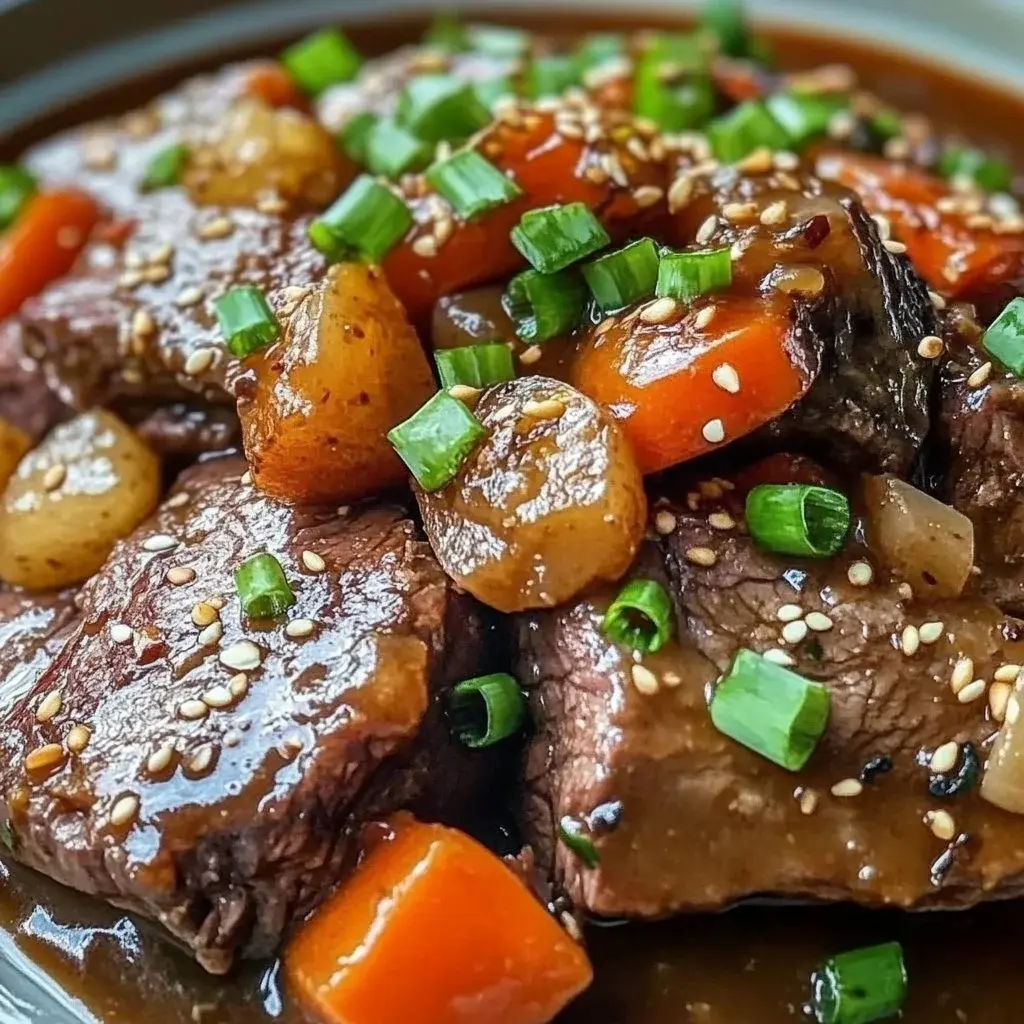
Are you searching for a hearty, comforting, and flavorful meal that will impress your family and friends? Look no further than this Korean Pot Roast recipe. With its tender meat, sweet and savory flavors, and aromatic vegetables, this dish encapsulates the essence of homestyle cooking. Imagine inviting loved ones over for dinner and serving them a delightful roast that falls apart at the touch of a fork.
The mere thought sets the stage for a memorable evening filled with laughter and satisfaction. So, what makes this recipe so special? The combination of traditional Korean flavors with the classic pot roast technique creates a unique twist on a timeless favorite. The rich beef broth melds with soy sauce, brown sugar, and sesame oil to give this dish a sweet and umami punch.
Why You Will Love This Recipe
- Tender & Flavorful: The chuck roast becomes incredibly tender and infused with a complex sweet and savory Korean-inspired sauce.
- One-Pot Simplicity: This dish is predominantly cooked in a single pot, minimizing cleanup and maximizing convenience.
- Versatile Serving: Perfect for a cozy family dinner or an impressive meal for guests, it pairs well with various sides.
- Aromatic Bliss: The enticing aroma of garlic, ginger, and simmering beef broth will fill your kitchen, building anticipation.
- Customizable: Easily adapt the vegetables or spice level to suit your personal preferences and dietary needs.
Ingredients You Need
Choosing high-quality ingredients is paramount to achieving the most delicious Korean Pot Roast. Opt for a well-marbled chuck roast, as this cut benefits beautifully from slow cooking, rendering it exceptionally tender and flavorful. Fresh aromatics like garlic and ginger are essential for building a robust flavor base that is characteristic of Korean cuisine.
Korean Pot Roast
A hearty and flavorful Korean Pot Roast that combines tender meat with sweet and savory flavors, making it the perfect comfort food for gatherings and family dinners.
- 3-4 lbs chuck roast
- 2 tablespoons vegetable oil
- 1 onion, chopped
- 4 cloves garlic, minced
- 1 tablespoon ginger, minced
- 1 cup beef broth
- 1/4 cup soy sauce
- 2 tablespoons brown sugar
- 1 tablespoon sesame oil
- 2 carrots, chopped
- 1 cup baby potatoes
- Salt and pepper to taste
- Chopped green onions for garnish
- 1Start by gathering and preparing all your ingredients. Chop the onion, garlic, ginger, carrots, and baby potatoes. Set aside the organized ingredients.
- 2Heat the vegetable oil in a large pot or Dutch oven over medium-high heat. Season the chuck roast with salt and pepper, then sear it on all sides until it’s deeply browned.
- 3Remove the roast from the pot and set it aside. Add the chopped onion, minced garlic, and ginger to the pot. Sauté until fragrant, about 2–3 minutes.
- 4Add the beef broth, soy sauce, brown sugar, and sesame oil. Stir to combine thoroughly, ensuring the sugar dissolves completely.
- 5Return the seared chuck roast to the pot and add the chopped carrots and baby potatoes around the roast.
- 6Cover the pot and reduce the heat to low. Let simmer for about 3-4 hours, until the meat is fork-tender.
- 7Check the roast for tenderness after 3-4 hours. If it needs more time, cover and let it simmer longer.
- 8Once the roast is tender, remove it from the pot and let it rest for a few minutes before slicing. Serve hot, garnished with chopped green onions.
- 9Serve the Korean Pot Roast with rice or noodles and enjoy.
- 10If you have leftovers, allow the roast to cool and transfer it to an airtight container for storage.
Keywords: Comfort Food, Family Recipe, Hearty Meal, Korean Pot Roast, Slow-Cooked Roast
- chuck roast: a 3-4 pound cut known for its tenderness when slow-cooked.
- vegetable oil: for searing the roast and sautéing aromatics.
- onion: one medium onion, chopped, to provide a sweet base.
- garlic: four cloves, minced, for pungent depth.
- ginger: one tablespoon, minced, adding a warm, zesty note.
- beef broth: one cup, forming the liquid base of the braising liquid.
- soy sauce: one-quarter cup, for that essential umami and salty flavor.
- brown sugar: two tablespoons, to balance the savory notes with a touch of sweetness.
- sesame oil: one tablespoon, for a distinct nutty aroma and taste.
- carrots: two medium carrots, chopped into bite-sized pieces.
- baby potatoes: one cup, halved or quartered if large, for a hearty side.
- salt and pepper: to taste, for seasoning the roast before searing.
- green onions: chopped, for a fresh garnish to finish the dish.
The precise quantities for these ingredients will be detailed in the recipe card provided.
Variations
To elevate your Korean Pot Roast experience further, consider a spicy rendition. By incorporating a tablespoon or two of gochujang (Korean chili paste) or a pinch of red pepper flakes into the braising liquid, you introduce a delightful heat that beautifully contrasts with the inherent sweetness of the dish. This adds an exciting layer of complexity that is sure to intrigue your palate.
For those seeking a lighter, more herb-forward profile, the addition of fresh herbs like thyme or rosemary can impart a wonderful aromatic quality. These herbs complement the rich beef flavors without overpowering them. Alternatively, you can embrace a vibrant vegetable medley by adding seasonal vegetables such as bell peppers, zucchini, or parsnips during the last hour of cooking. This not only enhances the nutritional value but also adds a pleasing textural contrast to the tender meat and potatoes.
A delicious vegan variation can be achieved by substituting the chuck roast with hearty king oyster mushrooms or young jackfruit, which mimic the texture of slow-cooked meat remarkably well. Use vegetable broth instead of beef broth and opt for coconut aminos as a soy-free and often lower-sodium alternative to soy sauce. This allows everyone to enjoy a comforting pot roast experience, regardless of dietary restrictions.
If you are aiming for a low-carb version, you can omit the potatoes and carrots and instead load the pot with low-carbohydrate vegetables like Brussels sprouts, broccoli florets, or cauliflower florets during the last hour of cooking. Ensure the sauce is thickened slightly, perhaps by reducing it further or using a cornstarch slurry, to maintain that luscious consistency. This adaptation maintains the essence of the savory braise while adhering to a low-carb lifestyle.
How to Prepare Korean Pot Roast
Step 1: Prepare Your Ingredients with Precision
Before you begin the cooking process, the most crucial first step is to meticulously prepare all your ingredients. This involves washing and chopping the vegetables – the onion should be roughly chopped, the garlic finely minced, and the ginger grated or finely minced. Carrots need to be peeled and cut into substantial, bite-sized pieces, and baby potatoes should be washed and halved or quartered if they are on the larger side. Having everything prepped and ready will streamline the subsequent cooking steps, preventing any frantic searching or last-minute chopping.
The Best Part of Preparation: This initial mise en place, or setting in place, ensures that as each cooking stage progresses, you can seamlessly move to the next without interruption. It’s the hallmark of a well-organized cook and sets the foundation for a truly successful and stress-free cooking experience. Ensure your chuck roast is patted completely dry with paper towels; this is vital for achieving a beautiful sear in the next step. Seasoning the roast generously on all sides with salt and freshly ground black pepper at this stage is also non-negotiable for building foundational flavor.
Step 2: Achieve a Perfect Sear on the Roast
Heat two tablespoons of vegetable oil in a large, heavy-bottomed pot or Dutch oven over medium-high heat until it shimmers. Carefully place the seasoned chuck roast into the hot oil. Sear the roast aggressively on all sides, allowing it to develop a deep, rich brown crust. This process, known as the Maillard reaction, is absolutely critical for developing complex flavors and a desirable texture in the final dish; do not rush this step.
Flavor Foundation: This browning step isn’t just about aesthetics; it’s about locking in the juices of the beef and creating a savory foundation upon which all other flavors will build. Once the roast has achieved an even, dark brown sear on all sides, remove it from the pot using tongs and place it on a clean plate or cutting board. Resist the temptation to clean out the pot; the browned bits stuck to the bottom are packed with flavor and will be deglazed in the next step.
Step 3: Sauté the Aromatics for Fragrance
Reduce the heat to medium and add the chopped onion to the same pot, using the residual oil and rendered fat from the roast. Cook the onion, stirring occasionally, until it begins to soften and turn translucent, which should take about 4-5 minutes. This gentle sautéing draws out the natural sweetness of the onion, creating a more rounded flavor profile for the braising liquid.
Aromatic Infusion: Now, add the minced garlic and ginger to the pot with the onions. Continue to cook, stirring constantly, for another 1-2 minutes until they become very fragrant. Be cautious not to burn the garlic, as burnt garlic can impart a bitter taste. The intense aroma released at this stage signifies that the flavor base for your Korean Pot Roast is well on its way to becoming spectacular, infusing the entire kitchen with delightful scents.
Step 4: Craft the Luscious Braising Liquid
Pour the beef broth into the pot, using a wooden spoon or spatula to scrape up any browned bits (fond) stuck to the bottom of the pot. This action, known as deglazing, incorporates all those concentrated, savory flavors into the liquid. Then, stir in the soy sauce, brown sugar, and sesame oil until the brown sugar has completely dissolved and everything is well combined.
The Symphony of Flavors: This mixture of broth, soy sauce, brown sugar, and sesame oil forms the heart of the Korean Pot Roast’s distinctive flavor. The soy sauce provides essential saltiness and umami, the brown sugar lends a balancing sweetness, and the sesame oil imparts a subtle nutty aroma that is quintessentially Korean. Whisk this together until it’s a harmonious blend, ensuring no lumps of sugar remain, as this will create a perfectly seasoned and complex sauce.
Step 5: Return the Roast and Add Vegetables
Carefully place the seared chuck roast back into the pot, nestling it into the aromatic braising liquid. Arrange the prepared chopped carrots and baby potatoes around the roast in the pot. Ensure that the liquid comes up at least halfway to two-thirds of the way up the sides of the roast; if it seems a bit low, you can add a splash more beef broth or water.
Building the Layers: The vegetables will absorb the rich flavors of the braising liquid as they cook alongside the roast. By adding them at this stage, they will become tender and infused with the savory goodness without becoming mushy. The placement around the roast ensures they are immersed in the flavorful sauce, contributing their own earthy sweetness to the overall dish. This step brings together all the core components of the meal into one vessel, ready for slow cooking.
Step 6: The Magic of Slow Simmering
Cover the pot tightly with a lid, ensuring a good seal to trap steam and moisture. Reduce the heat to low, so the liquid is barely simmering – you should see only gentle bubbles rising occasionally. Let the Korean Pot Roast cook undisturbed for 3 to 4 hours, or until the meat is exceptionally tender and can be easily shredded with a fork.
Patience is a Virtue: This low-and-slow cooking method is absolutely critical for tenderizing the tough connective tissues in the chuck roast. As it cooks gently over an extended period, the meat breaks down beautifully, becoming succulent and falling apart with ease. The long simmer allows all the flavors to meld and deepen, creating an incredibly rich and satisfying dish. Resist the urge to lift the lid too frequently, as this releases precious heat and moisture, prolonging the cooking time and potentially drying out the roast.
Step 7: Verify Tenderness and Adjust as Needed
After the initial 3-4 hour cooking period, carefully remove the lid. Insert a fork into the thickest part of the chuck roast; it should slide in with minimal resistance and the meat should begin to flake apart easily. If the roast is still a bit firm, simply cover the pot again tightly and continue to simmer for another 30-60 minutes, checking for tenderness every 20-30 minutes thereafter.
Perfecting the Texture: The goal is for the roast to be fork-tender, meaning it practically melts in your mouth. The vegetables should also be tender but not mushy. If the sauce seems a bit too thin at this point, you can remove the roast and vegetables to a platter, and then simmer the sauce uncovered for a few minutes to allow it to reduce and thicken slightly to your desired consistency. This final check ensures that your Korean Pot Roast is cooked to absolute perfection.
Step 8: Rest and Serve Your Masterpiece
Once the roast has reached optimal tenderness, carefully remove it from the pot and place it on a clean cutting board or platter. Allow it to rest for about 10-15 minutes before slicing or shredding. This resting period is essential, as it allows the juices within the meat to redistribute, resulting in a more moist and flavorful final product. While the roast rests, you can skim any excess fat from the surface of the sauce if desired.
The Grand Finale: You can then either slice the roast against the grain or, for a more rustic presentation, shred it using two forks. Ladle generous portions of the rich, savory sauce and the tender vegetables over the sliced or shredded meat. Garnish liberally with freshly chopped green onions for a burst of freshness and vibrant color. This final presentation makes the Korean Pot Roast a feast for both the eyes and the palate, ready to be enjoyed.
Step 9: Savor the Culinary Creation
Gather your loved ones around the table. Serve your beautifully prepared Korean Pot Roast hot, ensuring everyone gets a good portion of the succulent meat, tender vegetables, and the flavorful braising sauce. It pairs exceptionally well with steamed white rice, which is perfect for soaking up every last drop of the delicious sauce, or alongside creamy mashed potatoes for a comforting side.
A Moment of Enjoyment: This dish is designed to be shared and savored. The deep, comforting flavors and the melt-in-your-mouth texture create a truly satisfying dining experience. Take a moment to appreciate the aromas and the vibrant presentation before you dive in. It’s a meal that speaks of care and warmth, making any occasion feel special and memorable. Enjoy the fruits of your labor and the delightful taste of authentic Korean-inspired comfort food.
Step 10: Thoughtful Storage of Leftovers
Should you be fortunate enough to have any Korean Pot Roast remaining, proper storage is key to enjoying it later. Allow the roast and vegetables to cool down to room temperature before transferring them into an airtight container. This prevents condensation from forming inside the container, which can affect the texture and longevity of the leftovers. Ensure that all components – the meat, vegetables, and sauce – are included together in the container for a complete meal when reheated.
Preserving the Flavor: Storing leftovers promptly in an airtight container in the refrigerator will maintain the quality and safety of the dish. This ensures that the delicious flavors developed during cooking are preserved for your next meal. It’s a simple yet crucial step that allows you to extend the enjoyment of this fantastic dish for a few more days, making meal planning even easier.
Pro Tips for Korean Pot Roast
Tip: Quality Matters in Every Ingredient.
For the most tender and flavorful Korean Pot Roast, always opt for a well-marbled chuck roast. This cut contains connective tissues that break down beautifully during the long, slow cooking process, rendering the meat incredibly succulent. Don’t skimp on the fresh aromatics; minced garlic and ginger are non-negotiable for that authentic Korean flavor profile.
The Golden Rule: Don’t Skip the Sear.
The browning of the chuck roast before braising is an absolutely crucial step. This process, known as the Maillard reaction, develops a deep, complex flavor and a beautiful caramelized crust that infuses the entire dish. Ensure your pot is hot and the roast is dry for optimal browning. Similarly, don’t rush the sautéing of the aromatics; allow them to soften and become fragrant to build a robust flavor base.
Low and Slow is the Way to Go.
Patience is a virtue when it comes to pot roast. The magic happens during the long, slow simmer. Ensure your heat is consistently low, allowing for a gentle bubble rather than a vigorous boil. This method ensures the connective tissues in the chuck roast break down completely, resulting in that signature melt-in-your-mouth tenderness that defines a perfect pot roast. Resist the urge to peek too often, as this releases valuable heat and moisture.
Consider a Overnight Marinade for Deeper Flavor.
While not strictly necessary, marinating the chuck roast overnight can significantly enhance the depth of flavor. A simple marinade of soy sauce, minced garlic, grated ginger, and a touch of sesame oil will allow the flavors to penetrate the meat more thoroughly. This step ensures an even more intense and nuanced taste experience in your finished Korean Pot Roast.
Serving Suggestions for Korean Pot Roast
Decoration
Garnish is key to making your Korean Pot Roast visually appealing and adding a final layer of freshness. The most classic and effective garnish is freshly chopped green onions. Their vibrant green color provides a beautiful contrast against the rich brown of the roast and sauce, and their mild oniony bite adds a refreshing element.
Consider also adding a sprinkle of toasted sesame seeds over the top just before serving. This adds a subtle crunch and an extra nutty aroma that complements the sesame oil used in the braising liquid. For a touch of color and a hint of spice, thin slices of red bell pepper or a few slivers of fresh jalapeño can also be used as a garnish, provided your guests enjoy a little heat.
If you’re feeling particularly artistic, a swirl of sriracha or a drizzle of chili oil around the platter can add visual interest and a spicy kick for those who desire it. Edible flowers, if available and appropriate for the occasion, can also lend an elegant and refined touch to the presentation of this hearty dish. The goal is to enhance the visual appeal without overpowering the comforting nature of the roast itself.
Side Dishes
Steamed white rice is an indispensable accompaniment to Korean Pot Roast. Its mild flavor and fluffy texture are the perfect canvas for the rich, savory sauce, allowing you to soak up every last delicious drop. The slight chewiness of the rice also provides a pleasant textural contrast to the tender meat and vegetables.
Creamy mashed potatoes offer another comforting and classic pairing. The smooth, buttery texture of mashed potatoes complements the hearty nature of the roast beautifully, creating a deeply satisfying meal. For a lighter option that still provides a nice textural contrast, consider serving with a simple side salad featuring a light vinaigrette or a refreshing cucumber salad.
Kimchi, a staple in Korean cuisine, is an excellent choice to serve alongside. Its fermented tanginess and subtle spice cut through the richness of the pot roast, offering a palate-cleansing counterpoint. A medley of steamed or lightly stir-fried seasonal vegetables, such as broccoli, green beans, or bok choy, can also add extra nutrients and a pleasant crunch to the meal. You might even consider serving it with some crusty bread to mop up any leftover sauce.
Creative Serving Ideas
Transform your Korean Pot Roast into a delightful bowl meal by serving it over a bed of fluffy rice or tender noodles. Top with the shredded or sliced roast, a generous ladle of the sauce, and your chosen vegetables. Garnish with green onions and sesame seeds for a complete and visually appealing dish.
For a more interactive dining experience, consider a “build-your-own” pot roast bar. Serve the shredded roast, sauce, and vegetables separately, allowing guests to assemble their own bowls or plates with their preferred combination. Offer various garnishes like pickled onions, fried shallots, or a dollop of sour cream for added customization.
Another creative idea is to repurpose leftovers into a flavorful pot roast hash. Shred the remaining meat and vegetables, then sauté them with diced potatoes and onions until crispy. Top with a fried egg for a decadent brunch or a satisfying light meal. This approach minimizes waste and creates a delicious new dish from the original. You could also use the shredded meat and sauce as a filling for savory pancakes or empanadas.
Preparation & Storage
Storing Leftovers
To store leftover Korean Pot Roast effectively, ensure that the dish has cooled down to room temperature before transferring it to an airtight container. This rapid cooling prevents bacterial growth and helps maintain the quality of the food. It is best to store the meat, vegetables, and sauce together in the same container, as this keeps all the flavors in harmony.
Properly stored leftovers can be kept in the refrigerator for up to 3 to 4 days. Make sure the lid of your container is securely fastened to prevent the introduction of air, which can lead to drying out or spoilage. Labeling the container with the date it was stored can also be helpful for managing your refrigerator contents.
If you find you have a larger quantity of leftovers, consider dividing them into smaller, single-serving portions. This makes reheating individual meals much quicker and easier. Storing in smaller containers also means you only need to reheat what you intend to eat, minimizing waste from repeated reheating of larger batches.
Freezing
Korean Pot Roast freezes exceptionally well, making it an excellent candidate for meal prepping or storing for future cravings. Once the dish has cooled completely, portion it into freezer-safe containers or heavy-duty freezer bags. Remove as much air as possible from the bags before sealing to prevent freezer burn.
It is advisable to freeze the roast and vegetables in their sauce, as this helps to keep the meat moist and flavorful. Label each container or bag with the contents and the date of freezing. Properly frozen Korean Pot Roast can maintain its quality for up to 2 to 3 months.
When freezing, consider portioning the roast into amounts that align with how you typically serve it, perhaps enough for one or two people. This makes thawing and reheating much more convenient. Ensure your freezer is set to a consistent temperature, ideally 0°F (-18°C) or lower, to maintain the integrity of the frozen food.
Reheating
Reheating Korean Pot Roast is a straightforward process designed to revive its tender texture and rich flavors. The best method for reheating is on the stovetop. Transfer the desired portion of leftover roast, vegetables, and sauce to a saucepan over low heat. Stir gently and occasionally, allowing it to warm through slowly. If the sauce seems a little dry, you can add a splash of beef broth or water to loosen it up.
Alternatively, you can reheat your Korean Pot Roast in the microwave. Place the leftovers in a microwave-safe dish, cover it loosely to prevent splattering, and heat on medium power. Stir every minute or so to ensure even heating, and continue until the dish is heated through. Be mindful not to overheat, as this can make the meat tough.
For reheating in the oven, place the leftovers in an oven-safe dish, add a splash of liquid if needed, cover tightly with foil, and bake at a low temperature (around 300-325°F or 150-160°C) until heated through. This method can be slower but helps maintain moisture. Regardless of the method, ensure the food is heated to an internal temperature of 165°F (74°C) for food safety.
Frequently Asked Questions
-
How long can I store Korean Pot Roast in the fridge?
Korean Pot Roast can be safely stored in the refrigerator for up to 3 to 4 days. It is crucial to allow the dish to cool completely before transferring it to an airtight container. Storing it in an airtight container helps to maintain its freshness and prevent it from absorbing other odors in the refrigerator. Always ensure the lid is tightly sealed to maximize its shelf life.
-
Can I make Korean Pot Roast ahead of time?
Absolutely! Korean Pot Roast is an excellent make-ahead dish, as the flavors often meld and deepen even further when prepared a day in advance. Once cooked, allow it to cool completely, then store it in an airtight container in the refrigerator. To serve, gently reheat it on the stovetop over low heat, or in a moderate oven, adding a little extra broth if it seems dry. The gentle reheating process will revive its tender texture and delicious flavors.
-
What can I substitute for soy sauce in this recipe?
If you need to substitute soy sauce, there are several excellent options depending on your dietary needs. For a gluten-free alternative, tamari is a highly recommended choice; it offers a similar salty and umami profile. Coconut aminos are another popular option, especially if you are looking for a soy-free alternative. They provide a slightly sweeter and less intense flavor than soy sauce but work beautifully in this recipe. You could also use a good quality Worcestershire sauce, though it will impart a slightly different flavor profile due to its other ingredients.