Korean BBQ Meatball Skewers Recipe Easy 5-Step Gochujang Glaze
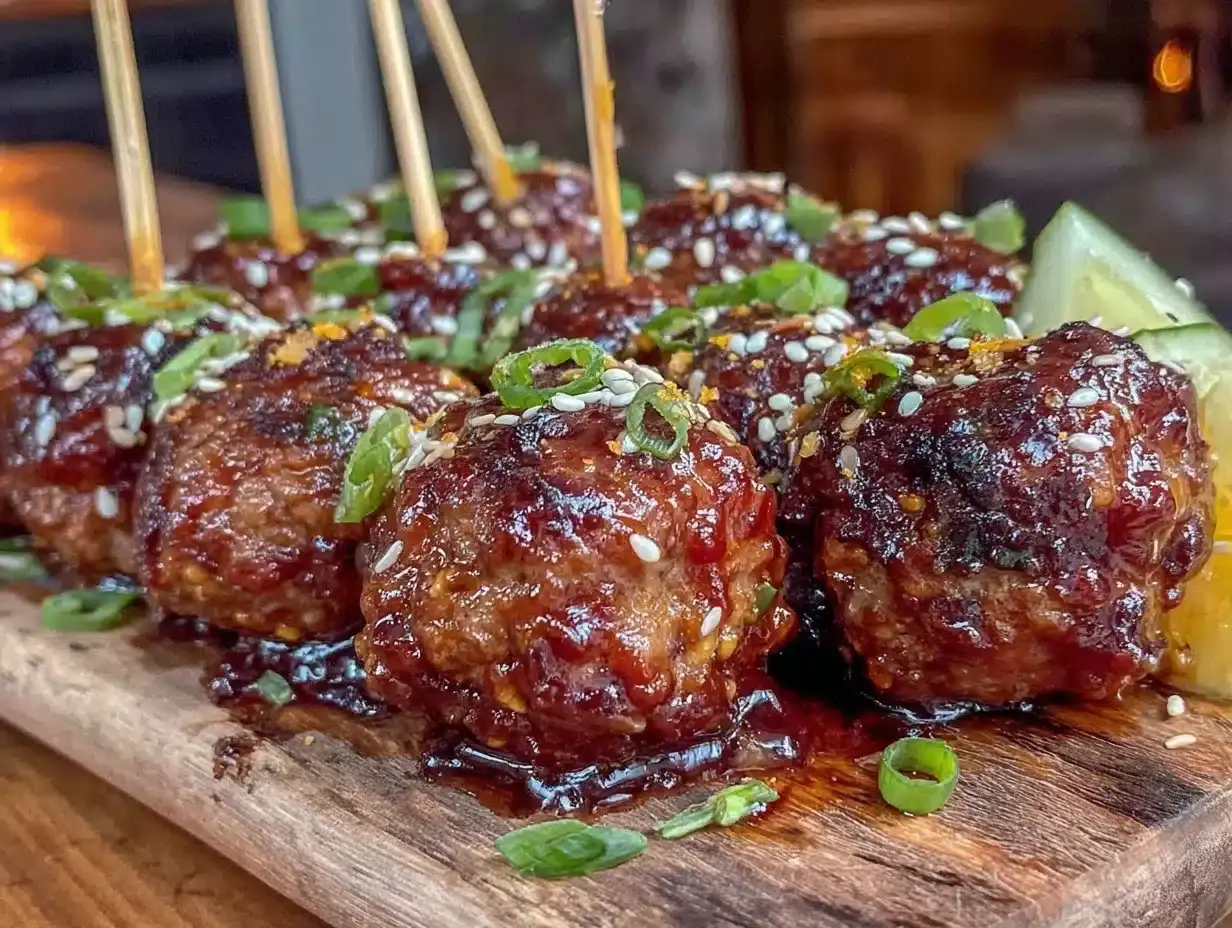
You’ve got to try these meatballs,” my coworker insisted one lunch break, sliding a steaming container across the table with a grin. I was skeptical—Korean BBQ meatball skewers sounded like a fancy thing, probably complicated and time-consuming. But honestly, the first bite was a shocker; juicy, tender meatballs laced with a sticky, spicy-sweet gochujang glaze that hit all the right notes.
I found myself making these Korean BBQ meatball skewers with gochujang glaze multiple times that week—sometimes for a quick dinner, other times as a party snack. The smoky char from the grill combined with that rich, umami-packed sauce made them unforgettable. Plus, the whole process is pretty straightforward, even for someone who isn’t really a grill master.
What’s funny is that this recipe kind of stumbled into my routine. I was hunting for something different from the usual weeknight staples, something with a kick but not too intimidating. These skewers became my go-to, whether I was craving that punch of Korean flavor or just needed a quick meal that felt special without messing around for hours.
There’s something about how the spicy glaze clings to each meatball, the way the edges caramelize just right, that makes these skewers stick in your memory. I don’t know if it’s the perfect balance of heat and sweet or the ease of popping them off the skewer for a bite, but it’s a recipe I’ve come to trust to brighten up almost any night. If you’re someone who enjoys bold flavors without fuss, you’re going to appreciate what these Korean BBQ meatball skewers bring to the table.
Why You Will Love This Recipe
- Quick Preparation: From mixing the meat mixture to glazing and grilling, you’ll have these skewers ready in about 30 minutes—perfect for busy weeknights or impromptu gatherings.
- Simple Ingredients: No need for exotic items; most of the ingredients are pantry staples or easily found in your local grocery store. That gochujang paste? Totally worth having on hand for this and other spicy dishes.
- Perfect for Entertaining: These skewers make a fantastic appetizer or finger food for parties, barbecues, or casual get-togethers. They’re always a hit—especially when paired with a chilled beverage.
- Crowd-Pleaser: Kids and adults alike enjoy these meatballs—the flavors are bold but balanced, with just enough heat to keep things interesting without overwhelming.
- Unbelievably Delicious: The glaze is the star—sticky, sweet, spicy, and umami-rich, it clings to the meatballs beautifully, creating that crave-worthy caramelized finish you want in Korean BBQ.
This recipe isn’t a copy of the usual meatball dish. The secret lies in the glaze and the grilling technique. Instead of drowning the meatballs in sauce, you brush on the gochujang glaze in layers, allowing that sticky coating to build up and char slightly, giving you layers of flavor and texture. Plus, mixing ground beef with a bit of pork adds juiciness and depth.
Whether you want a fuss-free dinner or a dish to impress your friends, these Korean BBQ meatball skewers deliver on all fronts. They’ve quickly become one of my favorite ways to enjoy Korean flavors at home without the need for a full sit-down meal or complicated prep. Honestly, if you love dishes like the baked lemon chicken, you’ll find these skewers a fun, tasty cousin to that recipe.
Ingredients You Need
This recipe uses simple, wholesome ingredients to deliver bold flavor and satisfying texture without the fuss. Most are pantry staples, with a few Korean pantry picks that add that authentic kick. Here’s what you’ll want to gather, and remember quantities are detailed in the recipe card below for your convenience.
Korean BBQ Meatball Skewers with Gochujang Glaze
Juicy, tender meatballs with a sticky, spicy-sweet gochujang glaze that delivers bold Korean BBQ flavors in a quick and easy recipe perfect for weeknights or parties.
- 1 lb (450 g) ground beef (85% lean)
- 1 large egg, room temperature
- 3 cloves garlic, minced
- 2 stalks green onion, thinly sliced
- 2 tbsp low sodium soy sauce
- 1 tsp toasted sesame oil
- 1 tsp freshly grated ginger
- 2 tbsp honey or brown sugar
- 1 tbsp rice vinegar
- 2 tbsp water
- Freshly ground black pepper, to taste
- Salt, to taste
- Wooden or metal skewers
- 1In a large mixing bowl, combine ground beef, optional ground pork, breadcrumbs, egg, minced garlic, sliced green onions, soy sauce, toasted sesame oil, grated ginger, salt, and black pepper. Mix gently until just combined, avoiding overmixing.
- 2Wet your hands with water and shape the mixture into 1½-inch (about 4 cm) meatballs. Thread 4-5 meatballs onto each skewer, leaving space between each meatball.
- 3In a small bowl, whisk together gochujang paste, honey or brown sugar, rice vinegar, and water until smooth. Adjust sweetness or acidity to taste.
- 4Preheat grill or grill pan to medium-high heat (about 400°F / 204°C). If using charcoal, wait until coals are glowing red with gray ash.
- 5Place skewers on the grill and cook for 4-5 minutes per side. After the first flip, brush the gochujang glaze generously on all sides of the meatballs. Repeat glazing each time you turn the skewers to build a sticky, caramelized coating. Cook until internal temperature reaches 160°F (71°C) and glaze is charred in spots.
- 6Rest skewers for 5 minutes before serving to allow juices to redistribute.
Keywords: Korean BBQ, meatball skewers, gochujang glaze, easy recipe, grilled meatballs, party appetizer, spicy sweet glaze
- ground beef: 1 lb (450 g) ground beef (85% lean for best juiciness) mixed with ½ lb (225 g) ground pork (optional but adds richness)
- breadcrumbs: ½ cup (60 g) plain or panko breadcrumbs to bind and keep the meatballs tender
- egg: 1 large egg, room temperature, to help hold everything together
- garlic: 3 cloves, minced, for that fragrant base flavor
- green onion: 2 stalks, thinly sliced, fresh and bright
- soy sauce: 2 tbsp, low sodium preferred, for salty umami depth
- sesame oil: 1 tsp, toasted if possible, adds that classic nutty aroma
- ginger: 1 tsp freshly grated, giving a subtle zing
- gochujang paste: ¼ cup (60 ml), the star of the glaze, offering spicy, sweet, and savory notes (I recommend Chung Jung One brand for reliable flavor)
- honey or brown sugar: 2 tbsp to balance the heat with sweetness
- rice vinegar: 1 tbsp, adds a touch of acidity to brighten the glaze
- water: 2 tbsp to thin the glaze slightly for easy brushing
- black pepper: Freshly ground, to taste
- salt: To taste, but be mindful since soy sauce adds some saltiness
- wooden or metal skewers: For threading the meatballs before grilling
If you want to switch things up, you can swap ground beef for turkey or chicken, though beef and pork together give that juicy, flavorful bite. Also, if you can’t find gochujang, a blend of chili paste with a bit of miso and honey can work in a pinch. For gluten-free options, use gluten-free breadcrumbs and tamari instead of soy sauce.
These ingredients come together to create a flavor-packed, tender meatball with a glaze that’s sticky and vibrant. It’s simple but feels like something special every time. If you like recipes that bring bold flavor without complicated prep, you might enjoy my German pancake recipe —they share that same quick, comforting vibe.
Variations
The beauty of these Korean BBQ meatball skewers lies in their adaptability. You can easily tailor them to suit dietary needs or simply to experiment with new flavor profiles. Consider these delightful twists for your next batch.
For a vibrant vegan option, swap the ground meat for crumbled firm tofu or a high-quality plant-based ground. Ensure the tofu is pressed very dry to avoid soggy meatballs. These can then be skewered and glazed just as you would the meat version, though be mindful of shorter cooking times as plant-based alternatives often cook more quickly.
A low-carb variation can be achieved by omitting the breadcrumbs in the meatball mixture, or by substituting them with almond flour. For the glaze, use a sugar-free syrup or a sugar substitute like erythritol instead of honey or brown sugar. This modification ensures you can enjoy the delicious Korean BBQ flavor profile without the added carbohydrates.
If you’re feeling adventurous, try adding finely diced kimchi to the meatball mixture itself. This introduces a wonderful tangy and fermented element that complements the sweet and spicy glaze beautifully. This addition not only boosts flavor but also adds a pleasing texture to the meatballs, making them even more complex and satisfying.
Another exciting variation involves infusing extra smokiness by using smoked paprika in the meatball mix. Alternatively, for a spicier kick, add a pinch of gochugaru (Korean chili flakes) directly into the gochujang glaze. This allows for precise control over the heat level, catering to individual preferences for spice.
For a lighter, leaner take, ground chicken or turkey can be used instead of beef and pork. While they might be slightly less rich, they absorb the glaze wonderfully and are a great choice for those mindful of their fat intake. Just be sure to cook them thoroughly, using a thermometer to ensure they reach a safe internal temperature.
How to Prepare Korean BBQ meatball skewers
Step 1: Mix the Meatball Ingredients
In a large mixing bowl, combine 1 lb (450 g) ground beef, the optional ½ lb (225 g) ground pork for added richness and moisture, and ½ cup (60 g) of plain or panko breadcrumbs. These breadcrumbs are crucial for binding the ingredients and ensuring the meatballs remain tender and juicy after cooking. An egg, at room temperature, is then added to further help bind everything together, creating a cohesive mixture that won’t crumble.
Next, incorporate the aromatics that build the foundation of flavor for these meatballs. Three cloves of minced garlic provide a pungent, savory base, while two thinly sliced green onions contribute a fresh, mild oniony bite. The depth of flavor is further enhanced by 2 tbsp of low-sodium soy sauce, adding that essential salty umami kick without overpowering the other ingredients. A teaspoon of toasted sesame oil lends its characteristic nutty aroma, a hallmark of many Korean dishes.
Completing the meatball mixture, add 1 tsp of freshly grated ginger for a subtle, warming zing that cuts through the richness of the meat. Season generously with freshly ground black pepper, and add salt to taste, keeping in mind that the soy sauce already contributes some saltiness. Use your hands to gently mix all the ingredients until they are just combined; overmixing can toughen the meatballs, so handle the mixture with care and avoid excessive kneading. Your goal is a uniform blend that holds together well.
Step 2: Form the Meatballs and Skewer Them
To prepare the meatballs for grilling, it’s helpful to lightly wet your hands with cool water. This simple step significantly reduces the sticking of the meat mixture to your hands, making the shaping process much smoother and cleaner. Take about two tablespoons of the meat mixture and roll it between your palms to form consistent, uniform meatballs, aiming for a size of approximately 1½ inches (about 4 cm) in diameter.
You should expect to get around 20 meatballs from this quantity of mixture, which is perfect for creating several skewers. Once formed, you’ll thread these meatballs onto your chosen skewers. If you are using wooden skewers, it is imperative that they are soaked in water for at least 30 minutes beforehand; this prevents them from burning or catching fire on the grill, ensuring a safe and pleasant cooking experience.
Thread 4 to 5 meatballs onto each skewer, leaving a small amount of space between each one. This spacing is not just for aesthetic appeal; it allows for adequate heat circulation around each meatball, ensuring they cook evenly and develop that desirable caramelized crust on all sides. The skewers should be sturdy enough to handle the weight of the meatballs without bending.
Step 3: Prepare the Gochujang Glaze
In a small mixing bowl, combine the key ingredients that will transform these meatballs into Korean BBQ delights. Start with ¼ cup (60 ml) of gochujang paste, the fermented Korean chili paste that provides a unique blend of spicy, savory, and slightly sweet notes. This is the heart of the glaze and its distinctive flavor profile.
To balance the heat and add a lovely sweetness, stir in 2 tbsp of honey or brown sugar. For a touch of brightness and to cut through the richness, add 1 tbsp of rice vinegar. Finally, incorporate 2 tbsp of water to achieve the right consistency for brushing; you want the glaze to be thick enough to cling to the meatballs but thin enough to spread easily.
Whisk all these ingredients together vigorously until the glaze is completely smooth and well combined. Take a moment to taste the glaze and adjust it according to your personal preference; you might want a little more sweetness, a touch more vinegar for tang, or even a pinch more gochujang if you desire extra heat. This glaze is designed to be brushed on during the cooking process, building up layers of flavor.
Step 4: Preheat the Grill or Grill Pan
Before you begin grilling, it’s essential to preheat your cooking surface to the correct temperature to ensure proper searing and cooking of the meatballs. For an outdoor grill, aim for a medium-high heat setting, which translates to approximately 400°F (204°C). If you are using a charcoal grill, wait until the coals are glowing red and have developed a light coating of gray ash; this indicates they have reached the ideal temperature for grilling.
If you don’t have an outdoor grill, a grill pan or a heavy-bottomed cast-iron skillet works exceptionally well as an indoor alternative. Heat this pan over medium-high heat on your stovetop, adding a very light coating of high-heat oil like canola or grapeseed oil to prevent sticking. You want the pan to be sufficiently hot so that the meatballs sizzle immediately upon contact, creating those appealing grill marks and a nice sear.
Ensuring your grill or grill pan is properly preheated is a critical step in achieving evenly cooked meatballs with a beautiful char. It also helps to prevent the meatballs from sticking, which can be a common issue, especially when dealing with sticky glazes. A hot surface is your best friend for developing flavor and texture.
Step 5: Grill and Glaze the Meatball Skewers
Carefully place the prepared meatball skewers onto the preheated grill or grill pan. Allow them to cook undisturbed for about 4 to 5 minutes on the first side. This initial cooking period helps to develop a nice sear and set the shape of the meatballs, making them more robust for subsequent handling and glazing.
After the first flip, begin generously brushing the gochujang glaze onto all sides of the meatballs. Use a basting brush to ensure an even coating. As you continue to cook and flip the skewers every 4-5 minutes, repeat the glazing process each time. This layering of glaze is what creates that wonderfully sticky, caramelized texture characteristic of Korean BBQ. Use tongs to carefully turn the skewers to prevent the meatballs from breaking apart.
Continue grilling and glazing for approximately 10 to 12 minutes in total, or until the internal temperature of the meatballs reaches 160°F (71°C) as confirmed with a meat thermometer. You’re looking for a nice, slightly charred appearance on the glaze, which indicates it has caramelized perfectly. Once cooked, remove the skewers from the heat and let them rest for about 5 minutes before serving; this resting period allows the juices within the meatballs to redistribute, ensuring maximum tenderness and flavor in every bite. The enticing aroma and visual appeal of these glazed skewers are sure to be a hit.
Step 6: Rest and Serve
Once the Korean BBQ meatball skewers have finished their fiery journey on the grill, allowing them to rest is an often-overlooked but crucial step for optimal enjoyment. This short period of repose, typically around 5 minutes, is vital for the meatball’s internal structure. During cooking, the juices are pushed towards the outer edges of the meat; resting allows these delicious juices to recede back into the center of the meatball, ensuring that each bite is as moist and flavorful as the last.
This resting phase also allows the caramelized glaze to set slightly, creating a more pleasant texture that isn’t overly sticky or messy. While they rest, you can quickly prepare any accompanying side dishes or arrange your serving platter. The visual appeal of the glistening, charred meatballs on their skewers is already impressive, making them a perfect centerpiece for any gathering.
Serve these skewers immediately while they are warm and at their most succulent. The combination of the juicy, tender meatballs and the complex sweet-spicy gochujang glaze is a flavor explosion that is best experienced fresh off the grill. Their handheld nature makes them ideal for parties, barbecues, or even a fun weeknight dinner where everyone can grab their own delicious skewer.
Pro Tips for Korean BBQ meatball skewers
Don’t Overmix the Meat: The key to tender, juicy meatballs lies in handling the meat mixture minimally. Overworking the ground meat can develop the proteins too much, resulting in a tougher, denser texture. Mix just until all the ingredients are incorporated for the best results.
Soak Wooden Skewers: If you’re using wooden skewers, soaking them in water for at least 30 minutes before use is non-negotiable. This prevents them from burning on the grill, which not only looks unsightly but can also impart an unpleasant smoky flavor to your meatballs.
Layer the Glaze: Instead of applying all the glaze at once, brush it on in layers during the grilling process. This allows the sugars in the glaze to caramelize gradually, building up a sticky, complex, and deeply flavorful crust on the meatballs.
Medium-High Heat is Key: Grill the skewers over medium-high heat. Too low, and the meatballs might not get a good sear or char; too high, and the glaze can burn before the meatballs are cooked through. This temperature range ensures a beautiful exterior and thoroughly cooked interior.
Control Flare-Ups: The sugars in the glaze can cause flare-ups on the grill. Keep a spray bottle filled with water handy to gently mist any flames. This helps to extinguish them quickly without affecting the meatballs’ cooking temperature too much.
Resting is Essential: Always let the cooked skewers rest for about 5 minutes after taking them off the grill. This allows the juices to redistribute throughout the meatballs, ensuring they remain moist and tender with every bite.
Serving Suggestions for Korean BBQ meatball skewers
Decoration
Garnish these flavorful skewers with a sprinkle of toasted sesame seeds and finely chopped fresh green onions just before serving. This adds a visual appeal with contrasting colors and a subtle nutty crunch. A few fresh cilantro leaves can also add a vibrant pop of green and a refreshing herbaceous note that complements the rich glaze.
Side Dishes
Serve these Korean BBQ meatball skewers alongside fluffy steamed jasmine rice, which provides a perfect neutral base to soak up any extra glaze. A crisp, refreshing cucumber salad with a light vinaigrette or a simple sesame oil dressing offers a cooling contrast to the savory and spicy meatballs. Quick-pickled radishes or carrots also provide a delightful tangy crunch that cuts through the richness of the meat and glaze.
For a heartier meal, consider a side of kimchi or other Korean banchan (side dishes) like seasoned spinach or bean sprouts. These traditional accompaniments offer a complex array of flavors and textures, enhancing the overall Korean dining experience. A simple, light green salad with a ginger-sesame dressing can also round out the meal beautifully without being too heavy.
Consider pairing with a refreshing Korean beverage like chilled rice punch (Sikhye) or even a light lager beer. The carbonation and crispness of the beer can effectively cleanse the palate between bites of the rich, glazed meatballs, making each mouthful as delightful as the first. The sweetness of the Sikhye provides a lovely counterpoint to the spice of the gochujang.
Creative Serving Ideas
Transform these skewers into a playful appetizer by serving them on a platter arranged like a fan, with the glazed meatballs fanned out. For a more casual get-together, arrange them in a decorative bowl, allowing guests to easily pick them up. You can also remove the meatballs from the skewers and serve them in a communal bowl for a more relaxed, family-style presentation.
For a fun twist, create mini slider buns or lettuce wraps and top them with one or two meatballs, perhaps with a drizzle of extra glaze or a dollop of kimchi slaw. This transforms the skewers into a more substantial and interactive meal option. Consider offering a variety of dipping sauces on the side, such as a creamy sriracha mayo or a sweet chili sauce, to cater to different taste preferences.
If you are hosting a larger party, consider setting up a “build-your-own skewer bar” where guests can add their own meatballs and perhaps some grilled vegetables like bell peppers or onions. This interactive approach adds an element of fun and customization to your menu. This makes the event memorable and caters to diverse palates with ease and enjoyment.
Preparation & Storage
Storing Leftovers
Leftover Korean BBQ meatball skewers can be stored in an airtight container in the refrigerator for up to 3 days. Ensure the meatballs have cooled completely before sealing the container. Keeping them in the refrigerator helps to slow down bacterial growth and maintain freshness, ensuring they remain safe to consume.
When storing, try to minimize exposure to air, which can cause them to dry out. If the meatballs are still on the skewers, you can place the skewers side-by-side in the container. If they are removed from the skewers, they can be stacked more compactly. Keeping them chilled is paramount for food safety.
The glaze might become a little less shiny and sticky after refrigeration, but the flavor will remain excellent. For the best texture upon reheating, it’s advisable to store them in a way that preserves as much moisture as possible. This might involve placing a damp paper towel loosely over the container if it’s not perfectly airtight, but be cautious not to make them soggy.
Freezing
These delicious meatballs freeze exceptionally well, making them a fantastic option for meal prep or stocking up on future quick meals. First, remove the meatballs from the skewers if they are still on them. This makes storage more manageable and prevents the skewers from taking up unnecessary space in your freezer.
Lay the individual meatballs in a single layer on a baking sheet lined with parchment paper. Place this baking sheet in the freezer for about 1 to 2 hours, or until the meatballs are firm and frozen solid. This flash-freezing step prevents them from clumping together, allowing you to easily retrieve the number of meatballs you need later.
Once frozen, transfer the firm meatballs into a heavy-duty freezer bag or an airtight freezer-safe container. Remove as much air as possible from the bag before sealing to prevent freezer burn. Properly stored, frozen meatballs can maintain their quality for up to 2-3 months. Label the bag or container with the date of freezing for easy reference.
Reheating
Reheating these Korean BBQ meatball skewers requires a gentle approach to best preserve their texture and flavor. The best method is often on the stovetop in a skillet. Place the desired amount of leftover meatballs (removed from skewers, if necessary) in a non-stick skillet over medium-low heat. Add a tablespoon or two of water or a splash of soy sauce to the skillet to create a bit of steam and prevent drying.
Cover the skillet and let the meatballs gently steam and heat through for about 5-8 minutes, stirring occasionally. If you wish to refresh the glaze, you can brush on a little extra glaze (mixed with a touch of water or honey) during the last minute of heating, or even pop them under a broiler for a minute or two to re-caramelize. This method helps to rehydrate the meatballs and revive the stickiness of the glaze without overcooking them.
Alternatively, you can reheat them in a conventional oven. Spread the meatballs on a baking sheet and warm them in a preheated oven at around 350°F (175°C) for 8-10 minutes, or until heated through. For a crispier finish, you can finish them under the broiler for a minute, watching carefully to prevent burning. Microwaving is the least ideal method as it can often result in rubbery meatballs and a soggy glaze, but it is the quickest option if convenience is your priority; heat in short bursts, stirring in between.
Frequently Asked Questions
-
Can I make these Korean BBQ meatball skewers ahead of time?
Absolutely! You can prepare the meatball mixture and the gochujang glaze a day in advance. Store the uncooked meatballs tightly covered in the refrigerator, and keep the glaze in a separate airtight container. When you’re ready to cook, simply form the meatballs, skewer them, and proceed with the grilling and glazing steps as outlined in the recipe. This makes them a perfect make-ahead option for busy weeknights or parties, allowing you to save time on the day of serving.
-
What can I use instead of gochujang if I can’t find it?
If gochujang paste is unavailable in your area, you can create a suitable substitute by combining chili paste (like Sriracha or another red chili paste) with a teaspoon of miso paste for umami depth, and a bit of honey or brown sugar for sweetness. This blend aims to mimic the complex sweet, spicy, and savory notes of gochujang. Adjust the quantities to your taste preference, aiming for a similar consistency and flavor profile.
-
Are these meatballs gluten-free?
The standard recipe contains gluten from the breadcrumbs and potentially soy sauce if it’s not gluten-free. However, you can easily make these meatballs gluten-free by using certified gluten-free breadcrumbs or almond flour as a binder, and by substituting regular soy sauce with tamari, which is a gluten-free soy sauce. Ensure all other ingredients used, such as any pre-made sauces or pastes, are also certified gluten-free to meet dietary requirements.