Keto Coconut Cake Delight
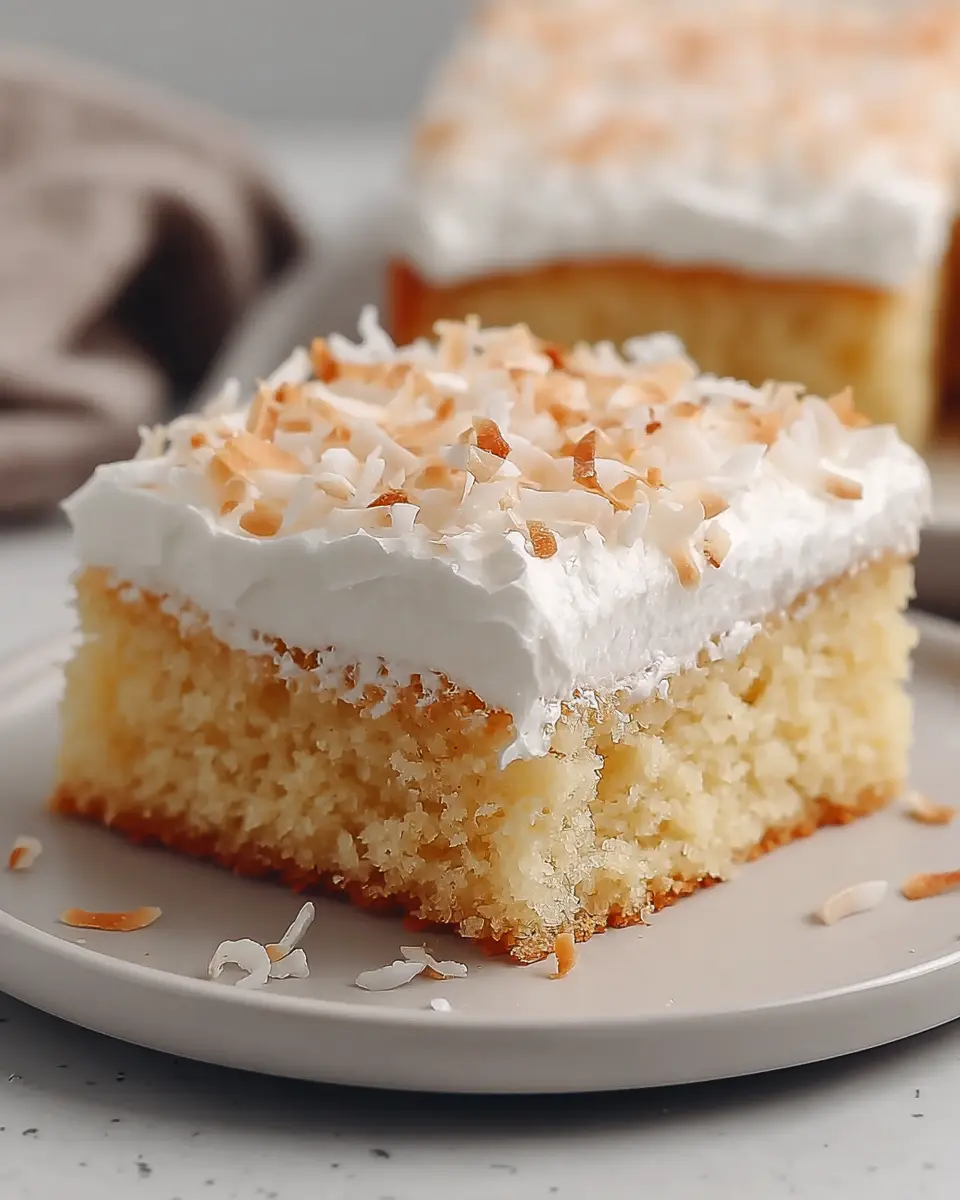
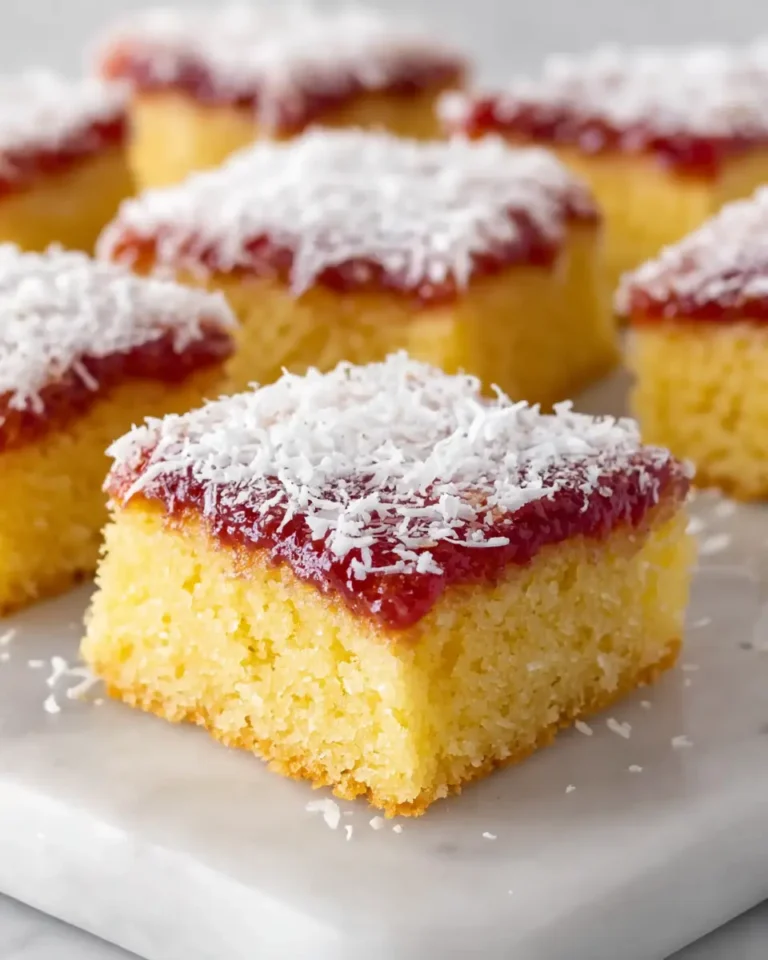
This keto coconut cake is a delightful low-carb dessert that offers a rich, satisfying flavor profile without the sugar and carbohydrates of traditional cakes. It’s designed to be moist, tender, and packed with the tropical essence of coconut, making it a perfect treat for those following a ketogenic lifestyle or simply looking for a healthier dessert option.
The beauty of this cake lies in its simplicity and the luxurious texture it achieves. From the tender coconut flour base to the light and airy whipped cream topping, every element is carefully balanced to create a truly special dessert. It’s the kind of cake that impresses with its flavor and elegance, yet remains surprisingly straightforward to prepare.
Why You Will Love This Recipe
- Effortless Elegance: This cake looks and tastes sophisticated, yet requires no complicated techniques, making it accessible for bakers of all levels.
- Low-Carb Satisfaction: Indulge your sweet tooth without derailing your keto or low-carb diet goals, enjoying a truly guilt-free dessert experience.
- Moist and Tender Crumb: Coconut flour, when prepared correctly, yields a surprisingly soft and moist cake that is never dry or crumbly.
- Refreshing Topping: The light, whipped cream topping provides a cool contrast to the cake and adds a delightful airiness.
- Versatile Appeal: Perfect for special occasions, weekend treats, or simply when you crave a delicious, healthier dessert option.
Ingredients You Need
The quality of your ingredients significantly impacts the final taste and texture of this keto coconut cake. Opting for fresh, high-quality components ensures the best possible outcome. Coconut flour, for instance, is the star, providing structure and that signature coconut flavor, so choose a finely ground variety for a smoother crumb.
Keto Coconut Cake
A rich, low-carb coconut cake finished with a light whipped cream topping, a delicate sugar-free syrup, and a layer of toasted coconut for added texture and flavor. This make-ahead friendly dessert is perfect for gatherings or any time you want a special treat.
- For the cake:
- 9 tablespoons sifted coconut flour
- 2 tablespoons heavy cream
- 6 large eggs, at room temperature
- 1 teaspoon vanilla extract
- 1/2 teaspoon salt
- 9 tablespoons unsalted butter, melted and cooled
- 1/2 cup powdered monk fruit sweetener
- 2 teaspoons softened cream cheese
- 1 1/2 teaspoons baking powder
- For the syrup:
- 4 tablespoons powdered monk fruit sweetener
- 3/4 cup water
- For the topping:
- 1/2 teaspoon vanilla extract
- 3/4 cup well chilled heavy cream
- 4 tablespoons powdered monk fruit sweetener
- 1 cup unsweetened coconut flakes, toasted
- 1Preheat the oven to 350°F (175°C). Lightly grease a 9 x 9-inch baking pan. Melt the butter and set it aside until it reaches room temperature.
- 2In a mixing bowl, beat the eggs with the powdered monk fruit sweetener, cream cheese, heavy cream, vanilla extract, salt, and baking powder until the mixture is smooth and thoroughly combined.
- 3Add the cooled melted butter and the sifted coconut flour to the bowl. Beat again until the batter is fully incorporated. Measure the coconut flour in level tablespoons, as using too much can make the cake excessively dry.
- 4Transfer the batter to the prepared pan and spread it evenly. Bake for 20 to 24 minutes, or until a toothpick inserted into the center emerges clean. Let the cake cool slightly.
- 5To prepare the syrup, place the water and powdered monk fruit sweetener in a small saucepan. Bring the mixture to a boil over medium-high heat and cook until it reduces slightly and thickens, about 6 minutes.
- 6When the cake has cooled a little, make small slits across the top with a knife. Pour the warm syrup evenly over the surface, then leave the cake to cool completely.
- 7In a separate bowl, combine the chilled heavy cream, powdered monk fruit sweetener, and vanilla extract. Beat until stiff peaks form and the volume nearly doubles.
- 8Spread the whipped cream evenly over the cooled cake. Scatter the toasted unsweetened coconut across the top.
- 9Refrigerate the cake overnight before serving so the texture settles and the flavors develop fully.
Keywords: Keto Coconut Cake, Low-Carb Dessert, Sugar-Free Cake, Coconut Flour Recipe, Make-Ahead Dessert
- coconut flour: sifted to create a smoother batter, this is the foundation of your keto cake, providing structure and a subtle coconut aroma.
- heavy cream: used in both the cake batter and the topping, it adds richness and moisture, contributing to a tender crumb and a luxurious frosting.
- large eggs: essential for binding the ingredients, providing lift, and adding to the overall richness and tender texture of the cake.
- vanilla extract: a classic flavor enhancer that rounds out the sweetness and complements the coconut beautifully.
- salt: balances the sweetness and enhances the natural flavors of the other ingredients, making the cake more complex.
- unsalted butter: melted and cooled, it adds moisture, tenderness, and a subtle buttery depth to the cake batter.
- powdered monk fruit sweetener: a natural, zero-calorie sweetener that provides sweetness without the carbohydrates found in sugar, ideal for keto baking.
- softened cream cheese: adds a slight tang and incredible smoothness to the batter, contributing to a rich and tender crumb.
- baking powder: helps the cake to rise, ensuring a light and airy texture rather than a dense one.
- unsweetened coconut flakes: toasted to perfection, these add a delightful crunch and an intensified coconut flavor to the topping.
Specific quantities for these ingredients can be found within the provided recipe card.
Variations
The beauty of this keto coconut cake lies not only in its base recipe but also in its adaptability. You can easily transform it into something even more unique to suit your dietary needs or flavor preferences, making it a truly versatile dessert.
For a decadent vegan adaptation, replace the eggs with a flax egg mixture (2 tablespoons flaxseed meal mixed with 6 tablespoons water, let sit for 5 minutes) and ensure your cream cheese alternative is also vegan-friendly. The heavy cream can be substituted with full-fat coconut milk or a rich vegan cream alternative, ensuring it’s well-chilled for whipping. This variation still delivers that satisfying coconut flavor and tender texture, making it inclusive for a wider range of dietary choices.
If you’re aiming for an even lower-carb or stricter keto version, consider reducing the amount of sweetener slightly or using a blend that is known to be very neutral in flavor. Additionally, while coconut flour is already keto-friendly, paying close attention to the exact measurement is crucial for texture. You could also experiment with adding a teaspoon of a sugar-free maple extract to the batter for a different flavor dimension, creating a maple-coconut fusion that is equally delightful and compliant.
Another exciting variation involves flavor infusions. A hint of almond extract alongside the vanilla can add a nutty depth that pairs wonderfully with coconut. For a touch of citrus, a tablespoon of finely grated lime or lemon zest stirred into the batter before baking can provide a bright, refreshing counterpoint to the rich coconut. This simple addition can elevate the cake, making it feel even more gourmet and unique, perfect for a summer dessert or a bright brunch offering.
How to Prepare keto coconut cake
Step 1: Prepare Your Baking Station
Begin by preheating your oven to the specified temperature, typically around 350°F (175°C). This ensures that the oven is at the optimal heat when the cake batter is ready to bake, promoting even cooking and proper rise. Simultaneously, prepare your 9×9 inch baking pan by lightly greasing it. You can use butter, coconut oil, or a non-stick cooking spray, ensuring all corners and edges are coated to prevent the cake from sticking.
Before you start mixing the wet ingredients, it’s a good practice to melt your unsalted butter. Allowing it to melt and then cool slightly means it will be at the perfect temperature to incorporate into the batter without cooking the eggs or affecting the texture of the cream cheese. Having the butter ready to go will streamline the mixing process and help everything blend together smoothly.
Step 2: Create the Wet Ingredient Base
In a large mixing bowl, combine the eggs, powdered monk fruit sweetener, softened cream cheese, heavy cream, vanilla extract, salt, and baking powder. Using an electric mixer (handheld or stand mixer), beat these ingredients together until the mixture is smooth, well-emulsified, and slightly airy. The goal here is to thoroughly combine all the wet components, ensuring that the sweetener dissolves and the cream cheese is fully incorporated, creating a light and uniform base for the cake batter.
This stage is critical for achieving the desired texture in your keto coconut cake. The aeration from beating the eggs and other ingredients contributes to the cake’s lift and tender crumb. Ensure that the cream cheese is truly softened to avoid lumps in the final batter. A well-beaten mixture will promise a lighter cake that holds its structure beautifully after baking.
Step 3: Incorporate the Dry Ingredients and Butter
Once the wet ingredients are perfectly blended and slightly aerated, gently stir in the cooled, melted unsalted butter. Mix until just combined, ensuring it’s evenly distributed throughout the wet mixture. Next, gradually add the sifted coconut flour to the bowl. It’s important to sift the coconut flour before measuring to prevent clumping and ensure a finer texture in the final cake. Stir the batter until it is fully incorporated and the mixture forms a uniform, cohesive batter.
Be mindful not to overmix the batter once the coconut flour is added. Coconut flour is highly absorbent, and overmixing can lead to a tougher cake. Stir just until you no longer see streaks of dry flour. The batter will be thicker than a traditional cake batter due to the nature of coconut flour; this is perfectly normal and indicates you’re on the right track. Spread this batter evenly into the prepared baking pan using a spatula.
Step 4: Bake the Cake to Perfection
Place the prepared baking pan into the preheated oven. Bake for approximately 20 to 24 minutes, or until the cake is set in the center and a toothpick inserted into the middle comes out clean. The top of the cake should be lightly golden brown and feel springy to the touch when gently pressed. Avoid overbaking, as this can lead to a dry cake, especially with coconut flour.
Once baked, carefully remove the cake from the oven. Allow it to cool in the pan for about 10 to 15 minutes before attempting to remove it or apply the syrup. This initial cooling period helps the cake firm up slightly, making it less likely to break when you handle it. The aroma that fills your kitchen at this stage will be wonderfully coconutty and inviting.
Step 5: Prepare the Simple Keto Syrup
While the cake is baking or cooling slightly, prepare the simple syrup that will add moisture and enhance the cake’s flavor. In a small saucepan, combine the powdered monk fruit sweetener and water. Place the saucepan over medium-high heat and bring the mixture to a gentle simmer. Cook for about 6 minutes, stirring occasionally, until the liquid has reduced slightly and thickened just a bit. You are not aiming for a thick, candy-like syrup, but rather a light, sweet liquid that will soak into the cake.
This syrup is crucial for ensuring the keto coconut cake remains wonderfully moist, especially after chilling. It helps to counteract the natural tendency of coconut flour to absorb moisture, resulting in a cake that is tender and delightful bite after bite. Once it has achieved the desired consistency, remove it from the heat and set it aside to cool slightly before application.
Step 6: Apply the Syrup and Cool Completely
Once the cake has cooled in the pan for about 10-15 minutes, it’s time to apply the syrup. Using a knife or a skewer, carefully make small slits or poke holes all over the surface of the warm cake. This creates channels for the syrup to penetrate deep into the cake layers, ensuring maximum moisture. Slowly and evenly pour the warm syrup over the entire surface of the cake, allowing it to soak in.
After the syrup has been applied, allow the cake to cool completely in the pan on a wire rack. This cooling process is essential before adding the whipped topping. If you add the topping while the cake is still warm, the whipped cream will melt and lose its fluffy texture. Patience here is key to achieving the beautiful, layered finish this cake deserves.
Step 7: Whip the Topping and Decorate
While the cake is cooling, prepare the whipped cream topping. In a clean, chilled bowl, combine the well-chilled heavy cream, powdered monk fruit sweetener, and vanilla extract. Using an electric mixer, whip the cream on medium-high speed until stiff peaks form. This means that when you lift the beaters, the cream holds its shape and doesn’t droop. Be careful not to over-whip, as it can turn into butter.
Once the cake has completely cooled, gently spread the whipped cream evenly over the entire surface. Use an offset spatula for a smooth finish. Finally, sprinkle the toasted unsweetened coconut flakes generously over the whipped cream. The toasted coconut adds a wonderful crunch, a deeper coconut aroma, and a beautiful visual appeal to the finished cake.
Step 8: Chill for Optimal Texture
This step is non-negotiable for the best results. Cover the cake (or transfer it to an airtight container) and refrigerate it overnight, or for at least 8 hours. Overnight chilling allows the flavors to meld together, the syrup to fully permeate the cake, and the whipped topping to set firmly. This resting period transforms the cake from merely good to exceptionally delicious, with a perfect texture that is both moist and creamy.
Serving the cake chilled is part of its intended appeal. The cool, creamy topping against the moist cake base is incredibly refreshing and satisfying. When it’s time to serve, slice the cake with a sharp knife for clean cuts, showcasing the beautiful layers and textures. This overnight chill is a testament to the fact that some of the best desserts are worth waiting for.
Pro Tips for keto coconut cake
Sift Your Coconut Flour Religiously: This might seem like a minor detail, but sifting coconut flour before measuring and adding it to your batter is crucial. It breaks up any small clumps and ensures that the flour integrates evenly, leading to a much finer, more tender crumb without any gritty texture. This step is a game-changer for achieving a truly cake-like consistency with coconut flour.
Room Temperature Eggs Are Key: Using eggs that are at room temperature helps them emulsify more effectively with the other wet ingredients. This results in a smoother batter and contributes to better volume and a lighter cake. If you forget to take your eggs out in advance, you can quickly warm them by placing them in a bowl of warm (not hot) water for about 5-10 minutes.
Toast Coconut Wisely: Toasting the unsweetened coconut flakes until they are lightly golden brown is essential for flavor and texture. Over-toasting can make them bitter and burnt-tasting, detracting from the cake’s delicate sweetness. Keep a close eye on them in the oven or skillet; they toast quickly and can go from perfect to burnt in a matter of moments.
Don’t Skip the Overnight Chill: This is perhaps the most important tip for this specific cake. The overnight refrigeration allows the sugar-free syrup to fully soak into the coconut flour cake, preventing it from drying out and enhancing its moisture and flavor. It also allows the whipped cream topping to firm up, giving the cake a cohesive and delightful texture that is far superior to serving it immediately.
Measure Sweeteners Accurately: While the recipe specifies powdered monk fruit sweetener, if you substitute with another keto-friendly sweetener, ensure it’s also in powdered or confectioners’ form. Granular sweeteners may not dissolve as easily, potentially leaving a gritty texture in your cake, syrup, or whipped topping. Always measure sweeteners carefully, as they can be quite potent.
Serving Suggestions for keto coconut cake
Decoration
The toasted coconut flakes provide a beautiful, textured finish that is both rustic and elegant. For an extra touch, consider adding a few fresh raspberries or a dusting of unsweetened shredded coconut around the base of the cake when serving. A small sprig of mint can also add a pop of color and freshness.
If you’re feeling more artistic, you could pipe small dollops of extra whipped cream around the edge of the cake or create a delicate pattern. Some edible flowers, like pansies or violets, can also add a sophisticated and natural decorative element, transforming the cake into a centerpiece.
Side Dishes
This cake is quite rich and satisfying on its own, but it pairs beautifully with a simple cup of hot coffee or a soothing herbal tea. The slight bitterness of coffee can wonderfully complement the sweetness of the cake and the creamy topping. For a lighter beverage option, unsweetened iced tea or a refreshing glass of sparkling water with a squeeze of lime works exceptionally well.
If serving this cake as part of a larger dessert spread or after a meal, fresh berries are an excellent companion. A small bowl of mixed berries, such as strawberries, blueberries, or raspberries, adds a burst of natural tartness and freshness that cuts through the richness of the cake. This combination provides a delightful contrast in flavors and textures.
Creative Serving Ideas
For a brunch setting, consider serving individual slices of the cake with a small dollop of unsweetened Greek yogurt or a spoonful of sugar-free berry compote on the side. This adds an extra layer of flavor and texture without overwhelming the delicate taste of the cake itself. It feels indulgent yet entirely permissible within a low-carb or keto lifestyle.
If you’re hosting a gathering and want to serve individual portions, you could also present the cake in small mason jars or elegant dessert glasses. Layer the cake crumbs, a bit of the whipped topping, and a sprinkle of toasted coconut in each jar for a charming and portable dessert. This method is particularly useful for picnics or potlucks, ensuring each guest receives a perfectly portioned treat.
Preparation & Storage
Storing Leftovers
Due to the whipped cream topping, this keto coconut cake must be stored in the refrigerator. Once cooled and decorated, cover the entire pan tightly with plastic wrap or transfer the cake to an airtight container. This prevents the cake from drying out and also stops it from absorbing any odors from other foods in the refrigerator.
Properly stored in the refrigerator, the cake should remain fresh and delicious for approximately 3 to 4 days. The texture is often even better on the second day, as the flavors have had more time to meld and the syrup has fully integrated into the cake. Ensure the container or plastic wrap creates a good seal to maintain optimal freshness and prevent condensation.
Freezing
While this cake is best enjoyed fresh or within a few days, freezing is an option, though it requires a little strategy. The whipped cream topping can lose some of its airy texture and may become slightly watery upon thawing. For the best results when freezing, it’s recommended to freeze the cake base without the whipped cream and toasted coconut topping.
Once the cake base has cooled completely and the syrup has been applied (but before adding the topping), wrap it tightly in several layers of plastic wrap, followed by a layer of aluminum foil. Freeze for up to 1-2 months. When ready to serve, thaw the cake base in the refrigerator overnight. Then, prepare a fresh batch of whipped cream and toasted coconut to add just before serving, ensuring the topping is at its best.
Reheating
This keto coconut cake is specifically designed to be served chilled, straight from the refrigerator. Therefore, reheating is generally not necessary and is not recommended, as it would compromise the texture of the whipped cream topping. The delightful coolness is a key part of its appeal, offering a refreshing end to any meal.
If the cake has been refrigerated for a significant period, and you find the texture a little too firm for your liking, you can allow a slice to sit at room temperature for about 10 to 15 minutes before serving. This brief period will soften the texture slightly, making it more yielding and pleasant, without negatively impacting the integrity of the cake or its topping. It’s a subtle adjustment for personalized enjoyment.
Frequently Asked Questions
-
Can I make this keto coconut cake ahead of time, and if so, how much can I prepare in advance?
Absolutely, and in fact, making this cake ahead of time is highly recommended for the best results. The overnight chilling period is crucial for allowing the sugar-free syrup to fully permeate the coconut flour base, ensuring it remains moist and tender. This resting time also allows the flavors to meld beautifully, creating a more cohesive and enjoyable dessert experience. You can bake the cake and apply the syrup up to two days in advance, storing it covered in the refrigerator. The whipped cream topping is best made fresh on the day you plan to serve the cake, or at most, the day before, to maintain its optimal fluffy texture.
-
Why is measuring coconut flour so precisely important, and what happens if I use too much or too little?
Coconut flour is exceptionally absorbent, meaning it soaks up significantly more liquid than traditional wheat flour. Therefore, precise measurement is paramount to achieving the correct cake consistency. If you use too much coconut flour, your batter will be excessively dry and thick, leading to a cake that is dense, crumbly, and potentially difficult to mix. Conversely, if you use too little, the cake may not set properly and could be too wet or even gummy. Always use level measuring spoons and cups for coconut flour, and sifting it before measuring helps ensure accuracy and a smoother batter.
-
Are there any alternative keto-friendly sweeteners that can be used in this recipe, and how might they affect the outcome?
Yes, you can often substitute the powdered monk fruit sweetener with other keto-friendly sweeteners, provided they are in a powdered or confectioners’ form. Erythritol, xylitol (be cautious if you have pets, as it’s toxic to dogs), or a blend like Swerve Confectioners’ are common alternatives. The key is to use a powdered version to ensure it dissolves smoothly into the batter, syrup, and whipped topping, preventing any grittiness. Different sweeteners have slightly different sweetness profiles and may absorb moisture differently, so you might notice minor variations in texture or sweetness. Always taste and adjust to your preference, but stick to powdered forms for the best results in this recipe.