Kalua Pork Recipe – The Best Hawaiian Pulled Pork!
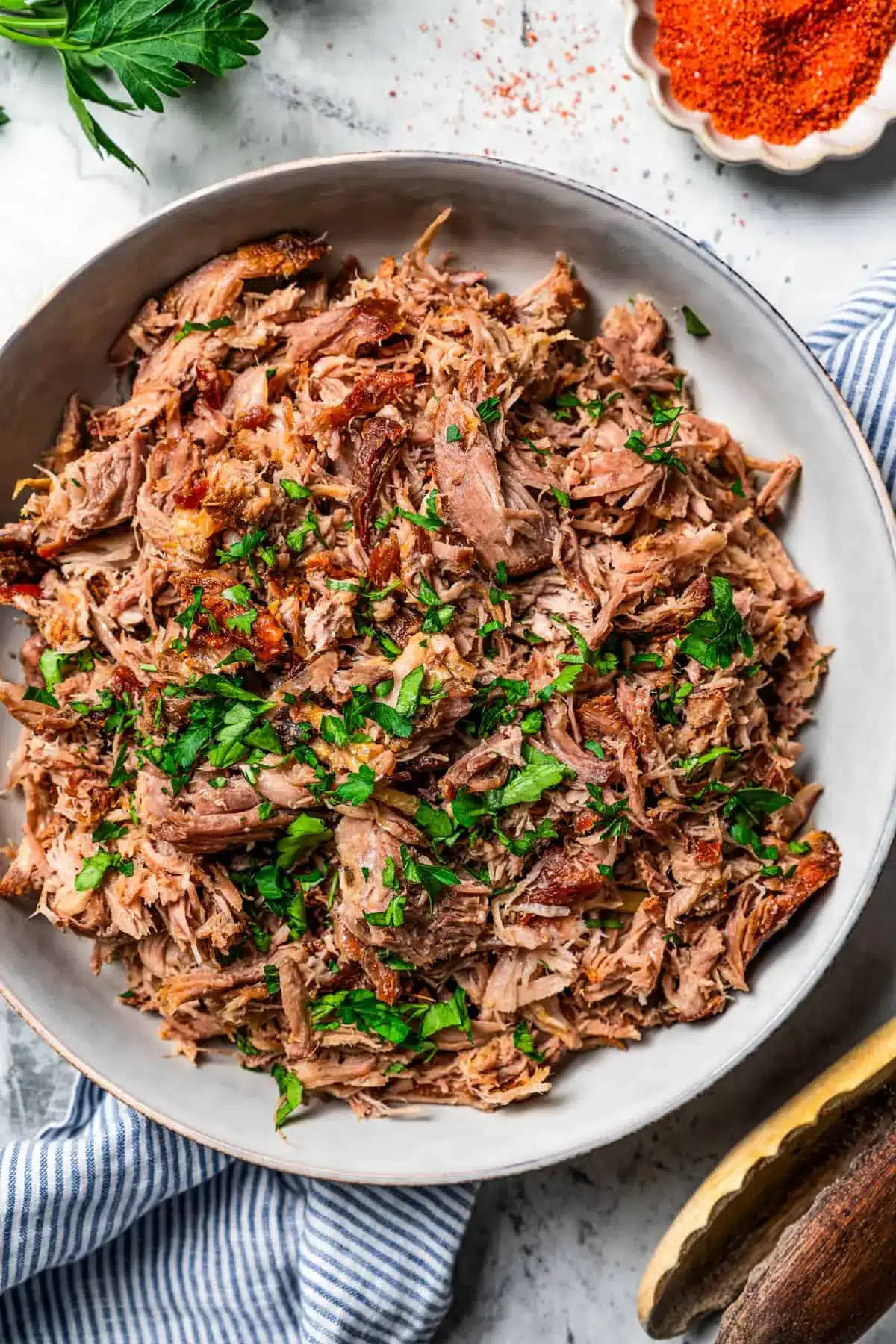
Embarking on a culinary journey to the Hawaiian Islands is now possible from your own kitchen with this incredible Kalua Pork recipe. Imagine tender, succulent pork infused with the authentic smoky flavors that have made this dish a beloved staple. It’s a taste of paradise that’s surprisingly accessible, bringing a luau experience right to your dinner table.
This dish is more than just a meal; it’s an invitation to a celebration of flavor and tradition. The simplicity of its core ingredients belies the depth of taste achieved through slow, careful cooking. Prepare yourself for a truly unforgettable dining experience that will transport your senses.
Why You Will Love This Recipe
- Authentic Flavor: Experience the genuine smoky and savory taste of traditional Kalua Pork, achieved through simple yet effective seasoning and slow roasting techniques.
- Incredibly Tender: The magic of slow cooking transforms pork shoulder into a fall-apart tender masterpiece that practically shreds itself, offering a melt-in-your-mouth texture.
- Versatile Serving Options: Enjoy this delicious pulled pork in a variety of ways, from classic sandwiches and sliders to topping rice bowls or incorporating it into other creative dishes.
- Simple Preparation: While the cooking time is long, the hands-on preparation is minimal, making it an ideal dish for busy home cooks who want to impress without the fuss.
- Crowd-Pleaser: Kalua Pork is perfect for gatherings and parties, guaranteed to be a hit with its universally appealing flavors and comforting, satisfying nature.
Ingredients You Need
The success of this Kalua Pork recipe hinges on the quality of a few key ingredients, treated with respect and patience. Opting for fresh, good-quality pork shoulder is paramount, as its fat content is crucial for achieving that signature succulence and tender texture after the long cooking process. While traditional Hawaiian sea salt, also known as alaea salt, lends a unique color and mineral profile, any good quality coarse sea salt will effectively replicate its briny essence. Fresh garlic and ginger are essential aromatics that infuse the meat with their fragrant oils as it cooks, deepening the flavor profile.
Kalua Pork (Hawaiian Pulled Pork)
This slow-roasted Hawaiian kalua pork is made from juicy pork shoulder rubbed with sea salt and seasonings and baked until it’s fall-apart tender. Pile this flavorful pulled pork into sandwiches or over rice, topped with a fried egg.
- 1 tablespoon olive oil
- 3 pounds pork shoulder, cut into 3 pieces
- 5 cloves garlic, halved
- 1 inch piece of fresh ginger, cut into sticks
- chopped fresh parsley, for serving
- 1Preheat your oven to 325°F.
- 2Pierce the pork all over with a carving fork. Insert ginger and garlic into the holes you made with the fork. Rub the pork with Hawaiian salt and then with liquid smoke.
- 3Heat the olive oil in a large pan over medium-high heat. Sear the pork on all sides.
- 4Place the pork on a large piece of parchment paper and wrap it around. Then, wrap the meat with aluminum foil, sealing it tightly. Place the pork on a rimmed baking sheet.
- 5Bake the pork for 3-4 hours or until the inner temperature reaches 165°F and the meat shreds easily.
- 6Remove the pork from the oven. Carefully open the aluminum foil and parchment paper and collect all the cooking juices. Shred the pork with meat claws or two forks. Then add it to a large bowl or serve it on a baking tray. Drizzle and toss the pork with the cooking juices.
- 7Just before serving, garnish the pulled pork with chopped parsley.
Keywords: Hawaiian, Pulled Pork, Pork Shoulder, Slow Cooker, Oven Baked, Garlic, Ginger, Sea Salt, Liquid Smoke
- olive oil: a tablespoon of good quality olive oil for searing the pork to achieve a beautiful crust and seal in the juices.
- pork shoulder: approximately three pounds of pork shoulder, also known as pork butt, which is the ideal cut for its balance of meat and fat, ensuring tenderness and flavor.
- garlic cloves: five cloves of fresh garlic, halved, to be tucked into the pork to infuse it with their pungent aroma and taste.
- fresh ginger: a one-inch piece of fresh ginger, cut into sticks, offering a warming, slightly spicy counterpoint to the richness of the pork.
- Hawaiian sea salt: about three-quarters of a tablespoon of authentic Hawaiian sea salt, preferably the red alaea variety, for its unique mineral notes and color.
- liquid hickory smoke: half a tablespoon of liquid hickory smoke, a clever shortcut to mimic the deep, smoky flavor of an underground imu oven.
- fresh parsley: a handful of chopped fresh parsley, to be used as a vibrant garnish just before serving, adding a touch of freshness and visual appeal.
The precise measurements for these ingredients are detailed in the recipe card above, ensuring you have everything you need for a perfect Kalua Pork.
Variations
While this recipe delivers a wonderfully authentic Kalua Pork experience, its inherent simplicity allows for some delightful variations. Consider exploring a vegan rendition by using hearty jackfruit or king oyster mushrooms. These ingredients, when slow-cooked and seasoned similarly, can mimic the shredded texture and absorb the smoky flavors beautifully, making for a satisfying plant-based alternative.
For those following a low-carbohydrate lifestyle, Kalua Pork is already a fantastic option, as it’s naturally low in carbs. The key is in how you serve it. Instead of traditional buns or rice, consider serving your shredded pork over a bed of cauliflower rice, or perhaps wrapped in large lettuce leaves with a dollop of a sugar-free coleslaw. This keeps the focus on the incredible flavor of the pork itself.
Another creative avenue is to infuse the pork with different herbs and spices during the cooking process. While the recipe calls for garlic and ginger, you could introduce a hint of lemongrass for a brighter citrus note, or a pinch of red pepper flakes for a subtle warmth. These additions can subtly shift the flavor profile, offering a unique twist on the classic while still honoring its Hawaiian roots. This adaptable nature is part of what makes Kalua Pork so beloved worldwide.
How to Prepare Kalua Pork
Step 1: Preparation and Seasoning the Pork
Begin by preheating your oven to a gentle 325°F (160°C). This low and slow temperature is crucial for achieving that signature fall-apart tenderness that defines authentic Kalua Pork. It allows the connective tissues in the pork shoulder to break down gradually, rendering the meat incredibly succulent and moist. This patient approach is the secret to a truly exceptional result, so resist any temptation to increase the heat.
Next, take your three-pound pork shoulder and, using a sharp carving fork or a skewer, pierce it all over. Aim to create numerous holes about an inch deep, reaching into the denser parts of the meat. These perforations are not just for show; they are essential for allowing the aromatics and seasonings to penetrate deeply into the pork, infusing every strand with flavor during the long cooking period. The more thoroughly you pierce, the more flavorful your final dish will be.
Once the pork is well-pierced, it’s time to introduce the flavor. Carefully tuck the halved garlic cloves and the sticks of fresh ginger into the holes you’ve made. Don’t be shy; push them in firmly so they stay put during cooking and release their fragrant oils. Following this, use your hands to generously rub the entire surface of the pork with Hawaiian sea salt. Ensure an even coating, as this salt not only seasons the meat but also contributes to the development of its rich crust. Finally, complete the seasoning by rubbing in the liquid hickory smoke, ensuring it’s distributed as uniformly as possible.
Step 2: Searing the Pork for Depth of Flavor
Now, for the searing step, which is vital for developing a delicious crust and adding another layer of complexity to the Kalua Pork. Heat one tablespoon of olive oil in a large, heavy-bottomed pan over medium-high heat until it shimmers. The key here is to get the pan hot enough to create a beautiful sear quickly without overcooking the exterior.
Carefully place the seasoned pork shoulder pieces into the hot pan. You may need to do this in batches if your pan isn’t large enough to avoid overcrowding, as overcrowding will steam the meat rather than sear it. Sear each side of the pork for about 2-3 minutes, until a rich, golden-brown crust forms. This caramelization process locks in moisture and contributes significantly to the overall flavor profile of the dish. Turn the pieces with tongs to ensure all sides achieve this desirable browning.
Once all sides of the pork have been beautifully seared, remove them from the pan and set them aside. This step, while seemingly simple, is a critical foundation for the flavor development that will occur during the long, slow roast. The browned bits left in the pan are packed with flavor and will contribute to the delicious juices that form during cooking. Taking the time to sear properly ensures that your Kalua Pork will have a rich, satisfying depth of taste.
Step 3: Wrapping the Pork for Optimal Cooking
The next stage involves carefully preparing the pork for its long journey in the oven. Take a large piece of parchment paper and lay it flat. This will act as an initial layer, helping to create a steamy environment and prevent the pork from sticking to the foil. Place the seared pork shoulder pieces onto the center of the parchment paper.
Once the pork is positioned on the parchment paper, meticulously wrap it up. Fold the parchment paper over the pork, creating a snug package. After the parchment paper, you will further seal the pork with aluminum foil. This double-wrapping is essential for several reasons; it traps all the moisture and rendered fat within the package, allowing the pork to braise in its own juices. This method ensures maximum tenderness and prevents the meat from drying out during the extended cooking time.
Ensure the foil is sealed very tightly around the parchment paper and pork. There should be no gaps or openings where steam can escape. This airtight seal is critical for the slow-cooking process. Finally, transfer the foil-wrapped pork onto a rimmed baking sheet. The rimmed baking sheet is important as it will catch any potential leaks from the foil package, preventing a mess in your oven and ensuring all those precious cooking juices are contained.
Step 4: The Slow Roasting Process
Now comes the patient waiting game that yields incredible results. Place the rimmed baking sheet containing the foil-wrapped pork into the preheated oven, set at 325°F (160°C). The low temperature is paramount; it allows the tough connective tissues within the pork shoulder to break down slowly, transforming the meat into an incredibly tender, shreddable texture without drying it out. This gentle cooking method is the heart of creating authentic Kalua Pork.
The estimated cooking time for this process is between 3 to 4 hours. However, the exact duration can vary depending on the size and thickness of your pork pieces, as well as the nuances of your oven. It’s essential to check for doneness towards the end of the suggested cooking time. The pork is ready when it has reached an internal temperature of 165°F (74°C) on a meat thermometer, and, more importantly, the meat should feel exceptionally tender, easily yielding to pressure and starting to fall apart.
To confirm doneness, you can carefully unwrap a corner of the foil and gently prod the pork with a fork. If it shreds with very little resistance, it is perfectly cooked and ready for the next step. Do not be tempted to rush this process; the extended cooking time is what grants Kalua Pork its signature melt-in-your-mouth quality. Once the pork reaches the desired tenderness and temperature, carefully remove the baking sheet from the oven, keeping the foil package intact for now.
Step 5: Shredding the Pork and Capturing Juices
With the Kalua Pork having reached its peak tenderness, it’s time to unveil the masterpiece. Carefully remove the baking sheet from the oven. Using heat-resistant gloves or oven mitts, carefully unwrap the aluminum foil and the parchment paper from the pork. Be cautious, as steam will escape, and it will be very hot. It’s advisable to do this in a well-ventilated area, perhaps near an open window, to allow the aromatic steam to dissipate.
As you unwrap the pork, pay close attention to the cooking juices that have accumulated within the foil and parchment. These juices are incredibly flavorful and are key to moist, delicious shredded pork. Carefully pour these precious juices into a separate bowl or a heatproof container. Ensure you capture every last drop, as they will be used to rehydrate and enhance the shredded pork.
Now, using two forks or meat claws, begin to shred the pork. The meat should be so tender that it falls apart with minimal effort. Place the shredded pork into a large bowl. Once all the pork is shredded, generously drizzle the reserved cooking juices over the top. Toss the shredded pork thoroughly with the juices to ensure each strand is coated and rehydrated. This step is crucial for ensuring the pork remains moist and flavorful after shredding, preventing it from becoming dry.
Step 6: Garnishing and Serving the Kalua Pork
The final flourish before serving your magnificent Kalua Pork is a touch of freshness and color. Once the shredded pork has been tossed with its cooking juices and is beautifully tender, take your chopped fresh parsley. Sprinkle a generous amount of the bright green parsley over the top of the pulled pork. This garnish not only adds visual appeal, contrasting beautifully with the rich color of the pork, but it also provides a subtle, fresh herbaceous note that cuts through the richness of the meat.
The Kalua Pork is now ready to be served. Its versatility allows for a multitude of serving options, making it a centerpiece for any meal. Whether you’re piling it high onto soft buns for delicious sandwiches, creating mini sliders for a party appetizer, or serving it alongside fluffy white rice, it’s sure to impress. The tender, savory, and subtly smoky flavor of the pork is a true delight.
This dish pairs wonderfully with a variety of accompaniments. Consider serving it with a side of creamy coleslaw for a textural contrast, or a fried egg for a decadent breakfast-for-dinner option. The traditional Hawaiian accompaniments, such as grilled pineapple or Hawaiian macaroni salad, also create a truly authentic luau experience. Enjoy the culmination of your culinary efforts and savor the taste of the islands!
Pro Tips for Kalua Pork
- Don’t Rush the Roast: The most crucial element for achieving authentic, fall-apart tender Kalua Pork is patience. Resist the urge to increase the oven temperature to speed up the cooking process. Low and slow is the mantra here, allowing the tough connective tissues in the pork shoulder to break down completely.
- Pierce Generously: When preparing the pork for seasoning, don’t just make a few holes. Pierce the meat thoroughly and deeply all over with a carving fork or skewer. This creates ample pathways for the garlic, ginger, salt, and liquid smoke to penetrate deep into the meat, ensuring every bite is infused with flavor.
- Save Those Juices: The rendered fat and juices collected during the slow roasting process are liquid gold. After shredding the pork, make sure to reserve all of these flavorful drippings. Drizzling them back over the shredded pork is what keeps it incredibly moist and enhances its savory taste.
- Master the Shred: While forks work, meat claws are a game-changer for shredding large cuts of meat like pork shoulder. They make the process much faster and easier, allowing you to achieve perfectly pulled strands of pork in no time. Ensure the meat is fully cooked and tender before attempting to shred it.
- Embrace the Sear: Don’t skip the searing step. While it might seem like an extra effort, searing the pork shoulder on all sides in a hot pan before wrapping and baking creates a beautiful caramelized crust. This adds a depth of flavor and visual appeal that is essential for a truly exceptional Kalua Pork.
Serving Suggestions for Kalua Pork
Decoration
The presentation of your Kalua Pork can be as simple or as elaborate as you like. A classic and effective garnish is freshly chopped parsley, its vibrant green color providing a beautiful contrast to the rich, savory hue of the shredded pork. Consider also adding a few slivers of fresh pineapple or a sprinkle of toasted sesame seeds for an added visual and textural element. A drizzle of your favorite BBQ sauce, if you’ve opted for a more Americanized take, can also add visual appeal.
Side Dishes
Kalua Pork is incredibly versatile and pairs well with a wide array of side dishes that complement its rich flavor. For a truly Hawaiian experience, serve it with fluffy white rice, a classic choice that acts as a perfect neutral base. A traditional Hawaiian macaroni salad, creamy and slightly sweet, is another excellent accompaniment. Grilled pineapple chunks offer a delightful sweet and tangy counterpoint to the savory pork.
For a more Americanized take, consider classic barbecue pairings. Creamy, crunchy coleslaw provides a refreshing contrast in both texture and flavor. Baked beans, with their sweet and smoky profile, are also a natural fit. Roasted sweet potatoes or a simple side of steamed greens like bok choy or spinach can add nutritional balance and vibrant color to your plate.
Don’t overlook the power of a perfectly fried egg. Placing a runny fried egg on top of a generous serving of Kalua Pork, especially when served over rice, creates a decadent and incredibly satisfying meal. The richness of the yolk mingling with the savory pork is a match made in culinary heaven. These sides enhance the overall dining experience, allowing you to tailor the meal to your specific preferences and occasion.
Creative Serving Ideas
Beyond traditional plates, Kalua Pork is a star ingredient in many creative dishes. Transform it into mouthwatering sliders by piling the shredded pork onto mini dinner rolls or Hawaiian sweet rolls, perhaps topped with a touch of pineapple slaw. These are perfect for parties, potlucks, or as a fun, interactive meal.
Tacos are another fantastic avenue for Kalua Pork. Fill warm corn or flour tortillas with the tender, shredded meat, and then let guests customize their tacos with their favorite toppings like salsa, avocado, pickled onions, or a drizzle of crema. This offers a fun, build-your-own dining experience that’s always a hit.
Consider incorporating Kalua Pork into comfort food classics. It makes an incredible filling for quesadillas, adding a smoky, savory dimension. It can also be stirred into macaroni and cheese for a decadent, pulled pork mac and cheese that’s sure to become a family favorite. Even a simple loaded baked potato topped with Kalua Pork and your favorite fixings can be an incredibly satisfying meal. The possibilities are truly endless, making this a recipe you’ll return to again and again.
Preparation & Storage
Storing Leftovers
Should you be fortunate enough to have any Kalua Pork leftovers, proper storage is key to maintaining its deliciousness. Once the pork has cooled down to room temperature, transfer it into an airtight container. It’s important to ensure the container is truly airtight to prevent the pork from drying out or absorbing any unwanted odors from the refrigerator. Properly stored, your Kalua Pork leftovers will remain fresh and flavorful for 3 to 4 days in the refrigerator.
These leftovers are incredibly versatile and can be repurposed into a variety of new dishes. Imagine transforming them into a Hawaiian-style poke bowl by adding them to a base of sushi rice with your favorite poke toppings. Another delicious option is to bake the shredded pork into a comforting pulled pork mac and cheese, creating a whole new meal experience. The possibilities for extending the enjoyment of your Kalua Pork are vast, making it a perfect dish for meal prepping.
When storing, it’s also beneficial to include any remaining cooking juices along with the shredded pork. This helps to keep the meat moist and flavorful as it sits in the refrigerator. If you plan on freezing portions, it’s a good idea to divide the pork into meal-sized servings before storing to make thawing and reheating more convenient.
Freezing
Kalua Pork freezes exceptionally well, making it an excellent candidate for batch cooking and future meal planning. Once the cooked pork has cooled completely, portion it into freezer-safe bags or airtight containers. For optimal freshness, squeeze out as much air as possible from the bags before sealing them. This helps to prevent freezer burn, which can affect the texture and flavor of the meat.
Properly sealed, your Kalua Pork can be stored in the freezer for up to 2 months. Before freezing, consider whether you want to freeze it with or without added juices. While freezing with juices helps maintain moisture, it can sometimes make the pork slightly more prone to freezer burn if not perfectly sealed. However, for most home cooks, freezing with the juices is recommended for the best flavor and texture upon thawing.
When you’re ready to use your frozen Kalua Pork, the best method for thawing is to transfer it from the freezer to the refrigerator. Allow it to thaw slowly overnight. This gradual thawing process helps to preserve the texture of the meat better than quicker methods like microwaving, which can lead to uneven heating and a tougher consistency. Once thawed, it’s ready for reheating.
Reheating
Reheating Kalua Pork is a straightforward process that aims to restore its tender, juicy perfection. The most convenient method for reheating smaller portions is in the microwave. Place the desired amount of Kalua Pork in a microwave-safe dish, add a tablespoon or two of water or reserved cooking juices if available, and cover the dish loosely with a microwave-safe lid or plastic wrap, leaving a small vent for steam to escape. Heat on medium power, stirring occasionally, until the pork is heated through, typically 1-3 minutes depending on the quantity.
For a more even and thorough reheating, especially for larger quantities, the oven is an excellent choice. Preheat your oven to a moderate temperature, around 300-325°F (150-160°C). Place the Kalua Pork in an oven-safe dish, add a splash of liquid (water, broth, or cooking juices) to prevent drying, and cover the dish tightly with aluminum foil. Reheat for 15-25 minutes, or until the pork is hot throughout. This method helps to gently warm the meat without drying it out.
If your Kalua Pork seems a little dry after reheating, don’t worry. A little extra moisture can work wonders. You can stir in a tablespoon or two of extra liquid, such as chicken broth, water, or even a bit of your favorite barbecue sauce, to rehydrate the meat. The goal is to achieve that signature moist and tender texture that makes Kalua Pork so irresistible.
Frequently Asked Questions
- What is the traditional method of cooking Kalua Pork, and how does this recipe replicate it?
Traditionally, Kalua Pork is cooked in an ‘imu’, which is a Hawaiian underground oven. A whole pig is wrapped in banana leaves and ti leaves, then placed in a pit filled with hot lava rocks and covered with soil. The pig then slow-roasts for many hours, resulting in incredibly tender and smoky meat. This recipe replicates the smoky flavor using liquid hickory smoke and achieves the tender texture through a long, slow roast in a conventional oven at a low temperature. The method of wrapping the pork tightly in parchment paper and then aluminum foil helps to steam the meat in its own juices, mimicking the moist environment of the imu.
- Can I make Kalua Pork without liquid smoke? What are the best substitutes?
Yes, you can absolutely make delicious Kalua Pork without liquid smoke, although it will have a slightly different flavor profile. The most common and effective substitute for liquid smoke is smoked paprika. Use about 1.5 teaspoons of smoked paprika, rubbed evenly over the pork along with the salt and other seasonings. Another option is to use chipotle powder for a spicier, smoky flavor, but use it sparingly as it can be quite potent. If you have access to high-quality smoked sea salt, you could also use that in place of some of the regular sea salt to impart a subtle smokiness.
- What cut of pork is best for Kalua Pork, and why is pork shoulder the ideal choice?
Pork shoulder, also known as pork butt or Boston butt, is the ideal cut for Kalua Pork. This cut comes from the upper portion of the pig’s shoulder and is characterized by its rich marbling of fat and connective tissue. During the long, slow cooking process, these fats and connective tissues break down and render, basting the meat from within and transforming into succulent gelatin. This results in incredibly tender, moist, and flavorful pulled pork that practically shreds itself. Other cuts, like pork loin or tenderloin, are much leaner and would likely become dry and tough when cooked using this method.