Homemade Jambalaya – Easy one-pot recipe!
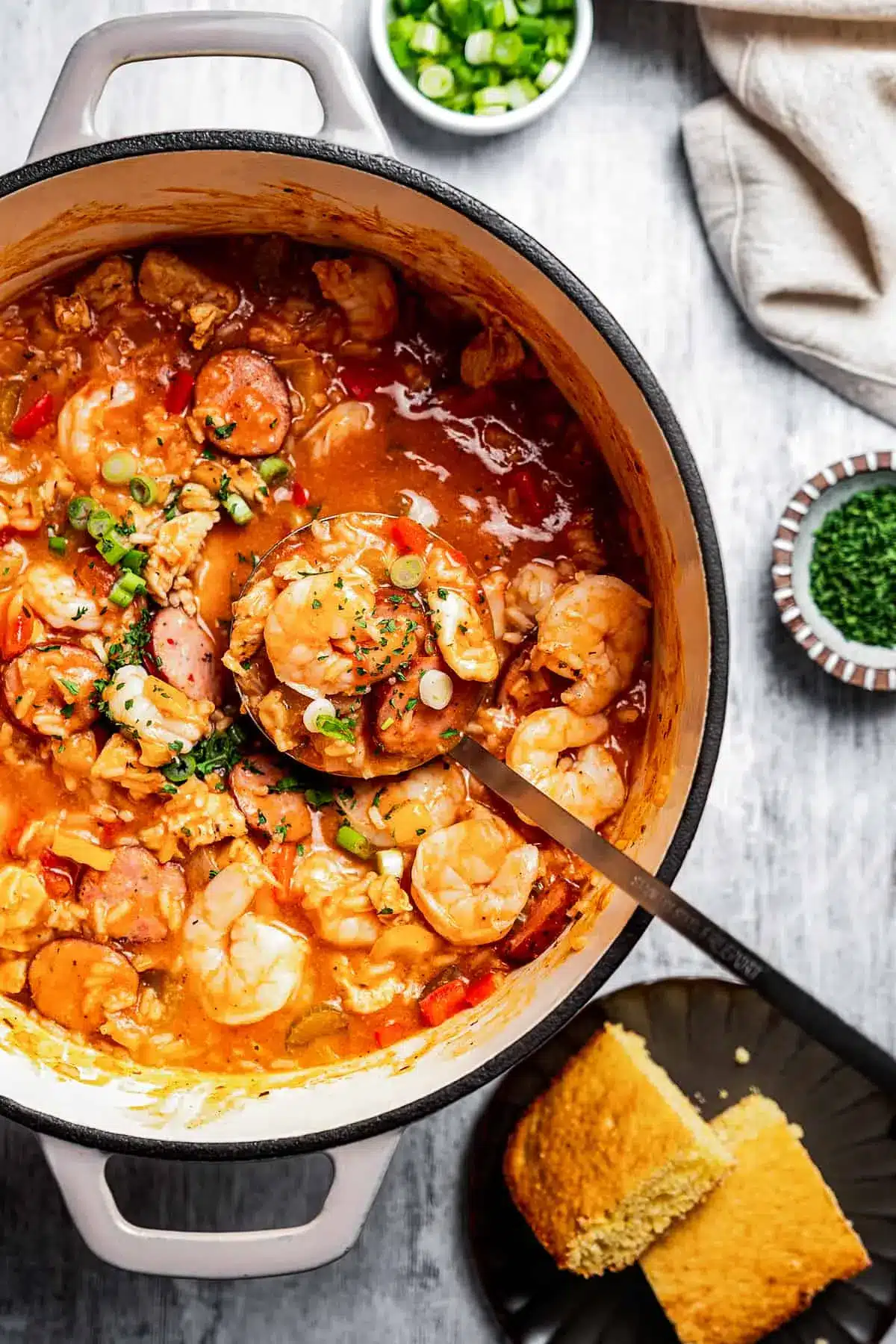
Welcome to a culinary journey that will transport your taste buds straight to the heart of Louisiana! This one-pot jambalaya recipe is a vibrant tapestry of flavors, textures, and aromas, promising a truly satisfying meal for any occasion.
Prepare yourself for a delightful experience, where tender chicken, succulent shrimp, and savory andouille sausage mingle with fluffy rice and a symphony of Creole spices. It’s a dish that’s as comforting as it is exciting, perfect for family dinners or entertaining guests.
Why You Will Love This Recipe
- Authentic Flavor: Experience the true taste of Cajun cuisine with a carefully balanced blend of spices and fresh ingredients that create an unforgettable Creole-inspired dish.
- One-Pot Wonder: Simplify your cooking and cleanup with this ingenious one-pot method, minimizing dishes without compromising on taste or quality.
- Customizable Heat: While this jambalaya offers a pleasant warmth, you have complete control to adjust the spice level to your personal preference, making it enjoyable for everyone.
- Hearty & Filling: Packed with protein from chicken and shrimp, plus satisfying rice, this jambalaya is a complete meal that will keep you energized and content.
- Impressive Presentation: The colorful medley of ingredients and vibrant garnish makes this dish a feast for the eyes as well as the palate, perfect for special gatherings.
Ingredients You Need
Crafting an exceptional jambalaya begins with selecting high-quality ingredients that sing with authentic flavor. The foundation of this dish relies on the “holy trinity” of Cajun cooking: onions, celery, and bell peppers, which form the aromatic base. Fresh garlic adds a pungent depth, while well-seasoned andouille sausage provides a smoky, spicy kick. Tender chicken and plump shrimp bring contrasting textures and rich protein, all brought together by the absorbing power of long-grain rice and a flavorful broth infused with classic Creole seasonings and diced tomatoes.
Jambalaya Recipe
Enjoy the vibrant flavors of this delicious one-pot Jambalaya packed with juicy chicken, zesty shrimp, tender rice, and fiery andouille sausage. This easy Cajun jambalaya recipe is incredibly flavorful and simple to make at home.
- 1 tablespoon olive oil
- 1 yellow onion, diced
- 2 celery ribs, diced
- 2 bell peppers, diced (you can use red, green, yellow, orange, etc.)
- Salt and fresh ground black pepper, to taste
- 3 cloves garlic, minced
- 1 pound boneless skinless chicken breasts, cubed
- ¼ teaspoon sweet paprika
- 1 teaspoon dried oregano
- 6 ounces andouille sausage, sliced into ¼-inch rounds
- 2 tablespoons tomato paste
- 2 cups chicken broth
- 14.5 ounces canned diced tomatoes
- 1 cup long grain rice
- 1 teaspoon cajun seasoning, or to taste
- 1 pound raw shrimp, peeled and deveined
- 2 green onions, thinly sliced, for garnish
- Chopped fresh parsley, for garnish
- 1In a large Dutch oven, heat the olive oil over medium heat.
- 2Add onions, celery, and bell peppers, and season with salt and pepper. Cook for 4 minutes or until just tender. Stir in garlic and cook for 1 minute.
- 3Stir in chicken and add sweet paprika and oregano. Cook for 5 minutes, or until chicken is browned on all sides.
- 4Stir in the sliced sausage and tomato paste; cook for 1 minute.
- 5Add chicken broth, diced tomatoes, rice, and cajun seasoning. Bring mixture to a boil; reduce heat to medium-low and cover the pot with a lid. Cook for 20 minutes or until rice is tender and most of the liquid is absorbed.
- 6Add the shrimp and cook for 3 to 4 minutes or until the shrimp is pink and cooked through.
- 7Remove from heat and garnish with sliced green onions and parsley. Serve.
Keywords: Jambalaya, Cajun, Creole, One-Pot, Chicken, Shrimp, Sausage, Rice, Dinner, Comfort Food
- olive oil: a foundation for sautéing your aromatic vegetables and browning your proteins, ensuring nothing sticks and everything develops a lovely crust.
- yellow onion, diced: this forms a crucial part of the aromatic base, lending a subtle sweetness and depth that permeates the entire dish.
- celery ribs, diced: adding a crisp texture and a subtle, fresh vegetal note that balances the richness of the other ingredients.
- bell peppers, diced: contributing vibrant color and a mild sweetness, with green being traditional but any color offering a delightful variation.
- salt and fresh ground black pepper: essential for enhancing and balancing all the individual flavors, bringing the entire dish into harmony.
- garlic, minced: a pungent powerhouse that adds an indispensable layer of savory complexity and aroma to the jambalaya.
- boneless skinless chicken breasts, cubed: providing lean protein and a tender texture, they readily absorb the flavors of the spices and broth.
- sweet paprika: lending a mild sweetness and a beautiful reddish hue, it adds a subtle smokiness without overwhelming the other spices.
- dried oregano: a classic herb in Cajun cuisine, it contributes an earthy, slightly peppery note that complements the savory elements.
- andouille sausage, sliced: this is the star of the show for many, its spicy, smoky, and slightly coarse texture is quintessential to authentic jambalaya.
- tomato paste: it deepens the savory umami flavor and helps to create a richer, more concentrated sauce that binds all the ingredients together beautifully.
- chicken broth: the liquid that cooks the rice and melds all the flavors, a good quality broth adds significant depth and body to the final dish.
- canned diced tomatoes: these add a juicy, slightly acidic sweetness that brightens the overall flavor profile and provides delightful bursts of tomato goodness.
- long grain rice: it is the perfect vehicle for soaking up all the delicious broth and spices, remaining separate and fluffy rather than clumping.
- cajun seasoning: this blend is key to the characteristic flavor of jambalaya, offering a complex mix of heat, savory herbs, and aromatic spices.
- raw shrimp, peeled and deveined: adding a delightful sweetness and a tender, succulent texture that cooks quickly and beautifully at the end.
- green onions, thinly sliced, for garnish: providing a fresh, sharp bite and a burst of color to finish the dish, their mild onion flavor is a perfect counterpoint.
- chopped fresh parsley, for garnish: adding a final touch of freshness and vibrant green, its mild herbaceousness brightens the entire presentation.
The precise quantities for these essential components are detailed within the recipe card for your convenience.
Variations
For those embracing a plant-based lifestyle, a fantastic vegan jambalaya is easily achievable. Begin by omitting the chicken, shrimp, and andouille sausage. Instead, sauté hearty vegetables like mushrooms, zucchini, and corn with the trinity and aromatics. You can introduce plant-based protein with smoked tofu, seitan, or even chickpeas and black beans for added texture and substance. A good quality vegetable broth will serve as the perfect liquid base, ensuring the dish remains rich and flavorful.
If you’re looking to reduce your carbohydrate intake, a low-carb jambalaya offers a satisfying alternative. Swap the long-grain rice for cauliflower rice, which expertly mimics the texture and absorbs the delicious flavors. When preparing the cauliflower rice, ensure it’s not overcooked; it should remain slightly firm and fluffy. You can further enhance the dish by adding extra vegetables like broccoli florets or asparagus tips for added nutrients and texture.
For a touch of smoky sweetness, consider incorporating smoked sausage alternatives that align with your dietary preferences. Vegan sausages can offer a delightful smoky depth, or you might opt for a spicy chorizo-style plant-based sausage to mimic the traditional kick. Experiment with different types of smoked mushrooms, like shiitake or oyster, to introduce a savory, meaty umami that complements the spicy undertones of the Cajun seasoning.
How to Prepare jambalaya recipe
Step 1: Building the Aromatic Foundation
Begin by heating a generous tablespoon of olive oil in a large Dutch oven or a heavy-bottomed pot over medium heat. This initial step is crucial for creating the flavor base of your jambalaya, as it allows the aromatic vegetables to soften and release their essential oils without scorching.
Once the oil is shimmering, introduce your diced yellow onion, celery ribs, and bell peppers. These three vegetables, often referred to as the “holy trinity” in Cajun and Creole cooking, form the indispensable backbone of this dish. Season them generously with salt and freshly ground black pepper at this stage; the salt helps to draw out moisture and encourages even softening, while the pepper adds a foundational layer of warmth.
Sauté these vegetables for approximately four minutes, stirring occasionally. You are looking for them to become tender-crisp, translucent, and fragrant, but not deeply browned. This gentle sautéing allows their natural sweetness to emerge and their distinct flavors to meld beautifully, creating a harmonious and inviting aroma that signals the true beginning of your culinary adventure.
Step 2: Incorporating Aromatics and Chicken
After the trinity has softened beautifully, stir in the minced garlic. Garlic is a powerhouse of flavor, and it’s important to cook it briefly to release its potent aroma without burning it, which can result in a bitter taste. Cook for just about one minute until it becomes incredibly fragrant.
Next, add your cubed boneless, skinless chicken breasts to the pot. Stir them in thoroughly, ensuring they are coated with the aromatic vegetables and the residual oil. Sprinkle the chicken with the sweet paprika and dried oregano; these spices will toast slightly in the heat, enhancing their flavors and lending a beautiful color to the chicken.
Continue to cook the chicken, stirring frequently, for approximately five minutes. The goal here is to brown the chicken on all sides. This browning process, known as the Maillard reaction, develops complex flavors and adds a wonderful depth to the overall dish, making the chicken more appealing both visually and gastronomically.
Step 3: Adding Sausage and Tomato Paste
Now it’s time to introduce the star spicy element: the sliced andouille sausage. Add the sausage rounds to the pot and stir them in with the chicken and vegetables. The sausage will begin to render its flavorful fat, adding another layer of savory richness to the base.
Follow this by stirring in the tomato paste. Tomato paste, when cooked briefly, concentrates its flavor, adding a deep umami and a slightly sweet, tangy dimension to the jambalaya. Stir it well to coat the chicken, sausage, and vegetables, and cook for an additional minute. This brief cooking period helps to mellow the raw taste of the tomato paste and unlock its full flavor potential, creating a more cohesive and flavorful sauce base.
As you stir the tomato paste, notice how it begins to cling to the other ingredients, forming a rich, reddish-brown coating. This is the sign that the flavor development is progressing beautifully, setting the stage for the liquid ingredients and the star starch component.
Step 4: Introducing Liquids and Rice
Pour in the chicken broth and add the canned diced tomatoes. Stir everything together, scraping the bottom of the pot to loosen any flavorful browned bits that may have adhered during the sautéing process; these are packed with delicious flavor. Bring this mixture to a rolling boil.
Once the liquid is boiling, stir in the long-grain rice and the Cajun seasoning. Ensure the rice is evenly distributed throughout the pot. The Cajun seasoning is crucial here, as it imparts the signature spicy, savory, and herbaceous notes that define a true jambalaya.
As soon as the mixture returns to a boil, reduce the heat to medium-low. This is a critical step; a gentle simmer is necessary for the rice to cook perfectly without burning or becoming mushy. Cover the pot securely with a lid to trap the steam, which is essential for cooking the rice evenly and thoroughly.
Step 5: Simmering to Perfection
Allow the jambalaya to simmer, covered, for approximately twenty minutes. During this time, the rice will absorb the flavorful liquid, and the flavors will meld together beautifully. Resist the urge to lift the lid too often, as this releases valuable steam that is needed for cooking the rice.
After twenty minutes, carefully lift the lid to check on the rice. It should be tender and most of the liquid should be absorbed, creating a thick, stew-like consistency. If the rice still appears a bit too firm or there’s still a considerable amount of liquid, cover and continue to simmer for a few more minutes, keeping a close eye on it to prevent overcooking or sticking.
The aim is a dish that is not overly soupy but also not dry; the rice should be perfectly cooked and able to absorb any residual moisture as it rests. This controlled simmering is key to achieving the ideal texture and flavor balance in your jambalaya.
Step 6: Finishing with Shrimp and Garnish
Once the rice is tender and the consistency is just right, it’s time to add the shrimp. Scatter the peeled and deveined raw shrimp evenly over the surface of the jambalaya. The residual heat from the dish will be sufficient to cook them perfectly.
Cover the pot again and let the shrimp cook for about three to four minutes, or until they turn pink and opaque. Shrimp cook very quickly, so it’s important not to overcook them, as they can become rubbery. They should be just cooked through and tender.
Remove the pot from the heat. Garnish the jambalaya generously with thinly sliced green onions and chopped fresh parsley. These fresh garnishes add a vibrant pop of color and a refreshing contrast to the rich, savory flavors of the dish. Let it rest for a minute or two before serving.
Pro Tips for jambalaya recipe
Ingredient Quality Matters: For the most authentic and delicious jambalaya, always opt for the freshest ingredients you can find. Using good quality andouille sausage, fresh vegetables, and a flavorful chicken broth will elevate your dish significantly.
The “Holy Trinity” is Key: Do not skip or skimp on the onions, celery, and bell peppers. These form the aromatic foundation of Cajun cuisine and are essential for building the complex flavor profile of jambalaya. Ensure they are finely diced for even cooking.
Don’t Fear the Spice: While you can adjust the heat, Cajun food is known for its kick. Use a good quality Cajun seasoning blend, and consider adding a dash of hot sauce at the end if you desire extra heat. Remember, you can always add more spice, but you can’t easily take it away.
Rice is Crucial: Long-grain white rice is the preferred choice for jambalaya because it cooks up fluffy and separate, absorbing liquid beautifully without becoming mushy. Avoid using short-grain or Arborio rice, as these will result in a creamier, risotto-like texture which is not traditional for jambalaya.
Taste and Adjust: The beauty of this recipe is its flexibility. Taste the jambalaya before serving and adjust seasonings as needed. You might want a little more salt, pepper, or Cajun seasoning depending on your preference and the saltiness of your broth and sausage.
Serving Suggestions for jambalaya recipe
Decoration
The visual appeal of jambalaya is as important as its taste. Garnish is key to making this dish truly shine. Sprinkle generously with thinly sliced fresh green onions; their vibrant green color provides a striking contrast to the rich hues of the jambalaya, and their mild onion flavor adds a fresh counterpoint. Chopped fresh parsley is another excellent addition, offering another layer of green and a subtle herbaceous aroma that brightens the overall presentation.
For an extra touch of authentic Louisiana flair, consider adding a few extra slices of andouille sausage arranged artfully on top, or even a small dollop of your favorite hot sauce for those who enjoy an extra kick. A sprig of fresh thyme or a bay leaf tucked into the serving dish can also add an elegant touch.
The colors of the diced tomatoes, the golden chicken, and the pink shrimp all contribute to the dish’s natural beauty. Ensure the garnishes are evenly distributed, making each serving look as appetizing as the last. A vibrant garnish transforms a delicious meal into a visually stunning culinary creation.
Side Dishes
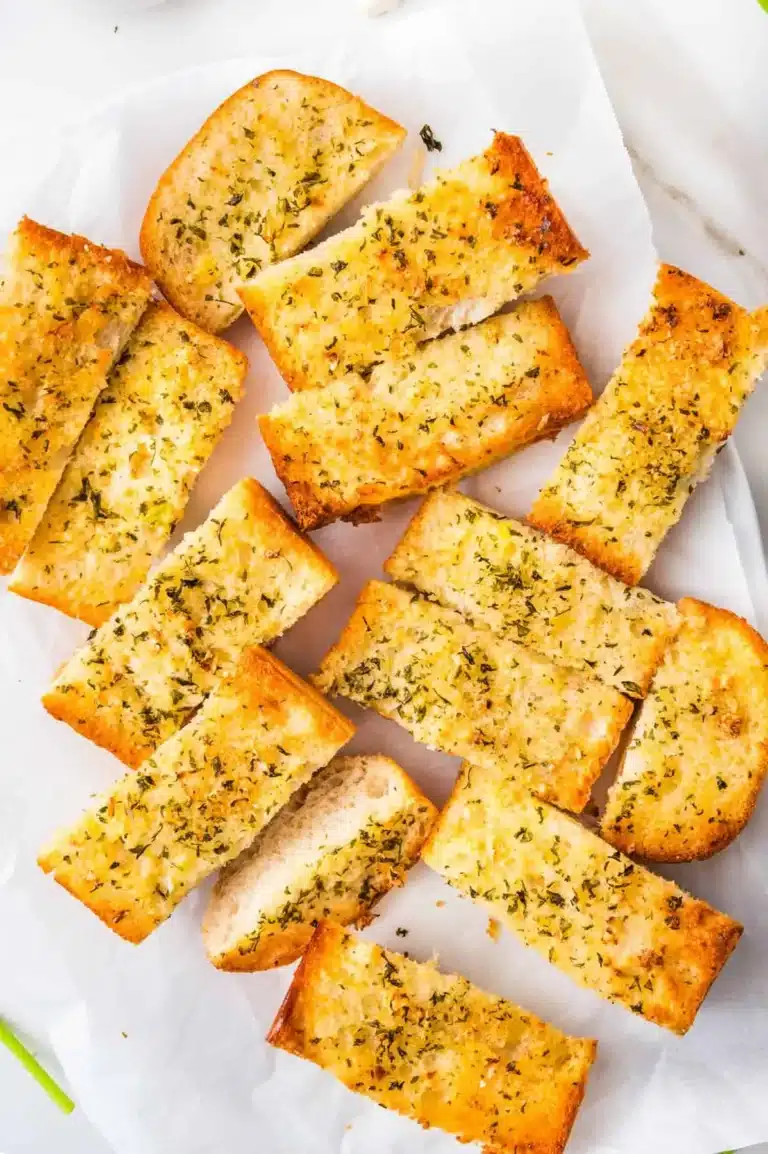
While jambalaya is a complete meal in itself, a few carefully chosen side dishes can complement its robust flavors beautifully. A classic accompaniment is freshly baked cornbread, its slightly sweet and crumbly texture providing a delightful contrast to the savory richness of the jambalaya. Consider a simple garlic herb bread or even a crusty French baguette to soak up any extra flavorful sauce.
For a lighter, refreshing option, a cool and crisp coleslaw or a tangy tomato and cucumber salad works wonderfully. These salads cut through the richness of the jambalaya, offering a palate-cleansing element. A simple green salad with a vinaigrette dressing is also a good choice if you want to add more vegetables to your meal.
If you’re feeling particularly indulgent, consider serving it alongside some garlic butter shrimp or even some fried green tomatoes. These additions can elevate your jambalaya meal to a truly spectacular feast. The key is to choose sides that offer a textural or flavor contrast without overpowering the star dish.
Creative Serving Ideas
Beyond the traditional bowl, consider serving jambalaya in hollowed-out bell peppers for a fun, edible serving vessel. This adds an extra layer of vegetable goodness and presents the dish in a unique and visually appealing way. You can also hollow out large tomatoes or even small pumpkins during the fall season for a festive touch.
Another creative idea is to serve jambalaya as a filling for baked potatoes or sweet potatoes. The creamy interior of the potato pairs wonderfully with the hearty jambalaya. You could also top a baked potato with a generous scoop of jambalaya and then sprinkle with cheese and sour cream for an ultimate comfort food mashup.
For a party or potluck, consider serving individual portions in small cast-iron skillets or ramekins. This allows for easy portion control and adds a rustic, home-style charm to your presentation. A drizzle of Creole mustard sauce or a swirl of sriracha aioli on top can also add an extra dimension of flavor and visual interest.
Preparation & Storage
Storing Leftovers
Leftover jambalaya is a treasure that often tastes even better the next day as the flavors continue to meld. To store it properly, allow the cooked jambalaya to cool down to room temperature for no more than two hours. This is important to prevent the growth of harmful bacteria. Once cooled, transfer the jambalaya into an airtight container. Ensure the container is well-sealed to prevent any air from entering, which can lead to spoilage or freezer burn.
Refrigerated leftovers will stay fresh and delicious for up to three days. When you’re ready to enjoy them, make sure to reheat the jambalaya thoroughly to an internal temperature of at least 165°F (74°C). This ensures that any potential bacteria are eliminated. Avoid leaving the jambalaya out at room temperature for extended periods.
The hearty nature of jambalaya makes it an excellent candidate for make-ahead meals. Properly stored, it’s a convenient option for quick lunches or dinners throughout the week. Always use your best judgment regarding the appearance and smell of the leftovers before consuming them.
Freezing
Jambalaya freezes exceptionally well, making it a perfect candidate for batch cooking and enjoying at a later date. Once the jambalaya has cooled completely to room temperature, portion it into freezer-safe containers or heavy-duty freezer bags. It’s often best to freeze individual portions if you plan to reheat them for single servings, as this allows for easier thawing and reheating.
When packing into freezer bags, press out as much air as possible before sealing. This helps to prevent freezer burn, which can affect the texture and flavor of the food. For added protection, you can double-bag the portions. Label each container or bag with the date of freezing so you can keep track of its freshness. Properly frozen jambalaya can maintain its quality for up to three months.
If you plan on freezing large batches, consider using a vacuum sealer for the best results. This method removes all the air and creates a very tight seal, preserving the food’s quality for an extended period. Thawing is typically done overnight in the refrigerator, though a quicker thaw can be achieved using the defrost setting on your microwave.
Reheating
Reheating leftover jambalaya is a straightforward process, and there are several effective methods. The best way to reheat is gently on the stovetop. Transfer the refrigerated leftovers to a saucepan or skillet over medium-low heat. Add a splash of chicken broth or water to help loosen it up and prevent it from drying out. Stir occasionally until the jambalaya is heated through to your desired temperature, ensuring all components, especially the rice and shrimp, are warmed thoroughly.
If you’re short on time, the microwave is a convenient option. Place the jambalaya in a microwave-safe dish, cover it loosely with a microwave-safe lid or plastic wrap (vented), and heat on medium power in 30-second to 1-minute intervals, stirring between each. Be cautious not to overheat, as this can make the rice tough or the shrimp rubbery.
Another method for reheating is in the oven. Transfer the jambalaya to an oven-safe dish, add a little liquid if it seems dry, cover with foil, and bake in a preheated oven at 325°F (160°C) for about 15-20 minutes, or until heated through. This method provides a more even reheating experience than the microwave. Regardless of the method, ensure the jambalaya is piping hot before serving.
Frequently Asked Questions
-
What makes jambalaya “Creole” versus “Cajun”?
The primary distinction between Creole and Cajun jambalaya lies in the addition of tomatoes. Creole jambalaya, often associated with urban New Orleans, typically includes diced tomatoes, which lend a brighter, slightly more acidic flavor and a richer red hue to the dish. Cajun jambalaya, originating from the rural Acadiana region, traditionally omits tomatoes, resulting in a more deeply browned, intensely seasoned, and often spicier dish that relies more heavily on the “holy trinity” and various meats.
While this recipe incorporates diced tomatoes, giving it a Creole influence, the robust flavor profile with andouille sausage and Cajun seasoning offers elements that appeal to both traditions. The level of spice can also be a differentiator, with Cajun versions sometimes being perceived as spicier. Both styles are delicious and celebrate the vibrant culinary heritage of Louisiana.
Ultimately, the lines can blur, and many recipes today blend elements from both to create a perfect balance of flavor and texture. The key is the spirit of hearty, flavorful cooking that defines both Creole and Cajun cuisines.
-
Can I use other types of rice for jambalaya, or does it have to be long-grain?
While long-grain white rice is the traditional and most recommended choice for jambalaya, and for good reason, you can experiment with other rice varieties, but be aware of the textural differences. Long-grain rice cooks up fluffy and separate, which is ideal for absorbing the flavorful broth without becoming gummy. Varieties like Basmati or Jasmine can be used, but they have a more pronounced aroma and may require slight adjustments in liquid ratios.
Brown rice can also be used, but it will require a longer cooking time and potentially more liquid, and its texture will be chewier. For a low-carb version, cauliflower rice is an excellent substitute, as mentioned in the variations. If you opt for parboiled rice, it tends to hold its structure well, but it can sometimes lack the ideal tenderness that results from a slow simmer.
The goal in jambalaya is for the rice to be a distinct component that soaks up flavor, rather than creating a creamy, cohesive base like risotto. Therefore, sticking to long-grain varieties will yield the most authentic and satisfying results for this particular dish. Always adjust cooking times and liquid based on the specific type of rice you choose.
-
How can I make my jambalaya spicier?
Achieving a spicier jambalaya is quite straightforward and can be done in several ways, allowing you to tailor the heat level precisely to your preference. The most direct method is to increase the amount of Cajun seasoning you use. Many store-bought Cajun blends have varying heat levels, so feel free to add an extra teaspoon or two, or even use a blend specifically labeled as “hot.”
Another effective approach is to incorporate hotter peppers into the initial sautéing process. While green bell peppers are traditional, you can add a finely diced jalapeño or even a habanero pepper along with the onions, celery, and bell peppers. Remember to remove the seeds and membranes if you want less intense heat. Additionally, a dash of your favorite hot sauce added towards the end of cooking, or served on the side, is a simple way to boost the spiciness for individual servings.
You could also consider adding a pinch of cayenne pepper directly to the pot with the other spices. For a smoky heat, a spicy smoked sausage alternative to andouille, or even a chipotle powder in your Cajun seasoning blend, can provide a different dimension of warmth. Experimenting with different chili powders or even a few drops of a concentrated chili oil can also amplify the heat significantly, but always start with small amounts and taste as you go.