Honey Garlic Glazed Salmon Recipe Easy Perfect for Busy Weeknight Dinners
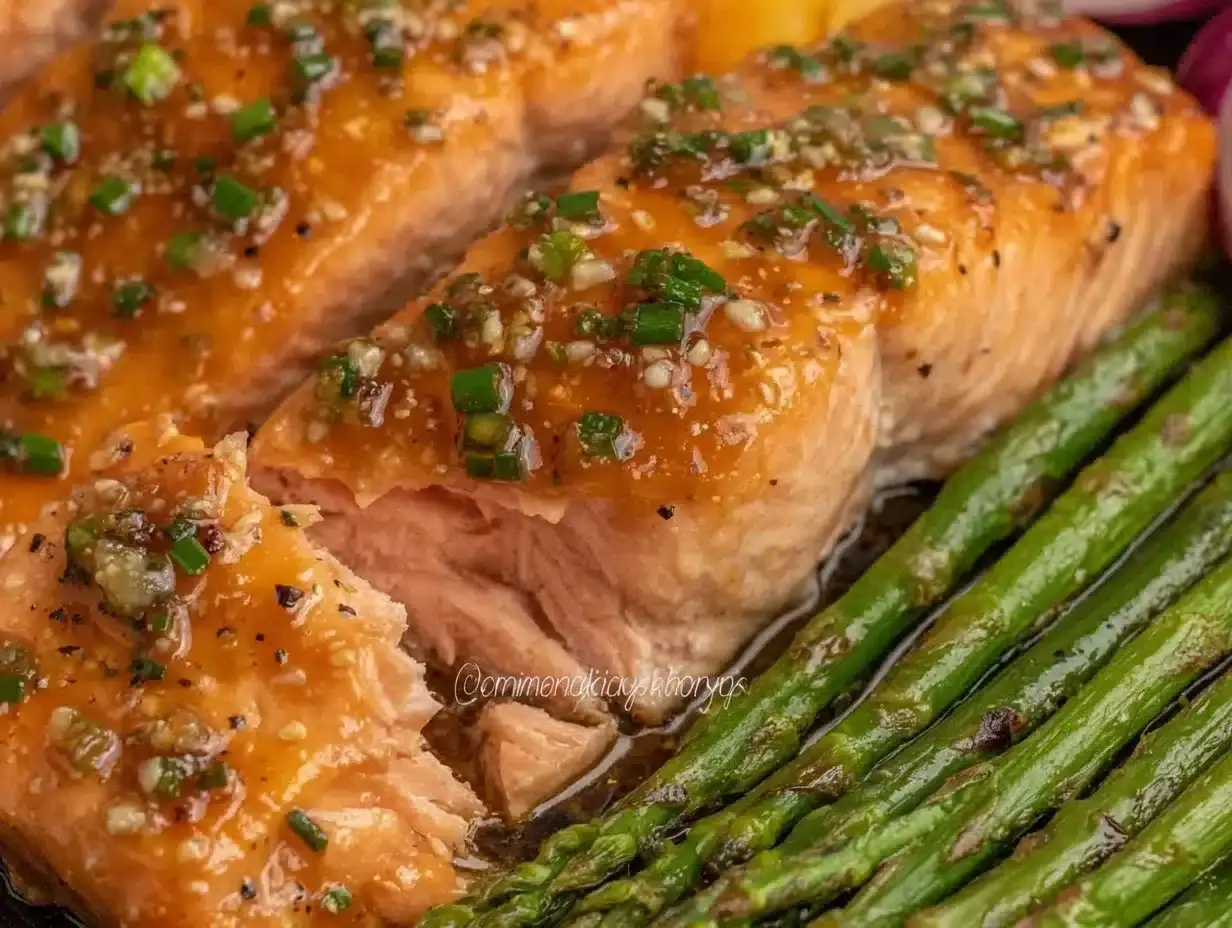
One hectic Wednesday, I stared down a fridge with slim pickings and a rumbling stomach that didn’t have the patience for complicated. I wanted something quick, tasty, and not the usual tired chicken. That’s when I pulled together this honey garlic glazed salmon with roasted asparagus.
The first bite was a game-changer—the sticky, sweet glaze paired with tender salmon and crisp asparagus felt like a restaurant-quality meal made in under 30 minutes. No joke. This recipe has since become my secret weapon for busy weeknights.
Why You Will Love This Recipe
- Quick Preparation: Dinner is on the table in under 30 minutes, making it ideal for those rushed evenings.
- Minimal Cleanup: Utilizing a single baking sheet means fewer dishes to wash, saving you precious time and effort after your meal.
- Balanced Flavors: The perfect harmony of sweet honey, savory soy sauce, and pungent garlic creates an irresistible taste profile that complements the salmon beautifully.
- Healthy and Satisfying: Packed with omega-3 fatty acids and lean protein from the salmon, along with essential vitamins from the asparagus, this dish is both nutritious and filling.
- Versatile Adaptation: Easily tweak this recipe by swapping vegetables, adding spice, or substituting ingredients to suit your dietary needs or what you have on hand.
Ingredients You Need
Crafting this delicious honey garlic glazed salmon relies on a few key components, most of which are likely already in your pantry. Using fresh ingredients, especially for the garlic and honey, will elevate the final flavor profile of your dish. These simple elements combine to create a glaze that is both sweet and savory, perfectly coating the succulent salmon.
Honey Garlic Glazed Salmon with Roasted Asparagus
A quick and flavorful honey garlic glazed salmon with roasted asparagus, perfect for busy weeknight dinners. This recipe combines a sweet-savory glaze with tender salmon and crisp asparagus, ready in under 30 minutes.
- 4 salmon fillets (about 6 oz / 170g each), skin-on or skinless
- 3 tablespoons honey
- 2 tablespoons soy sauce (low-sodium optional)
- 3 cloves garlic, minced
- 1 tablespoon rice vinegar
- 2 tablespoons olive oil (for glaze and roasting salmon)
- Black pepper, freshly cracked, to taste
- 1 pound asparagus spears (about
- 450g), trimmed and washed
- 1 tablespoon olive oil (for asparagus)
- Salt, to taste
- Freshly ground black pepper, to taste
- 1Preheat oven to 400°F (200°C). Line a baking sheet with foil or parchment for easy cleanup.
- 2In a small bowl, whisk together honey, soy sauce, minced garlic, rice vinegar, olive oil, and a few cracks of black pepper until smooth and glossy.
- 3Pat salmon fillets dry with paper towels. Place fillets skin-side down on one side of the baking sheet.
- 4Snap off woody ends of asparagus and spread spears on the other side of the baking sheet. Drizzle with olive oil, sprinkle with salt and pepper, and toss to coat evenly.
- 5Spoon about half of the honey garlic glaze over the salmon fillets, spreading evenly. Reserve the rest for basting.
- 6Roast in the oven for 12-15 minutes. At the 8-minute mark, brush the salmon with the remaining glaze for a sticky, shiny finish. Salmon is done when it flakes easily with a fork and asparagus is tender and slightly caramelized.
- 7Remove from oven and let salmon rest for 2 minutes. Serve salmon with roasted asparagus and spoon any pan juices over the top.
Keywords: honey garlic salmon, glazed salmon, roasted asparagus, quick dinner, weeknight meal, healthy salmon recipe, easy salmon recipe
Quantities for these ingredients can be found in the accompanying recipe card, ensuring you have precisely what you need for a perfect outcome every time.
Variations
For those seeking a plant-based alternative, this honey garlic glaze can be beautifully adapted for tofu or tempeh. Simply press extra-firm tofu to remove excess water, cut it into cubes, and toss it with the glaze before roasting until golden and slightly crispy. Tempeh offers a firmer texture and nutty flavor that also pairs wonderfully with this sweet and savory coating.
If you’re following a low-carbohydrate lifestyle, you can easily modify this recipe. Instead of honey, opt for a sugar-free honey substitute or a blend of erythritol and monk fruit sweetener to achieve a similar sweetness without the carbs. Serve the glazed salmon with a generous portion of sautéed zucchini noodles or steamed broccoli florets for a complete, low-carb meal that doesn’t compromise on flavor.
Another exciting variation involves incorporating a spicy kick to the glaze. Add a teaspoon of sriracha, a pinch of red pepper flakes, or a dash of gochujang to the honey and soy sauce mixture before applying it to the salmon. This creates a delightful sweet and spicy contrast that can be particularly appealing alongside a crisp, refreshing side salad.
Consider a citrus twist for a brighter flavor profile. A tablespoon of fresh orange juice or a zest of lemon can be added to the glaze, lending a subtle tanginess that cuts through the richness of the salmon. This is especially lovely when serving the dish with lighter sides like quinoa or a simple green salad.
For a richer, more complex glaze, try adding a teaspoon of Dijon mustard or a splash of balsamic vinegar. These additions introduce a depth of flavor that complements the honey and garlic, offering a more sophisticated taste. This richer glaze also pairs exceptionally well with heartier vegetables like Brussels sprouts or roasted sweet potatoes.
You can also experiment with different types of honey, such as buckwheat or wildflower, to impart unique aromatic notes to your glaze. Each type of honey offers a distinct flavor that can subtly transform the overall character of the dish, making each preparation a little bit different and exciting.
Another approach to variation is by infusing the glaze with fresh herbs. Finely chopped rosemary or thyme can be added during the final minutes of glazing, offering an aromatic herbaceous layer that enhances the savory notes of the soy and garlic. This adds a sophisticated touch to an already simple yet delicious preparation.
For a truly Asian-inspired twist, consider adding a teaspoon of sesame oil and a sprinkle of sesame seeds to the glaze. These additions lend a nutty aroma and a delightful textural contrast, making the dish feel even more authentic and gourmet.
When considering different cooking methods, you can also adapt this recipe for the grill. Marinate the salmon in the glaze for about 15-20 minutes, then grill over medium-high heat until cooked through and nicely charred. This offers a wonderful smoky flavor that complements the sweet and savory glaze.
Finally, for a truly decadent experience, consider a sprinkle of toasted slivered almonds or chopped cashews over the finished salmon. This adds a pleasant crunch and a complementary nutty flavor that elevates the entire dish, turning a weeknight meal into something truly special.
How to Prepare honey garlic glazed salmon
Step 1: Preheat the Oven and Prepare Your Baking Sheet
Begin by setting your oven to a consistent temperature of 400°F (200°C). This moderate heat is crucial for ensuring the salmon cooks through without becoming dry, while also allowing the asparagus to roast to a tender-crisp perfection. A well-preheated oven means your ingredients will start cooking immediately upon entering, leading to more even results.
Next, prepare your baking sheet. Lining it with either aluminum foil or parchment paper is a game-changer for cleanup. This simple step creates a barrier that prevents any glaze from sticking directly to the pan, making the post-meal tidying process significantly less daunting. This allows you to spend more time enjoying your meal and less time scrubbing.
Ensure the lining covers the entire surface of the baking sheet, extending up the sides slightly if possible. This offers maximum protection against any spills or drips that might occur during the roasting process. A clean baking sheet ready to go simplifies the entire cooking workflow.
Step 2: Craft the Honey Garlic Glaze
In a small, sturdy mixing bowl, gather your glaze ingredients: the honey, soy sauce, minced garlic, rice vinegar, and a touch of olive oil. This combination forms the flavor backbone of your dish, offering a delightful balance of sweet, savory, and aromatic notes that are simply irresistible.
Using a whisk, vigorously combine these elements until the mixture is smooth and homogenous. The honey should be fully incorporated, and the garlic distributed evenly throughout the liquid. The final consistency should be glossy and pourable, ready to coat your salmon beautifully.
The rice vinegar is a secret weapon here; it adds a subtle tang that cuts through the sweetness of the honey, preventing the glaze from becoming cloying and ensuring a more complex flavor profile. A few generous cracks of freshly ground black pepper will also enhance the overall taste sensation.
Step 3: Prepare the Salmon Fillets
Take your salmon fillets and gently pat them completely dry using paper towels. This step is absolutely critical for achieving a desirable texture; moisture on the surface of the fish will steam rather than roast, resulting in a less appealing, softer exterior. A dry surface allows the glaze to adhere properly and the salmon to develop a beautiful caramelized crust.
Arrange the salmon fillets on one half of your prepared baking sheet, ensuring they are placed skin-side down. This orientation allows the skin to crisp up slightly while protecting the delicate flesh from direct heat, contributing to a more tender and juicy outcome. Give each fillet a little space to breathe; overcrowding can lead to steaming.
If your salmon fillets are of varying thicknesses, try to arrange them so they will cook evenly. You might place thicker fillets towards the back of the oven if there’s a slight hot spot. This attention to detail ensures every piece of salmon is cooked to perfection.
Step 4: Prepare and Season the Asparagus
For the asparagus, begin by snapping off the tough, woody ends. You can easily find the natural breaking point by gently bending each spear near the bottom; it will snap cleanly where the tender part begins. Discard the woody portions, as they are fibrous and unpleasant to eat.
Spread the trimmed asparagus spears out on the remaining free side of the baking sheet, ensuring they are in a single layer and not piled on top of each other. This allows for even roasting and prevents them from becoming soggy, promoting a lovely crisp-tender texture and slight charring.
Drizzle the asparagus generously with the specified amount of olive oil. Then, season them with salt and freshly ground black pepper to taste. Use your hands or a pair of tongs to gently toss the asparagus, ensuring each spear is lightly coated in oil and seasoning. This preparation enhances their natural flavor and helps them achieve that desirable roasted quality.
Step 5: Glaze and Roast the Salmon
Now, take about half of the prepared honey garlic glaze and spoon it evenly over the top of each salmon fillet. Use the back of the spoon to spread the glaze in a smooth, consistent layer, ensuring complete coverage. Reserve the remaining glaze for later application, as this will intensify the flavor and create a beautiful sheen.
Carefully place the prepared baking sheet into the preheated oven. Allow the salmon and asparagus to roast for approximately 12 to 15 minutes. The exact cooking time will depend on the thickness of your salmon fillets and your oven’s calibration, so it’s always wise to keep an eye on them.
Crucially, at around the 8-minute mark of the roasting time, open the oven and carefully brush the salmon fillets with the remaining reserved glaze. This second application of glaze during the cooking process is what truly makes the honey garlic coating sticky, shiny, and deeply flavorful, caramelizing beautifully under the heat.
Step 6: Check for Doneness and Rest
Once the cooking time has elapsed, check the salmon for doneness. The most reliable indicator is to gently insert a fork into the thickest part of a fillet and twist slightly. If the salmon flakes apart easily and appears opaque throughout, it is perfectly cooked. Avoid overcooking, as this can lead to dry fish.
Similarly, check the asparagus; it should be tender when pierced with a fork and have developed some nice caramelization or slightly browned edges. If the salmon is cooked but the asparagus needs a bit more time, you can carefully remove the salmon to a plate and return the asparagus to the oven for a few more minutes.
Once both components are cooked to your liking, remove the baking sheet from the oven. Allow the salmon to rest on the baking sheet or transfer it to a clean plate for about 2 to 3 minutes before serving. This resting period is vital as it allows the juices within the salmon to redistribute, ensuring a moist and succulent final product.
Pro Tips for honey garlic glazed salmon
Don’t Skip the Pat Down: Seriously, this is non-negotiable. Patting your salmon fillets completely dry with paper towels before glazing ensures the sauce adheres beautifully and allows the fish to roast rather than steam. This simple step makes a significant difference in achieving that coveted crispy exterior and tender, flaky interior.
Fresh is Best for Garlic: While pre-minced garlic is convenient, the vibrant, pungent flavor of freshly minced garlic is what truly makes this glaze sing. The intensity of fresh garlic mellows beautifully when cooked, providing a depth of flavor that jarred versions simply can’t replicate. For speed, consider mincing a larger batch and storing it in the fridge.
Watch That Glaze Carefully: Honey is a natural sweetener that can caramelize and burn quite quickly under high heat. Keep a close eye on your salmon during the final few minutes of cooking. If the glaze seems to be darkening too rapidly, you can loosely tent the pan with aluminum foil to shield it from direct heat while the salmon finishes cooking through.
Avoid Pan Overcrowding: Give your asparagus plenty of breathing room on the baking sheet. Overcrowding the pan will cause the vegetables to steam instead of roast, resulting in a limp, soggy texture. Ensure there’s space between the spears for hot air to circulate freely, promoting even cooking and a delightful crispness.
Test for Perfection: Salmon cooking times can vary based on fillet thickness and oven temperature. The best indicator of doneness is when the fish flakes easily with a fork but still looks moist in the center. If you’re unsure, err on the side of slightly undercooked, as the residual heat will continue to cook the fish during its resting period.
Embrace Leftover Glaze: Don’t discard any remaining glaze in the bowl or pan! It’s liquid gold. Drizzle any extra glaze over steamed rice, roasted vegetables, or even use it as a dipping sauce for other dishes. It adds an instant flavor boost to almost anything.
Vinegar Substitution: If you happen to be out of rice vinegar, don’t fret. A squeeze of fresh lemon juice or lime juice can serve as a perfectly acceptable substitute, providing a similar brightness and acidity to balance the sweetness of the glaze. The key is to maintain that element of tanginess.
Consider a Broiler Finish: For an extra-caramelized and slightly charred glaze, you can briefly place the salmon under the broiler for the last 1-2 minutes of cooking. Watch it very closely, as broilers can burn food rapidly. This step adds a wonderful depth and visual appeal.
Marinade Time (Optional): While this recipe is designed for speed, you can let the salmon marinate in the glaze for up to 30 minutes in the refrigerator before roasting if you have a little extra time. This allows the flavors to penetrate the fish more deeply, resulting in an even more intense taste experience.
Spice it Up: For those who enjoy a little heat, a pinch of red pepper flakes or a small amount of sriracha sauce can be added directly to the glaze mixture. This creates a delightful sweet and spicy dynamic that adds another layer of complexity to the dish, making it suitable for a wider range of palates.
Serving Suggestions for honey garlic glazed salmon
Decoration
A scattering of fresh, finely chopped parsley or chives over the glazed salmon provides a pop of vibrant green color and a subtle herbaceous freshness. These delicate herbs not only enhance the visual appeal but also offer a light, clean counterpoint to the richness of the glaze.
For an extra touch of elegance, consider a few thin slices of red chili pepper placed artfully on top of the salmon. This adds a hint of visual drama and signals to your diners that there might be a subtle spicy kick, intriguing their taste buds.
A final drizzle of the reserved glaze over the plated dish can create a beautiful glossy finish, making the salmon look even more appetizing and restaurant-quality. Ensure this glaze is slightly warmed for easier drizzling and a more appealing presentation.
Side Dishes
Steamed jasmine or brown rice makes an excellent base, its fluffy texture and mild flavor perfectly absorbing any extra glaze that might pool on the plate. The aromatic qualities of jasmine rice also complement the savory notes of the salmon beautifully.
For a lighter, lower-carbohydrate option, serve the honey garlic glazed salmon alongside a generous portion of cauliflower rice. Sautéed with a little garlic and olive oil, it provides a healthy and satisfying alternative that won’t overpower the delicate flavors of the fish.
A simple, crisp green salad dressed with a light vinaigrette offers a refreshing contrast to the richness of the salmon. The fresh, leafy greens and tangy dressing cleanse the palate and add a pleasant textural element to the meal.
Roasted root vegetables like sweet potatoes, carrots, or parsnips, tossed with herbs and olive oil, offer a delightful sweetness and earthiness that pairs well with the glazed salmon. Their tender texture and slightly caramelized edges create a comforting accompaniment.
Another fantastic option is a side of roasted Brussels sprouts or green beans, tossed with a little garlic and olive oil. These vegetables provide a slightly bitter and earthy flavor that balances the sweetness of the glaze, creating a well-rounded plate.
Creative Serving Ideas
Transform the honey garlic glazed salmon into a vibrant grain bowl by serving it over a bed of quinoa or farro, along with a colorful mix of roasted vegetables and a drizzle of sriracha mayo. This creates a hearty and visually appealing meal.
Consider placing a generous fillet of the glazed salmon atop a warm, crusty baguette or ciabatta roll, adding some crisp lettuce and a smear of aioli for a truly decadent sandwich. This elevates a simple lunch into something quite special.
For a more elegant presentation, serve the salmon with a side of creamy mashed potatoes or a smooth sweet potato purée. The rich, comforting textures provide a wonderful contrast to the flaky salmon and sticky glaze.
You could also flake the cooked salmon and incorporate it into a pasta dish, perhaps with a light cream sauce or a pesto base. The robust honey garlic flavor will infuse the pasta beautifully, creating a unique and satisfying meal.
Another idea is to serve the salmon alongside a fresh salsa made with mango, red onion, cilantro, and a hint of lime juice. The sweet and tangy salsa offers a tropical twist that complements the glazed salmon wonderfully, especially during warmer months.
Preparation & Storage
Storing Leftovers
To store leftover honey garlic glazed salmon and asparagus, ensure they have cooled completely before transferring them to an airtight container. This prevents condensation from forming, which can lead to sogginess and a shorter shelf life. Refrigerate the container promptly.
Leftovers are best consumed within 3 days for optimal freshness and flavor. While the salmon can dry out slightly upon refrigeration, it remains delicious and can be repurposed into various dishes or reheated gently.
When storing, it’s advisable to keep the salmon and asparagus separate if possible, as their textures can differ. However, if they are stored together, ensure the container is well-sealed to maintain moisture.
Freezing
Freezing cooked salmon and asparagus is possible, but it’s important to manage expectations regarding texture. While freezing is a great way to preserve food for longer periods, the delicate nature of cooked fish and vegetables may lead to some changes in their consistency upon thawing.
To freeze, wrap individual portions of the cooked salmon and asparagus tightly in plastic wrap, then in aluminum foil, or place them in freezer-safe bags, squeezing out as much air as possible. This double-wrapping method helps prevent freezer burn and maintains quality.
Cooked salmon and asparagus can be stored in the freezer for up to 1 month. For the best quality, consume them within this timeframe. Ensure the packaging is clearly labeled with the date of freezing.
Reheating
The best method for reheating honey garlic glazed salmon is in a moderate oven, around 275°F (135°C). Place the leftovers on a baking sheet and heat for approximately 10 minutes, or until warmed through. This gentle heat helps to retain moisture and prevent the salmon from drying out.
Alternatively, you can reheat individual portions in the microwave. Cover the salmon and asparagus loosely with a damp paper towel or microwave-safe lid and heat on medium power for about 30-60 seconds, checking for warmth. Be cautious not to overheat, as this can easily lead to overcooked and dry fish.
If you’ve frozen your leftovers, thawing them in the refrigerator overnight is recommended before reheating. Reheat using the oven method for the best results. The gentle heat will help to revive the texture and flavor of the dish.
For a slightly different approach, you could flake the reheated salmon and incorporate it into a quick salad or pasta dish. This can be a great way to enjoy the flavors even if the texture isn’t quite as perfect as when freshly cooked.
When reheating, try to add a tiny splash of water or broth to the dish if it seems particularly dry. This can help to create a little steam and rehydrate the salmon as it warms up, making it more palatable.
Frequently Asked Questions
-
Can I use frozen salmon for this honey garlic glazed salmon recipe?
Absolutely! If using frozen salmon, the most crucial step is to thaw it completely before you begin cooking. Place the frozen fillets in the refrigerator overnight to allow for a slow, even thaw. Once thawed, pat the salmon very dry with paper towels, as this is essential for the glaze to adhere properly and for the salmon to achieve a good sear or roast. Frozen salmon can sometimes release more moisture during cooking, so thorough drying is key to ensuring a successful outcome and preventing a watery dish.
-
Why is my glaze burning before the salmon is cooked?
Honey has a high sugar content, which causes it to caramelize and burn relatively quickly, especially at higher oven temperatures. To prevent this, try applying the glaze in two stages. Brush about half of the glaze onto the salmon before it goes into the oven, and then apply the remaining glaze during the last 5-8 minutes of cooking. This allows the salmon to cook through while the glaze develops a beautiful, sticky sheen without scorching. If you notice the glaze browning too fast even with this method, you can loosely tent the baking sheet with aluminum foil to shield the glaze from direct heat.
-
Can I make this recipe without soy sauce?
Yes, you can definitely make this recipe without soy sauce. For a gluten-free alternative that offers a similar savory and umami flavor, use coconut aminos or tamari. If you don’t have these options available, you can omit the soy sauce and compensate by adding a pinch of salt to the glaze mixture to achieve the necessary saltiness. Keep in mind that soy sauce adds a significant depth of flavor, so you might want to adjust other seasonings to maintain a balanced taste profile in your final dish.
-
How do I know when the salmon is perfectly cooked?
The best indicator of perfectly cooked salmon is its texture. It should flake easily when gently pressed with a fork, but the flakes should still appear moist and opaque in the center, not dry or chalky. Overcooked salmon will be crumbly and dry, while undercooked salmon will be translucent and raw in the middle. Most 6-ounce fillets will cook in 12-15 minutes at 400°F, but it’s always best to check at the lower end of the cooking time. Remember that salmon will continue to cook slightly from residual heat as it rests, so remove it from the oven when it’s just tender.
-
Can I prepare the glaze ahead of time?
Certainly! The honey garlic glaze can be prepared in advance and stored in an airtight container in the refrigerator for up to 3 days. The honey may solidify slightly, so before using, simply let the container sit at room temperature for a few minutes or gently warm it to loosen it up. Giving it a quick whisk will ensure all the ingredients are well combined again. Having the glaze ready to go makes the actual cooking process even faster and more convenient for busy weeknights.
-
What can I serve with this honey garlic glazed salmon besides asparagus?
This versatile honey garlic glazed salmon pairs wonderfully with a variety of side dishes. Roasted broccoli, green beans, or snap peas are excellent alternatives to asparagus, offering similar quick cooking times and delicious roasted flavors. For a heartier meal, consider serving it with simple steamed rice, quinoa, or even roasted baby potatoes or sweet potato cubes that can be cooked alongside the salmon. If you’re aiming for a lighter option, a fresh green salad with a zesty vinaigrette or cauliflower rice makes a refreshing accompaniment.
-
Can I double this recipe for meal prep?
Yes, doubling this recipe for meal prep is a fantastic idea and quite straightforward. You can either use a larger baking sheet or two standard-sized ones to accommodate the increased volume of salmon and asparagus, ensuring you don’t overcrowd the pan. Keep the cooking times similar, but keep a close eye on doneness as larger batches might cook slightly differently. Portioning the cooked salmon and vegetables into individual airtight containers makes for convenient grab-and-go lunches or quick weeknight dinners throughout the week.