Healthy Sautéed Vegetables: The Ultimate 15-Minute Recipe
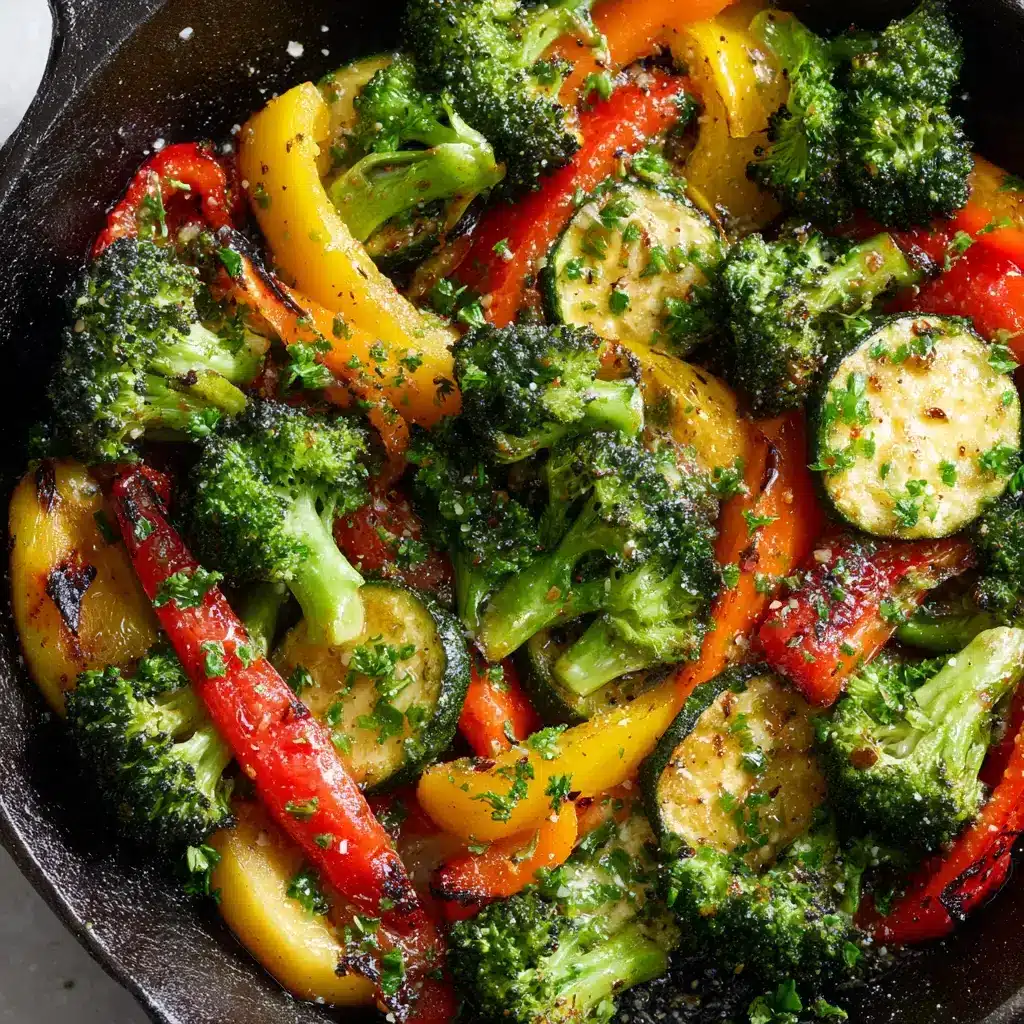
Forget boring, mushy vegetables. This is your new go-to recipe for perfectly cooked, Healthy Sautéed Vegetables that are bursting with flavor and vibrant color. We’re talking tender-crisp broccoli with beautifully charred edges, sweet blistered bell peppers, and tender zucchini, all brought together in a glossy garlic and herb coating. It’s a side dish that truly steals the show.
Imagine a dark cast iron skillet filled with a rainbow of vegetables, glistening under soft daylight. You can see the perfect texture on each piece—the slight char on the broccoli, the puckered skin on the peppers, and the golden-brown sear on the carrots. This isn’t just a recipe; it’s a method for achieving culinary perfection in under 15 minutes. This method ensures every component is cooked to its ideal texture.
Why You Will Love This Recipe
- Perfect Texture: Achieve tender-crisp vegetables, never soggy, thanks to high-heat cooking and proper preparation.
- Vibrant Colors: Preserve the natural brilliance of each vegetable by cooking them in the right order and at the right temperature.
- Deep Flavor: Develop a delightful smoky note and complex taste through the charring and blistering of the vegetables.
- Beautiful Sheen: Enjoy a glossy finish from a light coating of high-quality olive oil, making the vegetables visually appealing without being greasy.
- Quick Preparation: This entire dish comes together in under 30 minutes, making it ideal for busy weeknights or a fast side dish.
Ingredients You Need
The magic of this dish lies in its simplicity and the quality of the ingredients you choose. Selecting fresh, vibrant produce is paramount to achieving the stunning visual appeal and incredible taste described. Each component plays a crucial role in the final harmony of flavors and textures, ensuring a side dish that complements any main course beautifully.
Healthy Sautéed Vegetables
Forget boring, mushy vegetables. This is your new go-to recipe for perfectly cooked, Healthy Sautéed Vegetables that are bursting with flavor and vibrant color. We’re talking tender-crisp broccoli with beautifully charred edges, sweet blistered bell peppers, and tender zucchini, all brought together in a glossy garlic and herb coating. It’s a side dish that truly steals the show.
- 1 large head Broccoli, cut into bite-sized florets
- 1 Red Bell Pepper, cut into thin strips
- 1 Yellow Bell Pepper, cut into thin strips
- 1 medium Zucchini, sliced into half-moons
- 2 medium Carrots, sliced into thin rounds
- 2 tbsp (30ml) Extra Virgin Olive Oil
- 3 cloves Garlic, minced
- 1 small handful Fresh Parsley, finely chopped
- Coarse Sea Salt and Black Pepper, to taste
- 1Wash and thoroughly dry all vegetables. Cut the broccoli into bite-sized florets, slice the bell peppers into strips, slice the zucchini into half-moons, and slice the carrots into thin 1/4-inch (0.6cm) rounds. Mince the garlic and chop the parsley, keeping them aside.
- 2Place a large cast iron skillet over medium-high heat. Once hot, add the olive oil. Add the sliced carrots and sauté for 3-4 minutes until they begin to brown.
- 3Add the broccoli florets and bell pepper strips in a single layer. Cook for 2-3 minutes without moving to allow them to char. Add the zucchini and continue to sauté, tossing occasionally, for another 4-5 minutes until all vegetables are tender-crisp.
- 4Reduce heat to low and add the minced garlic. Toss constantly for 30-60 seconds until fragrant. Remove from heat.
- 5Season with coarse sea salt and black pepper. Garnish with fresh parsley, toss one last time, and serve immediately.
Keywords: sautéed vegetables, healthy side dish, quick dinner, vegetarian, cast iron skillet, broccoli, bell peppers, zucchini, carrots, garlic, herbs
- broccoli florets: bite-sized pieces from about one large head, forming the green, tender-crisp foundation.
- red bell pepper strips: thin strips from one red bell pepper, offering sweetness and a vibrant color.
- yellow bell pepper strips: thin strips from one yellow bell pepper, contributing another layer of sweetness and sunny hue.
- zucchini half-moons: slices of one medium zucchini, adding a tender, delicate texture.
- carrot coins: thin rounds of two medium carrots, providing a subtle sweetness and firm bite.
- extra virgin olive oil: 2 tablespoons, for a glossy coating and to prevent sticking.
- minced garlic: 3 cloves, to be added at the very end for an aromatic punch.
- fresh parsley: a small handful, finely chopped, for a fresh, herby finish after cooking.
- coarse sea salt: to taste, for a final textural crunch and flavor enhancement.
- black pepper: freshly cracked, to taste, to complement the salt and enhance other flavors.
The exact quantities for these delightful ingredients can be found within the dedicated recipe card for precise measurements.
Variations
This versatile sautéed vegetable recipe serves as a fantastic base for numerous dietary needs and flavor preferences. By making a few simple adjustments, you can transform this dish to fit your lifestyle.
For a vibrant vegan iteration, ensure your olive oil is certified vegan and omit any dairy-based garnishes you might typically consider. The inherent flavors of the vegetables shine through beautifully, needing only the garlic and herbs to enhance their natural appeal. Consider adding a pinch of red pepper flakes during the sautéing process for a subtle warmth that complements the sweetness of the peppers.
If you’re following a low-carb lifestyle, focus on non-starchy vegetables like broccoli, bell peppers, zucchini, and asparagus. You can exclude or significantly reduce the carrots, as they contain more natural sugars. A sprinkle of toasted sesame seeds or a drizzle of sugar-free soy sauce or tamari at the end can add an extra dimension of flavor and texture, making it a satisfying and compliant side dish.
To elevate this into a more substantial meal, consider adding protein sources like pan-seared tofu cubes, grilled shrimp, or strips of chicken breast. Cook these proteins separately or in batches before adding them back to the skillet with the vegetables for the final flavor infusion. This approach ensures each component is cooked perfectly without overcrowding the pan, maintaining the desired texture for both the protein and the vegetables.
How to Prepare Healthy Sautéed Vegetables
Step 1: Prepare Your Vegetables Like a Pro
The foundation of perfectly sautéed vegetables is meticulous preparation. Begin by thoroughly washing all your chosen produce under cool running water to remove any dirt or debris. It is absolutely crucial to dry each vegetable completely after washing; even a small amount of excess moisture can lead to steaming rather than searing.
Use a sharp chef’s knife and a sturdy cutting board for precise cuts. Chop the broccoli into uniform, bite-sized florets, ensuring the stems are trimmed and easy to eat. Slice the red and yellow bell peppers into thin, consistent strips, removing the seeds and membranes for a cleaner flavor. Cut the medium zucchini into elegant half-moons, approximately 1/4-inch thick, to ensure they cook evenly with the other ingredients.
Prepare the carrots by slicing them into thin, uniform coins, again about 1/4-inch thick, allowing them to achieve a tender yet slightly firm texture. Mince your garlic cloves as finely as possible, being careful not to burn them during the cooking process; set them aside in a small bowl. Finely chop a small handful of fresh parsley, and have it ready for garnishing the dish just before serving, adding a burst of fresh aroma and color.
Step 2: Achieving the Searing and Blistering Process
It’s time to bring the heat and begin the cooking process. Place your large cast iron skillet on the stovetop over medium-high heat. Allow the skillet to preheat thoroughly for at least 3-5 minutes; a screaming-hot pan is absolutely essential for achieving the desired sear and preventing the dreaded steaming effect that leads to soggy vegetables. You can test the skillet’s readiness by flicking a tiny drop of water onto its surface; if it sizzles and evaporates instantly, your pan is perfectly heated.
Once the skillet is sufficiently hot, carefully add the 2 tablespoons of extra virgin olive oil. Let the oil heat for about 30 seconds until it shimmers, ensuring it coats the bottom of the pan evenly. Immediately add the sliced carrots to the hot skillet first, as they require the longest cooking time compared to the other vegetables. Sauté the carrots, stirring occasionally, for approximately 3-4 minutes, or until they begin to develop lovely golden-brown edges, indicating a good sear has begun.
Next, introduce the broccoli florets and the red and yellow bell pepper strips into the skillet. It’s important to spread them out in a single layer as much as possible; this maximizes their contact with the hot skillet surface, promoting even searing and charring. Let these vegetables cook undisturbed for 2-3 minutes, allowing them to develop a beautiful blistered appearance and a slightly charred edge before you begin to toss them.
Step 3: Incorporating Zucchini and Final Sauté
Now, add the prepared zucchini half-moons to the skillet, joining the carrots, broccoli, and bell peppers. At this stage, begin to toss all the vegetables together gently and occasionally using a spatula or tongs. Continue to sauté everything collectively for an additional 4-5 minutes. You are looking for the broccoli to be perfectly tender-crisp, meaning it’s cooked through but still retains a slight bite and vibrant green color.
Observe the bell peppers; they should be noticeably softened and slightly blistered, with some beautiful char marks adding depth. The zucchini should be tender but not mushy, cooked to a point where it yields easily to a fork but still holds its shape. Listen for the satisfying sizzle of the vegetables as they cook; this sound is indicative of proper searing and caramelization, which are key to unlocking maximum flavor.
The aim is to achieve a beautiful mix of textures and colors. The slight char on the broccoli provides a hint of smokiness, while the blistered peppers offer a delightful sweetness. The tender zucchini adds a mellow contrast, and the carrots provide a firm, satisfying bite. This stage is about coaxing out the best from each vegetable through controlled heat and movement.
Step 4: The Final Flavor Infusion with Garlic
As soon as the vegetables have reached your desired level of tenderness and beautiful charring, it’s time to add the aromatics. Reduce the heat of the skillet to low to prevent the garlic from burning. Carefully add the minced garlic to the skillet, distributing it evenly amongst the vegetables.
Toss the vegetables and garlic constantly for approximately 30-60 seconds. This brief period is crucial for releasing the fragrant oils from the garlic without allowing it to burn. Burnt garlic can impart a bitter, acrid flavor to the entire dish, so vigilance is key during this final aromatic step. You will notice a wonderful, pungent aroma filling your kitchen as the garlic cooks.
Step 5: Seasoning and Finishing Touches
Immediately after the garlic has become fragrant and before it can possibly burn, remove the skillet entirely from the heat source. This action stops the cooking process and ensures the garlic’s flavor is perfectly infused without any risk of bitterness. The residual heat from the pan will continue to gently cook the garlic for a moment longer.
Generously season the sautéed vegetables with coarse sea salt and freshly cracked black pepper to your personal taste. The coarse salt provides a pleasant textural contrast with its larger crystals, while the black pepper adds a subtle piquancy. Stir well to ensure the seasonings are evenly distributed throughout the entire medley of vegetables, coating each piece with flavor.
Finally, sprinkle the finely chopped fresh parsley evenly over the top of the hot vegetables. Give the mixture one last gentle toss to distribute the fresh herbs throughout. The heat from the vegetables will slightly wilt the parsley, releasing its bright, herbaceous aroma and vibrant green color, adding a final layer of freshness and visual appeal to your beautifully sautéed side dish. Serve immediately to enjoy them at their peak of flavor and texture.
Step 6: Serving and Enjoyment
These healthy sautéed vegetables are best served piping hot, straight from the skillet, to fully appreciate their tender-crisp texture and vibrant flavors. The gloss from the olive oil should catch the light, making them look as appealing as they taste. This dish is incredibly versatile, making it an ideal accompaniment to a wide array of main courses.
Pair them with grilled or roasted meats like chicken breast, pork tenderloin, or a perfectly cooked steak. They also make an excellent seafood accompaniment, complementing flaky baked fish or pan-seared scallops beautifully. The bright flavors cut through the richness of heavier dishes, providing a balanced and wholesome meal experience for everyone at the table.
Consider them as a component in a larger meal, such as being piled high on a bed of fluffy quinoa or brown rice. They can also be a fantastic addition to a Buddha bowl or a hearty grain salad. For a truly satisfying and nutritious lunch, serve them alongside a lean protein source, creating a complete and well-rounded meal that is both delicious and good for you.
Pro Tips for Healthy Sautéed Vegetables
Don’t Crowd the Pan: This is the cardinal rule of sautéing. Overfilling your skillet will cause the vegetables to steam instead of developing a beautiful sear and char, leading to a soggy, unappetizing texture. If you’re making a larger batch, cook the vegetables in two separate batches to ensure optimal results every time.
Ensure the Pan is Hot: A screaming-hot skillet is paramount for achieving that desirable blistered and seared finish. Invest time in letting your cast iron skillet preheat thoroughly; a hot pan sears the vegetables quickly, locking in moisture and flavor while creating those appealing charred edges.
Dry Your Vegetables Thoroughly: Moisture is the enemy of a good sauté. After washing your produce, pat each piece completely dry with paper towels or a clean kitchen towel. Excess water will turn to steam, preventing the vegetables from browning and caramelizing properly, thus diminishing their flavor and texture.
Add Garlic Last: Minced garlic is incredibly delicate and cooks in mere seconds. Adding it too early will cause it to burn, resulting in a bitter taste that can ruin the entire dish. Incorporate the garlic in the final minute of cooking, tossing constantly, to release its fragrant oils without scorching.
Use High-Quality Olive Oil: While any cooking oil will work, using a good quality extra virgin olive oil contributes to the glossy finish and adds a subtle fruity note. Ensure the oil is heated properly before adding vegetables to maximize its efficacy in preventing sticking and promoting even cooking.
Serving Suggestions for Healthy Sautéed Vegetables
Decoration
To enhance the visual appeal of your healthy sautéed vegetables, consider a final garnish of toasted sesame seeds for a nutty crunch and attractive contrast. A sprinkle of chili flakes can add a touch of visual heat and flavor complexity, particularly if you enjoy a bit of spice. A final drizzle of high-quality balsamic glaze can also offer a beautiful dark contrast and a touch of tangy sweetness.
Side Dishes
These vibrant sautéed vegetables are a perfect complement to a variety of main courses. They pair exceptionally well with lean proteins such as grilled chicken breast, baked salmon, or pan-seared tofu. For a comforting meal, serve them alongside a hearty dish like our classic breakfast sausage and egg casserole or a flavorful pasta dish like our Cajun Chicken Pasta.
Creative Serving Ideas
Elevate your sautéed vegetables by serving them as a filling for wraps or tacos, adding a healthy and colorful dimension. They can also be a fantastic topping for grain bowls, alongside your favorite protein and a flavorful sauce. For a delightful brunch option, incorporate them into omelets or frittatas, adding a burst of freshness and texture to your morning meal. Consider using them as a base for a flavorful vegetarian stir-fry by adding a source of protein and your preferred stir-fry sauce.
Preparation & Storage
Storing Leftovers
Allow the sautéed vegetables to cool completely at room temperature before storing them. This prevents condensation from forming in the container, which can lead to a soggier texture upon reheating. Transfer the cooled vegetables to an airtight container to maintain their freshness and prevent them from absorbing odors from other foods in the refrigerator.
Properly stored leftovers can be kept in the refrigerator for up to 4 days. While they are undoubtedly best enjoyed fresh, they retain a good amount of flavor and texture for a few days, making them a convenient option for quick meals later in the week. Ensure the container is well-sealed to prevent the vegetables from drying out.
Freezing
Freezing is generally not recommended for this particular dish, especially if you want to preserve the optimal texture of the vegetables. The high water content in ingredients like zucchini and bell peppers means they can become quite mushy and lose their desirable tender-crisp quality upon thawing. The structure and bite of the vegetables are significantly compromised after freezing and subsequent thawing.
If you absolutely must freeze them, do so with the understanding that the texture will be altered. Thaw them very slowly in the refrigerator and plan to use them in dishes where texture is less critical, such as in soups or stews, rather than as a standalone side dish. However, for the best culinary experience, it’s advisable to enjoy this dish fresh.
Reheating
To best revive the texture and flavor of your leftover sautéed vegetables, avoid using the microwave whenever possible, as it tends to make them rubbery and unevenly heated. Instead, opt for reheating them in a skillet over medium heat with a tiny splash of olive oil. This method helps to revive their original crispness and prevents them from becoming mushy. Stir them frequently for about 3-5 minutes until they are heated through.
Alternatively, an air fryer can be an excellent tool for reheating. Place the cooled vegetables in the air fryer basket and cook them at around 375°F (190°C) for 3-4 minutes. This method mimics the high-heat cooking process and can help restore some of the crispness. Keep an eye on them to prevent overcooking and ensure they are heated evenly.
Frequently Asked Questions
-
Can I make this recipe with frozen vegetables?
It is generally not recommended to use frozen vegetables for this sautéing method. Frozen vegetables are often pre-blanched and contain a significant amount of internal moisture. When cooked, this moisture is released, causing the vegetables to steam rather than sauté. Steaming leads to a much softer, often mushy, texture and prevents the desirable browning and blistering that are key to this recipe’s success. Fresh vegetables offer a firmer texture and better capacity to absorb heat for searing.
-
How do I keep my sautéed vegetables from getting soggy?
Preventing sogginess relies on a few critical factors. Firstly, ensure your pan is extremely hot before adding any ingredients; a hot pan sears quickly, driving off moisture. Secondly, avoid overcrowding the pan; cook in batches if necessary to allow each vegetable piece adequate space and direct contact with the hot surface, which promotes sautéing over steaming. Lastly, always pat your vegetables completely dry after washing them, as any residual water will create steam and inhibit browning.
-
How do I know when the vegetables are done?
The ideal texture for these sautéed vegetables is ‘tender-crisp.’ This means the vegetables should be cooked through but still retain a pleasant bite and structure. The broccoli should be a vibrant green and easily pierced with a fork but not soft or limp. Bell peppers should be softened and slightly blistered, displaying some char marks for flavor. Zucchini should be tender but hold its shape without becoming mushy. The carrots should be easily fork-tender with a slight firmness remaining.