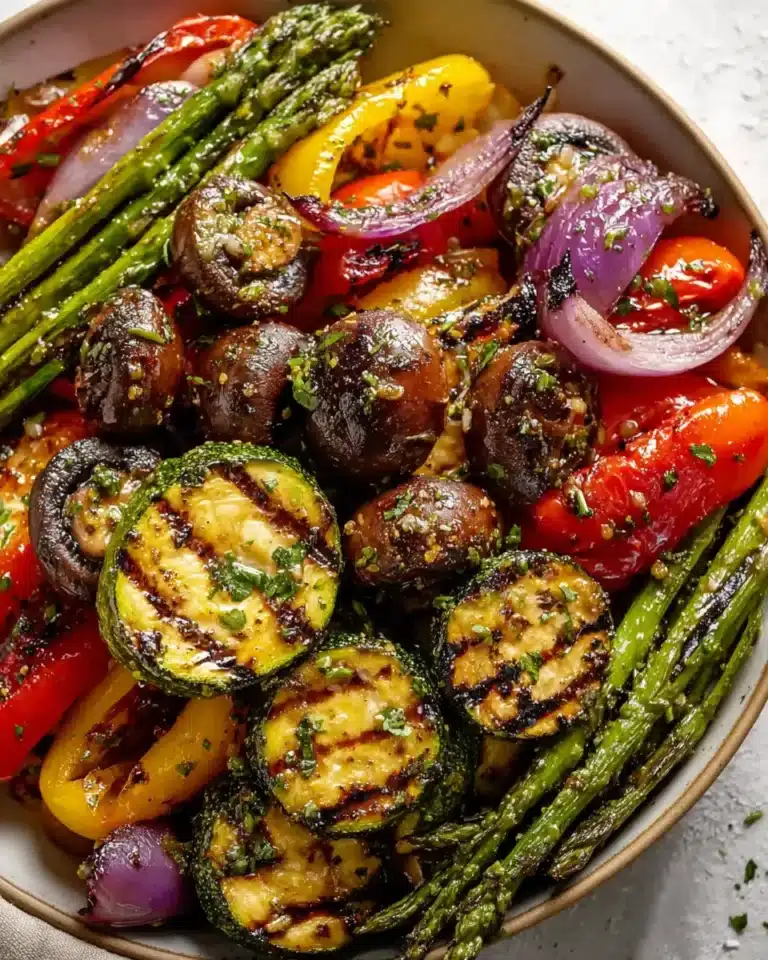
Grilled Veggies in Foil
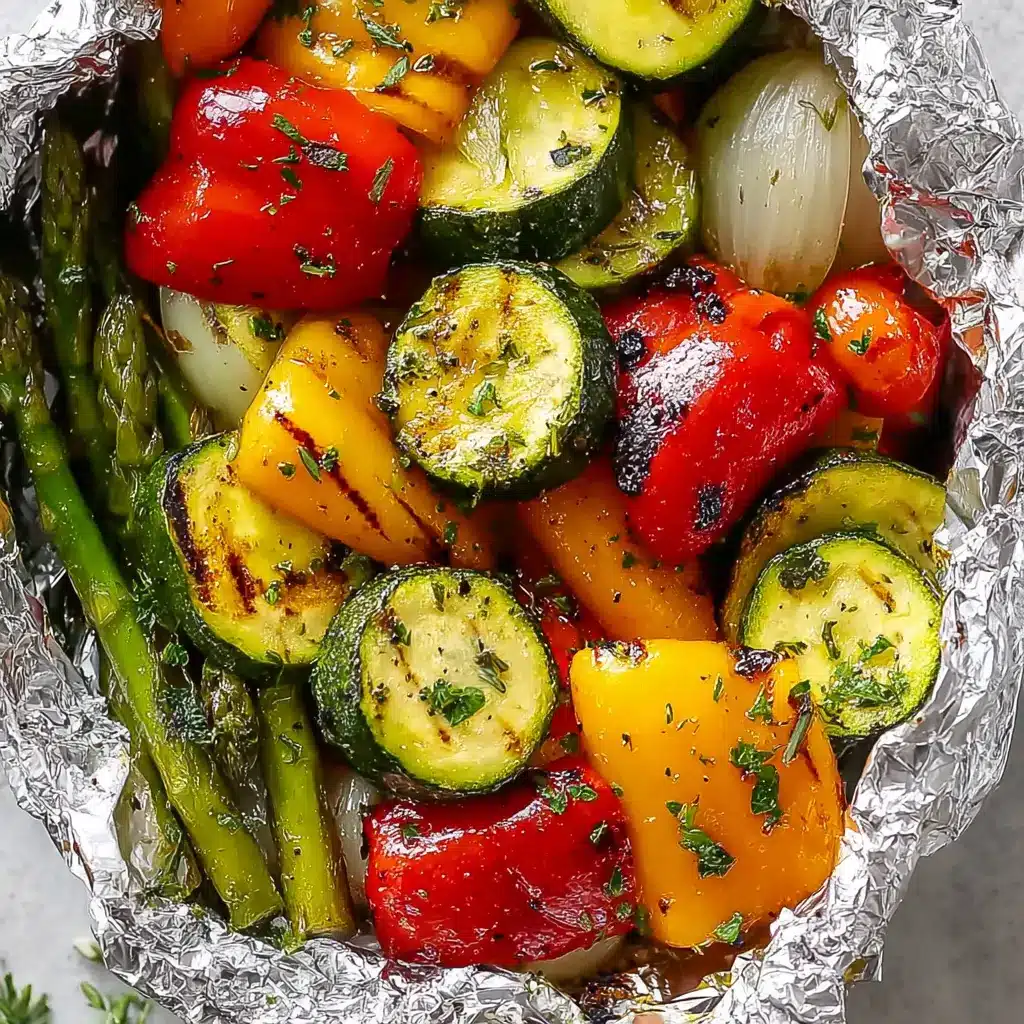
Grilled vegetables in foil are an absolute game-changer for anyone looking to elevate their side dish game with minimal effort. This recipe transforms simple produce into a vibrant, flavorful component of any meal, making it an indispensable addition to your culinary repertoire.
The beauty of this dish lies in its simplicity and the incredible results it yields. Imagine tender-crisp vegetables infused with garlic and herbs, all cooked to perfection in their own natural juices with a touch of buttery richness. It’s a side that truly sings, proving that deliciousness doesn’t always require complex techniques.
Why You Will Love This Recipe
- Effortless Cleanup: Each vegetable serving is neatly contained within its own foil packet, meaning virtually no pans to scrub afterwards. This is a huge win for busy cooks looking to save time and energy.
- Vibrant Flavor Infusion: The foil packets trap steam and moisture, allowing the vegetables to cook beautifully and absorb all the wonderful flavors of garlic, herbs, and olive oil. This method ensures every bite is packed with taste.
- Customizable Vegetable Medley: While this recipe features a delightful combination of asparagus, zucchini, and mini peppers, you have the freedom to swap in your favorite seasonal vegetables. It’s a fantastic way to use up what’s fresh and readily available.
- Perfect for Any Occasion: Whether you’re hosting a backyard barbecue, grilling up a storm on a weeknight, or packing a picnic, these foil packets are incredibly versatile. They travel well and are a crowd-pleaser for all ages.
- Quick Preparation: The majority of the work involves chopping and assembling the packets, which can even be done ahead of time. The actual grilling time is surprisingly short, making it an ideal last-minute addition to any meal.
Ingredients You Need
The success of any dish, even one as straightforward as grilled vegetables in foil, hinges on the quality of the ingredients you select. Opting for fresh, vibrant produce will ensure the best possible flavor and texture. Look for firm asparagus spears, smooth-skinned zucchini, and brightly colored mini sweet peppers. Fresh garlic and herbs make a significant difference in the final taste, so avoid dried alternatives where possible for that burst of authentic aroma and zest.
Grilled Veggies in Foil
A simple grilled vegetable side dish prepared in individual foil packets, featuring asparagus, mini peppers, and zucchini finished with a fresh herb butter. These foil packets are perfect for cookouts, weeknight grilling, and easy summer dinners. They offer tender-crisp vegetables with fresh garlic flavor and minimal cleanup.
- 1 pound asparagus, ends trimmed and cut into 2-inch lengths
- 2 tablespoons extra-virgin olive oil
- 3/4 teaspoon salt
- 2 medium zucchini, cut into 1/2-inch half-round slices
- 3 garlic cloves, finely minced
- 1/4 teaspoon black pepper
- 1 pound mini sweet peppers, halved and seeded
- 2 tablespoons unsalted butter, softened
- 1 tablespoon fresh parsley, finely chopped
- 1 teaspoon fresh chives, minced
- 1Preheat the grill to medium-high heat, about 400 to 450°F.
- 2In a large bowl, toss the asparagus, zucchini, and mini peppers with olive oil, minced garlic, salt, and black pepper until evenly coated.
- 3Divide the seasoned vegetables among 6 individual sheets of foil. Seal each packet tightly, leaving a little space inside for steam circulation.
- 4Place the packets on the grill with the sealed side up. Close the lid and cook for 4 minutes.
- 5Flip the packets and continue grilling for about 4 minutes more, or until the vegetables are tender.
- 6While the packets finish grilling, stir together the softened butter, parsley, and chives in a small bowl.
- 7Open the packets carefully. Add a spoonful of herb butter to each packet, close them again briefly, and let the residual heat melt the butter over the vegetables for 1 minute before serving.
Keywords: Grilled Veggies, Foil Packets, Asparagus, Zucchini, Mini Peppers, Herb Butter, Side Dish, Summer Grilling, Easy Dinner
Detailed quantities for all these wonderful components can be found within the accompanying recipe card. The beauty of this recipe is its flexibility, so feel free to adjust seasonings and herb combinations to your personal preference.
Variations
This grilled vegetable foil packet recipe is wonderfully adaptable, opening up a world of flavor possibilities to suit diverse dietary needs and preferences. One fantastic variation is a vegan approach. Simply omit the butter entirely, or substitute it with a high-quality vegan butter alternative or a drizzle of extra olive oil infused with herbs and garlic before sealing the packets. For an even richer umami kick, consider adding a few sliced mushrooms to the mix; their earthy notes meld beautifully with the other vegetables.
For those following a low-carb lifestyle, the core vegetable selection remains excellent. To enhance the savory depth without adding carbs, incorporate a few wedges of red onion or some Brussels sprouts that have been halved. A sprinkle of nutritional yeast can add a cheesy, savory dimension that complements the grilled flavors beautifully. Ensure your spice blend includes robust options like smoked paprika or a pinch of cayenne for a delightful warmth that satisfies without relying on starchy additions.
Another exciting avenue to explore is a Mediterranean-inspired twist. Introduce chunks of bell pepper in various colors alongside the mini sweet peppers, add halved cherry tomatoes for bursts of juicy sweetness, and perhaps a few Kalamata olives for a briny, salty contrast. A pinch of dried oregano and a squeeze of fresh lemon juice added just before serving will transport your taste buds straight to the sunny shores of the Mediterranean. This variation pairs exceptionally well with grilled lamb or fish, making for a cohesive and delightful meal.
How to Prepare grilled veggies in foil
Step 1: Preparing the Grill and Vegetables
Begin by preheating your grill to a medium-high heat, aiming for approximately 400 to 450 degrees Fahrenheit. This optimal temperature is crucial for achieving that desirable tender-crisp texture in the vegetables without them becoming mushy or burnt. For gas grills, simply set the burners to achieve this heat; for charcoal grills, arrange your coals to create a consistent medium-high heat zone. Ensuring your grill is thoroughly preheated means the foil packets will begin cooking immediately upon placement, leading to a more even and efficient cooking process.
While the grill heats, prepare your chosen vegetables. Trim the woody ends from the asparagus and cut the spears into uniform 2-inch lengths. This ensures they cook at a similar rate to the other vegetables. For the zucchini, slice them into neat half-rounds approximately half an inch thick; avoid making them too thin, as they can turn to mush. Halve the mini sweet peppers and remove the seeds and membranes; this step is important for reducing any unwanted bitterness and ensuring they cook evenly.
Mince your garlic cloves finely. The smaller the mince, the more evenly the garlic flavor will distribute throughout the vegetables. Have your salt and black pepper ready. A good quality extra-virgin olive oil is essential here, as it will help coat the vegetables and carry the flavors. Having all your ingredients prepped and ready to go before assembling the packets will make the entire process smooth and efficient, ensuring you’re not scrambling when the grill is at its perfect temperature.
Step 2: Seasoning and Coating the Vegetables
In a large mixing bowl, combine the prepared asparagus, zucchini, and mini sweet peppers. Drizzle the extra-virgin olive oil generously over the vegetables. This oil acts as a binder for the seasonings and helps the vegetables roast rather than steam too aggressively in the foil, contributing to a more developed flavor. You should use enough oil to lightly coat all the pieces, ensuring each vegetable comes into contact with it.
Add the finely minced garlic to the bowl. Be generous with the garlic; its potent aroma and flavor are key to the deliciousness of this dish. Season the vegetables with salt and freshly ground black pepper. The salt will draw out some moisture from the vegetables, helping them to soften slightly and absorb the flavors more readily. Don’t be shy with the pepper, but ensure it’s freshly ground for the best aromatic quality.
Toss all the ingredients together thoroughly, using your hands or a large spoon, until every piece of vegetable is evenly coated with the olive oil, garlic, salt, and pepper. It’s important that there are no dry spots, as this ensures uniform seasoning and cooking. Once everything is well combined, you are ready to move on to portioning the vegetables into their individual foil packets.
Step 3: Assembling the Foil Packets
Tear off six equal-sized sheets of heavy-duty aluminum foil. Heavy-duty foil is recommended as it is less likely to tear during handling and grilling. Lay each sheet flat on a clean surface, such as a countertop or cutting board. Ensure the shiny side of the foil is facing down if you are using standard foil; some prefer this as it is thought to conduct heat slightly better, though the difference is often minimal.
Divide the seasoned vegetable mixture evenly among the six sheets of foil. Aim for a similar amount of each vegetable in each packet to ensure consistent cooking and serving sizes. Distribute the vegetables in the center of each foil sheet, creating a rough pile. Avoid overcrowding the foil; leaving some space within the packet allows for better air circulation and steam development, leading to more evenly cooked vegetables.
To seal each packet, bring the two longer sides of the foil together directly over the vegetables. Fold them down several times, creating a tight seam. Then, fold the open ends of the packet upwards and inwards to create a secure seal, ensuring no steam or flavorful juices can escape during cooking. Leave a little bit of breathing room inside the packet before sealing completely, which helps create the perfect steamed and grilled environment for the vegetables.
Step 4: Initial Grilling and Packet Placement
Carefully place the sealed foil packets onto the preheated grill grates. Position them with the sealed side facing upwards. This orientation helps to contain the steam and juices within the packets during the initial cooking phase. Arrange the packets so they are not directly over the hottest part of the grill if using a two-zone cooking method, or simply spread them out evenly if using a consistent heat source.
Close the lid of the grill promptly after placing the packets. This is crucial for trapping the heat and allowing the vegetables to begin their cooking process effectively. The trapped heat and steam inside the packets are what will gently cook the vegetables to tender perfection. Resist the urge to open the lid too frequently during the first few minutes, as this will cause heat to escape and prolong the cooking time.
Allow the packets to cook undisturbed for approximately 4 minutes. This initial period allows the heat to penetrate the foil and begin softening the vegetables. The vegetables are essentially steaming inside their own little ovens at this stage, building up internal pressure and heat. This step is vital for ensuring that the vegetables start to cook through evenly before you flip them.
Step 5: Flipping and Final Cooking
After the initial 4 minutes of cooking, it’s time to flip the foil packets. Using a pair of long-handled tongs, carefully turn each packet over. This ensures that the vegetables cook evenly on both sides and prevents any one area from becoming too dry or too hot. Be gentle when flipping to avoid puncturing the foil, though a slight flex is usually fine.
Continue grilling the flipped packets for another 4 minutes, or until the vegetables reach your desired level of tenderness. The exact cooking time will vary depending on the thickness of your vegetables and the exact temperature of your grill. You are looking for vegetables that are tender but still possess a slight bite; they should not be mushy or collapsed. A simple way to check is to carefully unseal one packet (being mindful of steam) and test the tenderness of a piece of asparagus or zucchini with a fork.
Once the vegetables have reached the perfect tender-crisp consistency, carefully remove the foil packets from the grill. Use tongs to transfer them to a heat-resistant surface, like a baking sheet or a wire rack. Allow them to rest for just a moment before proceeding to the next step. This resting period helps the juices settle and makes them slightly easier to handle when you’re ready to add the herb butter.
Step 6: Preparing the Herb Butter
While the foil packets are finishing their grilling time, prepare the flavorful herb butter. In a small bowl, combine the softened unsalted butter with the finely chopped fresh parsley and minced fresh chives. The butter should be soft enough to mix easily but not completely melted, which will make it difficult to incorporate the herbs evenly.
Stir the ingredients together until they are well combined and the herbs are distributed uniformly throughout the butter. The fresh parsley adds a bright, clean herbaceous note, while the chives contribute a subtle, delicate onion flavor that complements the grilled vegetables beautifully. This simple mixture elevates the entire dish, adding a layer of richness and freshness that is simply irresistible.
Ensure the herbs are finely chopped so they meld seamlessly into the butter and distribute easily over the hot vegetables. This herb butter is the finishing touch that brings all the flavors together and adds a glossy sheen to the vegetables. Having this mixture ready to go means you can add it to the hot packets immediately after opening, allowing the residual heat to melt it beautifully over the vegetables.
Step 7: Finishing and Serving
Carefully open each foil packet, one at a time. Be extremely cautious as hot steam will escape immediately upon opening; it’s best to lean back slightly and open the packets away from your face. The aroma released from the opened packets should be wonderfully fragrant with garlic and cooked vegetables.
Using a small spoon, add about a teaspoon of the prepared herb butter mixture to each opened packet. The amount can be adjusted based on your preference for richness. The residual heat from the grilled vegetables will quickly melt the butter, allowing it to coat and infuse the produce with its delightful flavor and glossy texture.
Once the herb butter is added, carefully close each packet again. Let them sit for about a minute to allow the butter to fully melt and meld with the vegetables. Then, you can serve the grilled vegetables directly from their foil packets, or carefully transfer them onto a serving platter. This presentation is both rustic and charming, inviting guests to enjoy the fresh, flavorful components directly.
Pro Tips for grilled veggies in foil
Uniformity is Key: When cutting your vegetables, aim for similar sizes. This ensures that all the pieces cook at the same rate, preventing some vegetables from becoming overcooked and mushy while others remain undercooked and firm. For instance, cut zucchini into consistent half-inch rounds and asparagus into roughly two-inch pieces so they finish together.
Don’t Overcrowd the Packets: While it might seem efficient to cram as many vegetables as possible into each foil packet, this can lead to steaming rather than grilling and can result in uneven cooking. Leave a little bit of space within each packet to allow for proper air and steam circulation, which is essential for achieving that perfect tender-crisp texture.
Herb Butter Application Timing: Add the herb butter *after* the vegetables have finished grilling, not before. This preserves the fresh, bright flavor of the herbs and prevents the butter from becoming greasy or the herbs from becoming bitter from prolonged heat exposure. The residual heat of the vegetables is sufficient to melt the butter beautifully.
Vent Steam Carefully: When you open the foil packets, always do so cautiously, leaning away from the opening. The steam trapped inside is extremely hot and can cause burns. Using tongs to hold the packet steady while you open it can provide extra safety and control.
Experiment with Herbs: While parsley and chives are fantastic, don’t hesitate to experiment with other fresh herbs. Rosemary, thyme, dill, or even a little mint can add unique and delightful flavor profiles to your grilled vegetables. A small pinch of red pepper flakes can add a touch of heat for those who enjoy a little spice.
Serving Suggestions for grilled veggies in foil
Decoration
Elevate the visual appeal of your grilled vegetables in foil by garnishing them with a sprinkle of finely chopped fresh herbs just before serving. A few extra leaves of parsley, a scattering of chives, or even a delicate sprig of dill can add a pop of vibrant green and a touch of elegance. For a hint of color and a subtle crunch, consider a very light dusting of toasted sesame seeds or a few slivers of toasted almonds. A final flourish of freshly cracked black pepper or a pinch of flaky sea salt, like Maldon, can also enhance both the look and the taste.
Side Dishes
These grilled veggies in foil are incredibly versatile and pair wonderfully with a wide array of main courses. They serve as an excellent accompaniment to grilled meats such as lemon chicken, succulent steaks, or juicy burgers, bringing a fresh, vibrant counterpoint to richer flavors. They also complement seafood beautifully, adding a delicate vegetable element to grilled fish or shrimp. For a more substantial dinner, consider pairing them with hearty grains like quinoa or couscous, or alongside a comforting pasta dish like spaghetti or a creamy fettuccine alfredo. They also make a fantastic side for breakfast or brunch, especially alongside omelets or frittatas, offering a healthy and colorful addition to the plate.
Creative Serving Ideas
For an interactive dining experience, present the sealed foil packets directly at the table, allowing each guest to open their own packet and enjoy the burst of aroma and flavor. This adds a touch of theatre and ensures everyone receives their vegetables hot and perfectly seasoned. You could also unseal all the packets and arrange the vegetables artfully on a large platter, perhaps with a dollop of extra herb butter in the center, creating a communal side dish that encourages sharing. For a more gourmet presentation, consider carefully plating the vegetables alongside your main course, ensuring the vibrant colors are showcased. They can also be a delightful addition to vegetarian or vegan meals, providing a substantial and flavorful component to a plate of grilled tofu, halloumi, or a hearty lentil loaf, making them a star player rather than just a supporting act.
Preparation & Storage
Storing Leftovers
If you happen to have any grilled vegetables remaining, proper storage is key to maintaining their quality. Allow the vegetables to cool down to room temperature before transferring them out of the foil and into an airtight container. This prevents condensation from making them soggy. Stored correctly in the refrigerator, these leftover grilled vegetables will remain fresh and delicious for up to 3 days. Ensure the container is well-sealed to prevent them from absorbing other odors in the fridge.
Freezing
While it is possible to freeze grilled vegetables in foil, it is generally not recommended for the best texture. Freezing can significantly alter the texture of vegetables, especially softer ones like zucchini and peppers, making them mushy and watery upon thawing. If you must freeze them, ensure they are completely cooled, then pack them into freezer-safe containers or bags, removing as much air as possible. They will keep in the freezer for about 1-2 months, but expect a noticeable change in consistency when reheated.
Reheating
Reheating these grilled vegetables is best done using methods that will help retain some of their texture. The most effective way is to gently warm them in a skillet over medium heat, stirring occasionally. This allows them to heat through without becoming overly soft. Alternatively, you can reheat them in the microwave, but be sure to do so in short intervals, stirring between each, to prevent uneven heating and excessive softening. A quick toss in a preheated oven on a baking sheet at around 350°F (175°C) for about 5-8 minutes can also work, especially if you want them to retain a bit of their grilled character.
Frequently Asked Questions
-
Can I prepare the foil packets ahead of time for grilling?
Absolutely! Assembling the foil packets a few hours in advance is a fantastic way to streamline your cooking process, especially when hosting or planning a busy weeknight meal. Simply chop and season your vegetables, assemble them into their foil packets, and then refrigerate them. When you’re ready to cook, just place the chilled packets directly onto the preheated grill. This makes them an excellent make-ahead option for barbecues or picnics, saving you precious time when guests are arriving or when you need to get dinner on the table quickly.
-
What are the best ways to ensure the vegetables don’t become soggy when grilled in foil?
Achieving that perfect tender-crisp texture without sogginess relies on a few key factors. Firstly, ensure your grill is at the correct medium-high heat; a hot grill cooks the vegetables quickly, preventing them from steaming too much. Secondly, cut your vegetables into relatively uniform sizes so they cook evenly. Overcrowding the packets is another common mistake; leaving adequate space inside each packet allows steam to circulate, which helps in even cooking and prevents a waterlogged result. Finally, don’t overcook them; pull them off the grill as soon as they are tender but still have a slight bite.
-
Can I substitute other vegetables for the asparagus, zucchini, and mini peppers? Which ones work best?
Yes, this recipe is wonderfully versatile and can accommodate a wide variety of vegetables. For similar cooking times and textures, consider adding other quick-cooking vegetables such as sliced mushrooms (cremini or button), broccoli florets, cauliflower florets, snap peas, or bell pepper strips. Red onion wedges or yellow squash slices also work beautifully and offer a slightly different flavor profile. The key is to choose vegetables that have similar moisture content and will cook through in roughly the same amount of time as the core ingredients. Avoid very dense root vegetables like potatoes or dense winter squash unless they are pre-blanched, as they will likely not cook through in the time it takes for the other vegetables to become tender.