Grilled Veggies in Foil
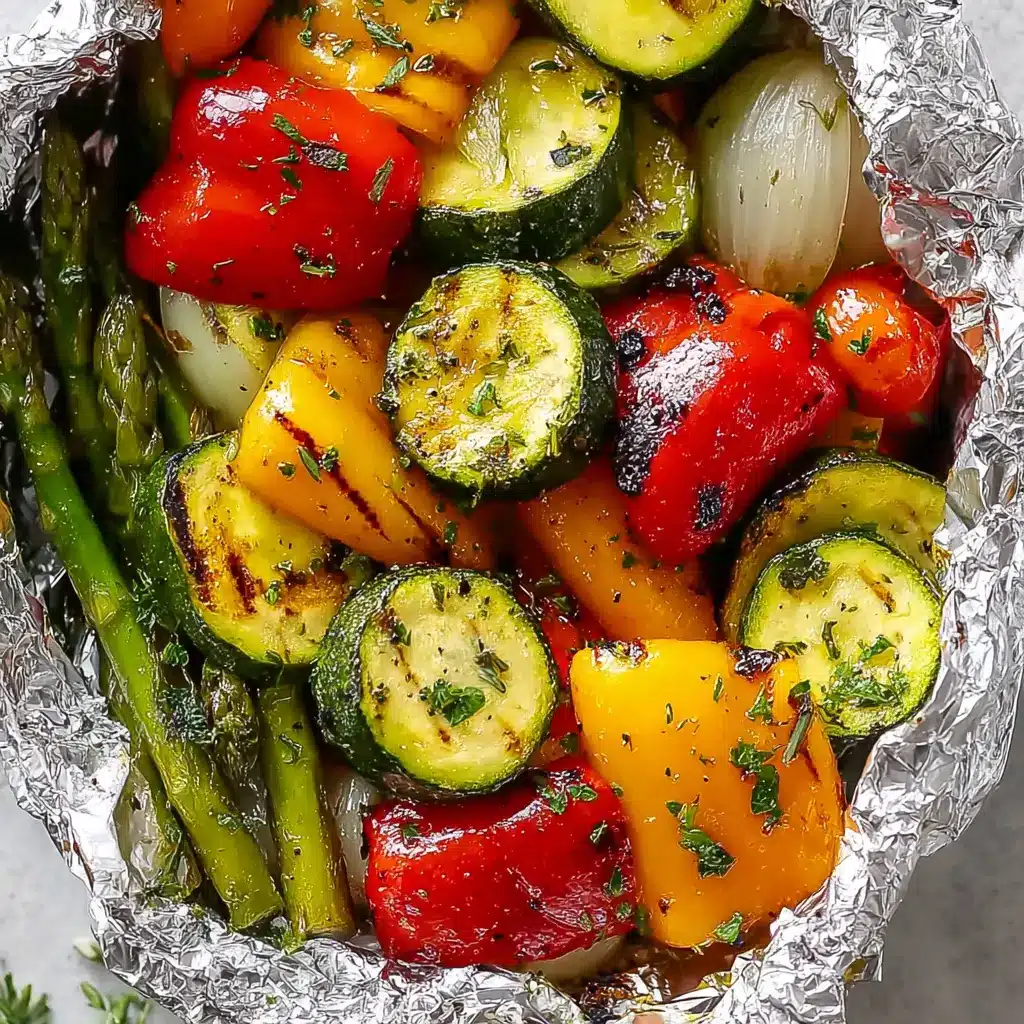
Grilled veggies in foil make a quick, colorful side dish with tender-crisp vegetables, fresh garlic flavor, and almost no cleanup. These foil packet vegetables are perfect for cookouts, weeknight grilling, and easy summer dinners.
This is the kind of side dish that saves you when the grill is already hot and you want something fresh to round out the meal without juggling extra pans. Everything gets tucked into individual packets, so serving is simple and the vegetables cook in their own flavorful steam.
Why You Will Love This Recipe
- Quick Preparation: Dinner is on the table in less than 30 minutes, making it ideal for busy weeknights or last-minute gatherings.
- Minimal Cleanup: The foil packets contain all the mess, meaning you can simply discard the foil after enjoying your meal.
- Versatile Side Dish: These grilled vegetables pair wonderfully with a wide range of main courses, from grilled meats to fish and poultry.
- Healthy & Delicious: Packed with fresh vegetables and vibrant flavors, this recipe offers a nutritious and satisfying complement to any meal.
- Customizable: Easily adapt the vegetables and herbs to your personal preferences for a truly unique culinary experience.
Ingredients You Need
Choosing the freshest ingredients will elevate this simple grilled vegetable dish to something truly special. The combination of tender asparagus, sweet mini peppers, and juicy zucchini creates a delightful texture and flavor profile that is enhanced by fresh garlic and a simple herb butter. Don’t hesitate to use high-quality olive oil and vibrant, freshly chopped herbs to bring out the best in these garden-fresh vegetables.
Grilled Veggies in Foil
Grilled veggies in foil make a quick, colorful side dish with tender-crisp vegetables, fresh garlic flavor, and almost no cleanup. These foil packet vegetables are perfect for cookouts, weeknight grilling, and easy summer dinners.
- 1 pound asparagus, ends trimmed and cut into 2-inch lengths
- 2 tablespoons extra-virgin olive oil
- 3/4 teaspoon salt
- 2 medium zucchini, cut into 1/2-inch half-round slices
- 3 garlic cloves, finely minced
- 1/4 teaspoon black pepper
- 1 pound mini sweet peppers, halved and seeded
- 2 tablespoons unsalted butter, softened
- 1 tablespoon fresh parsley, finely chopped
- 1 teaspoon fresh chives, minced
- 1Preheat the grill to medium-high heat, about 400 to 450°F.
- 2In a large bowl, toss the asparagus, zucchini, and mini peppers with olive oil, minced garlic, salt, and black pepper.
- 3Divide the seasoned vegetables among 6 individual sheets of foil. Seal each packet tightly, leaving a little space inside for steam.
- 4Place the packets on the grill, sealed side up, close the lid, and cook for 4 minutes.
- 5Flip the packets and continue grilling for about 4 minutes more, or until the vegetables are tender.
- 6While the packets finish, stir together the softened butter, parsley, and chives in a small bowl.
- 7Open the packets carefully, add a spoonful of herb butter to each, close them again briefly, and let the residual heat melt everything over the vegetables before serving.
Keywords: Grilled Veggies, Foil Packets, Asparagus, Zucchini, Mini Peppers, Herb Butter, Side Dish, Grilling
- asparagus: The crisp-tender spears are a grilling favorite, providing a satisfying bite and a fresh, slightly grassy note.
- extra-virgin olive oil: A staple for coating vegetables, ensuring they cook evenly and absorb the seasonings beautifully.
- salt: Essential for enhancing all the natural flavors of the vegetables and bringing out their sweetness.
- zucchini: These versatile squash add a lovely softness and moisture, balancing the firmer textures of the other vegetables.
- garlic cloves: Minced garlic infuses the entire packet with a warm, savory aroma and taste that is utterly irresistible.
- black pepper: A classic seasoning that adds a subtle warmth and depth to the overall flavor profile.
- mini sweet peppers: These colorful gems offer a touch of sweetness and a delightful pop of flavor, adding visual appeal as well.
- unsalted butter: Softened butter acts as the luscious base for the herb mixture, melting into the hot vegetables for a rich finish.
- fresh parsley: Finely chopped parsley brings a burst of herbaceous freshness that brightens the entire dish.
- fresh chives: These delicate green strands provide a mild, oniony essence that complements the garlic and other vegetables perfectly.
The exact quantities for these delightful ingredients can be found within the provided recipe card.
Variations
For those following a plant-based lifestyle, transforming this recipe into a delicious vegan dish is wonderfully straightforward. Simply omit the butter and instead, use an extra tablespoon of olive oil infused with extra garlic and a pinch of smoked paprika for a smoky depth. You could also add a splash of lemon juice to the oil mixture to brighten the flavors. Consider incorporating other hearty vegetables like broccoli florets or thick slices of red onion to create a more substantial vegan meal.
If you are looking to reduce carbohydrates while still enjoying delicious grilled vegetables, this recipe is an excellent starting point. Focus on non-starchy vegetables like bell peppers, asparagus, zucchini, and mushrooms. You can enhance the flavor profile by adding a sprinkle of nutritional yeast for a cheesy, umami note or a dash of hot sauce for a spicy kick. These low-carb versions are perfect as a light lunch or a satisfying side for grilled fish or chicken.
Experimenting with different herbs and spices can lead to exciting new flavor combinations. Try adding a pinch of red pepper flakes for a touch of heat, or incorporate a teaspoon of dried Italian herbs for a classic Mediterranean flair. A sprinkle of smoked paprika can lend a lovely smoky depth, especially when paired with mushrooms and onions. These variations allow you to tailor the grilled vegetables to any cuisine or personal taste preference.
How to Prepare grilled veggies in foil
Step 1: Prepare the Grill and Foil
Preheating your grill to a medium-high heat is a crucial first step for achieving perfectly cooked vegetables. This ensures that the foil packets heat up quickly and the vegetables inside begin to steam and roast without becoming waterlogged. Aim for a temperature of around 400-450°F (200-230°C) to get that desirable tender-crisp texture. For charcoal grills, arrange the coals to create a hot zone, allowing them to ash over before placing the packets.
Simultaneously, prepare your foil. You will need individual sheets of heavy-duty aluminum foil, large enough to comfortably hold your portion of vegetables and seal them completely. For added security against leaks and to ensure even cooking, you might consider using a double layer of foil for each packet. This also makes them more robust for handling on and off the grill.
Ensure your grill grates are clean before you begin. This prevents any sticking and ensures that the foil packets sit evenly, allowing for consistent heat distribution. A clean grill is always the first step towards a successful grilling experience, preventing any unwanted flavors from transferring to your delicate vegetables.
Step 2: Season the Vegetables
In a large mixing bowl, combine your prepared vegetables: the trimmed and cut asparagus, the sliced zucchini, and the halved and seeded mini sweet peppers. The key here is to ensure that each piece of vegetable is coated with the seasoning mixture. This even coating is what allows for uniform flavor distribution throughout the foil packets.
Add the extra-virgin olive oil to the bowl. This healthy fat helps the seasonings adhere to the vegetables and also promotes even cooking, preventing them from drying out on the grill. Follow this with the minced garlic, salt, and black pepper. The garlic, when minced finely, will release its aromatic oils as it cooks, infusing the entire packet with its delicious fragrance and taste.
Toss everything together gently but thoroughly using your hands or a large spoon. Make sure no vegetable piece is left unseasoned. The goal is to have every bite bursting with flavor, from the earthy asparagus to the sweet peppers. This step is fundamental to the success of the entire dish.
Step 3: Assemble the Foil Packets
Once the vegetables are beautifully seasoned, it’s time to portion them into individual foil packets. Divide the vegetable mixture into six equal portions. Placing an equal amount in each packet ensures that they all cook at approximately the same rate, leading to consistent results for everyone enjoying the meal.
Place each portion onto the center of an individual sheet of heavy-duty aluminum foil. For sealing, bring two opposing sides of the foil together above the vegetables. Fold these sides over tightly, creating a series of small, neat folds, approximately 1/2-inch in width. Continue folding these edges over until you have a secure, sealed top, leaving a small amount of space inside the packet.
This little bit of air space is crucial; it allows for the hot air and steam to circulate effectively within the packet. This circulation is what helps the vegetables steam and grill simultaneously, achieving that perfect tender-crisp texture. Once the top is sealed, tuck in the remaining open ends of the foil, ensuring no steam or delicious juices can escape during the grilling process.
Step 4: Initial Grilling Stage
Carefully place the sealed foil packets onto the preheated grill grates. Position them with the sealed side facing upwards, which helps to prevent any potential leaks and allows the heat to penetrate evenly from the bottom. Ensure you have enough space on the grill to accommodate all six packets without overcrowding.
Close the grill lid promptly. This traps the heat and allows the vegetables inside the packets to begin their cooking process, essentially steaming and roasting within their foil enclosures. It’s important to resist the urge to move or flip the packets during this initial stage. Allowing them to sit undisturbed for the first few minutes gives them a vital head start and builds up the internal heat.
This initial grilling phase typically lasts for about 4 minutes. During this time, the vegetables begin to soften, and the flavors start to meld together. The trapped moisture from the vegetables, combined with the oil and seasonings, creates a flavorful steam that cooks them gently. This method ensures they don’t dry out and remain juicy.
Step 5: Flipping and Final Cooking
After the initial 4 minutes of grilling with the sealed side up, it’s time to flip the foil packets. Using tongs, carefully turn each packet over to expose the other side to the direct heat of the grill. This ensures that the vegetables cook evenly on all sides, preventing any one side from becoming overcooked or undercooked.
Continue grilling for another 4 minutes, or until the vegetables reach your desired level of tenderness. You are looking for vegetables that are tender but still retain a slight bite, often referred to as “al dente.” They should have a vibrant color and a pleasant chew, rather than being completely soft and mushy. The exact cooking time may vary slightly depending on the heat of your grill and the thickness of your vegetable pieces.
Once the vegetables are cooked to perfection, carefully remove the packets from the grill. You can use tongs to slide them onto a heat-proof surface or a baking sheet. Exercise caution, as the packets will be very hot, and steam may escape when you open them. The goal is to have vegetables that are perfectly cooked, flavorful, and ready for the final touch of herb butter.
Step 6: Prepare the Herb Butter
While the foil packets are undergoing their final cooking stage, you can quickly prepare the flavorful herb butter. In a small bowl, combine the softened unsalted butter. Softened butter is essential as it will allow you to easily incorporate the fresh herbs without them clumping together.
Add the finely chopped fresh parsley and the minced fresh chives to the bowl with the butter. These fresh herbs will provide a vibrant, clean, and aromatic finish to the grilled vegetables. Parsley offers a bright, slightly peppery note, while chives contribute a delicate oniony flavor that is less pungent than regular onions.
Stir these ingredients together until they are thoroughly combined. You want an even distribution of herbs throughout the butter, ensuring that each spoonful will deliver a burst of fresh flavor. This simple herb butter is the secret ingredient that elevates these grilled vegetables from good to exceptional, adding richness and a delightful herbaceous aroma.
Step 7: Finish and Serve
Carefully open each foil packet, being extremely mindful of the hot steam that will escape. It’s best to open them away from your face and hands to avoid any burns. You might want to unfold the top folds slightly first to allow some steam to dissipate gradually.
Once the packet is open, add approximately one teaspoon of the prepared herb butter mixture to the hot vegetables in each packet. The residual heat from the cooked vegetables will quickly melt the butter, allowing it to coat and infuse every piece with its rich, herbaceous flavor. This step is crucial for adding that final touch of decadence and aroma.
Close the packets again briefly after adding the butter. Let them rest for about a minute, allowing the butter to fully melt and meld with the vegetables. Serve the grilled vegetable packets immediately while they are still warm and fragrant. The melted herb butter will create a glossy finish, making the vegetables look as appealing as they taste. You can either serve the packets directly to guests or carefully spoon the contents onto serving plates.
Pro Tips for grilled veggies in foil
Uniform Cuts: For the most even cooking, cut your vegetables into similar-sized pieces. This ensures that the asparagus, zucchini, and peppers all reach their perfect tender-crisp stage simultaneously. Aim for bite-sized pieces that are easy to manage with a fork and will cook through efficiently within the foil packet.
Don’t Overcrowd: While it’s tempting to pack the foil packets full, resist the urge. Leaving a little breathing room within each packet is essential for proper steam circulation. Overcrowding can lead to the vegetables steaming rather than grilling, resulting in a softer, less appealing texture.
Season Generously: Vegetables absorb seasoning wonderfully in foil packets, so don’t be shy with the salt and pepper. The olive oil helps distribute these flavors evenly, ensuring that every bite is as delicious as the last. Consider adding a pinch of red pepper flakes for a subtle kick if you enjoy a little heat.
Herb Butter Magic: Always add the herb butter after grilling, not before. Adding it at the end preserves the fresh, vibrant flavors of the herbs and prevents them from becoming dull or bitter. The residual heat is perfect for melting the butter and distributing its luxurious essence throughout the hot vegetables.
Double Up on Foil: For particularly juicy vegetables or if you’re concerned about tearing, use a double layer of heavy-duty aluminum foil for each packet. This adds extra strength and security, minimizing the risk of leaks and ensuring your delicious vegetables stay perfectly contained until serving.
Serving Suggestions for grilled veggies in foil
Decoration
For a beautiful presentation, consider garnishing the opened foil packets with a few extra sprigs of fresh parsley or chives before serving. A sprinkle of toasted sesame seeds can add a delightful crunch and nutty flavor. If you’re feeling artistic, a light drizzle of balsamic glaze over the top of the vegetables can add a touch of elegance and a hint of tangy sweetness. These small touches make the dish visually appealing and even more enticing.
Side Dishes
These grilled vegetables are incredibly versatile and serve as an excellent complement to a wide array of main courses. They pair wonderfully with grilled steaks, chicken breasts, or fish, offering a burst of freshness and color to the plate. For a heartier meal, consider serving them alongside classic dishes like Cajun chicken pasta or a flavorful pork tenderloin. The simplicity of the vegetables allows them to harmonize with complex flavors without overpowering them.
For those seeking a lighter, perhaps vegetarian or vegan option, these foil-packed veggies are a star player. They are fantastic served with grilled halloumi cheese, tofu skewers, or even a hearty grain pilaf. You can also serve them as part of a larger meze-style platter, alongside hummus, pita bread, and other grilled delights. Their bright flavors make them a refreshing counterpoint to richer, more savory dishes.
Consider serving these with other dinner favorites like barbecued ribs, pulled pork, or even a simple burger. The slight char and fresh herb notes provide a perfect contrast to smoky or rich flavors. They can also be a delicious addition to a summer picnic spread, alongside potato salad or coleslaw. Their ease of preparation makes them a go-to for outdoor entertaining.
Creative Serving Ideas
Instead of serving directly from the foil, you can carefully transfer the grilled vegetables onto a warm serving platter. This allows for a more refined presentation, especially when entertaining guests. Arrange them artfully, ensuring the colors are vibrant and appealing. The melted herb butter will naturally create a lovely glaze.
For a fun, interactive dining experience, consider a “build-your-own” bowl concept. Serve the grilled vegetables alongside bases like quinoa, rice, or pasta, along with other protein options and sauces. Guests can then customize their bowls with these delicious, perfectly cooked vegetables as a key component. This is especially engaging for family meals or casual get-togethers.
Think beyond a simple side dish. These grilled vegetables can be incorporated into other dishes. Chop them slightly and add them to omelets or frittatas for a flavorful breakfast or brunch. They can also be mixed into a simple pasta salad or used as a vibrant topping for bruschetta or crostini. Their versatility makes them a valuable addition to your culinary repertoire, perfect for utilizing leftovers creatively.
Preparation & Storage
Storing Leftovers
To store any leftover grilled vegetables, allow them to cool slightly at room temperature. Once they are no longer hot, carefully remove the vegetables from the foil packets. Transfer the cooled vegetables into an airtight container. This is important to prevent them from drying out or absorbing other odors in the refrigerator.
Store the container in the refrigerator. Properly stored leftovers should remain fresh and flavorful for up to 3 days. The vegetables will soften slightly as they sit, but they will still retain a good amount of their taste and texture for use in subsequent meals.
Avoid storing the vegetables directly in the foil for an extended period, as the foil can sometimes react with leftover moisture and seasonings, potentially affecting the flavor and texture of the vegetables over time.
Freezing
While it is possible to freeze grilled vegetables, it is generally not recommended if you want to maintain their optimal texture. Freezing and then thawing can significantly alter the consistency of the vegetables, particularly softer ones like zucchini and peppers, making them mushy and watery.
If you absolutely must freeze them, ensure they are completely cooled and then place them in freezer-safe bags or containers. It’s advisable to remove as much air as possible from the packaging to prevent freezer burn. They can be stored in the freezer for about 1 to 2 months.
However, for the best culinary experience, it is highly recommended to enjoy these grilled vegetables fresh or within a few days of refrigeration. They are at their peak when served shortly after grilling.
Reheating
When reheating leftovers, a skillet on the stovetop is often the best method for preserving the texture and flavor. Heat a tablespoon of olive oil or a knob of butter in a skillet over medium heat. Add the cooled vegetables and cook, stirring occasionally, until they are heated through. This method helps to reintroduce a slight crispness and prevents them from becoming too soggy.
The microwave is another option for quick reheating. Place the vegetables on a microwave-safe plate, cover loosely, and heat in short intervals of 30-60 seconds, stirring in between, until warm. Be aware that the vegetables, especially zucchini, may become softer during microwave reheating compared to stovetop methods.
You can also reheat them in a preheated oven at around 350°F (175°C) for about 5-10 minutes, perhaps still in their foil packets or in a small oven-safe dish. This method offers a gentler heat than the microwave, which can help maintain a better texture than microwaving, though still not as ideal as pan-frying.
Frequently Asked Questions
- Can I prepare these foil packets ahead of time for a barbecue?
Yes, absolutely! You can assemble the foil packets with the seasoned vegetables a few hours before your barbecue or grilling event. Simply place the prepared packets on a baking sheet and store them in the refrigerator until you’re ready to grill. This is a fantastic make-ahead strategy that significantly reduces stress and allows you more time to enjoy your guests. Just be aware that they might require a minute or two longer on the grill if they are very cold from the refrigerator, so keep an eye on them.
- What is the best way to ensure the vegetables don’t become soggy?
Several factors contribute to avoiding soggy vegetables. Firstly, ensure your grill is heated to medium-high heat; this cooks the vegetables quickly and efficiently. Secondly, cut your vegetables into uniform, bite-sized pieces so they cook evenly. Thirdly, do not overfill the foil packets; allow for some air circulation so steam can escape and the vegetables can roast slightly. Finally, avoid overcooking them; remove them from the grill as soon as they reach your desired tender-crisp state, rather than letting them become overly soft.
- Can I substitute other vegetables in this recipe, and if so, which ones are best?
Certainly! This recipe is very adaptable. Excellent substitutes or additions include mushrooms (halved or quartered), broccoli florets, cauliflower florets, red onion wedges, yellow squash, or even pre-cooked corn kernels. When substituting, try to choose vegetables that have similar cooking times to the ones in the original recipe. For example, dense root vegetables like carrots would need to be cut very thinly or pre-cooked slightly, as they take longer to soften than zucchini or peppers. Aim for vegetables that can achieve that perfect tender-crisp texture without turning mushy.