Lemon Herb Grilled Vegetables
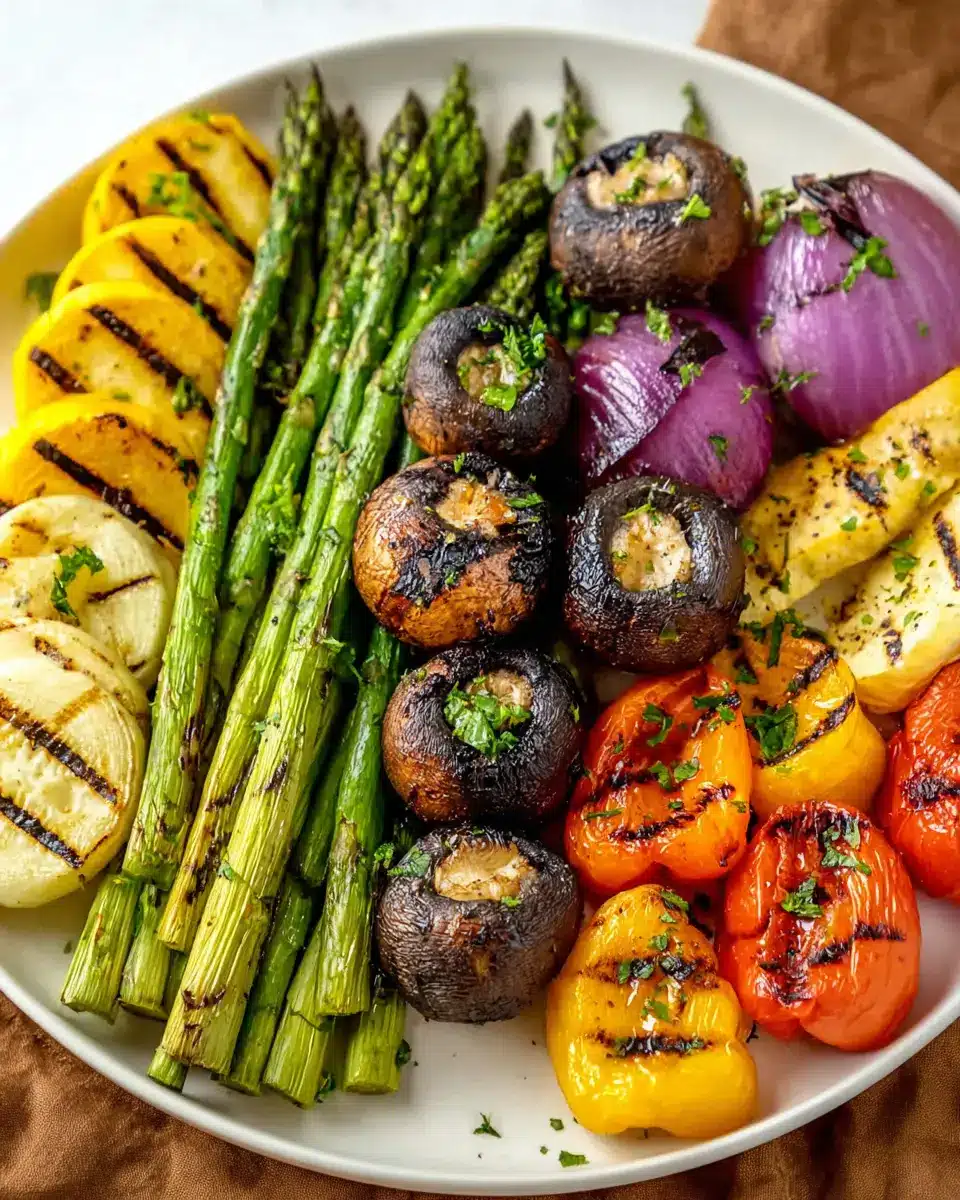
Grilled vegetables are a revelation, transforming simple produce into a vibrant, flavorful side dish that complements almost any meal. Their tender-crisp texture and beautiful char, enhanced by a bright lemon-herb marinade, make them an indispensable part of a balanced diet and a joy to prepare.
This recipe is designed for ease and maximum flavor, bringing a touch of Mediterranean sunshine to your table. Whether you’re a seasoned grill master or a novice cook, these grilled vegetables are sure to impress with their simplicity and delicious results.
Why You Will Love This Recipe
- Quick Preparation: Dinner is on the table in under an hour, with minimal hands-on time, making it perfect for busy weeknights.
- Versatile Flavor: The bright lemon and aromatic herbs create a universally appealing taste that pairs wonderfully with various main courses.
- Healthy & Vibrant: Packed with essential nutrients and fiber, this dish offers a colorful and delicious way to enjoy your vegetables.
- Customizable: Easily adapt the vegetable selection to your preferences or what’s in season, ensuring endless delicious possibilities.
- Simple Ingredients: Uses common pantry staples and fresh produce, making it an accessible and budget-friendly option for any cook.
Ingredients You Need
The foundation of any exceptional dish lies in the quality of its ingredients. For these grilled vegetables, selecting fresh, firm produce will ensure the best texture and flavor. Opt for vibrant bell peppers, firm zucchini, and crisp red onions for a beautiful color and taste combination.
Grilled Vegetables
A bright and well-seasoned grilled vegetable dish prepared with a lemon-herb marinade, then cooked over medium-high heat until lightly charred and tender. Fresh parsley and lemon wedges provide a clean, vibrant finish.
- 1/4 cup freshly chopped parsley, for garnish
- 2 lb assorted vegetables, such as bell peppers, zucchini, and red onion, cut into 1-inch pieces
- Lemon wedges, for serving
- 5 tbsp olive oil
- 2 tbsp fresh lemon juice, preferably from Meyer lemons for a softer acidity and fragrant citrus note
- 1 tsp salt
- 1 1/2 tsp dried Italian herbs, such as McCormick Gourmet Italian Seasoning
- 1/4 tsp black pepper
- 1 1/2 tsp freshly minced garlic
- 1In a large mixing bowl, combine the olive oil, lemon juice, salt, black pepper, dried Italian herbs, and minced garlic.
- 2Whisk thoroughly until the marinade is fully combined and evenly blended.
- 3Add the cut vegetables to the bowl and toss gently so each piece is well coated with the marinade.
- 4Cover the bowl and refrigerate for at least 20 minutes, or for as long as 2 hours, to allow the flavors to develop.
- 5Preheat a grill or grill pan over medium-high heat before cooking.
- 6Begin grilling with the firmer vegetable pieces first, then add the remaining vegetables.
- 7Cook the vegetables for 3 to 5 minutes per side, or until they are browned and tender to your preference.
- 8Transfer the grilled vegetables to a serving platter.
- 9Finish with the chopped parsley and add lemon wedges on the side, if desired. Serve warm.
Keywords: Grilled Vegetables, Mediterranean, Side Dish, Summer, Healthy
- assorted vegetables: choose a mix like bell peppers, zucchini, and red onion, cut into uniform, 1-inch pieces for even cooking.
- olive oil: a good quality extra virgin olive oil will help the marinade cling to the vegetables and promote a lovely char.
- fresh lemon juice: the zest and acidity of fresh lemon juice are key to brightening the flavors and cutting through the richness.
- minced garlic: fresh garlic offers a potent aroma and savory depth that infuses the vegetables beautifully.
- dried Italian herbs: a blend like Italian seasoning provides a harmonious mix of oregano, basil, thyme, and rosemary.
- salt: essential for enhancing all the other flavors and bringing out the natural sweetness of the vegetables.
- black pepper: freshly ground black pepper adds a subtle warmth and a touch of pungency.
- fresh parsley: for a final burst of freshness and vibrant color just before serving, adding a clean finish.
- lemon wedges: optional but highly recommended, for an extra squeeze of bright citrus at the table.
The precise quantities for these ingredients are readily available within the recipe card.
Variations
To elevate your grilled vegetable experience, consider a vegan adaptation by ensuring all components are plant-based. This is already inherently vegan, but always double-check any pre-made spice blends you might use. The natural sweetness of the vegetables and the bright marinade make this a satisfying vegan option.
For a low-carb approach, focus on vegetables naturally lower in carbohydrates. Think asparagus, broccoli florets, cauliflower, bell peppers (in moderation), and mushrooms. Avoid root vegetables like potatoes or corn, which are higher in starch and sugar. These alternatives will still absorb the delicious lemon-herb marinade beautifully.
Another delightful variation involves a spicier kick. Add a pinch of red pepper flakes to the marinade for a gentle heat that complements the char from the grill. You could also experiment with different types of chili powders or even finely chopped jalapeños for a more pronounced fiery flavor, making the dish exciting and dynamic.
For those seeking an umami-rich twist, consider adding a tablespoon of soy sauce or tamari to the marinade, alongside a teaspoon of sesame oil. This introduces a savory depth that pairs exceptionally well with vegetables like zucchini and bell peppers, offering a slight Asian-inspired flair to the classic grilled side dish.
A smoky flavor infusion can be achieved by incorporating a teaspoon of smoked paprika into the marinade. This spice not only adds a beautiful reddish hue but also imparts a deep, campfire-like essence without needing to grill over wood chips, enhancing the overall complexity and appeal of the dish.
How to Prepare Grilled Vegetables
Step 1: Craft the Lemon-Herb Marinade
Begin by gathering a large mixing bowl, large enough to comfortably hold all your prepared vegetables. Into this bowl, pour the olive oil, ensuring it forms a good base for the marinade. Next, add the fresh lemon juice, which will provide that essential bright, tangy counterpoint.
Introduce the minced garlic into the bowl; using fresh garlic will impart a more robust and authentic flavor than garlic powder. Measure out the dried Italian herbs, which will bring a complex herbal aroma and taste that is quintessential to Mediterranean cuisine. Finally, add the salt and freshly ground black pepper to season the marinade effectively.
Whisk all these ingredients together thoroughly until the mixture is well combined and appears uniformly blended. You want to ensure that the oil, lemon juice, garlic, herbs, salt, and pepper are fully incorporated, creating a cohesive liquid that will evenly coat every piece of vegetable. This step is crucial for consistent flavor distribution throughout the dish.
Step 2: Coat the Vegetables in Marinade
Now, it’s time to add your prepared vegetables to the bowl containing the luscious lemon-herb marinade. Ensure your vegetables are cut into uniform, bite-sized pieces, approximately 1-inch chunks, so they cook evenly on the grill. Uneven pieces can lead to some vegetables being perfectly cooked while others are underdone or overcooked.
Gently toss the vegetables with your hands or a large spoon until every single piece is lightly and evenly coated with the marinade. You want to see a thin, glossy layer of the marinade clinging to the surface of each vegetable. This coating is what carries the flavor and helps achieve that desirable char on the grill.
Take a moment to appreciate how the vibrant colors of the vegetables pop against the golden marinade. This visual appeal is a preview of the deliciousness to come. Ensure that there are no dry spots and that the marinade is distributed throughout the bowl of vegetables.
Step 3: Allow the Vegetables to Marinate
Once the vegetables are beautifully coated in the marinade, cover the bowl securely. This can be done with plastic wrap, a lid, or even aluminum foil. Place the covered bowl into the refrigerator to allow the flavors to meld and penetrate the vegetables.
While a shorter marinating time of at least 20 minutes is sufficient to imbue the vegetables with a pleasant flavor, allowing them to marinate for up to 2 hours will yield an even deeper and more complex taste. The acidity from the lemon juice will begin to tenderize the vegetables slightly, preparing them for the grill.
Resist the urge to marinate for excessively long periods, such as overnight, especially with softer vegetables like zucchini. Prolonged marination can lead to a mushy texture once cooked, as the acid can break down the cell walls too much. A few hours is generally the sweet spot for optimal flavor and texture.
Step 4: Preheat Your Grill or Grill Pan
This is a critical step for achieving that signature grilled flavor and appearance. Preheat your outdoor grill or an indoor grill pan over medium-high heat. You want the grill grates to be hot enough to sear the vegetables quickly, creating those attractive grill marks and a slightly charred exterior.
Ensure the grill grates are clean before preheating. A clean surface prevents sticking and ensures that the vegetables cook evenly and develop clean char marks. If using a grill pan, make sure it’s also clean and heated thoroughly before adding any oil, if necessary, though the marinated vegetables often have enough oil already.
A properly heated grill or grill pan is essential for success. It allows the sugars in the vegetables to caramelize and the natural moisture to evaporate slightly, leading to a tender-crisp texture rather than a steamed or boiled outcome. The intense heat is what gives grilled vegetables their distinctive smoky character.
Step 5: Strategically Place Vegetables on the Grill
Once your grill is at the optimal medium-high heat, it’s time to place the vegetables. To ensure everything cooks evenly and no single vegetable type overcooks, it’s best to add the firmer vegetables first. These are typically denser and require a bit more time to soften.
Examples of firmer vegetables include thicker slices of bell peppers or red onion. After these have had a head start of a minute or two, you can then add the quicker-cooking vegetables. These are generally softer and more delicate, such as zucchini or summer squash, which will cook much faster.
Arranging the vegetables in a single layer on the grill is also important. Overcrowding the grill can cause the temperature to drop significantly, leading to steaming rather than grilling, and will prevent proper charring. If necessary, grill in batches to ensure adequate space and heat distribution for all the vegetables.
Step 6: Grill to Perfection and Finish
Grill the vegetables for approximately 3 to 5 minutes per side. During this time, you’ll want to keep an eye on them and turn them using tongs or a spatula. Look for developing char marks and a texture that is tender but still offers a slight bite.
The exact cooking time will vary depending on the thickness of your vegetable pieces and the exact temperature of your grill. It’s better to err on the side of slightly undercooking and being able to return them to the grill for a minute or two longer than to overcook them into a mushy state.
Once the vegetables are cooked to your desired tenderness and have achieved beautiful browning and char marks, carefully remove them from the grill and transfer them to a serving platter. Scatter the freshly chopped parsley evenly over the hot vegetables; the residual heat will help release its aromatic oils. Serve immediately with lemon wedges on the side for an extra burst of freshness.
Pro Tips for Grilled Vegetables
Uniform Cutting is Key: Ensure all your vegetables are cut into similar-sized pieces. This promotes even cooking, so you don’t end up with some vegetables charred to a crisp while others remain raw. This consistency also makes for a more visually appealing presentation on the serving platter.
Don’t Overcrowd the Grill: Give your vegetables space to breathe on the grill. Overcrowding lowers the grill’s temperature and leads to steaming instead of charring, hindering the development of those desirable smoky flavors and textures. If necessary, grill in batches.
Master the Char: Aim for a good char, but avoid burning. The char adds a wonderful depth of flavor, but excessively burnt bits can become bitter. Watch your vegetables closely and turn them frequently to achieve a balance of tender interior and nicely seared exterior.
Embrace the Tenderness, Not Mushiness: The goal is tender-crisp, not soft and limp. Vegetables should yield to a fork but still have a slight firmness. Pull them off the grill as soon as they reach this point, as they will continue to cook slightly from residual heat.
Fresh Herbs for Finish: Always add fresh herbs like parsley, basil, or cilantro at the very end of cooking, or even after they come off the grill. This preserves their vibrant color and delicate, fresh flavor, providing a bright contrast to the cooked vegetables.
Serving Suggestions for Grilled Vegetables
Decoration
For a truly restaurant-worthy presentation, garnish your grilled vegetables generously with freshly chopped parsley. The bright green flecks add a beautiful visual contrast against the colorful charred vegetables, making the dish look as appealing as it tastes. A light drizzle of high-quality olive oil or a sprinkle of flaky sea salt just before serving can also enhance both the appearance and flavor.
Side Dishes
These versatile grilled vegetables are a perfect accompaniment to a wide array of main courses. They pair exceptionally well with grilled chicken, fish, or steak, adding a healthy and flavorful dimension to any barbecue. For a lighter meal, serve them alongside a flavorful grain like quinoa or couscous, or integrate them into a hearty pasta dish for added color and texture.
Creative Serving Ideas
Consider incorporating these vibrant vegetables into grain bowls or power bowls, layering them with your favorite protein, greens, and a zesty dressing. They also make a fantastic addition to baked lemon chicken or a fresh salad, bringing a smoky, tender element. Another idea is to chop them finely and mix them into an omelet or frittata for a delicious brunch option.
Transform them into a simple yet elegant appetizer by serving them with a dollop of hummus or a creamy tzatziki sauce. Skewering them with cherry tomatoes and halloumi cheese before grilling creates a delightful antipasto-style bite. They can also be tucked into warm pita bread with falafel and tahini for a fulfilling vegetarian wrap.
For a more sophisticated touch, arrange them artfully on a platter with other grilled items like corn on the cob or marinated tofu. A scattering of toasted pine nuts or slivered almonds can add a delightful crunch. These vegetables can also be blended into a vibrant vegetable purée or soup base for a sophisticated starter.
Preparation & Storage
Storing Leftovers
Leftover grilled vegetables can be stored in an airtight container in the refrigerator for up to 3-4 days. The refrigeration will help preserve their freshness and prevent spoilage. Ensure the container is sealed tightly to keep out air, which can accelerate the degradation of texture and flavor.
When storing, allow the vegetables to cool completely before placing them in the container. This prevents condensation from forming, which can make them soggy. They are excellent served cold in salads or sandwiches, offering a burst of flavor without the need for reheating.
If you plan to use them in dishes that require them to be warm, plan to reheat them gently. Overheating can lead to a mushy texture, so a quick reheat is often best. They retain a good amount of their flavor even after refrigeration.
Freezing
For longer-term storage, grilled vegetables can be frozen, though it’s important to manage expectations regarding texture. The freezing process can alter the cell structure of vegetables, leading to a softer consistency upon thawing. Therefore, frozen grilled vegetables are best suited for applications where texture is less critical, such as in soups, stews, or pasta sauces.
To freeze, ensure the vegetables are cooled and patted dry. Spread them in a single layer on a baking sheet and freeze until solid. Once frozen, transfer them to a freezer-safe bag or container, removing as much air as possible. They can be stored in the freezer for up to 2 months.
When you’re ready to use them, thaw them overnight in the refrigerator. Avoid thawing at room temperature, as this can promote bacterial growth. The texture will likely be softer than fresh, but the flavor will still be present, making them a convenient addition to cooked dishes.
Reheating
Reheating grilled vegetables requires a gentle approach to preserve their texture as much as possible. The best method is often a quick sauté in a skillet over medium heat. Add a touch of olive oil if needed and stir frequently until they are heated through.
Alternatively, spread the vegetables on a baking sheet and reheat them in a preheated oven at around 350°F (175°C) for 5-10 minutes. This method helps to dry them out slightly and can bring back some of the char. Microwaving is the quickest option, but use short bursts (30-60 seconds) and stir between intervals to prevent uneven heating and potential sogginess.
Be mindful that no reheating method will perfectly restore the crisp-tender texture of freshly grilled vegetables. However, with careful reheating, you can enjoy them warmed through with most of their original flavor intact, making them a practical and delicious way to enjoy leftovers.
Frequently Asked Questions
-
Can I grill vegetables indoors if I don’t have an outdoor grill?
Absolutely! An indoor grill pan or a cast-iron skillet can be used effectively to achieve similar results. Preheat your grill pan or skillet over medium-high heat, ensuring it’s hot before adding the marinated vegetables. You may need to cook them in batches to avoid overcrowding, which can lead to steaming rather than searing. While you might miss a subtle smokiness that an outdoor grill provides, the bright lemon-herb flavors will still shine through, making for a delicious indoor preparation.
-
What is the best way to cut vegetables for grilling to ensure even cooking?
The key to even cooking lies in uniformity. Cut your vegetables into roughly the same size and thickness. For denser vegetables like zucchini, bell peppers, and onions, aim for pieces about 1-inch thick. Softer vegetables like mushrooms or asparagus might require slightly smaller cuts or shorter cooking times. Ensuring consistency in size allows all pieces to reach the desired tenderness at approximately the same time, preventing some from becoming mushy while others remain undercooked. It also creates a more aesthetically pleasing dish when served.
-
How long should I marinate the vegetables, and can I marinate them for too long?
A minimum of 20 minutes of marinating time is recommended to allow the flavors to begin penetrating the vegetables. For a deeper flavor infusion, you can marinate them for up to 2 hours. However, it’s generally advisable not to marinate for excessively long periods, especially with acidic marinades like this one. The acid in the lemon juice can start to break down the vegetables’ cell structure, potentially leading to a mushy texture when grilled, particularly with softer vegetables like zucchini. For most vegetables, 2 hours is a safe upper limit, while firmer vegetables might tolerate slightly longer marination.