Grilled Steak Potato Kabobs
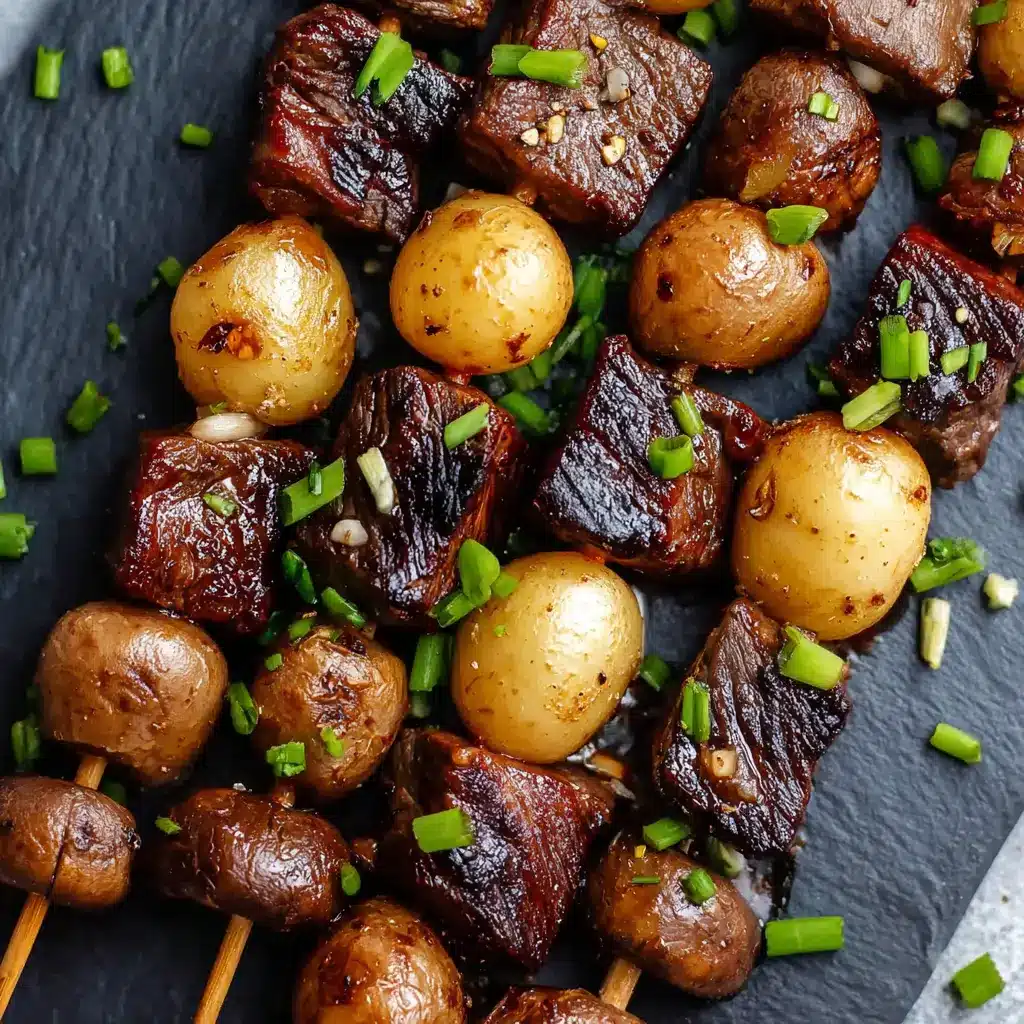
Grilled steak and potato kabobs are a delightful culinary creation that brings together the robust flavors of grilled beef, the earthy comfort of potatoes, and the savory depth of mushrooms. This dish is designed to be both satisfying and incredibly convenient, making it a standout choice for any occasion where grilling is on the menu. The thoughtful preparation ensures that each component is perfectly cooked, creating a harmonious bite that is both flavorful and texturally engaging, promising a truly memorable meal for anyone who tries it.
This recipe celebrates simplicity without sacrificing taste, offering a fantastic way to enjoy a hearty meal that feels special enough for guests but is easy enough for a weeknight. The visual appeal of vibrant ingredients skewered together, kissed by the grill’s flame, is undeniable. It’s the kind of food that gathers people around the grill, sparking conversation and anticipation for the delicious meal that’s about to be shared, embodying the spirit of communal dining and outdoor cooking at its finest.
Why You Will Love This Recipe
- Flavorful Marinade: A perfect balance of sweet, savory, and tangy notes infuses the steak and mushrooms, creating a delightful caramelized crust on the grill.
- Perfectly Cooked Components: Par-boiling the potatoes ensures they are tender on the inside and nicely charred on the outside, while the steak cooks to juicy perfection.
- Easy to Eat: All the delicious components are conveniently placed on a skewer, making for effortless serving and eating, ideal for barbecues and outdoor gatherings.
- Simple Preparation: The recipe involves straightforward steps, including a short marinating time and efficient grilling, allowing you to enjoy a gourmet meal with minimal fuss.
- Versatile Meal: These kabobs are a complete meal on their own but also pair wonderfully with a variety of side dishes, offering flexibility to suit any palate or dietary need.
Ingredients You Need
The quality of your ingredients is paramount to achieving the best possible flavor and texture in these grilled steak and potato kabobs. Opting for fresh, high-quality cuts of meat and vibrant produce will significantly enhance the overall dining experience. Paying attention to details like the marbling in the steak and the firmness of the potatoes can make a world of difference in the final outcome, ensuring a truly delicious and satisfying meal.
Grilled Steak and Potato Kabobs
Grilled Steak and Potato Kabobs are a hearty, grill-friendly main dish with juicy ribeye, tender baby Yukon gold potatoes, and mushrooms coated in a savory-sweet marinade for bold flavor, light char, and simple make-ahead convenience. This is the kind of meal that works beautifully when you want something filling and satisfying without juggling a long list of complicated steps. You get steak, potatoes, and vegetables all on one skewer, which makes serving just as easy as grilling. The flavor combination is especially dependable here. The marinade brings a little tang, a little sweetness, and enough savory depth to complement the rich steak without covering up its natural flavor.
- 1/4 cup ketchup
- 2 tablespoons white vinegar
- 1/4 cup soy sauce
- 1/4 cup neutral vegetable oil
- 2 tablespoons light brown sugar
- 1/2 teaspoon garlic powder
- 8 baby bella mushrooms, cleaned with a damp cloth
- 8 baby Yukon gold potatoes, par-boiled until just fork-tender
- 1 pound ribeye steak, cut into 1-inch cubes
- Metal or wooden skewers (soak wooden skewers in water for
- 30 minutes before use)
- 1Cut the ribeye into 1-inch cubes. Transfer the steak cubes and mushrooms to a large resealable bag or shallow dish.
- 2In a medium bowl, whisk together the ketchup, white vinegar, soy sauce, neutral vegetable oil, light brown sugar, and garlic powder until smooth.
- 3Pour the marinade over the steak and mushrooms, making sure everything is well coated. Cover and refrigerate for at least 30 minutes and up to 2 hours.
- 4Scrub the baby potatoes and simmer them in salted water until they are just barely fork-tender. Drain them well and let them cool slightly.
- 5Heat your grill to medium-high and oil the grates lightly.
- 6Build the skewers by alternating steak, potato, steak, mushroom, then repeating until each skewer is full.
- 7Place the kabobs on the grill and cook for about 5 to 6 minutes per side, turning every few minutes so all sides get some color.
- 8Remove the skewers when the steak reaches your preferred doneness and the potatoes are fully tender. Let everything rest for a minute or two before serving.
Keywords: Grilled Steak and Potato Kabobs, Ribeye Steak, Potatoes, Mushrooms, Grilling, Skewers, Main Course, American Cuisine, Quick Dinner, Make-Ahead
The specific quantities and detailed preparation instructions for each component are readily available within the provided recipe card, ensuring you have all the precise information needed for success.
Variations
For those seeking a plant-based delight, transforming these kabobs into a vibrant vegan masterpiece is wonderfully achievable. Instead of ribeye steak, substantial cubes of firm tofu or extra-firm tempeh can be marinated and grilled, offering a satisfying chew and excellent flavor absorption. Large chunks of colorful bell peppers, zucchini, and red onion can be added to the skewers alongside the mushrooms and potatoes, creating a beautiful spectrum of colors and tastes that are sure to impress any vegetarian or vegan diner. A sprinkle of smoked paprika in the marinade can also add a smoky depth reminiscent of grilled meats, making these vegan kabobs incredibly satisfying and flavorful.
Adhering to a low-carb lifestyle doesn’t mean missing out on the deliciousness of these kabobs. The potatoes can be expertly substituted with firm, low-carbohydrate vegetables that grill beautifully. Think thick slices of jicama, chunks of cauliflower florets, or even Brussels sprouts halved lengthwise. These alternatives absorb the savory marinade wonderfully and develop a pleasant tender-crisp texture on the grill. Ensure the marinade is low in added sugars, perhaps opting for a sugar-free sweetener or relying solely on the savory elements for that deep umami flavor. This adaptation maintains the grilled essence while aligning perfectly with a ketogenic or low-carb eating plan.
For a taste of the Mediterranean, consider a flavor profile that leans into herbaceous and zesty notes. Swap the ketchup in the marinade for a base of olive oil infused with lemon zest and fresh oregano. Add minced garlic, a splash of red wine vinegar, and a pinch of dried herbs like rosemary and thyme. Instead of potatoes, use bite-sized pieces of halloumi cheese, which grill up beautifully with a golden crust and a delightfully squeaky texture. Cherry tomatoes and chunks of red onion can be added to the skewers, offering bursts of sweetness and a slight bite. This variation brings a fresh, aromatic twist to the classic kabob concept.
How to Prepare Grilled Steak and Potato Kabobs
Step 1: Preparing the Steak and Mushrooms
The initial step involves carefully preparing the star ingredients: the ribeye steak and the baby bella mushrooms. For the steak, it’s crucial to cut it into uniformly sized cubes, ideally around 1-inch to 1.5-inch pieces. This consistency is key to ensuring that all the steak pieces cook at the same rate on the grill, preventing some from becoming overcooked and tough while others remain underdone. Selecting a well-marbled ribeye is highly recommended, as the fat will render during grilling, basting the meat and keeping it incredibly tender and juicy. Pat the steak cubes dry thoroughly with paper towels before adding them to the marinade; this helps the marinade adhere better to the surface of the meat.
For the mushrooms, select firm, fresh baby bella mushrooms. Gently wipe them clean with a damp paper towel rather than washing them under running water, as mushrooms can absorb excess moisture, which can make them watery and less appealing when grilled. Trim off any tough stems, but generally, leave the caps whole if they are bite-sized. If you have larger mushrooms, you can quarter them to match the approximate size of the steak cubes. The mushrooms will absorb the marinade and contribute a wonderful earthy, umami flavor to each skewer, complementing the richness of the steak beautifully. Their ability to absorb flavor makes them an indispensable part of these kabobs.
Once the steak and mushrooms are prepped, it’s time to combine them with the marinade. In a large resealable plastic bag or a shallow, non-reactive dish, whisk together the ingredients for the marinade until they are thoroughly combined and smooth. This marinade typically includes a base of ketchup for body and sweetness, soy sauce for savory depth, white vinegar for a touch of acidity to tenderize and brighten flavors, neutral vegetable oil to help coat the ingredients and promote browning, light brown sugar for caramelization, and garlic powder for aromatic flavor. Ensure all these components are well incorporated to create a cohesive flavor profile that will generously coat the steak and mushrooms.
Step 2: Marinating the Steak and Mushrooms
Pour the prepared marinade generously over the steak cubes and mushrooms in the bag or dish. Seal the bag tightly, or cover the dish, ensuring that all the pieces are as evenly coated as possible. You can gently toss or turn the bag to distribute the marinade. For the best flavor infusion, marinate the steak and mushrooms in the refrigerator for at least 30 minutes. This duration allows the flavors to penetrate the meat and mushrooms without making the steak texture too soft or mushy, which can happen with extended marination times, especially with acidic components.
The marinating process is where the magic begins, transforming simple ingredients into something truly spectacular. The soy sauce provides essential saltiness and that deep, satisfying umami flavor that pairs so well with grilled beef. The vinegar offers a subtle tang, cutting through the richness of the steak and brightens the overall profile of the marinade. The brown sugar plays a vital role in caramelization; as it heats on the grill, it creates those desirable sweet, slightly charred notes that make grilled foods so irresistible. This short but effective marinating period ensures that every bite of steak and mushroom will be bursting with flavor.
While the steak and mushrooms are marinating, you can move on to preparing the potatoes. This multi-step approach ensures that all components are ready to cook simultaneously on the grill, making the actual grilling process smooth and efficient. The marinating time is crucial for flavor development, so plan accordingly to allow for at least the minimum recommended duration for optimal results. If you have extra time, marinating for up to two hours can further enhance the flavor, but avoid marinating for much longer, as the acidity can begin to break down the steak’s texture too much, leading to a mushy consistency.
Step 3: Par-boiling the Potatoes
As the steak and mushrooms bask in their flavorful marinade, it’s time to turn your attention to the potatoes. For this recipe, baby Yukon Gold potatoes are ideal due to their creamy texture and buttery flavor, which hold up exceptionally well to grilling. Begin by thoroughly scrubbing the potatoes clean under cold running water. If any of them are particularly large, it’s a good idea to halve or quarter them so they are roughly the same size as your steak cubes. This ensures that they will cook evenly alongside the meat and mushrooms on the grill. Uniformity in size is key for consistent cooking results.
Place the scrubbed potatoes in a medium saucepan and add enough cold water to cover them by about an inch. Add a generous pinch of salt to the water; this seasons the potatoes from the inside out as they cook. Bring the water to a rolling boil over medium-high heat. Once boiling, reduce the heat slightly and let the potatoes simmer for approximately 5 to 7 minutes. The goal here is to par-boil them, meaning you want them to be just barely fork-tender, not completely soft. You should be able to pierce them with a fork with some resistance, but they shouldn’t be falling apart. This partial cooking is critical for ensuring they finish cooking perfectly on the grill without becoming mushy.
After the par-boiling period, carefully drain the potatoes thoroughly in a colander. Allow them to steam dry for a few minutes. It’s also beneficial to let them cool down slightly so they are easier to handle when you are threading them onto the skewers. This brief cooling period helps to firm up their exterior slightly, which aids in preventing them from breaking apart during the skewering and grilling process. Properly par-boiled potatoes are essential for achieving that perfect balance of tender interior and deliciously charred exterior that makes these kabobs so appealing.
Step 4: Preheating the Grill and Preparing Skewers
With the steak, mushrooms, and potatoes prepped, the next crucial step is to preheat your grill to the appropriate temperature. Aim for a medium-high heat, which is typically around 400-450°F (200-230°C). A hot grill is essential for achieving a good sear on the steak and developing those attractive, flavorful char marks on all the components. Before placing any food on the grates, ensure they are clean and well-oiled. Use a grill brush to scrub off any residual debris from previous cooking sessions. Then, lightly coat the grates with a high-heat cooking oil, such as vegetable oil or canola oil, using a paper towel held with tongs.
This oiling step is vital for preventing the steak, potatoes, and mushrooms from sticking to the grill. Sticking can lead to frustration, torn kabobs, and uneven cooking. If you are using wooden skewers, this is the time to ensure they have been soaked in water for at least 30 minutes, or preferably longer. Soaking wooden skewers prevents them from igniting and burning up too quickly on the hot grill, ensuring they hold their structure throughout the cooking process. Metal skewers do not require soaking and are generally more durable, but some prefer the rustic appeal of wooden skewers.
Having everything prepared and the grill ready before you start assembling the skewers will make the process much smoother. This includes having the marinated steak and mushrooms, the par-boiled potatoes, and the prepared skewers all within easy reach. The transition from assembly to grilling should be quick to ensure the grill maintains its optimal temperature. A well-prepared grilling station is the hallmark of a successful outdoor cooking experience, setting you up for perfectly cooked and beautifully presented kabobs every time.
Step 5: Assembling the Kabobs
Now comes the fun part: assembling the skewers! The order in which you thread the ingredients can influence how evenly they cook, but a consistent pattern is more important than a specific sequence. A popular and effective method is to alternate the components, ensuring a good distribution of steak, potato, and mushroom on each skewer. For instance, you might start with a piece of steak, followed by a par-boiled potato, then another piece of steak, and then a mushroom. Repeat this sequence until each skewer is filled, leaving a small gap at each end for easy handling on the grill.
Pay attention to how tightly you pack the ingredients onto the skewers. While you want to utilize the space to maximize the amount of food you can grill, avoid packing them too tightly. Leaving a small amount of space between each piece allows the heat to circulate effectively around all sides of the steak, potatoes, and mushrooms. This circulation is crucial for achieving even cooking and developing that desirable char and caramelization. Overcrowding can lead to steaming rather than grilling, resulting in less flavor and texture development.
Aim for a visually appealing arrangement; the colorful combination of ingredients makes these kabobs attractive. Ensure that each skewer has a similar quantity and variety of ingredients. This consistency is particularly helpful when you are grilling multiple skewers, as it helps in managing their cooking times more predictably. A well-assembled kabob is not only aesthetically pleasing but also contributes significantly to the overall success of the dish by ensuring every bite is a harmonious blend of flavors and textures. Having all your components ready nearby makes this assembly process quick and enjoyable.
Step 6: Grilling the Kabobs
Place the assembled kabobs directly onto the preheated, oiled grill grates. Arrange them in a single layer, ensuring there is some space between each skewer to allow for proper airflow and even heat distribution. Close the lid of the grill, if you have one, to help trap heat and cook the kabobs more efficiently. The grilling time will vary depending on the heat of your grill and the exact size of your ingredients, but a general guideline is about 5 to 6 minutes per side.
It is important to turn the kabobs regularly, ideally every few minutes, to ensure that all sides of the steak, potatoes, and mushrooms receive direct heat and develop an even char. As you turn them, keep an eye on the progress of each component. The steak should start to develop a beautiful brown crust, the mushrooms will soften and shrink slightly, and the potatoes should begin to show appealing grill marks and light charring. This regular turning helps to create that desirable smoky flavor and attractive appearance that is characteristic of well-grilled food.
The goal is to cook the steak to your preferred level of doneness, which typically ranges from medium-rare to medium for optimal tenderness and juiciness. For medium-rare, the internal temperature should be around 130-135°F (54-57°C), and for medium, it will be around 135-140°F (57-60°C). The potatoes should be fully tender when pierced with a fork, and the mushrooms should be nicely roasted and slightly browned. Avoid overcooking, as this can dry out the steak and make the potatoes too soft. The entire grilling process for these kabobs is relatively quick, making them an efficient and rewarding meal to prepare outdoors.
Pro Tips for Grilled Steak and Potato Kabobs
Uniformity is Key: Cut your steak and par-boil your potatoes into uniform, bite-sized pieces. This ensures that everything cooks at the same rate on the grill, preventing any single component from becoming overcooked or undercooked. Consistent sizes mean a consistently delicious result. The steak pieces should ideally be around 1 to 1.5 inches cubed, and the potatoes should be similarly sized after par-boiling.
Don’t Overcrowd the Skewers: Allow a little space between the ingredients on each skewer. This permits hot air to circulate freely around all sides of the food, promoting even cooking and achieving that desirable sear and char. Overcrowding can lead to steaming, which detracts from the grilled flavor and texture. Imagine each piece having its own little space to breathe and kiss the heat.
Marinate Wisely: While marinating adds significant flavor, avoid marinating steak for too long, especially with acidic ingredients. For ribeye and a marinade containing vinegar, 30 minutes to 2 hours is generally sufficient. Longer marination can break down the steak’s texture too much, resulting in a mushy consistency rather than a tender bite. The marinade’s job is flavor infusion, not deep tenderization in this short timeframe.
Grill Management: Keep your grill clean and well-oiled to prevent sticking. Monitor the heat closely; if parts of the grill are hotter than others, rotate the kabobs to ensure even cooking. If you notice one side is cooking too quickly, move those kabobs to a slightly cooler part of the grill. A well-managed grill is crucial for achieving perfectly cooked kabobs without burning or unevenness.
Resting is Essential: Once the kabobs are off the grill, let them rest for a few minutes before serving. This allows the juices within the steak to redistribute throughout the meat, ensuring each bite is as moist and flavorful as possible. Skipping this step can result in juices running out onto the plate, leaving the steak drier than it needs to be. A short rest makes a significant difference in the final texture and enjoyment of the steak.
Serving Suggestions for Grilled Steak and Potato Kabobs
Decoration
Garnishing your grilled steak and potato kabobs can elevate their visual appeal and add a fresh burst of flavor. A sprinkle of freshly chopped parsley or chives over the finished kabobs provides a vibrant green contrast and a delicate herbaceous note. A light drizzle of a flavorful sauce, such as a chimichurri or a lemon-herb vinaigrette, can add both visual interest and an extra layer of taste. Consider adding a few toasted sesame seeds for a subtle crunch and nutty flavor, especially if you’ve incorporated an Asian-inspired element into your marinade. Edible flowers can also add a sophisticated and colorful touch for special occasions.
Side Dishes
To create a complete and satisfying meal, consider pairing your grilled steak and potato kabobs with a variety of complementary side dishes. A crisp green salad with a light vinaigrette offers a refreshing counterpoint to the richness of the steak and the hearty potatoes. Grilled or roasted vegetables like asparagus, corn on the cob, or bell peppers continue the outdoor grilling theme and add more color and nutrients. For a heartier meal, consider a simple rice pilaf or a flavorful quinoa salad. A dollop of cool, creamy sour cream or a dollop of herby Greek yogurt can also provide a delightful contrast in temperature and texture.
Creative Serving Ideas
Move beyond the traditional plate presentation for a truly memorable experience. Serve the kabobs family-style directly from a large platter, allowing everyone to pick their favorites. For a more individual presentation, arrange two or three kabobs artfully on each plate, perhaps with a swirl of dipping sauce on the side. You could also deconstruct the kabobs slightly, serving the grilled steak, potatoes, and mushrooms in separate small bowls alongside a crusty bread for a more tapas-style dining approach. Consider serving them over a bed of mixed greens or a creamy polenta for a more substantial meal that still feels elegant and casual.
Preparation & Storage
Storing Leftovers
If you happen to have any leftover grilled steak and potato kabobs, they can be stored safely in the refrigerator for up to 3 days. For optimal storage and easier reheating, it is best to remove the ingredients from the skewers before placing them in an airtight container. This prevents the components from steaming and becoming mushy, and it also makes it easier to portion and reheat specific ingredients if desired. Ensure the leftovers have cooled down completely at room temperature before sealing the container and refrigerating.
Freezing
While freezing is possible, it’s important to note that the texture of the potatoes and mushrooms may change upon thawing and reheating. They can become softer and slightly mushier than when freshly grilled. If you choose to freeze them, again, remove all the ingredients from the skewers. Place them in freezer-safe containers or heavy-duty freezer bags, ensuring they are well-sealed to prevent freezer burn. Frozen leftovers are best consumed within about 2 months for the best quality. Thaw them overnight in the refrigerator before attempting to reheat.
Reheating
Reheating these kabobs requires a gentle approach to preserve as much of their original texture and flavor as possible. The best method is often a skillet: warm a small amount of oil or butter in a non-stick skillet over medium heat. Add the leftover steak, potatoes, and mushrooms, and cook, stirring occasionally, until heated through. This method helps to re-crisp the exterior of the potatoes and sear the steak slightly. Alternatively, you can reheat them in a preheated oven at 350°F (175°C) for several minutes, though this may result in a softer texture for the potatoes.
Using a microwave is the quickest reheating option, but it often leads to a less desirable texture for the steak, which can become tough, and the potatoes may become quite soft and lose their appeal. If you must use a microwave, heat in short intervals, checking frequently to avoid overcooking. For optimal results, especially if you’ve removed the ingredients from the skewers, reheating them separately can allow you to control the cooking of each component more effectively. The goal is to warm them through without further cooking them, which can negatively impact the meat’s tenderness.
Frequently Asked Questions
-
Can I use a different cut of steak for these kabobs?
Absolutely! While ribeye is excellent for its marbling and tenderness, other cuts can work well. Sirloin is a good leaner option that still offers a satisfying flavor and texture. Flank steak or skirt steak can also be used, but they may require a slightly longer marinating time to ensure tenderness, and it’s crucial to cut them against the grain for the best results. Avoid very tough cuts unless you plan on a much longer marination period or a different cooking method altogether, as these kabobs are designed for relatively quick grilling.
-
Why do the potatoes need to be par-boiled first, and what happens if I skip this step?
Par-boiling the potatoes is a crucial step because potatoes have a longer cooking time than steak and mushrooms. By partially cooking them on the stovetop, you ensure that they will finish cooking on the grill at the same time as the other ingredients. If you skip this step, the steak and mushrooms could become overcooked and dry by the time the potatoes are tender and properly browned. You would likely end up with nicely charred outsides on your potatoes, but a firm, uncooked center, which is not the desired outcome for a delicious kabob.
-
How do I know when the steak is cooked to my preferred doneness without cutting into every skewer?
The best way to gauge steak doneness is by touch and visual cues, especially when grilling kabobs. For medium-rare, the steak should feel slightly springy and offer gentle resistance when lightly pressed. For medium, it will feel more firm but still have a slight give. You can also use an instant-read meat thermometer inserted into the thickest part of a steak cube on a skewer: 130-135°F (54-57°C) for medium-rare, and 135-140°F (57-60°C) for medium. Visually, look for a good sear on the exterior with some browning and caramelization. Remember that the steak will continue to cook slightly as it rests after grilling.