Grilled Pineapple Veggie Kabobs
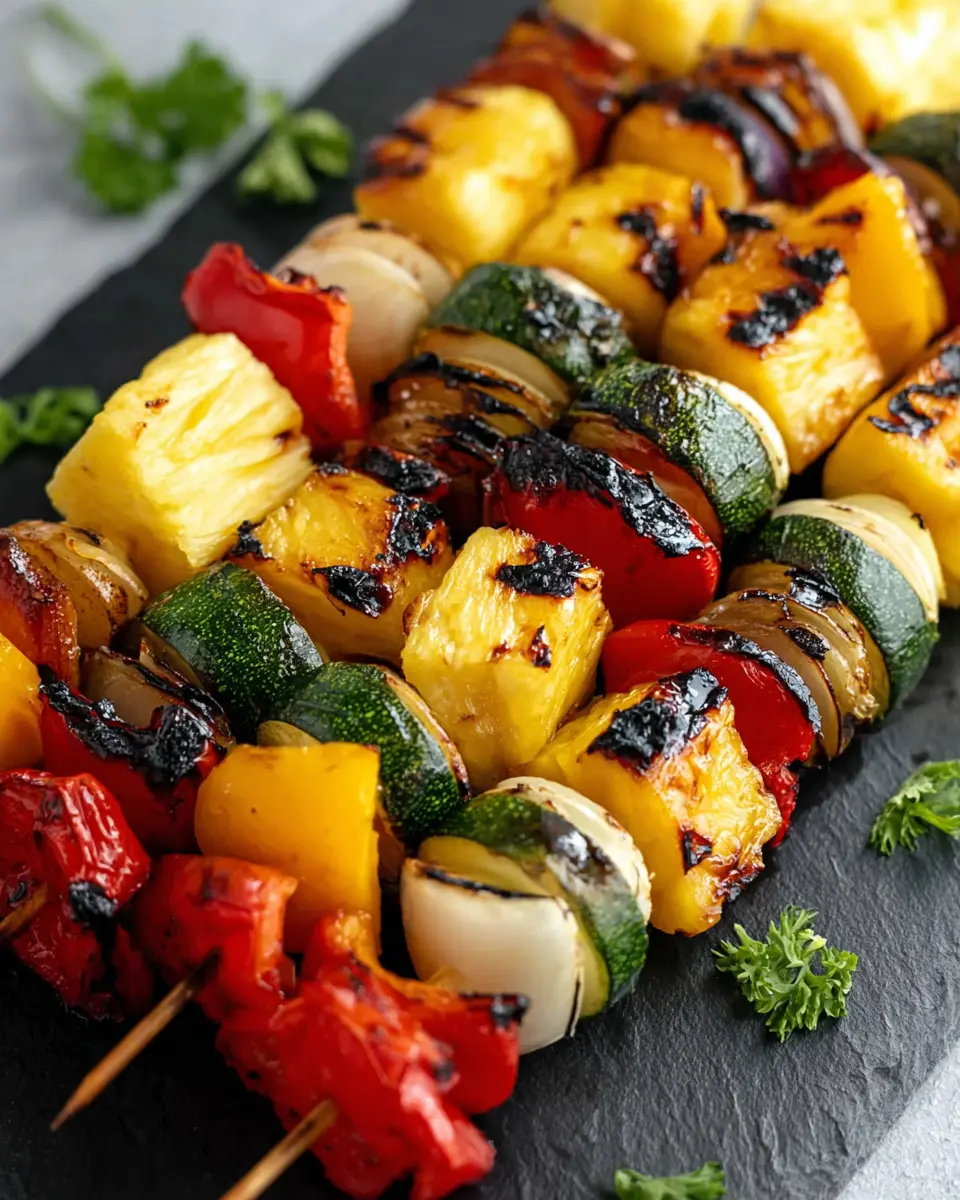
Grilled pineapple and veggie kabobs are a culinary masterpiece for any outdoor enthusiast, boasting a vibrant medley of sweet, juicy pineapple chunks interspersed with tender, lightly charred squash, bell peppers, and onions. These kabobs transform simple grilling into an event, offering a fresh, bright, and incredibly satisfying side dish perfect for warm-weather gatherings.
This dish embodies the essence of uncomplicated summer cooking, fitting seamlessly into any meal plan, whether you’re hosting a backyard barbecue or simply aiming to add a burst of color and flavor to your weeknight dinner. Their cheerful presentation on a platter is matched only by their speedy preparation and the sheer delight of their balanced taste profile.
Why You Will Love This Recipe
- Quick Preparation: This recipe comes together in a flash, ensuring you spend less time in the kitchen and more time enjoying the outdoors. The simple chopping and assembly mean dinner or your side dish is ready in under 30 minutes.
- Vibrant Flavors: The natural sweetness of grilled pineapple caramelizes beautifully, offering a delightful counterpoint to the savory, softened onions and the slightly smoky, tender vegetables. Each bite is a harmonious blend of sweet, savory, and subtly charred notes.
- Eye-Catching Presentation: The colorful assortment of vegetables and golden pineapple chunks threaded onto skewers makes for a visually stunning dish. These kabobs are guaranteed to add a pop of color and a festive feel to any meal, impressing guests with minimal effort.
- Healthy and Light: Packed with fresh produce and healthy fats from olive oil, these kabobs are a nutritious choice. They provide a good source of vitamins and fiber, making them a guilt-free indulgence that complements any main course.
- Versatile and Adaptable: This recipe serves as a fantastic base, easily customizable to your preferences or what’s available in your garden. It’s a flexible option that always yields delicious results, adaptable for various dietary needs and taste palates.
Ingredients You Need
The success of these grilled pineapple and veggie kabobs hinges on the quality and freshness of your ingredients. Opting for ripe, firm produce will ensure the best texture and flavor development on the grill. Each component plays a crucial role in creating the perfect balance of sweetness, savory notes, and satisfying char.
Grilled Pineapple and Veggie Kabobs
These grilled kabobs combine sweet pineapple with a colorful assortment of vegetables for a simple, vibrant dish with lightly charred edges and tender texture. Cooked over medium-high heat, they make a fresh and flavorful option for outdoor meals.
- 1 cup fresh pineapple, cut into 1-inch pieces
- 2 large yellow onions, cut into eighths with the root end left attached to help hold the sections together
- Sea salt, to taste
- 1 large green squash, sliced into pieces about 1 inch thick
- Olive oil, for drizzling
- 2 bell peppers of any color, seeded and cut into chunks about 1 to 1½ inches wide
- Freshly ground black pepper, to taste
- 1 large summer squash, cut into 1-inch chunks
- 1Prepare the produce first. Cut each onion into eighths, keeping the root attached so the layers stay together more easily during grilling.
- 2Trim and seed the bell peppers, then cut them into pieces about 1 to 1½ inches square. Cut the summer squash into 1-inch chunks, slice the green squash into pieces about 1 inch thick, and cut the pineapple into 1-inch chunks so everything cooks at a similar rate.
- 3Preheat the grill to medium-high heat. This temperature allows the kabobs to cook through while developing light charring without scorching.
- 4Thread the vegetables and pineapple onto skewers, alternating the pieces to create a balanced and colorful arrangement. Make sure each piece is secured well on the skewers.
- 5Drizzle the assembled kabobs with olive oil, then season with sea salt and ground black pepper. A grill basket may be used instead of skewers if preferred.
- 6Place the kabobs on the preheated grill. Turn them every 5 minutes so they cook evenly and develop grill marks on all sides.
- 7Continue grilling for 15 to 20 minutes, or until the vegetables and pineapple are tender and lightly charred. Remove from the grill carefully, let them cool briefly, and serve.
Keywords: Grilled Pineapple, Veggie Kabobs, Summer Grilling, Side Dish, Vegetarian, Healthy
Quantities for each ingredient can be found within the provided recipe card.
Variations
Elevate your grilled pineapple and veggie kabobs with these creative twists, catering to diverse dietary needs and flavor preferences without compromising on taste or ease of preparation.
Vegan Delight: For a fully plant-based experience, simply ensure your chosen vegetables and pineapple are the stars. Consider adding marinated tofu cubes or tempeh to the skewers for an extra protein boost. A marinade of soy sauce, garlic, ginger, and a touch of maple syrup before grilling will imbue these additions with incredible flavor. This variation keeps the vibrant, fresh spirit of the original while embracing entirely vegan ingredients.
Low-Carb Appeal: To make these kabobs suitable for a low-carbohydrate diet, replace the pineapple with heartier, lower-sugar vegetables. Think zucchini, mushrooms, and bell peppers, perhaps adding some cauliflower florets that have been lightly blanched beforehand. A sprinkle of nutritional yeast can add a cheesy, umami flavor without the carbs, and a drizzle of balsamic glaze offers a touch of sweetness. This adaptation focuses on maximizing savory vegetable flavors.
Spicy Kick: For those who enjoy a little heat, incorporate jalapeños or serrano peppers into your kabob assembly. You can also create a spicy marinade using chili flakes, smoked paprika, and a dash of hot sauce mixed with olive oil. This adds a wonderful warmth and complexity that complements the sweet pineapple and savory vegetables beautifully, offering a thrilling contrast.
How to Prepare Grilled Pineapple and Veggie Kabobs
Step 1: Preparing the Produce for Grilling
The foundation of delicious kabobs lies in the proper preparation of your ingredients. Begin by carefully cutting the fresh pineapple into substantial, grill-friendly chunks, aiming for pieces approximately one inch in size. This ensures they won’t fall apart during the cooking process and will develop a lovely caramelized exterior.
Next, tackle the vegetables with similar precision. For the yellow onions, cut them into large wedges, often referred to as eighths. It is highly beneficial to leave a small portion of the root end attached to these onion wedges; this acts as a natural binder, helping to hold the layers together on the skewer as they cook, preventing them from disintegrating into separate rings.
Bell peppers, regardless of color, should be seeded and then cut into pieces that are roughly equivalent in size to the pineapple chunks and onion wedges, typically between one to one and a half inches. This uniformity in size is absolutely critical for achieving even cooking across all the components on the skewer. Similarly, prepare the green and summer squash by cutting them into sturdy pieces, about one inch thick or in chunks of comparable size to the other ingredients.
Step 2: Preheating Your Grill to Perfection
Before you even think about assembling your skewers, it is imperative to get your grill to the optimal temperature. For these grilled pineapple and veggie kabobs, a medium-high heat is the sweet spot. This temperature range is crucial because it allows the surfaces of the pineapple and vegetables to sear and develop attractive grill marks and a desirable char, while simultaneously cooking the interiors until tender.
A grill that is not sufficiently hot will lead to ingredients that steam rather than sear, resulting in a less appealing texture and flavor. The aim is to achieve that satisfying smoky char that defines grilled vegetables, and this can only happen on a properly heated surface. Ensure your grill grates are clean to prevent sticking and to allow for clean, crisp grill marks.
Take the time to preheat your grill for at least 10-15 minutes. This ensures consistent heat distribution across the entire grilling surface. If you are using a gas grill, set the burners to medium-high; for a charcoal grill, allow the coals to become covered with gray ash before you begin cooking. This preparation step is non-negotiable for successful kabob grilling.
Step 3: Assembling the Kabobs with Flair
Now comes the fun part: threading the prepared ingredients onto your skewers. This is where you can get creative with the visual appeal of your kabobs. Start by alternating the pieces of pineapple and the various vegetables in a colorful and varied pattern. A good strategy is to mix the bright yellow pineapple with the red, green, and yellow of the bell peppers, the soft green of the squash, and the deepening hues of the onion.
Ensure that each piece is threaded onto the skewer securely, but avoid packing them too tightly. Leaving a small amount of space between each item allows for better heat circulation and ensures that each piece gets direct contact with the grill grates, promoting even cooking and charring. Overcrowding can lead to steaming, which is the antithesis of that desirable grilled flavor and texture.
If you are using wooden skewers, remember to soak them in water for at least 30 minutes before use. This prevents them from burning or catching fire on the hot grill. Metal skewers do not require soaking but can get very hot, so using a pair of tongs or heat-resistant gloves when handling them is advised. The goal is a balanced skewer where every bite offers a delightful combination of sweet and savory.
Step 4: Seasoning for Maximum Flavor
Once your skewers are fully assembled with their vibrant cargo, it’s time to season them to perfection. Drizzle the entire assembled skewers generously with good quality olive oil. This oil acts as a lubricant, helping the salt and pepper adhere to the produce and ensuring that the surfaces get a nice, even browning and char as they cook on the grill.
Follow the olive oil with a liberal application of sea salt and freshly ground black pepper. Don’t be shy with the seasoning; the grill environment can dissipate some of the flavor, and the vegetables and pineapple can handle a good amount of seasoning. The salt enhances the natural sweetness of the pineapple and brings out the savory notes of the vegetables, while the pepper adds a subtle warmth and complexity.
Gently turn the skewers in your hands or on a clean tray to ensure that the oil and seasonings coat all sides of the fruit and vegetables. This step is crucial for uniform flavor distribution. You want every piece to be kissed by the seasoning, ready to transform into a delightful morsel on the grill. Consider adding a pinch of garlic powder or a touch of paprika for an extra layer of flavor if you desire, but the classic salt and pepper pairing is wonderfully effective.
Step 5: Grilling to Golden Perfection
With your grill preheated and your seasoned kabobs ready, it’s time to move them to the heat. Carefully place the assembled skewers directly onto the medium-high heat of your grill grates. You should hear a satisfying sizzle as the oil and natural juices begin to react with the hot surface.
Allow the kabobs to cook undisturbed for a few minutes initially, letting them develop those beautiful grill marks. Then, using tongs, begin turning the kabobs every few minutes to ensure even cooking and charring on all sides. The goal is to achieve slightly blistered peppers, tender and softened onions, yielding squash, and pineapple that is beautifully caramelized with lightly charred edges.
The total cooking time will typically range from 15 to 20 minutes, depending on the exact heat of your grill and the size of your ingredient pieces. Keep a close eye on them, as the pineapple can caramelize quickly and you don’t want it to become mushy. Rotate them frequently to prevent any one side from burning before the others are cooked through. The visual cues of tender vegetables and golden-brown pineapple are your best indicators of doneness.
Step 6: Resting and Serving Your Masterpiece
Once your grilled pineapple and veggie kabobs have reached that perfect point of tenderness and charring, it’s time to carefully remove them from the grill. Use your tongs to lift them off the hot grates and place them onto a clean platter or baking sheet. Be mindful that the skewers and their contents will be very hot at this stage.
Allow the kabobs to rest for a brief period, perhaps 5 to 10 minutes, before serving. This resting period is important because it allows the juices within the vegetables and pineapple to redistribute, resulting in a more tender and flavorful bite. It also makes the kabobs slightly easier to handle when serving, especially if you plan to serve them directly off the skewers.
As they rest, the vibrant colors will intensify slightly, and the aroma will become even more enticing. This brief pause ensures that the flavors have had a moment to meld and settle, making for the most enjoyable eating experience. Serve them warm, and watch them disappear quickly!
Pro Tips for Grilled Pineapple and Veggie Kabobs
Consistent Sizing is Key: The most crucial tip for evenly cooked kabobs is to cut all your ingredients—pineapple, peppers, onions, and squash—into pieces of very similar size. This ensures that everything finishes cooking around the same time, preventing some items from becoming mushy while others remain undercooked.
Don’t Overcrowd the Skewers: While it might be tempting to pack as many delicious pieces as possible onto each skewer, resist the urge. Leaving a little space between each item allows the heat to circulate freely, promoting proper searing and charring rather than steaming the ingredients. This space is vital for developing those coveted grill marks and that distinct grilled flavor.
Patience for Grill Marks: When placing the kabobs on the grill, give them a minute or two before attempting to turn them. This allows the initial contact with the hot grill grates to form a nice crust and develop those attractive, classic grill marks. Forcing them too early can cause them to stick or tear.
Consider a Grill Basket: If you find that smaller pieces of vegetables tend to fall through the grates, or if you’re not using skewers, a grill basket is an excellent alternative. It allows you to cook chopped or irregularly shaped ingredients, like smaller onion pieces or very soft squash, with the same smoky charring effect and ease of turning.
Spice it Up (or Don’t!): While the basic salt and pepper seasoning is fantastic, don’t hesitate to experiment with other spices. A sprinkle of garlic powder, onion powder, smoked paprika, or even a touch of cumin can add exciting new dimensions to the flavor profile. Conversely, keeping it simple allows the natural sweetness of the pineapple and the grilled vegetables to truly shine.
Serving Suggestions for Grilled Pineapple and Veggie Kabobs
Decoration
Garnish your vibrant grilled pineapple and veggie kabobs with a scattering of fresh chopped cilantro or parsley just before serving. A sprinkle of toasted sesame seeds can add a delightful nutty crunch and visual interest. For an extra touch of color and freshness, a squeeze of lime juice over the top just before presenting them can brighten all the flavors beautifully.
Side Dishes
These kabobs are exceptionally versatile and pair wonderfully with a wide range of main courses. They make a perfect accompaniment to grilled chicken, succulent steak, juicy burgers, or even simple grilled fish. For a lighter meal, they are an excellent addition to a large, crisp green salad or a chilled quinoa salad. The sweetness of the pineapple and the savory char of the vegetables provide a refreshing contrast to richer proteins.
If you’re aiming for a more substantial meal, consider serving them alongside a hearty grain like fluffy rice, flavorful couscous, or wholesome quinoa. These bases are perfect for catching any delicious juices that might drip from the skewers. They also complement dishes like baked lemon chicken, adding a sweet and tangy dimension to the plate.
Creative Serving Ideas
Beyond simply serving them on skewers, you can deconstruct the kabobs and toss the grilled components with a light vinaigrette for a stunning grilled vegetable salad. They can also be served over a bed of creamy polenta or mashed sweet potatoes for a more elegant presentation. For a casual gathering, arrange the de-skewered components on a large platter and serve with a trio of dipping sauces: a spicy aioli, a tangy yogurt-based dip, and a sweet chili sauce.
Consider incorporating them into other dishes; chop them up and add them to tacos or wraps for an instant burst of flavor and texture. They also make a fantastic topping for grilled pizzas or flatbreads, adding a sweet and savory element that is sure to impress. The possibilities are as endless as your culinary imagination.
Preparation & Storage
Storing Leftovers
Should you find yourself with leftover grilled pineapple and veggie kabobs, proper storage is key to maintaining their quality. Once cooled, transfer the kabobs to an airtight container. It can be beneficial to remove the cooked ingredients from the skewers before storing, as this often allows them to fit more compactly into the container, and it can prevent the softer vegetables from being overly compressed.
These leftovers can be refrigerated for up to three days. The flavors often meld and deepen overnight, making them quite delicious even on the second or third day. Ensure the container is sealed tightly to prevent them from drying out or absorbing other odors from the refrigerator. This method is ideal for preserving the integrity of the cooked produce.
Freezing
While it is possible to freeze cooked grilled pineapple and veggie kabobs, it is generally not recommended if you wish to maintain the best possible texture. The high water content in many of the vegetables, particularly the squash and peppers, can lead to a mushy consistency upon thawing and reheating. If freezing is absolutely necessary, aim to use them within one month.
For the best results when freezing, you might consider freezing the cooked vegetables and pineapple separately from the skewers. Place them in freezer-safe bags or containers, ensuring they are well-sealed to prevent freezer burn. When you are ready to use them, they will likely require cooking in a pan or oven to regain some of their original texture rather than simply reheating.
Reheating
To reheat your leftover grilled pineapple and veggie kabobs and enjoy them almost as much as when they were freshly grilled, several methods work well. For the best texture, gently warm them in a skillet over medium heat or on a grill pan, turning occasionally until heated through. This method helps to revive some of the char and prevent them from becoming too soft.
Alternatively, you can reheat them in a preheated oven at 350°F (175°C) for about 5-10 minutes, or until warm. This provides even heating without overcooking. If you’re in a real hurry, the microwave can be used, but be aware that this method can sometimes make the vegetables, especially the squash, a bit softer or watery due to the intense heat.
Frequently Asked Questions
-
Can I prepare the kabobs ahead of time, and if so, what is the best way to do it?
Absolutely, preparing the components of these kabobs in advance is a fantastic time-saver for busy days. You can chop all your vegetables and pineapple a few hours before you plan to grill. Store them separately in airtight containers in the refrigerator to keep them fresh and prevent flavors from mingling prematurely. Alternatively, you can thread the ingredients onto the skewers a few hours ahead of time, but it is crucial to wait to drizzle them with olive oil and season them with salt and pepper until just before they hit the grill. This ensures the oil doesn’t make the vegetables soggy and the seasonings adhere properly for optimal flavor development during grilling.
-
Why do my vegetables sometimes slip or spin on the skewers, and how can I prevent this from happening?
Vegetables slipping or spinning on skewers is a common frustration, usually stemming from the size and shape of the cut pieces or how they are threaded. The most effective way to combat this is to cut your ingredients into larger, more robust pieces that have a bit of surface area to grip the skewer. For onions, leaving the root end attached, as mentioned in the recipe, is a game-changer as it holds the layers together. Ensure you thread the pieces snugly against each other on the skewer, so they support one another; this creates a more stable unit. Using slightly thicker skewers, whether metal or soaked wooden ones, can also provide a better grip than very thin skewers.
-
What are the best alternatives if I don’t have skewers or want an easier grilling option?
If skewers are not an option, or if you simply prefer a more hands-off grilling experience, a grill basket is an excellent substitute. You can chop all your ingredients into bite-sized pieces and toss them directly into a grill basket. The basket allows for easy turning and ensures that smaller or irregularly shaped items won’t fall through the grates into the fiery abyss below. The key is to use a basket with a fine mesh or closely spaced bars to keep everything contained. This method yields the same delicious smoky, charred flavors as traditional kabobs and can sometimes even make the cooking process more uniform as all the pieces are interacting with the heat at the same level.