Gebackenes Gemüse mit Schafskäse – Einfach und Lecker für Jede Gelegenheit – Muma’s Kitchen
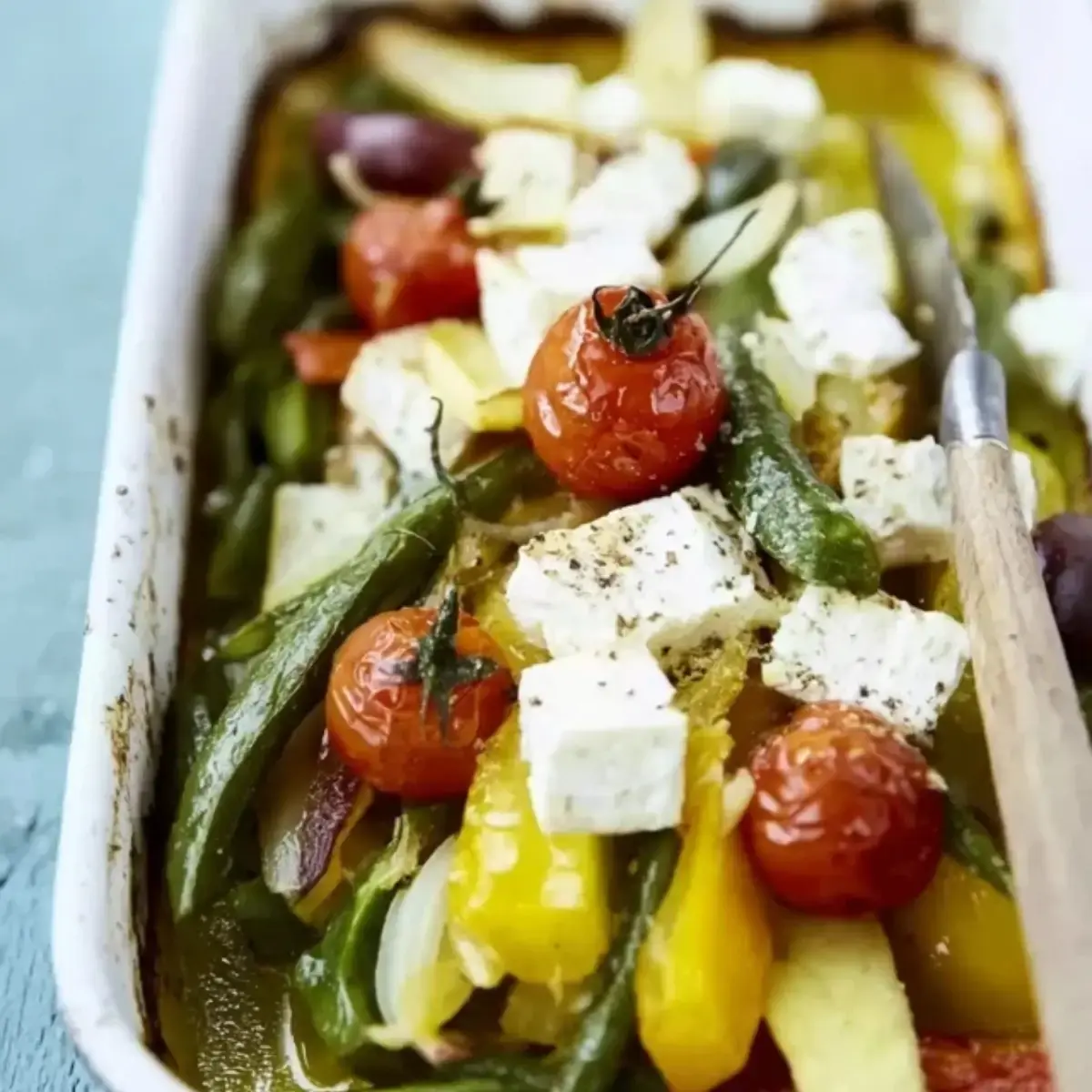
Gebackenes Gemüse mit Schafskäse, translated to “Baked Vegetables with Feta Cheese,” offers a delightful culinary experience that beautifully marries the earthy goodness of roasted vegetables with the tangy creaminess of sheep’s cheese. This dish is celebrated for its simplicity and the vibrant medley of flavors and textures it presents, making it a versatile addition to any meal plan.
It’s more than just a recipe; it’s an invitation to embrace fresh, seasonal produce and transform it into something truly special. The aroma that fills your kitchen as the vegetables roast and the cheese melts is utterly captivating, promising a satisfying and nourishing meal. This delightful preparation stands out as a testament to how straightforward ingredients can create profound culinary joy.
Why You Will Love This Recipe
- Effortless Preparation: Requiring minimal active cooking time, this dish is perfect for busy weeknights or when you want a fuss-free yet impressive meal.
- Healthy & Nutritious: Packed with a variety of vegetables, it provides essential vitamins, minerals, and fiber, making it a wholesome choice for you and your family.
- Customizable Flavor: The base recipe is wonderfully adaptable, allowing you to swap vegetables based on seasonality or personal preference, ensuring endless delicious variations.
- Visually Appealing: The natural vibrant colors of the mixed vegetables, complemented by the creamy white of the melted sheep’s cheese, create a stunning presentation on any table.
- Satisfying & Flavorful: The combination of tender roasted vegetables and the distinct, savory taste of sheep’s cheese delivers a rich and deeply satisfying culinary experience.
Ingredients You Need
The quality of your ingredients plays a pivotal role in the success of this baked vegetable dish. Opting for the freshest, most vibrant produce will elevate the flavors and textures, ensuring a truly remarkable outcome. Fresh herbs and good quality olive oil also make a significant difference, enhancing the natural sweetness of the vegetables and the salty tang of the cheese.
Baked Vegetables with Sheep’s Cheese
A delicious, healthy, and easy-to-prepare dish combining a variety of fresh vegetables roasted in the oven and refined with aromatic sheep's cheese. The result is a colorful, flavorful delight that convinces not only in spring but all year round. This dish is perfect for a quick dinner or as a side dish to meat or fish.
- Potatoes: They provide a filling base for the dish and ensure a hearty creamy texture.
- Beans: The green beans add a fresh and crunchy texture that gives the vegetables a special touch.
- Tomatoes: They provide freshness and a slightly sour taste that harmonizes well with the creamy sheep's cheese.
- Onions: The onions bring a slightly sweet note and additional flavor to the dish.
- Zucchini: Zucchini provides a soft texture and an extra portion of freshness.
- Rosemary: Rosemary gives the vegetables an intense, aromatic scent that becomes even more pronounced when roasting.
- Olive oil: Olive oil provides a juicy, golden-brown finish when baking and enhances the flavor of the vegetables.
- Sheep's cheese: Sheep's cheese is the highlight of the dish – it brings a creamy, slightly salty note that harmonizes perfectly with the roasted vegetables.
- 1Peel, wash, and cut the potatoes into wedges.
- 2Clean, wash, and halve the beans. Wash and halve the tomatoes.
- 3Peel and cut the onions into rings. Clean, wash, halve lengthwise, and slice the zucchini.
- 4Mix all prepared ingredients (potatoes, beans, tomatoes, onions, zucchini) in a large bowl with fresh rosemary and season with salt and pepper.
- 5Transfer everything to a baking dish, drizzle with olive oil, and add broth.
- 6Bake in a preheated oven at 200°C (convection 180°C) for about 30 minutes, stirring the vegetables once in between.
- 7After 25 minutes, crumble the sheep's cheese and sprinkle it over the vegetables.
- 8Bake for another 5 minutes until the cheese is lightly melted and golden brown.
Keywords: baked vegetables, sheep's cheese, roasted vegetables, vegetarian, healthy, easy recipe, German cuisine
- potatoes: they provide a hearty and satisfying base, becoming tender and slightly creamy when roasted to perfection.
- beans: these add a welcome crunch and a burst of freshness, providing a delightful textural contrast to the softer elements.
- tomatoes: their inherent sweetness and slight acidity caramelize beautifully in the oven, adding depth and brightness.
- onions: thinly sliced onions soften and sweeten during the roasting process, infusing the dish with a subtle, savory undertone.
- zucchini: this versatile vegetable becomes tender and absorbs the surrounding flavors wonderfully, contributing a mild, earthy note.
- rosemary: its pungent, pine-like aroma intensifies with heat, imparting a classic Mediterranean fragrance to the entire dish.
- olive oil: a good quality extra virgin olive oil coats the vegetables, promoting even browning and adding a fruity richness.
- sheep’s cheese: this is the star ingredient, melting into creamy pockets of salty goodness that complement the roasted vegetables perfectly.
Specific quantities for each ingredient can be found in the detailed recipe card.
Variations
Exploring variations of this gebackenes Gemüse mit Schafskäse can lead to exciting new culinary adventures, catering to diverse tastes and dietary needs. The adaptability of this dish is one of its strongest assets, allowing for creative reinterpretations.
For those seeking a vibrant plant-based option, a vegan modification is wonderfully straightforward. Simply omit the sheep’s cheese and substitute it with a high-quality vegan feta alternative. Many excellent cashew-based or almond-based vegan cheeses are available that mimic the tangy, crumbly texture of traditional feta, melting beautifully to provide that crucial creamy element. You could also add pan-fried tofu cubes or seasoned tempeh for extra protein, ensuring the dish remains hearty and satisfying for a completely vegan meal.
To cater to a low-carbohydrate lifestyle, you can dramatically reduce or eliminate the potatoes and focus on a wider array of non-starchy vegetables. Think about incorporating more bell peppers of various colors, broccoli florets, cauliflower, asparagus spears, and perhaps some Brussels sprouts halved or quartered. These vegetables roast beautifully and pair exceptionally well with the sheep’s cheese. Consider adding a sprinkle of nutritional yeast for a cheesy flavor boost without the dairy, or a generous handful of chopped almonds or pumpkin seeds for added crunch and healthy fats.
Embracing seasonal produce offers another layer of delicious possibilities. In autumn, roasted root vegetables like butternut squash, parsnips, and sweet potatoes can replace or augment the traditional potatoes, offering a delightful sweetness and earthy depth. Adding a handful of fresh cranberries or pomegranate seeds towards the end of baking can introduce a tart, festive burst. During summer, incorporate juicy cherry tomatoes, zucchini blossoms, or even some sweet corn kernels for a taste of sunshine in every bite, complementing the Mediterranean feel of the original recipe.
How to Prepare gebackenes Gemüse mit Schafskäse
Step 1: Preparing the Foundation
Begin by selecting your root vegetables, primarily potatoes, which form the satisfying base of this dish. Thoroughly wash the potatoes to remove any dirt, then peel them if you prefer a smoother texture, though leaving the skins on can add extra fiber and a rustic charm. Cut the potatoes into uniform wedges or bite-sized chunks; this ensures they cook evenly alongside the other vegetables.
The uniform sizing is crucial for achieving that perfect tenderness without any pieces being undercooked or overcooked. Ensure your cutting board is stable and your knife is sharp for safe and efficient preparation. This initial step sets the stage for the roasting process, allowing the potatoes to soften and develop a lovely golden hue.
Step 2: Adding Color and Freshness
Next, turn your attention to the vibrant green beans, which bring a delightful freshness and a slight crunch. Trim the ends of the fresh green beans, giving them a quick rinse under cool water, and then halve them. This makes them easier to eat and ensures they integrate well with the other components of the bake. Simultaneously, prepare the tomatoes by washing them thoroughly and then halving them; smaller cherry tomatoes can be left whole if preferred.
The tomatoes will release their juices as they cook, contributing a wonderfully sweet and slightly acidic note that cuts through the richness of the cheese and the earthiness of the other vegetables. The combination of the crisp beans and the juicy tomatoes adds essential contrasting elements that make each bite exciting. This step focuses on building layers of flavor and texture.
Step 3: Building Aromatic Depth
Onions are key to adding a layer of savory sweetness that deepens the overall flavor profile of the baked vegetables. Peel the onions and then slice them into even rings; the thickness of the rings will affect how quickly they caramelize. For a softer, sweeter onion flavor, slice them thinly. Wash and prepare the zucchini next; trimming the ends, then slicing it lengthwise and subsequently into half-moons or thick rounds works beautifully.
Zucchini becomes wonderfully tender when roasted and readily absorbs the flavors of the surrounding ingredients. Its mild taste makes it a perfect canvas for the herbs and cheese that will be added. The onions will caramelize and soften considerably during the baking process, releasing their natural sugars and adding a complex, mellow sweetness that complements the other vegetables.
Step 4: Infusing with Herbs and Seasoning
Combine all the prepared vegetables – the potatoes, green beans, tomatoes, onions, and zucchini – in a large mixing bowl. Add a generous sprig of fresh rosemary, gently bruising the needles to release their aromatic oils; you can also finely chop the rosemary if you prefer a more dispersed flavor. Season the vegetable mixture liberally with salt and freshly ground black pepper, ensuring each piece is coated.
The salt will draw out moisture from the vegetables, aiding in the caramelization process and intensifying their natural flavors, while the pepper adds a subtle warmth and complexity. The fresh rosemary is essential for that characteristic Mediterranean aroma; its fragrance will become even more pronounced as the vegetables roast. This step is critical for ensuring every component of the dish is seasoned to perfection before baking.
Step 5: The Roasting Process Begins
Transfer the seasoned and mixed vegetables into a suitable baking dish or oven-safe skillet. Drizzle generously with good quality olive oil, ensuring all the vegetables are lightly coated to promote even roasting and prevent sticking. Pour in a small amount of vegetable broth or water into the bottom of the dish; this helps to create steam, keeping the vegetables moist and tender as they cook, while also preventing them from drying out.
Preheat your oven to the specified temperature, typically around 200°C (180°C fan/convection). Place the baking dish in the preheated oven. Allow the vegetables to roast for approximately 30 minutes, during which time they will begin to soften and develop lovely golden-brown edges. It’s beneficial to give the vegetables a stir about halfway through this initial roasting period to ensure uniform cooking and browning.
Step 6: The Grand Finale with Cheese
After the initial 30 minutes of roasting, carefully remove the baking dish from the oven. Take your block or pre-crumbled sheep’s cheese and generously crumble it over the top of the partially cooked vegetables. Ensure the cheese is distributed evenly across the surface of the dish, allowing it to melt and create delightful pockets of creamy, savory goodness. Return the dish to the oven for an additional 5 to 10 minutes.
The goal here is for the sheep’s cheese to become beautifully melted, slightly golden, and wonderfully gooey. This final short burst of heat allows the cheese to transform into a luscious topping that binds the flavors of the roasted vegetables together. The aroma at this stage is simply divine, a fragrant blend of roasted vegetables and melting cheese.
Pro Tips for gebackenes Gemüse mit Schafskäse
Uniform Cutting is Key: For the most even cooking, ensure all your vegetables are cut into similar sizes. This prevents smaller pieces from burning while larger ones remain undercooked, ensuring a consistent texture throughout the dish. Aim for roughly bite-sized pieces that will roast uniformly in the oven.
Don’t Overcrowd the Pan: Give your vegetables enough space in the baking dish. Overcrowding will cause them to steam rather than roast, resulting in a less desirable texture. Use a larger baking dish or cook in batches if necessary to achieve that perfect golden-brown caramelization.
Fresh Herbs Make a Difference: While dried herbs can be used in a pinch, fresh rosemary (or even thyme) truly elevates this dish. Gently bruising the fresh sprigs before adding them releases their essential oils and fragrance more effectively during the roasting process. The aroma alone is worth the extra effort.
Adjust Roasting Time: Oven temperatures can vary, so keep an eye on your vegetables during the roasting process. The exact cooking time will depend on your oven and the size of your vegetable pieces. Look for tender vegetables with slightly caramelized edges, and adjust the time as needed to achieve your desired level of doneness.
Cheese Placement Matters: For the best melt and flavor distribution, add the sheep’s cheese towards the end of the cooking time. This prevents it from burning or becoming overly oily, allowing it to soften and create those irresistible creamy pockets that complement the roasted vegetables perfectly. A final few minutes in the oven are usually sufficient.
Serving Suggestions for gebackenes Gemüse mit Schafskäse
Decoration
A simple garnish can significantly enhance the visual appeal of your gebackenes Gemüse mit Schafskäse. A sprinkle of fresh, finely chopped parsley or chives adds a vibrant green contrast and a touch of freshness. You could also add a few whole rosemary sprigs artfully placed on top before serving for an aromatic and decorative touch. A drizzle of balsamic glaze over the finished dish can add a glossy sheen and a hint of sweet tanginess, looking quite sophisticated.
Side Dishes
This versatile dish shines as a main course or a hearty side. For a complete meal, consider serving it alongside grilled chicken breasts, pan-seared fish like salmon or cod, or even lean lamb chops. A simple side salad with a light vinaigrette provides a refreshing counterpoint to the richness of the baked vegetables and cheese. Crusty bread is also an excellent accompaniment, perfect for soaking up any delicious juices left in the baking dish.
Creative Serving Ideas
Transform this simple bake into an elegant starter by serving individual portions in small ramekins or oven-safe bowls. You could also repurpose leftovers by folding them into an omelet or frittata for a delightful brunch option. For a lighter lunch, serve it over a bed of fluffy quinoa or couscous. A dollop of Greek yogurt or a swirl of pesto can add an extra layer of flavor and texture, making each serving a unique experience.
Preparation & Storage
Storing Leftovers
Leftover gebackenes Gemüse mit Schafskäse can be stored in an airtight container in the refrigerator for up to 3-4 days. Ensure the dish has cooled completely before sealing and refrigerating to prevent condensation, which can make the vegetables soggy. The flavors often meld and deepen overnight, making it just as delicious, if not more so, the next day.
Freezing
While freezing is possible, it is generally not recommended for this dish, as the texture of the vegetables can become somewhat mushy upon thawing, particularly the potatoes and zucchini. If you must freeze it, cool the dish completely, transfer it to freezer-safe containers or bags, and consume within 1-2 months for best quality. It’s best enjoyed fresh to appreciate the textures.
Reheating
To reheat, the best method is to place the cooled leftovers back into an oven-safe dish and warm them in a preheated oven at around 180°C (350°F) until heated through. This helps to restore some of the crispness and texture. Alternatively, you can gently reheat it in a skillet over medium-low heat, stirring occasionally, or microwave it for a quick option, though the texture may be softer.
Frequently Asked Questions
-
Can I prepare the vegetables in advance for this recipe?
Absolutely! You can wash, chop, and prepare all the vegetables a day in advance and store them in separate airtight containers in the refrigerator. It’s best to keep the herbs separate until just before baking. When ready to cook, simply combine the prepped vegetables in your baking dish, toss with olive oil and seasonings, and proceed with the recipe as usual. This significantly reduces your active preparation time on the day of cooking, making it ideal for busy schedules or for serving guests.
-
What are some good alternatives to sheep’s cheese if I have dietary restrictions or simply want to try something different?
If sheep’s cheese isn’t suitable or you’re looking for variety, there are several excellent alternatives. For a similar tangy and crumbly texture, traditional cow’s milk feta is a popular substitute. Goat cheese also offers a delightful creaminess and a distinct, slightly sharper flavor that pairs wonderfully with roasted vegetables. For a milder taste and excellent melting properties, mozzarella or provolone can be used, though they lack the characteristic tang of sheep’s cheese. If you’re aiming for a vegan option, a good quality plant-based feta or a blend of nutritional yeast and almond ricotta can provide a satisfying cheesy element.
-
How can I ensure the vegetables roast properly and don’t become soggy?
Achieving perfectly roasted, non-soggy vegetables involves a few key techniques. Firstly, ensure your oven is adequately preheated to the recommended temperature, as this initial blast of heat is crucial for caramelization. Secondly, avoid overcrowding the baking dish; giving the vegetables ample space allows hot air to circulate freely around them, promoting browning and evaporation. Drier vegetables also roast better, so if your vegetables are particularly wet after washing, pat them dry with paper towels before seasoning and adding oil. Finally, don’t be tempted to add too much liquid; while a small amount of broth can help with tenderness, excessive liquid will lead to steaming rather than roasting.