Irresistible Frangipane Cream Filling
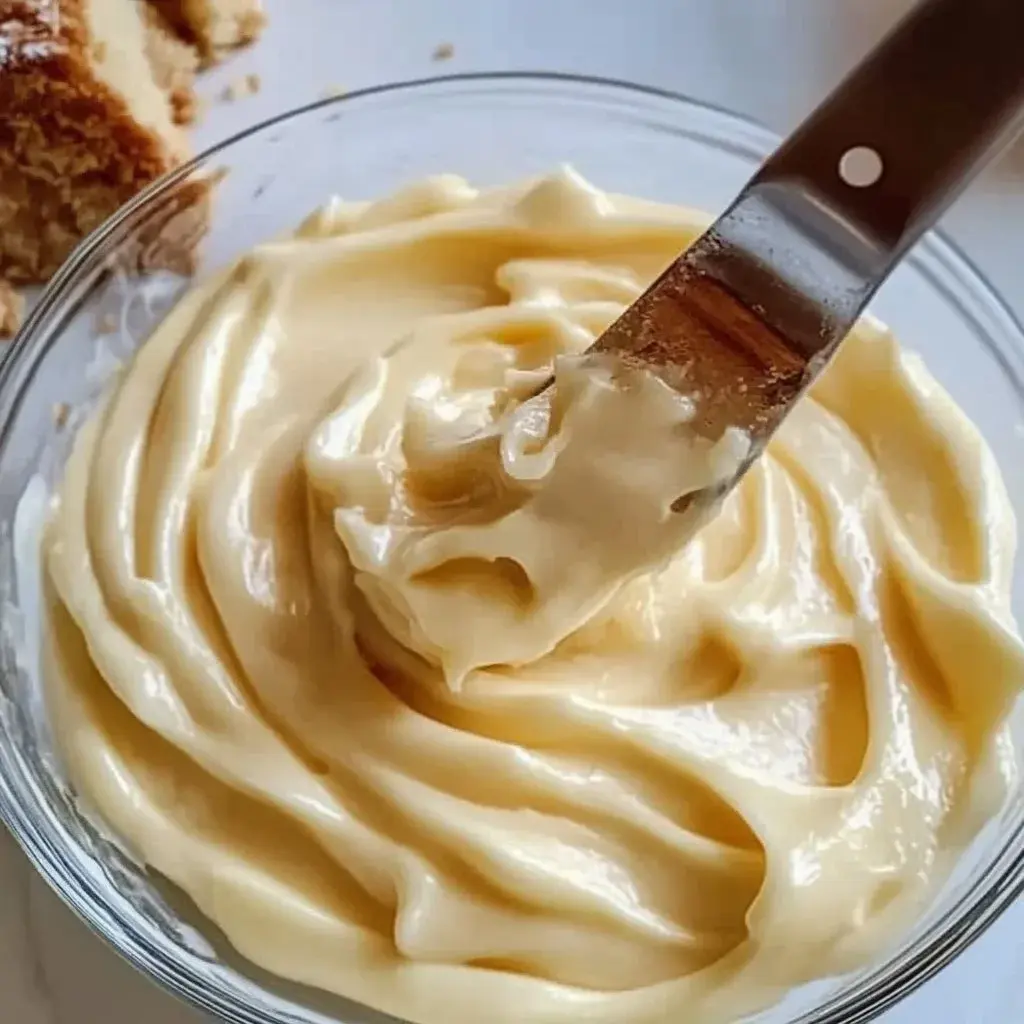
Have you ever tasted a dessert so rich and delightful that it sends your taste buds into a state of bliss? If you are looking for that experience, the Frangipane Cream Filling is what you need. This luscious, almond-infused cream is not only a staple in various pastries but also a dessert in its own right.
Frangipane Cream Filling is incredibly versatile, making it an ideal choice for both novice bakers and seasoned pros. The creamy texture and subtle flavor provide a perfect balance with fruit toppings or chocolate accents. It’s a guaranteed crowd-pleaser at any gathering or celebration, and its nutty aroma filling your kitchen as you create this delightful treat is an experience in itself.
Why You Will Love This Recipe
- Incredible Flavor: The rich, nutty taste of almonds combined with the sweetness creates a truly divine filling that elevates any dessert.
- Speedy Preparation: You can whip up this delicious frangipane filling in just a few simple steps, making it perfect for when you need a quick yet impressive dessert component.
- Ultimate Versatility: Whether you’re crafting tarts, delicate pastries, or even incorporating it into cakes, this filling adapts beautifully to a wide array of baking projects.
- Customizable Delight: Easily tailor this recipe to your preferences by adding extra fruit, exotic spices, or even decadent chocolate chips to create your unique signature flavor.
- Elegant Presentation: The smooth, creamy texture and subtle golden hue of frangipane add an undeniable touch of sophistication and visual appeal to any baked good.
Ingredients You Need
The foundation of a truly exceptional Frangipane Cream Filling lies in the quality of its ingredients. Opting for the freshest butter, finely ground almond flour, and good quality vanilla extract will make a noticeable difference in the final flavor and texture. Ensuring your ingredients are at the right temperature, especially the butter, is also key to achieving that perfectly smooth and creamy consistency we desire.
Frangipane Cream Filling
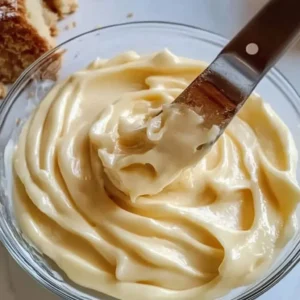
A rich and almond-infused cream filling perfect for tarts, pastries, and cakes, offering versatility and delightful flavor. This recipe is easy to make and uses simple ingredients, making it suitable for all baking levels.
- 100 g butter, softened
- 100 g sugar
- 100 g almond flour
- 2 eggs
- 1 teaspoon vanilla extract
- 50 g all-purpose flour
- 1Gather all your ingredients and measure them out for a smoother mixing process. Preheat your oven to 180°C (350°F).
- 2In a mixing bowl, cream the softened butter and sugar together until pale and fluffy.
- 3Add eggs one at a time, beating well after each addition. Mix in the vanilla extract.
- 4Gradually fold in the almond flour and all-purpose flour until just combined.
- 5Spoon the filling into your prepared pastry shell.
- 6Bake in the preheated oven for about 25 to 35 minutes, until set and lightly golden.
- 7Allow to cool completely before serving.
Keywords: Almond Cream, Baking, Cream Filling, Dessert Filling, Frangipane
- butter, softened: ensures a smooth, creamy base when blended with sugar.
- sugar: provides sweetness and contributes to the texture and caramelization during baking.
- almond flour: imparts a characteristic nutty flavor and a tender crumb.
- eggs: bind the ingredients together, add richness, and help create a stable filling.
- vanilla extract: enhances the overall flavor profile with its warm, aromatic notes.
- all-purpose flour: provides structure and helps bind the filling together, ensuring it holds its shape.
The exact quantities for these essential components are readily available within the comprehensive recipe card, ensuring your baking success.
Variations
One of the most delightful aspects of Frangipane Cream Filling is its inherent adaptability, allowing for countless creative twists. For a truly decadent experience, consider infusing the classic base with a touch of cocoa powder or even finely melted dark chocolate. This chocolate frangipane variation adds a deep, rich flavor that pairs exceptionally well with dark fruits like cherries or raspberries, creating a sophisticated dessert that’s sure to impress.
For those who appreciate the subtle nuances of fruit, a fruit-infused frangipane is a wonderful avenue to explore. Gently folding in finely chopped dried fruits such as apricots, cranberries, or figs can introduce delightful bursts of sweetness and chewiness. Alternatively, incorporating citrus zest, like lemon or orange, offers a bright, refreshing counterpoint to the richness of the almonds, bringing a vibrant freshness to the filling.
Embracing seasonal flavors is also a fantastic way to customize your frangipane. During the cooler months, a spiced frangipane is an absolute delight. A pinch of ground cinnamon, nutmeg, or even a touch of cardamom can transform the filling into a warm, cozy embrace, perfect for holiday baking. Imagine this spiced variation nestled within a swirled garlic herb and cheese bread-inspired pastry, offering a surprising yet welcome sweet element.
How to Prepare Frangipane Cream Filling
Step 1: Meticulous Ingredient Preparation
The journey to exquisite Frangipane Cream Filling begins with careful preparation. Ensure all your ingredients are precisely measured before you start the mixing process; this streamlined approach prevents last-minute scrambles and ensures consistent results. Setting out your softened butter, sugar, almond flour, eggs, vanilla extract, and all-purpose flour at this stage allows for a smooth, uninterrupted workflow, which is paramount in baking.
Simultaneously, preheating your oven to the specified temperature, typically 180°C (350°F), is a crucial early step. A properly preheated oven guarantees that your filling begins to bake evenly from the moment it enters, contributing to its ideal texture and color. This preparatory phase is more than just gathering; it’s about setting the stage for culinary success.
Step 2: The Art of Creaming Butter and Sugar
In a clean, spacious mixing bowl, commence by creaming the softened butter and sugar together. This foundational step involves using an electric mixer on a medium speed, blending the two ingredients until the mixture achieves a pale yellow hue and a distinctly fluffy, airy consistency. The act of creaming is vital; it effectively incorporates air into the mixture, laying the groundwork for a light and tender frangipane filling that melts in your mouth.
The visual cue for successful creaming is when the sugar crystals are no longer discernible and the butter has lightened considerably in both color and volume. Rushing this step can lead to a denser final product, so take your time to ensure you achieve that perfect pale and fluffy texture. This creates a beautiful, emulsified base ready for the next stage of flavor development.
Step 3: Harmonizing Eggs and Vanilla
With the butter and sugar mixture perfectly creamed, it’s time to introduce the eggs. Add them one at a time, ensuring that each egg is thoroughly beaten into the mixture before proceeding to the next. This gradual incorporation prevents the mixture from separating and guarantees a smooth, cohesive emulsion. Beating well after each egg addition is key to achieving that desirable silky texture.
Following the eggs, gently stir in the teaspoon of high-quality vanilla extract. This aromatic ingredient is not just for scent; it plays a significant role in rounding out the nutty almond flavor and adding a layer of comforting sweetness. The vanilla’s fragrant notes will permeate the entire filling, contributing to its overall delightful aroma and taste experience.
Step 4: The Gentle Fold of Flours
Now, it’s time to introduce the dry ingredients: the almond flour and the all-purpose flour. It is imperative to add these flours gradually, folding them into the wet ingredients with a light hand. Use a spatula and a gentle, figure-eight motion to combine everything until just homogenous; overmixing at this stage can develop the gluten in the all-purpose flour too much, resulting in a tougher filling.
The goal is to incorporate the flours without deflating the airy volume you painstakingly created during the creaming stage. You should see no dry streaks of flour, and the mixture should have a uniform, thick, yet creamy consistency. This careful folding ensures that the frangipane retains its delicate texture, making it wonderfully moist and tender once baked.
Step 5: Preparing the Filling for Its Destiny
At this point, your Frangipane Cream Filling has reached its optimal consistency and is ready for its culinary application. The mixture should be thick enough to hold its shape when spooned but still spreadable. This stage marks the transition from creating the filling to integrating it into your chosen pastry base, such as a pre-baked tart shell or a galette crust.
The anticipation builds as you prepare to see your creation come to life. This is the moment where the base is set, and the star ingredient, your homemade frangipane, is poised to transform a simple pastry into something truly spectacular. Its readiness signifies the successful completion of the initial preparation phases.
Step 6: Even Distribution and Topping
Carefully spoon the prepared Frangipane Cream Filling into your waiting pastry crust, aiming for an even layer across the entire surface. Utilize a spatula to gently spread the filling, ensuring it reaches into all the corners and creates a smooth, polished top. This even distribution is crucial for uniform baking and a visually appealing finished product that promises delightful bites.
If your chosen recipe includes additional toppings, such as sliced fruits like apples or pears, or a scattering of nuts, now is the perfect opportunity to arrange them artfully on top of the frangipane layer. These additions not only enhance the visual appeal but also introduce complementary textures and flavors to the dessert. Think of a beautiful apple tart, the frangipane providing a sweet, nutty base for the crisp fruit.
Step 7: The Transformation Through Baking
With the pastry shell generously filled and any desired toppings in place, it’s time for the magical transformation that occurs in the oven. Carefully place your filled pastry into the preheated oven and bake it according to the specific instructions of your chosen pastry recipe. Typically, this involves baking at 180°C (350°F) for approximately 25 to 35 minutes, or until the frangipane is set and has achieved a beautiful, lightly golden-brown hue on its surface.
It is essential to keep a watchful eye on your creation as it bakes. You are looking for that perfect balance—a set filling that isn’t jiggly in the center, with a crust that is golden and inviting, without any signs of burning. The aroma that fills your kitchen during this stage is simply heavenly, a testament to the deliciousness to come.
Step 8: The Patience of Cooling and Serving
Once your masterpiece emerges from the oven, golden and fragrant, the process isn’t quite finished. It is vital to allow the tart or pastry to cool completely on a wire rack before you even consider slicing into it. This cooling period is not merely a waiting game; it allows the frangipane filling to fully set and firm up, ensuring cleaner, more elegant slices and preventing the filling from oozing out.
As it cools, the flavors continue to meld, and the texture perfects itself. Before serving, a simple dusting of powdered sugar or a delicate dollop of whipped cream can add a final touch of elegance. This final step before enjoyment is as important as the baking itself, ensuring you experience the frangipane at its absolute best.
Step 9: Thoughtful Storage of Leftovers
In the fortunate event that you have leftover Frangipane Cream Filling or a tart containing it, proper storage is key to maintaining its deliciousness. Before covering or refrigerating, it is crucial to allow any baked goods containing the filling to cool down to room temperature completely. Storing warm items can lead to condensation, making the pastry soggy and the filling less appealing over time.
Once at room temperature, transfer any unused filling or pastries to an airtight container. This will protect it from drying out and prevent it from absorbing other odors from your refrigerator. Storing it correctly ensures that the delightful texture and flavor remain intact for future enjoyment.
Step 10: The Ultimate Reward – Enjoyment!
Take a moment to pause and truly appreciate the culinary creation you have brought to life. There is an unparalleled satisfaction that comes from enjoying a homemade dessert, especially one as exquisitely flavored and textured as Frangipane Cream Filling. This is the culmination of your efforts, the moment to savor the fruits of your labor.
Whether it’s a slice of tart, a delicate pastry, or a bite of cake, each mouthful offers a rich, almond-infused experience. It’s a reward that delights the senses and provides a comforting, luxurious treat. This moment of enjoyment solidifies the value and pleasure derived from mastering this versatile and delectable filling.
Pro Tips for Frangipane Cream Filling
Tip 1: Ingredient Temperature is Crucial. Always ensure your butter is softened to room temperature but not melted. This allows it to cream properly with the sugar, creating the airy base essential for a light frangipane. Cold butter will result in lumps, and melted butter will lead to an oily, dense filling.
Tip 2: Embrace the Fold. When adding the flours, resist the urge to vigorously mix. Gentle folding with a spatula is paramount to preserve the air incorporated during the creaming stage. Overmixing will develop gluten, leading to a tougher texture in your otherwise delicate filling.
Tip 3: Quality Vanilla Matters. Don’t underestimate the impact of good quality vanilla extract. It’s not just about the aroma; a superior vanilla will enhance the almond notes and add a richer, more complex flavor profile to your frangipane.
Tip 4: Almond Flour Fineness. For the smoothest frangipane, use finely ground almond flour. Coarser grinds can leave a slightly gritty texture. If you can grind your own almonds, ensure they are blanched and ground very fine.
Tip 5: Consider Flavor Enhancements. A tiny pinch of almond extract can amplify the almond flavor, or a bit of citrus zest (lemon or orange) can add a bright contrast. These small additions can elevate your frangipane from delicious to extraordinary, making it a perfect addition to a no-bake mango truffles style delicacy.
Serving Suggestions for Frangipane Cream Filling
Decoration
The visual appeal of Frangipane Cream Filling is as important as its taste. A classic finishing touch is a simple, elegant dusting of powdered sugar over the entire surface once the tart or pastry has cooled. For a more elaborate presentation, consider arranging fresh, vibrant fruits like raspberries, blueberries, sliced strawberries, or segments of stone fruits such as peaches or apricots artfully on top of the filling before baking, or as a fresh topping after cooling.
Toasted slivered almonds or a sprinkle of finely chopped pistachios can add a delightful crunch and visual texture that complements the creamy almond base. A delicate drizzle of a fruit coulis, such as raspberry or apricot, can add a splash of color and a burst of complementary flavor. Even a light glaze made from melted apricot jam can provide a beautiful sheen and a hint of extra fruitiness.
Side Dishes
Frangipane Cream Filling, when used in a tart or pastry, pairs wonderfully with simple yet sophisticated accompaniments that enhance its rich almond flavor. A scoop of high-quality vanilla bean ice cream is a timeless pairing, its cool creaminess contrasting beautifully with the warm, nutty filling and slightly crisp pastry.
A dollop of lightly sweetened whipped cream, perhaps infused with a touch of vanilla or a hint of citrus zest, offers a lighter, airy counterpoint. Fresh berries, served on the side, provide a refreshing tartness that cuts through the richness of the frangipane. For a more sophisticated palate, consider a small side of crème anglaise, its delicate custard flavor a natural companion to the almond notes.
Creative Serving Ideas
Beyond traditional tarts, Frangipane Cream Filling opens up a world of creative dessert possibilities. Consider using it as a filling for delicate puff pastry pockets or turnovers, baking them until golden and serving warm with a dusting of sugar. You can also incorporate small dollops of frangipane into muffin or cupcake batter before baking; the frangipane will melt into a luscious, almond-infused center.
Another innovative idea is to use it as a base for individual fruit crumbles. Spread a layer of frangipane in the bottom of ramekins, top with fruit, and then cover with a traditional crumble topping before baking. This adds an extra layer of flavor and moisture that elevates the humble crumble. For an elegant appetizer, try mini tartlets filled with frangipane and topped with a single perfectly ripe fig or a preserved cherry.
Preparation & Storage
Storing Leftovers
If you find yourself with leftover Frangipane Cream Filling that hasn’t been baked, it’s best stored in an airtight container in the refrigerator. Properly sealed, it can retain its freshness and quality for up to 3 to 4 days. Before using it again, give it a good stir, as it might firm up slightly in the cold; this is normal and doesn’t affect its flavor or texture.
For baked tarts or pastries containing the filling, ensure they have cooled completely to room temperature before sealing them in an airtight container. Storing them this way in the refrigerator will help maintain their crispness for the pastry and the integrity of the filling. Generally, baked goods with frangipane will keep well for 2-3 days when stored correctly.
Freezing
Frangipane Cream Filling is an excellent candidate for freezing, allowing you to prepare it in advance and have it on hand for future baking endeavors. Once the filling has been prepared and cooled (if it was briefly cooked), transfer it into a freezer-safe airtight container or a heavy-duty freezer bag. Ensure it is well-sealed to prevent freezer burn, and label it clearly with the date of preparation.
When stored properly, uncooked frangipane filling can be frozen for up to three months. Baked goods containing frangipane can also be frozen, though their texture might change slightly upon reheating. Freezing is a fantastic way to save time and ensure you always have this delightful filling ready for spontaneous baking.
Reheating
When you’re ready to use frozen Frangipane Cream Filling, the best method is to thaw it gradually in the refrigerator overnight. This slow thawing process helps maintain its texture and prevents it from becoming watery. Once thawed, give it a thorough stir to ensure it’s smooth and homogenous before incorporating it into your recipes.
If you need to reheat the filling more quickly, you can do so gently on the stovetop over low heat, stirring constantly, or in the microwave in short intervals, stirring between each. Be cautious not to overheat, as this can cause the filling to become oily. For baked goods, reheat them in a moderate oven (around 160°C / 320°F) until warmed through, which can help re-crisp the pastry.
Frequently Asked Questions
-
How long can I store Frangipane Cream Filling?
You can store uncooked Frangipane Cream Filling in an airtight container in the refrigerator for approximately 3 to 4 days. For longer preservation, freezing is an excellent option, where it can maintain its quality for up to three months when stored properly in a freezer-safe container. This allows for convenient make-ahead preparation for future baking projects.
-
Can I make this filling ahead of time?
Absolutely! Preparing Frangipane Cream Filling ahead of time is one of its many advantages, simplifying your baking process. Once prepared and cooled, simply refrigerate it in an airtight container until you are ready to use it in your tarts, cakes, or pastries. This makes it a perfect component for busy schedules or for preparing components for special occasions in advance.
-
What can I substitute for almond flour?
If you have a nut allergy or prefer not to use almond flour, several effective substitutes exist. Sunflower seed flour is a popular choice, offering a similar texture and a slightly different, pleasant nutty flavor. Alternatively, a finely ground blend of gluten-free flours can be used, or even a combination of finely ground oats and seeds, though this may alter the final flavor profile slightly. The key is to ensure the substitute is finely ground for the best texture.