Delicious Thai Fish Cakes for Crispy, Flavorful Bliss
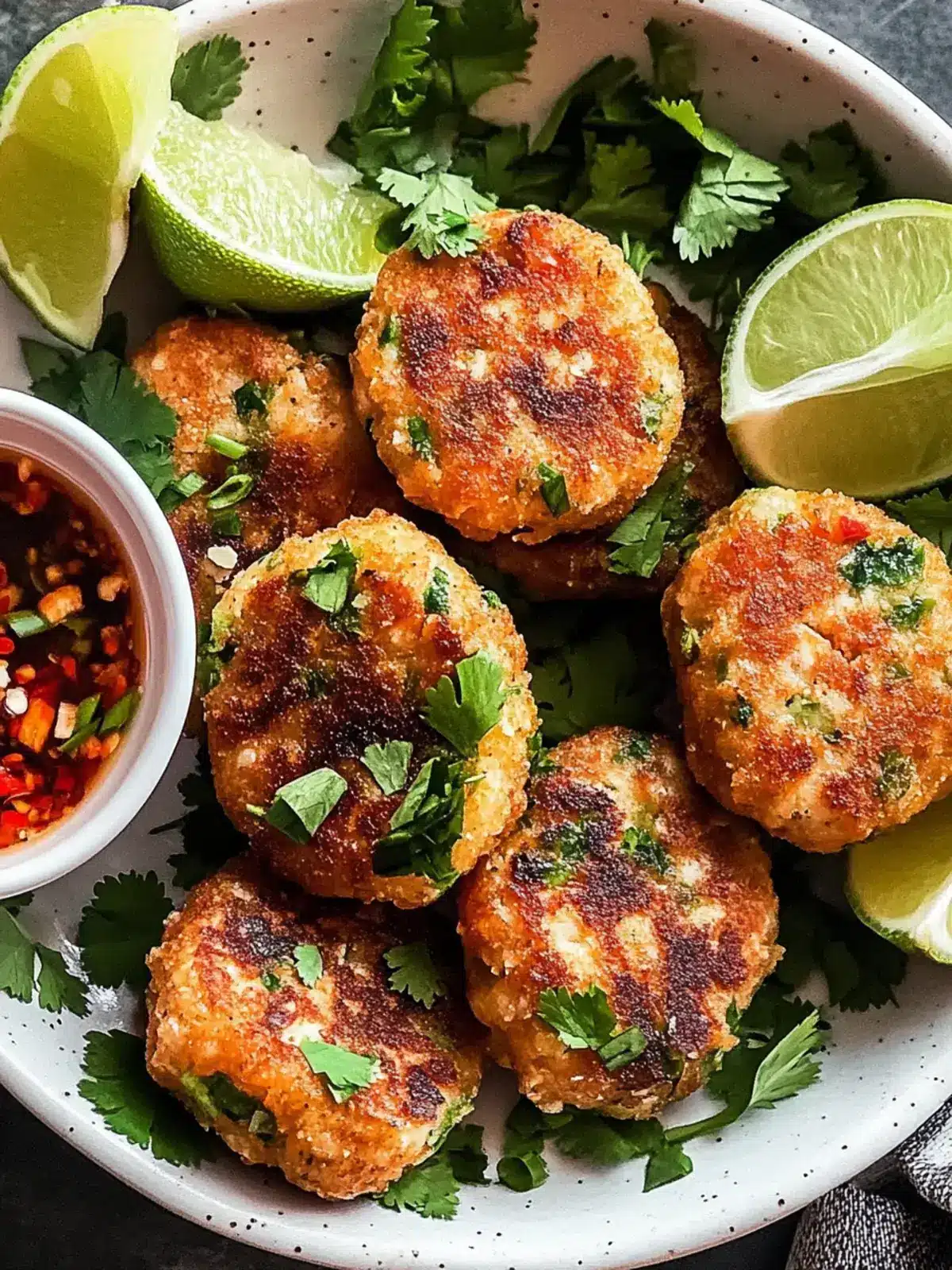
There’s something enchanting about the first crunch of a freshly fried Thai Fish Cake—it’s like every bite invites a vibrant burst of flavor straight to your senses. I discovered this delightful recipe on an ordinary weeknight when the familiar takeout felt lackluster, and my craving for something exciting pushed me towards my pantry for inspiration. With just a few simple ingredients, I found a way to recreate that beloved Thai street food experience right at home, with a crisp exterior giving way to a tender, flavorful center.
These Delicious Thai Fish Cakes are incredibly quick to whip up, making them perfect for busy evenings when you want to impress without the fuss. Better yet, you’ll love how they cater to gluten-free diets while remaining cost-effective and versatile. Whether you enjoy them as a weeknight meal or as a stunning appetizer for guests, these fish cakes will quickly become a staple in your cooking repertoire. So, roll up your sleeves, and let’s dive into this culinary adventure that promises to transform your dinner table!
Why You Will Love This Recipe
- Bursting with Flavor: Each bite takes you on a culinary journey, evoking the taste of Thailand right in your kitchen with a harmonious blend of spices and herbs.
- Quick Preparation: These fish cakes can go from mixing bowl to table in under 30 minutes, making them an ideal solution for hectic weeknights when time is of the essence.
- Gluten-Free Friendly: Naturally prepared with rice flour, these cakes are a wonderful option for those following a gluten-free lifestyle, ensuring everyone can indulge.
- Versatile and Customizable: You have the freedom to personalize these fish cakes by adding your favorite herbs or finely chopped vegetables, tailoring them perfectly to your palate.
- Crowd-Pleasing Appeal: Whether served as a delightful appetizer to kick off a meal or as a satisfying main course, these fish cakes are guaranteed to be a hit with family and friends alike.
Ingredients You Need
Crafting these delicious Thai fish cakes hinges on using fresh, high-quality ingredients that will deliver authentic flavor. The blend of aromatic spices, fresh herbs, and perfectly cooked fish creates a symphony of tastes and textures that is truly irresistible. Each component plays a vital role in achieving that signature Thai street food experience you crave.
Delicious Thai Fish Cakes

These Delicious Thai Fish Cakes are incredibly quick to whip up, making them perfect for busy evenings when you want to impress without the fuss. Better yet, you’ll love how they cater to gluten-free diets while remaining cost-effective and versatile. Whether you enjoy them as a weeknight meal or as a stunning appetizer for guests, these fish cakes will quickly become a staple in your cooking repertoire. So, roll up your sleeves, and let’s dive into this culinary adventure that promises to transform your dinner table!
- 500 grams White Fish Fillets (Options include ling, tilapia, or barramundi)
- 3 tablespoons Red Curry Paste (Homemade versions can be doubled)
- 1/4 cup Cilantro/Coriander (Can be omitted)
- 2 tablespoons Fish Sauce (Soy sauce is a gluten-free alternative)
- 2 tablespoons Lime Juice
- 1 large Egg (Acts as a binder)
- 1/2 cup Rice Flour (or Cornstarch) (Can be interchanged)
- 1/2 cup Green Beans (Optional for texture and color)
- Oil for frying (Vegetable, canola, or sunflower oil)
- 1In a food processor, blend white fish fillets, red curry paste, cilantro, fish sauce, lime juice, and egg into a smooth paste (about 30 seconds). This combination creates a flavorful base for your Thai Fish Cakes.
- 2Transfer the blended mixture to a bowl and gently fold in rice flour (or cornstarch) and green beans until there are no dry spots left. You want a sticky mix, but not overly wet.
- 3Form the mixture into uniform patties, about 1 cm thick. Arrange them on a tray so they’re ready for frying without touching each other.
- 4In a skillet, heat oil over medium-high until it’s shimmering. To check if it’s hot enough, drop in a small piece of the mixture; it should sizzle immediately.
- 5Carefully cook the patties in batches for about 2 minutes on each side, until they turn golden brown. This will provide that delightful crunch on the outside.
- 6Move the cooked patties to a paper towel-lined plate to absorb any excess oil. Repeat this process with the remaining patties, ensuring they stay crisp.
- 7Serve your Delicious Thai Fish Cakes hot, accompanied by sweet chili sauce, and garnished with fresh cilantro and lime wedges for an added burst of flavor.
Keywords: Thai Fish Cakes, Fried Fish, Appetizer, Gluten-Free, Quick Meal
- white fish fillets: The foundation of our fish cakes, providing a flaky texture and mild flavor that absorbs the surrounding spices beautifully.
- red curry paste: The heart of the flavor profile, offering a complex warmth and a hint of heat that defines authentic Thai cuisine.
- cilantro/coriander: Adds a burst of fresh, citrusy aroma and taste that brightens the overall flavor of the fish cakes.
- fish sauce: Essential for its umami depth, it adds a savory richness that is characteristic of many Southeast Asian dishes.
- lime juice: Provides a crucial acidic balance, cutting through the richness and adding a refreshing zest.
- egg: Acts as a vital binder, ensuring all the ingredients hold together to form perfect patties for frying.
- rice flour (or cornstarch): Contributes to a wonderfully crispy exterior and a tender interior, crucial for the ideal fish cake texture.
- green beans: An optional addition that introduces a pleasant crunch and a vibrant pop of color, enhancing the visual appeal and texture.
- oil: Necessary for achieving that signature golden-brown crispiness during the frying process; a neutral oil is best.
The exact quantities for each of these essential ingredients can be found in the detailed recipe card for your convenience.
Variations
One of the joys of making these Thai fish cakes at home is the sheer adaptability they offer, allowing for endless customization to suit diverse dietary needs and flavor preferences. You can easily transform this recipe into something entirely new while retaining its core deliciousness.
Vegan Delight: To create a delightful vegan version, you can substitute the fish with firm or extra-firm tofu, pressed very well to remove excess water. The red curry paste, cilantro, fish sauce (use a vegan alternative like soy sauce or tamari), lime juice, and binder will all remain, but you’ll need a vegan binder like flax egg or a bit of extra rice flour mixed with water. This ensures a plant-based treat that is just as flavorful and satisfying.
Low-Carb Indulgence: For those watching their carbohydrate intake, swapping the rice flour for almond flour or coconut flour is an excellent solution. These alternatives will still help bind the mixture and contribute to a pleasant texture. You might need to adjust the quantity slightly as different flours absorb moisture differently, but the result will be a delicious low-carb fish cake perfect for a keto-friendly meal.
Spicy Kick: If you love a fiery flavor, don’t hesitate to amp up the heat in your fish cakes. You can achieve this by adding extra red curry paste, a pinch of chili flakes, or even finely chopped fresh chilies directly into the mixture before forming the patties. Adjust the spice level to your personal preference, ensuring each bite offers a satisfying warmth that lingers.
Herbacious Twist: While cilantro is traditional, feel free to experiment with other fresh herbs. Finely chopped mint or basil can introduce a completely different yet equally refreshing aromatic dimension to your fish cakes. Consider a mix of herbs for an even more complex and vibrant flavor profile that will surprise and delight your taste buds.
How to Prepare delicious Thai fish cakes
Step 1: Crafting the Flavorful Base
The journey to perfect Thai fish cakes begins with creating a wonderfully smooth and aromatic paste. In a food processor, combine your flaky white fish fillets, the essential red curry paste for its warming spices, a generous handful of fresh cilantro for its bright notes, a splash of fish sauce for umami depth, and a squeeze of lime juice for tanginess. Also, add your egg, which will act as the crucial binder holding everything together. Process these ingredients until they form a cohesive, smooth paste; this usually takes about 30 seconds to a minute, depending on your food processor’s power. It’s important not to over-process, as this can make the mixture tough.
This initial blending step is where the magic truly starts to happen, infusing the fish with the vibrant essence of Thai cuisine. Ensure the fish is broken down sufficiently, but avoid turning it into a liquid. The texture at this stage should be like a thick, spreadable pâté, rich with the aromas of curry and herbs. Taking a moment to appreciate the fragrant mixture will give you a preview of the deliciousness to come, setting the stage for perfectly formed and flavorful cakes.
For those without a food processor, you can achieve a similar result by finely mincing the fish yourself and then vigorously mixing all the wet ingredients together in a bowl. This method requires a bit more elbow grease but is perfectly viable. The key is to ensure that all the flavors are well-distributed and the paste is smooth enough to mix evenly with the dry ingredients in the next step, guaranteeing consistent flavor in every bite.
Step 2: Incorporating the Texture and Binder
Once you have your smooth, flavorful fish paste ready in the food processor or a large mixing bowl, it’s time to add the elements that will give your fish cakes their structure and delightful texture. Gently transfer the blended fish mixture into a separate bowl if you used a food processor. Now, carefully fold in the rice flour (or your chosen alternative like cornstarch) and any optional finely chopped green beans. The rice flour is crucial for achieving that desirable crispy exterior when frying, and it also helps to firm up the mixture.
Mix these dry ingredients into the fish paste until just combined and there are no dry pockets visible. You want the mixture to be sticky and cohesive enough to hold its shape, but not excessively wet or mushy. If the mixture seems too wet, you can add a tablespoon more of rice flour at a time until it reaches the desired consistency. Conversely, if it feels too dry and crumbly, a tiny splash of water or lime juice can help bring it together. Be mindful not to overmix at this stage; gentle folding is best to maintain the tender texture of the fish.
The addition of green beans, if you’re using them, should be distributed evenly throughout the mixture. These small, crisp pieces will provide a pleasant textural contrast and a beautiful fleck of green against the golden-fried surface of the cakes. This step is about balance and ensuring all components are integrated harmoniously, setting the stage for easy shaping and perfectly cooked fish cakes.
Step 3: Shaping the Perfect Patties
With your beautifully seasoned and textured fish mixture ready, the next crucial step is to shape it into uniform patties. This not only makes them visually appealing but also ensures that they cook evenly, resulting in perfectly golden-brown fish cakes every time. Take a portion of the mixture (about 2 to 3 tablespoons, depending on your desired size) and gently shape it into a flat, round patty, approximately 1 cm (about 0.4 inches) thick. You can moisten your hands slightly with water or oil if the mixture is sticking too much, which helps in forming smooth, clean edges.
Arrange the formed patties on a clean tray lined with parchment paper. Make sure that the patties are not touching each other; this prevents them from sticking together and makes them easier to handle when you’re ready to fry them. This tray of prepared patties can be refrigerated for at least 30 minutes before frying, which helps them firm up further and maintain their shape during the cooking process. This chilling period is highly recommended for the best results, especially if you plan to cook them soon after preparing the mixture.
The size of your patties can be adjusted to your preference. Smaller, bite-sized cakes are perfect for appetizers, while slightly larger ones make for a satisfying main course. The key is consistency; aim for all patties to be roughly the same thickness so they cook at the same rate. This attention to detail in shaping will pay dividends when you see your perfectly uniform, golden fish cakes emerge from the hot oil, ready to be enjoyed.
Step 4: Heating the Frying Oil to Perfection
Achieving that signature crispiness on your Thai fish cakes is heavily dependent on the temperature of your frying oil. Heat a generous amount of neutral cooking oil, such as vegetable, canola, or sunflower oil, in a skillet or wok over medium-high heat. You’ll want enough oil to come about halfway up the sides of the patties, ensuring they fry evenly. Patience is key here; don’t rush this step, as under-heated oil will result in greasy, soggy fish cakes.
To test if the oil is at the correct temperature (around 175-180°C or 350-360°F), you can carefully drop a tiny piece of the fish cake mixture into the hot oil. If it sizzles immediately and floats to the surface, the oil is ready. If it sinks and doesn’t bubble vigorously, the oil is too cool. If it browns too quickly and aggressively, the oil is too hot, and the outside will burn before the inside is cooked. Adjust the heat as needed to maintain a consistent temperature throughout the frying process.
Maintaining the correct oil temperature is paramount for achieving that perfect golden-brown crust that gives Thai fish cakes their delightful texture. Too cool, and they absorb excess oil; too hot, and they burn before cooking through. The visual cue of immediate, lively sizzling is your best indicator that the oil is primed for frying, promising that satisfying crunch with every bite of your delicious homemade fish cakes.
Step 5: The Art of Frying to Golden Perfection
Now for the exciting part: frying your beautifully shaped fish cakes to a glorious golden-brown hue. Once your oil is at the optimal temperature, carefully place the patties into the hot oil, ensuring not to overcrowd the skillet. Fry them in batches to maintain the oil temperature and allow each patty ample space to cook evenly without steaming. This overcrowding can lead to uneven cooking and a loss of crispiness.
Cook the fish cakes for approximately 2 to 3 minutes on each side. You are looking for a deep golden-brown color and a wonderfully crisp exterior. Use a spatula or tongs to carefully flip them over, revealing the perfectly fried underside. The aroma that fills your kitchen at this stage is simply incredible, a testament to the deliciousness you’re about to enjoy. The precise cooking time may vary slightly depending on the thickness of your patties and the exact heat of your oil, so keep a close eye on them.
The goal is a beautiful, even crispness all around. Resist the temptation to poke or prod the patties too much while they are frying, as this can cause them to break apart. A gentle flip is all that’s needed to ensure both sides achieve that coveted crunchy texture. This mindful frying process ensures that each fish cake is cooked through and boasts the perfect exterior crunch that makes them so addictive.
Step 6: Draining and Serving Your Masterpieces
As each batch of fish cakes reaches that perfect golden-brown crispness, it’s time to remove them from the hot oil and drain off any excess. Carefully lift the cooked patties from the skillet using a slotted spoon or spatula and transfer them to a plate lined with paper towels. The paper towels will work their magic, absorbing any residual oil and helping to maintain that satisfying crunch. This step is vital for ensuring your fish cakes aren’t greasy and retain their delightful texture.
Repeat the frying process with the remaining patties, working in batches to ensure consistent quality. Once all the fish cakes have been fried and drained, they are ready to be served. For the ultimate experience, serve your Delicious Thai Fish Cakes hot, straight from the pan. They are traditionally accompanied by a sweet chili sauce for dipping, which offers a delightful balance of sweet, sour, and spicy flavors. Garnishing with fresh cilantro sprigs and a wedge of lime adds both visual appeal and an extra burst of freshness.
These fish cakes are incredibly versatile and can be enjoyed as a standalone appetizer, a light lunch, or as part of a larger dinner spread. Their vibrant flavors and pleasing texture make them a delightful addition to any meal, promising a taste of authentic Thai street food right in your own home. Enjoy the fruits of your labor and savor every crispy, flavorful bite!
Pro Tips for delicious Thai fish cakes
Achieve the Perfect Texture: When mixing the ingredients, especially the rice flour, avoid using the food processor for too long after adding it. Overworking the flour can lead to a dense, gummy texture in your fish cakes. Gently fold it in by hand for the best, most delicate result that ensures a tender interior and a crispy exterior.
Hot Oil is Key: Always ensure your oil is properly heated before adding the fish cakes. A quick test is to drop a tiny bit of the mixture into the oil; it should sizzle immediately and vigorously. If the oil is too cool, the cakes will absorb too much oil and become greasy rather than crispy. Maintaining a consistent medium-high heat is crucial for achieving that golden-brown perfection.
Dry Your Fish Thoroughly: If you are using frozen fish fillets, make sure they are completely thawed and then patted very dry with paper towels before you begin. Excess moisture in the fish can make your mixture too wet, leading to a soft or even mushy texture in the final product. This simple step makes a significant difference in the overall outcome.
Uniformity Breeds Consistency: Shape your fish cakes into even patties of consistent thickness. This ensures that all the cakes cook at the same rate, preventing some from burning while others remain undercooked. Consistent size and shape mean perfectly cooked fish cakes every single time, making for a beautiful presentation.
Freshness Enhances Flavor: Using fresh cilantro and good quality red curry paste makes a noticeable difference in the final taste. Fresh herbs provide a vibrant aroma and flavor that dried herbs simply cannot replicate. Don’t be afraid to adjust the amount of cilantro or curry paste to your personal taste preference for a truly customized culinary experience.
Serving Suggestions for delicious Thai fish cakes
Decoration
Elevate the visual appeal of your Thai fish cakes with thoughtful garnishes. A sprinkle of fresh cilantro leaves adds a vibrant green contrast and a burst of fresh aroma. Thin slices of red chili can provide a hint of color and indicate the level of spice. A few delicate lime wedges on the side not only look appealing but also offer guests the option to add extra zestiness to their cakes.
Side Dishes
These fish cakes are wonderfully complemented by a variety of side dishes that balance their rich flavor and crisp texture. Steamed jasmine rice is a classic accompaniment, absorbing any extra sauce and providing a neutral base. A refreshing Asian slaw, with its crisp vegetables and tangy dressing, offers a delightful textural contrast. Alternatively, a simple cucumber relish with a hint of mint adds a cooling, palate-cleansing element.
Creative Serving Ideas
Think beyond the traditional. Serve these fish cakes as part of a vibrant lunch bowl, alongside a medley of colorful vegetables and a drizzle of your favorite dipping sauce. They can also be a star appetizer at any gathering, perhaps presented on a bamboo skewer with a dollop of sweet chili sauce. For a unique twist, consider pairing them with a small side of spicy peanut noodles, creating a fusion of delightful Asian flavors that will impress your guests.
Preparation & Storage
Storing Leftovers
Once your delicious Thai fish cakes have cooled completely, they can be stored in an airtight container in the refrigerator for up to 3 days. It is important to ensure they are fully cooled before sealing the container, as residual heat can create steam, leading to a softer texture. Stored properly, they will retain much of their delightful crispness for a few days.
Freezing
For longer storage, these fish cakes freeze beautifully. Arrange the cooled patties in a single layer on a baking sheet lined with parchment paper and freeze until firm, usually about 1-2 hours. Once frozen, transfer them to a freezer-safe zip-top bag or an airtight container, separating layers with parchment paper if stacking. They can be stored in the freezer for up to 2 months.
Reheating
To revive the crispiness of leftover or frozen fish cakes, reheating is key. The best method is to pan-fry them in a lightly oiled skillet over medium heat for about 2-3 minutes per side, until golden and heated through. Alternatively, you can bake them in a preheated oven at 375°F (190°C) for 10-15 minutes, flipping halfway through, until they are heated and crispy. Avoid microwaving, as this tends to make them soft and unappealing.
Frequently Asked Questions
-
How do I select the best white fish fillets for my Thai Fish Cakes?
When selecting white fish fillets for your Thai fish cakes, aim for firm, fresh options that have a mild aroma. Excellent choices include ling, tilapia, cod, or snapper, all of which are flaky and readily available. Ensure the fillets have a clean, glossy appearance and avoid any that look dull, feel slimy, or have a strong fishy odor, as these can indicate the fish is not fresh. If you prefer a richer flavor profile, salmon or trout can also be used, though they will impart a more distinct taste. The key is a fish that cooks through easily and absorbs the vibrant flavors of the curry paste and herbs beautifully.
-
How long can I store leftover Thai Fish Cakes in the fridge?
Leftover Thai fish cakes can be safely stored in an airtight container in the refrigerator for up to 3 days. It’s crucial to allow the fish cakes to cool down completely to room temperature before sealing them in the container. This step helps to prevent condensation from forming inside the container, which could make the cakes soggy and compromise their crispiness. When you’re ready to enjoy them again, a quick pan-fry or bake will help restore their delightful crunch and warmth, making them almost as good as freshly made.
-
Can I freeze my Thai Fish Cakes for later use?
Absolutely! Freezing Thai fish cakes is an excellent way to have a quick and delicious meal ready whenever you fancy them. Shape the fish cake mixture into patties and place them in a single layer on a baking sheet lined with parchment paper. Freeze them until they are solid, which typically takes about 1-2 hours. Once frozen, transfer the solid patties into a freezer-safe zip-top bag or an airtight container. If you are stacking them, it is advisable to place a piece of parchment paper between each layer to prevent them from sticking together. Properly stored, they can maintain their quality in the freezer for up to 2 months, offering convenient access to this delightful dish.