Ultimate Crying Tiger Beef: Grilled Beef with Spicy Dipping Sauce
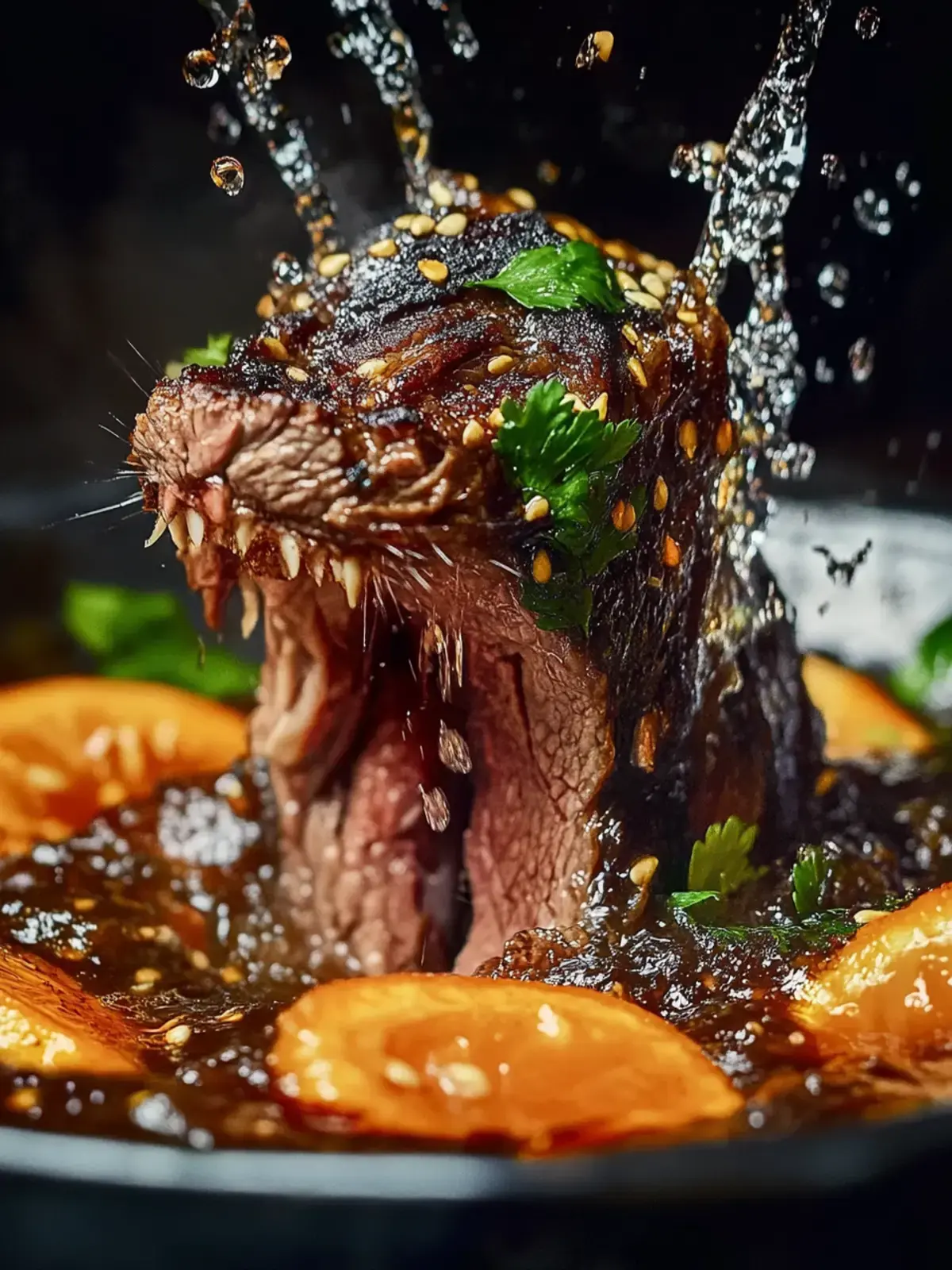
There’s something irresistibly enticing about the way a hot grill transforms simple ingredients into a mouthwatering masterpiece. Picture this: sizzling strips of beef, perfectly seared, releasing an aroma that makes your taste buds tingle with anticipation.
That’s the magic of Crying Tiger Beef—a dish that not only showcases tender, juicy meat but also brings the heat with a zesty dipping sauce that packs a flavorful punch. I first encountered this gem during a summer BBQ and was instantly hooked.
Why You Will Love This Recipe
- Bold Flavors: The unique combination of perfectly grilled beef and a vibrant, spicy dipping sauce creates an unforgettable taste sensation that will keep you coming back for more.
- Quick Preparation: Despite its impressive flavor profile, this dish comes together with surprising speed, making it an ideal option for weeknight dinners or spontaneous entertaining.
- Grill Perfection: Mastering the art of grilling Crying Tiger Beef ensures a delightfully charred exterior with a succulent, juicy interior, delivering restaurant-quality results right in your own backyard.
- Versatile Adaptability: This recipe is wonderfully flexible, allowing for easy modifications to suit various dietary preferences, including delicious vegetarian alternatives.
- Crowd-Pleasing Appeal: Whether you’re hosting a casual family dinner or a lively BBQ with friends, Crying Tiger Beef is guaranteed to be a hit, delighting everyone with its rich and satisfying taste.
Ingredients You Need
Selecting the right ingredients is paramount to achieving the authentic, vibrant flavors of Crying Tiger Beef. For the beef itself, opting for cuts like sirloin or ribeye steak ensures a tender and juicy outcome, providing a luxurious base for the dish. Alternatively, flank steak offers a leaner but equally delicious option, provided it’s sliced correctly.
Grilled Crying Tiger Beef Delight
Experience the irresistible Crying Tiger Beef with tender grilled strips and a zesty dipping sauce for a truly mouthwatering dish.
- 1 pound Sirloin or Ribeye Steak
- 1 pound Flank Steak
- 3 tablespoons Fish Sauce (or soy sauce for vegetarian)
- 2 tablespoons Fresh Lime Juice (or lemon juice as substitute)
- 1 tablespoon Palm Sugar (or brown sugar)
- 2 cloves Garlic (minced)
- 2 tablespoons Chilies (adjust based on heat preference)
- 1/4 cup Cilantro (chopped, omit if preferred)
- 2 tablespoons Toasted Rice Powder (or toasted sesame seeds)
- 1 cup Sticky Rice (to balance spice)
- 1 tablespoon Sesame Seeds (for garnish)
- 1Prep the Beef: Trim excess fat from the steak, pat dry and brush lightly with oil.
- 2Toast Rice Powder (if using): Toast rice in a skillet until golden, then grind into a fine powder.
- 3Grill Beef: Preheat grill and cook beef for 3-4 minutes on each side for medium-rare. Rest for 5 minutes.
- 4Make the Dipping Sauce: Combine all sauce ingredients in a bowl and mix until sugar dissolves.
- 5Slice and Serve: Thinly slice beef, arrange on a platter, drizzle with sauce, and garnish with cilantro and sesame seeds.
- 6Optional: Serve alongside sticky rice for balance.
Keywords: beef, grilled, thai, spicy, savory, quick, dinner, asian
- sirloin or ribeye steak: These cuts are prized for their inherent tenderness and rich marbling, which contribute significantly to the juiciness and overall flavor when grilled to perfection.
- flank steak: A fantastic leaner alternative that remains wonderfully tender when sliced properly, making it an excellent choice for those who prefer less fat.
- fish sauce: This is a foundational element for deep umami flavor, providing a savory depth that is characteristic of many Southeast Asian cuisines; it can be swapped for soy sauce in vegetarian versions.
- fresh lime juice: Its bright, zesty acidity cuts through the richness of the beef and the savory notes of the sauce, adding a refreshing tang that awakens the palate; lemon juice is a viable substitute if limes are unavailable.
- palm sugar: Used to balance the bold savory and spicy elements of the sauce, palm sugar contributes a subtle sweetness and a hint of caramel; brown sugar is a convenient alternative if palm sugar isn’t on hand.
- garlic: Freshly minced garlic provides a pungent aromatic foundation, lending warmth and complexity to the dipping sauce; adjust the quantity to your personal preference for garlic intensity.
- chilies: These are essential for delivering the signature heat of Crying Tiger Beef, with the quantity being easily adjustable to cater to varying spice tolerance levels; Thai bird chilies offer more heat, while jalapeños provide a milder kick.
- cilantro: Freshly chopped cilantro adds a burst of herbaceous freshness that complements the savory and spicy notes of the sauce, bringing a vibrant lift; it can be omitted if you’re not a fan of its distinct flavor.
- toasted rice powder: This ingredient imparts a delightful nutty aroma and a subtle crunchy texture to the sauce, enhancing its complexity; if unavailable, toasted sesame seeds offer a similar nutty essence and visual appeal.
The precise quantities for each ingredient are detailed within the recipe card for your convenience.
Variations
For those seeking a plant-based delight, transforming Crying Tiger Beef into a vegetarian masterpiece is wonderfully simple. Instead of beef, you can marinate and grill firm tofu or tempeh, which readily absorb the flavors of the marinade and dipping sauce, offering a satisfying chew and hearty texture.
A low-carb adaptation can be achieved by focusing on the dipping sauce. Substitute the palm sugar with a low-carb sweetener like erythritol or stevia to maintain the sweet balance without the sugar content. This allows for a guilt-free indulgence of those incredible flavors.
If grilling isn’t an option, don’t despair! A heavy-duty cast-iron skillet on the stovetop can produce equally impressive results. Achieve a beautiful sear and tender interior by cooking the beef in batches over high heat, mimicking the grill’s transformative power.
How to Prepare Crying Tiger Beef
Step 1: Preparing the Star of the Show – The Beef
Begin your culinary journey by meticulously trimming any excess fat from your chosen cut of beef, whether it’s a rich sirloin, a marbled ribeye, or a lean flank steak. This step is crucial for ensuring a clean, even sear and preventing any off-flavors from impacting the final dish. Pat the beef thoroughly dry with paper towels; moisture is the enemy of a good sear, and a dry surface allows the Maillard reaction to work its magic efficiently.
Once impeccably dry, lightly brush the entire surface of the beef with a neutral cooking oil, such as vegetable or canola oil. This not only helps to prevent sticking to the hot grill grates but also promotes an even browning and adds a subtle richness. Consider a very light seasoning of salt and pepper at this stage, if desired, though the robust dipping sauce will carry much of the flavor.
Step 2: Crafting the Aromatic Foundation – Toasted Rice Powder
If you are opting for the authentic Thai texture and nutty aroma, the creation of toasted rice powder is a vital step. Take uncooked sticky rice or jasmine rice and place it into a dry skillet over medium heat. You’ll want to stir it constantly to ensure even toasting and prevent burning, which would impart a bitter taste.
Continue toasting the rice until it turns a beautiful golden brown hue. The fragrance will intensify as it toasts, signaling that it’s ready. Once perfectly toasted, allow the rice to cool slightly before grinding it into a fine powder. A mortar and pestle works traditionally, but a spice grinder or a clean coffee grinder will also achieve the desired consistency, creating that essential earthy crunch for your dipping sauce.
Step 3: The Sizzle and Sear – Grilling the Beef to Perfection
Now for the most exciting part: grilling the beef. Preheat your grill to a high heat, ensuring it’s thoroughly hot before introducing the meat. A properly preheated grill is key to achieving that coveted char and preventing the steak from sticking. Once the grill is screaming hot, carefully place the prepared beef onto the grates.
For a classic medium-rare finish, aim for approximately 3-4 minutes of cooking time on each side. This duration allows the exterior to develop a beautiful crust while keeping the interior wonderfully tender and juicy. If you prefer your beef cooked more or less, adjust the grilling time accordingly. Remember, carry-over cooking will continue even after the beef is removed from the heat, so slightly undercooking is often preferable.
Crucially, after grilling, transfer the beef to a clean cutting board and allow it to rest for at least 5 minutes. This resting period is non-negotiable; it permits the muscle fibers to relax and the juices to redistribute throughout the steak. Skipping this step will result in all those precious juices running out onto the cutting board, leaving you with drier, less flavorful meat.
Step 4: Whisking Together the Zesty Elixir – The Dipping Sauce
While the beef is resting, turn your attention to crafting the vibrant and exhilarating dipping sauce, the very heart of the Crying Tiger experience. In a medium-sized bowl, combine the essential liquid ingredients: fish sauce for its profound umami depth, fresh lime juice for its bright acidity, and if using, soy sauce for an additional layer of savoriness. These form the savory foundation of your sauce.
Next, introduce the sweetener and aromatics. Add the palm sugar, or its brown sugar substitute, ensuring it’s well-dissolved. Then, incorporate the minced garlic and finely chopped chilies, adjusting the chili quantity to suit your desired level of heat – this is where the “crying” aspect truly comes into play for many! Finally, stir in the chopped cilantro, if using, for a fresh, herbaceous counterpoint, and the toasted rice powder for that signature nutty texture and aroma. Whisk everything together vigorously until the sugar has completely dissolved and the ingredients are beautifully emulsified.
The sauce should be a harmonious balance of salty, sour, sweet, and spicy. Taste it and don’t hesitate to make minor adjustments; perhaps a touch more lime juice for tang, a pinch more sugar for sweetness, or a few more chili flakes for heat. This is your chance to personalize the flavor profile to your exact liking, ensuring a dip that is as exciting as the beef itself.
Step 5: The Grand Finale – Slicing and Presentation
With the beef perfectly rested and the dipping sauce ready, it’s time for the final presentation. Take your rested steak and, using a sharp knife, thinly slice it against the grain. This technique is absolutely critical for ensuring maximum tenderness. Slicing with the grain will result in tougher, chewier strips of meat that detract from the overall enjoyment of the dish.
Arrange the thinly sliced beef attractively on a serving platter. You can fan the slices out or create a neat stack, depending on your aesthetic preference. Drizzle a generous amount of the prepared Crying Tiger dipping sauce directly over the beef, allowing it to coat the succulent slices. Alternatively, you can serve the sauce in a separate small bowl for dipping, which gives diners more control over the amount of sauce they wish to incorporate.
For an extra touch of visual appeal and flavor, garnish the platter with additional chopped cilantro and a sprinkle of toasted sesame seeds. These final touches not only enhance the presentation but also add delightful fresh notes and a subtle nutty crunch that complements the main elements of the dish beautifully. This creates a visually stunning and incredibly appetizing dish ready to be enjoyed.
Step 6: Optional Enhancements – Serving Alongside Sticky Rice
To truly complete the authentic Crying Tiger Beef experience and offer a delightful textural and flavor contrast, consider serving this dish alongside a portion of perfectly cooked sticky rice. The slightly chewy, subtly sweet nature of sticky rice acts as a wonderful palate cleanser and a perfect vehicle for soaking up the zesty, spicy dipping sauce, creating a harmonious balance in every bite.
The sticky rice serves as a comforting and grounding element, beautifully complementing the bold and fiery notes of the beef and its accompanying sauce. It’s a traditional pairing for a reason, providing a satisfying counterpoint that ensures the overall meal is perfectly balanced and incredibly enjoyable, enhancing the entire dining experience.
Pro Tips for Crying Tiger Beef
Preheat Your Grill Properly: Always ensure your grill is thoroughly preheated to a high temperature for at least 15 minutes before placing the beef on it. This high heat is essential for achieving a beautiful, flavorful sear that locks in the steak’s natural juices, preventing it from becoming dry.
Master the Slice: Slicing the beef against the grain is non-negotiable for achieving optimal tenderness. Look for the direction of the muscle fibers and make your cuts perpendicular to them; this shortens the fibers, making the meat much easier to chew.
Marinate with Caution: If you choose to marinate the beef, keep the marination time relatively short, typically no more than a few hours. Prolonged marination, especially with acidic ingredients like lime juice, can break down the meat’s proteins too much, leading to a mushy texture rather than a desirable chew.
Adjust the Heat Wisely: Don’t be afraid to customize the spice level of the dipping sauce to your liking. For a milder experience, remove the seeds and membranes from the chilies before chopping, or use fewer chilies altogether. Conversely, for an extra fiery kick, experiment with hotter chili varieties.
Embrace the Rest: Allowing the grilled beef to rest for a minimum of 5 minutes before slicing is crucial. This period allows the juices, which have been forced to the center during cooking, to redistribute evenly throughout the meat, resulting in a more succulent and flavorful final product.
Double the Sauce is Smart: It’s often a good idea to make a slightly larger batch of the dipping sauce than you think you’ll need. This extra sauce can be used to drizzle over your side dishes, like rice or vegetables, or simply served as an extra dipping option, ensuring every bite is infused with that signature Crying Tiger flavor.
Serving Suggestions for Crying Tiger Beef
Decoration
Elevate the visual appeal of your Crying Tiger Beef by adding vibrant garnishes. Fresh cilantro sprigs not only add a splash of color but also contribute a refreshing aroma that complements the dish. A sprinkle of toasted sesame seeds provides a subtle nutty contrast and adds a delightful textural element to the overall presentation.
Side Dishes
The ideal side dishes for Crying Tiger Beef are those that offer a balance of textures and flavors to complement its bold profile. Perfectly cooked sticky rice is a classic accompaniment, its mild sweetness and chewy texture wonderfully absorbing the zesty dipping sauce. A crisp, refreshing cucumber salad provides a cooling counterpoint to the beef’s richness and the sauce’s heat, while grilled seasonal vegetables add smoky depth and earthy notes.
Creative Serving Ideas
Beyond the traditional platter, consider serving Crying Tiger Beef in lettuce cups for a lighter, more interactive meal. You can also thinly slice the beef and incorporate it into vibrant noodle bowls or create flavorful skewers for easy party sharing. Another innovative approach involves serving the sliced beef over a bed of fragrant jasmine rice, allowing the sauce to meld beautifully with the grains.
Preparation & Storage
Storing Leftovers
To store leftover Crying Tiger Beef, allow the meat to cool completely before transferring it to an airtight container. Refrigerate promptly. Properly stored, the beef should remain fresh and flavorful for up to three days in the refrigerator.
Freezing
For longer storage, Crying Tiger Beef can be frozen. Wrap the cooled beef tightly in plastic wrap or aluminum foil, then place it inside a heavy-duty freezer bag, squeezing out as much air as possible to prevent freezer burn. Frozen beef can be stored for up to three months.
Reheating
When ready to reheat, thaw frozen beef overnight in the refrigerator. Gently reheat the beef in a skillet over low heat or in the microwave until just warmed through. Avoid overcooking, as this can make the meat tough; a brief warming is all that’s needed to restore its deliciousness.
Frequently Asked Questions
-
What is the best type of beef cut for Crying Tiger Beef to ensure tenderness and flavor?
For the most succulent and flavorful Crying Tiger Beef, premium cuts like sirloin or ribeye steak are highly recommended due to their excellent marbling and inherent tenderness, which result in a juicy, melt-in-your-mouth experience when grilled. Flank steak is another superb choice; it offers a leaner profile while still providing a satisfying texture, provided it is sliced thinly against the grain to maximize tenderness and avoid a chewy result. The key is to select a cut that can withstand high-heat grilling while retaining moisture and developing a desirable crust.
-
How should leftovers of Crying Tiger Beef be stored and reheated to maintain quality?
Leftover Crying Tiger Beef should be stored in an airtight container in the refrigerator, where it will keep well for up to three days. It’s important to allow the beef to cool to room temperature before sealing to prevent condensation buildup, which can affect texture. When reheating, it’s best to do so gently to avoid drying out the meat; a quick warm-up in a skillet over low heat or in the microwave is ideal. Adding a little of the dipping sauce during reheating can help restore moisture and flavor, ensuring the beef remains as delicious as when it was freshly prepared.
-
Can Crying Tiger Beef be prepared in advance, and if so, what components can be made ahead?
Yes, Crying Tiger Beef is an excellent candidate for advance preparation, making it a convenient option for busy schedules. The dipping sauce can be made up to three days ahead and stored in an airtight container in the refrigerator; the flavors will actually meld and deepen over time. While the beef is best grilled fresh, you can trim and even lightly oil it in advance, keeping it covered in the refrigerator. Just be sure to let it come to room temperature for about 15-20 minutes before grilling to ensure even cooking.