
Crispy Tamarind Fish: Irresistible Thai Delight Made Easy
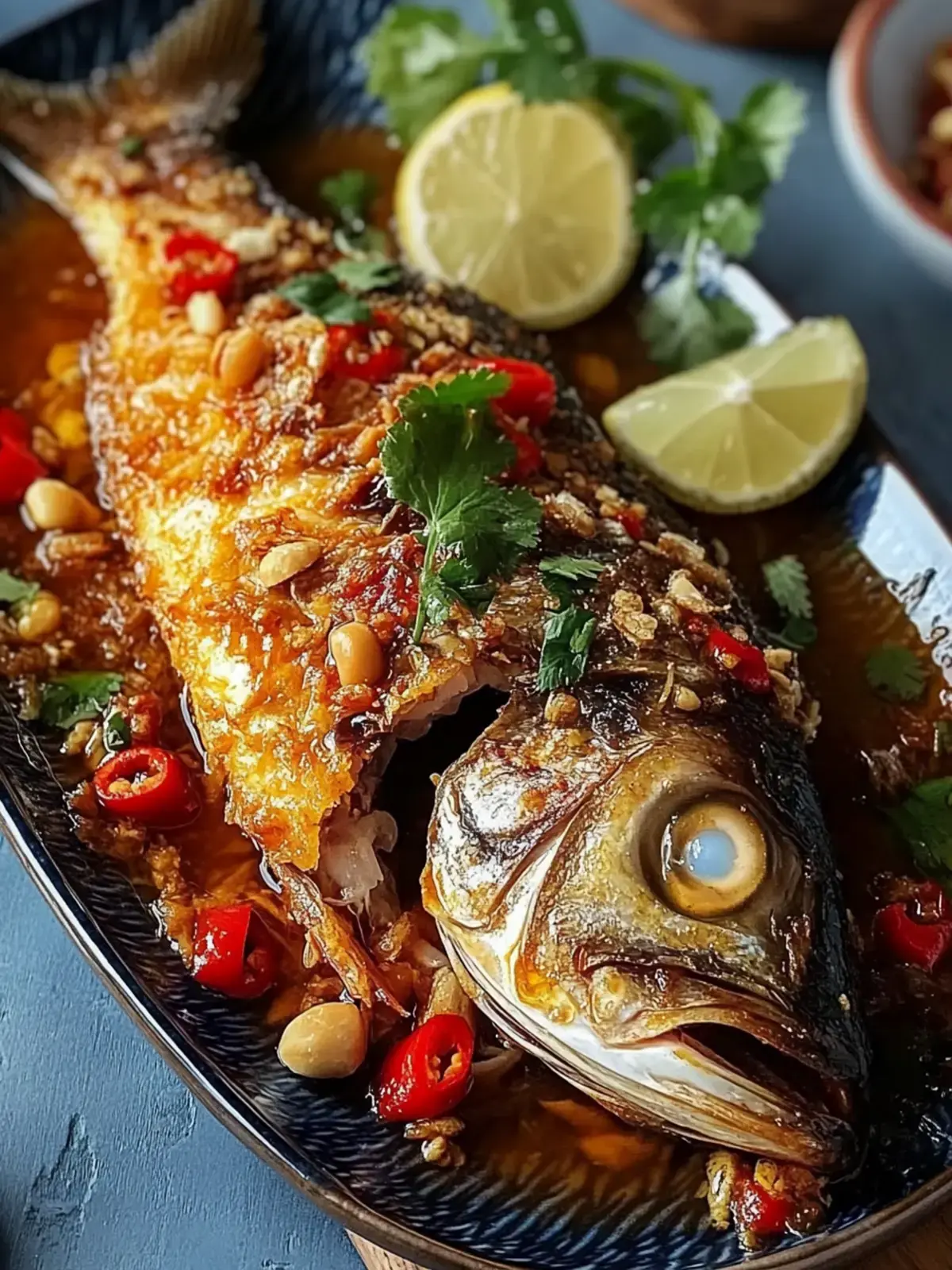
There’s something undeniably captivating about the first bite of Crispy Tamarind Fish—the crunch that gives way to tender, flaky fish, all drizzled in a tangy tamarind sauce. This dish is an absolute revelation, promising a culinary journey that is both exciting and incredibly satisfying. It’s a perfect example of how simple ingredients can be transformed into something truly spectacular with just a few key techniques.
Imagine the vibrant flavors of Thailand dancing on your palate, a harmonious blend of sweet, sour, and a hint of spice that awakens the senses. This recipe is your passport to that experience, offering an authentic taste that can be recreated in your very own kitchen. It’s more than just a meal; it’s an invitation to explore new tastes and textures, making every dining occasion feel special.
Why You Will Love This Recipe
- Exciting Flavor Profile: The irresistible combination of sweet tamarind, savory fish sauce, and a touch of spice creates a taste sensation that’s utterly addictive and will keep you coming back for more.
- Impressive Crispy Texture: Achieving that perfect golden-brown, crispy exterior on the fish is incredibly rewarding, offering a delightful contrast to the tender, flaky interior that makes each bite a textural masterpiece.
- Quick and Convenient: Despite its complex flavors and elegant presentation, this dish comes together surprisingly fast, making it an ideal choice for weeknight dinners or when you need a flavorful meal without a lot of fuss.
- Adaptable to Your Taste: Whether you prefer it milder or spicier, sweeter or tangier, this recipe is wonderfully customizable, allowing you to adjust the ingredients to perfectly match your personal flavor preferences for a truly bespoke dish.
- Visually Stunning Presentation: The glossy, rich tamarind sauce cascading over the perfectly fried fish creates a dish that is as beautiful to behold as it is delicious to eat, making it a surefire hit for impressing guests.
Ingredients You Need
Crafting exceptional Crispy Tamarind Fish begins with selecting the freshest ingredients, as their quality directly influences the final taste and texture of your dish. Opting for a firm white fish ensures it holds up well during frying and absorbs the delicious tamarind sauce beautifully. High-quality tamarind paste is paramount for that signature tangy flavor, and don’t shy away from fresh chilies and garlic for building a vibrant sauce base.
Crispy Tamarind Fish
A delightful Crispy Tamarind Fish recipe that mixes sweet, sour, and spicy flavors for an extraordinary dining experience.
- 1 pound Tilapia or Firm White Fish (Substitutes like cod, snapper, or catfish work well.)
- 1 cup Cornstarch (Essential for crispy coating.)
- 2 cups Vegetable Oil (For deep frying.)
- 2 pieces Fresh and Dried Chilies (Adjust according to heat preference.)
- 3 cloves Garlic (Enhances the flavor profile.)
- 1 tablespoon Cornstarch (For thickening the sauce.)
- 1 cup Water (To adjust sauce thickness.)
- 3 tablespoons Palm Sugar (For sweetness; brown sugar can substitute.)
- 2 tablespoons Tamarind Paste (Key for tangy flavor; alternatives available.)
- 1 tablespoon Fish Sauce (Adds depth of flavor.)
- 1Rinse the fish under cold water and gently pat it dry with paper towels. Make diagonal cuts on both sides of the fish.
- 2Evenly coat the fish with cornstarch on both sides and let it sit for 5 minutes.
- 3Heat vegetable oil in a deep pan over medium heat until shimmering (about 350°F).
- 4Fry the fish for about 8 minutes on each side until golden brown.
- 5Remove the fish and place it on a wire rack to drain excess oil.
- 6In a mortar, mash garlic and fresh chilies into a paste.
- 7Mix cornstarch with water in a separate bowl to create a slurry.
- 8Sauté the garlic-chili paste in a saucepan over medium heat until aromatic.
- 9Add palm sugar, tamarind paste, fish sauce, and a splash of water, then cook until the sauce thickens.
- 10Plate the crispy fish and drizzle the warm tamarind sauce over the top.
Keywords: Thai, Fish, Tamarind, Crispy, Dinner, Spicy, Sweet, Sour
- tilapia or firm white fish: a delicate protein that ensures a tender, flaky texture; substitutes like cod, snapper, or catfish work beautifully.
- cornstarch: this ingredient is essential for that sought-after crispy coating; don’t skip it!
- vegetable oil: ideal for deep frying; peanut oil can be used for a delightful nutty flavor.
- fresh and dried chilies: adjust according to your heat preference; these add that spicy kick!
- garlic: enhances the overall flavor profile with its aromatic qualities.
- cornstarch (additional): used for thickening the tamarind sauce to achieve the right consistency.
- water: helps adjust the sauce’s thickness; keep it at hand for perfect texture.
- palm sugar: adds a pleasant sweetness that balances the sauce; brown sugar can substitute in a pinch.
- tamarind paste: the star of the sauce, providing a tangy flavor essential to Crispy Tamarind Fish; lemon juice and brown sugar are alternatives if you’re out.
- fish sauce: elevates umami depth, making the sauce irresistible.
The precise quantities for each ingredient are clearly detailed within the accompanying recipe card, ensuring you have all the necessary information to recreate this delightful dish with accuracy and ease.
Variations
For those seeking a plant-based delight, transforming this dish into a vegetarian masterpiece is remarkably simple and equally delicious. Swap the fish entirely for firm tofu, ensuring it’s pressed thoroughly to remove excess moisture before coating it in cornstarch. This allows the tofu to achieve a wonderfully crisp exterior, perfectly complementing the tangy tamarind sauce for a satisfying dinner option.
To cater to a gluten-free lifestyle, the substitution is straightforward and effective, ensuring everyone can enjoy this flavorful meal. Simply replace the standard cornstarch with a certified gluten-free cornstarch or a gluten-free flour blend. This ensures that the coating remains delightfully crispy, making the dish accessible for those with gluten sensitivities without compromising on texture or taste.
Elevating the heat profile is another exciting avenue for customization, allowing you to tailor the spice level to your exact preference. For an extra layer of warmth and complexity, consider adding a pinch of cayenne pepper directly into the cornstarch coating. This subtle addition provides a pleasant tingle that beautifully complements the sweet and sour notes of the tamarind sauce.
How to Prepare Crispy Tamarind Fish
Step 1: Rinse and Prepare the Fish
Begin by gently rinsing your chosen white fish under cool running water. This initial step helps to remove any residual impurities and prepares the surface for the coating. After rinsing, it is absolutely crucial to pat the fish thoroughly dry using paper towels. Excess moisture is the enemy of crispiness, so dedicate a few moments to ensuring each piece is as dry as possible.
Once the fish is sufficiently dry, it’s time to make strategic incisions. Using a sharp knife, carefully make diagonal cuts across both sides of the fish fillets or steaks. These shallow cuts serve a dual purpose: they allow the fish to cook more evenly, ensuring that the center is perfectly cooked without overcooking the exterior, and they also create more surface area for the flavors to penetrate.
These preparation steps are foundational for achieving that coveted crispy exterior and ensuring the fish is perfectly cooked. Taking the time to properly dry and score the fish sets the stage for a truly exceptional culinary outcome, making all the subsequent steps more effective and enjoyable.
Step 2: Coat with Cornstarch
Now comes the magic ingredient for achieving that irresistible crunch: cornstarch. Generously dredge each piece of prepared fish in cornstarch, ensuring it is coated evenly on all sides. Use your hands to gently press the cornstarch onto the fish, making sure there are no bare spots where the coating can adhere. This even coating is what will transform into a golden, crispy shell during frying.
Once the fish is fully coated, allow it to rest for approximately 5 minutes. This seemingly simple waiting period is surprisingly important. It gives the cornstarch a chance to start adhering to the fish’s surface, creating a slight paste that will form the foundation of the crispy coating. This step ensures that the cornstarch adheres well during the frying process, preventing it from flaking off and maximizing the crispiness.
This cornstarch coating acts as a barrier, preventing the fish from absorbing too much oil while simultaneously creating a delightfully crunchy texture. It’s a fundamental technique that elevates simple fish into a restaurant-quality dish, promising a satisfying textural contrast with every bite.
Step 3: Heat the Oil
The success of crispy fried fish hinges significantly on the oil temperature. Select a deep pan or a wok that allows for sufficient depth of oil to fully submerge the fish. Add your chosen vegetable oil to the pan, ensuring there’s enough to cover at least half of the fish pieces once they are added. Heat the oil over medium heat, patiently allowing it to reach the optimal frying temperature.
The target temperature for achieving a perfect fry is around 350°F (175°C). You can test the oil’s readiness by carefully dropping a tiny pinch of cornstarch into it; if it sizzles immediately and vigorously, the oil is ready. Another common method is to insert the handle of a wooden spoon into the oil; if small bubbles form around it, the temperature is just right. Maintaining this temperature is crucial for ensuring the fish fries evenly and achieves maximum crispiness without burning.
Proper oil temperature ensures that the exterior of the fish cooks rapidly, creating a crisp shell before the interior has a chance to overcook. This meticulous attention to oil temperature is a key differentiator in achieving restaurant-quality fried fish at home.
Step 4: Fry the Fish
With the oil at the perfect temperature, carefully place the cornstarch-coated fish into the hot oil. It’s important not to overcrowd the pan, as this can cause the oil temperature to drop significantly, leading to greasy, soggy fish. Fry the fish in batches, ensuring each piece has ample space around it to cook evenly and develop a beautiful, golden-brown crust.
Allow the fish to fry undisturbed for approximately 8 minutes on each side. During this time, resist the urge to move or flip the fish too often; let it develop its crispiness. You’ll notice the edges turning golden and the coating solidifying into a delightful crunch. Keep a watchful eye to prevent any pieces from burning, adjusting the heat slightly if necessary to maintain a consistent fry.
Once the fish has achieved a deep golden-brown color and a satisfyingly crispy exterior on both sides, it’s ready to be removed. This frying process is where the transformation truly happens, turning simple fish into a delectable treat with an unparalleled crunch.
Step 5: Drain the Excess Oil
Using a slotted spoon or a spider strainer, carefully lift the perfectly fried fish from the hot oil. Place the fried fish onto a wire rack set over a baking sheet. This elevated draining method is superior to using paper towels, as it allows air to circulate around the fish, preventing the bottom from becoming steamed and losing its crispiness. The wire rack allows any excess oil to drip away freely.
This draining step is critical for maintaining the fish’s crispiness after it’s been removed from the fryer. Allowing the oil to drain completely ensures that the coating remains wonderfully crunchy, rather than becoming soggy as it cools. It’s a small but vital step in preserving the integrity of that sought-after texture, ensuring each bite is as delightful as the first.
This simple technique ensures that your Crispy Tamarind Fish stays wonderfully crisp for as long as possible, enhancing the overall dining experience and making the dish a true standout.
Step 6: Prepare the Tamarind Sauce
While the fish is draining and cooling slightly, it’s time to prepare the star of the show – the vibrant tamarind sauce. In a mortar and pestle, combine your minced garlic and freshly prepared chilies. Gently pound them together to create a fragrant paste; the aroma that is released at this stage is truly intoxicating and forms the aromatic foundation of your sauce. The level of spiciness can be adjusted here by the quantity and type of chilies you use.
In a separate small bowl, prepare a slurry by whisking together the additional tablespoon of cornstarch with about 2-3 tablespoons of water. This cornstarch slurry is key to achieving the perfect, glossy thickness for your tamarind sauce without any lumps. Ensure it is smooth before proceeding to the next step, as this will ensure a beautifully consistent sauce.
In a saucepan over medium heat, add a teaspoon of oil if needed and sauté the prepared garlic-chili paste. Cook this mixture for about a minute until it becomes incredibly aromatic, filling your kitchen with its enticing fragrance. This brief sautéing step unlocks the full flavor potential of the garlic and chilies, forming the flavor base for the sauce.
Step 7: Cook the Sauce
To the sautéed garlic-chili paste in the saucepan, add the palm sugar, tamarind paste, and fish sauce. Also, add a splash of water to help meld the flavors and begin the cooking process. Stir these ingredients together well, ensuring the palm sugar begins to dissolve and combine with the other components.
Bring the mixture to a gentle simmer over medium-low heat. It’s important to stir the sauce frequently as it cooks to prevent it from sticking to the bottom of the pan or burning. As the sauce simmers, it will begin to thicken slightly due to the reduction of liquids and the dissolving sugar.
Once the sauce has simmered for a few minutes and the flavors have had a chance to meld, gradually whisk in the cornstarch slurry you prepared earlier. Continue to stir constantly as you add the slurry. The sauce will rapidly begin to thicken to your desired consistency, becoming glossy and rich. Cook for another minute or two until the sauce coats the back of a spoon beautifully.
Step 8: Serve It Up
To serve your exquisite Crispy Tamarind Fish, arrange the golden, crispy fish pieces attractively on a serving platter or individual plates. Ensure the fish pieces are not touching too much, so their crispiness is maintained. This visually appealing arrangement sets the stage for the final, flavorful flourish.
Generously drizzle the warm, luscious tamarind sauce all over the crispy fish. Make sure to get an even coating on each piece, allowing the tangy sauce to cascade down the sides. The contrast between the crispy fish and the rich, flavorful sauce is what makes this dish so incredibly satisfying. For an extra touch of freshness and vibrant color, garnish the dish with freshly chopped cilantro leaves or a few thin wedges of lime on the side.
Serve immediately to best enjoy the textural contrast of the crispy fish and the warm, tangy sauce. This final presentation is a feast for the eyes and a promise of the delicious flavors to come, making it a truly memorable dish.
Pro Tips for Crispy Tamarind Fish
- Ensure Fish is Bone-Dry: Before applying any coating, rigorously pat your fish pieces completely dry with paper towels. Excess moisture is the primary culprit behind soggy fried food, preventing the oil from achieving that desired crispiness.
- Maintain Optimal Oil Temperature: Investing in a kitchen thermometer is a game-changer for deep-frying. Consistently monitoring and maintaining the oil at 350°F (175°C) ensures the fish fries efficiently, becoming golden and crisp without absorbing excessive oil.
- Fry in Small Batches: Resist the temptation to overcrowd the frying pan. Frying the fish in smaller, manageable batches allows the oil temperature to remain stable, promoting even cooking and maximizing the crispiness of each piece.
- Adjust Spice Levels Thoughtfully: When adding chilies, it’s always wiser to start with less than you think you need and taste as you go. You can always add more heat, but you can’t easily take it away, ensuring the dish is perfectly spiced for everyone.
- Stir Sauce Constantly: While cooking the tamarind sauce, especially after adding the cornstarch slurry, continuous stirring is essential. This prevents the sauce from sticking to the pan, burning, or developing an unpleasant texture, ensuring a smooth, glossy finish.
- Don’t Skip the Draining Rack: Placing fried fish on a wire rack instead of paper towels is crucial for maintaining crispiness. This allows air to circulate freely, preventing the bottom from steaming and losing its delightful crunch.
Serving Suggestions for Crispy Tamarind Fish
Decoration
Elevate the visual appeal of your Crispy Tamarind Fish with vibrant garnishes that enhance both its beauty and its flavor profile. Fresh cilantro, with its bright green leaves and clean, herbaceous aroma, provides a perfect contrast to the rich, glossy sauce. A few thinly sliced lime wedges, artfully placed around the platter, offer a zesty visual cue and an invitation for diners to add an extra burst of citrus.
For a touch of elegance and color, consider a scattering of toasted sesame seeds over the fish just before serving. These tiny seeds add a subtle nutty flavor and a delightful textural element. Thinly sliced red chilies, used sparingly, can also add a pop of vibrant red and signal the dish’s inherent spiciness to eager diners.
Side Dishes
Steamed Jasmine rice is an indispensable accompaniment to Crispy Tamarind Fish. Its fluffy texture and delicate fragrance serve as the perfect neutral canvas, allowing the complex flavors of the fish and sauce to shine. The rice also does a magnificent job of soaking up any residual tangy tamarind sauce, ensuring not a drop of flavor is wasted.
Consider a refreshing papaya salad, known as Som Tum, to provide a bright, zesty, and crunchy counterpoint to the richness of the fried fish. The crisp textures and tangy dressing of the salad beautifully balance the dish. For a milder yet equally satisfying option, a simple side of stir-fried mixed vegetables, such as broccoli, snap peas, and bell peppers, adds color, nutrients, and a satisfying crunch.
A bowl of creamy coconut rice offers a delightful tropical harmony, its subtle sweetness a wonderful foil to the sour tamarind. It echoes the regional flavors and provides a comforting textural contrast. Alternatively, light and crispy spring rolls can be served as a starter, offering an additional layer of delightful crunch that complements the main dish.
Creative Serving Ideas
Transform your dining table into a vibrant Thai street food market by serving the Crispy Tamarind Fish family-style. Place a large platter of the beautifully sauced fish in the center, surrounded by bowls of steamed rice and various complementary side dishes. This communal approach encourages sharing and allows guests to build their own perfect plate, creating a lively and interactive dining experience.
For a more refined presentation, serve individual portions of the fish. Place a perfectly fried fillet on a bed of coconut rice, then artfully drizzle the tamarind sauce over the top. Garnish each plate with a sprig of cilantro and a lime wedge for a touch of individual elegance. This method ensures each diner receives a visually appealing and perfectly balanced portion.
Consider creating a “Tamarind Fish Bowl” concept by layering the crispy fish over a base of steamed jasmine rice, adding some stir-fried vegetables, and finishing with a generous drizzle of the sauce. This creates a hearty and satisfying meal in a single bowl, perfect for a casual yet flavorful lunch or dinner. Pair it with a Thai iced tea to complete the authentic experience.
Preparation & Storage
Storing Leftovers
Should you be fortunate enough to have any Crispy Tamarind Fish leftover, proper storage is key to preserving its quality for future enjoyment. Once the fish has cooled to room temperature, transfer the leftovers into an airtight container. It is crucial to ensure the container is well-sealed to prevent air exposure, which can lead to the fish becoming dry or absorbing odors from the refrigerator.
Store the sealed container in the refrigerator for up to 2 to 3 days. While the fish will still be delicious, it’s important to note that the coating may lose some of its initial crispiness upon reheating. The tamarind sauce, if stored separately, generally holds its quality for a slightly longer period.
To maintain the best possible texture and flavor, it’s advisable to consume leftovers within this timeframe. This ensures you can still savor the delightful combination of flavors, even if the crispiness is slightly diminished compared to when it was freshly made.
Freezing
Freezing Crispy Tamarind Fish is a viable option for longer-term storage, though it requires careful preparation to maximize the chances of retaining some crispiness. Begin by allowing the cooked fish to cool completely to room temperature. This step is vital to prevent the formation of ice crystals that can compromise the texture.
Arrange the cooled fish pieces in a single layer on a baking sheet lined with parchment paper. Place the baking sheet in the freezer for about 1 to 2 hours, or until the fish is frozen solid. This flash-freezing technique prevents the pieces from sticking together in a large clump, making them easier to handle later.
Once frozen solid, carefully transfer the individual fish pieces into a heavy-duty freezer bag or an airtight freezer-safe container. Remove as much air as possible from the bag before sealing it tightly. Properly stored, the frozen Crispy Tamarind Fish can be kept for up to 2 months, retaining its flavor for subsequent meals.
Reheating
Reheating Crispy Tamarind Fish requires a method that aims to restore its appealing crispiness. The most effective way to achieve this is by using your oven or toaster oven. Preheat your oven to 375°F (190°C).
Arrange the leftover fish in a single layer on a baking sheet, ideally one lined with parchment paper or lightly oiled to prevent sticking. Place the baking sheet in the preheated oven and reheat for approximately 10 to 15 minutes. The exact time will depend on the thickness of the fish and how cold it is. Keep a close eye on it to ensure it heats through without overcooking or burning.
Avoid reheating in the microwave if crispiness is a priority, as microwaves tend to make fried foods soggy. For the tamarind sauce, it can be gently reheated in a small saucepan over low heat until warmed through, or briefly microwaved. Drizzle the warmed sauce over the freshly reheated crispy fish just before serving.
Frequently Asked Questions
-
How do I choose the right fish for this recipe?
When selecting fish for Crispy Tamarind Fish, look for firm white fish like tilapia, cod, or snapper. Fresh fish should have a mild scent and firm texture; avoid any with dark spots or a strong odor, as these can indicate staleness or improper handling. The firmness of the fish is crucial as it needs to hold its shape during the frying process and absorb the flavors without disintegrating.
-
What is the best way to store leftovers?
For optimal freshness, store leftover Crispy Tamarind Fish in an airtight container in the fridge for up to 2-3 days. This helps maintain its flavor and texture, ensuring you can enjoy the dish for another meal. It’s best to store the fish and sauce separately if possible, though if combined, ensure the container is truly airtight.
-
Can I freeze Crispy Tamarind Fish?
Yes, you can freeze it! To freeze, lay the cooked fish in a single layer on a baking sheet until firm, then transfer to an airtight container. It can be stored in the freezer for up to 2 months. When ready to reheat, simply bake it in the oven at 375°F for 10-15 minutes to restore that delicious crispiness.
-
What should I do if the fish isn’t crispy after frying?
If your fish turns out soggy, double-check its drying process before coating. Ensuring the fish is entirely dry before applying cornstarch is crucial. Also, maintain the oil temperature at around 350°F when frying; too low, and the fish absorbs oil instead of crisping. Frying in small batches also prevents the oil temperature from dropping too much.
-
Are there any dietary considerations for this recipe?
Yes! This Crispy Tamarind Fish recipe can be adjusted for gluten-free diets by using certified gluten-free cornstarch and fish sauce. Always check the labels of your ingredients to avoid cross-contamination if allergies are a concern. For a vegetarian option, tofu can be used instead of fish.
-
How can I make the tamarind sauce thicker?
For a thicker tamarind sauce, prepare a slurry by mixing equal parts cornstarch and water in a bowl. Gradually whisk this into the sauce while cooking on low heat. Allow it to simmer until you reach your desired thickness, stirring often to avoid clumps and ensure a smooth, glossy consistency.