Creamy Salmon Spinach Pasta (30-Minute Skillet Recipe)
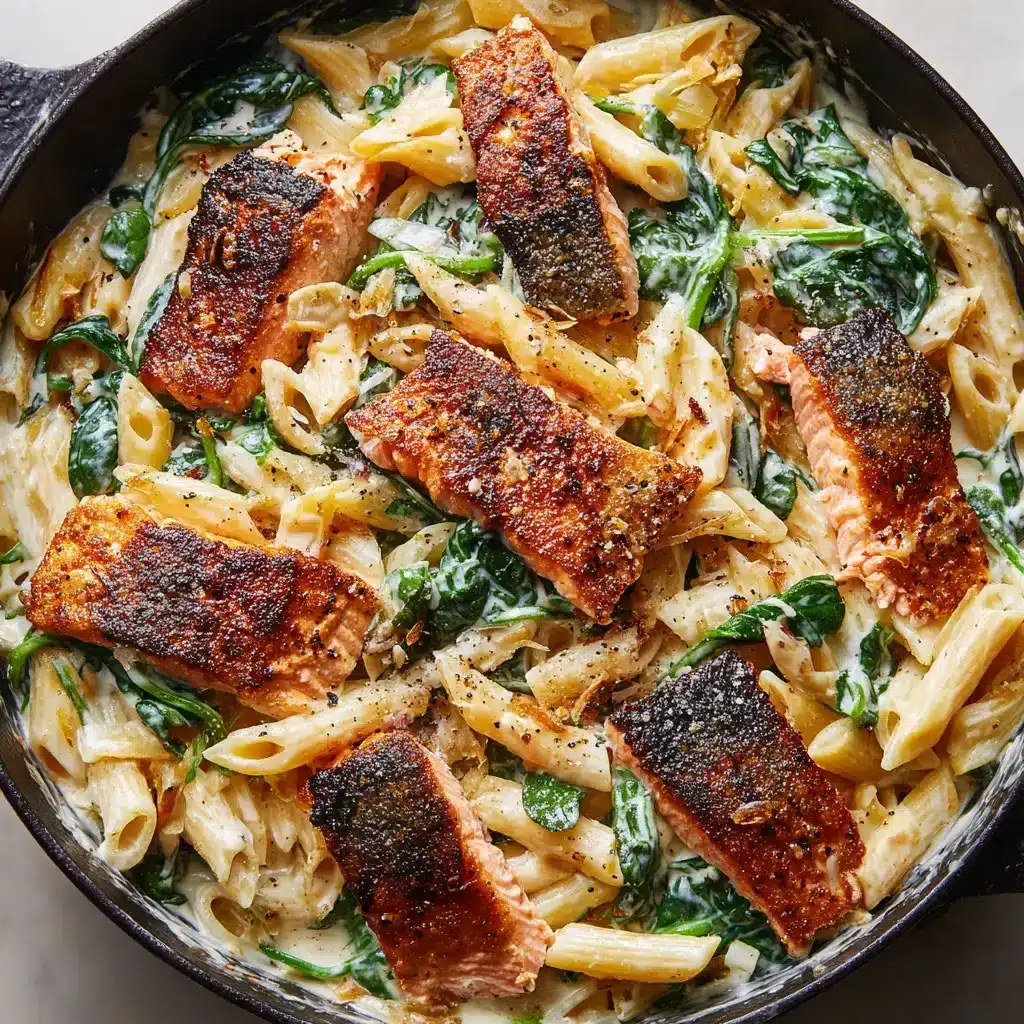
This Creamy Salmon Spinach Pasta is a culinary masterpiece that comes together in under 30 minutes, transforming weeknights into gourmet experiences. Imagine a large cast-iron skillet brimming with perfectly al dente penne, all embraced by a rich, impossibly glossy white cream sauce, intertwined with vibrant green spinach, and crowned with tender flakes of pan-seared salmon boasting a crispy, golden-brown crust. It’s a symphony of flavors and textures that looks as incredible as it tastes.
This isn’t just a meal; it’s a testament to how simple, quality ingredients can create something truly extraordinary with minimal fuss. The balance of savory salmon, luscious cream, and earthy spinach makes each bite a delightful revelation, proving that elegant dining can indeed be achieved on a busy schedule.
Why You Will Love This Recipe
- Effortless Elegance: This dish effortlessly blends sophisticated flavors and presentation, making it perfect for impressing guests or treating yourself after a long day. It looks and tastes like it was crafted by a seasoned chef, yet requires minimal culinary expertise.
- Speedy Preparation: In just about 30 minutes from start to finish, you can have a restaurant-quality meal on your table. This makes it an ideal solution for those busy weeknights when time is of the essence but you don’t want to compromise on taste or quality.
- Textural Delight: The interplay of textures is exceptional, from the satisfying bite of perfectly cooked pasta to the flaky, moist salmon with its irresistibly crispy skin, all enveloped in a silken, luxurious sauce. Each element complements the others to create a harmonious dining experience.
- Visually Stunning Presentation: The vibrant colors of the spinach and salmon against the creamy white sauce, all presented in a rustic cast-iron skillet, make this dish a feast for the eyes. It’s a meal that truly celebrates visual appeal as much as flavor.
- Incredibly Versatile: While perfect as is, this recipe serves as a fantastic base for customization. Whether you want to add a kick of spice or swap out ingredients, it readily adapts to your personal preferences and dietary needs.
Ingredients You Need
The success of this Creamy Salmon Spinach Pasta hinges on the quality of your ingredients, so opt for the freshest possible to achieve the most vibrant flavors and textures. Using fresh, high-quality components ensures that each element shines, contributing to the overall deliciousness of the final dish.
Creamy Salmon Spinach Pasta

This 30-minute Creamy Salmon Spinach Pasta is the perfect weeknight dinner! Featuring pan-seared flaky salmon with a golden crust, al dente penne, and a rich, glossy white cream sauce with wilted spinach. It's a stunning 30-minute skillet dinner.
- 12 oz Penne Pasta (340g)
- 2 Salmon Fillets (6-oz each, skin-on) (170g each)
- 1 tbsp Extra Virgin Olive Oil (15ml)
- 1 tbsp Unsalted Butter (15g)
- 2 cloves Garlic, finely minced
- 1.5 cups Heavy Cream (360ml)
- 0.5 cup Low-Sodium Chicken or Vegetable Broth (120ml)
- 0.75 cup Freshly Grated Parmesan Cheese (75g), plus more for serving
- 5 oz Fresh Baby Spinach (140g)
- Salt and Coarse Black Pepper, to taste
- 1Bring a large pot of heavily salted water to a rolling boil. Add penne and cook to al dente according to package directions. Reserve 1 cup of pasta water, then drain the pasta.
- 2Pat salmon fillets dry and season generously with salt and pepper. Heat olive oil and butter in a large skillet over medium-high heat. Place salmon skin-side down and sear for 4-6 minutes until the skin is crispy and golden-brown. Flip and cook for another 2-3 minutes. Remove salmon from the skillet and set aside.
- 3In the same skillet over medium heat, add minced garlic and cook for 30 seconds until fragrant. Deglaze with broth, scraping the bottom of the pan. Stir in heavy cream, bring to a simmer, and cook for 2-3 minutes to thicken. Reduce heat to low and stir in grated Parmesan until smooth.
- 4Add the drained pasta to the sauce, stirring to coat. Add the spinach and stir until just wilted. If needed, thin the sauce with a splash of reserved pasta water. Season with salt and pepper to taste. Break the salmon into large flakes over the pasta. Serve immediately with extra Parmesan.
Keywords: salmon, pasta, spinach, creamy sauce, skillet, weeknight dinner, quick recipe
The exact quantities for these wonderful ingredients are detailed within the recipe card.
Variations
One of the most exciting aspects of this Creamy Salmon Spinach Pasta is its adaptability. You can easily transform it to suit various dietary preferences or simply to explore new flavor profiles, ensuring that this dish remains a staple in your culinary repertoire.
For a delightful Vegan twist, you can substitute the salmon with pan-fried firm tofu or tempeh marinated in a savory blend of soy sauce, garlic, and a touch of maple syrup. The cream sauce can be ingeniously recreated using a cashew cream base, blended with nutritional yeast for a cheesy flavor and a splash of lemon juice for brightness. Coconut milk can also offer a rich, dairy-free alternative, though it imparts a subtle tropical note.
If you’re following a Low Carb lifestyle, consider swapping the penne for spiralized zucchini noodles (zoodles) or shirataki noodles. These low-carbohydrate alternatives absorb the creamy sauce beautifully and offer a satisfying texture. Ensure you gently sauté the zoodles before adding them to the sauce to prevent them from becoming too watery.
To introduce a touch of Mediterranean flair, consider adding Kalamata olives, sun-dried tomatoes, or capers to the sauce along with the spinach. A squeeze of fresh lemon juice right before serving can also brighten the flavors and complement the richness of the sauce and salmon beautifully. These additions bring a lovely tang and a different dimension of savory notes.
How to Prepare creamy salmon spinach pasta
Step 1: Cook the Penne to Al Dente Perfection
Begin by bringing a large pot of generously salted water to a rolling boil over high heat. The water should be seasoned liberally, almost tasting like the sea, as this is your primary opportunity to imbue the pasta with foundational flavor. Properly salted pasta water ensures that even the center of the pasta is seasoned, preventing a bland outcome.
Add the 12 ounces (340g) of penne pasta to the boiling water. Cook it according to the package directions, but pay close attention and begin testing its tenderness a minute or two before the suggested cooking time. You are aiming for an “al dente” texture – meaning the pasta should be tender but still possess a firm, slight bite in the center, offering a pleasant resistance when chewed.
Crucially, before draining the pasta, reserve approximately 1 cup (240ml) of the starchy pasta water. This cloudy liquid is a culinary treasure trove; its starch content is vital for emulsifying and thickening the sauce, allowing it to cling perfectly to the pasta. Once drained, set the penne aside; it will be incorporated into the creamy sauce shortly.
Step 2: Achieve the Perfect Salmon Sear
While the penne is cooking, focus on preparing the star protein: the salmon. Thoroughly pat the two 6-ounce (170g) salmon fillets completely dry using paper towels. This step is absolutely non-negotiable for achieving that coveted crispy skin and a beautiful golden-brown crust. Moisture is the enemy of crispiness; by removing excess water, you encourage browning and rendering of the skin.
Generously season both sides of the salmon fillets with salt and coarse black pepper. Don’t be shy with the seasoning; this ensures the salmon is flavorful throughout and contributes to the formation of that desirable crust. The salt helps draw out moisture, aiding in crisping the skin.
Heat 1 tablespoon (15ml) of extra virgin olive oil and 1 tablespoon (15g) of unsalted butter in your large cast-iron skillet over medium-high heat. The combination of oil and butter provides an optimal searing medium: the oil raises the smoke point of the butter, preventing it from burning, while the butter contributes a rich flavor and aids in browning.
You’ll know the skillet is hot enough when the butter has melted and is actively sizzling, but not yet browned. Carefully place the salmon fillets skin-side down into the scorching hot skillet. You should hear an immediate and satisfying sizzle as they make contact with the pan. Let the salmon sear undisturbed for 4 to 6 minutes. During this time, the skin will render, become deeply golden-brown, and crisp up beautifully. The fillet will begin to turn opaque, indicating it’s cooking through from the bottom.
Once the skin is perfectly crisp and the salmon releases easily from the pan, carefully flip the fillets using a spatula. Cook on the second side for an additional 2 to 3 minutes, or until the salmon is just cooked through and flakes easily with a fork. Be mindful not to overcook it at this stage, as it will continue to cook slightly from residual heat. Remove the salmon from the skillet and set it aside on a plate to rest while you prepare the sauce; its resting period allows the juices to redistribute, ensuring a moist and tender result.
Step 3: Build the Glossy Cream Sauce
With the salmon set aside, turn your attention to the heart of the dish: the creamy sauce. Reduce the heat of the skillet to medium. Add the 2 minced cloves of garlic to the residual fats and drippings left in the skillet from cooking the salmon. Sauté the garlic for about 30 seconds, stirring constantly, until it becomes fragrant. Be extremely careful not to let the garlic burn, as burnt garlic imparts a bitter, unpleasant flavor to the sauce.
Pour in the ½ cup (120ml) of low-sodium chicken or vegetable broth. This step is known as deglazing; use a wooden spoon or spatula to scrape up all the delicious browned bits (fond) that have adhered to the bottom of the skillet. These bits are packed with concentrated flavor and will form the savory foundation of your sauce, adding immense depth.
Stir in the 1 ½ cups (360ml) of heavy cream. Bring the mixture to a gentle simmer over medium heat, stirring occasionally. Allow the cream to bubble gently for 2 to 3 minutes. This simmering period helps the cream to reduce slightly and thicken, creating a richer, more luscious sauce base without becoming overly heavy.
Once the sauce has thickened to your liking, reduce the heat to low. This is a crucial step to prevent the dairy from breaking or curdling. Gradually stir in the ¾ cup (75g) of freshly grated Parmesan cheese. Continue stirring until the cheese is completely melted and the sauce is smooth, glossy, and beautifully emulsified. The low heat ensures the Parmesan melts seamlessly, contributing its sharp, nutty flavor and creating that characteristic silken texture.
Step 4: Bringing It All Together
Now it’s time to unite all the prepared components into one harmonious dish. Add the drained penne pasta directly into the skillet containing the glossy cream sauce. Gently stir the pasta into the sauce using a spatula or large spoon, ensuring that every piece of penne is thoroughly coated in the rich, creamy goodness. This step allows the pasta to absorb some of the sauce’s flavor.
Next, add the 5 ounces (140g) of fresh baby spinach to the skillet. Introduce it in large handfuls, allowing it to wilt down as you stir it into the hot pasta and sauce mixture. This process should only take a minute or two; the residual heat is enough to wilt the delicate spinach leaves, infusing the sauce with a vibrant green color and a subtle, earthy freshness.
Observe the consistency of the sauce. If it seems too thick for your preference, a common occurrence as the pasta and spinach absorb liquid, gradually add a splash of the reserved pasta water, a tablespoon at a time, while stirring. Continue adding pasta water until the sauce reaches your desired consistency – smooth, coating, and not watery. This starchy water also helps to bind the sauce to the pasta, creating a perfectly cohesive dish.
Taste the pasta and sauce mixture and season generously with salt and more coarse black pepper as needed. Remember that the Parmesan cheese adds saltiness, so adjust accordingly. Finally, gently break the cooked salmon fillets into large, generous flakes using a fork. Arrange these beautiful pieces of salmon artfully over the top of the pasta in the skillet. Serve immediately, garnishing with an additional sprinkle of freshly grated Parmesan cheese and a final dusting of black pepper for an extra touch of elegance and flavor.
Pro Tips for creamy salmon spinach pasta
To ensure your Creamy Salmon Spinach Pasta reaches its full potential, here are some expert tips honed in the test kitchen. These small but significant details can elevate the dish from good to absolutely spectacular, guaranteeing consistent, delicious results every time you prepare it.
Don’t Overcook the Salmon: This is paramount for tender, flaky salmon. Remember that the fish will continue to cook from residual heat after it’s removed from the skillet. It’s always better to err on the side of slightly undercooking it in the pan, as it will reach perfection as it rests and is added to the hot pasta. Pull it when it’s just barely opaque in the thickest part for the most succulent texture.
Use Freshly Grated Parmesan: I cannot emphasize this enough. Pre-shredded cheeses contain anti-caking agents, primarily cellulose, which prevent them from melting smoothly. This will result in a grainy or gritty sauce, detracting from its luxurious texture. Grating your Parmesan from a block ensures a silky, emulsified sauce with a superior flavor profile.
Salt Your Pasta Water Generously: Think of salting your pasta water as seasoning the pasta from the inside out. The water should taste noticeably salty, akin to the sea. This is the most fundamental step in building flavor for any pasta dish. Insufficiently salted water will lead to bland pasta, no matter how flavorful your sauce is.
Control Your Heat with Dairy: When adding the cream and cheese to the sauce, maintaining low heat is critical. High temperatures can cause the proteins in dairy to destabilize, leading to a broken or curdled sauce. Gently simmering and incorporating the cheese on low heat ensures a smooth, stable, and glossy sauce that coats the pasta beautifully.
Pat the Salmon Dry: For that incredibly crispy skin, patting the salmon fillets completely dry with paper towels before seasoning is essential. Any surface moisture will steam the skin rather than allowing it to crisp and brown. This simple step is the key to achieving that restaurant-quality textural contrast.
Serving Suggestions for creamy salmon spinach pasta
Decoration
For a final flourish that enhances the visual appeal, consider a light scattering of fresh chopped parsley or chives over the top of the finished pasta. A few extra shavings of Parmesan cheese or a final grind of coarse black pepper add both visual texture and an aromatic finish. A drizzle of high-quality extra virgin olive oil can also add a lovely sheen and a hint of fresh flavor.
Side Dishes
This Creamy Salmon Spinach Pasta is a wonderfully complete meal on its own, but it pairs exceptionally well with a few complementary side dishes that add freshness and balance. A simple, crisp Green Salad with a light lemon-dijon vinaigrette provides a refreshing contrast to the richness of the pasta and sauce. Consider serving it alongside steamed asparagus or roasted broccoli for an extra boost of vegetables and a lovely color contrast.
Creative Serving Ideas
While serving directly from the skillet is rustic and appealing, for a more formal presentation, you can plate individual portions. Gently spoon the pasta mixture onto warm plates, nestling the salmon flakes on top. A small dollop of crème fraîche or a sprinkle of toasted pine nuts can add an unexpected element of luxury and crunch. For an Italian-inspired theme, consider serving this alongside a crusty Italian Lemon Custard Cake for dessert or a vibrant tomato and mozzarella salad.
Preparation & Storage
Storing Leftovers
While this dish is undeniably best enjoyed fresh, any remaining Creamy Salmon Spinach Pasta can be stored in an airtight container in the refrigerator. Ensure it’s cooled completely before sealing to prevent condensation buildup. Properly stored, leftovers should remain delicious for up to two days.
Freezing
Due to the delicate nature of the cream sauce and the cooked salmon, this particular dish is not recommended for freezing. Freezing and subsequent thawing can alter the texture of the sauce, potentially causing it to separate or become watery, and can also make the salmon rubbery.
Reheating
To reheat leftovers, it’s best to use the stovetop method for optimal results. Gently warm the pasta in a non-stick skillet over low heat. Add a splash of milk or cream to help loosen the sauce and restore its glossy texture. Stir continuously until heated through, being careful not to overheat. Avoid reheating in the microwave, as this can often lead to uneven heating and a less desirable texture for both the pasta and the salmon.
Frequently Asked Questions
-
Can I use a different type of pasta for this recipe?
Absolutely! While penne pasta’s tubular shape and ridges are excellent for capturing and holding the creamy sauce, many other pasta shapes would also work wonderfully. Consider using rigatoni, fusilli, farfalle (bow-tie), or even a long pasta like fettuccine or linguine. If using a long pasta, you might want to cut it into shorter lengths for easier eating in the skillet. The key is to cook whichever pasta shape you choose to a perfect al dente consistency, as per the package directions, ensuring it retains a slight bite even after being combined with the sauce.
-
Can I use frozen spinach instead of fresh?
Yes, you can certainly use frozen spinach as a substitute for fresh baby spinach. However, it’s crucial to thaw the frozen spinach completely and then thoroughly squeeze out as much excess water as possible before adding it to the sauce. Frozen spinach contains a significant amount of water, and failing to remove it will dilute the cream sauce, making it thin and less flavorful. You can achieve this by placing the thawed spinach in a fine-mesh sieve and pressing down firmly with a spoon, or by wrapping it in a clean kitchen towel and wringing it out.
-
Can this Creamy Salmon Spinach Pasta be made ahead of time?
This dish is truly at its absolute best when prepared and served immediately after cooking. The magic lies in the fresh textures and the pristine emulsion of the sauce. When made ahead, the sauce can thicken considerably as it cools, and the salmon, while still good, might not retain the same delicate flakiness and crispy skin. If you must prepare components in advance, consider cooking the pasta and searing the salmon separately and then assembling and saucing just before serving to maintain the highest quality of taste and texture. We recommend preparing it fresh for the most satisfying dining experience.