Creamy Salmon Recipe
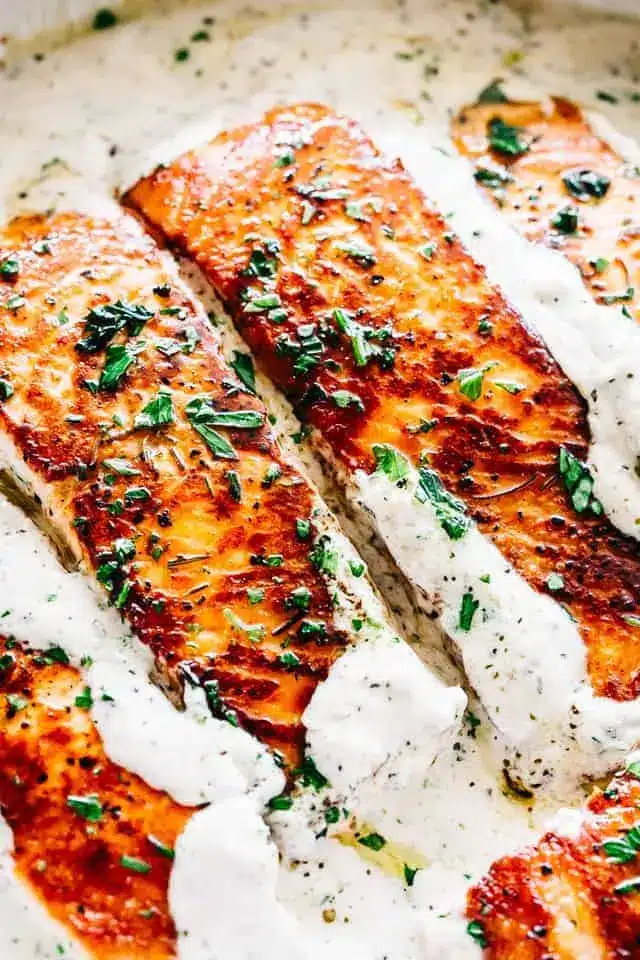
This creamy salmon recipe is a culinary gem that promises a delightful dining experience without demanding hours in the kitchen. It masterfully blends the rich flavor of perfectly seared salmon with a luscious lemon garlic cream sauce, creating a dish that is both sophisticated and incredibly comforting. Imagine a weeknight where a restaurant-quality meal is achievable in mere minutes, leaving you with more time to savor the moments that truly matter.
This dish is more than just a recipe; it’s an invitation to elevate your everyday meals with minimal effort. The simplicity of its preparation, coupled with the depth of flavor, makes it an ideal choice for busy home cooks seeking impressive results. Get ready to discover a new favorite that will undoubtedly become a staple in your culinary repertoire, celebrated for its taste and ease.
Why You Will Love This Recipe
- Effortless Preparation: This entire meal comes together in a single skillet, significantly reducing cleanup time and simplifying the cooking process from start to finish.
- Rich Flavor Profile: The combination of pan-seared salmon with a velvety lemon garlic cream sauce offers a delightful contrast of textures and a symphony of savory, tangy, and herbaceous notes.
- Speedy Weeknight Meal: Ready in under 30 minutes, this recipe is a lifesaver for those evenings when hunger strikes and time is of the essence, proving that delicious meals don’t need to be time-consuming.
- Restaurant-Quality Taste: Achieving a perfectly crispy skin on the salmon and a luxuriously smooth sauce at home has never been easier, bringing a touch of gourmet dining right to your table.
- Versatile and Adaptable: While exquisite on its own, this dish readily welcomes modifications and substitutions, allowing you to tailor it to your specific dietary preferences or the ingredients you have on hand.
Ingredients You Need
The success of any fantastic dish hinges on the quality of its ingredients, and this creamy salmon recipe is no exception. Opting for the freshest salmon and vibrant produce will truly make your meal sing. The pantry staples required are common, ensuring you can likely whip this up with a quick trip to the store or even what you already possess, making spontaneous deliciousness a reality.
Creamy Lemon Garlic Salmon
This quick, delicious, and creamy salmon recipe is prepared in just one skillet and served with an incredible lemon garlic cream sauce, and it's done in under 30 minutes.
- 2 tablespoons olive oil
- 6 skin-on salmon fillets, room temperature, each fillet should be about 4 to 5 ounces
- salt and freshly ground black pepper, to taste
- 1 tablespoon butter
- 1 cup half & half (you can also use heavy cream or low-fat evaporated milk)
- ½ tablespoon all purpose flour
- ½ cup grated Parmesan cheese
- 1 lemon, zested and juiced
- 3 cloves garlic, minced
- 1 teaspoon dried dill
- ¾ teaspoon dried thyme
- salt and freshly ground black pepper, to taste
- lemon slices, for garnish
- fresh chopped parsley, for garnish
- 1Heat the olive oil in a large skillet over medium-high heat.
- 2Season the salmon fillets with salt and pepper. Transfer them to the skillet, skin-side down, and cook two to three fillets at a time – don't crowd the skillet.
- 3Cook for 6 minutes, or until cooked about three quarters of the way through. Do not move the fish around; just let it cook.
- 4Using a spatula, flip the salmon fillets over and cook for 2 more minutes; remove from skillet and set aside.
- 5Repeat with the rest of the fillets and set all aside.
- 6In the meantime, combine the half & half, flour, cheese, lemon juice, lemon zest, garlic, dill, thyme, salt, and pepper in a mixing bowl; whisk until thoroughly incorporated.
- 7Add butter to the skillet and melt it over medium heat. Add the prepared sauce to the skillet and bring to a boil, then lower the heat to a simmer.
- 8Place previously prepared salmon fillets back in the skillet. Cook for 2 to 3 minutes or until salmon is heated through. Remove the skillet from the heat.
- 9Spoon the sauce over the salmon. Garnish with lemon slices and parsley, and serve.
Keywords: creamy salmon, lemon garlic salmon, pan seared salmon, one skillet salmon, quick salmon dinner, weeknight dinner, seafood
Quantities for each ingredient are meticulously detailed within the recipe card, ensuring precision for optimal results.
Variations
This delightful creamy salmon recipe serves as a magnificent canvas for culinary creativity, readily adapting to a myriad of dietary needs and flavor preferences. Experimentation is highly encouraged, allowing you to craft a dish that perfectly suits your palate or any special requirements you may have.
Vegan Delight: For a completely vegan rendition, swap the salmon fillets for thick slices of king oyster mushrooms, which possess a wonderfully meaty texture when seared. The cream sauce can be transformed using a base of blended cashews soaked in hot water, thickened with nutritional yeast for a cheesy depth, and flavored with garlic, lemon, and herbs. This variation offers a plant-based alternative that is just as satisfying and flavorful, proving that vegan cooking can be incredibly decadent.
Low-Carb Elegance: To embrace a low-carbohydrate lifestyle, focus on the inherent qualities of the salmon and the sauce. Serve the creamy salmon over a bed of cauliflower rice or alongside sautéed zucchini noodles instead of traditional pasta or rice. Ensure you are using a low-carb thickener for the sauce, such as a small amount of xanthan gum or simply by reducing the liquid further to achieve the desired consistency. This adaptation maintains the rich, creamy indulgence while adhering to carb-conscious eating patterns.
Spicy Kick: If you enjoy a touch of heat, consider infusing the cream sauce with a pinch of red pepper flakes or a finely minced jalapeño pepper. Sautéing the garlic and chili together in the butter before adding the liquids can impart a wonderful warmth throughout the sauce. You could also incorporate a dash of your favorite hot sauce into the finished sauce for a quick and easy way to add a fiery dimension to the dish. This spicy variation adds an exciting zest that complements the richness of the salmon beautifully.
How to Prepare creamy salmon recipe
Step 1: Preparing the Salmon for Searing
The initial stage of preparing the salmon is crucial for achieving that coveted crispy skin and perfectly cooked interior. Ensure your salmon fillets are at room temperature; this allows them to cook more evenly and thoroughly in the hot pan. Patting them completely dry with paper towels is a non-negotiable step. Moisture is the enemy of crispiness, and excess water will steam the fish rather than sear it, hindering the development of that beautiful golden crust we aim for.
Seasoning is the next key element. A generous application of salt and freshly ground black pepper on both sides of the salmon fillets is essential for building flavor from the outset. Don’t be shy with the seasoning, as it will enhance the natural taste of the fish and create a more complex final dish. Think of it as the foundation upon which the entire flavor profile will be built, making every bite a delight.
When selecting your salmon, skin-on fillets are highly recommended for this specific recipe. The skin not only protects the delicate flesh from drying out during the high-heat sear but also crisps up beautifully, adding a wonderful textural contrast to the tender fish. If you are particularly averse to skin, you can opt for skinless fillets, but be mindful that they may cook slightly faster and require a bit more care to prevent overcooking.
Step 2: Searing the Salmon to Perfection
Heat a generous amount of olive oil in a large, heavy-bottomed skillet over medium-high heat until it shimmers. The key to a good sear is a sufficiently hot pan; you want to hear a satisfying sizzle the moment the salmon hits the skillet. Allowing the oil to reach the right temperature ensures that the fish sears quickly, developing a delicious crust without overcooking the interior.
Carefully place the seasoned salmon fillets into the hot skillet, ensuring they are skin-side down. It is vital not to overcrowd the pan; cook the fillets in batches if necessary. Overcrowding will cause the temperature of the pan to drop, leading to steaming rather than searing, and will prevent the skin from achieving its desired crispiness. Give each fillet enough space to breathe and develop that beautiful golden-brown exterior.
Resist the urge to move or fuss with the salmon for the first 6 minutes. This period of undisturbed cooking is critical for forming a deep, flavorful crust. You will notice the salmon cooking up the sides as heat penetrates; this is a good sign. Once you see that the flesh is cooked about three-quarters of the way up from the bottom, it’s time to flip.
Step 3: Finishing the Salmon and Preparing the Sauce Base
Gently flip the salmon fillets using a thin spatula. The skin should release easily from the pan if it has seared properly; if it sticks, give it another 30 seconds. Cook on the second side for an additional 2 minutes, just enough to finish cooking the fish through. The exact cooking time will depend on the thickness of your fillets, so keep an eye on them to avoid overcooking. Overcooked salmon becomes dry and flaky, losing its succulent texture.
Once cooked, carefully remove the salmon fillets from the skillet and set them aside on a plate. Tent them loosely with foil to keep them warm while you proceed to make the luscious cream sauce. This brief resting period allows the juices to redistribute, resulting in more tender and flavorful fish.
After removing the salmon, if there is excessive oil in the pan, you can carefully pour off about half of it, leaving just enough to sauté the aromatics. The remnants of the salmon and seasonings left in the pan will contribute wonderfully to the depth of flavor in the sauce. This is where the magic of one-pan cooking truly shines, capturing all the delicious essence.
Step 4: Crafting the Lemon Garlic Cream Sauce
In a separate bowl, prepare the base for your creamy sauce by whisking together the half-and-half, all-purpose flour, grated Parmesan cheese, lemon zest, minced garlic, dried dill, dried thyme, and a pinch of salt and pepper. Whisking these ingredients together in a bowl before adding them to the hot pan helps to ensure a smooth, lump-free sauce. The flour acts as a thickening agent, while the Parmesan cheese adds a delightful salty and savory depth.
Ensure the lemon zest is finely grated to release its aromatic oils without imparting any bitterness. Similarly, mince your garlic finely for maximum flavor distribution. The dried herbs, while convenient, can be substituted with fresh herbs; just double the quantity if using fresh. Taste this mixture to get a preliminary sense of the flavor balance before it’s cooked.
Once the sauce base is well combined, set it aside. The ingredients are now ready to meld together in the skillet, transforming into a rich and flavorful coating for the salmon. This step is crucial for building the luxurious texture and bright, zesty taste that defines this dish.
Step 5: Simmering the Sauce and Finishing the Dish
Return the skillet to medium heat and add 1 tablespoon of butter. Allow the butter to melt completely, coating the bottom of the pan. This butter will form the rich foundation of your sauce, adding another layer of deliciousness and helping to sauté the garlic and herbs.
Pour the prepared cream sauce mixture into the skillet with the melted butter. Stir continuously as the sauce begins to heat up. Bring the sauce to a gentle boil, and then immediately reduce the heat to a simmer. Continue to simmer the sauce, stirring frequently, for about 3-5 minutes, or until it has thickened to your desired consistency. The sauce should coat the back of a spoon nicely. If it’s too thick, you can add a splash more half-and-half; if it’s too thin, let it simmer a little longer.
Once the sauce has reached the perfect consistency, gently nestle the seared salmon fillets back into the skillet, arranging them so they are partially submerged in the simmering sauce. Allow the salmon to warm through in the sauce for another 2-3 minutes. This final cooking stage allows the fish to absorb the wonderful flavors of the sauce and ensures it is heated through without becoming overcooked.
Step 6: Serving and Garnishing
With the salmon beautifully coated in the luscious lemon garlic cream sauce, the dish is ready to be served. Carefully spoon extra sauce over each salmon fillet, ensuring every piece is generously adorned. The sauce is a star in its own right and deserves to be showcased.
For a final touch of freshness and visual appeal, garnish the dish generously with fresh chopped parsley and thin lemon slices. The bright green of the parsley offers a vibrant contrast to the creamy sauce, while the lemon slices add a pop of color and can be squeezed over the fish for an extra burst of citrus. This final flourish not only enhances the presentation but also adds a refreshing aromatic element.
Serve immediately while the salmon is hot and the sauce is perfectly creamy. This dish is best enjoyed fresh, allowing you to experience the optimal texture and flavor of both the salmon and the sauce. Prepare for rave reviews; this simple yet elegant meal is sure to impress.
Pro Tips for creamy salmon recipe
Quality of Salmon Matters: For the most exquisite taste and texture, opt for wild-caught salmon whenever possible. Wild salmon generally has a firmer texture and a more robust, distinct flavor profile compared to its farmed counterpart. While farmed salmon can certainly be used and will still yield a delicious result, understanding the subtle differences can help you achieve peak flavor.
Achieve Perfect Searing: The secret to that irresistible crispy salmon skin lies in two key steps: ensuring the pan is sufficiently hot and drying the salmon fillets thoroughly. Don’t be tempted to move the salmon around in the pan during the initial searing phase; patience is rewarded with a beautiful, golden-brown crust that will not stick to your skillet. This undisturbed searing allows the Maillard reaction to work its magic.
Sauce Consistency Control: The thickness of your lemon garlic cream sauce is a matter of personal preference. If you find the sauce is too thin after simmering, you can create a slurry by whisking together 1 teaspoon of cornstarch with 2 teaspoons of cold water and then stirring it into the simmering sauce until thickened. Conversely, if the sauce becomes too thick, a splash of milk or water can help to thin it out to the perfect consistency.
Don’t Overcook the Fish: Salmon is delicate and can easily become dry if overcooked. The internal temperature should ideally reach 145°F (63°C), or you can check for doneness by gently pressing the thickest part of the fillet with a fork; it should flake easily. Remember that the salmon will continue to cook slightly from residual heat after being removed from the pan, so err on the side of slightly undercooked if you are unsure.
Taste and Adjust Seasonings: Before you return the salmon to the sauce, always taste the sauce and adjust the salt and pepper as needed. The Parmesan cheese adds a salty element, so it’s important to balance it with the other flavors. A final squeeze of fresh lemon juice just before serving can also brighten up the entire dish, cutting through the richness of the cream sauce.
Serving Suggestions for creamy salmon recipe
Decoration
Elevate the visual appeal of your creamy salmon by incorporating vibrant garnishes. A generous sprinkle of freshly chopped parsley adds a beautiful burst of green and a hint of freshness. Thinly sliced lemon rounds or wedges placed artfully around the plate provide a zesty accent and a delightful aroma. For an extra touch of elegance, consider a light dusting of paprika or a few dill sprigs, complementing the flavors within the sauce.
Side Dishes
This rich and decadent creamy salmon pairs wonderfully with a variety of complementary side dishes that balance its luxuriousness. For a light and refreshing contrast, a simple green salad with a lemon vinaigrette or a side of steamed asparagus or green beans is ideal. You could also serve it with fluffy lemon rice or a small portion of creamy Alfredo pasta for a more indulgent dinner experience. Roasted vegetables like broccoli, Brussels sprouts, or even a medley of seasonal root vegetables also make excellent companions, absorbing the extra sauce beautifully.
Creative Serving Ideas
Move beyond the traditional plate and explore exciting ways to present your creamy salmon. Consider serving individual portions in small cast-iron skillets for a rustic and impressive presentation. Another idea is to flake the salmon and gently fold it into the sauce, then serve it over a bed of tender zucchini noodles for a low-carb option. For a delightful brunch or light lunch, you could even incorporate the flaked salmon and sauce into a savory omelet or a creamy risotto. Don’t forget to share your creations on Pinterest; it’s a visual feast that inspires others!
Preparation & Storage
Storing Leftovers
Should you be fortunate enough to have any delectable creamy salmon leftovers, proper storage is key to maintaining its quality. Allow the dish to cool down completely to room temperature before transferring it into an airtight container. Refrigerate the container promptly, ensuring it is well-sealed to prevent any oxidation or absorption of unwanted odors from other foods in your refrigerator. Properly stored leftovers can typically be enjoyed for up to 3 days.
When storing, it’s advisable to keep the salmon and sauce together if possible, as they have been cooked together. However, if you anticipate having a significant amount of sauce left, you might consider storing it separately. This can be beneficial for reheating, as the sauce can be gently warmed and adjusted for consistency without directly cooking the fish further. Always check the appearance and smell of the leftovers before consumption to ensure they are still safe to eat.
Avoid leaving the cooked salmon at room temperature for extended periods, as this can encourage bacterial growth. Swiftly moving cooled leftovers to refrigeration is a critical food safety practice. Using high-quality airtight containers will significantly extend the freshness and prevent any potential flavor degradation during the storage period.
Freezing
While this creamy salmon recipe is best enjoyed fresh, it can be frozen, though some textural changes may occur. It is generally recommended to freeze the sauce separately from the salmon for the best results upon reheating. Allow both the salmon and the sauce to cool completely before packaging them in freezer-safe containers or heavy-duty freezer bags. For the salmon, wrap individual portions tightly in plastic wrap before placing them in a freezer bag to minimize the risk of freezer burn.
When freezing the sauce, ensure that any air is expelled from the container or bag to prevent ice crystal formation. Label each container clearly with the contents and the date of freezing. Properly frozen, the salmon and sauce can maintain good quality for approximately 1 to 2 months. It’s important to note that the creamy texture of the sauce might alter slightly after thawing and reheating, potentially becoming a bit more separated, but it will still be delicious.
Freezing is a practical option for meal prepping or for those times when you want to have a delicious meal on hand without the immediate need for preparation. Just remember that the quality is often best when consumed within the recommended timeframe. Thawing should ideally be done in the refrigerator overnight to allow for a gentle and safe defrosting process.
Reheating
Reheating creamy salmon requires a gentle approach to preserve its delicate texture and prevent it from drying out or becoming tough. The best method is often on the stovetop. Place the leftover salmon and sauce in a non-stick skillet over low to medium-low heat. Stir gently and occasionally as it warms through. If the sauce appears too thick, you can add a splash of milk, cream, or even water to loosen it to your desired consistency.
Avoid reheating in the microwave if possible, as this can sometimes lead to uneven heating and a rubbery texture. However, if a microwave is your only option, use a lower power setting and heat in short intervals, stirring between each interval. Cover the dish loosely with a paper towel or microwave-safe lid to help retain moisture.
If you have frozen portions, thaw them completely in the refrigerator overnight before reheating. Gently warming them on the stovetop is the preferred method. Ensure the salmon is heated through but not overcooked. The goal is to bring it back to a pleasant temperature without sacrificing the succulence of the fish or the creaminess of the sauce. A final taste and adjustment of seasoning might be necessary after reheating.
Frequently Asked Questions
-
Can I use a different type of fish besides salmon for this recipe?
Absolutely! While salmon is fantastic, this creamy lemon garlic sauce is incredibly versatile and pairs beautifully with other firm, flaky white fish like cod, halibut, or sea bass. You can even adapt it for pan-seared chicken breasts or shrimp, following similar searing and sauce-making techniques. Just be mindful that cooking times will vary depending on the thickness and type of protein you choose, so keep a close eye on it to ensure it is cooked through perfectly.
-
What can I do if my cream sauce is too thin or too thick?
Achieving the perfect sauce consistency is quite manageable. If your sauce is too thin, you can thicken it by letting it simmer uncovered for a few extra minutes, allowing the liquid to reduce and concentrate. Alternatively, you can create a slurry by whisking together 1 teaspoon of cornstarch or all-purpose flour with 2 teaspoons of cold water until smooth, then stirring this mixture into the simmering sauce until it reaches your desired thickness. If the sauce becomes too thick, simply stir in a tablespoon or two of milk, half-and-half, or even a little chicken or vegetable broth until it loosens up to your liking.
-
Is it necessary to use skin-on salmon fillets for this recipe?
Using skin-on salmon fillets is highly recommended for this specific recipe, as it plays a crucial role in achieving that perfect crispy texture and preventing the fish from drying out during the searing process. The skin acts as a protective barrier, allowing the flesh underneath to cook gently while the skin crisps up beautifully. If you strongly prefer skinless fillets, you can certainly use them, but be extra diligent about not overcooking the fish, as they can become dry more quickly. You might also consider searing them for a slightly shorter duration to maintain their moisture.