Coconut Johnny Cake Muffins
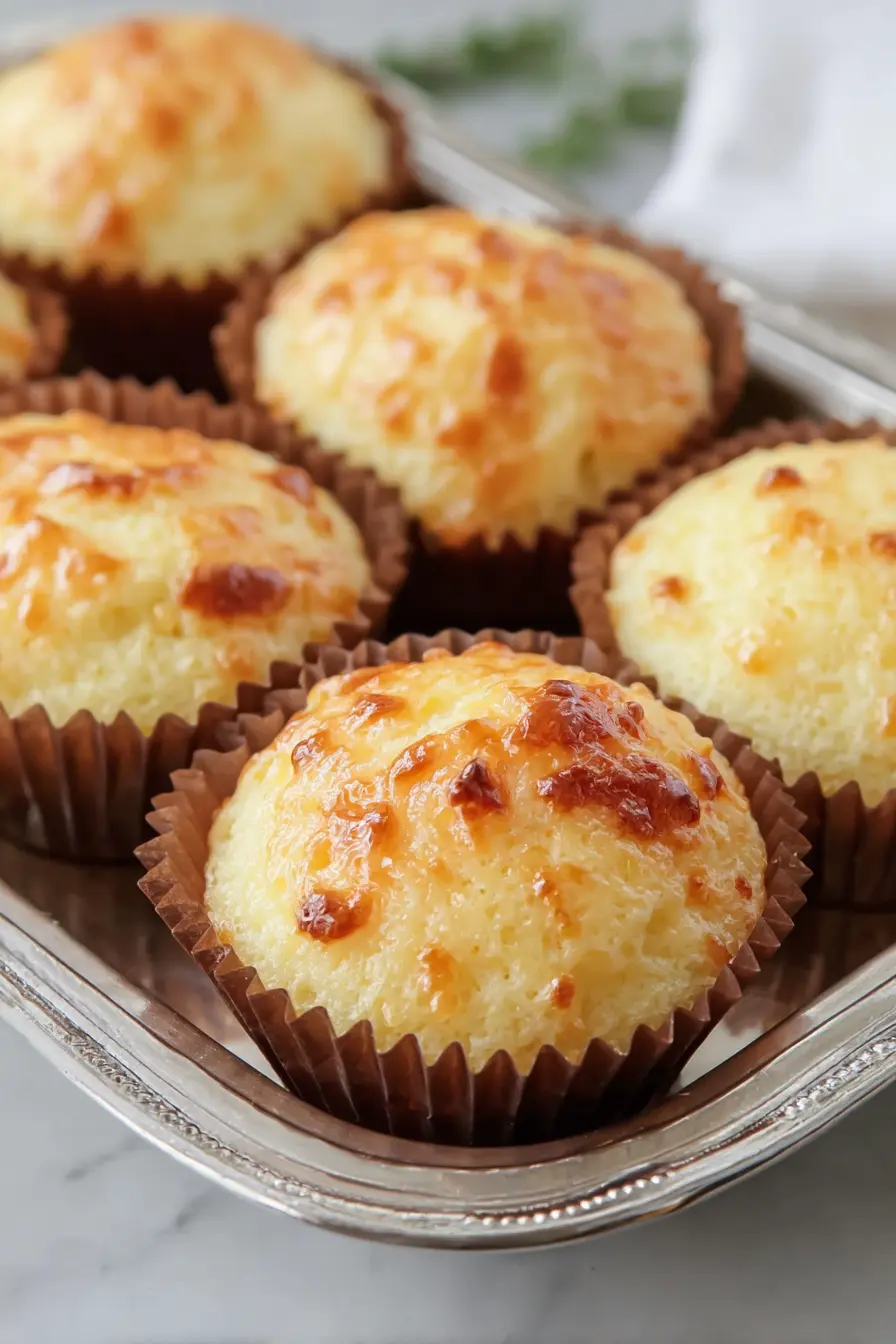
Coconut Johnny Cake is a rich, beginner-friendly bake with a soft buttery crumb and a savory-sweet coconut topping, making it a wonderful choice for brunch, holiday tables, or a cozy side for soup and stew.
If you love baked goods that sit somewhere between bread and muffins, this one deserves a spot in your kitchen. The crumb is tender and substantial at the same time, with enough richness to feel special without becoming heavy.
Why You Will Love This Recipe
- Unique Flavor Profile: A delightful balance of savory onions and sweet coconut creates a taste sensation you won’t find in many other bakes, making it a memorable treat.
- Versatile Serving: Perfect as a standalone treat, a side dish for savory meals, or a special addition to your brunch spread, it adapts beautifully to any occasion.
- Beginner-Friendly: The recipe is straightforward and forgiving, making it an excellent choice for novice bakers looking to impress with a slightly more advanced-seeming dish.
- Texture Heaven: The combination of the tender, moist cake base and the slightly crisp, textured coconut topping offers a satisfying mouthfeel in every bite.
- Visually Appealing: The golden-brown hue and the speckled texture of the topping make these johnny cakes a beautiful addition to any table, inviting guests to dive in.
Ingredients You Need
The quality of your ingredients plays a pivotal role in the final taste and texture of this Coconut Johnny Cake. Opting for fresh, high-quality staples will ensure a superior result that truly shines.
Coconut Johnny Cake Muffins
A rich, tender Bahamian-style johnny cake prepared in muffin form, finished with a savory-sweet coconut topping made with green onion, red onion, and egg whites. The crumb is buttery and soft, while the topping adds texture, color, and distinctive flavor.
- 2 pounds all-purpose flour (such as King Arthur)
- 8 ounces unsalted butter, at room temperature and cut into cubes
- 1 whole egg
- 1 teaspoon baking soda
- 1 heaping tablespoon baking powder
- 1/2 cup vegetable oil
- 2 egg yolks
- 4 cups whole milk
- 1/2 cup sugar
- 1 teaspoon salt
- 1 small red onion, roughly chopped
- 2 egg whites
- 1/2 cup granulated white sugar
- 1 bunch green onion, chopped
- 1 cup freshly grated coconut or unsweetened shredded coconut
- Melted salted butter (optional)
- 1Preheat oven to 350°F (175°C).
- 2Prepare the topping: In a food processor, combine egg whites, grated coconut, chopped green onion, chopped red onion, and white sugar. Blend until thoroughly combined and evenly textured.
- 3In a large bowl, stir together flour, baking powder, baking soda, and salt until evenly distributed.
- 4In a separate bowl, whisk together egg yolks, whole egg, milk, vegetable oil, and sugar until smooth.
- 5Cut the cubed butter into the dry ingredients until the mixture resembles coarse crumbs.
- 6Pour the wet mixture into the dry ingredients and fold gently until just combined. Do not overmix.
- 7Line a muffin pan and divide the batter evenly among the cups using a large ice cream scoop.
- 8Top each portion of batter with 1 teaspoon of the coconut mixture.
- 9Bake for 20 to 25 minutes, or until a toothpick inserted into the center comes out clean.
- 10Optional: Brush the warm tops with melted salted butter. Serve warm.
Keywords: Coconut Johnny Cake, Muffins, Bahamian, Savory-Sweet, Brunch, Side Dish
Quantities for all listed ingredients can be found within the provided recipe card.
Variations
To elevate your Coconut Johnny Cake experience even further, consider these exciting variations, each designed to bring a unique twist to the classic recipe.
For a delightful vegan rendition, the entire recipe can be adapted with simple, plant-based substitutions. Substitute the whole egg and egg yolks with a flax egg or a commercial egg replacer, and use a plant-based milk like almond or soy milk.
For the butter, a high-quality vegan butter spread or melted coconut oil can be used to achieve a similar richness in the dough. The topping remains largely the same, as the coconut, onions, and sugar are inherently vegan, and the egg whites can be substituted with a bit more coconut milk or a vegan meringue powder if you desire extra binding.
A low-carb version offers a lighter, more guilt-free indulgence. For the flour base, a blend of almond flour and coconut flour works wonderfully to reduce the carbohydrate content significantly. Ensure you adjust the liquid quantities slightly, as these flours absorb moisture differently.
The sugar in both the dough and the topping can be replaced with a sugar-free sweetener like erythritol or stevia, adjusting the amount to your taste. This makes the johnny cake suitable for those following ketogenic or low-carb diets without sacrificing flavor.
Introducing a spiced version adds a warm, comforting aroma and flavor, perfect for cooler months. Consider adding a pinch of ground cinnamon, nutmeg, and perhaps a hint of ground ginger to the dry ingredients of the dough. These warming spices will complement the coconut and onion beautifully.
For the topping, a small amount of cayenne pepper or chili flakes can introduce a subtle heat that contrasts wonderfully with the sweetness of the coconut and sugar, adding another layer of complexity.
How to Prepare Coconut Johnny Cake
Step 1: Prepare the Oven and Muffin Tin
Begin by preheating your oven to a consistent 350 degrees Fahrenheit (175 degrees Celsius). This ensures that the oven is at the optimal temperature from the moment your johnny cakes go in, promoting even baking and a beautiful rise.
While the oven heats, prepare your muffin tin by lining it with paper liners or greasing it thoroughly. This step is crucial for preventing the cakes from sticking and makes for easy removal and a tidy presentation of your finished product.
Having both the oven and the muffin tin ready before you start mixing the batter streamlines the entire process, allowing you to move from mixing to baking without any delays. This efficiency is key to achieving the best texture.
Step 2: Craft the Savory-Sweet Coconut Topping
In a food processor, combine the roughly chopped small red onion, the two egg whites, the half cup of granulated white sugar, the chopped bunch of green onion, and the cup of freshly grated or unsweetened shredded coconut. The food processor is ideal for ensuring a uniform texture for the topping, breaking down the onions and incorporating all ingredients smoothly.
Process these ingredients until they are thoroughly combined and have an evenly moist, spoonable consistency. The goal is a mixture that will spread nicely over the batter without being too dry or too wet. This topping is the signature element that gives this johnny cake its unique character.
Ensure that the onions are finely minced within the mixture; you do not want large chunks of raw onion in your topping, as they will not cook down sufficiently during the baking process. The sugar will help to meld the flavors and create a slightly caramelized crust.
Step 3: Combine the Dry Ingredients for the Johnny Cake Base
In a large mixing bowl, thoroughly whisk together the two pounds of all-purpose flour, the heaping tablespoon of baking powder, the teaspoon of baking soda, and the teaspoon of salt. Whisking these dry components together ensures that the leavening agents and salt are evenly distributed throughout the flour.
This even distribution is vital for a consistent rise and texture in your johnny cakes. If the leavening agents are clumped, some cakes might rise more than others, or the texture could be uneven. A good whisking here sets a solid foundation for the rest of the batter.
Take your time with this step to achieve a light and airy dry mixture. This simple preparation step contributes significantly to the overall tenderness of the finished johnny cake, preventing any pockets of salt or baking soda from affecting the taste.
Step 4: Blend the Wet Ingredients for the Johnny Cake Base
In a separate, medium-sized bowl, whisk together the one whole egg, the two egg yolks, the four cups of whole milk, the half cup of vegetable oil, and the half cup of sugar. This mixture forms the liquid base of your johnny cake batter.
Whisk until all the ingredients are smoothly incorporated and the sugar has begun to dissolve. The combination of whole milk and egg yolks adds a wonderful richness and contributes to a tender, moist crumb that is characteristic of a superior johnny cake.
Vegetable oil is used for its ability to keep the cakes moist and tender, even after they have cooled. Ensure the mixture is homogenous; a well-emulsified wet ingredient base will help the batter come together more easily in the next step, preventing overmixing.
Step 5: Incorporate the Butter and Form a Crumb Mixture
Add the eight ounces of unsalted butter, cut into cubes and at room temperature, to the bowl containing the whisked dry ingredients. Use your fingertips, a pastry blender, or a food processor to cut the butter into the flour mixture until it resembles coarse crumbs. This process, known as “cutting in” the butter, is essential for creating a tender and flaky texture.
The small pieces of butter will melt during baking, creating steam pockets that contribute to a light and airy structure. Avoid overworking the mixture; you want distinct pieces of butter, not a uniform paste. The texture should be reminiscent of coarse sand or small pebbles.
This technique is a cornerstone of many excellent baked goods, from biscuits to pies, and it’s what gives this johnny cake its characteristic tender crumb. The fat coats the flour particles, inhibiting excessive gluten development and ensuring softness.
Step 6: Combine Wet and Dry Ingredients, Then Portion
Pour the blended wet ingredients from Step 4 into the bowl with the crumbly dry ingredients from Step 5. Using a spatula or a wooden spoon, gently fold the ingredients together until they are just combined. It is crucial to avoid overmixing at this stage; a few streaks of flour remaining are perfectly acceptable.
Overmixing will develop the gluten in the flour too much, leading to tough, dense johnny cakes. The batter should be thick but pourable. Once the batter is just combined, use a large ice cream scoop or a sturdy spoon to divide the batter evenly among the prepared muffin cups, filling each about two-thirds full.
Next, carefully spoon about a teaspoon of the prepared coconut topping mixture from Step 2 onto the center of each portion of batter. This creates the distinctive topping that characterizes this recipe. Gently press the topping down slightly so it adheres to the batter.
Step 7: Bake and Finish the Coconut Johnny Cakes
Place the filled muffin tin into the preheated oven and bake for approximately 20 to 25 minutes. The exact baking time may vary depending on your oven, so begin checking for doneness around the 20-minute mark. You are looking for the johnny cakes to be lightly golden brown on top and for a toothpick or cake tester inserted into the center to come out clean, with no wet batter attached.
Once baked, carefully remove the muffin tin from the oven. If you desire an extra sheen and flavor, you can brush the warm tops of the johnny cakes with a little melted salted butter. This is an optional but highly recommended step that adds a delightful glossy finish and a hint of saltiness that complements the sweet and savory topping.
Allow the johnny cakes to cool in the muffin tin for a few minutes before transferring them to a wire rack to cool further. They are best served warm, when their texture is at its most tender and fragrant. The aroma alone will be intoxicating, promising a delicious treat.
Pro Tips for Coconut Johnny Cake
Use Room Temperature Ingredients: For the dough, ensure your butter is at room temperature, making it easier to cut into the flour and create the desired crumbly texture. Similarly, room temperature milk and eggs will emulsify more readily into the batter, preventing lumps and ensuring a smoother consistency.
Don’t Overmix the Batter: This is perhaps the most critical tip for achieving a tender johnny cake. Once the wet and dry ingredients are combined, mix only until they are just incorporated. Overmixing develops gluten, leading to a tough, dense texture instead of the desired soft, yielding crumb.
Freshly Grated Coconut is Best: While unsweetened shredded coconut works as a substitute, freshly grated coconut offers a superior flavor and moisture to the topping. It also has a more pleasing texture that melts into the other ingredients beautifully.
Adjust Onion Fineness: For the topping, ensure the red and green onions are very finely minced or processed. Large pieces of onion may remain slightly raw or overpowering. The goal is for their flavor to meld subtly with the coconut and sugar.
Cool Properly Before Storage: Always allow the johnny cakes to cool completely on a wire rack before storing them. Storing them while warm can lead to condensation, making the topping soggy and affecting the texture of the cake itself. Patience here ensures longevity.
Serving Suggestions for Coconut Johnny Cake
Decoration
The visual appeal of Coconut Johnny Cake is already enhanced by its signature topping, with the golden coconut flakes and specks of green and red onion. For an extra touch, consider a delicate dusting of powdered sugar just before serving, especially if presenting them as part of a brunch spread.
A very light drizzle of honey or a complementary glaze, like a lemon or lime glaze, can add a touch of elegance. Alternatively, a sprinkle of toasted slivered almonds over the top can introduce an additional layer of crunch and a nutty aroma.
If serving as a side, the simple beauty of the topping is often sufficient. However, for a more festive occasion, a small edible flower placed artfully on each johnny cake can elevate its presentation significantly.
Side Dishes
These johnny cakes excel as a savory side dish, pairing wonderfully with hearty soups and stews. Their slightly sweet and savory profile provides a delightful contrast to rich, brothy dishes, offering a comforting counterpoint.
For a brunch setting, they complement a wide array of dishes. Serve them alongside classic scrambled eggs, a fluffy omelet, or even a robust breakfast sausage. Their texture is substantial enough to hold its own against these breakfast staples.
When served with main courses, think of them as an elevated alternative to dinner rolls. They pair exceptionally well with grilled or roasted meats and poultry, their unique flavor profile adding an interesting dimension to the meal.
Creative Serving Ideas
For a more interactive and fun serving experience, consider a “build-your-own” topping bar. Alongside the standard coconut topping, offer small bowls of extra shredded coconut, chopped nuts, a light citrus zest, or even a dollop of whipped cream or a vegan alternative for a dessert twist.
Transform them into a quick breakfast sandwich by slicing them horizontally and filling them with a simple spread like cream cheese, avocado, or even a layer of smoked salmon for a sophisticated bite. This offers a delightful change from traditional bread or bagels.
For a light dessert, serve them warm with a scoop of vanilla bean ice cream or a dollop of fresh fruit compote. The warm, tender cake paired with cold ice cream offers a delightful temperature and texture contrast, making for a simple yet satisfying sweet ending.
Preparation & Storage
Storing Leftovers
Once cooled completely, leftover Coconut Johnny Cakes can be stored in an airtight container at room temperature for up to two days. This method is ideal for maintaining their freshness for immediate consumption.
If you anticipate needing them for longer than two days, it’s best to refrigerate them. In an airtight container in the refrigerator, they will remain good for up to four days. The refrigeration helps to slow down spoilage, especially due to the moisture content from the topping.
Ensure the container is truly airtight to prevent the johnny cakes from drying out or absorbing unwanted odors from other foods in the refrigerator. Proper storage is key to enjoying them at their best, even a day or two later.
Freezing
Coconut Johnny Cakes freeze exceptionally well, making them a perfect candidate for batch baking and future enjoyment. After they have cooled completely, wrap each individual johnny cake tightly in plastic wrap or aluminum foil to prevent freezer burn.
Then, place the wrapped johnny cakes into a freezer-safe airtight container or a heavy-duty freezer bag. This double layer of protection ensures maximum freshness and prevents any freezer odors from being absorbed. They can be stored in the freezer for up to 2-3 months.
Label the container with the date of freezing so you can keep track of their freshness. When ready to enjoy, allow them to thaw gradually at room temperature or in the refrigerator for best results.
Reheating
Reheating your Coconut Johnny Cakes will help restore their tender crumb and pleasant warmth. For the best texture, a brief stint in a moderately heated oven is recommended. Place them on a baking sheet and warm them in an oven preheated to around 300°F (150°C) for 5-10 minutes, or until they are heated through.
Alternatively, if you are short on time, you can reheat them in a microwave. Place one or two johnny cakes on a microwave-safe plate and heat them on medium power for 20-30 seconds. Be careful not to overheat, as this can make the cake rubbery.
For an extra touch of indulgence after reheating, consider brushing the tops with a little melted butter, just as you would with freshly baked ones. This simple step can revive their appealing sheen and add a delightful richness.
Frequently Asked Questions
-
Can I make this Coconut Johnny Cake recipe ahead of time?
Yes, you can certainly prepare aspects of this Coconut Johnny Cake recipe ahead of time to simplify the baking process. The topping mixture can be made a day in advance and stored in an airtight container in the refrigerator. The dry ingredients for the batter can also be pre-mixed and stored in a sealed bag or container. However, it is generally best to combine the wet and dry ingredients and bake the johnny cakes on the same day for the freshest texture and flavor. While the fully baked johnny cakes store well, as mentioned in the storage section, baking them closer to serving time ensures their optimal tender crumb and the delightful texture of the topping.
-
What if I don’t have a food processor for the topping? Can I still make it?
Absolutely, if a food processor is not available, you can prepare the topping mixture by hand, although it might require a bit more effort to achieve a finely minced consistency. Start by finely mincing the red onion and green onion as small as possible, using a sharp knife. Then, in a bowl, combine these finely minced onions with the egg whites, granulated white sugar, and the freshly grated or unsweetened shredded coconut. Stir everything together very thoroughly, ensuring the onions are well dispersed throughout the coconut mixture. You may want to use a fork to break up any small clumps of onion and to thoroughly incorporate all the ingredients until the texture is as uniform as possible.
-
Are there any alternatives to all-purpose flour that I can use?
While all-purpose flour is specified for its reliable structure and texture, you can experiment with alternatives, though results may vary. For a gluten-free option, a good quality gluten-free all-purpose flour blend that contains xanthan gum can be used; ensure it’s a blend designed for baking. Be aware that the texture might be slightly different. For a whole wheat variation, you could substitute up to half of the all-purpose flour with whole wheat flour, but this will likely result in a denser, heartier cake. Using only whole wheat flour might make the johnny cake too heavy, so a blend is usually recommended. Remember that different flours absorb liquid differently, so you might need to adjust the amount of milk slightly to achieve the correct batter consistency.