Irresistible Classic Mediterranean Roasted Vegetables
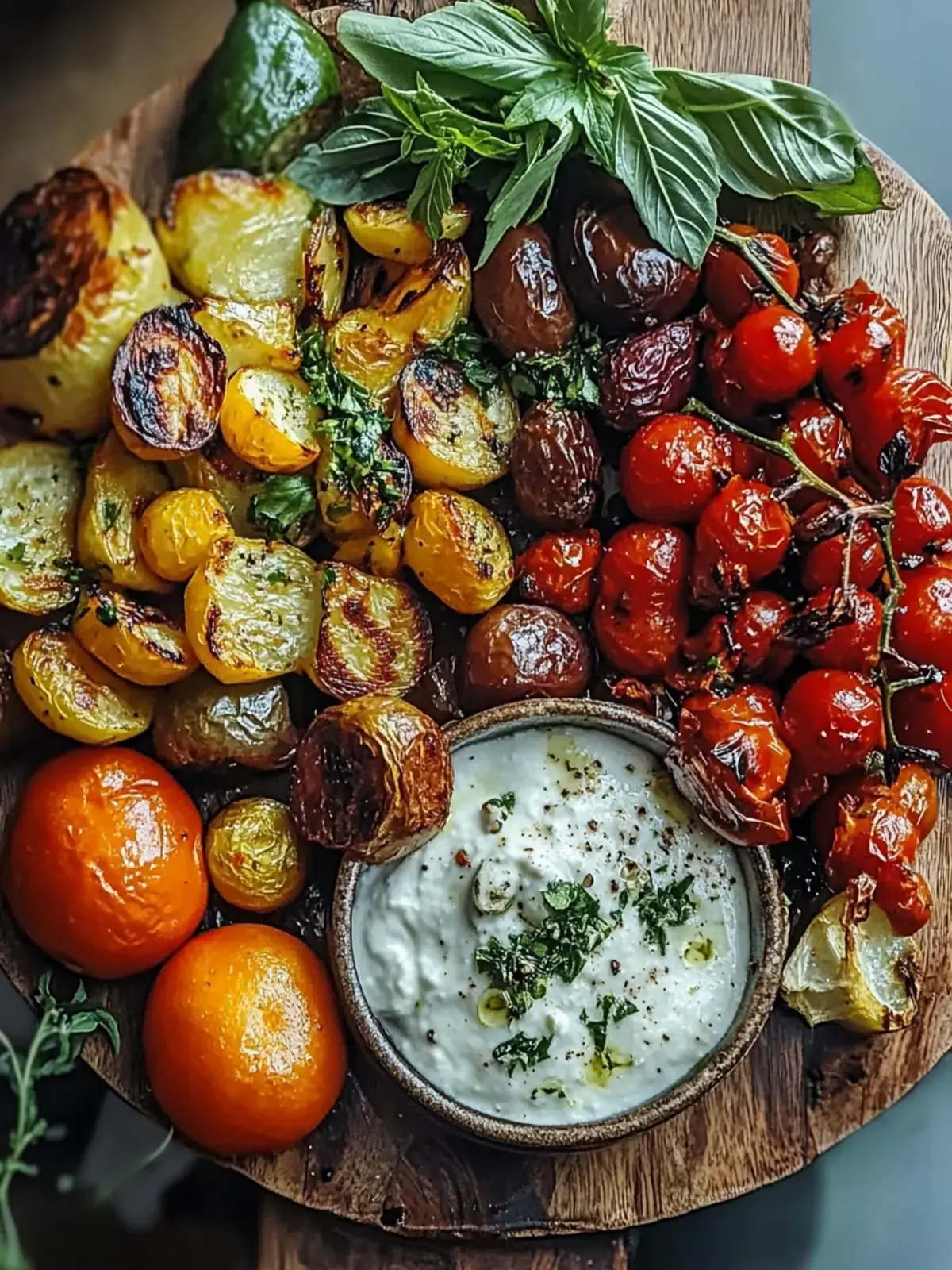
The first whiff of roasted vegetables brings a comforting warmth that instantly transforms any kitchen into a welcoming haven. Picture a vibrant Mediterranean bowl bursting with golden potatoes, sweet red bell peppers, and crispy chickpeas, all enhanced by an array of aromatic spices. As someone who loves to explore flavors, I can’t help but get excited when a simple dish like this evolves into a satisfying feast.
After a particularly hectic week of juggling errands and deadlines, this Classic Mediterranean Roasted Vegetable Bowl with Creamy Tzatziki has become my go-to remedy. It’s quick, healthy, and provides a delightful burst of color and flavor that has me forgetting all about fast food. Plus, this dish is not just vegetarian-friendly; a vegan twist with plant-based yogurt opens it up to anyone looking to enjoy a nourishing meal without compromising on taste.
Gather your favorite vegetables, let the oven work its magic, and soon you’ll have a beautiful plate that not only looks stunning but also nourishes the body and soul. Let’s dive into this delicious experience together!
Why You Will Love This Recipe
- Vibrant Presentation: This recipe is brimming with colorful vegetables, making it as visually appealing as it is delicious. It’s a dish that truly sings on your plate.
- Effortless Preparation: Designed for ease, this recipe involves straightforward steps that even novice cooks can master. Minimal fuss means more enjoyment.
- Highly Customizable: With a flexible ingredient list, you can easily swap vegetables or adjust spices to suit your personal preferences. It’s a recipe that adapts to you.
- Nourishing and Satisfying: Packed with wholesome ingredients, this meal provides sustained energy and keeps you feeling full. It’s a fantastic choice for a healthy lifestyle.
- Versatile Serving Options: This dish pairs beautifully with a variety of accompaniments, from simple grains to fresh salads. It’s a flexible component of any meal.
- Guilt-Free Indulgence: The accompanying creamy tzatziki sauce offers a rich, satisfying flavor without the heavy calories, making it a treat you can enjoy regularly.
Ingredients You Need
The foundation of any exceptional dish lies in the quality of its ingredients. For this Classic Mediterranean Roasted Vegetables recipe, selecting fresh, vibrant produce is paramount to achieving the best possible flavor and texture. We aim for ingredients that are not only visually appealing but also bursting with natural goodness, ensuring each bite is a delightful experience.
Classic Mediterranean Roasted Vegetables with Creamy Tzatziki
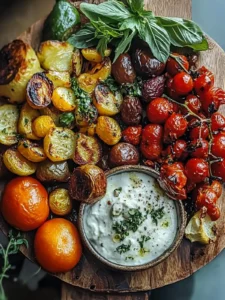
Experience the comforting warmth of Classic Mediterranean Roasted Vegetables, bursting with flavor and colors, served with a creamy tzatziki. This dish is quick, healthy, and provides a delightful burst of color and flavor that is both satisfying and nourishing.
- 1 can Chickpeas (drained and rinsed)
- 1 cup Red Bell Pepper (diced)
- 1 medium Red Onion (cut into wedges)
- 2 medium Potatoes (cut into ¾-inch cubes)
- 3 tablespoons Olive Oil (extra virgin)
- 1 teaspoon Paprika
- 1 teaspoon Dried Basil
- 1 teaspoon Garlic Powder
- 1 teaspoon Dried Oregano
- 1 teaspoon Dried Dill
- 1 teaspoon Dried Parsley
- 1 teaspoon Salt (kosher)
- 1 teaspoon Black Pepper (freshly cracked)
- 1 cup Plain Yogurt (Greek or plant-based)
- 2 cloves Garlic (fresh)
- 1 medium Cucumber (grated and moisture squeezed out)
- 2 tablespoons Fresh Dill (chopped)
- 1 tablespoon Red Wine Vinegar
- 1 tablespoon Lemon Juice
- 1Preheat your oven to 400°F (200°C).
- 2Cut potatoes into ¾-inch cubes, dice the red bell pepper, and cut the onion into wedges. Drain and rinse chickpeas.
- 3Mix paprika, dried basil, garlic powder, dried oregano, dried dill, dried parsley, salt, and black pepper in a small bowl.
- 4Toss prepared vegetables and chickpeas with olive oil and spice blend. Spread out evenly on a baking sheet.
- 5Roast in the oven for 40 minutes, stirring halfway through until golden brown and tender.
- 6Blend yogurt, soaked cashews, tofu, and garlic until smooth and creamy.
- 7Add grated cucumber, fresh dill, red wine vinegar, salt, black pepper, and lemon juice to the blended mixture. Stir well to combine.
- 8Spread tzatziki on serving plates and top with roasted vegetables and chickpeas. Serve immediately.
Keywords: Mediterranean, Roasted Vegetables, Tzatziki, Healthy, Vegetarian, Easy, Dinner, Bowl
The detailed list of ingredients, along with their precise quantities, can be found in the recipe card provided below. This ensures you have everything you need for a perfect culinary creation.
Variations
This Classic Mediterranean Roasted Vegetables recipe is incredibly adaptable, allowing for a world of flavor adventures. Consider transforming it into a hearty vegan delight by simply using a plant-based yogurt alternative for the tzatziki sauce. Many excellent coconut or almond-based yogurts work beautifully, providing that same creamy tang without any dairy.
For those seeking a lower-carbohydrate option, a simple swap can make a significant difference. Replace the potatoes with chunks of cauliflower or Brussels sprouts. These vegetables roast wonderfully and offer a delightful texture, maintaining the Mediterranean essence while fitting into a low-carb lifestyle. You might also consider adding zucchini or asparagus to the mix for added variety and fewer carbs.
Another exciting variation involves introducing a smoky, spicy twist to the roasted vegetables. Incorporate a pinch of smoked paprika or a dash of cayenne pepper into the spice blend for an added kick. For an extra layer of complexity, try adding a tablespoon of harissa paste to the olive oil before tossing the vegetables, infusing them with North African heat and depth.
The tzatziki sauce itself can also be a playground for creativity. Instead of traditional cucumber, try finely grated zucchini for a milder flavor and smoother texture. You could also experiment with adding a hint of mint or a splash of lime juice for a brighter, more refreshing taste. These small adjustments can dramatically alter the profile of the finished dish, offering endless possibilities.
How to Prepare Classic Mediterranean Roasted Vegetables
Step 1: Prepare Your Oven and Vegetables
The journey to perfectly roasted vegetables begins with preheating your oven to the ideal temperature. For this recipe, we’re aiming for a robust 400°F (200°C). This high heat is crucial for achieving that desirable caramelization and tender-crisp texture in your vegetables. Ensuring your oven is fully preheated before the vegetables go in guarantees an even cooking process from the start.
While the oven heats up, it’s time to prepare your star ingredients. Begin with the potatoes; cut them into uniform ¾-inch cubes. Consistency in size is key for even roasting, preventing some pieces from becoming mushy while others remain undercooked. Next, dice your vibrant red bell pepper and slice the red onion into wedges, ensuring they are roughly the same size as the potato cubes. Finally, take your can of chickpeas, drain them thoroughly, and give them a good rinse under cold water to remove any residual saltiness or starchy residue.
A thorough rinsing of the chickpeas is an important step to avoid an overly salty final dish. Make sure to pat them dry, if possible, as this will encourage crispier results. The foundation of excellent roasted vegetables is in the preparation of each component, setting the stage for the flavorful roasting process ahead.
Step 2: Crafting the Aromatic Spice Blend
The soul of Mediterranean cuisine lies in its harmonious blend of herbs and spices, and this recipe is no exception. In a small, separate bowl, you’ll create your signature spice mix. This allows all the individual flavors to meld together before they even touch the vegetables, creating a more complex and integrated taste profile.
Combine a generous teaspoon each of paprika, dried basil, garlic powder, dried oregano, dried dill, and dried parsley. Paprika will lend a beautiful color and a hint of sweetness, while the blend of Mediterranean herbs provides that quintessential aromatic essence. Don’t forget to add a teaspoon each of kosher salt and freshly cracked black pepper; these are fundamental for enhancing all the other flavors present.
This dry spice blend is the secret to evenly distributing flavor across your vegetables. Allowing the spices to sit together for a few minutes in the bowl while you prepare the vegetables allows their volatile oils to begin to mingle, intensifying the aroma and flavor that will coat every piece of produce.
Step 3: Seasoning and Coating the Vegetables
Now it’s time to bring everything together. In a large baking sheet or a large mixing bowl, combine your prepared potatoes, red bell pepper, red onion wedges, and the rinsed chickpeas. Drizzle generously with about three tablespoons of extra virgin olive oil, ensuring every surface of the vegetables is lightly coated. The olive oil acts as a conductor for the flavors, helping them to adhere to the vegetables and promoting that desirable crispy exterior during roasting.
Once the vegetables are glistening with olive oil, it’s time to introduce your meticulously crafted spice blend. Sprinkle the entire mixture over the vegetables and chickpeas. Using your hands or a large spoon, gently toss everything together until each piece is thoroughly coated with the oil and spices. This even distribution is critical for ensuring that every bite is packed with flavor, rather than having pockets of blandness or overwhelming spice.
The key here is to ensure no vegetable piece is left untouched by the fragrant spice mix. Spread the seasoned vegetables and chickpeas in a single layer across the baking sheet. Overcrowding the pan will steam the vegetables rather than roast them, resulting in a less desirable texture. If necessary, use two baking sheets to ensure adequate space for optimal caramelization and crisping.
Step 4: Roasting to Perfection
Place the prepared baking sheet (or sheets) into the preheated 400°F (200°C) oven. Allow the vegetables to roast for approximately 40 minutes. This duration is a guideline; oven temperatures and vegetable sizes can vary, so it’s essential to keep an eye on your culinary creation. Roasting at this temperature will create beautiful browning and tender interiors.
About halfway through the roasting time, typically around the 20-minute mark, it’s crucial to give the vegetables a good stir. Use a spatula to gently flip and rearrange the pieces on the baking sheet. This simple step ensures that all sides of the vegetables are exposed to the heat, promoting even cooking and preventing any single side from burning. The goal is a uniform golden-brown hue and tender texture across all your roasted components.
Continue roasting for the remaining time, observing for the desired level of caramelization and tenderness. The potatoes should be easily pierced with a fork, the bell peppers should be softened and slightly charred at the edges, and the onions should be sweet and tender. The chickpeas, when roasted properly, will develop a satisfyingly crispy exterior, providing a wonderful textural contrast to the softer vegetables.
Step 5: Crafting the Creamy Tzatziki Sauce
While your vegetables are undergoing their transformation in the oven, it’s the perfect time to prepare the luscious tzatziki sauce that will crown your Mediterranean bowl. In the carafe of a high-speed blender, combine one cup of plain yogurt – Greek yogurt is preferred for its thick, creamy consistency, but a high-quality plant-based option works wonderfully for a vegan version. Add half a cup of raw cashews, which should have been soaked in hot water for at least 30 minutes to soften them, along with half a cup of firm tofu for added creaminess and body, if you’re using it.
Add two cloves of fresh garlic to the blender. Fresh garlic provides a much more pungent and authentic flavor than garlic powder. Blend these core ingredients until the mixture is exceptionally smooth and creamy. You might need to scrape down the sides of the blender a few times to ensure everything is incorporated. The resulting base should be thick and velvety, almost like a rich dip in itself.
This smooth, creamy base is the perfect canvas for the refreshing flavors of tzatziki. Properly blended cashews and tofu create an unparalleled silkiness, setting the stage for the bright, cooling elements to come. The initial blend is crucial for a luxuriously textured sauce.
Step 6: Finishing and Assembling the Tzatziki
Once you have a beautifully smooth base, it’s time to add the signature fresh components of tzatziki. Carefully add one medium cucumber, which has been finely grated and then thoroughly squeezed to remove as much excess moisture as possible. This step is vital to prevent your tzatziki from becoming watery; nobody wants a soupy sauce. Fold in two tablespoons of freshly chopped dill, which provides a distinct, aromatic freshness that is indispensable to tzatziki.
Next, incorporate the balancing agents: one tablespoon of red wine vinegar for a tangy, slightly acidic bite, a half teaspoon of salt to enhance all the flavors, a half teaspoon of freshly cracked black pepper for a touch of warmth, and a tablespoon of fresh lemon juice for a bright, citrusy note. Stir these ingredients gently into the blended mixture until everything is well combined and the flavors have begun to meld. Taste and adjust seasonings as needed, adding more salt, pepper, or vinegar to achieve your perfect flavor balance.
Finally, to assemble your stunning Mediterranean bowls, spread a generous dollop of the creamy tzatziki sauce onto the bottom of each serving plate or bowl. Then, artfully arrange your beautifully roasted vegetables and crispy chickpeas over the tzatziki. For an extra touch of elegance and flavor, you can drizzle a little more olive oil over the top or sprinkle with a few extra fresh herbs like parsley or dill. Serve immediately while the roasted vegetables are warm and fragrant, and the tzatziki is cool and refreshing, creating a delightful contrast in temperatures and textures.
Pro Tips for Classic Mediterranean Roasted Vegetables
Uniform Vegetable Size is Key: To ensure all your vegetables roast evenly, it’s imperative to cut them into similar-sized pieces. This prevents smaller pieces from burning before larger ones are cooked through, guaranteeing a consistently delicious result across your entire dish.
Crispy Chickpeas Technique: For irresistibly crispy chickpeas, pat them thoroughly dry with paper towels after rinsing and before adding them to the baking sheet. This removes excess moisture, allowing them to crisp up beautifully in the oven rather than steaming.
Cooling for Optimal Tzatziki Texture: Allow your roasted vegetables to cool slightly before spooning the tzatziki over them. This prevents the warm vegetables from wilting the fresh, cool sauce, maintaining its delightful texture and refreshing quality.
Embrace Seasonal Swaps: Don’t be afraid to experiment with other vegetables based on what’s in season! Zucchini, eggplant, bell peppers of different colors, or even cherry tomatoes can be wonderful additions, adding variety and flavor to your roasted medley.
Flavorful Tzatziki Adjustments: Taste and adjust the seasoning of your tzatziki sauce before serving. A little more lemon juice, vinegar, or salt can make a significant difference in bringing out the fresh, vibrant flavors that complement the roasted vegetables perfectly.
Serving Suggestions for Classic Mediterranean Roasted Vegetables
Decoration
To elevate the visual appeal of your Classic Mediterranean Roasted Vegetables, consider a few decorative touches that enhance both presentation and flavor. A final drizzle of high-quality extra virgin olive oil over the finished dish adds a glossy sheen and a fresh, fruity aroma. Freshly chopped parsley or dill sprinkled generously over the top provides vibrant green flecks that contrast beautifully with the warm colors of the roasted vegetables, while also adding a burst of fresh, herbaceous scent.
For an extra layer of authentic Mediterranean flair, a few Kalamata olives or capers can be scattered artfully across the dish. These add little pops of briny flavor and a touch of deep purple or green, further enhancing the visual richness. If you’re feeling particularly creative, a small scattering of toasted pine nuts can add a lovely crunch and a golden hue, adding both texture and visual interest to your vibrant bowl.
These decorative elements are not just about aesthetics; they contribute subtle yet significant flavor dimensions that complete the overall sensory experience of the dish. They transform a delicious meal into a visually stunning culinary creation, perfect for any occasion.
Side Dishes
The Classic Mediterranean Roasted Vegetables are incredibly versatile and pair beautifully with a range of side dishes that complement their warm, earthy flavors. Warm, pillowy pita bread is an absolute classic; it’s perfect for scooping up the roasted vegetables and creamy tzatziki, offering a delightful chewy texture with every bite. For a lighter, more protein-rich accompaniment, a fluffy quinoa salad tossed with fresh herbs, lemon zest, and perhaps some crumbled feta cheese provides a wonderful contrast.
A crisp Greek salad, with its refreshing combination of cucumber, tomatoes, red onion, and olives, offers a cool, tangy counterpoint to the roasted elements. The addition of feta cheese in the Greek salad further harmonizes with the creamy tzatziki. If you’re looking for something more substantial, consider serving the roasted vegetables alongside baked lemon chicken or a flavorful baked lemon chicken for a complete and satisfying dinner.
Even simple additions like a side of creamy hummus or a serving of roasted garlic potatoes can enhance the meal. The hummus adds another layer of earthy richness, while the garlic potatoes echo the roasted flavors. These pairings ensure that your Mediterranean roasted vegetables are part of a well-rounded and incredibly delicious meal.
Creative Serving Ideas
Beyond the traditional bowl, these Mediterranean Roasted Vegetables lend themselves to several creative serving ideas that can impress guests or simply add a new dimension to your weeknight meals. Try layering them into a hearty wrap or panini. Use whole wheat tortillas or flatbreads, spread with a generous amount of tzatziki, then fill with the warm roasted vegetables and perhaps some grilled halloumi or crumbled feta for an added salty kick.
Another innovative approach is to serve the roasted vegetables as a topping for a savory grain bowl. Think beyond quinoa; consider a base of farro, couscous, or even a blend of wild rice. Drizzle with extra tzatziki and add some protein like grilled chicken or pan-seared tofu for a complete and customizable meal. You could also incorporate them into a vibrant frittata or omelet, adding a Mediterranean twist to your breakfast or brunch.
For a lighter option, use the roasted vegetables as a flavorful filling for stuffed bell peppers or portobello mushrooms. Mix them with a bit of rice or breadcrumbs and bake until tender. These ideas showcase the versatility of the dish, allowing you to enjoy its delicious Mediterranean flavors in diverse and exciting ways, proving that healthy eating can be both exciting and incredibly satisfying.
Preparation & Storage
Storing Leftovers
Storing any delicious leftovers of Classic Mediterranean Roasted Vegetables is quite simple and ensures you can enjoy them for days to come. Once the vegetables have cooled to room temperature, transfer them to an airtight container. This is crucial for maintaining their moisture and preventing them from drying out in the refrigerator. They will keep well for up to 3 days when stored properly.
It is best to store the tzatziki sauce separately from the roasted vegetables. The tzatziki will also last for about 4 days when kept in a sealed container in the refrigerator. Keeping them separate allows both components to retain their ideal textures; the vegetables stay nicely roasted, and the tzatziki remains cool and creamy.
When you’re ready to enjoy your leftovers, consider how you’ll be reheating them. For the best texture, reheating the vegetables in a moderate oven is often preferred over microwaving, as it helps to retain some of their roasted crispness. The tzatziki should always be served fresh, so take it out of the refrigerator a few minutes before serving.
Freezing
Freezing Classic Mediterranean Roasted Vegetables is a viable option for longer-term storage, although it’s important to note that the texture might change slightly upon thawing. For optimal results, allow the roasted vegetables to cool completely before attempting to freeze them. Spreading them in a single layer on a baking sheet and freezing them until firm is a great technique, as this prevents them from clumping together into a solid mass.
Once the vegetables are frozen solid on the baking sheet, carefully transfer them into a heavy-duty freezer-safe bag or an airtight container. This double-layer protection helps to prevent freezer burn, which can degrade the quality of the vegetables. Properly frozen, they can be stored for up to 3 months, providing a convenient ready-to-eat meal option for busy days.
It’s generally not recommended to freeze the tzatziki sauce. Freezing can alter the creamy texture of the dairy-based (or cashew-based) sauce, potentially making it watery or grainy upon thawing. It’s best to prepare the tzatziki fresh when you plan to consume the roasted vegetables.
Reheating
Reheating Classic Mediterranean Roasted Vegetables to recapture their deliciousness is straightforward, and the method you choose can impact the final texture. The most effective way to reheat these roasted vegetables is in the oven. Spread them in a single layer on a baking sheet and warm them in a preheated oven at around 350°F (175°C) for 10-15 minutes, or until heated through. This method helps to revive some of their roasted crispness.
Alternatively, you can reheat the vegetables in a skillet over medium heat on the stovetop. Add a tablespoon of olive oil to the skillet and cook the vegetables, stirring occasionally, until they are warmed through and have regained a bit of their crispness. This method can be quicker but requires closer attention to prevent burning. A microwave can be used for a very quick reheat, but it will likely result in a softer, more steamed texture.
Remember, the tzatziki sauce is best served cold and should never be reheated. Once the vegetables are warmed, plate them and add a fresh dollop of cold tzatziki just before serving to enjoy the delightful contrast in temperatures and textures that makes this dish so appealing. This ensures the sauce remains bright, cool, and refreshing against the warm, savory vegetables.
Frequently Asked Questions
-
What is the best way to select ripe vegetables for this recipe?
Absolutely! When selecting vegetables like red bell peppers and potatoes, look for ones that are firm and have vibrant colors. For bell peppers, check for smooth skin without any dark spots or blemishes, indicating freshness and a crisp texture. For potatoes, avoid those with green patches or sprouts, which can affect taste and safety; opt for ones that feel solid and heavy for their size. Always choose fresh ingredients for the best flavor and texture, as the quality of your produce directly impacts the final outcome of your roasted vegetables.
-
How should I store leftovers of the roasted vegetables and tzatziki?
I often make a batch and store it for later! Roasted vegetables stay fresh for up to 3 days when stored in an airtight container in the fridge. To maintain their crispiness, consider reheating them in the oven rather than the microwave. For the tzatziki, it will keep for about 4 days in a sealed container. Just remember, don’t freeze the tzatziki as it may lose its creamy texture and become watery or separated upon thawing. Always ensure both are stored in clean, appropriate containers to maintain quality.
-
Can I freeze the roasted vegetables?
Very! To freeze your roasted vegetables, first, allow them to cool completely to prevent ice crystal formation. Then, spread them out in a single layer on a baking sheet and freeze for about 2 hours until they are firm. After they are frozen solid, transfer them to a freezer-safe bag or container, removing as much air as possible. They can be stored in the freezer for up to 3 months, maintaining a good quality for future meals. When ready to eat, reheat them in the oven or on the stovetop for the best flavor and texture, as microwaving can make them mushy.