Christmas Coconut Layer Cake
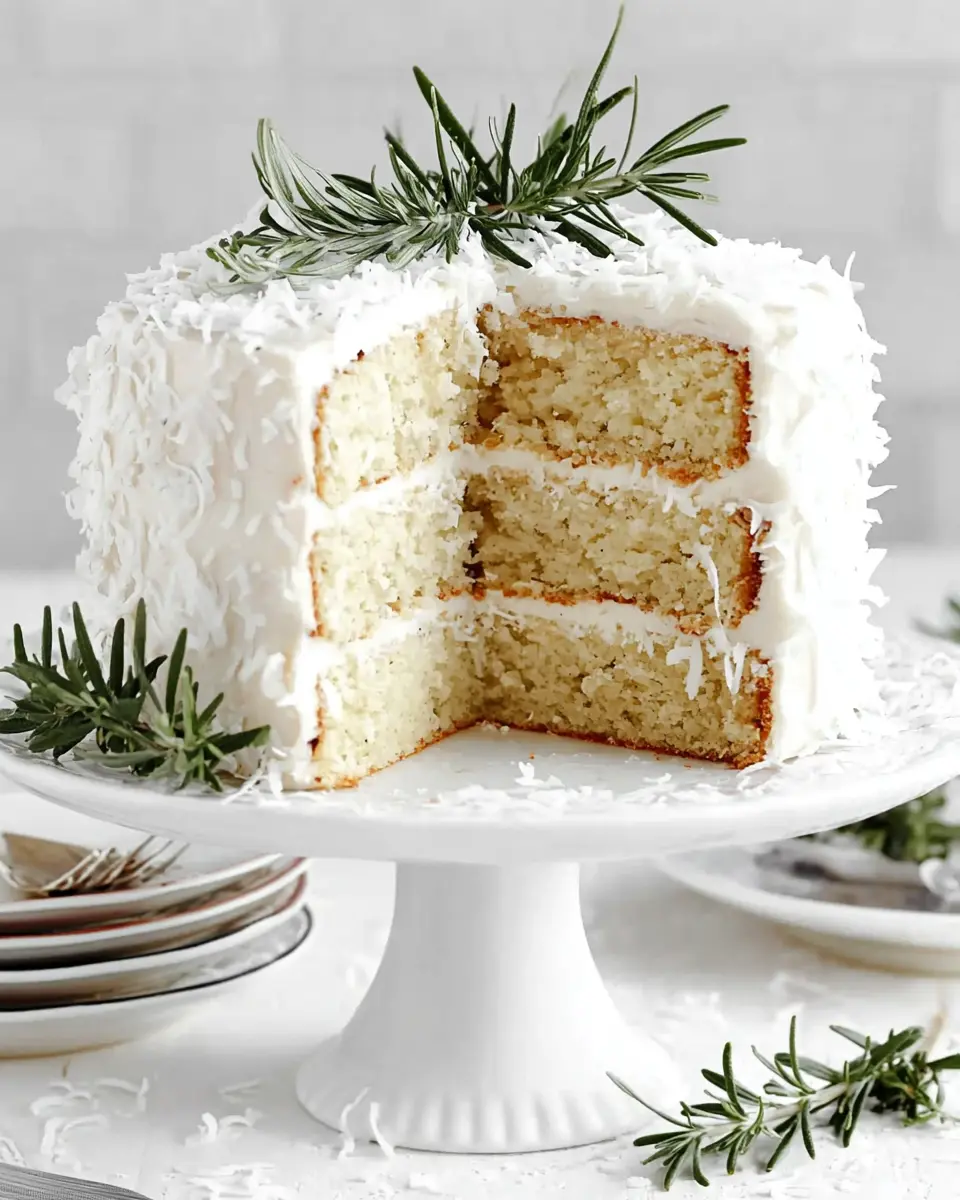
Christmas Coconut Cake is a festive, make-ahead friendly holiday dessert with a soft buttery crumb, rich coconut flavor, and a creamy coconut-cream cheese frosting that feels special without being fussy.
It is the kind of showpiece cake that looks beautiful on a holiday table and still tastes even better the next day, making it a practical choice for any celebration.
Why You Will Love This Recipe
- Festive Flavor: The luxurious combination of coconut and a delicate, sweet crumb makes this cake a perfect centerpiece for any holiday gathering, evoking warmth and cheer.
- Effortless Elegance: While it looks stunning, the decorating process is straightforward, relying on the natural beauty of shredded coconut and optional rosemary for a sophisticated, yet accessible, finish.
- Make-Ahead Convenience: Bake the layers in advance and frost just before serving, allowing you to enjoy more of the holiday festivities without last-minute kitchen stress.
- Balanced Sweetness: The tangy cream cheese frosting beautifully cuts through the sweetness of the coconut cake, creating a delightful flavor profile that is rich but not overwhelming.
- Moist & Tender Crumb: Buttermilk and a careful creaming process ensure a wonderfully soft and moist cake texture that melts in your mouth with every bite.
Ingredients You Need
The success of this Christmas Coconut Cake hinges on the quality of the ingredients you select. Using fresh, high-quality components will elevate the flavors and textures, ensuring a truly memorable dessert experience for you and your loved ones.
Christmas Coconut Cake
A festive, make-ahead friendly holiday dessert with a soft buttery crumb, rich coconut flavor, and a creamy coconut-cream cheese frosting that feels special without being fussy. It is the kind of showpiece cake that looks beautiful on a holiday table and still tastes even better the next day.
- 1 cup softened unsalted butter
- 1 cup buttermilk
- 1 teaspoon baking powder
- 1 3/4 cups granulated sugar
- 1/2 teaspoon bicarbonate of soda
- 4 large eggs, with yolks and whites separated
- 2 teaspoons vanilla essence
- 1/2 teaspoon salt
- 1 cup sweetened coconut cream
- 2 3/4 cups all-purpose flour
- 1 teaspoon coconut flavoring
- 2 pounds icing sugar
- 8 ounces cream cheese, softened
- 1/2 cup unsalted butter, at room temperature
- 1/4 teaspoon salt
- 1 teaspoon vanilla essence
- 1/2 cup sweetened coconut cream
- 4 cups unsweetened shredded coconut
- 4 sprigs rosemary, optional
- 1Preheat the oven to 350°F (175°C). Grease and flour two 9-inch cake pans or three 6-inch cake pans, then set them aside.
- 2Using a stand mixer fitted with the whisk attachment, beat the egg whites until stiff peaks develop, about 3 minutes. Watch closely so they do not become overwhipped. Transfer the whipped whites to a separate bowl.
- 3In the same mixer, cream the softened butter and sugar until pale and fluffy, about 3 minutes. Add the coconut cream, egg yolks, coconut flavoring, and vanilla essence, then beat for about 2 minutes more until the mixture is fully blended.
- 4In a medium bowl, whisk together the flour, baking powder, bicarbonate of soda, and salt.
- 5With the mixer on low speed, add the dry mixture and the buttermilk to the butter mixture in alternating additions, mixing only until combined. Fold in the beaten egg whites gently, taking care not to deflate the batter.
- 6Distribute the batter evenly between the prepared pans. Bake for about 45 minutes, or until a toothpick inserted into the center comes out clean. Let the cakes cool completely in the pans before frosting.
- 7To prepare the frosting, beat the butter and cream cheese together in a stand mixer fitted with the paddle attachment until light and fluffy, about 2 minutes. Add the coconut cream, vanilla essence, salt, and icing sugar, then continue beating for about 2 minutes, until the frosting is smooth and airy.
- 8Place one cooled cake layer on a cake stand. Spread a generous layer of frosting over the top. Add the second layer, and the third if using three 6-inch cakes, then cover the top and sides with the remaining frosting.
- 9Press the shredded coconut onto the top and sides of the cake to coat and decorate the surface.
- 10For an optional holiday finish, arrange the rosemary sprigs on top to create a woodland-style effect. Dust lightly with extra icing sugar for a snowy appearance.
Keywords: Christmas, Coconut, Cake, Holiday, Dessert, Festive, Cream Cheese Frosting
Quantities for each ingredient are detailed within the recipe card for your convenience.
Variations
This delightful Christmas Coconut Cake can be adapted to suit various dietary preferences and flavor profiles, ensuring everyone can enjoy a slice of festive cheer.
For a delightful vegan rendition, you can substitute the butter with a high-quality vegan butter alternative, and replace the eggs with a flax egg or commercial egg replacer. The buttermilk can be swapped for a plant-based milk mixed with a teaspoon of apple cider vinegar, letting it sit for five minutes to curdle.
A low-carb version can be achieved by using a blend of erythritol and stevia or monk fruit for the sugar and icing sugar. Almond flour or a gluten-free baking blend can replace the all-purpose flour, and unsweetened coconut flakes are perfect for the exterior coating, keeping the carbs in check.
Consider adding a subtle hint of citrus by zesting a lemon or lime into the batter. This brightens the coconut flavor and adds a refreshing counterpoint to the richness, making it a perfect choice for those who enjoy a slightly zesty dessert.
How to Prepare Christmas Coconut Cake
Step 1: Preparing the Baking Pans and Oven
Begin by preheating your oven to 350°F (175°C). This ensures the oven is at the optimal temperature when the batter is ready, promoting even baking and a beautiful rise.
Next, thoroughly grease and flour two 9-inch cake pans or three 6-inch cake pans. For an extra layer of assurance against sticking, consider lining the bottoms of the pans with parchment paper. This meticulous preparation prevents the delicate cake layers from adhering to the pans, ensuring they release cleanly once baked.
Step 2: Whipping the Egg Whites
In a clean, dry bowl, preferably using a stand mixer with the whisk attachment, beat the egg whites until they form stiff, glossy peaks. This process incorporates a significant amount of air into the whites, which is crucial for achieving a light and airy cake texture.
Be careful not to overbeat the egg whites; they should hold their shape and stand up straight when the whisk is lifted. Once perfected, gently transfer these aerated whites to a separate bowl and set them aside. Their lightness will be folded into the batter later, creating a tender crumb.
Step 3: Creaming Butter, Sugar, and Wet Ingredients
In the same mixer bowl (no need to wash if it’s clean), cream together the softened unsalted butter and granulated sugar until the mixture is pale yellow and noticeably fluffy. This creaming process incorporates air into the base, contributing to the cake’s overall tenderness and structure.
Then, gradually blend in the sweetened coconut cream, followed by the egg yolks, vanilla essence, and coconut flavoring. Mix until this base is smooth, well-emulsified, and richly fragrant, creating a foundation of flavor for your cake layers.
Step 4: Combining Dry and Wet Ingredients
In a separate medium bowl, whisk together the all-purpose flour, baking powder, bicarbonate of soda, and salt. This ensures that the leavening agents and salt are evenly distributed throughout the dry ingredients, which is essential for a consistent rise.
Add the dry ingredients and the buttermilk to the creamed butter mixture in alternating additions, beginning and ending with the dry ingredients. Mix on low speed only until the batter just comes together. It is vital not to overmix at this stage, as it can develop the gluten too much and result in a tougher cake.
Step 5: Folding in Whipped Egg Whites
This is a critical step for achieving the cake’s signature light texture. Gently fold the reserved whipped egg whites into the batter using a spatula. Use broad, sweeping motions, cutting through the center of the batter and bringing it up and over the whites.
The goal is to incorporate the egg whites without deflating the air that was carefully whipped into them. Continue folding until just combined, with no large streaks of egg white remaining. The batter should look light and voluminous.
Step 6: Baking the Cake Layers
Divide the prepared batter evenly between your prepared cake pans. Ensure the batter is distributed equally to promote even baking and uniform layer heights.
Bake in the preheated oven for approximately 40-50 minutes, or until a wooden skewer or toothpick inserted into the center of the cakes comes out clean. The exact baking time may vary slightly depending on your oven and the size of your pans. Allow the cakes to cool in their pans on a wire rack for about 15-20 minutes before inverting them onto the rack to cool completely. It is crucial that the cakes are entirely cool before frosting; any residual warmth can cause the frosting to melt and slide off.
Step 7: Preparing the Coconut Cream Cheese Frosting
While the cake layers are cooling, prepare the luscious frosting. In a stand mixer fitted with the paddle attachment, beat the softened cream cheese and room temperature unsalted butter together until they are light, smooth, and creamy. This creates a stable, delicious base for your frosting.
Gradually add the sweetened coconut cream, vanilla essence, and salt, mixing until just combined. Then, slowly add the icing sugar, a cup at a time, beating until the frosting is smooth, fluffy, and has a spreadable consistency. Adjust the sweetness or consistency with a little more icing sugar or a tiny splash of coconut cream if needed.
Step 8: Assembling and Decorating the Cake
Once the cake layers are completely cool, begin the assembly process. Place one cake layer onto your serving plate or cake stand. Spread a generous, even layer of the prepared frosting over the top of this layer.
Carefully place the second cake layer on top, followed by the third if you are using 6-inch pans. Apply a thin “crumb coat” of frosting all over the top and sides of the assembled cake, and chill for about 20-30 minutes to set. This layer traps any loose crumbs and creates a smooth surface for the final frosting application.
Once the crumb coat is set, apply the remaining frosting generously to the top and sides of the cake, smoothing it as evenly as possible. Then, press the unsweetened shredded coconut all over the frosted exterior, ensuring a complete, snowy coating. For a truly festive holiday look, arrange the optional rosemary sprigs on top of the cake, mimicking a woodland scene.
Pro Tips for Christmas Coconut Cake
Room Temperature Ingredients are Key: For both the cake batter and the frosting, ensure your butter, eggs, and cream cheese are at room temperature. This allows them to emulsify properly, resulting in a smoother batter and a creamier, more stable frosting. Cold ingredients can lead to a lumpy texture.
Gentle Folding for Airiness: When folding in the whipped egg whites, do so with a light hand and a spatula. Use a gentle, circular motion to incorporate them without knocking out the precious air that will make your cake light and fluffy. Over-mixing here will result in a denser cake.
Achieving a Perfect Coconut Coating: To get an even distribution of shredded coconut, place the frosted cake on a baking sheet or large tray. This will catch any excess coconut, making cleanup easier and allowing you to gently press more coconut onto any bare spots.
Cooling is Crucial: Never attempt to frost a warm cake. The residual heat will melt the frosting, creating a mess and compromising the cake’s structure. Ensure your cake layers are completely cool to the touch before proceeding with frosting.
Don’t Overbake: Keep a close eye on the cake during its final baking minutes. Overbaking can lead to a dry cake, even with the moist ingredients. A toothpick test is your best indicator for doneness.
Serving Suggestions for Christmas Coconut Cake
Decoration
The primary decoration for this Christmas Coconut Cake is its generous coating of unsweetened shredded coconut, creating a beautiful snowy effect reminiscent of a winter wonderland. For an extra festive touch, optional sprigs of fresh rosemary can be artfully placed on top, evoking the look of pine needles and adding a subtle aromatic hint.
A light dusting of confectioners’ sugar over the rosemary and coconut can further enhance the snowy appearance, making the cake look as if it has been lightly frosted by a fresh snowfall. Edible glitter or silver dragées can also be added for a touch of sparkle, perfect for a holiday celebration.
Side Dishes
This rich and creamy coconut cake pairs wonderfully with simple accompaniments that won’t overpower its delicate flavors. Fresh berries, such as raspberries or strawberries, offer a bright, tart contrast to the sweet frosting and cake.
A light dollop of unsweetened whipped cream or a small scoop of vanilla bean ice cream can also complement the cake beautifully. For those who enjoy a warm beverage, a simple cup of hot, strong coffee or a classic black tea serves as an excellent palate cleanser between bites.
Creative Serving Ideas
Consider serving individual slices of the cake with a drizzle of warm white chocolate ganache for an extra touch of decadence. For a more whimsical presentation, you could serve mini portions alongside a small glass of milk or a festive eggnog during holiday gatherings.
Another creative idea is to transform individual slices into parfaits by layering crumbled cake with extra frosting and a sprinkle of toasted coconut in a small glass or jar. This offers a more casual yet equally delightful way to enjoy the flavors of the Christmas Coconut Cake.
Preparation & Storage
Storing Leftovers
Due to the cream cheese frosting, any leftover Christmas Coconut Cake must be stored in the refrigerator. Cover the cake tightly with plastic wrap or store it in an airtight container to prevent it from drying out or absorbing other odors from the refrigerator.
The cake typically keeps well for up to 4 days. In fact, many find that the flavors meld and deepen beautifully on the second and third day, making it even more delicious after an initial rest.
Freezing
This cake freezes exceptionally well, making it an ideal candidate for advance preparation. You can freeze unfrosted cake layers or individual frosted slices. Wrap them securely in several layers of plastic wrap, followed by a layer of aluminum foil or a freezer-safe bag to protect against freezer burn.
When properly frozen, the cake can be stored for up to 2 months. For the best quality, it is advisable to label and date the frozen portions.
Reheating
To enjoy frozen cake, it is best to thaw it in the refrigerator overnight. This allows it to gradually come to temperature without drastic changes that could affect its texture. Once thawed, allow the cake slices to sit at room temperature for about 20 to 30 minutes before serving.
This resting period is crucial for the frosting to soften to its ideal creamy consistency and for the cake’s aromas to fully develop, ensuring the best possible taste and texture. Avoid reheating the cake in a microwave, as this can quickly dry out the cake and melt the frosting unevenly.
Frequently Asked Questions
-
Can I make this Christmas Coconut Cake ahead of time?
Absolutely! This cake is an excellent make-ahead dessert. You can bake the cake layers one to two days in advance, allow them to cool completely, and then wrap them tightly in plastic wrap. Store them at room temperature if unfrosted, or refrigerate them. The frosting can also be made a day ahead and stored in the refrigerator; just bring it to room temperature and give it a quick re-whip before frosting the cooled cake layers.
-
Why do I need to whip the egg whites separately for this cake?
Whipping the egg whites separately and folding them into the batter is a technique used to create a lighter, airier, and more tender cake crumb. The air incorporated into the egg whites expands during baking, giving the cake a softer texture that is especially beneficial in richer cakes like this coconut one, which could otherwise feel heavy. It’s a classic method to achieve that delightful, delicate bite.
-
How do I ensure my shredded coconut coating sticks well and looks even?
To achieve a beautiful and even coating of shredded coconut, ensure the cake is generously frosted and the frosting is slightly tacky but not melting. You can gently press handfuls of coconut onto the cake, working from the bottom up. For less mess and better control, place the cake on a baking sheet lined with parchment paper. This allows you to catch excess coconut and press it back onto the cake where needed. You can also toast some of the coconut lightly for added depth of flavor and visual contrast before applying it.