Easy Chicken Pasta Primavera – Quick Dinner Idea!
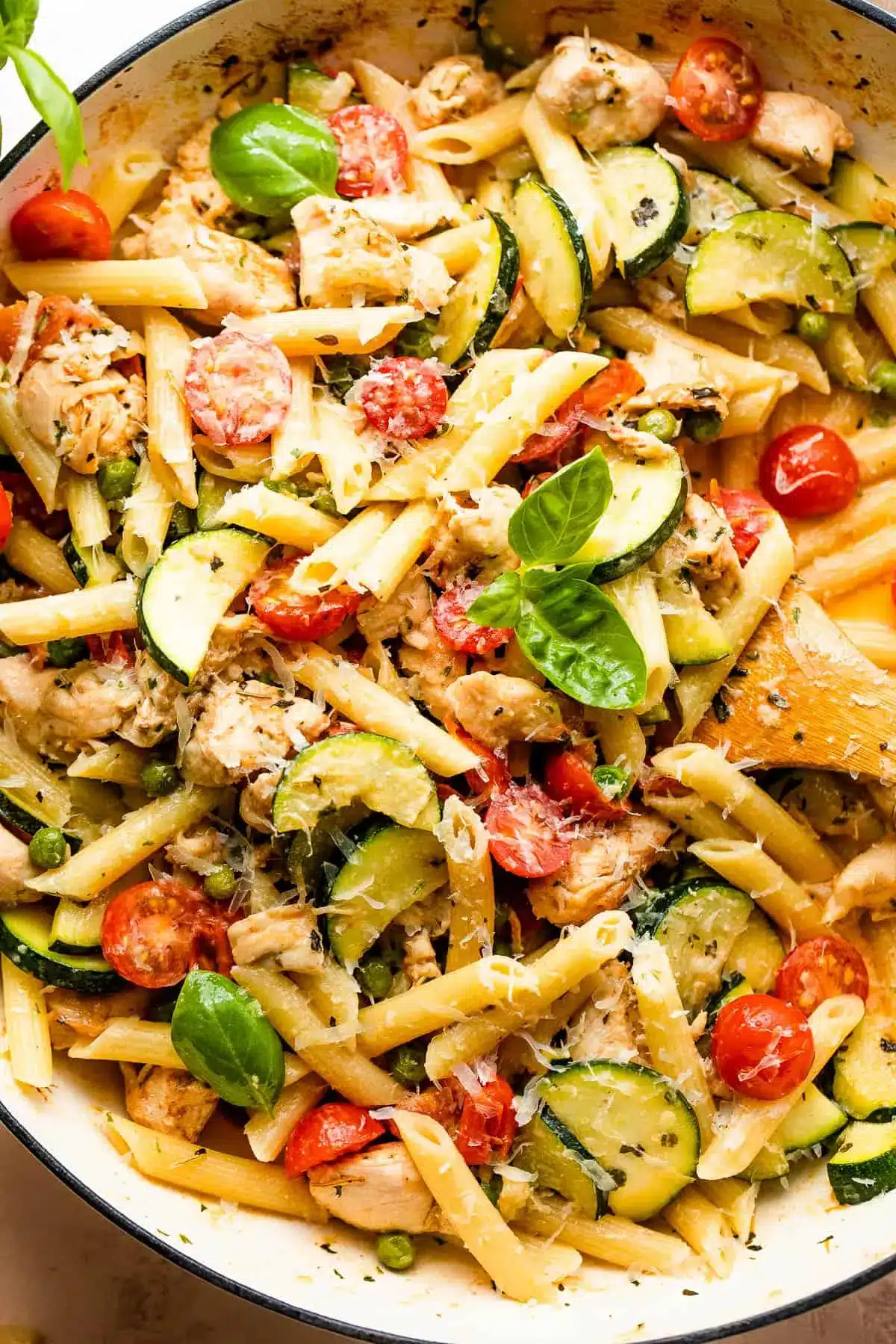
Juicy chicken and colorful veggies star in this Chicken Pasta Primavera, all tossed in a rich Parmesan sauce that’s just too good to resist! It’s quick to whip up, making it a winning choice for busy nights when you want a tasty meal without the wait. Get ready for clean plates and happy faces!
This delightful dish offers a perfect balance between creamy, cheesy indulgence and a good dose of crisp-tender vegetables paired with succulent chunks of chicken. It’s a meal that appeals to both children and adults, boasting a vibrant array of vegetables that make it as visually stunning as it is delicious.
Why You Will Love This Recipe
- Quick Preparation: This vibrant pasta dish comes together in around 30 minutes, making it an ideal weeknight meal solution.
- Flavorful Combination: The tender chicken, crisp vegetables, and creamy Parmesan sauce create a harmonious and satisfying taste experience.
- Visually Appealing: The colorful medley of vegetables makes this dish as beautiful to look at as it is to eat.
- Versatile Ingredients: Easily adaptable with a wide range of seasonal vegetables, this recipe is perfect for using up what’s fresh in your garden or at the market.
- Family-Friendly: The universally loved combination of pasta, chicken, and a creamy sauce ensures smiles all around the dinner table.
Ingredients You Need
Crafting this Chicken Pasta Primavera relies on fresh, high-quality ingredients to achieve its signature vibrant flavor and texture. Using good olive oil, plump tomatoes, and fresh garlic truly elevates the dish beyond the ordinary. The quality of your chicken and the freshness of your vegetables will directly impact the final taste, so choose wisely to ensure a truly memorable meal.
Chicken Pasta Primavera
Juicy chicken and colorful veggies star in this Chicken Pasta Primavera, all tossed in a rich Parmesan sauce that’s just too good to resist! It’s quick to whip up, making it a winning choice for busy nights when you want a tasty meal without the wait. Get ready for clean plates and happy faces!
- 8 to 10 ounces dry penne pasta
- 2 tablespoons olive oil
- 1 pound skinless boneless chicken breasts, cut into 1-inch cubes or long thin strips
- Salt and freshly ground black pepper
- 1 zucchini, sliced into thin half-moons
- 1 to 2 cups grape tomatoes, quartered
- 1 cup frozen peas
- 1 teaspoon dried rosemary
- 1 teaspoon dried parsley
- 4 cloves garlic, minced
- Chopped fresh basil, for garnish
- 1Cook pasta according to the directions on the package.
- 2In the meantime, heat oil in a large skillet set over medium-high heat.
- 3Season the chicken pieces with salt and pepper, add the chicken to the hot oil, and cook for 5 minutes.
- 4Stir in the zucchini, tomatoes, and frozen peas; season with dried basil, rosemary, and parsley.
- 5Stir in garlic and continue to cook for 3 minutes, stirring occasionally.
- 6Stir in the wine and scrape up all the browned bits from the bottom of the pan. Add cream and cook for 1 minute.
- 7Drain the cooked pasta, then stir the pasta into the skillet. Taste for salt and adjust accordingly. Remove from heat.
- 8Top with Parmesan cheese, garnish with basil, and serve.
Keywords: Chicken, Pasta, Primavera, Vegetables, Creamy, Italian-inspired, Quick, Easy
- penne pasta: a good base for soaking up all the delicious sauce.
- olive oil: essential for sautéing and developing rich flavors.
- boneless, skinless chicken breasts: cubed for tender, bite-sized pieces.
- salt and freshly ground black pepper: simple seasonings to enhance the natural tastes.
- zucchini: adds a fresh, slightly sweet vegetable component.
- grape tomatoes: burst with sweetness when cooked, adding delightful pops of flavor.
- frozen peas: a classic addition, offering a pop of green and tender texture.
- dried basil, rosemary, and parsley: a fragrant trio to season the chicken and vegetables.
- fresh garlic: minced for a pungent, aromatic base to the sauce.
- dry white wine: adds a sophisticated depth and helps deglaze the pan.
- heavy whipping cream: creates a luxurious, velvety sauce.
- freshly grated Parmesan cheese: for a salty, nutty finish that melts beautifully.
- fresh basil: a fragrant garnish to brighten the finished dish.
Specific quantities for each ingredient are detailed within the recipe card for your convenience.
Variations
To cater to different dietary preferences or simply to add new dimensions of flavor, this Chicken Pasta Primavera recipe is wonderfully adaptable. You can easily transform it into a hearty vegetarian meal or a lighter, low-carb option with a few simple swaps.
For a delicious vegan take, omit the chicken and dairy. Instead, sauté a more generous mix of vegetables like mushrooms, bell peppers, and asparagus. Use nutritional yeast for a cheesy flavor and a plant-based cream alternative, such as cashew cream or oat milk, to create a rich, dairy-free sauce. Tofu or chickpeas can also be added for extra protein.
If you’re aiming for a low-carb version, swap the penne pasta for spiralized zucchini noodles (zoodles) or spaghetti squash. The creamy sauce and flavorful chicken will coat these vegetable noodles beautifully, offering a satisfying meal without the high carbohydrate content. Ensure your vegetables are crisp-tender to maintain a pleasant texture.
Another exciting variation involves infusing a bit of spice. Consider adding a pinch of red pepper flakes along with the garlic, or stir in a spoonful of Cajun seasoning when you add the cream. This transforms the classic primavera into a zesty, bold dish that’s perfect for those who enjoy a little heat.
How to Prepare Chicken Pasta Primavera recipe
Step 1: Cook the Pasta to Perfection
The foundation of any great pasta dish is perfectly cooked pasta. For this Chicken Pasta Primavera, we typically reach for penne, a shape that admirably holds onto the creamy sauce. You can also experiment with other pasta shapes like farfalle, rotini, or even fettuccine for a delightful change.
Begin by bringing a large pot of generously salted water to a rolling boil. It’s crucial to season the pasta water well, as this is your primary opportunity to imbue the pasta itself with flavor. Imagine the pasta as a blank canvas; salt is the first essential brushstroke. Follow the package directions meticulously for your chosen pasta, aiming for al dente – tender yet with a slight bite.
Once cooked to that ideal texture, drain the pasta thoroughly. It’s important not to rinse the pasta, as the residual starch helps the sauce cling more effectively. Set the drained pasta aside, allowing it to await its flavorful reunion with the chicken and vegetables in the skillet. This ensures it stays warm and ready to absorb the sauce.
Step 2: Sear the Chicken for Succulent Bites
While the pasta is happily bubbling away, it’s time to turn our attention to the star protein: the chicken. For this recipe, boneless, skinless chicken breasts are ideal, cut into uniform 1-inch cubes or elegant, long, thin strips. This ensures even cooking and a pleasant eating experience with every bite.
Heat a generous two tablespoons of olive oil in a large, sturdy skillet over medium-high heat until it shimmers. This high heat is key to achieving a beautiful sear on the chicken, locking in its juices and creating a delightful texture. Season the chicken pieces generously with salt and freshly ground black pepper just before they hit the hot oil. This simple seasoning enhances the chicken’s natural flavor and prepares it for the vibrant medley to come.
Carefully add the seasoned chicken to the hot skillet in a single layer, ensuring not to overcrowd the pan, which could lead to steaming rather than searing. Cook for approximately 5 minutes, turning the pieces occasionally, until they are golden brown on all sides and cooked through. Remove the seared chicken from the skillet and set it aside on a clean plate, ready to be reintroduced to the dish later.
Step 3: Sauté the Vibrant Vegetables and Aromatics
With the chicken momentarily resting, the skillet is now ready to embrace a colorful array of fresh vegetables. Add the thinly sliced zucchini, quartered grape tomatoes, and one cup of frozen peas directly into the same skillet where the chicken was cooked. The residual chicken juices will lend an extra layer of flavor to the vegetables.
Season the vegetables with a fragrant blend of dried basil, rosemary, and parsley. These classic Italian herbs are essential to the Primavera flavor profile. Stir everything together, allowing the vegetables to soften slightly and begin to release their natural sweetness and moisture. This step is crucial for developing the base flavors of the dish.
Next, introduce four cloves of minced fresh garlic to the skillet. Cook for an additional 3 minutes, stirring occasionally, until the garlic is fragrant and just beginning to turn golden. Be careful not to burn the garlic, as this can impart a bitter taste. The combined aroma of herbs and garlic signals that the flavor development is well underway.
Step 4: Deglaze and Craft the Creamy Sauce
This is where the magic truly happens, transforming simple ingredients into a luxurious sauce. Pour ¼ cup of good dry white wine into the hot skillet. Immediately begin to scrape up all the delicious browned bits (fond) that have adhered to the bottom of the pan. This process, known as deglazing, infuses the sauce with incredible depth and complexity.
Allow the wine to bubble and reduce for about a minute, letting its alcohol evaporate and its flavors concentrate. Following the wine, pour in ⅔ cup of heavy whipping cream. This rich cream is the key to achieving the signature velvety texture of the pasta primavera sauce. Stir it gently into the pan, ensuring it is well combined with the wine and vegetable mixture.
Let the sauce simmer gently for just 1 minute, allowing it to thicken slightly and meld the flavors together. The goal here is a luscious, coating consistency that will beautifully embrace the pasta and chicken. Taste the sauce and adjust seasoning with salt and pepper if needed; remember that the Parmesan cheese will add saltiness later.
Step 5: Unify the Pasta, Chicken, and Sauce
Now it’s time to bring all the prepared elements together for the grand finale. Gently drain the cooked penne pasta, ensuring you’ve reserved a little of the starchy pasta water just in case the sauce needs a touch more liquidity. Add the drained pasta directly into the skillet with the creamy vegetable sauce. It’s important to do this while the sauce is still warm and ready to coat every strand.
Return the seared chicken pieces to the skillet. Carefully toss everything together – the pasta, the chicken, and the vibrant vegetables – ensuring that every piece is generously coated in the luscious Parmesan cream sauce. The warmth of the skillet will gently finish cooking the chicken if it wasn’t fully done and further meld the flavors of the entire dish.
At this stage, taste the mixture again for seasoning. The Parmesan cheese will add a significant salty element, so adjust accordingly. If the sauce seems a little too thick, you can add a tablespoon or two of the reserved pasta water to achieve your desired consistency. The goal is a harmonious blend where every component is beautifully integrated.
Step 6: Garnish and Serve with Flair
The final flourish transforms this already delicious dish into a culinary masterpiece. Sprinkle ¼ cup of freshly grated Parmesan cheese over the pasta and chicken mixture in the skillet. Gently stir it in until it melts into the sauce, adding another layer of cheesy richness and a subtle nutty undertone.
Remove the skillet from the heat. Garnish generously with freshly chopped basil. The bright, herbaceous aroma of the fresh basil provides a beautiful contrast to the rich sauce and enhances the overall freshness of the dish. This final touch adds visual appeal and a burst of fragrant flavor that awakens the palate.
Serve the Chicken Pasta Primavera immediately while it is hot and at its most vibrant. A final dusting of Parmesan cheese on individual plates is always a welcome addition for those who love extra cheese. This dish is designed to be enjoyed fresh, showcasing the delightful textures and harmonious flavors of each component.
Pro Tips for Chicken Pasta Primavera recipe
Don’t Overcook the Pasta: Aim for al dente. Slightly undercooked pasta will finish cooking in the sauce, preventing a mushy texture. Seasoning the pasta water generously with salt is also paramount for flavor.
High Heat for Chicken: Searing the chicken over medium-high heat is crucial for developing a flavorful crust and keeping the inside moist. Avoid overcrowding the pan to ensure proper browning.
Fresh Garlic is Best: While garlic powder can be a substitute, fresh minced garlic provides a far superior aroma and flavor depth to the sauce. Add it towards the end of the vegetable sautéing to prevent burning.
Quality Wine Matters: Use a dry white wine that you would enjoy drinking. The wine adds a complex acidity that brightens the sauce. If you don’t use wine, chicken broth with a squeeze of lemon juice is a good alternative.
Fresh Herbs for Garnish: While dried herbs are used in the cooking process, fresh basil or parsley for garnishing adds a burst of freshness and vibrant color that elevates the finished dish significantly.
Serving Suggestions for Chicken Pasta Primavera recipe
Decoration
Elevate the visual appeal of your Chicken Pasta Primavera with simple yet impactful garnishes. A generous sprinkle of freshly chopped basil leaves adds a vibrant green contrast against the creamy sauce and colorful vegetables. A final grating of Parmesan cheese over each individual serving provides an extra touch of elegance and a tempting visual cue for cheese lovers.
Consider a light drizzle of good quality extra virgin olive oil just before serving for a glossy sheen and a subtle peppery finish. A few twists of freshly cracked black pepper also add visual interest and a touch of culinary sophistication. These small details contribute significantly to the overall dining experience, making the dish look as delightful as it tastes.
Side Dishes
To complement the richness of the Chicken Pasta Primavera, consider pairing it with a crisp, refreshing salad. A simple garden salad with a light vinaigrette or a more elaborate chopped cucumber and tomato salad would provide a welcome contrast in textures and flavors. This allows the main dish to shine while offering a balanced meal.
Warm, crusty bread or garlic breadsticks are always a welcome addition, perfect for sopping up any lingering delicious sauce. For a more refined experience, a smooth and creamy bowl of asparagus soup or a classic tomato bisque makes for an elegant starter, setting the stage beautifully for the pasta to come.
Creative Serving Ideas
For a more casual gathering, serve the Chicken Pasta Primavera directly from a large, attractive skillet placed in the center of the table, allowing guests to serve themselves family-style. This encourages a communal and relaxed dining atmosphere. Ensure serving utensils are readily available for easy access.
If you are entertaining, portion the pasta into individual serving bowls. A small sprig of fresh basil placed artfully on top, or a swirl of cream and a sprinkle of Parmesan, can make each bowl look like a gourmet creation. Consider serving it in shallow pasta bowls to best showcase the colorful vegetables and tender chicken.
Preparation & Storage
Storing Leftovers
To store any delightful leftovers of your Chicken Pasta Primavera, transfer the cooled dish into an airtight container. Ensure the container is well-sealed to prevent air exposure, which can lead to spoilage and affect the texture. Refrigerate the container promptly.
Properly stored leftovers can typically be enjoyed for 2-3 days. It’s always best to consume them within this timeframe to ensure optimal freshness and flavor. Avoid leaving the pasta at room temperature for extended periods, as this can create a breeding ground for bacteria.
Freezing
While this pasta dish is best enjoyed fresh, it can be frozen, although the texture of the pasta and vegetables may change slightly upon thawing and reheating. It is generally not recommended to freeze pasta dishes with creamy sauces, as they can sometimes separate.
If you choose to freeze it, allow the pasta to cool completely before portioning it into freezer-safe containers or heavy-duty freezer bags. Remove as much air as possible to prevent freezer burn. Frozen pasta primavera is best consumed within 1-2 months for the best quality.
Reheating
To reheat your Chicken Pasta Primavera leftovers, the stovetop method is generally preferred for maintaining the best texture. Place the leftovers in a skillet over low heat. Add a splash of water, milk, or chicken broth to help loosen the sauce and prevent it from drying out.
Cover the skillet and let it heat through gently, stirring occasionally to ensure even heating and to help the sauce emulsify. Avoid high heat, which can cause the sauce to break or the pasta to become mushy. If reheating from frozen, allow it to thaw in the refrigerator overnight before proceeding with the stovetop reheating method.
Frequently Asked Questions
-
Can I make Chicken Pasta Primavera ahead of time?
While this dish is best enjoyed freshly prepared, you can certainly do some prep work in advance to save time. You can chop all your vegetables and cube the chicken a day ahead and store them separately in the refrigerator in airtight containers. The sauce can also be made ahead and gently reheated before combining it with the cooked pasta and chicken. However, it’s generally recommended to cook the pasta just before serving to prevent it from becoming mushy. This approach allows you to assemble and finish the dish quickly when you’re ready to eat, ensuring the best possible texture and flavor.
-
What kind of vegetables are best for Pasta Primavera?
The beauty of Pasta Primavera lies in its versatility with vegetables. Classic choices include zucchini, bell peppers (any color), broccoli florets, asparagus spears, cherry tomatoes, and peas. You can also incorporate mushrooms, snap peas, corn, or even spinach. The key is to choose vegetables that are in season for the best flavor and to cut them into similar, bite-sized pieces so they cook evenly and quickly. Aim for a colorful medley that adds visual appeal and a variety of textures and nutrients to your dish. Avoid overly watery vegetables that can make the sauce too thin.
-
Why is my creamy sauce separating or not thickening?
Creamy sauces can sometimes be temperamental. Separation often occurs when dairy products are exposed to high heat for too long or are combined with acidic ingredients too rapidly. For this recipe, ensure you are using heavy whipping cream, which has a higher fat content and is more stable. When adding the cream, keep the heat at a gentle simmer rather than a rolling boil. If the sauce seems too thin, it might be because the vegetables released too much moisture, or perhaps the cream wasn’t reduced enough. You can try simmering it a bit longer over low heat or whisking in a tablespoon of cornstarch slurry (1 tbsp cornstarch mixed with 2 tbsp cold water) until thickened. Taste and adjust seasoning after any thickening process.