Easy Chicken Pasta Primavera – Quick Dinner Idea!
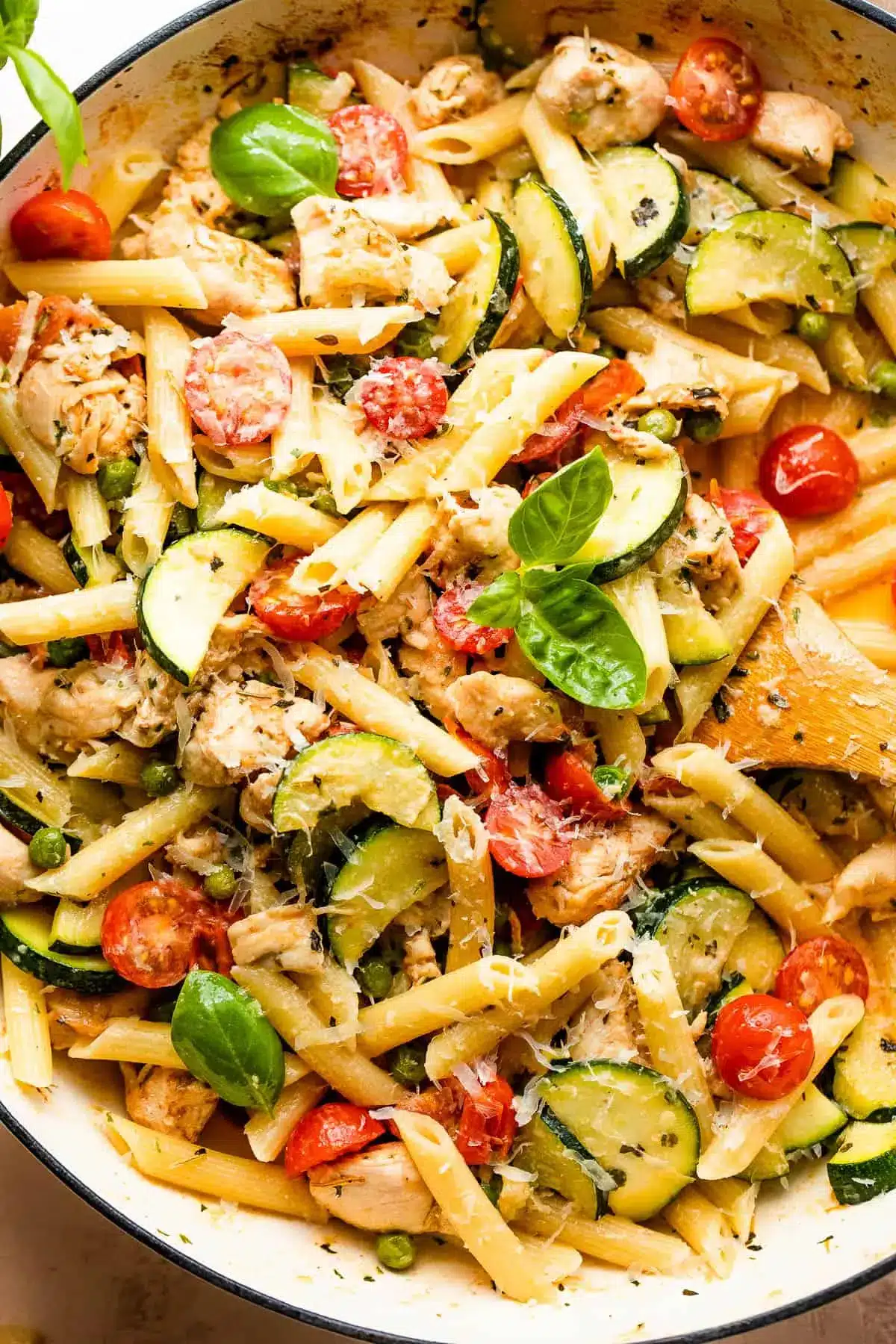
Juicy chicken and colorful veggies are the stars of this Chicken Pasta Primavera, all coated in a rich, irresistible Parmesan sauce. It’s a wonderfully quick dish to prepare, making it an ideal choice for those busy evenings when you crave a delicious meal without a lengthy wait.
Prepare yourself for a table full of happy diners and squeaky-clean plates after serving this delightful creation. This recipe is designed to bring joy and flavor to your kitchen with minimal fuss.
Why You Will Love This Recipe
- Effortless Preparation: This dish comes together in under 30 minutes, perfect for weeknight dinners when time is limited.
- Vibrant and Fresh: Bursting with colorful, crisp-tender vegetables, it’s a feast for both the eyes and the palate.
- Creamy, Flavorful Sauce: A velvety Parmesan sauce ties everything together beautifully, creating a comforting and decadent experience.
- Family-Friendly Appeal: The combination of tender chicken, pasta, and fresh vegetables is a guaranteed hit with both kids and adults.
- Versatile Ingredients: Easily adaptable with a wide range of seasonal vegetables, ensuring you can make it your own any time of year.
Ingredients You Need
The success of any great dish hinges on the quality of its ingredients. For this Chicken Pasta Primavera, we’re focusing on fresh produce and good pantry staples. Using fresh garlic, ripe tomatoes, and crisp zucchini will elevate the final taste significantly, providing a more robust and satisfying flavor profile that store-bought alternatives often lack.
Chicken Pasta Primavera
Juicy chicken and colorful veggies star in this Chicken Pasta Primavera, all tossed in a rich Parmesan sauce that's just too good to resist! It's quick to whip up, making it a winning choice for busy nights when you want a tasty meal without the wait. Get ready for clean plates and happy faces!
- 8 to 10 ounces dry penne pasta
- 2 tablespoons olive oil
- 1 pound skinless boneless chicken breasts, cut into 1-inch cubes or long thin strips
- Salt and freshly ground black pepper
- 1 zucchini, sliced into thin half-moons
- 1 to 2 cups grape tomatoes, quartered
- 1 cup frozen peas
- 1 teaspoon dried rosemary
- 1 teaspoon dried parsley
- 4 cloves garlic, minced
- Chopped fresh basil, for garnish
- 1Cook pasta according to the directions on the package.
- 2In the meantime, heat oil in a large 14-inch skillet set over medium-high heat.
- 3Season the chicken pieces with salt and pepper, add the chicken to the hot oil, and cook for 5 minutes.
- 4Stir in the zucchini, tomatoes, and frozen peas; season with dried basil, rosemary, and parsley.
- 5Stir in garlic and continue to cook for 3 minutes, stirring occasionally.
- 6Stir in the wine and scrape up all the browned bits from the bottom of the pan. Add cream and cook for 1 minute.
- 7Drain the cooked pasta, then stir the pasta into the skillet. Taste for salt and adjust accordingly. Remove from heat.
- 8Top with parmesan cheese, garnish with basil, and serve.
Keywords: Chicken, Pasta, Primavera, Italian, Creamy, Vegetables, Quick, Easy, Weeknight
- penne pasta: approximately 8 to 10 ounces, a classic choice for holding sauce.
- olive oil: 2 tablespoons, for sautéing the chicken and vegetables to perfection.
- chicken breasts: 1 pound, boneless and skinless, cut into bite-sized cubes or strips for even cooking.
- salt and black pepper: to taste, essential for enhancing the natural flavors of the ingredients.
- zucchini: 1 medium, thinly sliced into half-moons for quick cooking and pleasant texture.
- grape tomatoes: 1 to 2 cups, quartered to release their sweet, juicy flavor into the sauce.
- frozen peas: 1 cup, adding a pop of color and sweetness without much effort.
- dried basil: ½ tablespoon, contributing an aromatic herbal note.
- dried rosemary: 1 teaspoon, offering a fragrant, slightly peppery depth.
- dried parsley: 1 teaspoon, to round out the herb blend with a fresh, clean taste.
- garlic: 4 cloves, minced or pressed, the pungent heart of many savory dishes.
- white wine: ¼ cup, to deglaze the pan and add a subtle complexity to the sauce.
- heavy whipping cream: ⅓ cup, for that luxurious, velvety sauce consistency.
- Parmesan cheese: ¼ cup, freshly grated, for a sharp, nutty finish that melts beautifully.
- fresh basil: for garnish, adding a bright, aromatic finish right before serving.
Quantities for these delightful ingredients are detailed within the recipe card for your convenience.
Variations
This Chicken Pasta Primavera is incredibly adaptable, allowing for numerous delicious variations to suit different dietary preferences and taste buds. One popular adaptation is a Vegan Primavera, where the chicken is swapped for pan-seared tofu or hearty chickpeas. The creamy sauce can be made using a cashew-based cream or full-fat coconut milk, and a nutritional yeast addition can impart a cheesy flavor. This plant-based version maintains the vibrant vegetable medley and satisfying pasta base.
For those following a Low-Carb Lifestyle, a fantastic variation involves substituting the penne pasta with spiralized zucchini noodles (zoodles) or shirataki noodles. The chicken and vegetables can be sautéed with the same aromatic herbs and garlic, and the creamy sauce can be made with a lighter, lower-carb cream or even a rich vegetable broth reduction. This ensures a flavorful and satisfying meal without the carb load.
Another exciting twist is a Spicy Cajun Primavera. Introduce a generous pinch of Creole seasoning to the chicken and vegetables as they cook, and stir an extra teaspoon into the cream sauce. You can also add a pinch of cayenne pepper for an extra kick. This variation transforms the dish into a zesty, robust meal that appeals to those who love a little heat. The vibrant vegetables and tender chicken are a perfect canvas for these bold flavors.
How to Prepare Chicken Pasta Primavera
Step 1: Prepare the Pasta Base
Begin by bringing a large pot of generously salted water to a rolling boil. The salt is crucial for seasoning the pasta from the inside out, ensuring every bite is flavorful. You’ll need about 8 to 10 ounces of dry penne pasta, or your preferred pasta shape for this delightful primavera dish.
Cook the pasta according to the package directions until it reaches a perfect al dente texture – tender but with a slight bite. Overcooked pasta can become mushy and detract from the overall enjoyment of the dish. Once cooked to perfection, drain the pasta thoroughly and set it aside, reserving about half a cup of the starchy pasta water. This reserved water is liquid gold, perfect for emulsifying and thickening your sauce later on.
Step 2: Cook the Chicken to Perfection
While the pasta is doing its thing, turn your attention to the star protein. Heat approximately 2 tablespoons of olive oil in a large skillet, preferably a 14-inch one, over medium-high heat. The oil should shimmer but not smoke, indicating it’s ready for the chicken.
Season 1 pound of boneless, skinless chicken breasts, cut into uniform 1-inch cubes or appealing long, thin strips, with a good pinch of salt and freshly ground black pepper. Carefully add the seasoned chicken to the hot skillet in a single layer, ensuring not to overcrowd the pan. Cook for about 5 minutes, turning the pieces occasionally, until they are golden brown on all sides and cooked through. Remove the cooked chicken from the skillet and set it aside on a plate, leaving any flavorful drippings behind in the pan.
Step 3: Sauté the Vibrant Vegetables and Herbs
To the same skillet with the chicken drippings, add your colorful array of vegetables. Toss in 1 sliced zucchini, 1 to 2 cups of quartered grape tomatoes, and 1 cup of frozen peas. The residual heat from the pan will begin to soften the zucchini and warm the peas.
Season these beautiful vegetables generously with ½ tablespoon of dried basil, 1 teaspoon of dried rosemary, and 1 teaspoon of dried parsley. Stir everything together, allowing the herbs to become fragrant in the heat. Continue to cook for approximately 3 more minutes, stirring occasionally, until the zucchini is tender-crisp and the tomatoes have just started to soften and release their juices. This brief cooking time ensures the vegetables retain their vibrant color and delightful texture.
Step 4: Build the Luscious Sauce
Now it’s time to create the creamy, dreamy sauce that ties the entire dish together. Push the chicken and vegetables to one side of the skillet and add 4 minced cloves of garlic to the cleared space. Sauté the garlic for about 30 seconds until it becomes fragrant, being careful not to burn it, as burnt garlic can turn bitter.
Immediately after the garlic is fragrant, pour in ¼ cup of white wine. As the wine sizzles, use a wooden spoon to scrape up all the delicious browned bits from the bottom of the pan; this process is called deglazing and adds immense depth of flavor to your sauce. Let the wine simmer and reduce by about half, which should take around 1 minute. This step cooks off the alcohol and concentrates the wine’s flavor.
Step 5: Combine and Emulsify for Creaminess
Pour in ⅓ cup of heavy whipping cream, stirring it into the wine and garlic mixture. Allow the cream to come to a gentle simmer and cook for about 1 minute, allowing it to slightly thicken and meld with the other flavors. If the sauce seems too thick at this stage, you can add a splash of the reserved pasta water to achieve your desired consistency.
Return the cooked chicken to the skillet with the sauce and vegetables. Drain the cooked penne pasta and add it directly to the skillet as well. Gently toss everything together, ensuring the pasta and chicken are well coated in the luscious, creamy sauce. Continue to toss until the pasta is heated through and everything is harmoniously combined. Taste the dish and adjust the seasoning with salt and freshly ground black pepper as needed; this is your final chance to perfect the flavor balance.
Step 6: Finish and Serve with Flair
Once all the components are beautifully combined and heated through, remove the skillet from the heat. This prevents the sauce from breaking or the pasta from becoming overcooked.
Generously sprinkle ¼ cup of grated fresh Parmesan cheese over the top of the pasta mixture. Garnish the dish with a scattering of freshly chopped basil leaves for a burst of freshness and vibrant color. Serve immediately, ensuring each portion gets a good mix of chicken, vegetables, and pasta coated in that irresistible sauce. This makes for an impressive and satisfying meal for any occasion.
Pro Tips for Chicken Pasta Primavera
Don’t Skimp on Salting Pasta Water: Properly salting your pasta water is paramount. It seasons the pasta from within, and water that tastes like the sea will yield pasta that is flavorful on its own, even before sauce is added. This foundational step significantly impacts the final dish’s taste.
Achieve Perfect Al Dente Pasta: Always cook your pasta until it is al dente, meaning it still has a slight bite to it. The pasta will continue to cook slightly when it’s tossed with the hot sauce. Overcooked pasta can become mushy and absorb too much liquid, resulting in a less appealing texture for your primavera.
Embrace the Power of Deglazing: When you deglaze the pan with white wine (or broth), you’re capturing all those flavorful browned bits left from cooking the chicken and vegetables. This “fond” is packed with taste and is essential for building a complex and delicious sauce. Don’t rush this step; let the liquid do its work of loosening and lifting those savory morsels.
Reserve Pasta Water Wisely: That starchy water you drain from the pasta is a chef’s secret weapon. It contains gluten and starch that help to emulsify the sauce, making it creamier and glossier without needing extra fat. A splash of this magical liquid can transform a sauce that seems too thin or oily into the perfect consistency.
Fresh Herbs Elevate Everything: While dried herbs are fantastic for cooking into the sauce, finishing the dish with fresh herbs like basil makes a world of difference. The fresh, bright aroma and flavor of chopped basil added just before serving provide a beautiful contrast to the rich sauce and tender ingredients.
Control Your Heat for Optimal Veggie Texture: When cooking the vegetables, aim for tender-crisp. This means they should be cooked through but still retain a slight firmness. High heat and short cooking times for the vegetables help preserve their vibrant colors and prevent them from becoming waterlogged.
Serving Suggestions for Chicken Pasta Primavera
Decoration
The visual appeal of Chicken Pasta Primavera is as important as its taste. A final flourish of freshly chopped basil provides a vibrant green contrast and a fragrant aroma that hints at the freshness within the dish. A light dusting of additional grated Parmesan cheese over the top adds an elegant touch and enhances the cheesy flavor profile. For an extra pop of color and visual interest, a few reserved whole grape tomatoes or a sprinkle of finely diced red bell pepper can be artfully placed on top just before serving.
Side Dishes
To complement the richness of the pasta and creamy sauce, a simple green salad with a light vinaigrette is an excellent choice. This offers a refreshing counterpoint and adds extra fiber and nutrients to the meal. Crusty garlic bread or warm dinner rolls are perfect for sopping up any leftover sauce, a truly decadent experience. A light and refreshing vegetable soup, such as a creamy asparagus soup or a smooth tomato bisque, can also serve as a delightful starter or accompaniment, balancing the meal.
Creative Serving Ideas
For a more elegant presentation, serve individual portions in shallow pasta bowls, ensuring each serving has a balanced ratio of chicken, pasta, and vegetables. Consider adding a dollop of ricotta cheese or a swirl of pesto on top for a gourmet twist. For a family-style meal, present the entire skillet at the table, allowing everyone to serve themselves, creating a more interactive and communal dining experience. A drizzle of high-quality extra virgin olive oil over the top just before serving can add a final layer of richness and a beautiful sheen.
Preparation & Storage
Storing Leftovers
To store any leftover Chicken Pasta Primavera, allow the dish to cool completely at room temperature. Once cooled, transfer the pasta into an airtight container. This prevents the pasta from drying out and absorbing any unwanted odors from the refrigerator. It’s best to store the pasta within 2 hours of cooking to maintain food safety standards.
Properly stored leftovers can be kept in the refrigerator for 2 to 3 days. The creamy sauce may thicken slightly upon refrigeration, which is perfectly normal. Ensure the container is well-sealed to preserve the freshness and texture of the dish. Avoid storing the pasta for longer than the recommended period to ensure optimal taste and safety.
Freezing
While this Chicken Pasta Primavera is best enjoyed fresh, it can be frozen, though texture may change slightly upon reheating. Once the pasta has cooled completely, portion it into freezer-safe containers or heavy-duty freezer bags. It’s advisable to omit the fresh basil garnish before freezing, as it tends to wilt and lose its vibrancy.
To prevent freezer burn, remove as much air as possible from the containers or bags. Properly frozen, the pasta can be stored for up to 1 to 2 months. It’s a good idea to label the containers with the date of freezing for easy tracking. This makes for a convenient quick meal on another busy day.
Reheating
To reheat leftovers from the refrigerator, place the desired portion in a skillet over low to medium heat. Add a splash of water, milk, or chicken broth to help loosen the sauce and prevent sticking. Stir occasionally until the pasta is heated through. This method helps to revive the creaminess of the sauce and ensure even reheating.
If reheating from frozen, it’s best to thaw the pasta in the refrigerator overnight first. Then, follow the stovetop reheating method as described above. For a quicker reheat of a single portion, you can also use the microwave. Place the pasta in a microwave-safe dish, cover it loosely, and heat in 30-second intervals, stirring in between, until thoroughly heated. Be sure to check for hot spots and ensure the dish is piping hot before serving.
Frequently Asked Questions
- Can I make this Chicken Pasta Primavera with different vegetables?
Absolutely! Pasta Primavera is wonderfully versatile. Feel free to swap in other seasonal vegetables like broccoli florets, asparagus spears, bell peppers, mushrooms, or even fresh spinach. For quicker cooking, ensure that any added vegetables are chopped into small, uniform pieces. This allows them to cook evenly and quickly alongside the other ingredients, maintaining their fresh taste and crisp texture without overcooking.
- What is the best way to ensure the sauce is creamy and not oily?
The creaminess of the sauce is achieved through a combination of the heavy whipping cream and the emulsifying properties of the reserved pasta water. When the sauce begins to separate or look oily, a splash of that starchy pasta water acts as a binder. Stirring gently over low heat helps the starch and fat combine, creating a smooth, velvety, and cohesive sauce. Additionally, ensuring your cream is at room temperature before adding it can also help prevent separation.
- Is it possible to make this recipe ahead of time, or is it best served immediately?
While this Chicken Pasta Primavera is indeed best enjoyed fresh to appreciate the textures of the crisp-tender vegetables and perfectly cooked pasta, some elements can be prepped in advance. You can chop all your vegetables and cut your chicken a day ahead and store them in airtight containers in the refrigerator. The chicken can also be cooked in advance. However, the final assembly and saucing are best done just before serving to maintain optimal texture and flavor. If you must serve it later, reheat gently on the stovetop with a little extra liquid.