Halal Cart Chicken Over Rice – Easy Street Food Recipe!
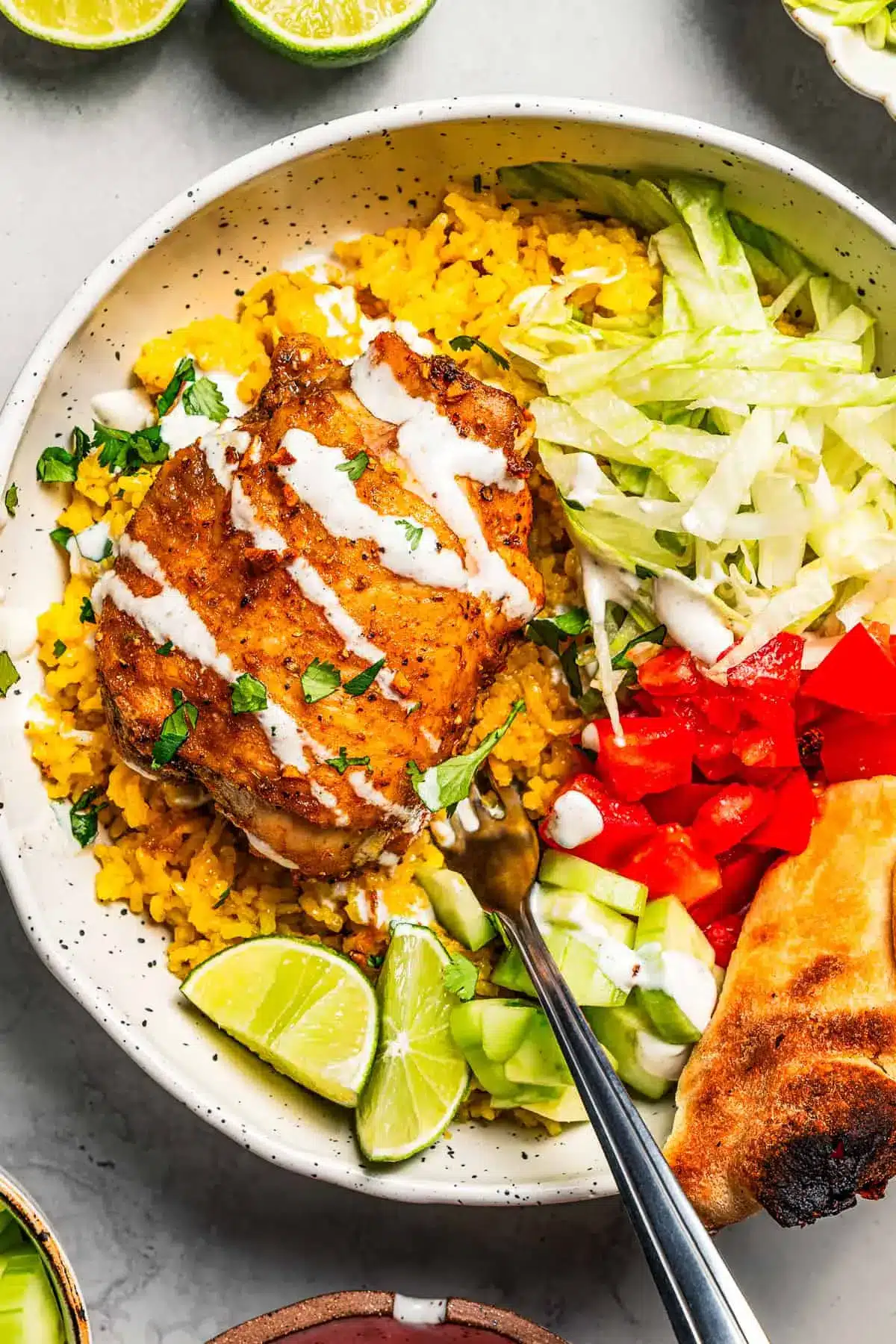
The allure of street food is undeniable, a symphony of aromas and flavors that tantalize the senses and transport us to bustling cityscapes. Among these culinary gems, New York City’s iconic halal cart chicken over rice stands out as a beloved classic. Its simple yet deeply satisfying combination of perfectly spiced chicken, fluffy rice, and a creamy white sauce has captured the hearts and stomachs of many.
Recreating this beloved dish at home allows for a personal touch, ensuring every bite is exactly to your liking. This recipe aims to bring that authentic street cart experience right into your kitchen, offering a comforting and delicious meal that’s surprisingly easy to master. Get ready to embark on a flavor journey that celebrates the spirit of classic New York street food.
Why You Will Love This Recipe
- Authentic Street Cart Flavor: Captures the iconic taste of New York City’s halal carts, bringing a beloved street food experience home.
- Juicy, Spiced Chicken: Features tender chicken thighs infused with a flavorful spice blend that ensures every piece is bursting with taste.
- Fluffy, Aromatic Rice: The yellow rice is seasoned to perfection, providing a delicious and complementary base for the chicken.
- Creamy, Tangy White Sauce: The signature sauce is easy to make and perfectly balances the savory chicken and rice with its creamy, slightly tangy notes.
- Customizable and Versatile: Easily adapt the spices, serving suggestions, and even the type of protein to suit your personal preferences and dietary needs.
Ingredients You Need
The magic of this dish lies in the quality and combination of its ingredients. Fresh, aromatic spices are key to achieving that authentic, craveable flavor. Using good quality chicken and rice will further elevate the dish, ensuring a delightful texture and taste in every mouthful. Don’t shy away from using freshly minced garlic and vibrant turmeric for that signature yellow hue and depth of flavor in the rice.
Halal Cart Chicken Over Rice

This easy halal cart-style chicken over rice recipe combines juicy, spice-rubbed chicken with fluffy yellow rice, drizzled with the iconic, creamy white sauce! Make it 100% from scratch in your own kitchen.
- For the Chicken
- 1½ pounds skin-on boneless chicken thighs, excess skin trimmed
- 3 tablespoons olive oil
- 4 cloves garlic, minced
- 1 teaspoon dried oregano
- 1 teaspoon coriander
- 1 teaspoon ground cumin
- 1 teaspoon kosher salt
- For the Sour Cream Sauce
- 1 teaspoon lemon juice
- 3-4 tablespoons milk, enough to thin the sour cream so that you can drizzle it
- For the Rice
- 2 tablespoon unsalted butter
- 2 cups long grain white rice
- 2 teaspoon ground turmeric
- 1 teaspoon onion powder
- 1 teaspoon ground cumin
- 1 teaspoon garlic powder
- 4 cups vegetable or chicken broth
- To Serve
- 1 cup shredded iceberg lettuce
- 1½ cups fresh diced tomato
- 1Cook the ChickenIn a medium bowl, combine the chicken thighs, olive oil, garlic, and all the spices. Toss to coat the chicken on all sides with the oil and spices. Cover with plastic wrap and chill in the fridge for 1 hour.Preheat your oven to 400ºF and line a baking sheet with a Silpat or parchment paper. Place the chicken thighs on the baking sheet and bake for 35-45 minutes or until the chicken registers at 165ºF on an instant-read thermometer. Let the chicken cool for 5 minutes, then slice it into strips or bite-sized pieces.
- 2Make the RiceDo this while the chicken is cooking.Melt the butter in a medium pot over medium-low heat. Stir in the rice to coat it with the butter. Add all the remaining rice ingredients, stir well. Bring to a simmer, then cover and cook for 15-20 minutes. The rice is done when it's fluffy. Remove from the heat and fluff the rice with a fork.
- 3Make the Sour Cream DrizzleDo this when the chicken and rice are almost done.In a medium bowl, combine the sour cream sauce ingredients. Stir well.
- 4To ServeSpoon the rice into individual bowls and top with the sliced chicken. Add shredded lettuce, diced tomatoes, and diced cucumbers to the bowl. Finish with a generous drizzle of the sour cream sauce. Tuck some pieces of pita or naan bread into the side of the bowl and serve.
Keywords: chicken, rice, halal cart, street food, dinner, American, copycat
The specific quantities for each ingredient can be found in the detailed recipe card above, ensuring you have all the precise measurements needed for success.
Variations
To elevate your chicken over rice experience even further, consider exploring various creative twists. One popular adaptation is a vibrant Mediterranean-inspired version, where the chicken can be marinated with lemon zest, oregano, and a touch of sumac before grilling. Instead of the standard yellow rice, you could opt for a flavorful basmati rice infused with saffron and studded with toasted almonds and dried cranberries for a delightful contrast in texture and sweetness.
For those seeking a healthier, low-carb option, cauliflower rice is an excellent substitute for the traditional white rice. Simply steam or sauté riced cauliflower until tender, then toss it with a sprinkle of garlic powder and a pinch of salt. You can even incorporate finely chopped bell peppers and zucchini into the cauliflower rice for added nutrients and a pop of color, making it a light yet satisfying meal.
Another exciting variation involves a spicy Korean twist. Marinate the chicken in a gochujang-based sauce with soy sauce, ginger, garlic, and a touch of honey or brown sugar. Serve this fiery chicken over a bed of sticky jasmine rice, and top with a kimchi slaw for a kick of fermented flavor and a satisfying crunch. This fusion approach offers a bold departure from the classic, introducing a new dimension of taste to the familiar dish.
How to Prepare chicken over rice
Step 1: Season the Chicken
Begin by preparing your chicken for its flavorful transformation. In a medium-sized bowl, combine your chosen chicken pieces with a generous drizzle of olive oil. This oil acts as a binder for the spices and helps to create a beautifully seasoned, crispy exterior during cooking. Don’t forget to add freshly minced garlic; its pungent aroma is essential for that authentic street food depth of flavor.
Next, introduce the star of the show: the spice blend. For a classic halal cart taste, a mix of dried oregano, coriander, ground cumin, ground turmeric, smoked paprika, kosher salt, and freshly ground black pepper is highly recommended. These spices work in harmony to create a complex and aromatic profile that is both warming and savory. Ensure each piece of chicken is thoroughly coated with this intoxicating mixture, rubbing it in gently to ensure maximum flavor penetration.
Once coated, cover the bowl tightly with plastic wrap. This step is crucial for allowing the flavors to meld and deepen. For the best results, allow the seasoned chicken to chill in the refrigerator for at least one hour. This marinating period, much like a traditional marinade, allows the spices to penetrate the meat, infusing it with incredible flavor and tenderness. This patient approach is the secret to achieving that signature taste.
Step 2: Cook the Chicken
With your chicken beautifully seasoned and ready to go, it’s time to bring it to life with heat. Preheat your oven to a robust 400°F (200°C). This high temperature is perfect for achieving a delightful crispiness on the chicken’s exterior while keeping the inside wonderfully juicy. Line a baking sheet with parchment paper or a Silpat mat; this not only prevents sticking but also makes for a breeze of a cleanup later.
Carefully arrange the seasoned chicken thighs in a single layer on the prepared baking sheet. Ensure they are not overcrowding the pan, as this allows for better air circulation and promotes even cooking and crisping. Place the baking sheet into the preheated oven and let the chicken bake for approximately 35 to 45 minutes. The exact time will depend on the thickness of your chicken pieces.
To ensure your chicken is perfectly cooked and safe to eat, use an instant-read meat thermometer. The chicken is done when it registers an internal temperature of 165°F (74°C). Once cooked, remove the chicken from the oven and let it rest on the baking sheet for about 5 minutes. This resting period is vital, as it allows the juices to redistribute throughout the meat, resulting in a more succulent and tender final product. Afterward, slice the chicken into bite-sized pieces or thin strips, ready to be piled high onto your rice.
Step 3: Prepare the Rice
While the chicken is busy reaching its peak of deliciousness, turn your attention to the foundation of this iconic dish: the rice. This step can conveniently be done while the chicken is cooking, maximizing your efficiency in the kitchen. Melt the unsalted butter in a medium saucepan over medium-low heat. The butter adds a rich flavor and helps to toast the rice grains slightly before cooking.
Add the long-grain white rice, such as jasmine or basmati, to the melted butter. Stir the rice thoroughly to coat each grain with the melted butter. This step, known as toasting the rice, not only adds a subtle nutty flavor but also helps to prevent the grains from becoming mushy during the cooking process. You’ll notice the rice becoming slightly translucent as it absorbs the butter.
Now, introduce the seasonings that give the rice its characteristic golden hue and savory taste. Stir in the ground turmeric for vibrant color, onion powder and garlic powder for aromatic depth, ground cumin for a hint of earthiness, and kosher salt to enhance all the flavors. Pour in the vegetable or chicken broth, ensuring there’s enough liquid to cook the rice thoroughly. Bring the mixture to a gentle simmer, then cover the pot tightly with a lid. Reduce the heat to low and let the rice cook undisturbed for about 15 to 20 minutes, or until all the liquid has been absorbed and the rice is tender and fluffy. Once cooked, remove the pot from the heat and let it sit, covered, for another 5 minutes before fluffing it with a fork.
Step 4: Make the White Sauce
No chicken over rice is complete without its signature creamy white sauce, and thankfully, it’s incredibly simple to whip up. This sauce serves as the perfect counterpoint to the savory chicken and fragrant rice, adding a delightful tanginess and luxurious texture. Aim to prepare this sauce once the chicken and rice are nearing completion, so it’s freshly made and ready to drizzle.
In a medium bowl, combine the sour cream, which forms the creamy base of our sauce. Add a touch of brightness with fresh lemon juice; this not only cuts through the richness of the sour cream but also provides that essential zesty element. A small amount of granulated sugar is added to balance the tartness of the lemon and sour cream, creating a harmonious flavor profile. Don’t forget the za’atar, a Middle Eastern herb blend that adds a wonderfully aromatic and slightly nutty note, and a half teaspoon of garlic powder for an extra punch of flavor.
Whisk all these ingredients together until they are smooth and well combined. The consistency at this stage might be quite thick. To achieve the perfect drizzling consistency, gradually add milk, one tablespoon at a time, whisking continuously. You’re looking for a sauce that is pourable but still holds its shape slightly. Continue adding milk until you reach your desired consistency, ensuring it’s easy to drizzle generously over your finished dish.
Step 5: Assemble and Serve
The moment of truth has arrived! It’s time to bring all the components together to create your masterpiece. Begin by spooning a generous portion of the fragrant yellow rice into individual serving bowls. Ensure you have a nice, fluffy bed of rice to form the base of your delicious creation. The vibrant yellow color from the turmeric is visually appealing and promises a burst of flavor.
Next, artfully arrange the sliced, juicy chicken over the bed of rice. You can pile it high or distribute it evenly; the choice is yours. Now, add the fresh toppings that provide texture and a refreshing contrast. Scatter shredded iceberg lettuce for a crisp bite, followed by diced fresh tomatoes for a juicy, sweet element, and diced peeled cucumber for a cool, crisp finish. These fresh vegetables add a delightful lightness to the rich dish.
Finally, and perhaps most importantly, generously drizzle the creamy white sauce over the entire creation. Let it cascade over the chicken and rice, coating everything in its tangy goodness. For a complete street food experience, tuck a few pieces of warm pita bread or naan bread into the side of the bowl. Serve immediately and savor every delicious bite of your homemade chicken over rice.
Pro Tips for chicken over rice
Leverage Chicken Thighs: For the juiciest and most forgiving chicken, always opt for skin-on, boneless chicken thighs. They are far less likely to dry out during cooking compared to chicken breasts, ensuring a tender result every time. Trim away any excessive fat before seasoning to prevent the dish from becoming too greasy.
Marinate for Flavor: Don’t skip the marinating step, even if you’re short on time. Chilling the chicken with the spice rub for at least an hour allows the flavors to penetrate deeply into the meat. For an even more intense flavor, you can let it marinate overnight in the refrigerator. This extra time makes a significant difference in the final taste.
Achieve Crispy Skin: If you’re using skin-on chicken thighs, the key to achieving perfectly crispy skin is to ensure it’s dry before seasoning and to cook at a sufficiently high temperature. Pat the chicken dry with paper towels before adding the oil and spices. A hot oven or air fryer will render the fat and create a delightfully crisp texture.
Rice Consistency is Key: For fluffy rice, avoid over-stirring once the liquid has been added. The goal is to allow the rice to absorb the liquid gently. Using the correct ratio of liquid to rice is also crucial; too much liquid will result in mushy rice, while too little will leave it undercooked. Fluffing with a fork after cooking helps separate the grains.
Sauce Control: When making the white sauce, err on the side of adding milk slowly. It’s much easier to thin a sauce than to thicken it. You can always add more milk to reach your desired drizzling consistency, but if you add too much at once, your sauce might become too runny. Taste and adjust seasoning before serving.
Serving Suggestions for chicken over rice
Decoration
Elevate the visual appeal of your chicken over rice by adding a few simple yet effective decorative touches. A sprinkle of fresh chopped parsley or cilantro over the finished dish adds a vibrant green contrast and a touch of freshness. You can also garnish with a scattering of toasted sesame seeds, which not only looks appealing but adds a subtle nutty crunch. If you enjoy a little heat, a few thinly sliced jalapeños or a drizzle of hot sauce can add a pop of color and a fiery accent.
Side Dishes
While chicken over rice is a complete meal on its own, it pairs wonderfully with a variety of complementary side dishes. Warm, pillowy pita bread or fluffy naan bread is a classic accompaniment, perfect for scooping up every last bit of sauce. For a refreshing element, consider serving it alongside a simple cucumber and tomato salad dressed with a light vinaigrette, or a crisp Greek salad. A small bowl of pickled vegetables, such as pickled red onions or jalapeños, can also add a delightful tangy crunch.
Creative Serving Ideas
Think beyond the traditional bowl for a more innovative presentation. Serve your chicken over rice in hollowed-out bell peppers for an edible and eye-catching vessel. For a picnic or potluck, portion the chicken and rice into individual mason jars for easy transport and serving. You can also deconstruct the elements and serve them buffet-style, allowing guests to build their own bowls with their preferred ratios of chicken, rice, and toppings. For a restaurant-style flair, arrange the chicken and rice elegantly on a platter and drizzle the sauce artistically.
Preparation & Storage
Storing Leftovers
Storing leftover chicken over rice is straightforward, but it’s best to keep the components separate for optimal freshness and texture. Once the dish has cooled completely, transfer the leftover chicken, rice, and white sauce into separate airtight containers. Refrigerate them promptly. This practice helps to prevent the rice from becoming dry or the chicken from losing its moisture. Properly stored, leftovers should remain delicious for up to 3-4 days.
Freezing
Freezing chicken over rice is possible, though it may slightly alter the texture of the rice and chicken upon thawing. If you plan to freeze, it’s best to freeze the cooked chicken and rice separately from the sauce. Allow them to cool completely before portioning them into freezer-safe containers or heavy-duty freezer bags. The white sauce can also be frozen, but it might require a good whisking after thawing to re-emulsify. Frozen components should be consumed within 2-3 months for best quality.
Reheating
Reheating your leftover chicken over rice can be done using several methods, depending on your preference. For a quick reheat, the microwave is a convenient option; simply place the desired portion in a microwave-safe dish and heat in 1-2 minute intervals, stirring occasionally, until heated through. If you prefer a crispier texture, especially for the chicken, the oven is a great choice. Spread the leftovers on a baking sheet and reheat at around 350°F (175°C) until warmed through. You can also reheat the rice and chicken in a skillet on the stovetop over medium heat, adding a splash of broth or water to prevent drying.
Frequently Asked Questions
-
Can I use chicken breasts instead of thighs?
Absolutely! While chicken thighs are recommended for their superior juiciness and tendency to stay moist, chicken breasts can certainly be used. If opting for chicken breasts, be mindful of cooking times to prevent them from drying out. You might want to reduce the cooking time slightly, and an instant-read thermometer is your best friend to ensure they reach an internal temperature of 165°F (74°C) without becoming overcooked. You could also consider marinating chicken breasts for a longer period to enhance their flavor and moisture.
-
What makes the rice yellow? Is it turmeric?
Yes, the characteristic yellow hue of the rice in this dish is primarily due to the generous use of turmeric. Turmeric is a vibrant spice derived from the Curcuma longa plant, known for its earthy, slightly bitter flavor and its brilliant golden-orange color. In this recipe, it’s typically added along with other spices like cumin and onion powder to the rice before cooking. Besides providing color, turmeric also contributes a subtle warmth and depth to the overall flavor profile of the rice, making it a delightful base for the chicken.
-
Can the white sauce be made vegan or dairy-free?
Yes, adapting the creamy white sauce to be vegan or dairy-free is quite achievable. You can substitute the sour cream with a plain, unsweetened dairy-free yogurt, such as coconut or soy yogurt, which will provide a similar creamy texture. For the milk, opt for unsweetened plant-based milk like almond, soy, or oat milk. Ensure the flavor profile of your chosen dairy-free alternatives complements the other ingredients. Some recipes also incorporate tahini for added richness and a slightly different nutty flavor, which can be a great vegan addition.