Carrot Pistachio Spring Cake That Will Melt Your Heart!
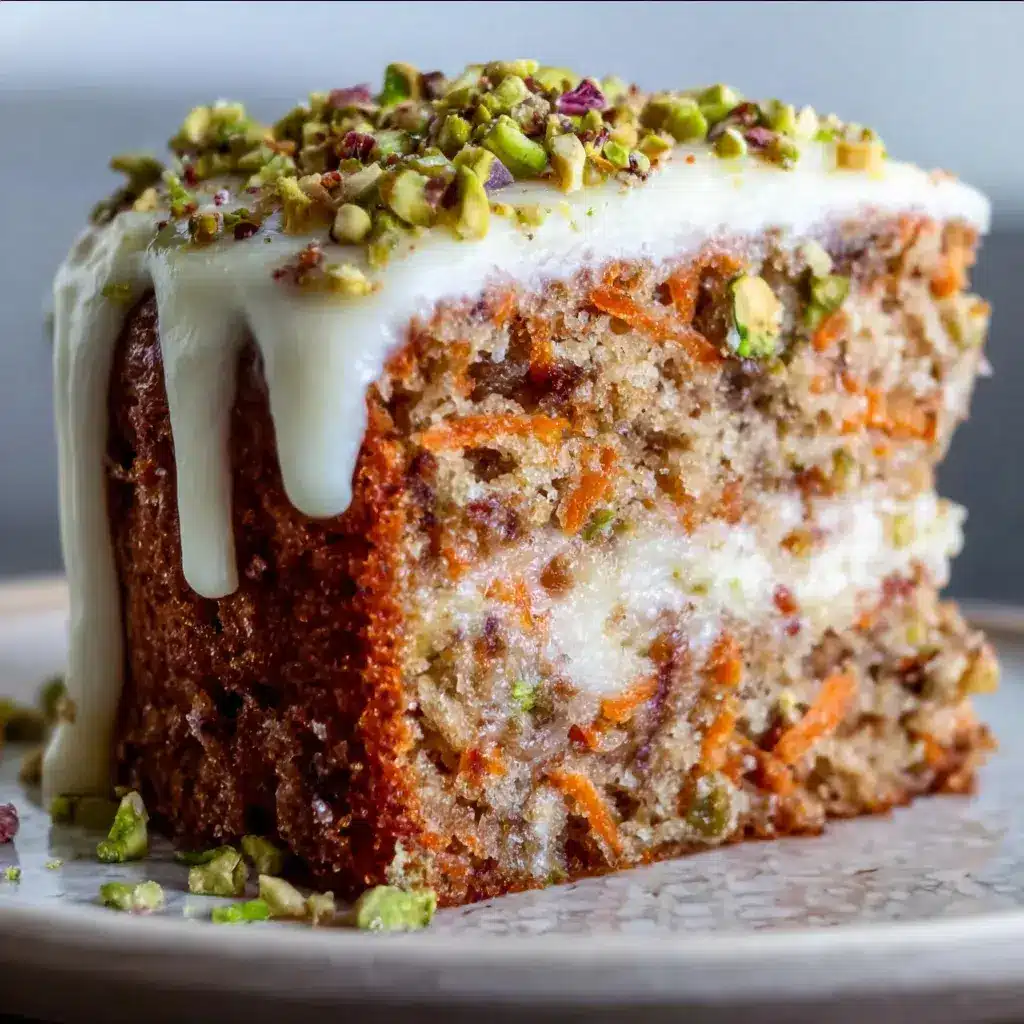
There’s something magical about a carrot pistachio spring cake that captures the essence of the season. The vibrant orange flecks nestled within a moist, tender crumb, topped with velvety cream cheese frosting and crunchy pistachios – it’s pure bliss on a plate! This delightful creation has become a family favorite, especially during springtime gatherings, evoking a sense of renewal and joy with every delicious bite.
The warm spices and nutty pistachios create a perfect harmony that’s become my family’s most requested dessert when the daffodils start blooming. Its unique flavor profile and beautiful presentation make it a standout treat, perfect for Easter brunch, Mother’s Day, or any occasion where a touch of spring cheer is needed.
Why You Will Love This Recipe
- Perfectly Moist Texture: The finely grated carrots naturally infuse the cake with incredible moisture, ensuring a tender crumb that’s never dry.
- Unique Flavor Combination: The earthy sweetness of carrots beautifully complements the aromatic cinnamon and nutmeg, while toasted pistachios add a sophisticated, nutty depth that elevates it beyond a traditional carrot cake.
- Visually Stunning Presentation: The vibrant orange specks of carrot and the emerald green of the pistachios create a beautiful mosaic, especially when topped with luscious cream cheese frosting and more nuts.
- Make-Ahead Friendly: This cake actually tastes even better the next day, allowing the flavors to meld and deepen, making it an ideal stress-free option for hosts.
- Versatile for Any Spring Occasion: From casual family brunches to elegant holiday celebrations, its delightful taste and attractive appearance make it a crowd-pleaser every time.
Ingredients You Need
The foundation of any exceptional cake lies in the quality of its ingredients, and this carrot pistachio spring cake is no exception. Choosing fresh, vibrant carrots and high-quality pistachios will significantly impact the final taste and texture of your dessert. When it comes to spices, ensure they are fragrant and recently opened for the most potent flavor infusion. Even the humble flour and sugar play a crucial role in achieving the perfect crumb structure and sweetness.
Carrot Pistachio Spring Cake
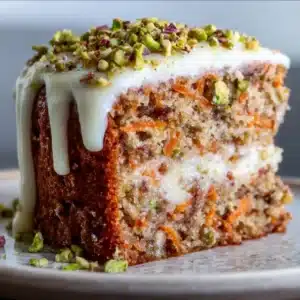
A moist and tender carrot cake with a delightful pistachio crunch, topped with velvety cream cheese frosting. This cake captures the essence of spring with its vibrant colors and harmonious flavors, perfect for any festive occasion.
- 1.5 cups all-purpose flour
- 1.5 teaspoons ground cinnamon
- 0.5 teaspoon ground nutmeg
- 1 teaspoon baking soda
- 0.5 teaspoon salt
- 1.5 cups grated carrots (about
- 3 medium carrots)
- 1 cup chopped pistachios, plus more for garnish
- 1 cup granulated sugar
- 0.5 cup packed brown sugar
- 0.75 cup vegetable oil or a mix of oil and melted butter
- 3 large eggs
- 1 teaspoon vanilla extract
- 8 ounces cream cheese, softened
- 0.5 cup unsalted butter, softened
- 2 cups powdered sugar
- 1 teaspoon vanilla extract
- 1Preheat your oven to 350°F (175°C). Grease and flour a 9-inch round cake pan.
- 2In a large bowl, whisk together the flour, cinnamon, nutmeg, baking soda, and salt.
- 3In a separate bowl, combine the grated carrots and chopped pistachios. Squeeze excess moisture from the grated carrots using a clean kitchen towel.
- 4In another large bowl, whisk together the granulated sugar, brown sugar, and oil (or oil/butter mixture) until well combined. Beat in the eggs one at a time, then stir in the vanilla extract.
- 5Gradually add the dry ingredients to the wet ingredients, mixing until just combined. Do not overmix.
- 6Gently fold in the prepared carrots and pistachios until evenly distributed.
- 7Pour the batter into the prepared cake pan and spread evenly.
- 8Bake for 30-40 minutes, or until a wooden skewer inserted into the center comes out clean.
- 9Let the cake cool in the pan for 10-15 minutes before inverting it onto a wire rack to cool completely.
- 10While the cake cools, prepare the frosting: In a large bowl, beat the softened cream cheese and softened butter until smooth and creamy.
- 11Gradually add the powdered sugar, beating until well combined and smooth. Stir in the vanilla extract.
- 12Once the cake is completely cool, frost the top and sides with the cream cheese frosting. Garnish with additional chopped pistachios.
Keywords: carrot cake, pistachio cake, spring cake, cream cheese frosting, vegetarian, German, baked goods, dessert, holiday cake
The exact quantities for each ingredient are detailed in the recipe card above, ensuring you have everything you need for a successful bake.
Variations
For those who appreciate a lighter, more invigorating flavor profile, incorporating citrus zest into the batter can offer a delightful twist. The bright, zesty notes of lemon or orange peel beautifully cut through the sweetness of the carrots and complement the warmth of the spices. This addition can make the cake feel even more reminiscent of springtime, offering a refreshing counterpoint to the richer elements.
A wonderful way to cater to dietary needs or simply explore new flavor avenues is to create a vegan version of this cake. By substituting dairy and eggs with plant-based alternatives like flax eggs, plant-based milk, and a good quality vegan butter or oil, you can achieve a remarkably similar texture and taste. The key is to ensure your substitutions are effective and that the overall balance of moisture and richness is maintained for optimal results.
For a low-carbohydrate adaptation, you can explore using almond flour or coconut flour as a base, alongside a sugar substitute like erythritol or stevia. The pistachios already lend themselves well to a lower-carb approach, and by carefully adjusting the other ingredients, you can create a delicious, guilt-free indulgence. This approach allows those following specific dietary plans to enjoy the delightful flavors of carrot and pistachio cake without compromising their goals.
How to Prepare carrot pistachio spring cake
Step 1: Preparing the Dry Ingredients
Begin by gathering all your dry ingredients in a large mixing bowl. This includes the all-purpose flour, granulated sugar, brown sugar, baking soda, baking powder, salt, and the warming spices: cinnamon and nutmeg. Whisk these ingredients together thoroughly, ensuring that the leavening agents and spices are evenly distributed throughout the flour mixture. This foundational step is crucial for ensuring the cake rises evenly and carries its delightful aroma consistently.
Properly measuring your flour is paramount; using the ‘spoon and level’ method prevents excess flour from making the cake dense. Gently spoon the flour into your measuring cup and then level it off with a straight edge, rather than scooping directly from the bag. This small but significant technique helps maintain the correct flour-to-liquid ratio, which is key to achieving a tender cake crumb.
Step 2: Incorporating Wet Ingredients and Flavor
In a separate, medium-sized bowl, whisk together the wet ingredients. This typically includes eggs, vegetable oil (or melted butter for a richer flavor), and vanilla extract. The eggs provide structure and richness, while the oil or butter ensures the cake remains moist and tender. Vanilla extract enhances the overall flavor profile, adding a sweet, aromatic depth that pairs beautifully with the spices and nuts.
Once the wet ingredients are well combined, it’s time to introduce the star components: the grated carrots and chopped pistachios. Gently fold these into the wet mixture, ensuring they are evenly dispersed. For the carrots, grating them finely using the small holes of a box grater is ideal, as it allows them to soften and meld into the batter without becoming overpowering. Toasting the pistachios beforehand, and allowing them to cool completely, amplifies their nutty flavor and provides a delightful crunch.
Step 3: Combining Wet and Dry Mixtures
Gradually add the dry ingredient mixture to the wet ingredient mixture. It’s best to do this in stages, perhaps in three additions, mixing until just combined after each addition. Overmixing the batter at this point can develop the gluten in the flour too much, leading to a tougher cake. Stop mixing as soon as you no longer see streaks of dry flour.
The goal here is to create a cohesive batter that holds together without being overworked. You should see the vibrant orange specks of carrot and the green of the pistachios distributed throughout the smooth, fragrant batter. A light hand at this stage is your ally in achieving that desirable tender cake texture.
Step 4: Baking the Cake
Preheat your oven to the specified temperature and prepare your cake pan(s) by greasing and flouring them, or lining them with parchment paper. This ensures the cake will release easily after baking, maintaining its beautiful shape. Pour the prepared batter evenly into the prepared pan(s), spreading it to the edges for an even bake.
Bake for the recommended time, or until a wooden skewer or toothpick inserted into the center of the cake comes out clean. Baking times can vary slightly depending on your oven, so it’s always best to start checking a few minutes before the indicated time. An oven thermometer is an invaluable tool for ensuring your oven is at the correct, consistent temperature, which is vital for successful baking.
Step 5: Cooling the Cake
Once baked to perfection, remove the cake from the oven and let it cool in the pan for about 10-15 minutes. This allows the cake to set further, making it more stable and less likely to break when you attempt to remove it from the pan. After this initial cooling period, carefully invert the cake onto a wire rack to cool completely.
Ensuring the cake is entirely cool before frosting is essential. Applying frosting to a warm cake will cause it to melt and slide off, creating a messy and unappealing result. Patience here is key to achieving a beautifully finished cake that looks as good as it tastes.
Step 6: Preparing and Applying Frosting
While the cake is cooling, prepare the cream cheese frosting. This typically involves creaming together softened cream cheese and softened butter until smooth and fluffy. Gradually beat in powdered sugar until you achieve a desirable consistency and sweetness. A touch of vanilla extract and a pinch of salt can enhance the frosting’s flavor, balancing its richness.
Once the cake is completely cool, generously spread the cream cheese frosting over the top and sides, if desired. For an extra touch of elegance and flavor, sprinkle chopped pistachios over the frosted cake. You can also use whole pistachios for a decorative garnish. This final flourish not only enhances the visual appeal but also reinforces the delightful pistachio flavor within.
Pro Tips for carrot pistachio spring cake
The Secret to Grating Carrots: For the most tender and moist carrot cake, use the fine side of a box grater. This ensures the carrots break down into small, manageable pieces that will cook evenly and meld seamlessly into the batter, contributing to that signature moist texture without any noticeable chunks.
Toasting Pistachios is Key: Don’t skip toasting your pistachios! A brief stint in a dry skillet or a low oven awakens their essential oils, intensifying their nutty flavor and aroma. Make sure to let them cool completely before chopping and incorporating them into the batter to prevent them from melting or clumping.
Measure Flour Accurately: The bane of many home bakers is inaccurately measured flour, which can lead to dense, dry cakes. Always use the “spoon and level” method: spoon the flour into your measuring cup and then level off the excess with a straight edge. Avoid scooping directly from the bag, as this compacts the flour.
Don’t Overmix the Batter: Once you combine the wet and dry ingredients, mix only until just combined. Overmixing develops the gluten in the flour, resulting in a tough, rubbery cake. A few small streaks of flour remaining are perfectly acceptable and will disappear during baking.
Room Temperature is Crucial for Frosting: For smooth, lump-free cream cheese frosting, ensure your cream cheese and butter are at true room temperature – soft enough to indent easily with a finger but not melted. This allows them to emulsify properly, creating a silky, spreadable frosting.
Serving Suggestions for carrot pistachio spring cake
Decoration
To elevate the visual appeal of your carrot pistachio spring cake, consider a generous sprinkle of finely chopped pistachios over the entire surface of the cream cheese frosting. This not only adds a delightful crunch but also provides a beautiful contrast in texture and color. For an even more sophisticated look, arrange whole, shelled pistachios in a decorative pattern around the edges or in the center of the cake. Edible flowers, like pansies or violets, can add a touch of spring elegance and a pop of natural color that complements the cake’s earthy tones.
Side Dishes
This cake pairs wonderfully with a simple scoop of vanilla bean or honey ice cream, whose creamy sweetness complements the cake’s spices and nuts. A dollop of lightly sweetened whipped cream, perhaps infused with a hint of citrus zest or a drop of rosewater, offers a lighter accompaniment that still provides a touch of indulgence. For a more refreshing option, consider serving it with a bowl of fresh, seasonal berries such as strawberries or raspberries; their tartness provides a lovely contrast to the cake’s sweetness.
Creative Serving Ideas
Transform individual slices into elegant desserts by pairing them with a drizzle of warm caramel sauce or a light fruit compote, like poached pears or a mixed berry mélange. For a delightful brunch offering, serve small cupcakes or mini cakes alongside a selection of fresh fruits and a beverage like sparkling elderflower or a citrus-infused iced tea. You could also create a dessert platter by incorporating slices of this cake with other small treats, such as no-bake mango truffles, allowing guests to sample a variety of flavors and textures.
Preparation & Storage
Storing Leftovers
To keep your carrot pistachio spring cake at its freshest, store any leftovers in an airtight container in the refrigerator. The cream cheese frosting requires refrigeration to maintain its texture and prevent spoilage. While the cake will remain moist and flavorful for up to 4-5 days when stored properly, it’s best to bring individual slices to room temperature for about 20-30 minutes before serving. This allows the flavors to bloom and the texture to soften, ensuring the best eating experience.
Freezing
This cake freezes exceptionally well, making it an excellent candidate for making ahead of time. For the best results, freeze the unfrosted cake layers. Wrap them tightly in two layers of plastic wrap, followed by a layer of aluminum foil, to prevent freezer burn. Frozen unfrosted cake layers can be stored for up to 2-3 months. Thaw them overnight in the refrigerator before frosting and serving.
Reheating
If you wish to serve a slice of this delightful cake warm, you can do so very gently. A short stint in a low-temperature oven (around 300°F or 150°C) for 5-10 minutes can revive its warmth and softness, especially if it’s unfrosted. However, it’s generally recommended to serve this cake at room temperature or slightly chilled to best enjoy the texture of the cream cheese frosting. Avoid microwaving, as this can lead to an unevenly heated or rubbery texture.
Frequently Asked Questions
-
Can I make this carrot pistachio spring cake gluten-free?
Absolutely! To make this carrot pistachio spring cake gluten-free, you can substitute a high-quality gluten-free all-purpose flour blend that contains xanthan gum. The natural moisture from the carrots in this recipe is excellent for gluten-free baking, helping to keep the cake tender and moist, which is often a challenge with gluten-free alternatives. Ensure the blend you choose is designed for 1:1 substitution in baking recipes for the best results.
-
How do I prevent the cream cheese frosting from becoming runny or too soft?
Preventing a runny cream cheese frosting is all about temperature and technique. Start with very cold cream cheese straight from the refrigerator and softened, but not melted, butter. Beat them together until just combined and smooth; avoid overbeating, as incorporating too much air can lead to a softer frosting. If your frosting seems too soft after mixing, chill it in the refrigerator for about 15-20 minutes, stirring occasionally, until it reaches a spreadable consistency. You can also add a tablespoon or two more of powdered sugar if needed, but do so gradually to avoid making it too sweet.
-
Can I substitute walnuts or other nuts for the pistachios in this recipe?
Yes, you can certainly substitute walnuts or other nuts for the pistachios. Walnuts offer a wonderful earthy flavor that also pairs beautifully with carrots and spices, and they work wonderfully in this cake. Pecans are another excellent option, providing a slightly sweeter, richer nuttiness. For the best flavor, I recommend lightly toasting any substitute nuts before chopping and adding them to the batter, just as you would with pistachios. You can also experiment with a mix of nuts, like 50/50 walnuts and pecans, for a more complex flavor profile.