Carrot Cake Cookies
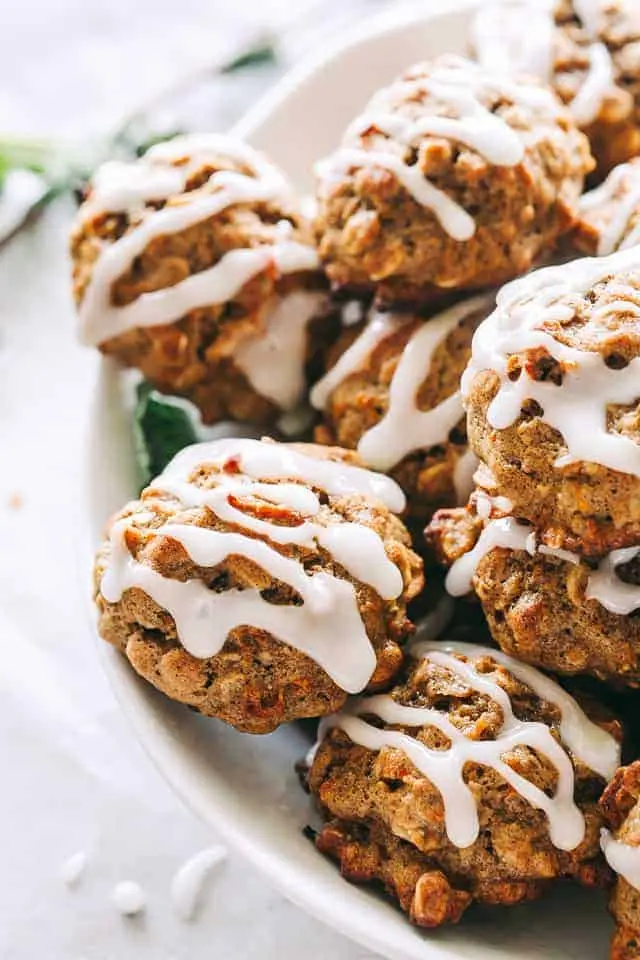
Imagine the comforting embrace of a classic carrot cake, but in a perfectly portioned, delightfully chewy cookie. These aren’t just any cookies; they are little pockets of spiced joy, infused with the sweetness of shredded carrots and the warmth of cinnamon and nutmeg.
Each bite promises a soft texture with a delightful chew, reminiscent of your favorite oatmeal cookie, yet elevated with the distinctive, beloved flavors of carrot cake. It’s the effortless way to capture that nostalgic dessert magic without the fuss of a full cake.
Why You Will Love This Recipe
- Effortless Baking: These cookies come together in a single bowl, minimizing cleanup and maximizing your enjoyment time.
- Irresistible Flavor Profile: Captures the essence of carrot cake with warm spices, carrots, and a touch of sweet glaze.
- Customizable Delight: Easily adaptable with additions like nuts or raisins to suit your personal taste preferences.
- Quick Treat: Perfect for satisfying a sweet craving with minimal preparation and bake time.
- Kid-Friendly Appeal: The familiar texture and sweet, spiced notes make them a hit with younger palates, much like classic oatmeal treats.
Ingredients You Need
The magic of these carrot cake cookies lies in their simple, wholesome ingredients, which come together to create an extraordinary flavor. Opting for high-quality ingredients, especially fresh carrots and fragrant spices, will truly elevate the final cookie. These are the building blocks for that perfect balance of sweet, spice, and tender chewiness that defines a great carrot cake flavor in cookie form.
Carrot Cake Cookies
These carrot cake cookies are soft, chewy, and irresistible! Bursting with carrot cake flavor, the oatmeal-based cookies are easy to make and taste amazing!
- 1/2 cup butter, softened
- 3/4 cup packed light brown sugar
- 2 large eggs
- 1 teaspoon pure vanilla extract
- 1 cup all-purpose flour
- 1/2 teaspoon baking soda
- 1 1/2 cups rolled oats
- 1 1/2 cups finely shredded carrots
- 1 teaspoon ground cinnamon
- 1/2 teaspoon ground ginger
- 1/4 teaspoon ground nutmeg
- 1/2 teaspoon salt
- 1/2 cup finely chopped walnuts (optional)
- 1/2 cup powdered sugar
- 1 tablespoon pineapple juice
- 1Preheat your oven to 375˚F and lightly grease a cookie sheet with cooking spray.
- 2In your electric mixer's bowl, combine the butter and brown sugar; mix until light and fluffy. Then, beat in the eggs and vanilla.
- 3Using a wooden spoon, stir the flour, baking soda, oats, carrots, cinnamon, ginger, nutmeg, salt, and walnuts into the butter mixture. Mix until just combined—do not overmix.
- 4Drop rounded tablespoonfuls of dough about 2-inches apart onto the prepared cookie sheets. Bake the carrot cake cookies for 10 to 11 minutes, or until set.
- 5Remove the cookies from the oven and transfer them to a cooling rack to cool.
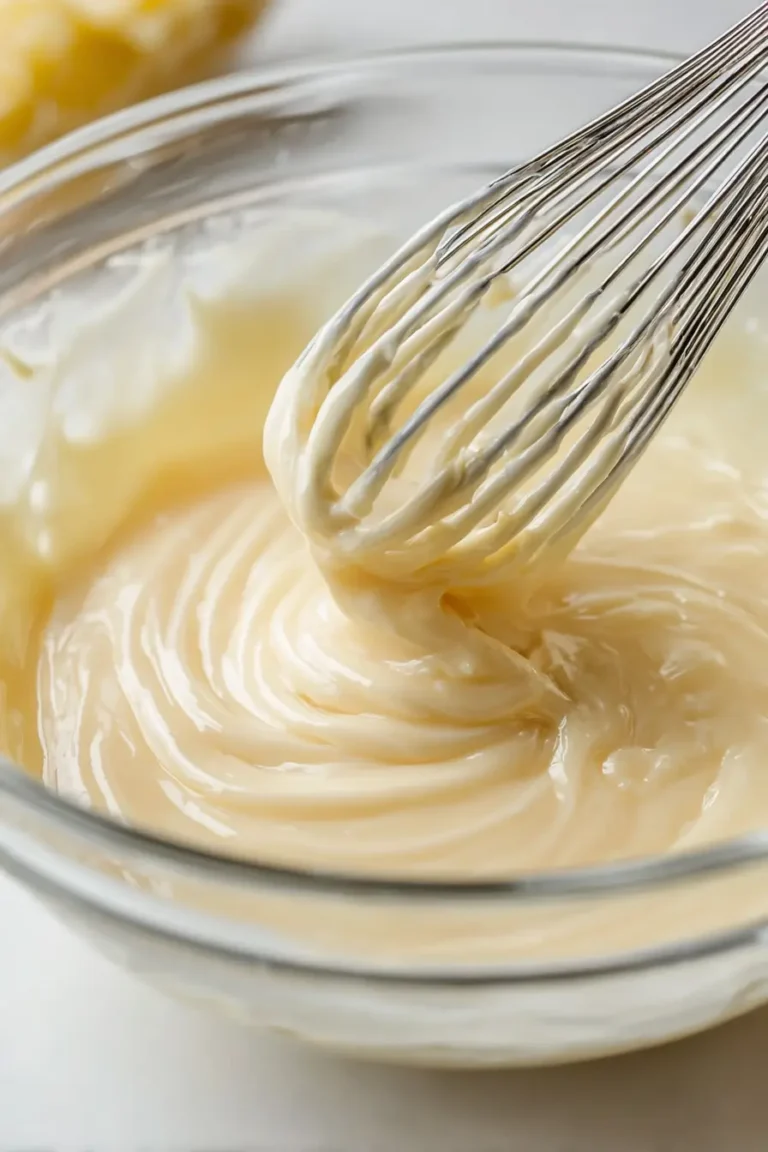
- 6Meanwhile, mix the powdered sugar and pineapple juice in a small mixing bowl; whisk until thoroughly incorporated.
- 7Drizzle the pineapple glaze over the cooled cookies and enjoy.
Keywords: Carrot Cake Cookies, Oatmeal Cookies, Easy Cookies, Fall Baking, Spring Baking, Easter Cookies
The exact quantities for each ingredient are detailed in the accompanying recipe card for your convenience.
Variations
These delightful carrot cake cookies are incredibly versatile, allowing for numerous creative twists to suit any preference or dietary need. Consider embarking on a vegan journey by substituting the butter with a plant-based alternative, like coconut oil or vegan butter, and using a flax egg (one tablespoon of ground flaxseed mixed with three tablespoons of water, left to sit for five minutes) or a commercial egg replacer in place of the regular eggs. This adaptation ensures that everyone can enjoy these spiced delights.
For those following a low-carb lifestyle, a simple modification can make these cookies compliant. Swap out the all-purpose flour for a finely ground almond flour or a coconut flour blend. You’ll also want to replace the brown sugar with a suitable low-carb sweetener, such as erythritol or xylitol, ensuring you adjust the quantity to achieve the desired sweetness. Be mindful that low-carb flours can absorb moisture differently, so you might need a touch more liquid or a slightly longer baking time to achieve the perfect texture.
Adding textural elements can also transform these cookies into something entirely new. Think about folding in a handful of dried cranberries or plump raisins for bursts of chewy sweetness, or even incorporating shredded unsweetened coconut for a tropical flair. For an extra layer of indulgence, a sprinkle of chopped pecans or even mini chocolate chips can be folded into the dough just before baking, creating delightful pockets of flavor and crunch within each soft cookie.
How to Prepare carrot cake cookies
Step 1: Preheating and Preparation of Baking Sheets
The initial step in crafting these exceptional carrot cake cookies involves setting the stage for optimal baking. Begin by igniting your oven, preheating it to a precise 375 degrees Fahrenheit (190 degrees Celsius). This consistent temperature is crucial for ensuring the cookies bake evenly and achieve that perfect golden-brown hue.
Simultaneously, prepare your baking sheets. You can either lightly grease them with a neutral cooking spray or, for easier cleanup and to prevent any sticking, line them with parchment paper. This small but vital preparation step ensures that your delightful cookies will slide off the sheets effortlessly once baked, maintaining their beautiful shape.
Step 2: Creaming Butter and Sugar
In a spacious mixing bowl, introduce the softened butter and packed light brown sugar. This combination is the foundation for the cookie’s tender texture and rich sweetness. Using an electric mixer, whether a stand mixer with a paddle attachment or a handheld mixer, is highly recommended for this stage.
Beat these two ingredients together until the mixture transforms into a light, fluffy, and pale yellow consistency. This creaming process aerates the butter and sugar, incorporating tiny air bubbles that contribute significantly to the cookies’ final lift and delicate crumb. Scrape down the sides of the bowl occasionally to ensure all the butter and sugar are thoroughly incorporated for an even texture.
Step 3: Incorporating Wet Ingredients
Once the butter and sugar are beautifully creamed, it’s time to add the core wet ingredients that will bind the dough together. Crack in two large eggs, ensuring they are at room temperature for better emulsification with the butter mixture. Room temperature ingredients integrate more smoothly, leading to a more cohesive dough.
Next, add one teaspoon of pure vanilla extract. This not only enhances the overall flavor profile but also complements the warm spices beautifully. Beat these additions into the creamed butter and sugar mixture until everything is thoroughly combined and the batter appears smooth and well-emulsified. Avoid overmixing at this stage; just ensure the eggs and vanilla are fully incorporated.
Step 4: Combining Dry Ingredients and Dough Formation
Now, it’s time to introduce the dry ingredients that will give the cookies their structure and signature carrot cake flavor. In a separate bowl, or directly over the wet ingredients if you’re aiming for maximum one-bowl simplicity, whisk together one cup of all-purpose flour, half a teaspoon of baking soda, one and a half cups of rolled oats, one and a half cups of finely shredded carrots, one teaspoon of ground cinnamon, half a teaspoon of ground ginger, a quarter teaspoon of ground nutmeg, and half a teaspoon of salt.
If you’re opting for the optional addition of finely chopped walnuts, add them to this dry ingredient mix now. Using a sturdy wooden spoon or a spatula, gently fold these dry ingredients, along with the carrots and nuts, into the wet butter and sugar mixture. Stir until just combined and no dry streaks of flour remain. It’s imperative not to overmix the dough at this point; overmixing can develop the gluten in the flour too much, resulting in tough cookies. The dough should be thick and slightly lumpy due to the oats and carrots.
Step 5: Scooping and Baking the Cookies
With the dough ready, it’s time to shape the cookies. Use a rounded tablespoon or a cookie scoop to drop portions of the dough onto the prepared baking sheets. Ensure you leave about two inches of space between each cookie dough ball to allow them to spread during baking without merging into one large mass.
Place the baking sheets into the preheated oven. Bake for approximately 10 to 11 minutes. You’re looking for the edges to be lightly golden brown and the centers to appear set, not wet. The exact baking time can vary depending on your oven and the size of your cookies, so keep a close eye on them during the final minutes of baking. They will continue to firm up slightly as they cool.
Step 6: Cooling and Glazing
Once the cookies have reached the desired stage of doneness, carefully remove the baking sheets from the oven. Allow the cookies to cool on the baking sheets for about 5 minutes. This short cooling period on the hot sheet helps them set further, making them less likely to break when you move them.
After this initial cooling on the sheet, gently transfer the cookies to a wire rack to cool completely. While the cookies are cooling, prepare the simple yet essential glaze. In a small bowl, whisk together half a cup of powdered sugar with one tablespoon of pineapple juice until you achieve a smooth, drizzle-able consistency. Once the cookies are entirely cool, artfully drizzle this glaze over the tops, allowing it to set slightly before serving or storing.
Pro Tips for carrot cake cookies
Shred Your Own Carrots: For the most vibrant flavor and optimal moisture, always shred your carrots fresh from a whole carrot. Pre-shredded carrots from a bag often contain more moisture-preserving agents and can be drier, leading to a less integrated texture in your cookies. A box grater works perfectly for achieving the fine shreds needed, and it’s a simple step that makes a noticeable difference in the final cookie.
Don’t Overmix the Dough: It is crucial to stop mixing the dough once the dry ingredients are just incorporated. Overmixing can develop the gluten in the flour, resulting in cookies that are tough and dense rather than soft and chewy. Gentle folding with a spatula or wooden spoon is key to maintaining a tender crumb.
Achieve the Perfect Texture with Oats: While rolled oats provide a wonderful chewy texture, avoid using instant oats. Instant oats are processed differently and can become mushy, detracting from the cookie’s structure and chewiness. Old-fashioned rolled oats will give you the best results for a satisfying bite.
Room Temperature Ingredients are Key: For the creaming of butter and sugar, and for the incorporation of eggs, ensure all your ingredients are at room temperature. This helps them emulsify more effectively, leading to a lighter, airier batter and ultimately, a more tender cookie. Cold ingredients can lead to a dense, oily dough.
Spice Adjustment: The provided spice measurements offer a balanced carrot cake flavor, but feel free to adjust them to your personal preference. If you love a bolder spice profile, consider adding an extra pinch of cinnamon or ginger. A tiny bit more nutmeg can also deepen the warm, cozy notes of these cookies.
Serving Suggestions for carrot cake cookies
Decoration
The simple pineapple glaze is a classic finishing touch, offering a delightful balance of sweetness and subtle tropical tang that perfectly complements the warm spices of the carrot cake cookies. For a more festive look, consider adding a sprinkle of finely chopped walnuts or pecans onto the glaze while it’s still wet, providing a lovely textural contrast and enhancing the nutty undertones. A very light dusting of powdered sugar after the glaze has set can also offer a beautiful, frosted appearance reminiscent of a traditional carrot cake.
Side Dishes
These carrot cake cookies are wonderfully self-sufficient but can also be a delightful accompaniment to certain beverages or light desserts. They pair exceptionally well with a glass of cold milk, a warm cup of coffee, or a soothing herbal tea, making them perfect for an afternoon pick-me-up. For a more elaborate treat, consider serving them alongside a scoop of vanilla bean ice cream or a dollop of cream cheese frosting, transforming them into an elevated dessert experience.
Creative Serving Ideas
For spring gatherings or Easter celebrations, arrange these cookies on a tiered stand alongside other pastel-colored treats. You could also create charming cookie sandwiches by spreading a thin layer of cream cheese frosting or a simple vanilla buttercream between two cooled cookies. Another delightful idea is to serve them as part of a dessert board, alongside fresh fruit like sliced apples or oranges, and a selection of cheeses, offering a sweet and savory contrast.
Preparation & Storage
Storing Leftovers
To keep your delicious carrot cake cookies fresh and delightfully chewy, proper storage is key. Once they have completely cooled, place them in an airtight container. At room temperature, they will maintain their best texture for about 1 to 2 days. If you find yourself with more cookies than you can manage in that timeframe, or if your kitchen is particularly warm, storing them in the refrigerator can extend their freshness for up to a week.
Freezing
These carrot cake cookies freeze exceptionally well, making them perfect for preparing ahead of time or for having a ready supply of treats. You can freeze the baked cookies either with or without the glaze. Arrange the cooled cookies in a single layer on a baking sheet and freeze until solid, which usually takes about 1-2 hours. Once frozen, transfer them to a freezer-safe bag or airtight container, separating layers with parchment paper to prevent sticking. They can be stored in the freezer for up to 3 months.
Reheating
If you’ve stored your cookies in the refrigerator or pulled them from the freezer, a gentle reheating can revive their texture. For cookies stored in the fridge, you can enjoy them as is, or warm them slightly in a microwave for about 5-10 seconds for a soft, just-baked feel. Frozen cookies can be thawed at room temperature for about 30 minutes before enjoying, or you can warm them similarly to refrigerated cookies. If reheating glazed cookies, be mindful that the glaze might become slightly soft when warmed.
Frequently Asked Questions
- Can I make these carrot cake cookies gluten-free?
Yes, you can absolutely make these carrot cake cookies gluten-free by using a 1:1 gluten-free all-purpose flour blend in place of the regular all-purpose flour. Ensure your blend contains xanthan gum for binding. The texture might be slightly different, but the delicious carrot cake flavor will still shine through. Some bakers also find success by combining almond flour and a bit of coconut flour for a gluten-free base. Remember to check that your oats are certified gluten-free if you have celiac disease or a severe gluten sensitivity, as oats are often processed in facilities that handle wheat.
- How do I ensure my cookies have a soft and chewy texture?
To achieve a soft and chewy texture in your carrot cake cookies, several factors come into play. First, ensure you are not overbaking them; taking them out when the edges are just set and the centers still look slightly soft is key, as they will continue to firm up on the baking sheet. Using brown sugar, which contains molasses, helps maintain moisture and chewiness compared to using only granulated sugar. Also, the inclusion of rolled oats contributes significantly to a desirable chewy texture. Finally, proper storage in an airtight container will help preserve their soft quality.
- What is the best way to store these cookies to maintain freshness?
The best way to store these carrot cake cookies to maintain their freshness is by placing them in an airtight container at room temperature, where they should remain delicious for 1-2 days. For longer storage, especially in warmer climates, refrigerating them in an airtight container can extend their lifespan to about a week. If you plan to store them for extended periods, freezing is the most effective method, as detailed in the storage section. Ensure they are completely cooled before storing to prevent condensation, which can lead to sogginess.